art
2025/03/14
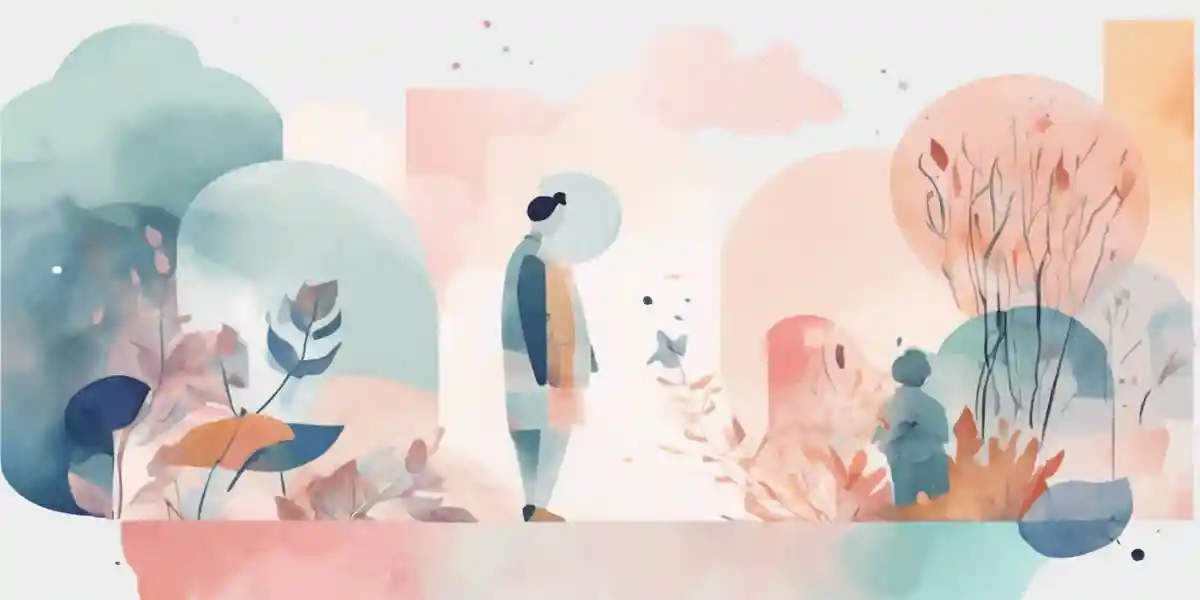
In a world where creativity is constantly evolving, the fusion of human artistry and artificial intelligence is sparking a transformative revolution in illustration art. Imagine a vibrant canvas where artists collaborate with AI art makers—not merely as tools, but as inventive partners capable of generating a multitude of interpretations and styles from a single idea. This dynamic relationship, aptly termed the "Collaborative Canvas," invites us to rethink what it means to create in the digital age. With the advent of advanced technology, artists can now explore uncharted territories, pushing the boundaries of traditional artistry while also confronting complex questions about authorship and artistic value.
This blog post will delve into the crucial role AI art makers play in modern creativity, showcasing how they democratize artistic expression and empower individuals, regardless of formal training, to participate in the creative process. Moreover, we will explore the implications of these advancements for the future of illustration art, considering how they reshape our understanding of artistic practice and viewer engagement. As we stand on the brink of this exciting frontier, we must ask ourselves: How will this new collaborative landscape redefine creativity for generations to come?
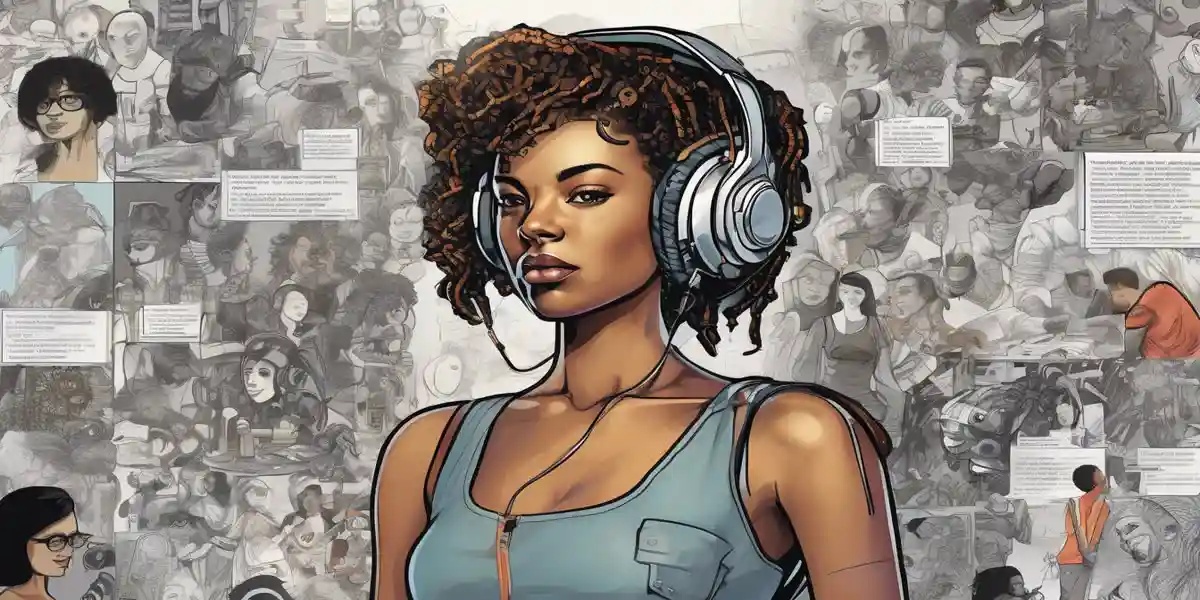
As we stand on the cusp of a new era in creativity, the integration of artificial intelligence (AI) into illustration art offers an exciting and transformative landscape. This section explores the fusion of human artistry with AI capabilities, revealing how this collaboration is not merely a trend but a profound shift in the way we create and perceive art.
Illustration art has a rich history, evolving from traditional methods of drawing and painting to contemporary digital techniques. Artists have always sought ways to express their visions, whether through ink on paper, oil on canvas, or pixels on a screen. The advent of digital tools has expanded creative possibilities, allowing artists to explore new mediums and techniques. For instance, software like Adobe Illustrator and Procreate has empowered illustrators to craft intricate designs with precision and flexibility.
With the rise of AI technologies, the landscape of illustration art is now undergoing another significant transformation. AI art makers, equipped with machine learning algorithms, are capable of generating artwork based on input parameters set by human artists. Imagine an artist sketching a rough outline of a character, and within moments, an AI tool generates a fully rendered illustration that includes various style options, color palettes, and textures. This capability allows artists to explore multiple creative directions quickly, enhancing their workflow and inspiring fresh ideas.
The practical implications of AI integration in illustration are already being observed across various industries. For example, in the realm of advertising, agencies are leveraging AI to produce tailored visuals that resonate with specific target audiences. Tools like DALL-E and Artbreeder empower marketers to create unique images that align with their brand identities, all while saving time and resources. Moreover, in the gaming industry, AI-generated art assists developers in creating expansive worlds filled with diverse characters and environments, enriching player experiences.
Perhaps one of the most intriguing aspects of integrating AI into illustration art is its impact on authorship. Traditionally, authorship in art has been a clear-cut designation—one artist creating a singular piece. However, as AI becomes a co-creator, questions arise about the nature of artistic ownership. Who is the true creator of a piece generated by an AI based on an artist’s input? This evolving dynamic is prompting artists and legal experts alike to rethink the frameworks around authorship and copyright, reflecting the changing nature of creativity in our digital age.
Furthermore, the integration of AI in illustration art has the potential to democratize the creative process. Individuals without formal training can harness AI tools to bring their ideas to life, fostering inclusivity and diversity in the art world. For instance, platforms that utilize AI art generators allow anyone to create visually compelling pieces, encouraging a broader range of voices and perspectives in artistic expression. This shift not only enhances individual creativity but also enriches the collective artistic community.
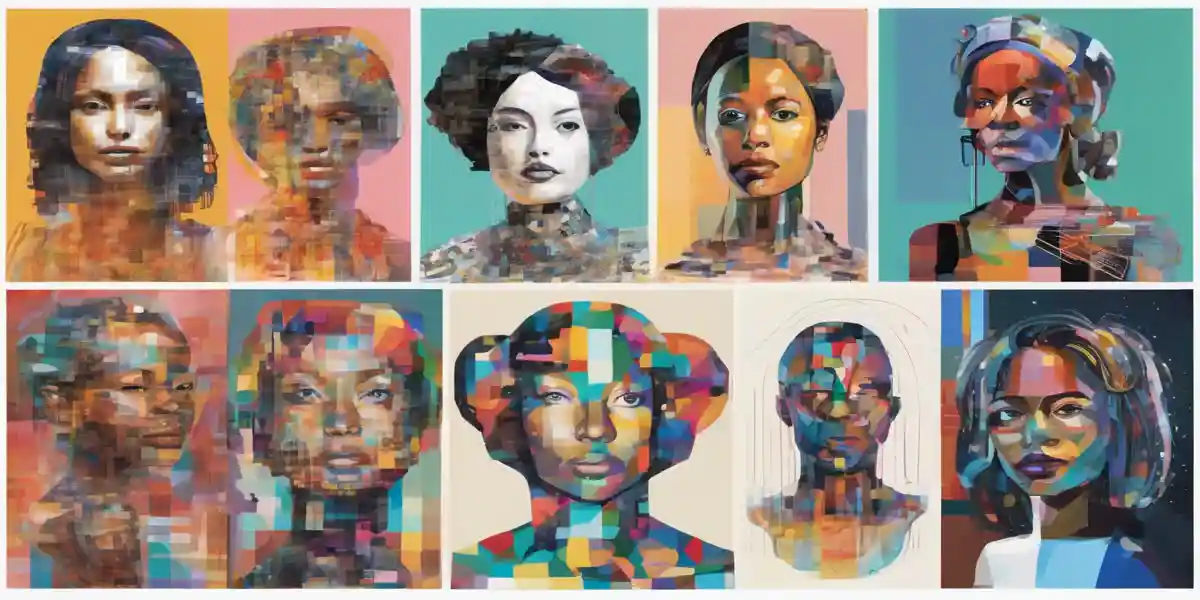
As we delve into the realm of modern creativity, the role of AI art makers emerges not merely as a trend, but as a transformative force reshaping the very fabric of artistic expression. The integration of AI into the creative process is redefining how artists conceive, create, and collaborate, leading to a new epoch of innovation and exploration.
AI art makers serve as powerful tools that augment human creativity. They allow artists to explore a plethora of styles, techniques, and concepts that might otherwise remain beyond reach. Consider an illustrator who inputs a basic sketch into an AI program; within moments, the AI can generate variations that blend different artistic styles—from impressionism to surrealism—offering a rich tapestry of options. This capability not only enhances the artist's creative palette but also encourages experimentation. Artists can iterate rapidly, refining their visions with the help of AI's generative capabilities.
The relationship between artists and AI is evolving into a collaborative partnership. For instance, in mural art, a painter can use AI to analyze their brush strokes in real-time, allowing the technology to suggest complementary colors or even generate digital projections of potential designs on the wall. This interaction creates a dynamic workspace where human intuition meets algorithmic precision, leading to a more enriched creative outcome. Artists are no longer solitary creators but part of a collaborative ecosystem where human and machine work in concert.
One of the most significant impacts of AI art makers is their role in democratizing creativity. With user-friendly interfaces and powerful generative algorithms, individuals without formal artistic training can produce compelling artwork. Platforms like DALL-E and Artbreeder enable users to create stunning visuals simply by typing descriptions or blending existing images. This accessibility invites diverse voices into the art community and encourages fresh perspectives that challenge traditional norms of what constitutes "art." As a result, the creative landscape becomes more inclusive, reflecting a broader spectrum of human experience.
The rise of AI in the creative sphere raises complex questions about authorship and artistic value. Who owns the rights to an artwork generated by AI? Is it the programmer, the user, or the AI itself? These questions are particularly pertinent as legal frameworks begin to grapple with the implications of AI-generated art. The U.S. Copyright Office's evolving stance on recognizing AI art acknowledges its growing significance while still valuing the human input behind it. This dialogue around authorship not only influences artists but also shapes how society perceives the value of art in an increasingly automated world.
The integration of AI is not limited to visual art; it is revolutionizing methods across various creative disciplines. In digital muralism, for example, artists now have access to multi-dimensional tools that allow for interactive and immersive experiences. By leveraging advanced software and hardware, they can create frescos that interact with their environment, transforming static pieces into dynamic experiences. This evolution minimizes creative restrictions, enabling artists to think beyond traditional boundaries and develop unique visual attractions that engage audiences in novel ways.
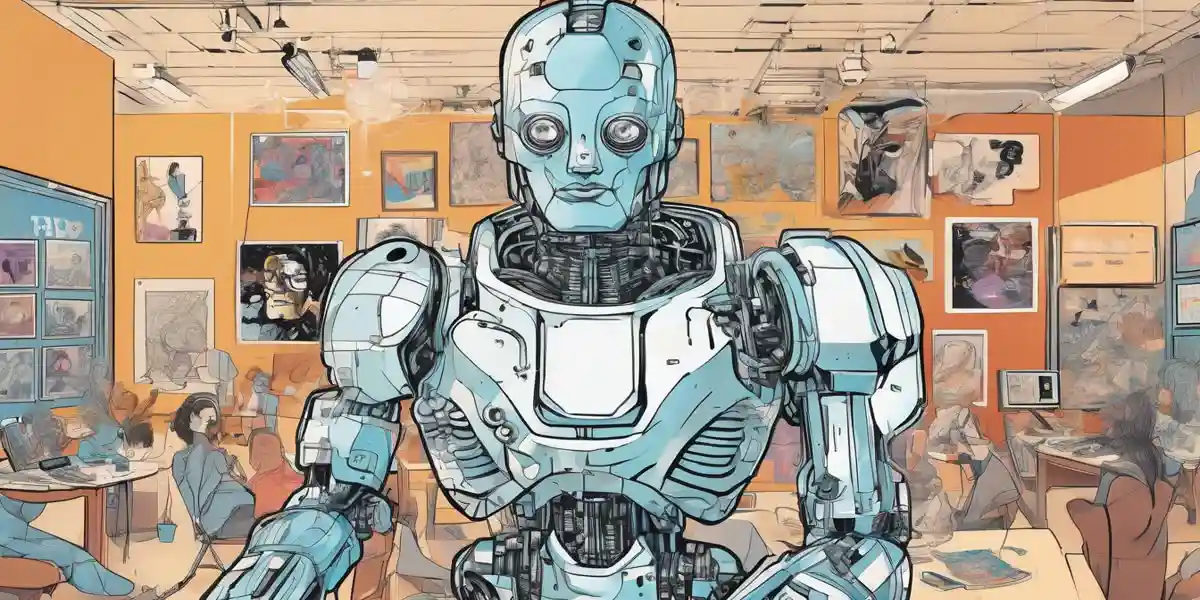
As we stand on the brink of a new era in illustration art, the integration of artificial intelligence is set to redefine not just the tools we use, but the very nature of creativity itself. The future implications of AI in this field are vast, ranging from enhanced artistic expression to profound shifts in authorship and audience interaction.
Imagine an artist who can summon a digital assistant that comprehends their unique style and vision, generating an array of artwork options tailored to their preferences. This is not a distant fantasy; it is already happening. With AI art makers capable of processing extensive databases of artistic styles and techniques, they can offer artists new perspectives and avenues for exploration. For instance, using software like DALL-E or Midjourney, artists can input simple prompts and receive intricate illustrations in various styles, from hyper-realism to surrealism, in mere seconds. This capability allows for rapid prototyping of ideas, enabling artists to experiment and innovate like never before.
The accessibility of AI tools is breaking down barriers that once limited artistic expression to those with formal training. Now, anyone with a creative spark can engage with advanced technology to bring their visions to life. Platforms like Artbreeder empower users to manipulate and combine existing artworks, allowing individuals to create unique illustrations without needing advanced skills in drawing or design. This democratization of art not only diversifies the voices within the art community but also fosters a more inclusive environment where creativity can flourish in unexpected ways.
As AI-generated art continues to proliferate, the question of authorship becomes more complex. Who is the artist—the human who provided the input, or the AI that produced the output? The U.S. Copyright Office has begun to address these issues, aiming to create a framework that recognizes the significance of AI-generated works while balancing the rights of human creators. This shift challenges our traditional understanding of creativity and ownership, prompting artists and the legal system alike to reconsider what it means to create. In this evolving landscape, artists may need to redefine their roles, not just as creators but as curators and collaborators with AI systems.
The integration of AI into illustration art also transforms how audiences engage with art. Imagine a mural that changes based on viewer interactions, adapting its colors and forms in real-time through augmented reality technologies. This idea is becoming a reality as artists use AI to create interactive installations that respond to audience movements and emotions. Such experiences deepen the connection between the artwork and the viewer, making art a participatory experience rather than a passive observation. This shift not only enriches the artistic experience but also challenges artists to consider new methods of engaging their audiences.
Looking ahead, the "Collaborative Canvas" concept hints at a future where human artists and AI co-create harmoniously. This collaborative approach encourages the exploration of new artistic frontiers, pushing boundaries and challenging the status quo. Artists who embrace this synergy may find themselves venturing into uncharted territories of creativity, producing works that are not solely their own but are enriched by the capabilities of AI. The fusion of human intuition and machine efficiency can lead to groundbreaking innovations in the field of illustration art, inviting us to rethink the very essence of creativity.
As we journey through this transformative era of illustration art, it becomes clear that the integration of artificial intelligence is not merely a technological advancement; it is a profound redefinition of creativity itself. In our exploration, we've uncovered how AI art makers are reshaping the landscape of creative expression, empowering artists with new tools that enhance their capabilities while democratizing the artistic process. From enhancing collaboration between human intuition and machine precision to challenging our traditional notions of authorship, the implications of AI in illustration art are both vast and complex.
Moreover, the evolution of artistic methods and practices invites us to rethink the relationship between creators and their audiences. As interactivity and personalization become increasingly central to artistic experiences, we find ourselves at a crossroads where art can transcend passive observation, inviting viewers to participate actively. This not only enriches the artistic experience but also broadens the spectrum of voices and narratives present in the art community.
As we stand on the brink of this new frontier, it is essential for artists, technologists, and art lovers alike to engage in thoughtful discourse about the implications of these changes. How do we navigate the evolving definitions of creativity and ownership in a world where machines are co-creators? Are we ready to embrace a future where the lines between human artistry and artificial intelligence blur? These are questions that deserve our attention as we collectively shape the artistic landscape of tomorrow.
So, as you reflect on the insights shared in this article, consider your own relationship with art and technology. How can you leverage these advancements to inspire your creativity? What role do you envision for yourself in this collaborative world of human and AI artistry? The future of illustration art is being written today—be a part of it.
Get notified about new articles, coffee tips, and Web3 insights.
This site participates in affiliate programs and may earn a commission when a link is clicked and a purchase is made. The site is not responsible for any issues or troubles related to the products or services purchased through the use of this site.
DO&COFFEE loves coffee and technology, exploring the potential of NFTs and blockchain. Learn more →
DO&COFFEE loves coffee and technology, exploring the potential of NFTs and blockchain. Learn more →