wellness
2025/03/14

In the fast-paced world of software development, where deadlines loom and code takes precedence, maintaining a healthy eating plan can feel like an uphill battle. For busy developers, the challenge of juggling work responsibilities with the need to eat well is both daunting and essential. But what if there were strategies tailored specifically for your lifestyle that not only make healthy eating achievable but also enjoyable? This blog post delves into essential strategies for mastering a healthy eating plan for weight loss, offering insights into the importance of nutrition, effective meal planning, and practical tips to maintain consistency amidst a hectic schedule.
We’ll explore how understanding your nutritional needs and crafting personalized meal plans can transform your approach to food. Imagine utilizing meal planning apps designed specifically for developers, integrating features that simplify your cooking experience and motivate healthy eating habits. With tools that help track your nutritional goals, suggest grocery lists, and even foster community motivation, taking charge of your health can become a seamless part of your routine. By the end of this post, you’ll be equipped with the knowledge and resources to embrace healthier eating without sacrificing the efficiency you value in your work life. Are you ready to revolutionize your approach to food and wellness? Let's dive in!

As busy developers navigating the demands of deadlines and project objectives, you might often find yourself asking: why is a healthy eating plan essential? Beyond the surface-level goals of weight loss and improved appearance, a well-structured eating plan serves as a foundation for both physical health and mental performance, particularly in high-stakes, cognitively demanding environments.
Think of your body as a finely tuned machine, much like the computer you spend hours coding on. Just as software runs smoothly with the right hardware and code optimization, your mind requires the right nutrients to function at its best. Research shows that a balanced diet can enhance cognitive function, improve mood, and even boost productivity—critical factors for developers who rely on creativity and problem-solving skills. For instance, incorporating omega-3 fatty acids from sources like fish or flaxseed can enhance brain function and memory retention, which is invaluable during those long coding sessions.
In the fast-paced world of technology, the risk of burnout is ever-present. A healthy eating plan can act as a buffer against the physical and mental fatigue that comes with demanding projects. Studies have indicated that diets high in processed foods and sugars can lead to mood swings and anxiety, which can detract from your focus and overall job performance. By prioritizing whole foods, such as fruits, vegetables, whole grains, and lean proteins, you can stabilize your energy levels and maintain a more resilient mindset. Imagine how much more effective you could be if your energy didn’t spike and crash throughout the day!
One of the common hurdles developers face is time. Between coding, meetings, and project management, cooking a nutritious meal might seem daunting. However, understanding the importance of a healthy eating plan can motivate you to integrate meal planning into your routine. Tools like meal planning apps can help simplify this process by allowing you to create balanced meals that fit your schedule. For example, an app could suggest quick recipes that take under 30 minutes to prepare, thus saving you precious time while ensuring you eat healthily.
A healthy eating plan is not just about what you eat, but also about developing sustainable habits that can lead to long-term health benefits. The integration of technology, such as meal planning websites or apps, can provide a structured approach to meal preparation. These platforms often include features like grocery lists, nutritional tracking, and even community support to keep you accountable. Consider how a weekly meal prep session could transform your eating habits from impulsive fast food choices to well-thought-out, nutritious meals that align with your health goals.
Lastly, the importance of community cannot be overstated. Engaging with others who share similar health goals can provide motivation and support. Consider joining an online community or forum where developers share healthy recipes and tips. This social aspect not only helps you stay accountable but can also transform the often-isolated practice of meal preparation into a collaborative and enjoyable experience. Imagine sharing your culinary successes and learning from others—how much more fun would meal planning become?

Creating a healthy eating plan for weight loss is not merely about restricting calories; it’s about crafting a sustainable lifestyle that fits seamlessly into the hectic schedules of busy developers. In this section, we will explore how to design an effective eating plan that aligns with your daily routines, preferences, and nutritional needs.
Before diving into meal planning, it’s crucial to set achievable goals. Are you aiming for a specific weight loss target, or are you more focused on improving energy levels and overall health? Consider using the SMART criteria—Specific, Measurable, Achievable, Relevant, and Time-bound—to define your objectives. For instance, instead of saying “I want to lose weight,” a SMART goal would be “I want to lose 5 pounds in the next month by exercising three times a week and following a balanced meal plan.”
Busy developers often gravitate towards quick, processed foods that are high in calories but low in essential nutrients. To combat this, focus on incorporating nutrient-dense foods into your meal plan. Vegetables, whole grains, lean proteins, and healthy fats should form the cornerstone of your diet. For example, a lunch made of quinoa, roasted vegetables, and grilled chicken not only provides the necessary nutrients but can also be prepared in bulk on weekends, ensuring you have healthy meals ready during your busy workweek.
In our tech-savvy world, meal planning apps can be invaluable, especially for developers. These applications can simplify the process, allowing you to create personalized meal plans quickly. Imagine an app that generates a weekly menu based on your dietary preferences and time constraints, providing recipes that can be prepared in under 30 minutes. This way, you won’t have to resort to ordering fast food when your workload increases.
Moreover, integrating a grocery list feature can help streamline your shopping experience. Some apps even offer local grocery delivery options, saving you time and ensuring you have all the ingredients needed for your meals.
To keep your healthy eating journey engaging, consider incorporating gamification techniques. Many meal planning apps now include features that allow you to track your nutritional intake and set milestones. Completing these milestones can earn you points or badges, turning your weight loss journey into a fun challenge. For instance, you might earn a badge for cooking five healthy meals in a week or for hitting your hydration goals, making the process more rewarding.
Meal prepping is a game-changer for busy developers. Set aside a couple of hours on the weekend to prepare meals for the week. This not only saves time but also helps you avoid unhealthy food choices during hectic workdays. Start by batch-cooking staples like grains, proteins, and roasted vegetables, which can be mixed and matched throughout the week. For example, having a base of brown rice ready can allow you to create a stir-fry one night and a burrito bowl the next.
Don’t underestimate the power of community when it comes to maintaining a healthy eating plan. Many meal planning apps offer forums where users can share their progress, recipes, and experiences. Engaging with a community can provide motivation and accountability. You might find it beneficial to join a group focused on healthy eating or weight loss challenges tailored to developers, where you can share tips and celebrate each other's successes.
Lastly, it’s essential to continuously assess and adjust your eating plan based on feedback from your body and lifestyle. Are the meals satisfying your hunger? Are you feeling energized or sluggish? Keeping a food diary can help you identify patterns and make necessary adjustments. For instance, if you notice that you feel tired in the afternoons, you might consider adding a protein-rich snack to your routine.
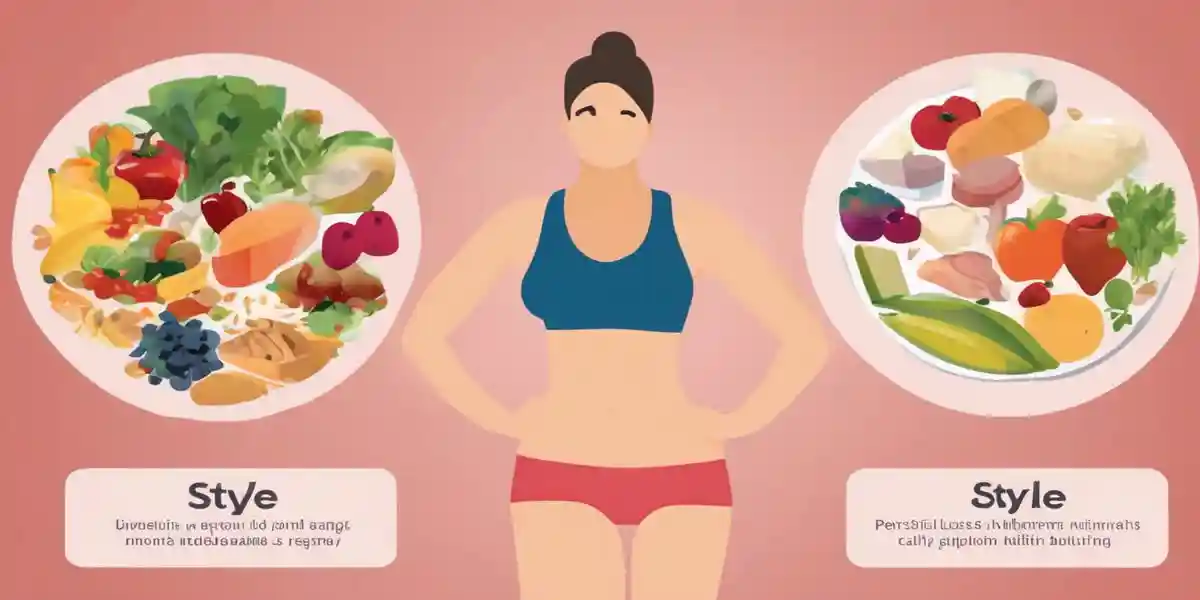
To embark on a successful weight loss journey, particularly for busy developers, it is essential to first understand and identify individual nutritional needs. This process serves as the foundation for any effective healthy eating plan, ensuring that the meals you consume not only support weight loss but also enhance your energy and productivity throughout your demanding workdays.
At the core of identifying nutritional needs lies the concept of Daily Caloric Requirements (DCR). This refers to the number of calories your body requires to maintain its current weight, factoring in your activity level, age, gender, and specific health goals. For developers, who may spend long hours in front of a screen, this understanding becomes particularly critical. Did you know that sedentary individuals might need around 2,000 to 2,400 calories a day, depending on various factors? Tools like eDietForYou can assist in calculating these requirements accurately, minimizing errors often made when relying solely on generalized dietary guidelines.
Once you have a grasp on your caloric needs, the next step is to break down those calories into macronutrients: carbohydrates, proteins, and fats. Each macronutrient plays a unique role in your overall health and energy levels. For example, while carbohydrates provide quick energy—essential for those late-night coding sessions—proteins are vital for muscle repair and growth, particularly if you incorporate exercise into your routine. Healthy fats, often overlooked, are crucial for brain function, helping you stay sharp as you tackle complex coding challenges.
A general guideline to start with could be a distribution of 50% carbohydrates, 25% proteins, and 25% fats. However, these ratios can be adjusted based on individual preferences and specific dietary guidelines recommended by nutritionists. Wouldn't it be empowering to know exactly what your body craves and how to fulfill those needs effectively?
As a busy developer, utilizing technology can significantly aid in identifying and meeting your nutritional needs. Consider meal planning apps that tailor meal suggestions based on your unique dietary preferences and restrictions. These apps can analyze your daily caloric intake and macronutrient distribution, offering recipes and meal plans that align with your goals. For instance, if you find yourself short on protein, an app could suggest high-protein meals that can be whipped up quickly during your lunch break.
Moreover, interactive features, such as food tracking and user feedback, can foster a community environment, allowing developers to share their experiences and recipes. Remember the impactful study on text messaging nudges? It demonstrated that consistent reminders could encourage meal prep and healthier choices. Imagine receiving a gentle nudge to prepare a nutritious meal that aligns with your nutritional needs—this technology can turn aspiration into action.
Finally, identifying your nutritional needs involves tuning into your body and its signals. Are you feeling fatigued or unusually hungry? These sensations can provide clues about whether you're consuming enough of the right nutrients. Keeping a food diary can help you track your meals and how they make you feel, enabling you to make adjustments based on your body's responses.
Incorporating these elements into your daily routine may seem overwhelming at first, but as you begin to understand your nutritional needs better, you’ll find that maintaining a healthy eating plan becomes not just a possibility, but an enjoyable part of your lifestyle. So, are you ready to take the first step towards mastering your nutrition?
As we've explored throughout this blog post, mastering a healthy eating plan for weight loss is not just about shedding pounds; it’s about creating a sustainable lifestyle that supports the demanding roles of busy developers. We began by understanding the critical importance of a healthy eating plan, recognizing it as the bedrock for both mental clarity and physical well-being. This is especially vital in a profession where creativity and focus are paramount.
Next, we delved into the specifics of crafting an effective eating plan tailored to your nutritional needs. By setting realistic goals, emphasizing nutrient-dense foods, and utilizing meal planning apps, you can navigate your busy schedule with ease. Remember, it's not about perfection; it's about progress and finding what works best for you. The power of community and accountability was also highlighted, reinforcing the idea that you don't have to embark on this journey alone.
Finally, the importance of continuously assessing and adjusting your eating habits cannot be overstated. Listening to your body and responding to its needs is key to staying energized and productive. By integrating these strategies into your daily routine, you can not only achieve your weight loss goals but also cultivate a healthier relationship with food.
So, as you sit back and reflect on your own eating habits, ask yourself: Are you ready to transform your approach to nutrition and embrace a healthier, more energetic lifestyle? Take that first step today—your future self will thank you.

Get notified about new articles, coffee tips, and Web3 insights.
This site participates in affiliate programs and may earn a commission when a link is clicked and a purchase is made. The site is not responsible for any issues or troubles related to the products or services purchased through the use of this site.

DO&COFFEE loves coffee and technology, exploring the potential of NFTs and blockchain. Learn more →
DO&COFFEE loves coffee and technology, exploring the potential of NFTs and blockchain. Learn more →