technology
2024/08/07

In today's rapidly evolving digital landscape, the interplay between emotional connection and digital transformation is becoming increasingly crucial. Emotional connection refers to the bond formed when individuals resonate with each other's feelings and experiences, fostering trust and empathy. On the other hand, digital transformation encompasses the integration of digital technology into all areas of a business or service, fundamentally changing how organizations operate and deliver value to customers. This transformation is not just about technology; it also involves a cultural shift that requires organizations to continually challenge the status quo, experiment, and get comfortable with failure.
The significance of this topic is highlighted by real-world examples across various sectors. For instance, in healthcare, a 2023 study explored the use of mobile health (mHealth) technologies for Type 2 Diabetes management. It demonstrated that patients who developed an emotional connection with their healthcare providers through digital platforms were more proactive in managing their condition, leading to improved health outcomes. Similarly, educational programs, such as the IGNITE initiative for elderly nursing education, showcased how emotional engagement through digital learning environments resulted in significant improvements in participants' skills and attitudes.
This blog post will delve into how emotional connection enhances digital transformation, examining areas such as emotional intelligence in business, the role of digital innovation, and actionable strategies for fostering these connections in a digital world. By understanding these interconnections, we can appreciate how emotional resonance can drive successful digital strategies, ultimately leading to better outcomes for individuals and organizations alike.
According to research, organizations that prioritize emotional intelligence in their digital transformation efforts see a 20% increase in employee engagement and a marked improvement in overall productivity. This statistic underscores the importance of integrating emotional connection into the fabric of digital initiatives.
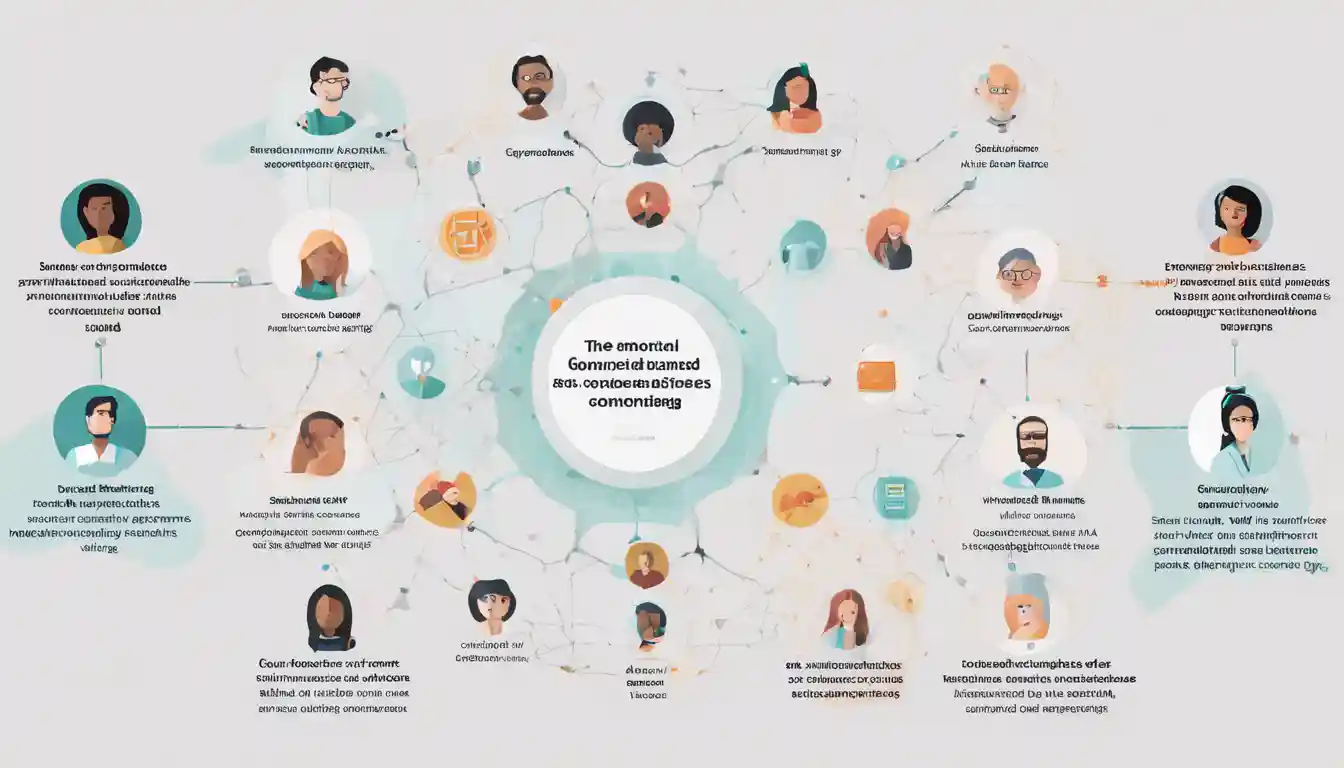
Emotional connection refers to the bond that develops between individuals through shared feelings, experiences, and empathy. At its core, it embodies the ability to resonate with the emotions of another, which is crucial for building relationships in both personal and digital contexts. Technically, emotional connections can be understood through frameworks such as the Value-Arousal Circumplex Model proposed by Russell, which categorizes emotions based on their arousal and valence. This model can be integrated into digital platforms to enhance user interactions by tailoring content and responses that resonate emotionally with users, thus promoting a deeper engagement.
Emotional connections are vital in various domains, including healthcare, education, and digital communication. For instance, in the realm of healthcare, studies have shown that effective emotional resonance can significantly improve patient outcomes. A 2023 study exploring mHealth interventions for Type 2 Diabetes patients revealed that patients who felt a stronger emotional connection with their healthcare providers were more proactive in their self-management, leading to better health outcomes. Similarly, educational platforms utilizing digital empathy training have demonstrated improved student engagement and learning outcomes. For example, the IGNITE program for elderly nursing education effectively improved participants' attitudes and skill levels through emotionally connective learning experiences.
In the context of Web3, emotional connection can be enhanced through decentralized platforms that prioritize user agency and personal narratives. Smart contracts can facilitate trust, while decentralized identity solutions can help ensure privacy and authenticity in interactions. The use of avatars in virtual spaces allows for personalized representation, which can amplify emotional engagement. Additionally, the integration of Artificial Intelligence in emotional analysis can help platforms adapt responses based on user sentiments, fostering a more nuanced interaction experience.
According to a 2023 review on digital empathy in healthcare, emotional resonance significantly impacts patient satisfaction and adherence to treatment protocols. Furthermore, data from a comparative study on digital empathy in education highlights that students exposed to emotionally intelligent teaching methods scored 20% higher in satisfaction surveys than their peers.
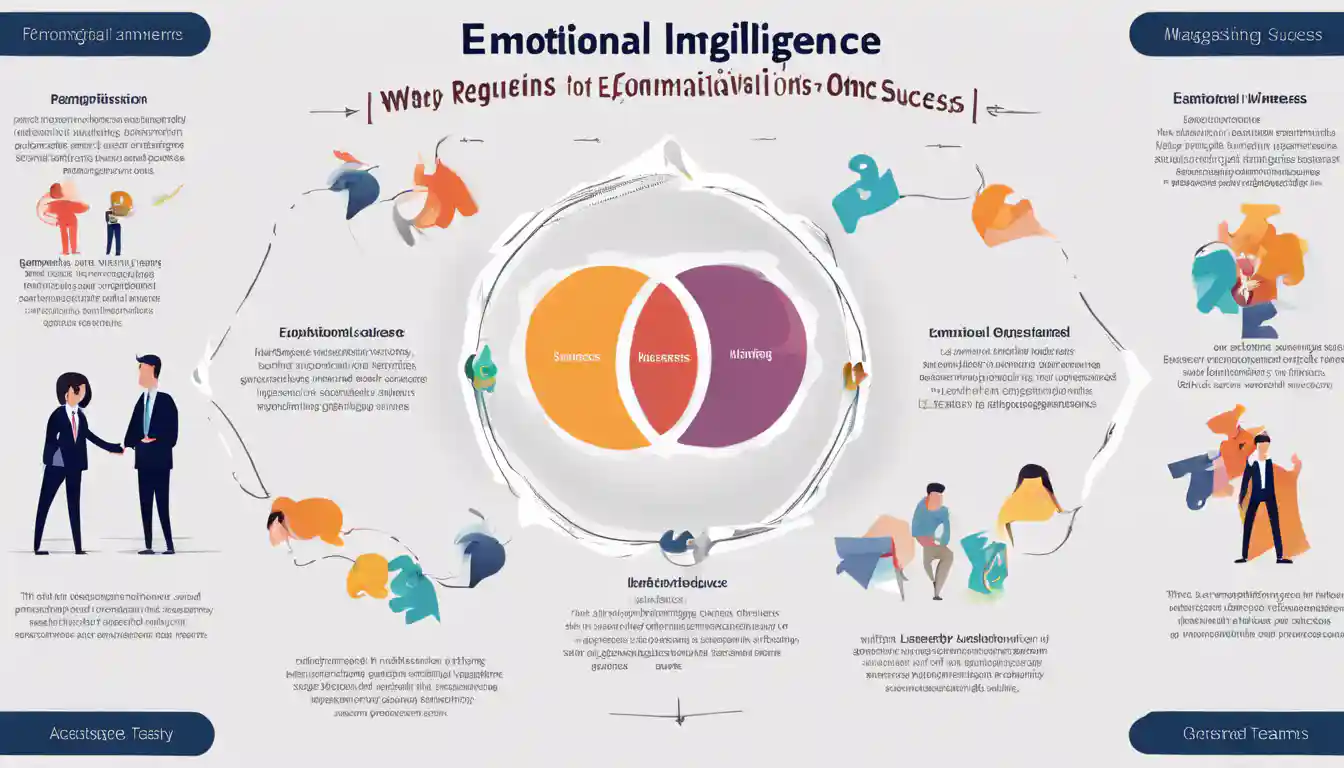
Emotional Intelligence (EI) in business refers to the ability to recognize, understand, and manage our own emotions as well as the emotions of others. It encompasses five key components: self-awareness, self-regulation, motivation, empathy, and social skills. Self-awareness is the ability to recognize one's own emotions and their effects on thoughts and behavior. Self-regulation involves controlling emotions and adapting to changing circumstances. Motivation refers to harnessing emotions to pursue goals, while empathy is about understanding others' emotions. Lastly, social skills pertain to managing relationships and building networks.
From a technical perspective, EI can be quantified through assessments that measure these competencies, often used in recruitment and leadership development. For instance, tools like the EQ-i (Emotional Quotient Inventory) provide scores that can predict workplace performance and team dynamics.
The importance of EI in business cannot be overstated. Research indicates that leaders with high EI outperform their peers in managing teams and driving performance. For example, a study found that project managers with higher emotional intelligence were more effective in leading their teams, resulting in lower turnover rates and higher project success rates. In another case, companies like Google emphasize EI in their hiring processes, recognizing that effective communication and empathy lead to better collaboration and innovation.
Moreover, during crises, such as the COVID-19 pandemic, leaders with strong EI were better positioned to navigate uncertainty and maintain employee morale. A notable example includes Satya Nadella, CEO of Microsoft, who emphasized empathy in his leadership approach, fostering a culture of trust and resilience amongst his workforce.
In the context of Web3 and advanced technologies, emotional intelligence can be enhanced through digital platforms that promote interpersonal connections. For instance, virtual reality (VR) tools can simulate real-world interactions, allowing users to practice empathy and communication in a controlled environment. Additionally, AI-driven chatbots can gauge user emotions through sentiment analysis, enabling companies to tailor responses that resonate emotionally with customers.
Moreover, as organizations increasingly rely on remote work technologies, understanding the emotional nuances of digital communication becomes crucial. Tools that integrate emotional analytics can provide insights into team morale and engagement levels, allowing leaders to make informed decisions about team dynamics.
Supporting the relevance of emotional intelligence, a review highlighted that high-EI project managers significantly contribute to project success, especially during challenging times (source: COVID-19 project management study). Furthermore, a report indicated that organizations focusing on employee emotional well-being saw a 20% increase in productivity (source: Employee Engagement Research).
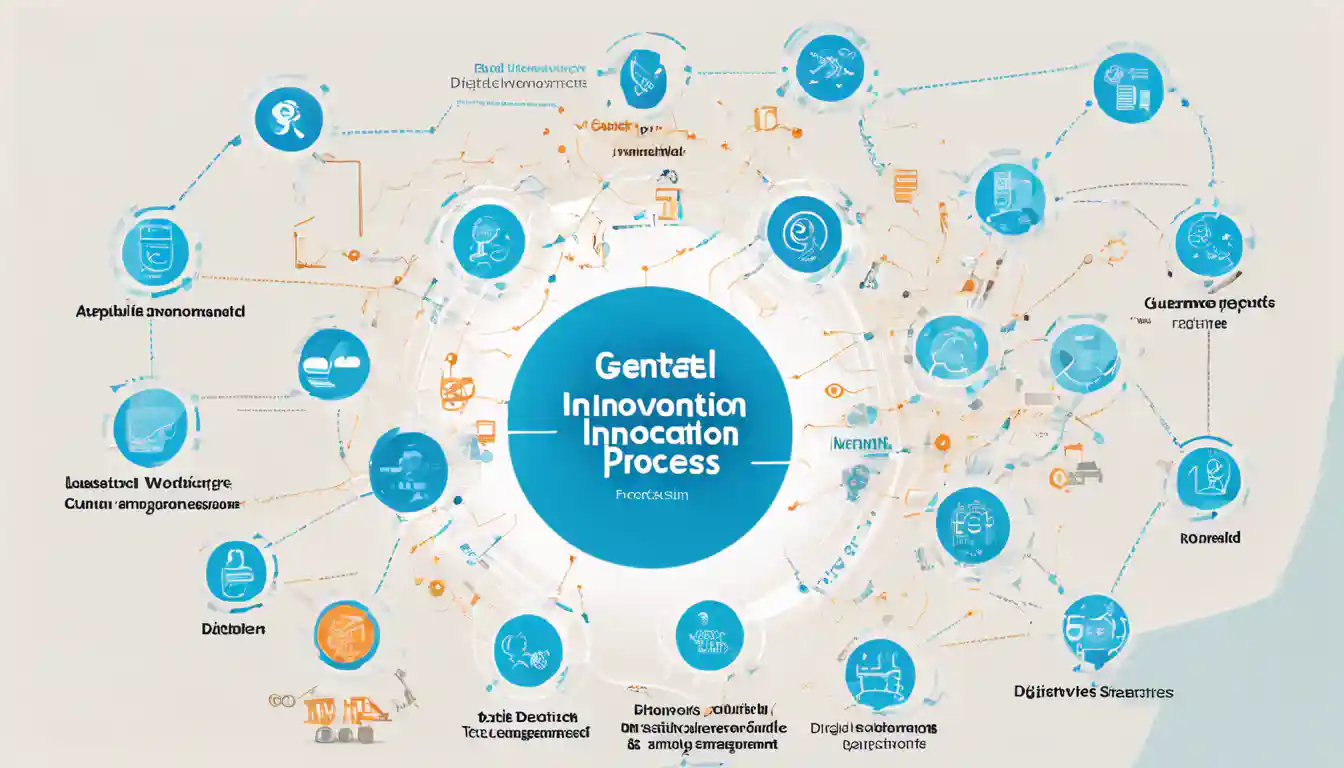
Digital innovation refers to the application of digital technology to create new or improved processes, products, or services. It encompasses a wide range of technologies, including artificial intelligence (AI), machine learning, blockchain, and the Internet of Things (IoT). For instance, utilizing AI algorithms for data analysis can enhance decision-making in various sectors such as healthcare, where predictive analytics can inform patient care. In Web3, technologies like decentralized finance (DeFi) use blockchain to provide financial services without intermediaries, exemplifying digital innovation's capacity to disrupt traditional systems.
The importance of digital innovation cannot be overstated; it drives efficiency, enhances customer engagement, and fosters competitive advantage. For example, the use of mHealth technologies in managing Type 2 Diabetes (T2DM) has transformed patient self-management, allowing for real-time monitoring and tailored interventions based on individual patient needs. Furthermore, educational programs like IGNITE, which leverage digital platforms, have shown significant improvements in nursing education by enhancing learner engagement and knowledge retention.
Digital innovation often involves advanced technologies such as blockchain and AR/VR. For example, using augmented reality in educational settings can significantly enhance student engagement by providing immersive learning experiences. A study indicated that AR technology not only improved understanding of complex subjects but also increased student motivation. Additionally, in healthcare, digital empathy tools powered by AI can assist healthcare professionals in understanding patient emotions, leading to better patient outcomes. This aligns with the findings from the research on digital technologies in clinical empathy, where understanding patient emotions is crucial.
According to a study on mHealth technologies, effective self-management solutions for T2DM patients were developed based on interviews with healthcare providers, highlighting the importance of technology in enhancing patient outcomes. Furthermore, the IGNITE program demonstrated significant improvements across various dimensions, including attitudes toward elderly care, indicating the positive impact of digital innovation in education. These findings underscore the transformative potential of digital innovation across diverse sectors.
In this blog post, we explored the profound impact of emotional connection and digital transformation across various domains. We highlighted how emotional connections enhance engagement and outcomes in healthcare, education, and business, with practical examples such as the success of the IGNITE program in nursing education and the role of emotional intelligence in effective leadership. Furthermore, we discussed the significance of digital innovation, particularly through mHealth technologies and the integration of AI, which are transforming patient management and educational experiences.
Looking toward the future, the implications of these findings are significant. As digital platforms continue to evolve, the ability to forge genuine emotional connections will become increasingly essential. Organizations that harness the power of digital tools to foster empathy and understanding will likely see enhanced user engagement and loyalty. Moreover, as we embrace advanced technologies like virtual reality and artificial intelligence, the potential for creating immersive and emotionally resonant experiences will only grow, paving the way for a more connected and empathetic digital landscape.
Ultimately, the intersection of emotional connection and digital transformation invites us to rethink how we interact in both personal and professional spheres. As we move forward, consider how you can leverage these insights in your own life or organization—whether it's through adopting digital empathy tools, enhancing emotional intelligence, or fostering deeper connections in your community. The future beckons for those ready to embrace this transformative journey.
- Internet use influences digital empathy: a survey on Chinese young adults
- Digital empathy in online education: A comparison study between Portugal and Romania
- Development of Interaction Simulation Video for Enhancing Digital Empathy Skills
- Development of Digital Literacy and Digital Empathy with Micro-learning via Activities on Metaverse
- Virtual resonance: analyzing IPA usage intensity under COVID-19's isolating canopy
- Emotional intelligence of children with special needs using innovative technologies
- “The Park of Emotions”: A Serious Game for the Development of Emotional Intelligence in Children
- School-Based Team Sports as Catalysts for Holistic Student Wellness: A Narrative Review
- Harnessing Wearable Devices for Emotional Intelligence: Therapeutic Applications in Digital Health
- Virtual resonance: analyzing IPA usage intensity under COVID-19's isolating canopy
- Emotional intelligence of children with special needs using innovative technologies
- “The Park of Emotions”: A Serious Game for the Development of Emotional Intelligence in Children
- School-Based Team Sports as Catalysts for Holistic Student Wellness: A Narrative Review
- Digital intelligence as a partner of emotional intelligence in business administration
- Emotional Intelligence in the Digital Age: Harnessing AI for Students’ Inner Development

Get notified about new articles, coffee tips, and Web3 insights.
This site participates in affiliate programs and may earn a commission when a link is clicked and a purchase is made. The site is not responsible for any issues or troubles related to the products or services purchased through the use of this site.

DO&COFFEE loves coffee and technology, exploring the potential of NFTs and blockchain. Learn more →
DO&COFFEE loves coffee and technology, exploring the potential of NFTs and blockchain. Learn more →