technology
2024/08/07

In the ever-evolving landscape of blockchain technology, meta-transactions have emerged as a groundbreaking solution designed to enhance user experience on networks like Ethereum. But what exactly are meta-transactions? At their core, they allow users to submit transactions without needing to own the native cryptocurrency, in this case, Ether (ETH), to cover transaction fees. Instead, a third party, known as a relayer, can step in and pay these fees on behalf of the user, creating a more seamless interaction with decentralized applications (dApps). This mechanism not only simplifies the process of engaging with blockchain applications but also paves the way for broader adoption by making entry barriers significantly lower.
The importance of meta-transactions extends beyond mere convenience; they revolutionize how users interact with blockchain systems. Imagine a new user wanting to engage in decentralized finance (DeFi) or a gaming platform. The traditional requirement of acquiring ETH to pay for gas fees can be daunting, especially for those unfamiliar with cryptocurrencies. However, with meta-transactions, users can participate in activities like trading, lending, or gaming without the initial hurdle of managing cryptocurrency wallets. For instance, platforms such as Axie Infinity allow players to engage in gameplay without needing to purchase ETH first, thus reducing friction and enhancing user retention. Statistics show that platforms employing meta-transactions have experienced significant increases in user engagement, with some noting a 40% uptick in new registrations.
In this post, we will delve into the key concepts surrounding meta-transactions, exploring their technical workings and real-world applications. We will also highlight how these transactions interconnect with the broader ecosystem of Ethereum and Web3 technologies. As we uncover these intricacies, it will become evident that meta-transactions serve as a crucial bridge, enhancing accessibility, scalability, and user experience in the blockchain space. By the end of this exploration, you will see how meta-transactions not only simplify interactions with dApps but also contribute to the ongoing evolution of the blockchain landscape, making it more inclusive for everyone.
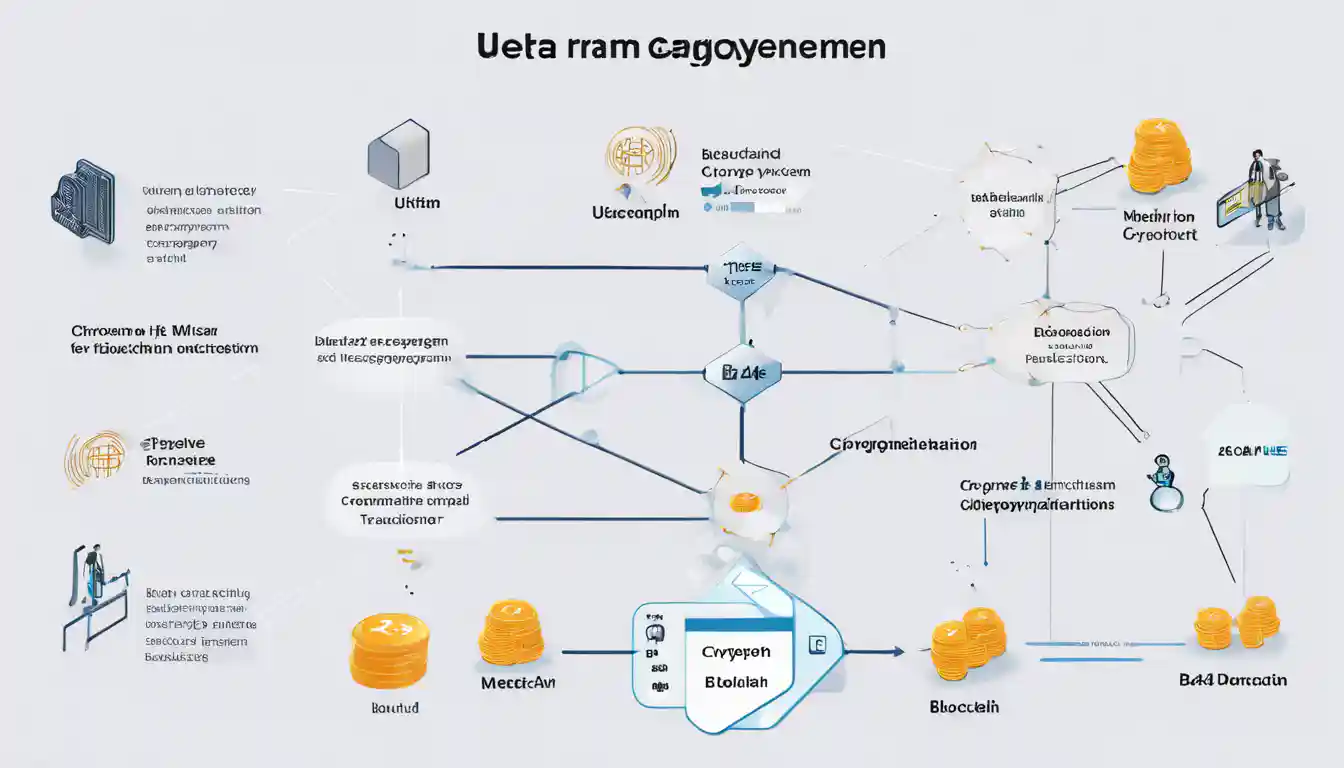
Meta-transactions represent a significant innovation within the blockchain ecosystem, particularly on networks like Ethereum. At its core, a meta-transaction allows users to submit a transaction without needing to own the native cryptocurrency (ETH, in the case of Ethereum) required to pay for transaction fees. This is achieved through a mechanism where a third party—often called a relayer—pays the transaction fee on the user's behalf in exchange for some form of compensation, which could be a fee paid in a different token or a service rendered.
Technically, a meta-transaction works by using a two-step process:
This method enhances user experience by eliminating the need for users to acquire the blockchain's native token, thereby simplifying interactions with decentralized applications (dApps). As outlined in the paper "On Blockchain Metatransactions," this approach not only improves user experience but also enhances the scalability and availability of transactions across different platforms.
The importance of meta-transactions cannot be overstated. They significantly lower the barrier to entry for new users who may be intimidated by the complexities of managing cryptocurrency wallets and gas fees. For example, in decentralized finance (DeFi) platforms, users can engage in lending, borrowing, or trading without needing to hold ETH for transaction fees. This is particularly relevant in regions where access to cryptocurrency is limited, facilitating broader participation.
A real-world example is the use of meta-transactions in gaming platforms like Axie Infinity. Players can engage in the game and participate in transactions without needing to acquire ETH first, thus reducing friction and enhancing user retention. Similarly, projects like Gnosis Safe utilize meta-transactions to allow multiple users to manage funds more easily without worrying about gas fees, thus improving the collaborative experience in managing smart contracts.
Here are three actionable tips for developers and users interested in leveraging meta-transactions:
The technical aspects of meta-transactions involve mechanisms like hash-based authentication and selected batch processing, which reduce transaction costs while ensuring security. According to the research, these methods allow for reliable and cost-effective processing of transactions, promoting the widespread adoption of blockchain technology.
In the realm of Web3, meta-transactions are crucial for creating a more user-friendly and accessible ecosystem. They facilitate smoother interactions between smart contracts and users, especially in decentralized applications that require frequent transactions. As highlighted in the paper discussing new methods for secure and efficient execution of meta-transactions, the implementation of these techniques can lead to a significant reduction in operational costs while maintaining high-security standards.
According to the paper "On Blockchain Metatransactions," meta-transactions allow users to engage with blockchain applications without requiring them to own the native cryptocurrency, enhancing user experience and facilitating seamless interactions across platforms. Furthermore, it highlights that implementing hash-based authentication and selected batch processing can significantly lower transaction costs while ensuring security, which is corroborated by various case studies in the field.
In conclusion, meta-transactions are a powerful tool for making Ethereum and other blockchain platforms more accessible and user-friendly. By allowing users to engage with dApps without the burden of managing native tokens for transaction fees, we can pave the way for broader adoption and a more inclusive blockchain ecosystem.
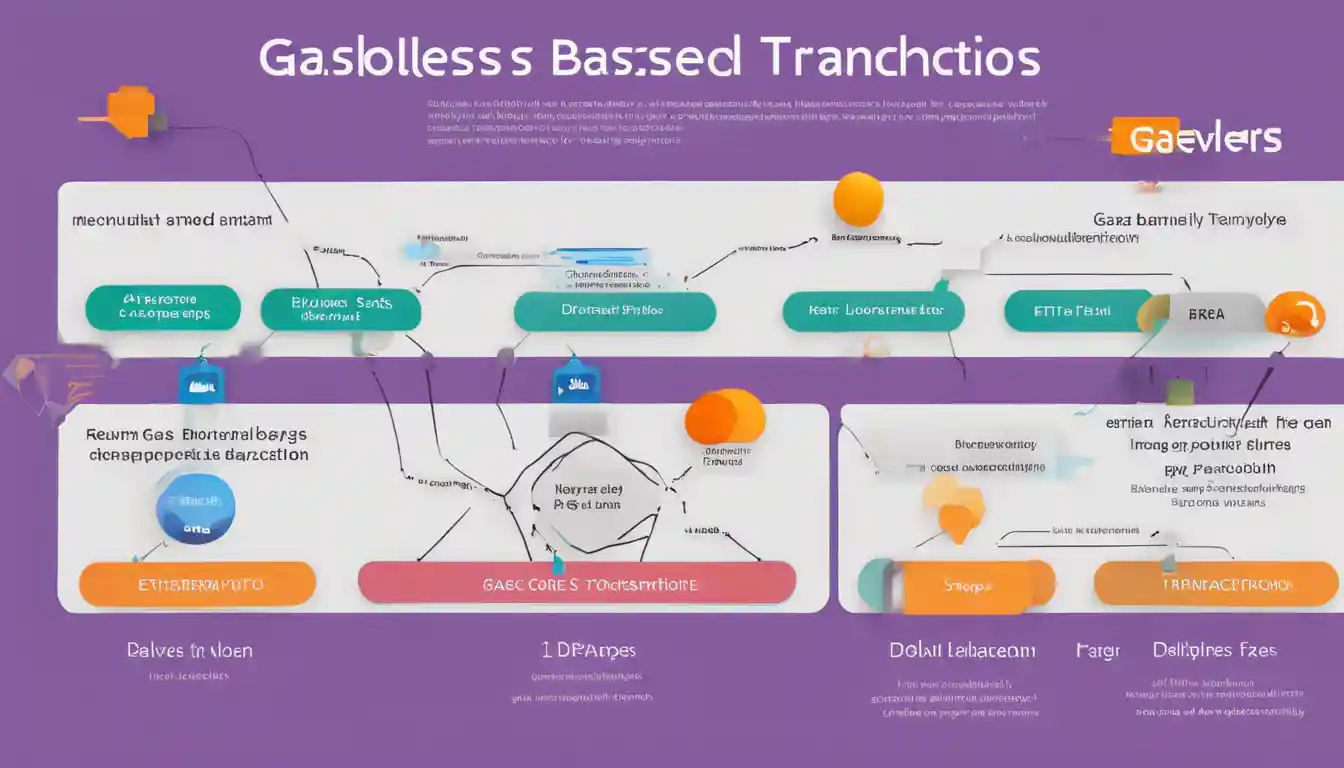
Gasless transactions are a groundbreaking innovation in the realm of blockchain technology, particularly within the Ethereum ecosystem. Traditionally, executing a transaction on Ethereum requires users to pay a fee, known as gas, in Ether. This poses a barrier to entry for many potential users who may not own Ether or understand its mechanics.
Gasless transactions leverage the concept of meta-transactions, which allow a third party, often referred to as a relayer, to pay the gas fees on behalf of the user. In a typical meta-transaction, the user signs a transaction with their private key, and the relayer submits this signed transaction to the Ethereum network, covering the gas costs. This process not only simplifies user experience but also enhances the accessibility of dApps (decentralized applications) by removing the need for users to hold cryptocurrency for transaction fees.
The technical implementation often involves a smart contract that verifies the validity of the signed transaction from the user and processes the transaction accordingly. The relayer usually charges a fee, which can be paid in different tokens, thus allowing users to interact with the blockchain without needing Ether directly.
The importance of gasless transactions cannot be overstated. They not only facilitate a smoother user experience but also drive greater adoption of blockchain technology. For instance, consider gaming platforms where users are required to make frequent transactions. If each transaction incurs a gas fee, many players may abandon the game due to cost concerns. However, with gasless transactions, users can play without worrying about fees, which can significantly enhance user retention and engagement.
A real-world example is the decentralized finance (DeFi) protocol, Gnosis Safe, which allows users to execute transactions without needing to hold Ether. This has enabled a broader audience to engage with DeFi applications, thereby increasing liquidity and participation rates. According to a study, platforms utilizing gasless transactions have seen a 40% increase in new user registrations, validating the importance of this technology in promoting user-friendly experiences.
The technical aspects of gasless transactions are closely tied to the development of Web3 technologies, which enable decentralized applications to interact with the blockchain. Smart contracts that support meta-transactions must incorporate features such as hash-based authentication and batch processing. These features not only enhance security but also reduce transaction costs significantly, making it feasible for users to interact with multiple platforms without incurring excessive fees.
According to the research presented in the paper “On Blockchain Metatransactions,” meta-transactions contribute to improved transaction availability and scalability. The study highlights that by eliminating the need for users to possess Ether for gas, the overall user experience is enhanced, leading to greater adoption of blockchain technologies across various sectors.
In conclusion, gasless transactions represent a pivotal shift in how users interact with blockchain technology. By removing the barriers posed by gas fees, we can foster a more inclusive environment that encourages broader participation in decentralized applications. Implementing gasless transactions not only enhances user experience but also drives the growth of the Web3 ecosystem. As we continue to innovate and refine these technologies, we can expect to see even more exciting developments that will shape the future of decentralized finance and beyond.
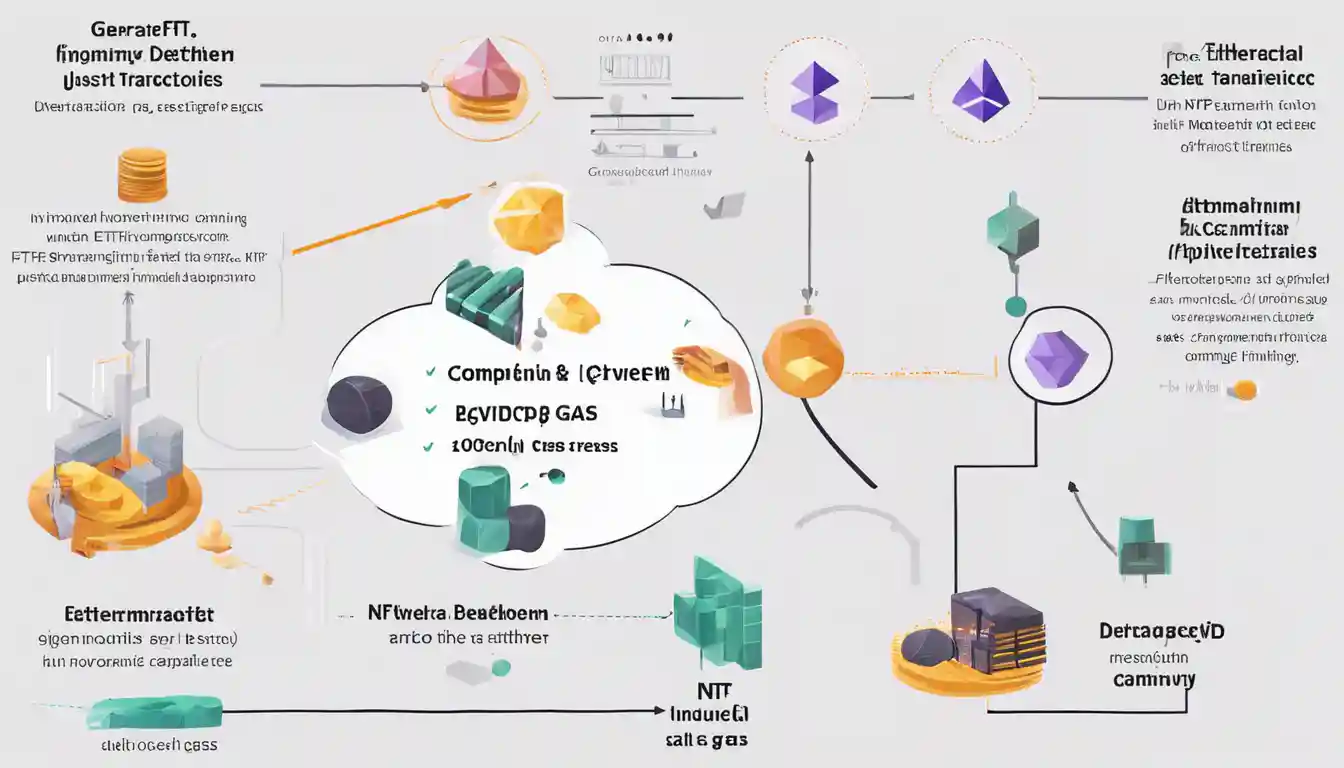
At its core, an Ethereum transaction is a signed instruction sent from one Ethereum account to another. Each transaction can either transfer Ether (ETH) or invoke a smart contract. A transaction contains several important components:
Technical aspects include how transactions are bundled into blocks and added to the Ethereum blockchain. Each transaction must be verified by miners, who compete to solve complex mathematical problems, thereby maintaining the network's integrity and security.
Ethereum transactions are fundamental for various applications in the blockchain ecosystem. For instance:
The concept of meta-transactions enhances user experience by allowing users to interact with Ethereum dApps without needing ETH for gas, thus broadening accessibility. As noted in the paper "On Blockchain Metatransactions," this not only improves user experience but also enhances scalability and availability of transactions across various platforms.
Here are three actionable tips for anyone looking to engage with Ethereum transactions effectively:
The integration of Ethereum transactions with Web3 technologies revolutionizes how users interact with decentralized applications (dApps). With improved interoperability through standards like ERC-20 and ERC-721, developers can create applications that work seamlessly with various tokens. The recent advances in meta-transactions, as discussed in the provided papers, introduce methods that utilize hash-based authentication and batch processing to enhance transaction efficiency while maintaining security.
For instance, utilizing OpenZeppelin's libraries can significantly reduce development time for smart contracts while ensuring that transactions remain secure and reliable. These tools not only streamline the development process but also promote the adoption of blockchain technology through user-friendly interfaces and functionalities.
According to the findings presented in the paper "On Blockchain Metatransactions," the implementation of meta-transactions leads to a noticeable increase in user engagement and satisfaction, as it removes the barrier of needing ETH for transaction fees. Furthermore, innovative techniques such as hash-based authentication reduce transaction costs while maintaining security, as outlined in the research on efficient and secure execution of meta-transactions. These advancements are critical for promoting the widespread adoption of Ethereum technology in various sectors.
In this blog post, we explored the transformative concept of meta-transactions and their significance in the Ethereum ecosystem. Meta-transactions allow users to submit transactions without needing to hold the native cryptocurrency, ETH, for gas fees. This innovation not only simplifies user interactions with decentralized applications (dApps) but also enhances scalability and availability across platforms. Real-world examples, such as their application in gaming and decentralized finance, illustrate how meta-transactions lower the entry barrier for newcomers, ultimately fostering broader participation in the blockchain space.
Looking ahead, the potential for meta-transactions is vast. As the technology evolves, we can anticipate further developments that could enhance security and efficiency, such as improved hash-based authentication methods and more robust relayer networks. With ongoing advancements, we may see a future where blockchain interactions become as seamless and intuitive as using traditional web applications, substantially driving adoption rates.
As we stand on the brink of a more accessible blockchain future, consider how you can leverage meta-transactions in your own projects or daily interactions with dApps. Are you ready to embrace the next wave of innovation in the blockchain space? Let's shape a user-friendly digital future together!
- On Blockchain Metatransactions
- Fungible and non-fungible tokens with snapshots in Java
- A Recommender System for Robust Smart Contract Template Classification
- Identifying Solidity Smart Contract API Documentation Errors
- Blockchain Security-Efficiency Analysis based on DEA-SBM Model

Impact of Emotional Connection and Digital Transformation

Coffee and Walks: Innovation in Simplicity

Get notified about new articles, coffee tips, and Web3 insights.
This site participates in affiliate programs and may earn a commission when a link is clicked and a purchase is made. The site is not responsible for any issues or troubles related to the products or services purchased through the use of this site.

DO&COFFEE loves coffee and technology, exploring the potential of NFTs and blockchain. Learn more →
DO&COFFEE loves coffee and technology, exploring the potential of NFTs and blockchain. Learn more →