wellness
2024/08/19

In a world increasingly dominated by screens and digital distractions, the quest for tranquility amidst the chaos of urban life has never been more vital. Have you ever felt overwhelmed by the frenetic pace of city living, yearning for a moment of peace? Enter the concept of urban hiking—a transformative practice that merges the energetic pulse of city life with the grounding principles of mindfulness and meditation. Imagine trading your cubicle for the vibrant trails of the metropolis, where the sights and sounds of urban landscapes morph into a captivating backdrop for self-discovery.
Urban hiking invites us to reconnect with our surroundings in a profoundly mindful way. While navigating concrete paths, we can consciously tune into the rhythm of our footsteps, the textures beneath our soles, and the kaleidoscope of light and shadow created by towering skyscrapers. Each step becomes a meditation, a chance to disentangle ourselves from the mental clutter that often weighs us down. The sounds of the city—the honking of horns, the rustling leaves in a nearby park, the laughter of passersby—can transform into a symphony of presence, pulling us deeper into the moment.
As we explore this practice, we will delve into its myriad benefits, both physiological and psychological. Studies suggest that engaging in physical activity within urban nature—however limited it may be—releases endorphins, reduces stress, and enhances our overall well-being. By incorporating mindful techniques like deep breathing or gratitude exercises during our hikes, we can foster a sense of calm that persists long after we step back inside.
Ultimately, this blog post, "Mindful Steps: Discovering Meditation Through Urban Hiking," aims to show that even amidst the hustle and bustle of city life, we can carve out moments of clarity and serenity. By embracing urban hiking as a form of meditation, we can navigate the demands of modern existence, discovering a path from code to calm that enriches our minds and nourishes our spirits. Are you ready to lace up your shoes and embark on this journey with us?
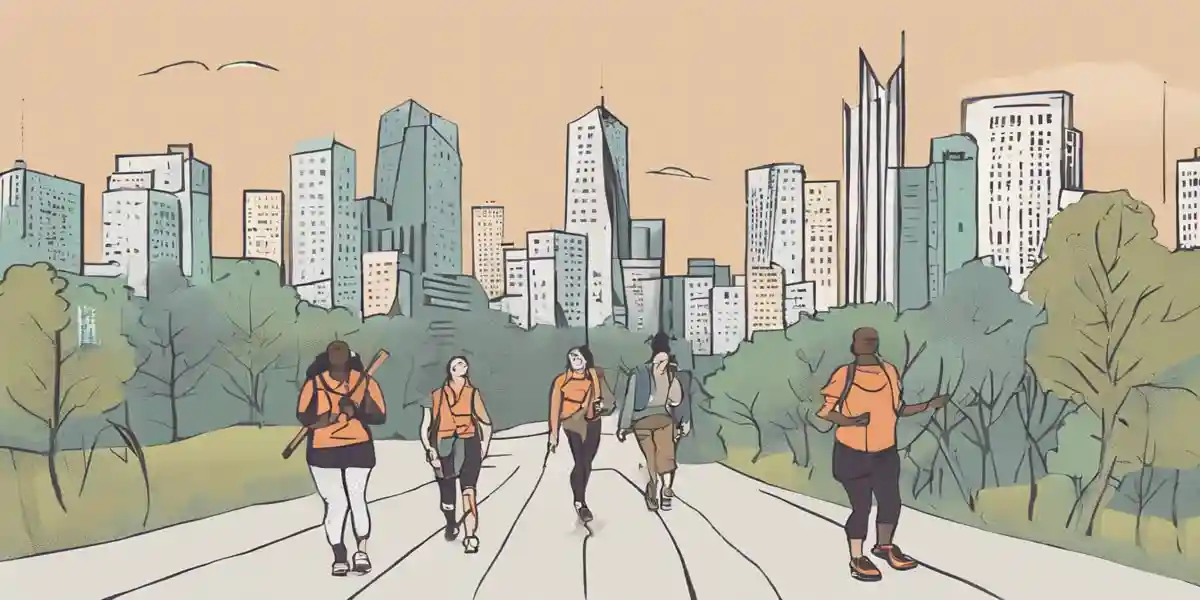
At its core, urban hiking is not just about moving from point A to point B; it's a unique practice that intertwines physical activity with mindfulness. By consciously engaging with our surroundings, we can transform the often chaotic urban environment into a meditative space. This section explores how the act of walking—especially in a city—can serve as a powerful form of meditation.
Mindfulness, at its essence, is the art of being present. When we walk mindfully, we bring our attention to the experience of walking itself. This doesn’t mean we need to retreat to remote landscapes; instead, we can find tranquility in the very streets we navigate daily. The rhythm of our footsteps, the sensation of the concrete beneath our shoes, and the changing light as we move through the city can all anchor us in the moment.
Consider a simple experience of walking down a bustling street. Instead of getting swept away by the hurry of commuters and the cacophony of urban life, take a moment to focus on your breath. Feel the air filling your lungs as you inhale, and notice how each exhale releases tension. With each step, you might begin to notice the intricate details around you—the vibrant street art on the walls, the aroma of fresh coffee wafting from a nearby café, or the gentle rustle of leaves in a park. This heightened awareness not only helps to ground us but can also lead to profound insights.
Research supports the benefits of mindful walking. A systematic review highlighted in recent studies indicates a positive correlation between mindful walking practices and improved mental and cardiovascular health. Specifically, the paper, which adheres to PRISMA guidelines, aims to investigate how mindful walking can alleviate stress and enhance emotional well-being (CRD42021241180). These findings suggest that even short, mindful strolls through urban landscapes can yield significant health benefits.
Furthermore, walking in urban settings can serve as an accessible form of physical activity that contributes to a healthier lifestyle. Engaging in consistent physical movement releases endorphins—often referred to as the 'feel-good' hormones—which can help combat anxiety and depression. This is especially relevant in cities, where the fast pace can contribute to feelings of isolation and stress.
Urban hiking doesn't just benefit the individual; it can also promote community well-being. In China, studies have shown that hiking can encourage low-carbon lifestyles among urban residents, promoting a sustainable and harmonious society. By participating in group hikes or community walking events, individuals foster social connections while engaging in healthy practices. These communal experiences not only enhance physical health but also build a sense of belonging and shared purpose.
Imagine joining a local walking group that explores various neighborhoods, parks, and hidden gems in your city. As you walk together, conversations flow, laughter is shared, and you collectively appreciate the beauty of your urban environment. This not only reinforces personal mindfulness but also cultivates a supportive community, making the city feel more like home.
In summary, the connection between walking and meditation presents a powerful opportunity to reclaim mindfulness within our urban lives. By embracing urban hiking as a form of meditation, we can find peace amid the hustle and bustle, ultimately enriching our physical, mental, and social well-being.
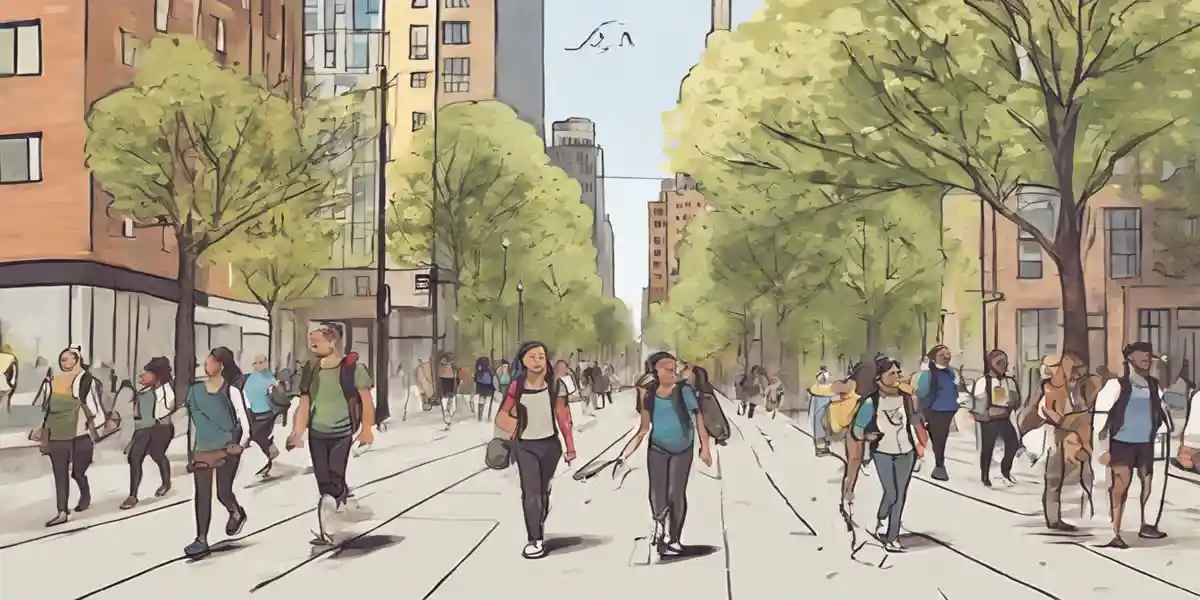
Mindful urban hiking offers a wealth of benefits that extend beyond mere physical exercise. Engaging with our environment in a purposeful manner can significantly enhance our mental, emotional, and even social well-being.
One of the primary advantages of urban hiking is its ability to promote mental clarity. By focusing on the present moment and immersing ourselves in our surroundings, we create a mental space for relaxation. Research has shown that mindful walking can lead to improved mental health outcomes, including reduced anxiety and depression. A systematic review protocol registered under PROSPERO (CRD42021241180) aims to investigate the effects of mindful walking on mental and cardiovascular health, highlighting a growing body of literature supporting these claims.
Physical activity is essential for maintaining overall health, and urban hiking provides an accessible option for city dwellers. The act of walking through urban landscapes not only increases cardiovascular fitness but also supports muscular strength and endurance. As we navigate the varied terrain of the city—from parks to sidewalks—our bodies engage in a natural workout. Moreover, the release of endorphins during this activity helps to enhance mood and combat stress, creating a feedback loop that promotes ongoing participation in the activity.
Even in the heart of the city, we can find moments of nature. Urban hiking encourages us to appreciate the beauty of our environment—be it a blooming flower in a community garden or the shadow of a tall tree on a sunny street. This connection to nature is vital; studies suggest that exposure to green spaces can improve mental health and well-being. The paper on hiking in China emphasizes how such activities can foster a sustainable lifestyle while promoting community engagement. By recognizing the natural elements within our concrete jungles, we cultivate a sense of belonging and appreciation for our surroundings.
Incorporating mindfulness techniques, such as deep breathing and gratitude exercises, can amplify the benefits of urban hiking. Imagine pausing mid-hike to take a few deep breaths, feeling the air fill your lungs while allowing thoughts to drift away. Practicing gratitude—perhaps for the sunlight filtering through the leaves or the laughter of children playing nearby—can shift our focus from stressors to the beauty of the moment. This intentionality transforms a simple walk into a profound and enriching experience.
Urban hiking can also serve as a catalyst for social interaction. Whether you join a local hiking group or simply invite friends to explore your city, these shared experiences foster community and connection. The act of hiking together can lead to meaningful conversations and strengthen relationships. Additionally, as highlighted in the research from China, promoting hiking as a community activity can contribute to broader participation and awareness of sustainable practices, ultimately enriching the social fabric of urban life.
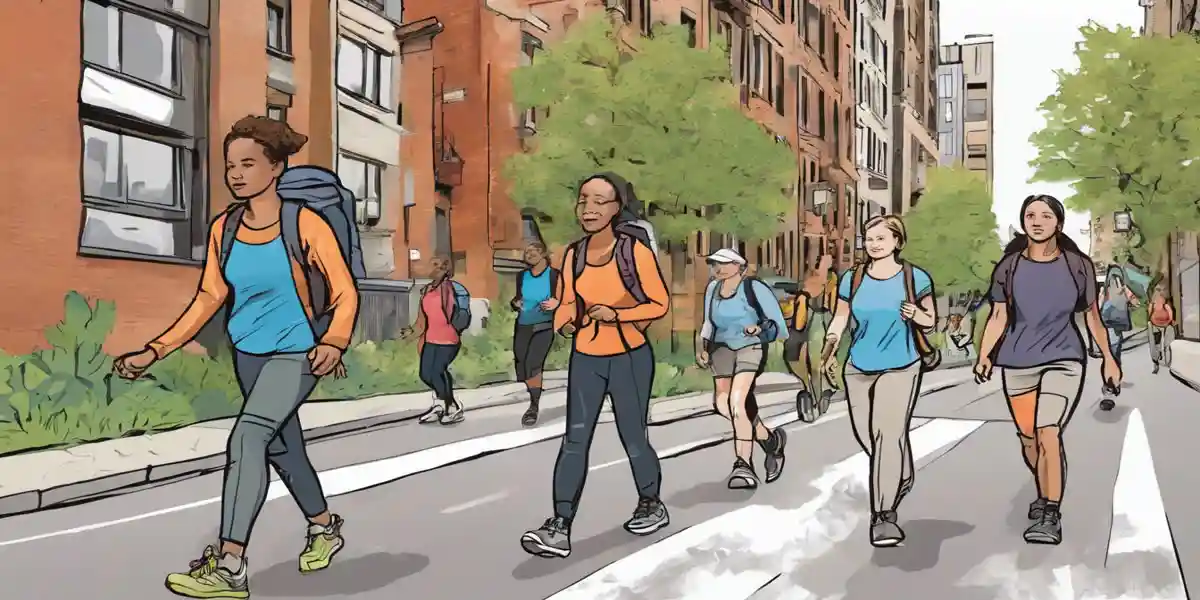
Urban hiking offers a unique intersection between physical activity and mindfulness, allowing individuals to reconnect with their environment while promoting mental and cardiovascular health.
As we step onto the urban trails, we are immediately enveloped by a tapestry of sensory experiences. The sights of vibrant street art, the aroma of food wafting from local vendors, and the sounds of laughter and conversation create a rich backdrop for our journey. This heightened awareness can transform a simple walk into a meditative experience. For instance, consider a stroll through Central Park in New York City. The juxtaposition of nature amidst skyscrapers invites walkers to notice the rustling leaves, the chirping birds, and the rhythmic cadence of their own footsteps. By consciously engaging with these elements, we cultivate mindfulness—a practice that can help us ground ourselves amidst the chaos of urban life.
Research supports the mental and physical health benefits of engaging in mindful walking. A systematic review protocol registered in PROSPERO outlines the potential effects of mindful walking on both mental and cardiovascular health. This initiative aims to gather evidence to support the idea that mindful walking, whether in a forest or a cityscape, can lead to improved mental clarity, reduced anxiety, and enhanced cardiovascular fitness. The act of walking itself releases endorphins, which combat stress and elevate mood. Imagine the feeling of euphoria washing over you as you walk through a sunlit urban park, surrounded by the lively hustle and bustle of city life. Such experiences not only promote a healthier lifestyle but also foster a deeper connection to our surroundings.
Incorporating mindfulness techniques into your urban hiking routine can amplify the benefits of your journey. Simple practices like deep breathing, where you inhale deeply through your nose and exhale slowly through your mouth while observing the city around you, can help ground your thoughts. For example, during a hike along the waterfront in San Francisco, you might pause to close your eyes and listen to the waves lapping against the pier, allowing the sounds to wash over you and bring you back to the present moment.
Additionally, gratitude exercises can enhance the experience. As you navigate the city, take a moment to appreciate the little things: the friendly smile of a passerby, the intricate architecture of a building, or the colorful flora in a community garden. By acknowledging these moments, you cultivate a sense of appreciation and presence that enriches your urban hiking experience.
Urban hiking does not just benefit individuals; it also contributes to broader societal goals, such as promoting low-carbon lifestyles. A recent study from China highlights how urban hiking can encourage sustainable practices among city dwellers. By opting to walk instead of drive, residents not only enhance their personal health but also reduce their carbon footprint. Imagine a community where more people choose to walk to work or school, fostering a sense of connection among neighbors while contributing to a cleaner environment. This shift not only promotes physical activity but also cultivates a harmonious society, demonstrating the powerful link between mindfulness, health, and sustainability.

Urban hiking is not just about the physical journey; it's also an opportunity to cultivate mindfulness and presence. One of the foundational techniques for deepening your meditation practice while navigating city trails is Breath Awareness: Finding Your Rhythm. This technique allows you to anchor your mind in the present moment, transforming your hike into a meditative experience.
Breath awareness is a simple yet profound technique that involves focusing on your breath as a way to cultivate mindfulness. As you step onto the bustling streets or quiet parks of your urban landscape, take a moment to pause and tune into your breathing. Notice the rhythm of your inhalations and exhalations. Is your breath shallow and quick, or deep and steady? This observation can help ground you and bring your attention away from distractions.
Research shows that mindful walking, which includes breath awareness, can significantly impact mental and cardiovascular health (as highlighted in the systematic review protocol). By consciously focusing on your breath while walking, you can reduce stress levels, enhance your mood, and improve overall well-being. Each inhalation can be a source of energy and life, while each exhalation can serve as a release of tension and clutter from your mind.
As you begin your hike, find a natural rhythm that aligns with your breath. For example, try synchronizing your steps with your inhalations and exhalations. You might take three steps as you inhale, followed by three steps as you exhale. This rhythmic pattern can help create a meditative flow, making you feel more connected to the ground beneath you and the environment around you. The gentle cadence of your steps can transform the clamor of the city into a harmonious backdrop, allowing you to engage fully with the present moment.
Consider using a well-known urban hiking route as an opportunity to practice this technique. For instance, if you are walking along a tree-lined avenue or a scenic waterfront, let the beauty of your surroundings enhance your breath awareness. Notice how the fresh air fills your lungs as you inhale, and how the sounds of the city blend into a soothing symphony as you exhale. The laughter of children playing, the rustle of leaves, or the distant sound of chatter can all become part of your meditative landscape.
Imagine walking through a vibrant city park during the early hours of the morning. The sun is just beginning to rise, casting a golden hue on the dewy grass. As you stroll, you draw in a deep breath, feeling the cool air fill your lungs. With each exhale, you release the weight of yesterday's worries. This simple act of breath awareness can ground you, bringing clarity and calmness into the chaos of urban life.
Another example might be a busy city street where the noise can be overwhelming. Instead of allowing the cacophony to distract you, focus on your breath. Inhale deeply and exhale slowly, creating a space of mental tranquility amidst the hustle. Over time, you may find that this practice allows you to approach your urban environment with a newfound sense of peace, even in the busiest of places.
Incorporating breath awareness into your urban hiking practice not only enhances your meditation experience but also fosters a deeper connection with your environment. As you find your rhythm, you'll discover that the cityscape can be a canvas for mindfulness, painting a path from distraction to clarity.
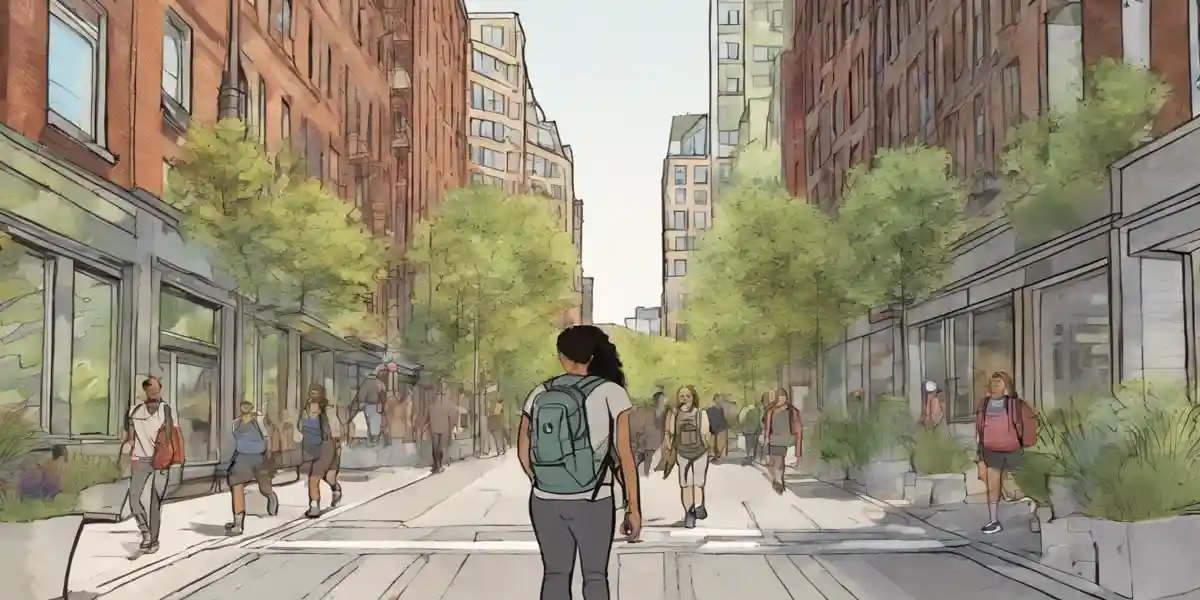
As we embark on the journey of urban hiking, we open ourselves to a world of sensory experiences that can profoundly deepen our mindfulness practice. By actively engaging our senses, we can transform the ordinary sights and sounds of the city into a rich tapestry of awareness.
Take a moment to observe the colors and shapes around you. The vibrant graffiti on brick walls, the intricate patterns of wrought iron fences, and the towering silhouettes of skyscrapers against the sky create a unique and dynamic visual landscape. Each element tells a story, inviting you to immerse yourself fully in the present moment. For instance, consider standing at a bus stop, where the flurry of movement and the interplay of light and shadow can evoke a sense of connection to the bustling life surrounding you. This practice of visual engagement not only enhances your awareness but also cultivates a deeper appreciation for urban artistry.
The sounds of the city can be both overwhelming and soothing, depending on how we choose to listen. From the rhythmic clatter of heels on pavement to the distant laughter of children playing, the urban environment is alive with auditory stimuli. By tuning into these sounds, we can transform our hike into a meditative experience. Imagine walking through a park where the rustling leaves create a gentle backdrop to the chirping of birds. Instead of viewing these noises as distractions, consider them as a symphony of presence, grounding you in the moment. Research suggests that mindful walking, which incorporates sound awareness, can lead to improved mental health and well-being, highlighting the benefits of this simple yet profound practice.
As you hike through the urban landscape, take a moment to feel the ground beneath you. Whether it’s the smooth pavement, the uneven cobblestones, or the soft grass of a park, each surface offers a unique tactile experience. This practice of engaging your sense of touch can ground you in the moment and foster a deeper connection to your environment. For example, when walking on a gravel path, pay attention to how the small stones shift with each step, or when you find a moment to sit on a park bench, take a moment to feel the texture of the wood against your skin. By focusing on these sensations, you can cultivate a sense of calm and presence that lingers long after your hike has ended.
To enhance your sensory exploration, consider integrating mindfulness techniques such as deep breathing and gratitude exercises into your urban hike. For example, as you pause to appreciate the view from a rooftop garden, take a deep breath in, allowing the fresh air to fill your lungs, and exhale slowly, releasing any tension. You might also reflect on one thing you are grateful for in that moment—a friendly smile from a passerby or the warmth of the sun on your face. These simple practices can amplify the benefits of your hike, promoting a state of tranquility that resonates within you.
Research supports the idea that engaging our senses during mindful walking can positively impact our mental and cardiovascular health. A systematic review protocol highlighted in recent literature aims to investigate these effects, emphasizing the importance of procedural transparency in mindfulness research. With urban hiking, we not only enhance our sensory awareness but also contribute to our overall well-being, making it a powerful tool for counterbalancing the stresses of modern life.

As we traverse the cityscapes, urban hiking presents an opportunity to practice mindfulness in a unique way. It's not merely about the physical act of walking; it's about how we choose to engage with our surroundings. This section explores the profound connection between mindful walking and its psychological and physiological benefits, drawing insights from recent research.
Mindful walking is a practice that involves being fully present in the moment, paying attention to each step we take. According to a systematic review protocol registered in PROSPERO (CRD42021241180), researchers are investigating the effects of mindful walking on mental and cardiovascular health. This means that as you stroll through the city's parks or along bustling streets, you're not just exercising your body; you're also nurturing your mind.
Imagine noticing the subtle changes in your breath as you walk. Are you inhaling deeply, or is your breath shallow? Are you aware of the rhythm of your footsteps as they hit the pavement? Engaging in this level of awareness can significantly reduce stress, enhance mood, and even improve cardiovascular health. The act of concentrating on your physical movements allows your mind to quiet its chatter, creating space for clarity and peace.
Urban hiking transforms the concrete jungle into a vibrant canvas of mindfulness. The sounds that typically overwhelm us can instead become a backdrop for meditation. The honking of cars, the laughter of children, and the rustling of leaves can all serve as reminders to stay grounded in the present moment. By approaching the urban landscape with this mindful perspective, we cultivate a deeper appreciation for our environment.
For example, a walk through Central Park in New York City can be an enlightening experience. Instead of merely passing through, take a moment to pause by the Bethesda Fountain. Notice the intricate details of the Angel of the Waters statue, the play of light on the water, and the laughter of people enjoying the sun. This conscious engagement elevates a simple walk into a meditative journey.
The benefits of urban hiking extend beyond mental well-being. Engaging in physical activity, even within an urban setting, releases endorphins that act as natural mood lifters. Studies have shown that consistent walking, especially in a mindful manner, can reduce symptoms of anxiety and depression. The very act of moving our bodies in sync with the rhythm of the city enhances our overall health, both physically and mentally.
In addition to endorphin release, mindful walking has been linked to improved cardiovascular health. As the systematic review protocol suggests, understanding these connections can empower us to make informed choices about our lifestyle. For instance, choosing to walk instead of drive for short errands not only promotes physical health but also contributes to a low-carbon lifestyle, echoing findings from studies in urban China that advocate for sustainable practices through hiking.
Integrating mindfulness techniques into your urban hikes can further enhance the experience. Techniques such as deep breathing or gratitude exercises can be seamlessly woven into your journey. For instance, as you walk, take a moment to focus on your breath. Inhale for a count of four, hold for four, and exhale for a count of six. This simple practice can ground you, creating a sense of calm amidst the urban hustle.
Additionally, consider practicing gratitude as you hike. Perhaps you appreciate the vibrant street art that colors your path or the community gardens that provide a splash of greenery in the concrete. By acknowledging these elements, you cultivate a positive mindset that can carry into your daily life.
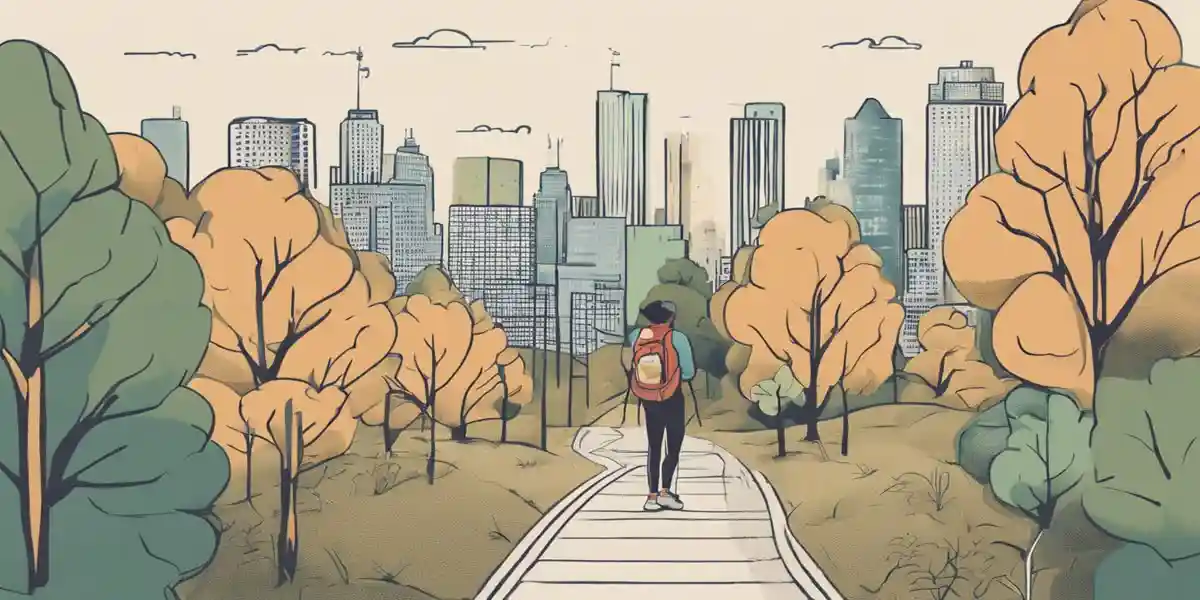
Choosing the right route and environment is crucial to cultivating an effective urban hiking meditation practice. The urban landscape presents both opportunities and challenges—it's about finding that perfect balance where mindfulness can flourish amidst the hustle and bustle.
Before lacing up your shoes, take a moment to consider what aspects of your environment resonate with you. Are you drawn to the vibrant energy of a busy street, or do you find peace in the tranquility of a park? Research indicates that mindful walking can significantly improve mental and cardiovascular health, helping to alleviate stress and anxiety. When selecting your route, prioritize areas that encourage a sense of calm and connection to your surroundings.
The environment you choose can deeply influence your mindfulness experience. Engaging with nature, even in urban settings, can release endorphins, reduce stress, and enhance overall wellness. Consider the following when selecting your hiking environment:
As you embark on your urban hike, integrate mindfulness techniques to deepen your practice. For example, try focusing on your breath as you navigate the path. With each step, inhale deeply and exhale slowly, allowing the rhythm of your breath to synchronize with your footsteps. This simple practice can transform your hike into a moving meditation, helping you become more present in your surroundings.
By intentionally choosing the right routes and environments, you can turn your urban hiking experience into a powerful tool for mindfulness and meditation, enriching both your physical and mental well-being.
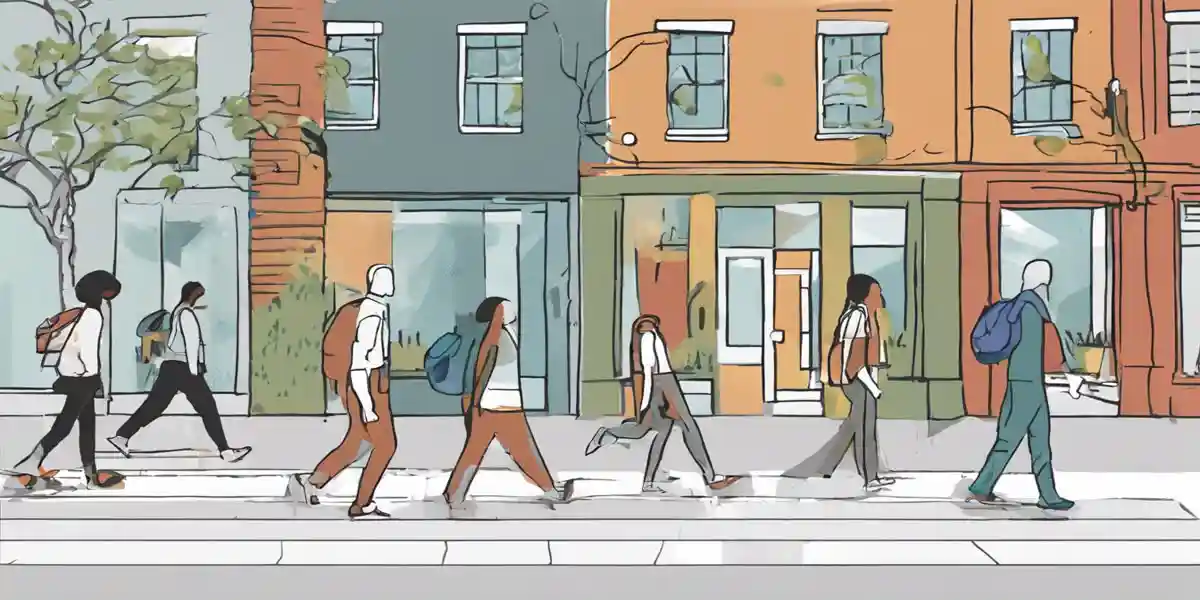
As urban dwellers, our lives are often filled with a frenetic pace, leaving little room for reflection or tranquility. However, by integrating mindfulness into our daily walks, we can transform even the most routine stroll into a meaningful practice. Imagine stepping outside your door, not just to go from point A to point B, but to engage fully with the world around you. This section explores practical strategies and real-world examples to help you cultivate mindfulness during your daily walks.
Mindful walking is more than just a physical activity; it’s an opportunity to reconnect with your environment and your inner self. Here are some techniques to help you incorporate mindfulness into your walks:
Consider the experiences of individuals who have embraced mindful walking in urban environments. For instance, Sarah, a graphic designer in New York City, decided to incorporate mindfulness into her daily commute. Instead of mindlessly scrolling through her phone, she chose to walk a different route to work, allowing herself to observe the street art, the rhythms of the subway stations, and the interactions between people. This shift transformed her daily routine into a source of inspiration and creativity.
Similarly, a community initiative in Beijing encourages residents to participate in mindful walking groups. Participants are guided through urban parks, where they practice mindful techniques while appreciating the beauty of their surroundings. This initiative not only fosters individual well-being but also promotes a sense of community, aligning with the findings of recent research highlighting the mental and physical health benefits of mindful walking. According to a systematic review protocol registered in PROSPERO, mindful walking can significantly improve both mental and cardiovascular health, emphasizing its importance in daily life.
To fully reap the benefits of mindful walking, consider establishing a routine that incorporates these practices. Here are some tips to help you get started:
Integrating mindfulness into your daily walks can transform the mundane into something profound, providing a much-needed respite from the chaos of urban life. As you begin to embrace these mindful steps, you may find that each walk becomes an opportunity for personal growth, reflection, and connection with the world around you.
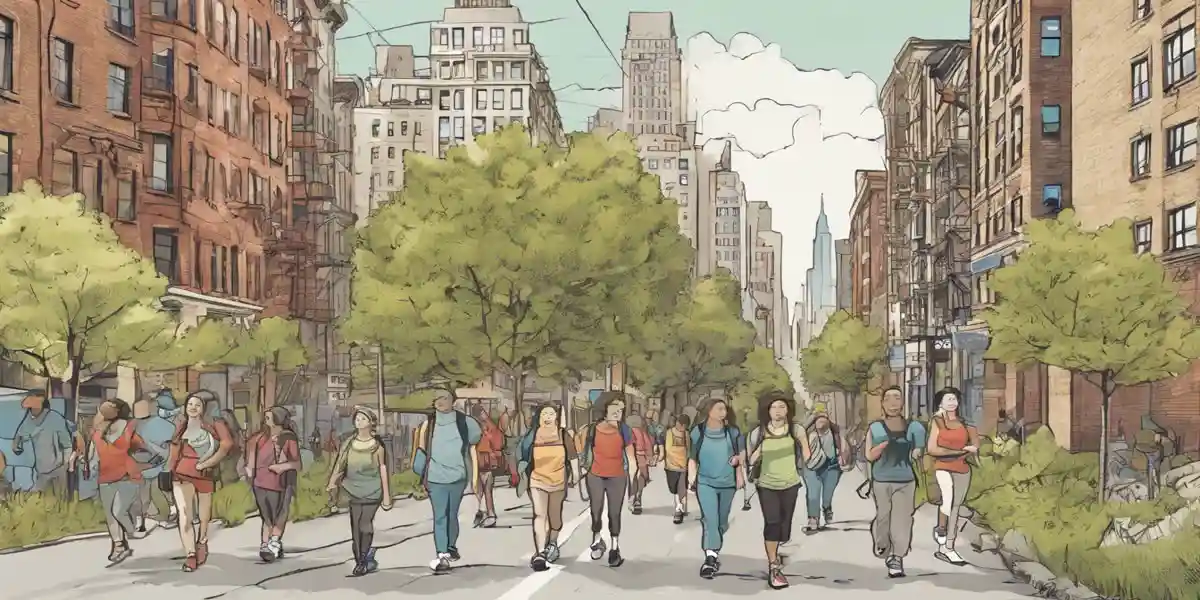
Exploring the concept of urban hiking reveals a transformative practice that not only connects us with our surroundings but also nurtures our mental and physical health. This section delves into the essential aspects of mindful walking in urban landscapes, highlighting its benefits and providing actionable insights for those looking to cultivate mindfulness amidst the hustle and bustle of city life.
Mindful walking is a practice rooted in the principles of mindfulness, which emphasize being present in the moment without judgment. According to a systematic review protocol aimed at investigating the effects of mindful walking on mental and cardiovascular health, researchers are keen to explore how this practice can address gaps in existing literature. This protocol, registered under PROSPERO (CRD42021241180), aims to establish a clear evidence base for the health impacts of mindful walking, encouraging further systematic reviews that can substantiate its benefits.
Urban hiking presents a unique opportunity to connect with our environment in a mindful way. Imagine walking through a vibrant city park, where the gentle rustling of leaves mingles with the distant sound of traffic. As you stroll, take note of the textures around you—the cool metal of a park bench, the warmth of sunlit pavement, or the soft grass beneath your feet. Each step can become a meditation, shifting your focus away from the whirlwind of thoughts that often cloud our minds.
Engaging in urban hiking not only provides a mental reprieve but also offers significant physiological benefits. Physical activity, even when conducted in urban settings, promotes endorphin release, which can elevate mood and reduce stress. Studies have shown that regular physical activity, particularly in green spaces, can lead to improved cardiovascular health and overall well-being. For instance, a study exploring hiking as a means to promote low-carbon lifestyles among urban residents in China highlighted the positive impacts of hiking on both physical and mental health. This research encourages broader participation in hiking activities, aligning the practice with sustainable living.
To fully embrace the benefits of urban hiking, consider integrating specific mindful practices into your routine:
Many cities around the world have embraced urban hiking as a way to foster community engagement and promote well-being. For instance, New York City offers numerous trails that weave through parks and along waterfronts, encouraging residents to explore their environment actively. Similarly, cities like San Francisco have developed guided urban hikes that highlight the city's historical landmarks while promoting mindfulness practices. These initiatives not only enhance mental health but also contribute to a sense of community and belonging.
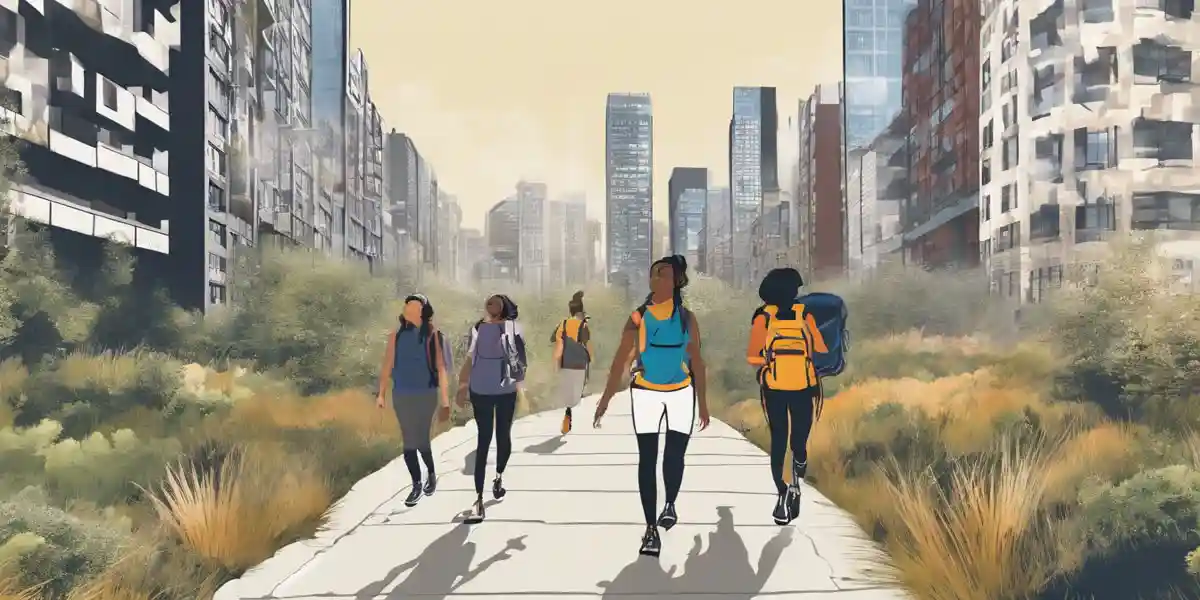
As city dwellers, we often find ourselves caught in a relentless cycle of noise and distraction. Yet, the concept of urban hiking presents a unique opportunity: it invites us to step into a mindful practice that allows us to reconnect with our surroundings, even when they are enveloped by concrete and steel. This section explores the transformative power of urban hiking, highlighting both its mindfulness aspects and its significant health benefits.
Urban hiking isn't merely about the physical act of walking; it is an immersive experience that encourages us to observe and engage with our environment consciously. The rhythm of our footsteps can become a meditative mantra, where each step serves as a reminder to be present. As we traverse these city trails, we can practice focusing on:
Beyond the immediate experience of mindfulness, urban hiking possesses substantial physiological benefits that can enhance our overall well-being. Research has shown that engaging in mindful walking can positively impact both mental and cardiovascular health. For instance, a systematic review protocol registered in PROSPERO (CRD42021241180) aims to compile evidence on how mindful walking—akin to urban hiking—can reduce stress and improve mental clarity. This underscores how even short strolls through city parks or vibrant neighborhoods can lead to significant health improvements.
Moreover, urban hiking aligns with the principles of sustainable living. A study conducted in China highlighted hiking as a means to foster low-carbon lifestyles among urban residents. By encouraging local exploration rather than distant travel, urban hiking not only promotes physical activity but also contributes to community engagement and environmental awareness. This connection between mind and nature, even in an urban setting, cultivates a sense of belonging and responsibility towards our surroundings.
To amplify the benefits of urban hiking, integrating mindfulness practices can deepen your experience. Here are a few techniques to consider:
In our exploration of Mindful Steps: Discovering Meditation Through Urban Hiking, we've delved into the profound connection between walking and meditation, revealing how this simple act can transform our busy urban landscapes into spaces of mindfulness and reflection. By consciously engaging with our surroundings, we can cultivate a sense of presence that grounds us in the moment, allowing us to escape the chaos of city life.
Throughout the blog, we've discussed the numerous benefits of mindful urban hiking, from enhancing mental clarity and reducing stress to promoting physical health and fostering community connections. The techniques of breath awareness and engaging our senses not only deepen our meditation practice but also enrich our experience of the city, turning ordinary walks into extraordinary journeys of exploration and self-discovery.
Moreover, the practical strategies for creating a sustainable urban hiking practice underscore the importance of choosing the right environment and incorporating mindfulness into our daily routines. Whether it is through a quiet park or a lively neighborhood, each step can become a meditation, leading to improved well-being and a greater appreciation for the world around us.
As you reflect on your own urban adventures, consider this: what if each walk you take could be more than just a means to an end? What if it could be a journey of mindfulness, connection, and personal growth? The next time you step outside, challenge yourself to engage fully with your surroundings. Breathe deeply, observe keenly, and walk mindfully. By doing so, you not only enrich your own life but also contribute to a more sustainable and harmonious urban community.
So, lace up your shoes, step out into the world, and embrace the mindful journey that awaits you. In every step, there lies an opportunity for meditation, connection, and transformation.

Get notified about new articles, coffee tips, and Web3 insights.
This site participates in affiliate programs and may earn a commission when a link is clicked and a purchase is made. The site is not responsible for any issues or troubles related to the products or services purchased through the use of this site.

DO&COFFEE loves coffee and technology, exploring the potential of NFTs and blockchain. Learn more →
DO&COFFEE loves coffee and technology, exploring the potential of NFTs and blockchain. Learn more →