art
2024/08/19
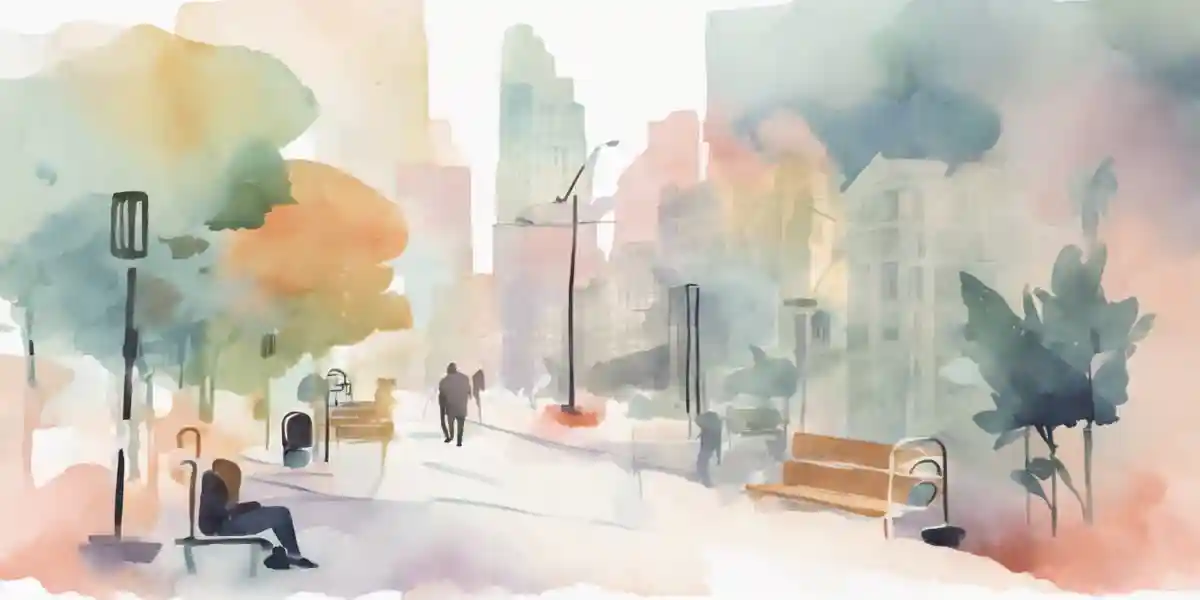
In an era where our lives are increasingly mediated by screens and incessant social media notifications, the concept of disconnecting seems both revolutionary and necessary. Have you ever felt overwhelmed by the constant barrage of digital stimuli? If so, you're not alone. Many of us are yearning for genuine connections, both with ourselves and the world around us, yet find ourselves trapped in a cycle of distraction and disengagement. Enter the idea of a "Public Art Trail"—a refreshing antidote to our digitally saturated lives. This curated route through urban spaces, adorned with impactful public art installations, invites participants to engage with their surroundings and each other in meaningful ways, free from the mediation of devices.
This blog post will explore how public art can serve as a vital component of our digital detox journey. We’ll delve into the transformative power of art in urban settings, examining how it not only beautifies spaces but also encourages mindfulness, presence, and community engagement. Through interactive installations and community activities, we can foster genuine human interactions, igniting creativity and reflection. As we navigate this digital detox journey, it becomes increasingly clear that art has the potential to reconnect us—not just with our environment but with our own inner selves and our communities. Join us as we uncover the profound role public art plays in helping us reclaim our attention and well-being in an increasingly disconnected society.
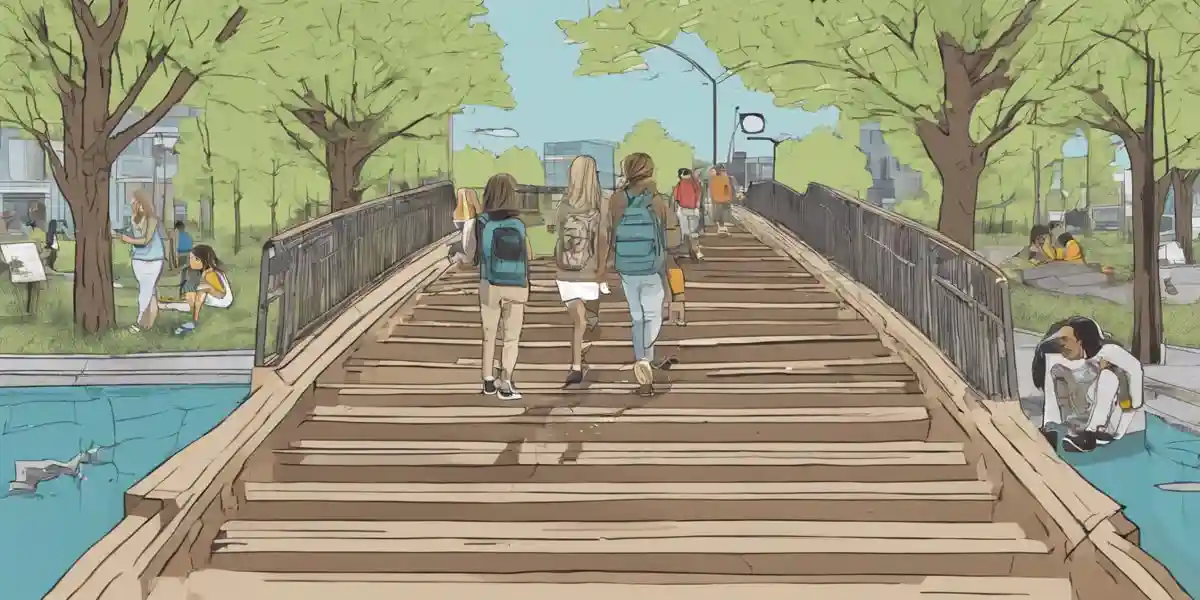
The modern world is increasingly dominated by screens, notifications, and a ceaseless flow of digital information. This pervasive digital culture, while providing unprecedented connectivity, often leads to feelings of disconnection from our surroundings and ourselves. In response, the concept of a "Public Art Trail" emerges as a compelling antidote—a curated experience that encourages us to disengage from our devices and reconnect with the world around us.
As we scroll through our feeds, how often do we find ourselves physically present but mentally absent? The tension between our digital lives and our real-world experiences has never been more pronounced. Data indicates that excessive screen time can lead to anxiety, depression, and a decline in overall well-being. To counteract these effects, many are turning to digital detox practices, seeking solace in the tangible, the creative, and the communal.
Imagine walking through a city, guided by a Public Art Trail that leads you to vibrant murals and thought-provoking sculptures. This trail not only showcases artistic expressions but also invites participants to engage in mindfulness and community activities. For instance, a mural celebrating local history might inspire a conversation about shared experiences, while a sculpture that embodies community resilience could prompt reflection on our collective journeys.
Consider the "Murals for Communities" project, which spanned cities like Waterford, Heerlen, and Kaunas. Through 54 workshops, community members collaborated to create 18 murals that not only beautified their neighborhoods but also strengthened local bonds. Such initiatives demonstrate that art can serve as a catalyst for community engagement and social interaction, fostering a sense of belonging that is often lost in our digital interactions.
As visitors traverse the Public Art Trail, interactive stations could be strategically placed, encouraging them to sketch, write, or meditate. This integration of art and mindfulness creates opportunities for genuine human interaction and creativity. For example, a recent study highlighted how spaces designed for creativity, such as Superkilen in Copenhagen, not only promoted physical activity but also enhanced mental health by fostering community integration.
Regular events, such as art workshops or guided meditation sessions, can be woven into the fabric of the Public Art Trail. By encouraging participants to leave their phones behind, these gatherings can cultivate an environment that prioritizes presence over pixels. The Federal Art Project during the Great Depression serves as a historical precedent for this idea, as it created community art centers that redefined public interactions with art, emphasizing active participation over passive consumption.
Ultimately, the Public Art Trail is not just about showcasing art; it is about creating a bridge from the digital realm back to authentic experiences. This aligns with findings from various studies which suggest that interactive and community-focused art installations contribute more effectively to well-being than traditional, aesthetic-focused approaches. By nurturing a space that encourages connection—both with ourselves and each other—we can reclaim our presence in a world that often feels overwhelmingly digital.
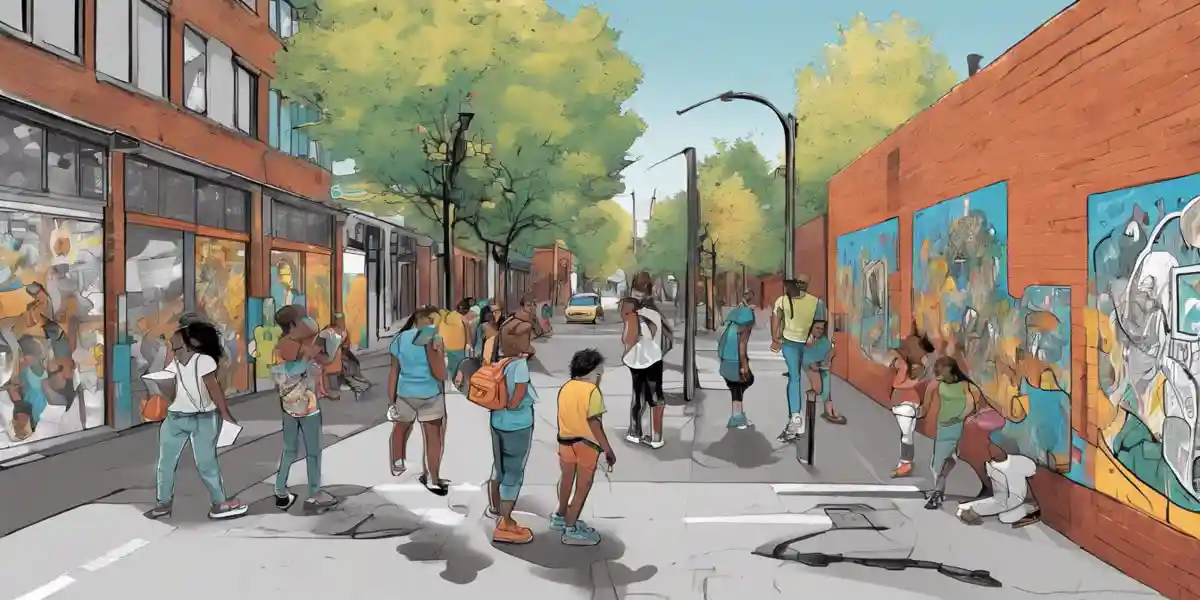
In an era where our daily lives are increasingly intertwined with digital devices, public art emerges as a vital counterbalance, fostering engagement and connection in urban spaces. The notion of a "Public Art Trail," as outlined in the original draft, is not just a whimsical idea; it represents a profound shift toward community-centric experiences that encourage individuals to immerse themselves in their surroundings. By understanding contemporary art's role in public engagement, we can appreciate how these installations serve as catalysts for genuine human interaction.
Contemporary art, particularly in public spaces, transcends traditional museum walls, inviting participation and interaction from the community. This approach aligns closely with findings from various research papers that explore how public art can enhance urban life. For instance, the emphasis on media architecture and interactive art installations highlights their potential to inspire public engagement, enriching the urban landscape. Projects that are modest in scale but deeply rooted in community involvement often yield more significant social interactions than large, imposing installations that may isolate rather than connect.
The Federal Art Project (FAP) during the Great Depression serves as a historical example of this approach. By creating community art centers distinct from traditional museums, the FAP not only employed artists but also fostered a national artistic identity. This initiative encouraged active participation through studio experiences and exhibitions, allowing citizens to engage directly with art. Such historical precedents reinforce the idea that public art can reshape how communities interact with their environment and each other.
Modern examples further illustrate the power of public art to foster community bonds. The "Murals for Communities" project, conducted in locations like Waterford, Heerlen, and Kaunas, involved 54 workshops that engaged community members in mural creation. The resulting 18 murals not only beautified the urban landscape but also significantly strengthened community ties and enhanced social interaction. Through collaborative artistic endeavors, participants felt empowered to contribute to their surroundings, resulting in a sense of belonging that transcends mere aesthetics.
Additionally, initiatives like the Superkilen park in Copenhagen and the Porch Light Programme in Philadelphia showcase how public art can promote mental health and community integration. These projects blend art, architecture, and urban design to create multifunctional public spaces that encourage creativity and physical activity. The interactive nature of these installations fosters an inclusive atmosphere, where art becomes a shared experience rather than a solitary observation.
Temporary urbanism practices further illustrate the transformative potential of public art. Projects that allow citizens to appropriate public spaces drive urban regeneration and social innovation. For example, the "Co-Creation of Temporary Interventions in Public Space as a Tool for Community Resilience" project at the University of Portsmouth emphasizes the importance of collective art installations. These interventions promote community ownership and belonging, especially among underrepresented voices, thereby enhancing civic engagement and encouraging a more vibrant urban culture.
Ultimately, as we explore the role of public art in our digital detox journey, it becomes clear that these installations are not merely decorative; they are vital tools for fostering connection, creativity, and community resilience. By prioritizing presence over pixels, public art invites us to step away from our screens and engage with the world around us in meaningful ways.
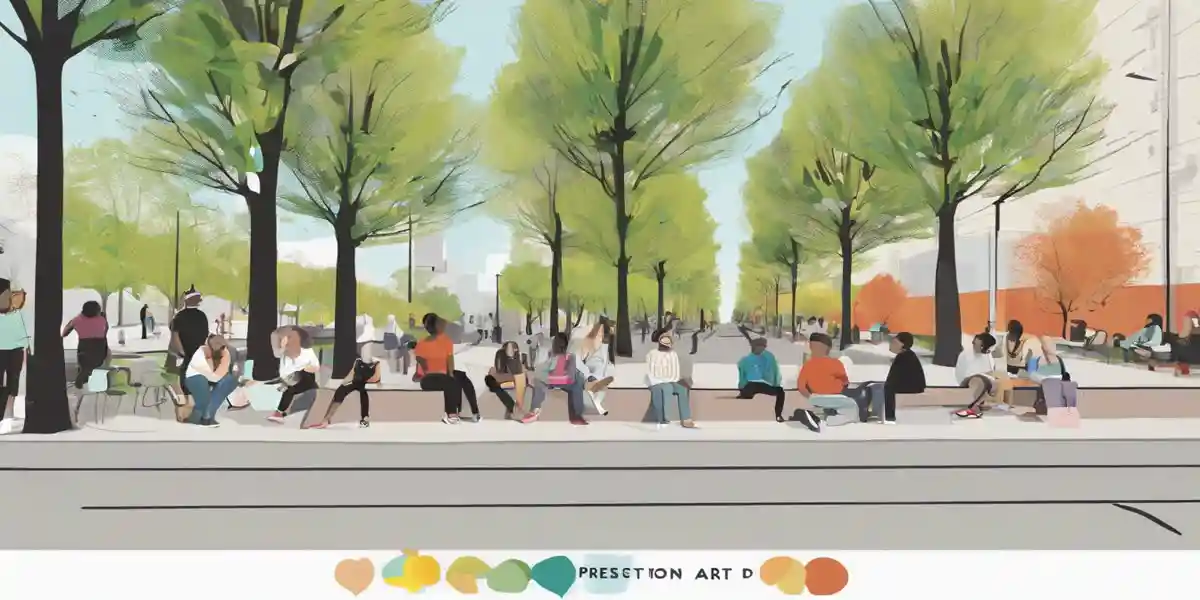
In our fast-paced, digitally-driven world, public art offers a vital opportunity to cultivate mindfulness and presence. By creating a space where individuals can engage with art and each other, public art installations serve as a powerful antidote to the distractions of modern technology.
Imagine a "Public Art Trail" — a thoughtfully curated route through a city, adorned with various art installations that draw people in, encouraging them to step away from their screens. This trail could include murals celebrating local history, sculptures representing community resilience, and interactive stations where visitors can sketch or meditate. By integrating mindfulness prompts within this artistic journey, participants are invited to reflect on their surroundings and foster genuine human connections.
One compelling case study is the Murals for Communities project, which took place in Waterford, Ireland, Heerlen in the Netherlands, and Kaunas, Lithuania. This initiative involved 54 workshops focused on community participation in mural creation, resulting in 18 vibrant murals. The findings showed that these workshops not only enhanced social interaction but also strengthened community bonds. Participants were encouraged to engage with their environment actively, leading to a heightened sense of belonging and mindfulness.
Another excellent example is the Superkilen Park in Copenhagen, which is designed to promote health and well-being through creativity and physical activity. With its inclusive design, Superkilen incorporates art and engagement in a way that encourages visitors to slow down, reflect, and interact with their surroundings. The park's installations invite play and exploration, prompting visitors to be present rather than distracted by their devices.
The Federal Art Project (FAP) during the Great Depression exemplifies how community-centric art initiatives can redefine public interaction with art. By establishing community art centers, the FAP provided spaces distinctly different from traditional museums, focusing on active participation and engagement. These centers not only employed artists but also cultivated a national artistic identity, allowing individuals to engage in artistic expression and appreciation in a supportive environment. This historical perspective illustrates the significance of community involvement in fostering mindfulness through art.
Research emphasizes that interactive and inclusive art installations contribute more effectively to community well-being than traditional aesthetic-focused approaches. For instance, the Porch Light Programme in Philadelphia utilizes temporary urbanism practices that empower citizens to reclaim public spaces for social innovation. These collective art installations foster community ownership and belonging, inviting underrepresented voices to engage in the creative process and public dialogue.
As individuals partake in these community-driven artistic endeavors, they cultivate a sense of mindfulness and presence that transcends the digital world. By stepping into the realm of public art, they reconnect with themselves, their neighbors, and their shared environment, leading to enriched experiences and a deeper appreciation for the beauty that surrounds them.
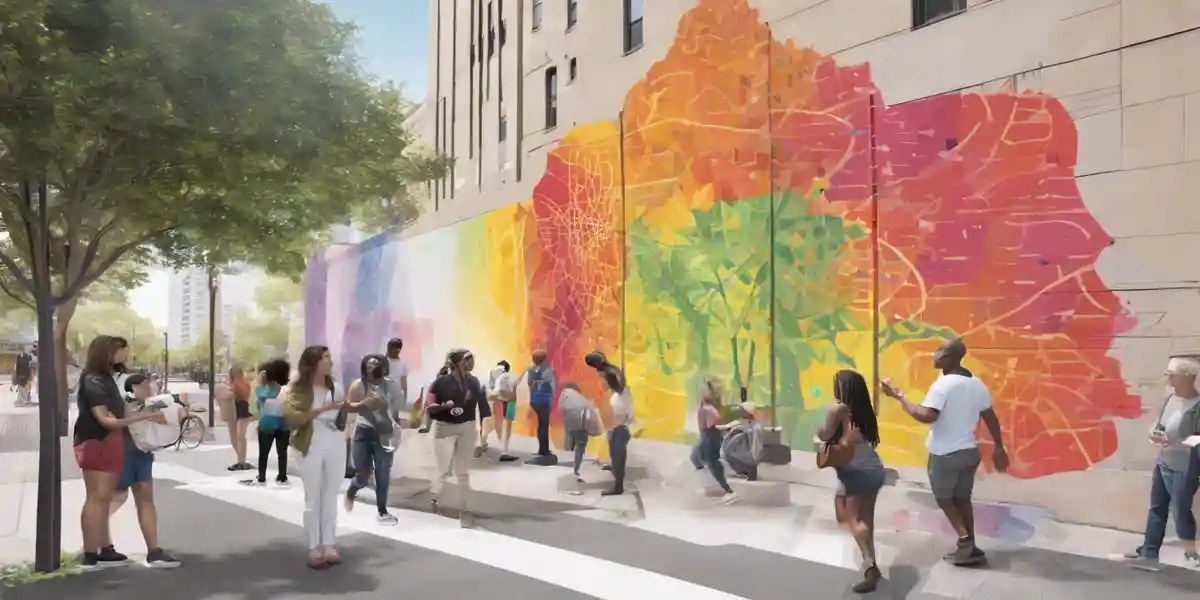
The concept of a Public Art Trail serves as a beacon of hope in our digitally over-stimulated lives. This curated route through urban landscapes is designed to encourage individuals to engage not only with the art but also with their surroundings and fellow walkers, fostering genuine connections free from the distractions of screens. Imagine strolling through a city where each art installation isn’t just a visual treat but also a catalyst for conversation and reflection.
As participants traverse the trail, they encounter strategically placed pieces of art that provoke thought and elicit emotions. Picture vibrant murals that depict local history or sculptures that symbolize community resilience. These installations become more than just decorative elements; they are vital parts of the urban narrative, inviting viewers to ponder their significance and share their interpretations. For instance, the Murals for Communities project in Waterford, Ireland, exemplifies this by fostering community engagement through the creation of murals that reflect local culture and history. With 54 workshops leading to 18 murals, these collaborative efforts not only beautified the space but also strengthened community bonds and encouraged social interaction.
To deepen the experience, the trail could feature interactive stations designed to promote mindfulness and creativity. Imagine a quiet alcove where visitors can pause to sketch the scenery or write reflections inspired by the art around them. Such activities not only encourage a digital detox but also nurture creativity and self-expression. Research shows that environments designed for interaction play a crucial role in public engagement. For example, the Superkilen park in Copenhagen offers diverse installations that promote physical activity and community interaction, emphasizing the importance of design in enhancing mental health and well-being.
Regularly hosted events along the trail, such as art workshops and guided meditation sessions, further enhance the community aspect of this endeavor. Participants are encouraged to leave their devices behind, creating a shared space that prioritizes presence over pixels. The Federal Art Project (FAP) of the Works Progress Administration, established during the Great Depression, is a historical example of this approach. By creating community art centers distinct from traditional museums, FAP emphasized the importance of local engagement through active participation in art-making, fostering a sense of belonging and artistic identity among citizens.
The rise of temporary urbanism practices illustrates how public art can empower communities. Collaborative art installations allow citizens to appropriate public spaces, fostering a sense of ownership and belonging. The project at the University of Portsmouth, which promotes co-creation of temporary interventions, demonstrates the potential for small-scale initiatives to transform urban environments and enhance community resilience. Such projects embody the idea that art can serve as a bridge, connecting individuals to each other and to their shared spaces, creating lasting social impact.
Ultimately, a Public Art Trail offers a multifaceted approach to urban engagement that merges creativity with community wellness. The integration of art, architecture, and urban design not only enriches the visual landscape but also fosters healthier cities by promoting social interaction and creativity. As we navigate our digital detox journeys, these trails highlight the profound impact that art can have on our well-being, reminding us of the beauty that exists in the world around us and the connections waiting to be rekindled.
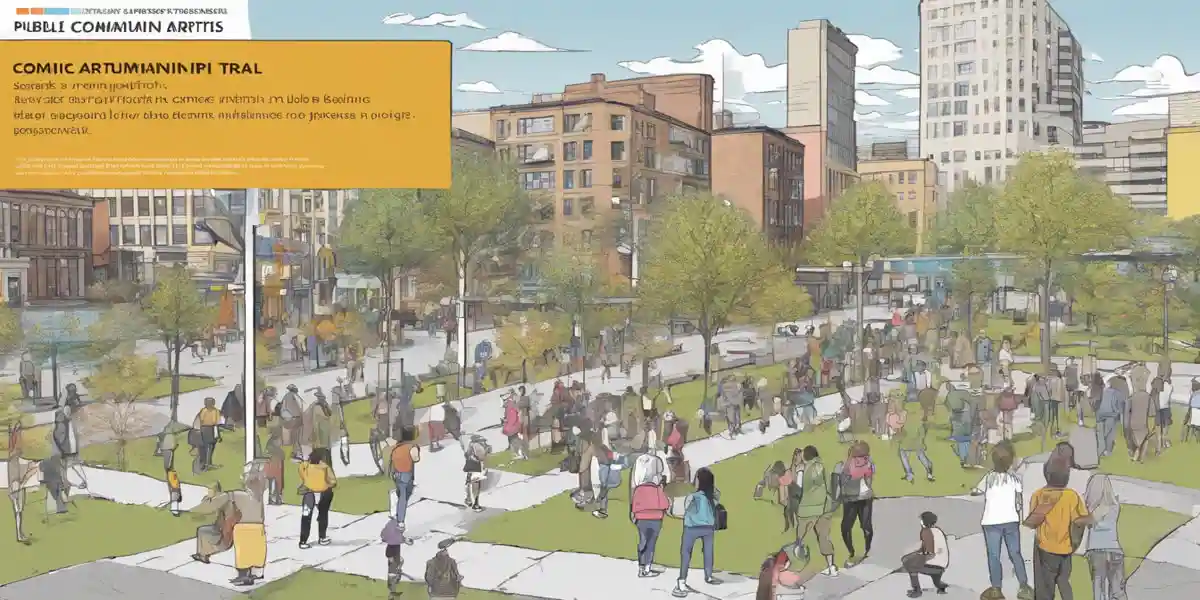
As we navigate the complexities of a digitally saturated world, public art emerges not just as a visual delight but as a crucial element in our journey toward balance and reconnection with the present. The concept of a "Public Art Trail" offers a transformative experience, serving as a curated route that encourages exploration and engagement without the interference of devices. By integrating public art into our digital detox journey, we can cultivate spaces that foster human connection, creativity, and mindfulness.
Imagine a walking route adorned with vibrant murals and striking sculptures, each piece telling a story or provoking thought. Such a trail not only showcases local artistry but also becomes a platform for community reflection. For instance, a mural that celebrates the heritage of a neighborhood can evoke pride and discussion among residents, while sculptures depicting local heroes can inspire visitors to ponder their own roles within their communities.
To maximize engagement, the Public Art Trail can feature interactive stations. These could include areas for sketching or journaling, where individuals can express their thoughts and emotions in response to the art they encounter. These pauses in the journey allow for a mindful digital detox, encouraging participants to step back from their screens and immerse themselves in the present moment. A study on interactive art installations indicates that spaces designed for public involvement enhance urban life by fostering participation and social interaction, which aligns perfectly with the goals of a digital detox.
Regular community events can amplify the impact of the Public Art Trail. Workshops that invite attendees to create their own art not only enhance skills but also build connections among participants. The Federal Art Project (FAP) during the Great Depression exemplifies this approach, as it established community art centers that focused on local engagement and participation, successfully redefining how communities interacted with art. By encouraging attendees to leave their phones behind, these workshops cultivate a shared space where creativity thrives, and genuine relationships are formed.
Various successful public art projects illustrate the potential of integrating art into community life. The “Murals for Communities” initiative across cities like Waterford, Heerlen, and Kaunas showcased how community involvement in the creation of murals could foster social bonds and enhance neighborhood identity. Similarly, projects like Superkilen in Copenhagen and the Porch Light Programme in Philadelphia highlight how thoughtfully designed public spaces can promote both mental health and community integration through interactive art. These examples underscore the importance of creating multifunctional spaces that prioritize engagement over aesthetics.
Temporary urbanism practices also play a significant role in integrating public art into our digital detox journey. Initiatives that allow communities to temporarily reclaim public spaces for artistic expressions can foster a sense of ownership and belonging. The "Co-Creation of Temporary Interventions in Public Space as a Tool for Community Resilience" project, for example, demonstrates how collective art installations can invigorate neighborhoods and enhance civic engagement, particularly for underrepresented voices. These small-scale interventions can lead to profound changes, reminding us that even temporary art can create lasting connections.
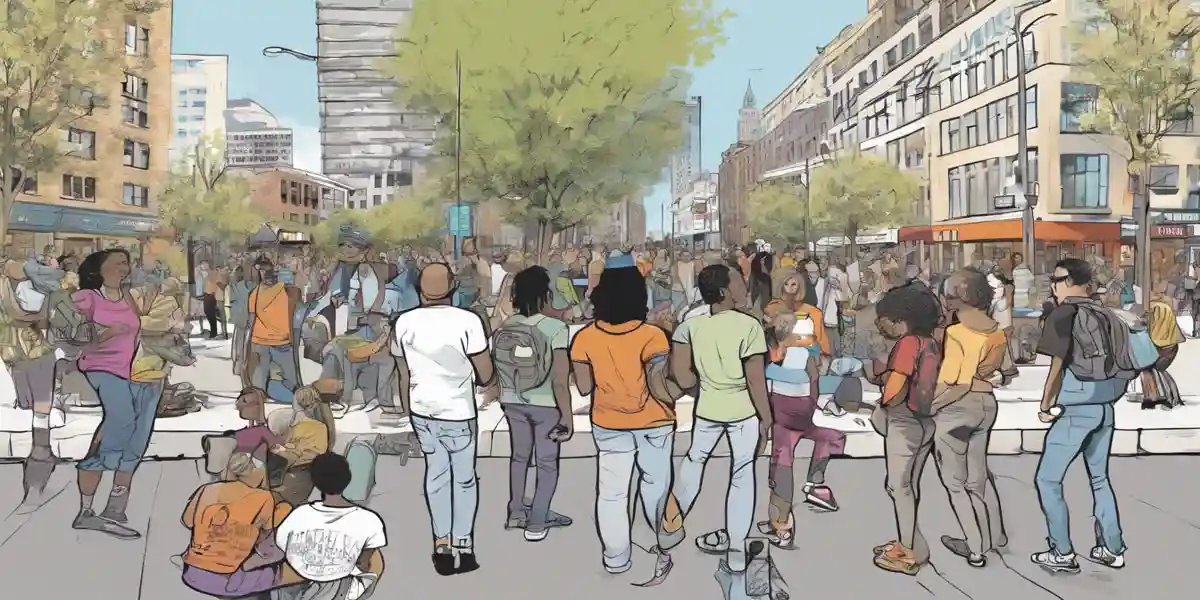
As we navigate our increasingly digital world, public art serves as a powerful catalyst for reconnecting with our authentic selves and the communities we inhabit. The idea of a "Public Art Trail" illustrates this concept beautifully, offering a curated journey through urban landscapes that encourages individuals to engage mindfully with their surroundings and fellow citizens. By stepping away from screens and immersing ourselves in art, we open the door to a deeper exploration of both personal and communal identities.
Public art acts as a mirror reflecting the diverse narratives and histories of communities. Consider vibrant murals that celebrate local culture or sculptures that depict the resilience of community members, each piece telling a story that fosters dialogue and connection among passersby. For example, the "Murals for Communities" project in Waterford, Ireland, and other cities demonstrated how collaborative mural creation led to the establishment of community bonds and enhanced social interaction. Through 54 workshops, participants not only contributed to the artwork but also engaged in meaningful discussions, reinforcing shared identities and communal pride.
The incorporation of interactive stations along the Public Art Trail can further enhance this reconnection by inviting visitors to engage in activities such as sketching, writing, or meditating. These moments of reflection encourage individuals to slow down and appreciate their environment without the distraction of digital devices. The significance of such mindful practices is echoed in research highlighting the role of public spaces in promoting health and well-being. For instance, the Superkilen park in Copenhagen combines art, architecture, and community engagement, illustrating how multifunctional public spaces can enhance mental health and foster a sense of belonging.
Art initiatives that prioritize community involvement over grandiose projects often yield more fruitful outcomes. The Federal Art Project (FAP) during the Great Depression is a historical example of this principle. By establishing community art centers, the FAP encouraged active participation and cultivated an appreciation for the arts among citizens, redefining the relationship between the public and art. Such community-based approaches resonate today, as temporary urbanism practices empower residents to reclaim and transform public spaces through collective art installations. These grassroots efforts foster civic engagement and ownership, especially among underrepresented voices, creating a vibrant tapestry of community expression.
Ultimately, public art serves as a bridge that reconnects us with our authentic selves and the communities we inhabit. By creating spaces that prioritize presence over pixels, we can inspire individuals to move beyond passive consumption and engage actively with both art and each other. As we embrace the power of art to nurture well-being in our increasingly disconnected society, we cultivate a more profound sense of community, resilience, and shared identity. The Public Art Trail stands as a testament to this transformative journey, reminding us that our stories are intertwined and that together, we can reclaim our shared spaces and experiences.
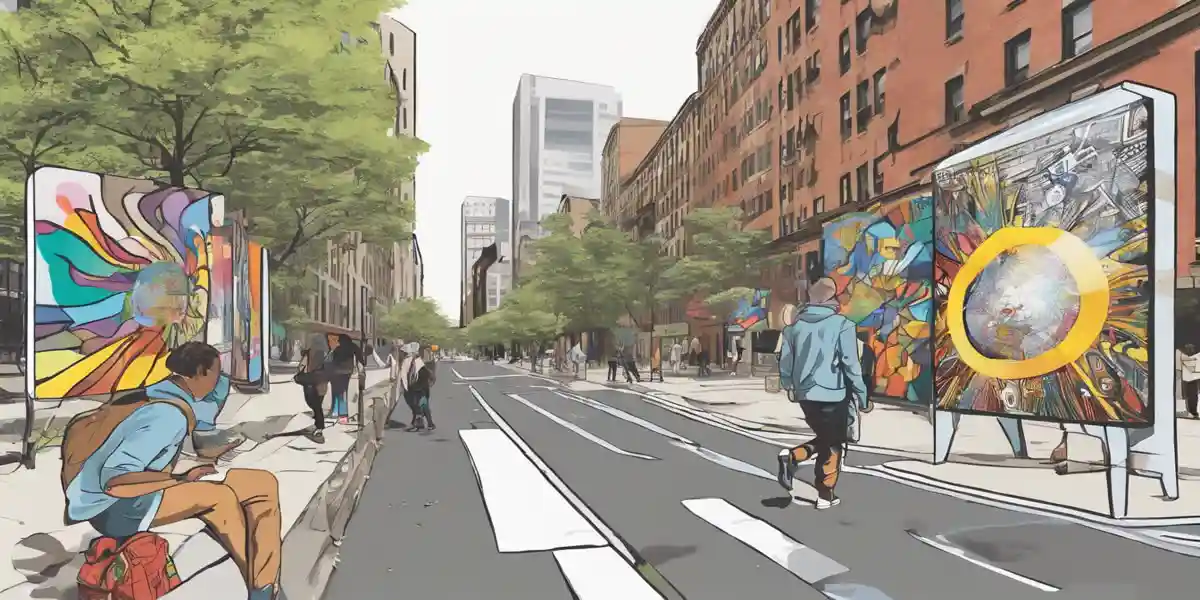
As urban dwellers increasingly find themselves entangled in the web of screens and notifications, the idea of a "Public Art Trail" stands out as a vital tool for revitalization and reconnection. This curated journey through a city not only showcases diverse art forms but also serves as a catalyst for mindfulness and community engagement, urging participants to step away from their devices and immerse themselves in the tangible world.
Imagine setting foot on a path lined with murals that tell the stories of local heroes or sculptures that evoke the spirit of resilience. Each art installation can serve as a conversation starter, inviting visitors to reflect on their own experiences and emotions. For instance, a vibrant mural depicting the history of a neighborhood might evoke nostalgia in older residents while sparking curiosity in younger visitors about their heritage. This interplay of art and emotion is essential for fostering a sense of community identity.
Along the Public Art Trail, strategically placed interactive stations can enhance the experience, inviting visitors to engage in activities that promote creativity and introspection. These stations could offer simple materials for sketching or journaling, allowing individuals to capture their thoughts and feelings in response to the art around them. Research shows that such interactive installations can significantly enhance public engagement in urban spaces. A study analyzing media architecture and interactive art installations emphasizes how these initiatives can enrich urban life and promote social interaction, making them an invaluable asset in a digital detox journey.
The essence of community engagement through art is not a new concept; it echoes the principles established during the Great Depression with the Federal Art Project (FAP). This initiative created community art centers that diverged from the traditional museum model, focusing instead on local involvement and active participation. By fostering artistic appreciation through hands-on experiences, the FAP laid the groundwork for contemporary public art initiatives that aim to connect people with their surroundings and each other.
Real-world examples provide further evidence of the effectiveness of public art in community building. The “Murals for Communities” project in Waterford, Ireland, Heerlen, the Netherlands, and Kaunas, Lithuania, involved numerous workshops that engaged community members in the creation of murals. The outcome was not just the physical art itself but a strengthened sense of belonging among participants, demonstrating how art can empower individuals to engage actively with their urban landscape.
The integration of art into public spaces also significantly contributes to community health and well-being. Studies of successful public art installations, like Superkilen in Copenhagen and the Porch Light Programme in Philadelphia, highlight the importance of multifunctional spaces that combine art with opportunities for physical activity and social interaction. Such environments not only enhance aesthetic appeal but also promote mental health, showing that public art can be a powerful ally in the quest for a healthier, more engaged society. The emphasis on creativity and physical activity in these spaces underscores the transformative potential of public art in fostering well-being.
Lastly, the concept of temporary urbanism emphasizes how collective art installations can drive community ownership and belonging. Projects such as the "Co-Creation of Temporary Interventions in Public Space as a Tool for Community Resilience" illustrate how grassroots initiatives can lead to substantial, lasting change. By involving local stakeholders in the creation of temporary art installations, communities can cultivate a sense of place and resilience that transcends the limitations of digital interaction.
Reconnecting Through Public Art
As we conclude our exploration of the profound role public art plays in our digital detox journey, it becomes evident that art is far more than a visual adornment of our urban landscapes. It serves as a vital connection to ourselves and to our communities, providing a rich tapestry of experiences that encourage mindfulness, creativity, and authentic engagement.
Throughout this discussion, we've uncovered how the concept of a "Public Art Trail" acts as a beacon guiding us away from the isolating glow of screens and into the heart of our cities, where vibrant murals and thought-provoking sculptures beckon us to pause, reflect, and connect. These artistic installations not only celebrate local histories and cultures but also foster communal dialogue, encouraging us to share our own stories and experiences.
We examined how public art initiatives, such as the "Murals for Communities" project and the Superkilen park in Copenhagen, illustrate the potential for art to strengthen community ties and enhance mental well-being. By integrating interactive stations and community-centric events into these trails, we create opportunities for genuine human interaction and collective ownership of our shared spaces.
As we move forward in an increasingly digital world, let us take a moment to consider the power of public art in reshaping our relationships—not only with our surroundings but with ourselves. Imagine the possibilities if we prioritize presence over pixels and embrace the opportunities for creativity and connection that art offers.
So, I invite you to step outside, explore your local public art trail, and engage with the world around you. Take a moment to reflect on the stories these artworks tell and the emotions they evoke. As you do, remember that every brushstroke and sculpture is an invitation to reconnect—with your community, your creativity, and the authentic experiences that lie just beyond the screen.
Mindful Steps: Discovering Meditation Through Urban Hiking
Get notified about new articles, coffee tips, and Web3 insights.
This site participates in affiliate programs and may earn a commission when a link is clicked and a purchase is made. The site is not responsible for any issues or troubles related to the products or services purchased through the use of this site.

DO&COFFEE loves coffee and technology, exploring the potential of NFTs and blockchain. Learn more →
DO&COFFEE loves coffee and technology, exploring the potential of NFTs and blockchain. Learn more →