wellness
2024/08/07
In an age where technology permeates every aspect of our lives, the concept of Mindfulness has never been more critical. Mindfulness, traditionally rooted in meditation and awareness practices, refers to the ability to maintain a moment-by-moment awareness of our thoughts, feelings, and surroundings.
Digital Mindfulness extends this practice into our interactions with technology, encouraging us to engage with digital tools in a conscious and intentional manner. Meanwhile, Web3 represents the next evolution of the internet, characterized by decentralized networks, blockchain technology, and user empowerment. This landscape not only transforms how we access information but also how we connect with our urban environments.
The importance of integrating mindfulness with technology is underscored by the staggering statistics surrounding digital engagement. A 2020 study published in the Journal of Technology in Behavioral Science revealed that 58% of adults reported feeling overwhelmed by the sheer volume of information consumed daily.
This overload can lead to heightened anxiety and diminished well-being. For example, companies like Basecamp have adopted policies that encourage employees to disconnect from work communications after hours, fostering a healthier work-life balance and enhancing overall productivity. Such real-world applications illustrate the tangible benefits of a mindful approach to technology.
This blog post will explore the interconnected realms of mindfulness, technology, and urban landscapes within the context of Web3. We will delve into how digital mindfulness practices can enhance our experiences in urban environments, ensuring we remain present and engaged in our interactions.
Additionally, we will examine the role of blockchain technology in creating transparent and participatory urban spaces, highlighting how these innovations can lead to more resilient and connected communities. By synthesizing these elements, we aim to provide actionable insights for navigating the complexities of our modern urban landscape.
As we proceed, it's essential to recognize that the transition to a more mindful and technology-integrated existence is not merely a personal journey but a collective endeavor that can reshape our urban experiences for the better. By leveraging these insights, we can build a future where technology complements our mindfulness practices, fostering environments that prioritize human connection and well-being.
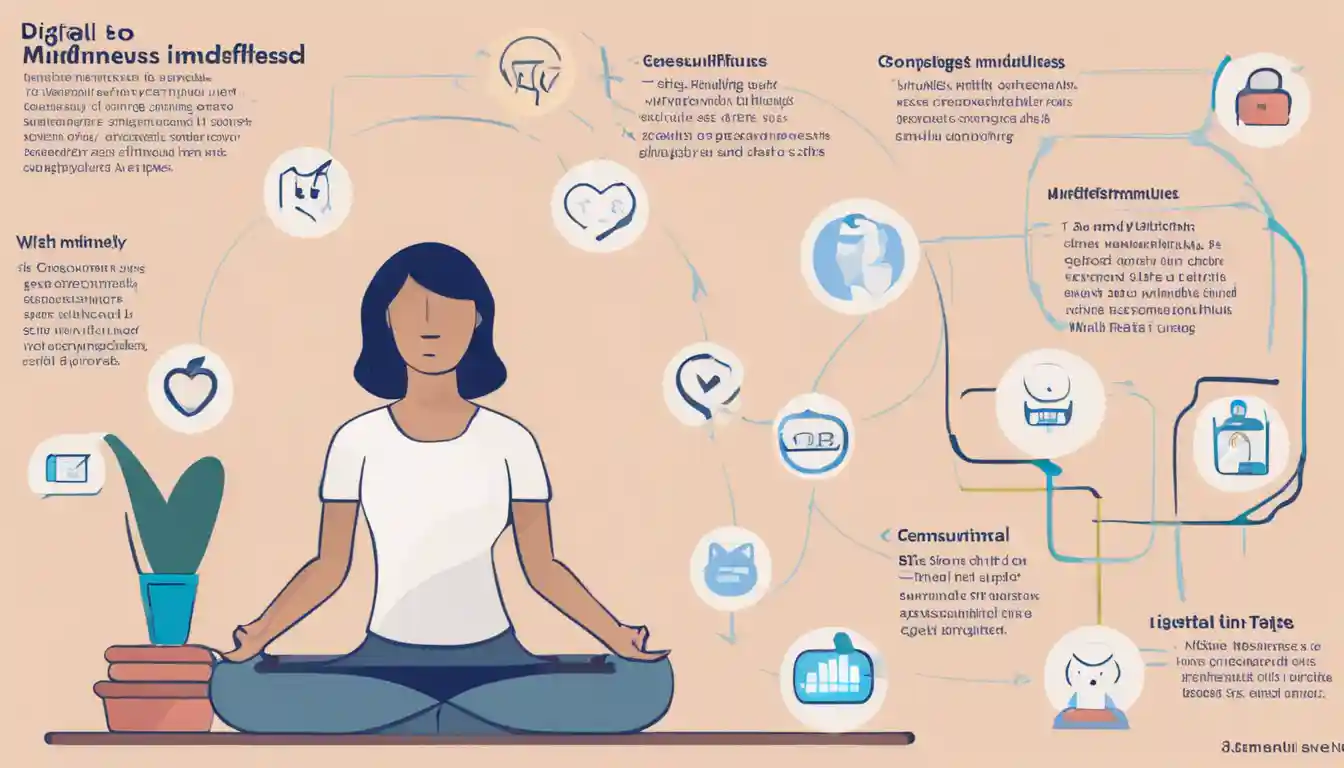
Digital mindfulness is a contemporary adaptation of traditional mindfulness that focuses on how individuals engage with technology. It encompasses being aware of how digital interactions impact mental well-being, productivity, and interpersonal relationships. Technically, this concept can be linked to the use of applications and tools designed to promote awareness of digital consumption.
For example, features that track screen time, notifications, and usage patterns can help individuals recognize their habits and make conscious decisions to alter them. The integration of artificial intelligence in these tools allows for personalized insights, making digital mindfulness a more tailored experience.
The importance of digital mindfulness cannot be overstated, especially in today's hyper-connected world. Studies show that excessive screen time can lead to increased anxiety and stress. For instance, a study by the American Psychological Association found that 58% of adults feel overwhelmed by the amount of information they consume daily. In practical terms, digital mindfulness can improve focus and productivity.
For example, a company like Basecamp encourages employees to disconnect from work-related communications after hours, promoting a healthier work-life balance. This approach not only enhances employee satisfaction but also boosts overall productivity during work hours.
In the context of Web3, digital mindfulness can play a crucial role in navigating the decentralized web. With the rise of blockchain technology, users are encouraged to be more vigilant about their digital footprints and data privacy.
Tools that track and manage crypto assets while promoting an understanding of their impact on personal finance can foster a more mindful approach to digital interactions. For instance, decentralized applications (dApps) often come with built-in features that enhance user control over data sharing, allowing individuals to make informed decisions about their online presence and engagement.
Research indicates that individuals who practice digital mindfulness report lower levels of stress and anxiety. A 2020 study published in the Journal of Technology in Behavioral Science found that digital mindfulness practices led to a 20% decrease in perceived stress levels among participants.
Additionally, the World Health Organization has reported that mental health issues are on the rise due to excessive digital engagement, emphasizing the need for strategies that promote balance in our digital lives.
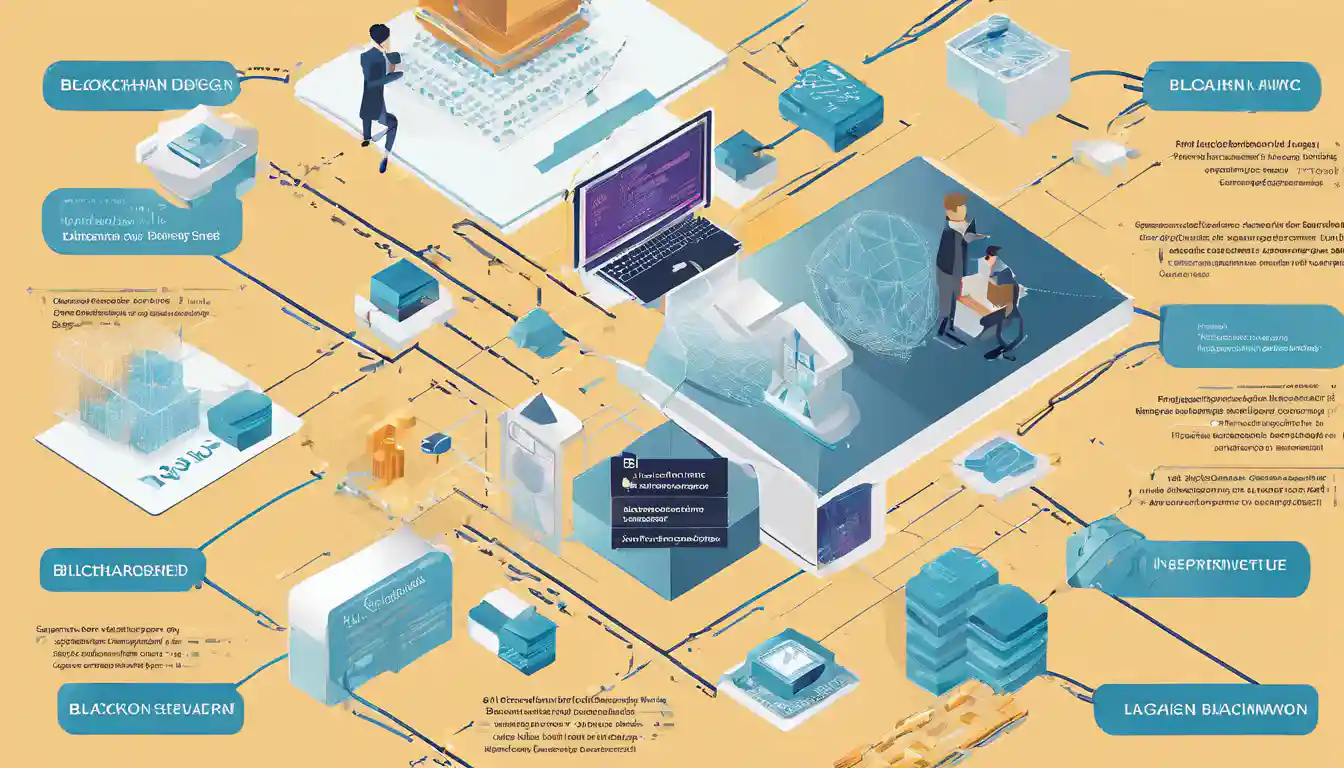
Blockchain technology is fundamentally a distributed ledger system that allows for secure, transparent, and tamper-proof transactions across a network of computers. At its core, a blockchain consists of a series of blocks, each containing a list of transactions.
These blocks are linked together in chronological order, forming a chain. Each block contains a cryptographic hash of the previous block, which ensures the integrity of the entire chain.
Technical aspects include:
The importance of blockchain technology cannot be overstated, as it offers transformative solutions across various sectors:
To navigate the urban landscape of Web3 with a focus on blockchain, consider the following actionable tips:
Blockchain technology is integral to the development of Web3, which envisions a decentralized internet where users have control over their data. For instance, decentralized applications (dApps) utilize blockchain for various services, from finance (DeFi) to content sharing. The technical details include:
According to a report by Statista, global blockchain technology adoption increased from 8% in 2018 to 35% in 2021. Additionally, a study from Investopedia highlights that blockchain’s ability to provide transparency and security is driving its application in sectors beyond finance, including logistics and healthcare.
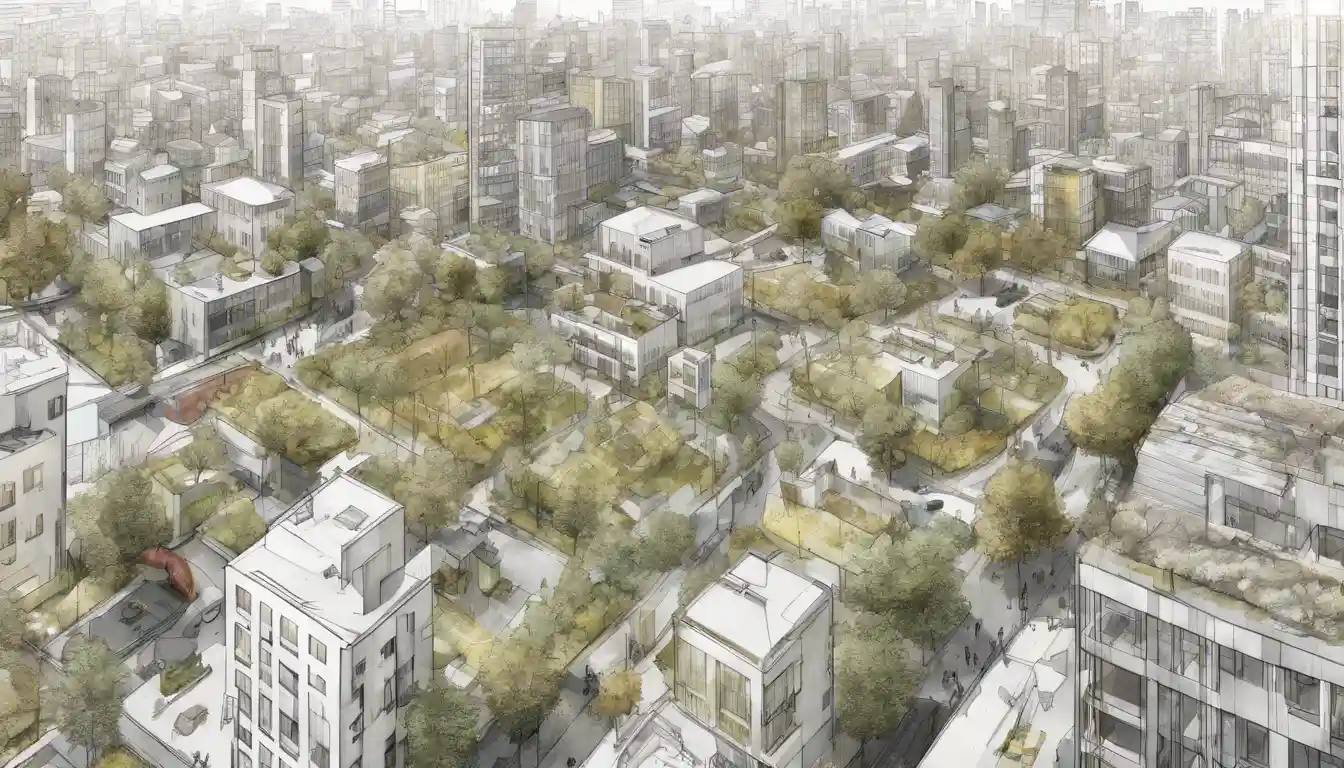
The term Urban Landscape refers to the physical and aesthetic aspects of urban environments, encompassing buildings, parks, streets, and the overall design of a city. Technically, this includes elements such as urban design principles, zoning laws, and landscape architecture, which all play a crucial role in shaping how urban spaces function and feel. Urban landscapes are not static; they evolve with technology and societal needs.
For instance, with the rise of Web3 technologies, urban landscapes may integrate decentralized networks that enhance connectivity and community engagement. Technologies like Geographic Information Systems (GIS) and urban modeling tools are essential for analyzing and planning these landscapes effectively.
The importance of Urban Landscape cannot be overstated. It impacts mental health, social interactions, and economic opportunities. For example, the transformation of public spaces in cities like Barcelona has significantly improved residents' well-being and social cohesion. Urban landscapes also play a critical role in addressing climate change; cities like Copenhagen are implementing green roofs and sustainable drainage systems to manage rainwater and reduce heat islands.
Furthermore, during events like the FIFA World Cup or the Olympics, cities often reconfigure their landscapes to accommodate large crowds while considering the cultural and social implications of these changes, as noted in ethnographic studies of cities like Rio de Janeiro.
With the advent of Web3, urban landscapes are increasingly incorporating blockchain technologies for transparency and community engagement. Smart contracts can streamline processes for urban development projects, ensuring that community voices are heard and respected.
For instance, decentralized autonomous organizations (DAOs) can be formed to manage public spaces, allowing residents to vote on changes in their environment. Furthermore, augmented reality (AR) applications can enrich the urban experience by overlaying digital information on physical landscapes, making navigation easier and more informative.
Research indicates that cities that prioritize green spaces see a 10-15% increase in community well-being and property values (Source: Urban Studies Journal, 2021). Furthermore, a comparative urbanism approach highlights how globalization affects urban dynamics, underscoring the need for diverse strategies that reflect local contexts.
These findings reinforce the idea that thoughtfully designed urban landscapes can lead to significant social and economic benefits.
In this blog post, we explored the intersection of mindfulness and technology within the urban landscape shaped by Web3. We began by defining digital mindfulness as a necessary tool in an age where our interactions with technology can significantly impact our mental well-being. We discussed the importance of being aware of our digital consumption patterns and how tools can help us foster healthier habits. Additionally, we examined blockchain technology and its transformative potential across various sectors, emphasizing its role in enhancing transparency and community engagement.
Finally, we delved into the urban landscape, highlighting how thoughtful design and technology can create environments that promote social interactions and address climate challenges.
Looking ahead, the implications of integrating mindfulness with emerging technologies like Web3 are profound. As cities evolve and adapt to these innovations, we can expect to see a greater emphasis on community-driven development and the use of decentralized platforms to enhance citizen agency.
This transition towards more mindful urban environments may lead to improved mental health outcomes, increased civic participation, and a more sustainable future.
As you navigate this urban landscape, I encourage you to reflect on your own digital habits and consider how you can engage mindfully with technology. Whether it’s exploring local green spaces, advocating for community projects, or utilizing decentralized applications, every action counts. Let’s embrace the potential of Web3 while being mindful of our presence in both the digital and physical realms.
- Economies of (Alleged) Deviance: Sex Work and the Sport Mega-Event
- Comparative Urbanism: New Geographies and Cultures of Theorizing the Urban
- Beyond southern urbanism? Imagining an urban geography of a world of cities
- Cinematic Urbanism: A History of the Modern from Reel to Real; and Cities and Cinema
Get notified about new articles, coffee tips, and Web3 insights.
This site participates in affiliate programs and may earn a commission when a link is clicked and a purchase is made. The site is not responsible for any issues or troubles related to the products or services purchased through the use of this site.

DO&COFFEE loves coffee and technology, exploring the potential of NFTs and blockchain. Learn more →
DO&COFFEE loves coffee and technology, exploring the potential of NFTs and blockchain. Learn more →