art
2024/08/07
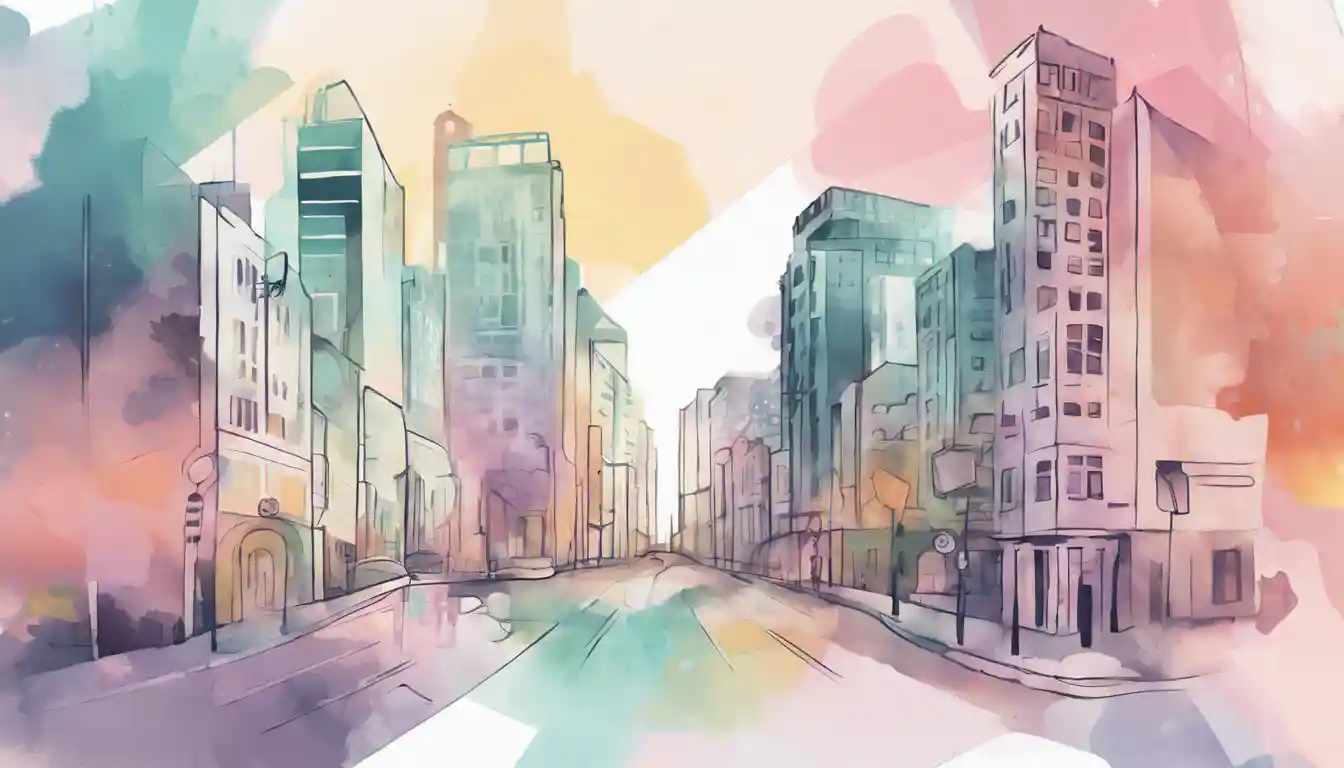
In the rapidly evolving landscape of urban exploration, the intersection of digital art and tokenization is reshaping how we interact with our cities. Tokenization refers to the process of converting ownership rights of physical or digital assets into digital tokens that reside on a blockchain.
This allows for fractional ownership and secure transactions. Urban exploration, often abbreviated as "urbex," encompasses the exploration of abandoned or off-limits urban structures, revealing the hidden narratives of our cities. Meanwhile, digital art leverages technologies like Augmented Reality (AR) and Virtual Reality (VR) to create immersive experiences that can transform public spaces and community engagement.
The importance of this topic cannot be overstated. Consider the example of the UNBODY AR installation, which overlays poetic texts and visuals onto physical environments, enhancing user experiences and fostering a deeper connection to urban spaces. This integration of digital art into urban exploration not only revitalizes neglected areas but also stimulates local economies by attracting cultural tourism.
A study on small and medium enterprises (SMEs) indicates that businesses leveraging AR technology can see up to a 40% increase in customer engagement, illustrating the potential for impactful applications within urban settings.
In this blog post, we will delve into how tokenization can empower artists and urban explorers alike by facilitating ownership and engagement. We will explore the technical aspects of tokenization, the transformative potential of digital art in urban spaces, and how these elements interconnect to reshape our routines in the cities we inhabit. By examining real-world applications and actionable insights, we aim to illuminate the future of urban exploration in a digitally integrated world.
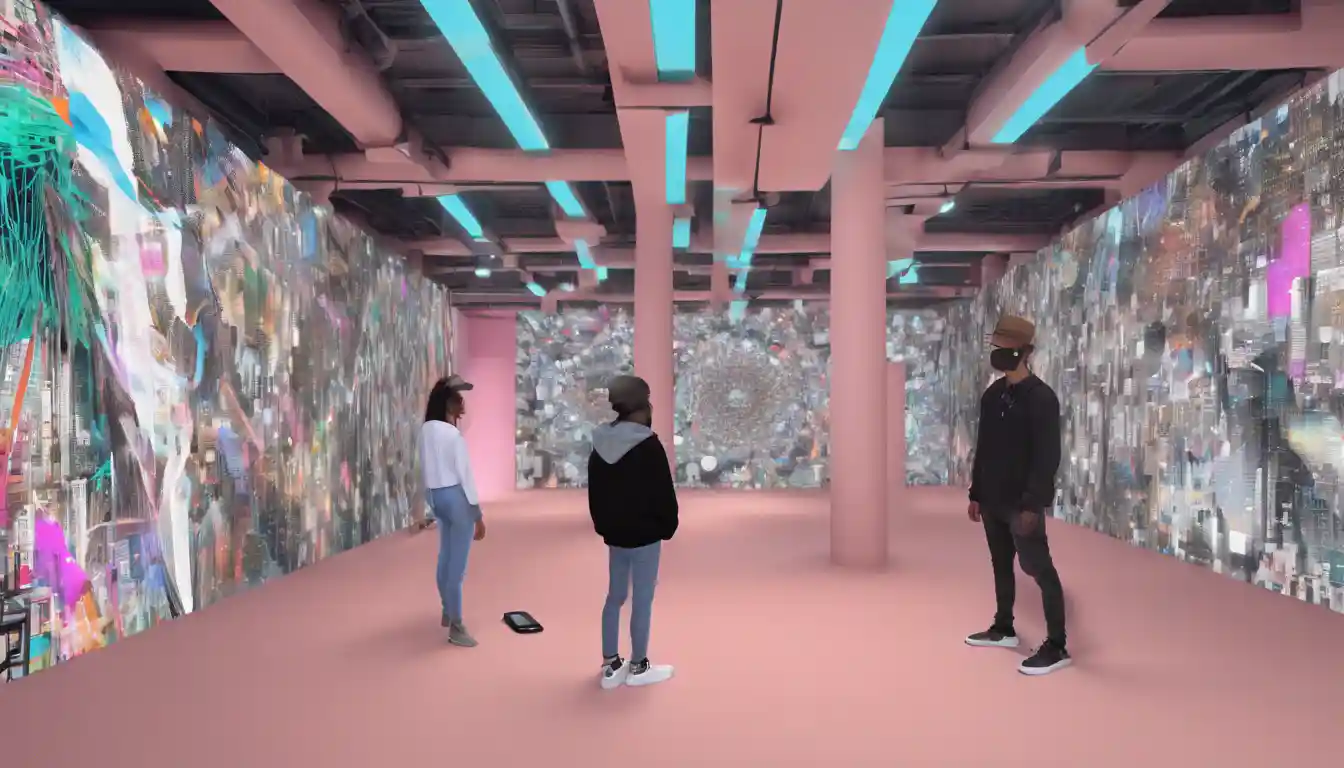
Digital Urban Art refers to the intersection of digital technology and urban environments, where artists leverage digital tools to create immersive and interactive artworks that transform public spaces. This form of art often incorporates technologies such as Augmented Reality (AR), Virtual Reality (VR), and projection mapping, allowing for dynamic interactions between the artwork, the environment, and the audience.
For instance, AR applications can overlay digital content onto the physical world, enabling users to experience art in new dimensions. A notable example is the UNBODY AR installation, which integrates visual and auditory elements to create an experience where poetry is embedded into the user’s surroundings, effectively recontextualizing reality with holographic texts and images. This technical approach enhances user engagement and personal connection to the art.
The significance of Digital Urban Art is evident in its ability to democratize art access and engage communities. Projects like the “Kara Walker: A Subtlety” installation in Brooklyn have shown how digital projections can turn entire buildings into canvases for storytelling, thus revitalizing public spaces and stimulating local economies.
Furthermore, small and medium enterprises (SMEs) are increasingly utilizing AR for marketing and customer engagement, as demonstrated in studies highlighting the benefits of AR technology in enhancing customer experiences and product visualization. By integrating digital art into urban landscapes, cities can foster cultural tourism, generate dialogue around social issues, and promote local artists.
Here are three actionable tips for engaging with Digital Urban Art: Download AR Applications: Engage with existing AR art applications such as Artivive or Google Arts & Culture. These platforms allow users to experience AR overlays on physical artworks, bridging the gap between digital and traditional art.
Participate in Local Art Events: Attend local exhibitions or workshops focused on digital art. Many cities host events where community members can contribute ideas or even collaborate on digital murals or projections. Create Your Own Digital Art: Use accessible tools like Adobe Spark or Canva to create digital art pieces. Share your creations on social media or local online platforms to foster community engagement and dialogue around urban art.
The relationship between Digital Urban Art and advanced technologies such as Web3 is pivotal. Tokenization, facilitated by blockchain technology, allows artists to create digital assets that can be bought, sold, and traded, ensuring artists retain ownership and receive royalties from secondary sales.
For example, the integration of NFTs (Non-Fungible Tokens) into urban art projects can revolutionize how art is funded and distributed, as seen in various successful campaigns where digital artworks were sold as unique tokens. This creates a new revenue stream for artists and encourages innovative public art installations that can be enjoyed in both physical and digital realms.
According to a study on the integration of AR technology in small and medium enterprises, companies that utilize AR see improved customer experiences, which can lead to increased sales and customer loyalty. Furthermore, the exploration of VR and AR in artistic expression has shown that these technologies enhance audience interaction and broaden the scope of artistic expression.
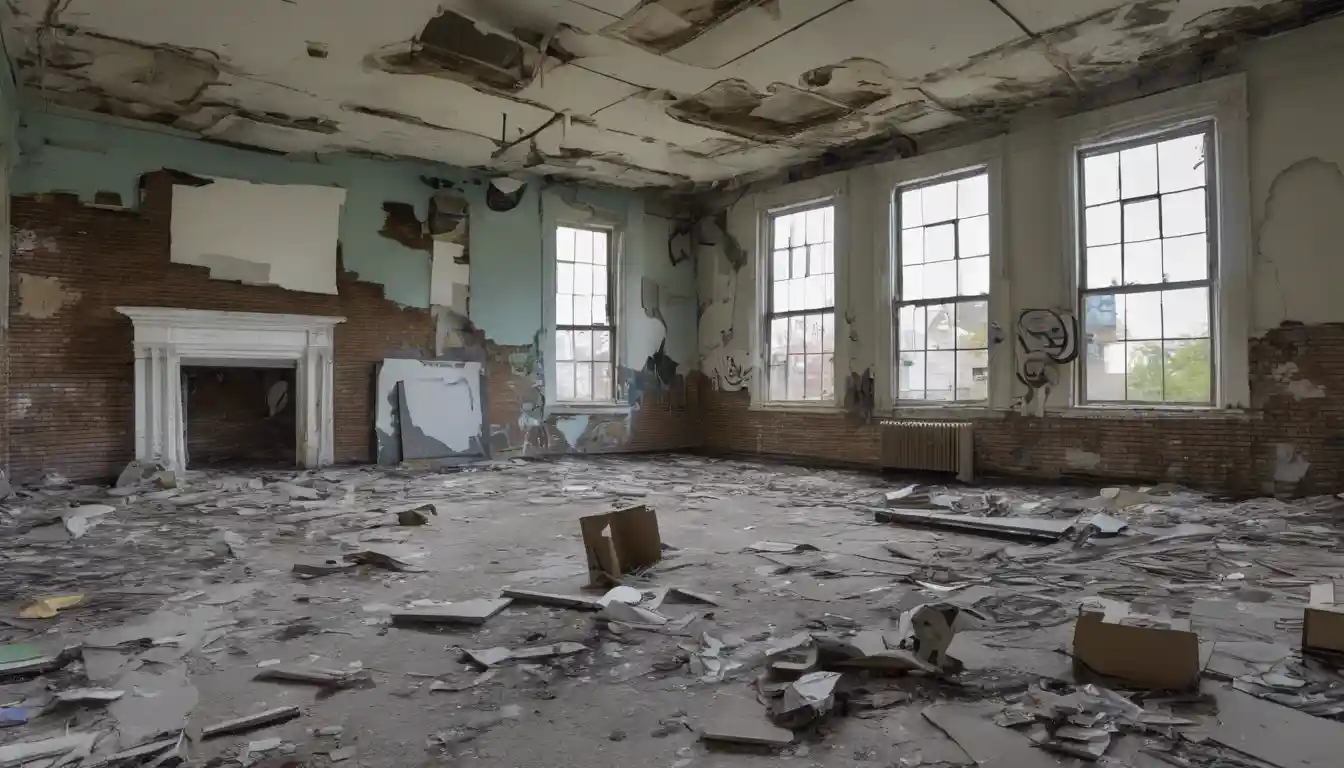
Urban Exploration, often abbreviated as "urbex," involves the exploration of abandoned or off-limits urban structures, including factories, hospitals, and tunnels. It's rooted in a curiosity about the hidden aspects of cities that are often overlooked or forgotten. Technically, urban explorers often utilize tools such as cameras for documentation, drones for aerial views, and even augmented reality (AR) applications to overlay historical data on their explorations.
For instance, the UNBODY AR installation discussed in recent studies exemplifies how AR can enhance the experience of urban exploration by embedding poetic text and visuals within the physical environment, allowing explorers to interact with their surroundings in innovative ways.
The significance of urban exploration extends beyond mere adventure; it plays a crucial role in documenting urban decay and fostering community engagement. For example, artists and photographers have utilized abandoned spaces to create impactful works that raise awareness about urban neglect.
One notable case is the Detroit Urban Exploration scene, where explorers have transformed the narrative around the city's decline into a platform for art and activism. Additionally, businesses such as small and medium enterprises (SMEs) are beginning to leverage AR technology to enhance customer experiences by visualizing urban spaces in new ways, providing insights into their historical context, and promoting local culture.
With the rise of Web3 technologies, urban exploration is being reshaped through the integration of digital assets and blockchain. For instance, explorers can tokenize their photographs and experiences as NFTs (non-fungible tokens), providing a new avenue for monetization and ownership of digital art derived from urban exploration.
Moreover, AR applications can utilize blockchain to verify the authenticity of digital overlays, enhancing the credibility of shared experiences. As noted in studies, the integration of AR in urban exploration can improve customer engagement for SMEs by allowing users to visualize products in real environments, streamlining the shopping experience.
According to recent studies on AR integration in personal computing, the transition from visual-centric AR to experiences incorporating language and sound can significantly enhance user interaction with urban environments. Furthermore, the exploration of AR applications in SMEs demonstrates how these technologies can streamline processes and improve customer experiences, thereby increasing competitive advantage.
In conclusion, urban exploration not only satisfies human curiosity but also serves practical applications that can reshape our understanding of urban environments through technology. By leveraging advancements in AR and blockchain, we can foster a deeper connection with our cities and their histories.
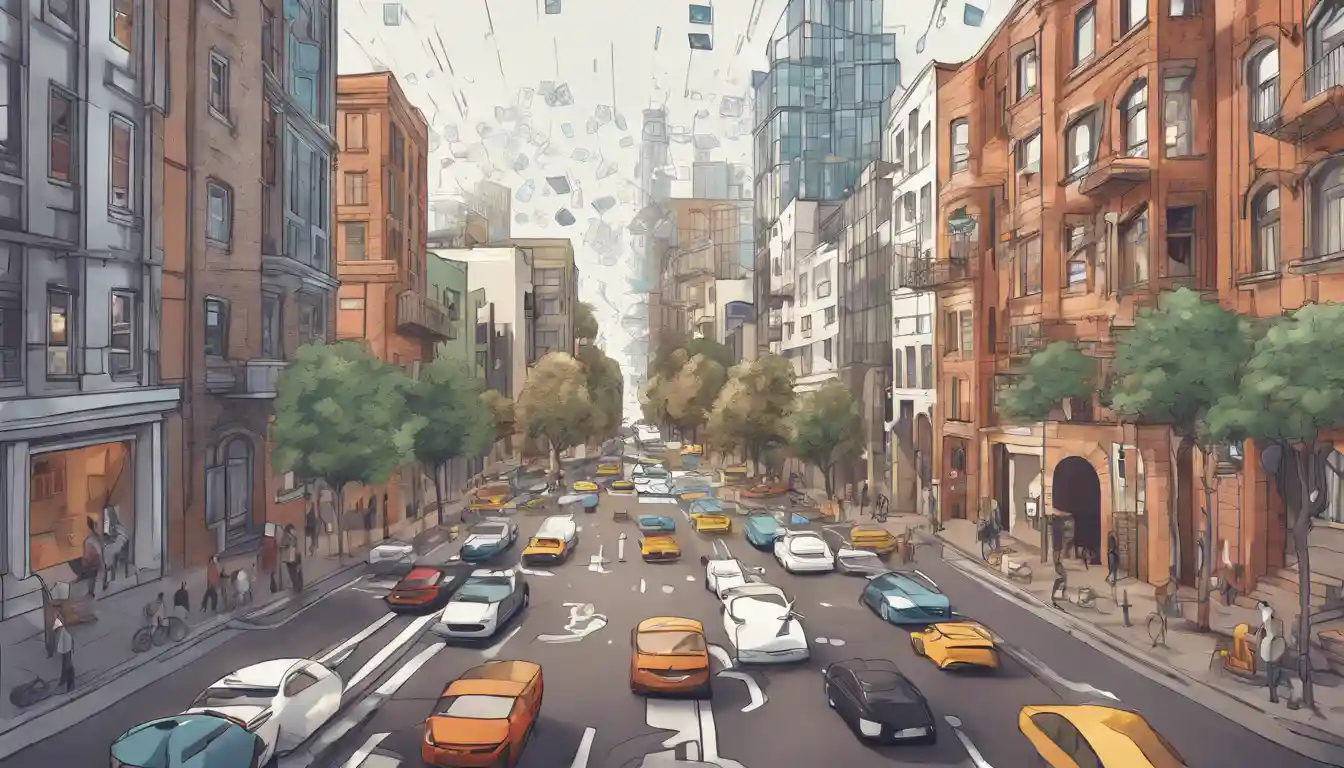
Urban Tokenization refers to the process of converting physical urban assets into digital tokens on blockchain networks. This transformation allows for fractional ownership, enabling individuals to invest in and transact with urban properties, art, or even experiences in a decentralized manner. At its core, urban tokenization leverages smart contracts—self-executing contracts with the terms of the agreement directly written into code. This technology ensures transparency, security, and efficiency in transactions.
For instance, a public park could be tokenized, where local businesses can purchase tokens to sponsor events or art installations. Each token could represent a specific area or service within the park, allowing the community to engage more actively in how urban spaces are utilized.
The importance of urban tokenization lies in its ability to democratize access to urban resources and foster community involvement. For example, the ARTogether initiative in San Francisco allows local artists to tokenize their art, providing them with direct financial support while also enabling collectors to own a piece of the city's creative culture. This not only sustains artists but also enhances the cultural fabric of urban areas.
Moreover, in cities like Barcelona, urban tokenization is being explored for managing public spaces. Through a platform that utilizes tokenized voting, residents can allocate funds to different community projects—ensuring that urban development aligns with the needs and desires of the community. Statistics show that over 70% of urban dwellers prefer participatory budgeting methods, highlighting the demand for such innovations.
Urban tokenization is closely related to Web3 technologies, which emphasize decentralized applications (dApps) and user ownership. By employing blockchain, urban areas can not only tokenize physical assets but also create decentralized autonomous organizations (DAOs) for managing urban projects. These DAOs allow community members to propose and vote on projects, with token ownership serving as a voting mechanism.
For example, the use of augmented reality (AR) in urban tokenization can enhance user experiences. Projects like UNBODY utilize AR to embed artistic expressions in urban landscapes, creating interactive experiences that can be tokenized. As mentioned in a recent study on AR technology, integrating such innovations can improve community engagement and the visibility of local art, thus driving urban exploration.
According to a study on small and medium enterprises (SMEs) leveraging AR technology, businesses that adopt these innovations can significantly enhance customer experiences and operational efficiencies. This suggests that urban tokenization combined with AR can provide substantial benefits for both businesses and community members alike.
Furthermore, the Virtual Reality and Augmented Reality in Artistic Expression study highlights how these technologies can expand artists' creative capabilities, directly linking to urban tokenization's potential to reshape public engagement with art and urban spaces.
In this blog post, we explored how tokenization and digital art are revolutionizing urban exploration and reshaping our interactions with city spaces. We discussed the transformative power of technologies like Augmented Reality (AR) and blockchain, which enable artists to create immersive experiences that engage communities and foster dialogue.
Key takeaways include the democratization of art access through digital platforms, the potential for urban tokenization to facilitate community involvement in public projects, and the role of AR in enhancing the urban exploration experience.
Looking ahead, the implications of these developments are profound. As technology continues to evolve, we may see an increase in participatory city planning, where residents use tokenized voting systems to influence urban development directly. Furthermore, the integration of digital art in public spaces could become a staple of urban culture, encouraging greater collaboration between artists, technologists, and local businesses.
This creates an opportunity for cities to become living canvases, fostering a vibrant cultural ecosystem that resonates with both residents and visitors alike.
As you navigate your own urban environment, consider how you can engage with and contribute to this dynamic landscape. Whether by supporting local artists, participating in community initiatives, or exploring the intersections of technology and art, you have the power to help shape the future of our cities.
Embrace the possibilities that digital art and tokenization offer, and become an active participant in the ongoing evolution of urban exploration.
- Unbody: A poetry escape room in augmented reality
- Can small and medium enterprises benefit from AR technology? Current challenges and trends
- Augmented Reality-Based English Language Learning: Importance and State of the Art
- The Virtual Artist's Book as a Space for Curatorial Experiments: The Acropolis Remix Project
Get notified about new articles, coffee tips, and Web3 insights.
This site participates in affiliate programs and may earn a commission when a link is clicked and a purchase is made. The site is not responsible for any issues or troubles related to the products or services purchased through the use of this site.

DO&COFFEE loves coffee and technology, exploring the potential of NFTs and blockchain. Learn more →
DO&COFFEE loves coffee and technology, exploring the potential of NFTs and blockchain. Learn more →