wellness
2024/08/12
In an era dominated by screens and constant connectivity, the quest for mindfulness has become increasingly essential. As we navigate the complexities of a digital world, the healing power of eco-tourism and interactive art emerges as a beacon of hope. This blog post, titled "Rediscovering Mindfulness: The Healing Power of Eco-Tourism and Interactive Art in a Digital World," explores the intersection of these two transformative experiences, revealing how they can foster a deeper connection with ourselves and the environment.
We will delve into how eco-tourism serves not just as a means to escape urban life but as a pathway to mindfulness, offering opportunities to reconnect with nature and enhance our mental well-being. Through carefully curated case studies, we will illustrate how certain destinations inspire introspection and presence, aligning with findings that indicate nature's therapeutic effects on mental health.
Moreover, we'll investigate the burgeoning realm of interactive art, where creativity meets self-discovery. By engaging with art that responds to our actions, we can tap into profound mindfulness experiences that encourage reflection and promote emotional health. This exploration will include examples of installations designed to immerse participants in experiences that echo the mindfulness practices highlighted in recent studies.
As we embark on this journey through eco-tourism and interactive art, we aim to not only rediscover mindfulness but also to understand its vital role in our increasingly distracted lives. Join us as we uncover how integrating these elements into our daily existence can lead to a more balanced and fulfilling life.
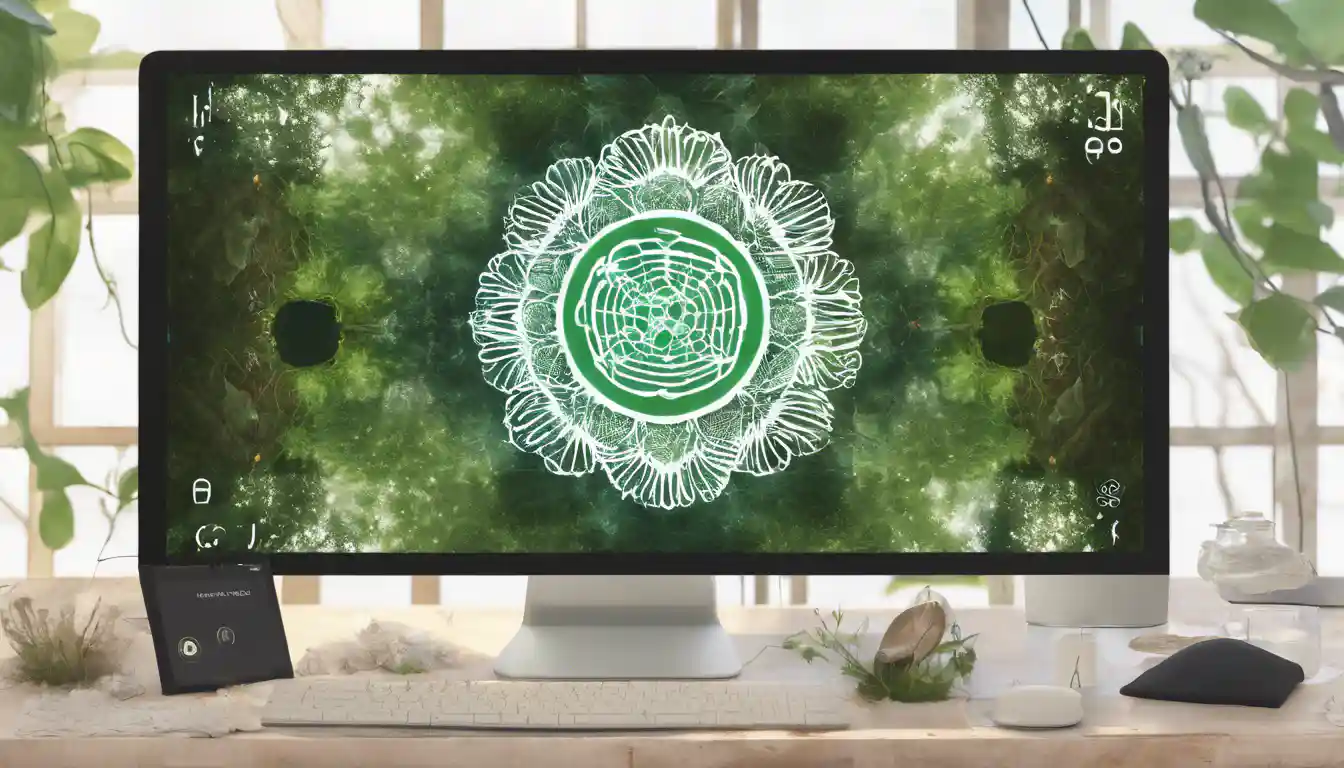
In an era dominated by screens and constant notifications, the concept of mindfulness has emerged as a crucial antidote to the chaos of digital life. The challenge lies in finding ways to engage with mindfulness practices that resonate in a fast-paced, distraction-heavy society. Enter the Eco-Interactive Art Experience (EIAE), a groundbreaking approach that merges eco-tourism with interactive art, providing a digital sanctuary for users to cultivate mindfulness while fostering a connection with nature.
Research shows that urban populations are experiencing declining health and happiness, underscoring the urgency to reconnect with nature as a catalyst for improved mental well-being. A study examining the therapeutic effects of nature found that participants exposed to real or virtual natural environments exhibited better emotional responses compared to those with no nature exposure. This highlights the importance of integrating nature into our mindfulness practices, a concept that EIAE embodies through immersive digital landscapes.
Immersive interactive technologies play a pivotal role in facilitating mindfulness, introspection, and self-reflection. A scoping review of relevant studies identified numerous immersive experiences that support positive human functioning, showcasing the potential for applications like EIAE to enhance well-being. Participants in these environments can experience guided attention to self, which is essential in a world full of distractions.
Imagine navigating a beautifully rendered digital forest, where each step brings you closer to understanding the intricate life cycle of a virtual tree. In the EIAE, users can engage with interactive art installations that respond to their movements, providing a unique blend of education and entertainment. For example, upon approaching a virtual tree, users might witness a stunning visual display detailing its growth, accompanied by the calming sounds of rustling leaves. This interaction not only fosters a sense of presence but also promotes mindfulness through active engagement with art and nature.
One of the standout features of EIAE is the opportunity for collaborative art projects. Users can participate in virtual tree planting initiatives, where each contribution adds to a growing digital forest symbolizing collective action against climate change. This act of collaboration enhances feelings of connectedness and responsibility, key elements in cultivating mindfulness and environmental awareness.
To deepen users' mindfulness experience, the EIAE incorporates guided meditations, soundscapes, and workshops led by environmental artists and mindfulness coaches. These elements draw upon research that emphasizes the importance of agency and control in enhancing meditation experiences. For instance, immersive environments can utilize generative soundtracks that adapt to users' breathing patterns, promoting breath awareness and facilitating a more profound connection to the present moment.
Recent studies have highlighted the effectiveness of multimodal feedback in enhancing mindfulness practices. In the context of EIAE, tactile feedback—such as sensations of walking on artificial grass—can significantly improve mindfulness and spatial presence. This innovative approach creates a more engaging and immersive experience, allowing users to fully absorb the tranquility of their surroundings while focusing on their internal states.
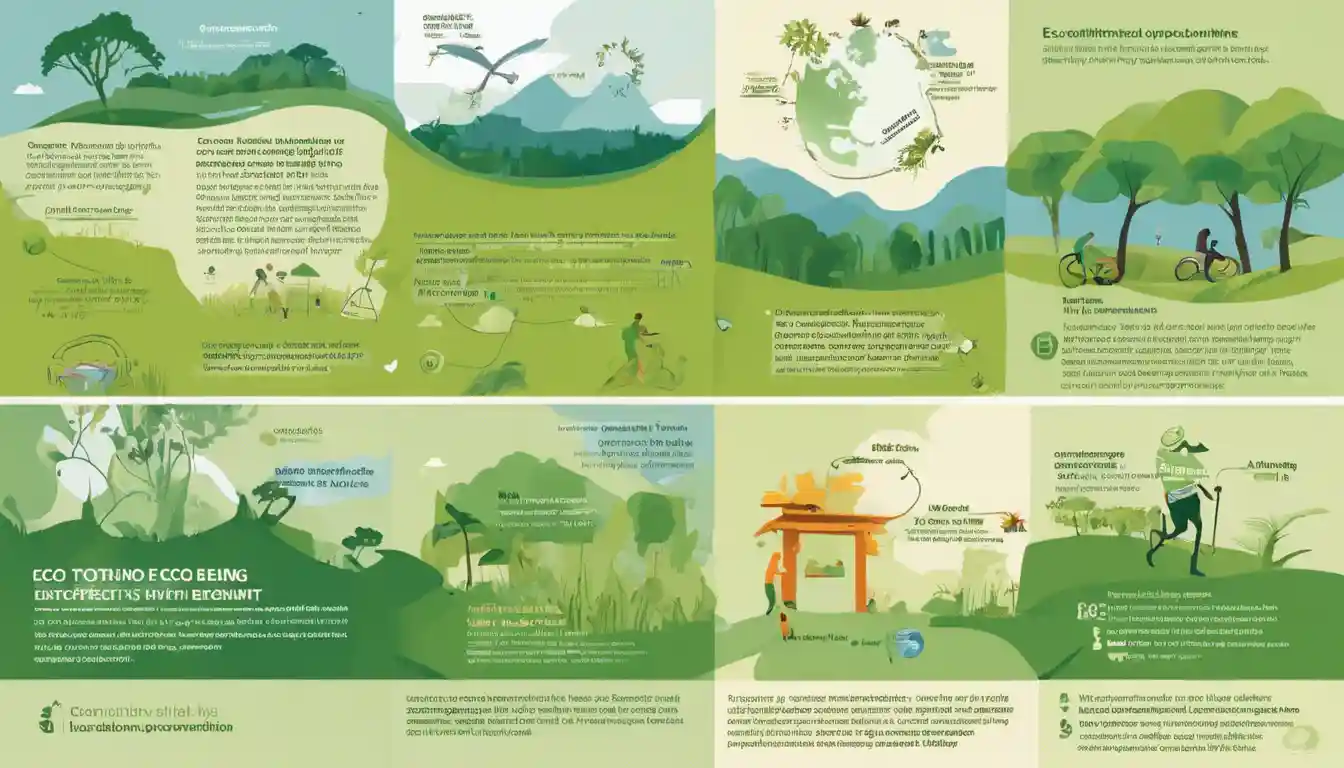
Eco-tourism, at its core, is about connecting with nature in a way that fosters a deeper understanding and appreciation of the environment. This section will explore the definitions and benefits of eco-tourism, particularly its role in promoting mindfulness.
Eco-tourism can be defined as responsible travel to natural areas that conserves the environment, sustains the well-being of local people, and involves interpretation and education. It prioritizes low-impact activities that allow travelers to experience natural beauty while minimizing their environmental footprint. Examples include guided nature hikes, wildlife observation, and participation in conservation efforts. This approach not only enhances the travel experience but also promotes a sense of responsibility toward the planet.
The benefits of eco-tourism extend beyond the immediate enjoyment of natural landscapes. Studies have shown that immersion in nature contributes significantly to psychological well-being. For instance, research indicates that interaction with both real and virtual natural environments can improve emotional responses and reduce stress levels. One study highlighted that participants exposed to nature, whether physically or through virtual experiences, exhibited enhanced mindfulness and improved mental health outcomes.
Mindfulness is increasingly recognized as a crucial element of mental health, particularly in our fast-paced, digital world. Eco-tourism promotes mindfulness through several mechanisms:
Several eco-tourism initiatives exemplify the benefits of mindfulness:
Through these examples, it's evident that eco-tourism not only supports environmental conservation but also serves as a powerful tool for enhancing mindfulness and overall well-being.
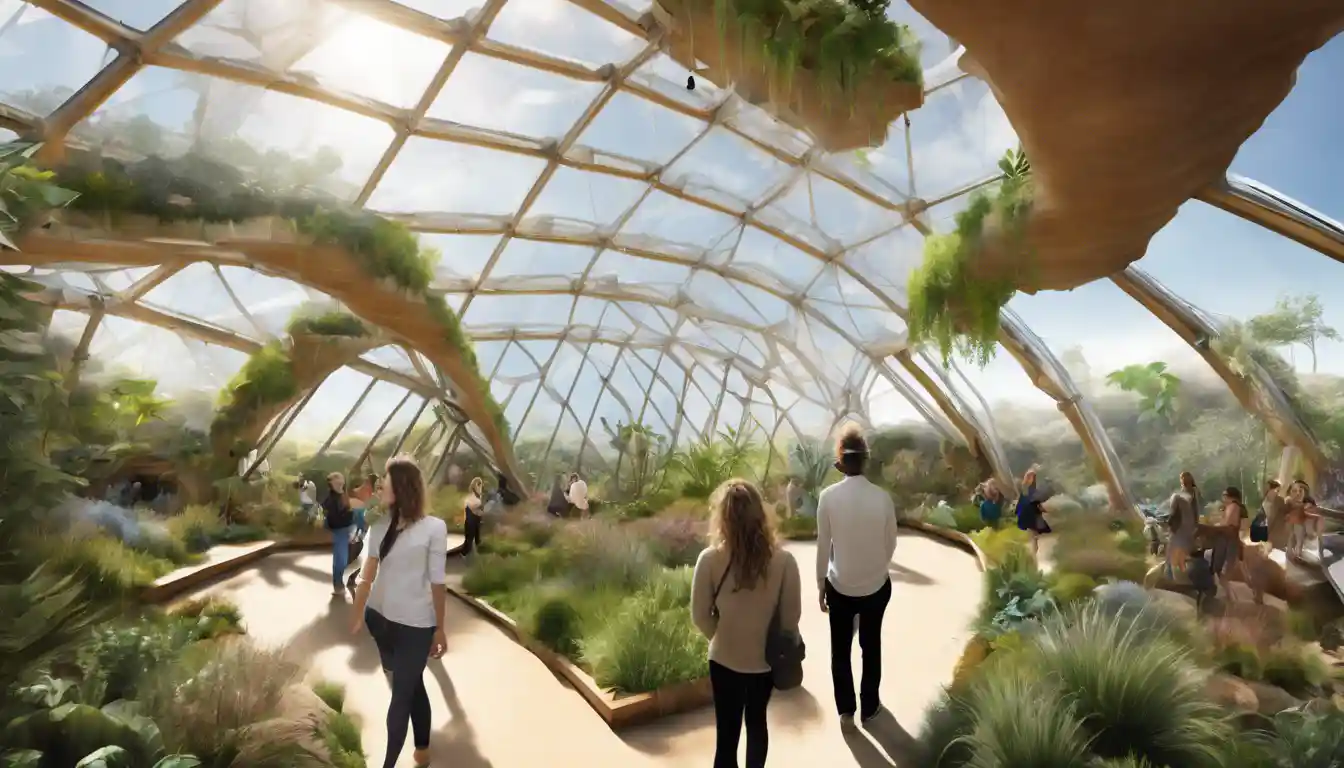
This section highlights several eco-tourism destinations that effectively promote mindfulness through immersive nature experiences and interactive art installations.
The Eden Project is a pioneering eco-tourism destination featuring biodomes that house diverse ecosystems. Visitors can explore the Rainforest Biome, which replicates a tropical rainforest environment, complete with humidity and soundscapes of nature. This immersive experience encourages mindfulness by allowing guests to engage with the sights, sounds, and smells of a thriving ecosystem. Guided meditations are often held in serene garden spaces, reinforcing the connection between nature and mental well-being.
The High Line, an elevated park built on a former railway line, promotes mindfulness through its integration of art and nature in an urban setting. Visitors are encouraged to stroll slowly, taking in art installations that reflect the surrounding environment. The park’s design incorporates native plants, creating pockets of tranquility amidst the bustling city. Studies have shown that urban green spaces like the High Line can improve emotional responses and overall mental health, showcasing the therapeutic effects of nature even in densely populated areas.
The Marin Headlands, part of the Golden Gate National Recreation Area, provides a stunning backdrop for eco-tourism and mindfulness practices. Hiking trails offer breathtaking views of nature while promoting physical activity and mental clarity. The area hosts workshops focused on mindfulness and breath awareness, often incorporating guided meditations that utilize the natural sounds of the environment, such as waves crashing and wind rustling through trees. This alignment with the natural world fosters a deeper connection and promotes self-reflection.
This innovative initiative combines eco-tourism with interactive art installations throughout various Australian national parks. Artists create site-specific works that respond to the environment, encouraging visitors to engage with natural elements creatively. For example, an installation might involve visitors in a collaborative art project that visualizes the impact of climate change on local ecosystems. Such interactive experiences not only heighten awareness of ecological issues but also promote mindfulness as participants reflect on their role in preserving the environment.
As outlined in the original draft, the concept of the Eco-Interactive Art Experience (EIAE) serves as a digital counterpart to traditional eco-tourism. Users can explore virtual landscapes that simulate real-world ecosystems, learning about environmental conservation through interactive art. This platform allows for guided meditations and workshops led by mindfulness coaches, enhancing the experience of reconnecting with nature, even in a digital space. Research indicates that both real and virtual nature experiences promote better emotional responses, highlighting EIAE's potential as a therapeutic tool for mindfulness.
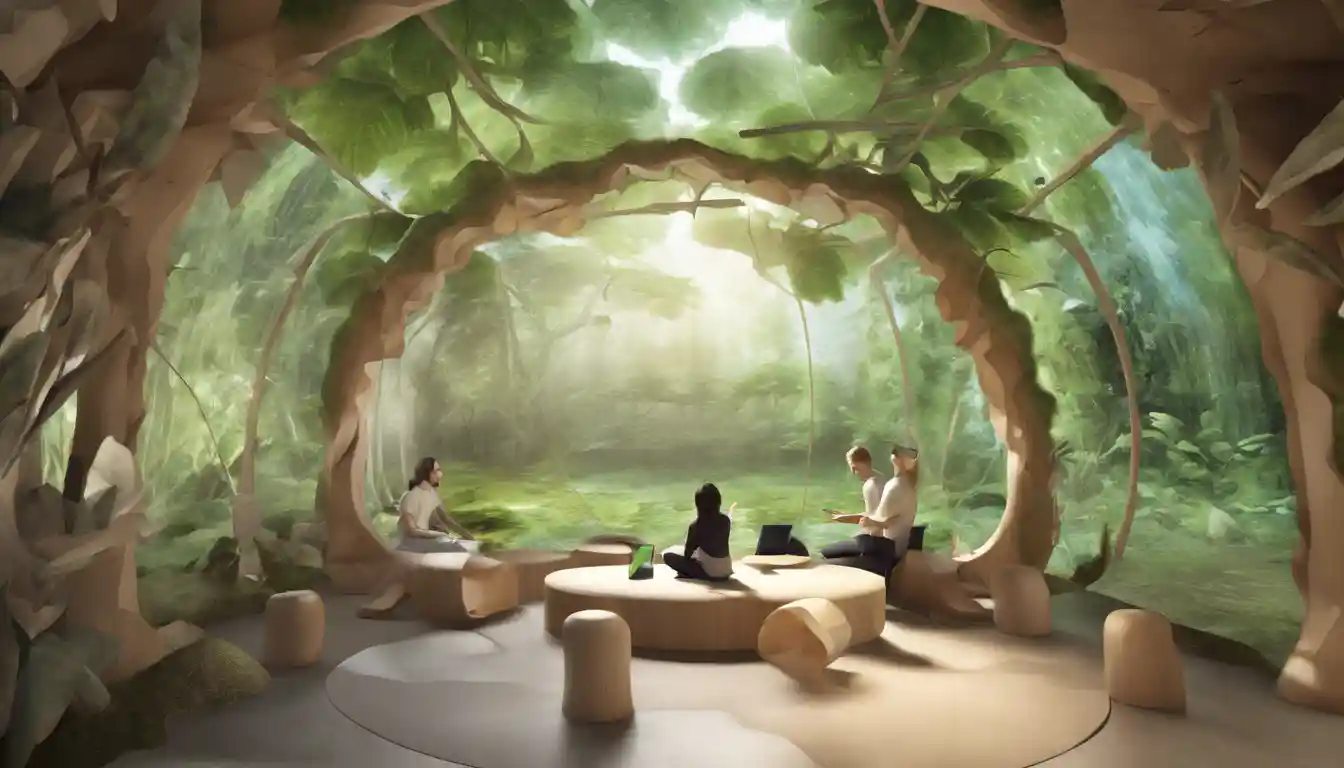
The Eco-Interactive Art Experience (EIAE) is a visionary platform that merges eco-tourism with interactive art, offering users a unique opportunity to engage with nature while promoting mindfulness. In a world increasingly dominated by digital distractions, this initiative serves as a sanctuary for individuals seeking to reconnect with the environment and their inner selves.
Picture this: a beautifully rendered digital landscape featuring lush forests, majestic mountains, and tranquil oceans—each designed to mirror real-world ecosystems that are currently facing threats from climate change and urbanization. As users navigate these digital realms, they encounter interactive art installations that react to their movements and choices. This provides a sensory experience that can evoke emotional responses and foster a sense of presence.
For example, as a user approaches a virtual tree, they might trigger a vivid visual display illustrating the tree's life cycle—from a tiny seedling to a towering giant. Accompanied by the ambient sounds of rustling leaves and chirping birds, this interaction not only captivates the senses but also deepens the user's understanding of nature's fragility. Such experiences align with findings from studies that underscore the therapeutic effects of nature, both real and virtual, on mental well-being.
The EIAE could also feature collaborative art projects, such as planting virtual trees. Each user’s contribution would help to cultivate a growing digital forest, symbolizing collective action against climate change. This kind of interactive collaboration can foster community engagement and a sense of shared responsibility, as users witness the impact of their efforts in real-time.
Incorporating elements of mindfulness, the EIAE can offer guided meditations and soundscapes designed to enhance users' mental clarity and emotional balance. Workshops led by environmental artists and mindfulness coaches can provide participants with the tools to cultivate awareness and reflection. For instance, research has shown that immersive environments can facilitate mindfulness through focused attention and self-reflection, which are essential for health and well-being.
Moreover, features such as LOOP Meditation, which integrates physical movement and breath awareness, can be incorporated into the experience. This approach not only enhances engagement but also aligns with the growing body of research indicating that virtual reality (VR) can significantly improve meditation practices and overall mental health outcomes.
The design of the EIAE can leverage multimodal feedback to further enhance user experience. A recent study demonstrated that tactile feedback, such as passive haptic feedback using artificial grass, can significantly improve mindfulness and spatial presence. By incorporating such sensory elements, users can feel a deeper connection to the virtual environment, making their interactions more meaningful and immersive.
As they engage with nature-inspired art and learn about ecological issues, users develop a profound appreciation for the environment, fostering a sense of stewardship and responsibility. The EIAE serves not just as an escape from the digital noise, but as a transformative experience that inspires real-world action and rejuvenates our digital souls.
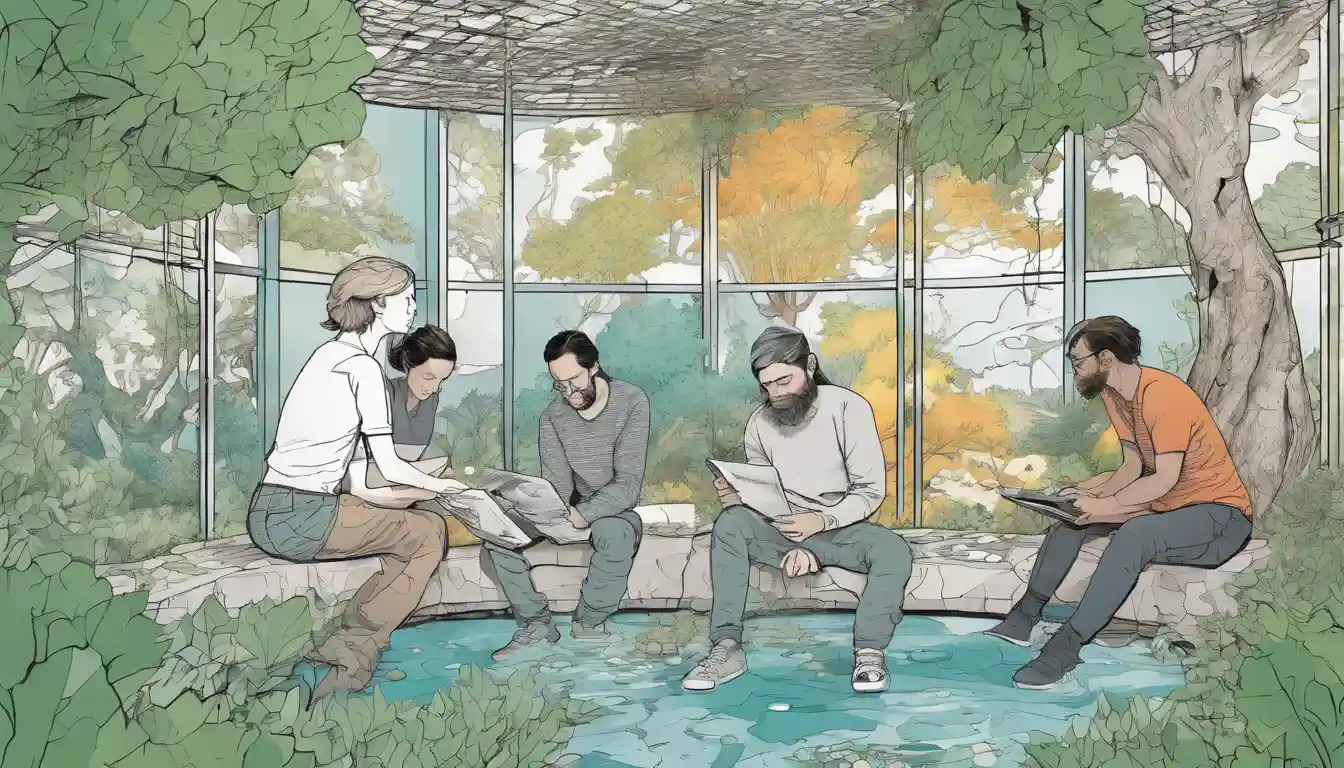
Interactive art serves as a powerful conduit for mindfulness and self-discovery, allowing individuals to engage with their emotions, thoughts, and surroundings in novel ways. Through the integration of technology and creativity, interactive art installations can guide users on a journey of self-reflection and personal growth.
At the heart of interactive art is the concept of participation. Unlike traditional art forms that often keep the viewer at a distance, interactive art invites individuals to become active participants in the experience. This participatory nature aligns closely with the principles of mindfulness, as it encourages individuals to be present and engaged in the moment. A notable example is the Eco-Interactive Art Experience (EIAE), where users immerse themselves in virtual landscapes that mirror real-world ecosystems under threat.
As participants navigate these digital environments, they encounter installations that respond to their movements and choices. For instance, approaching a virtual tree could activate a visualization of its life cycle, offering a captivating narrative that intertwines art with ecological education. This not only enhances the aesthetic experience but also fosters a deeper connection to nature, helping users cultivate awareness about their impact on the environment.
Research underscores the effectiveness of immersive environments in promoting mindfulness. A scoping review identified 34 relevant studies demonstrating how immersive interactive technologies can facilitate mindfulness, introspection, and self-reflection. In a world dominated by distractions, these experiences encourage users to focus on themselves, thus contributing to improved mental well-being.
Moreover, the therapeutic benefits of nature—be it real or virtual—are significant. A study highlighted that exposure to both real and virtual nature environments resulted in better emotional responses and varied levels of mindfulness. This finding is particularly relevant in urban settings where access to natural landscapes is limited. The EIAE creates a space where individuals can experience the calming effects of nature without leaving their homes.
Additionally, the use of guided attention techniques through immersive art can amplify self-discovery. For example, some virtual environments are designed to respond to users’ breathing patterns with generative soundtracks, enhancing breath awareness—a vital component of mindfulness. Such innovative approaches remind us of the importance of agency and control in mindfulness practices, allowing users to dictate their experience rather than passively receiving information.
Interactive art also promotes community and collaboration, essential elements for personal growth. Collaborative projects, such as virtual tree planting within the EIAE, symbolize collective action toward environmental conservation. This shared experience can deepen one’s sense of connection not only to nature but also to fellow participants, reinforcing the idea that mindfulness is not solely an individual pursuit but a communal journey.
By merging creativity with technology, interactive art experiences like the EIAE provide a unique platform for mindfulness and self-discovery. As users engage with art that responds to their actions and choices, they are not only entertained but also encouraged to reflect on their relationship with the environment and their place within it.
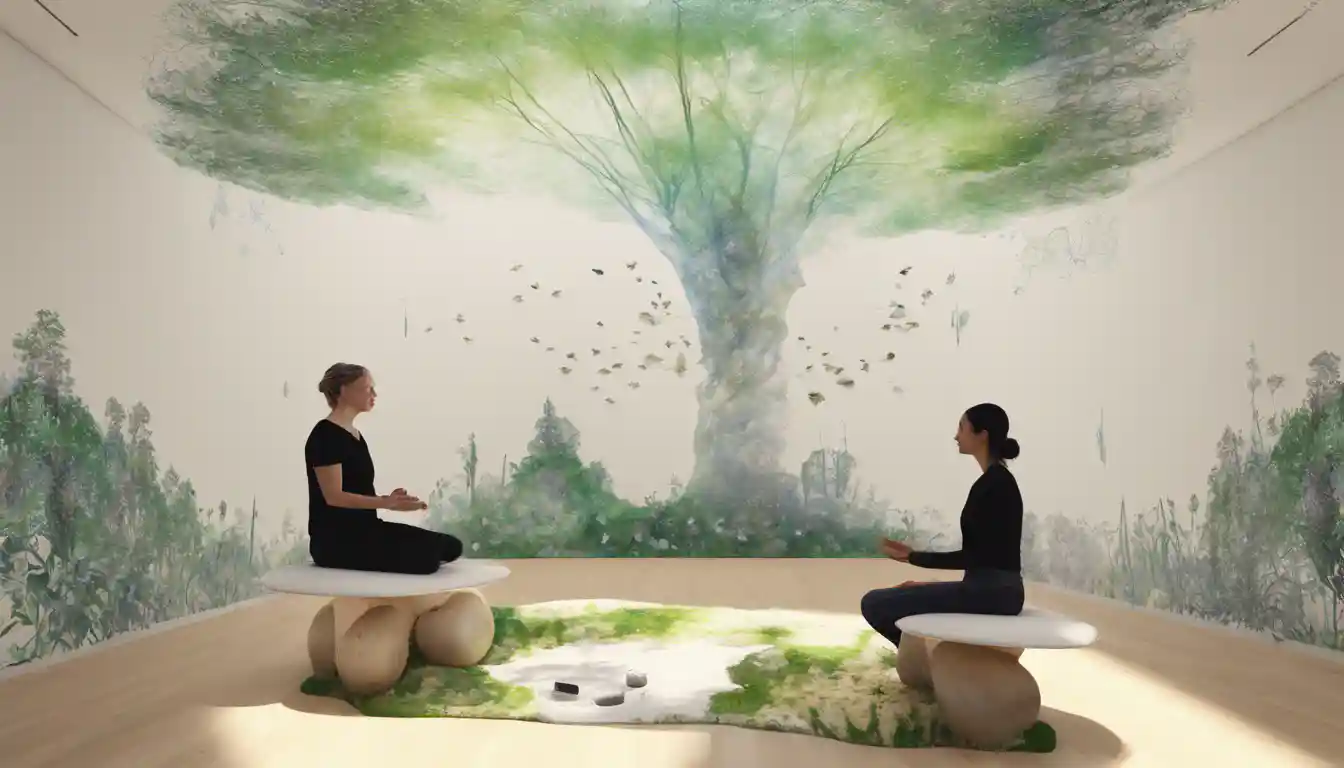
This section explores how interactive art installations can foster mindfulness, particularly through the lens of the Eco-Interactive Art Experience (EIAE) and other innovative approaches that blend technology with nature-inspired artistry.
The EIAE is an imaginative virtual platform that combines eco-tourism with interactive art, allowing users to immerse themselves in richly designed landscapes that reflect endangered ecosystems. As participants navigate through these stunning environments—think of vibrant digital forests or serene oceans—they encounter art installations that react to their movements and decisions.
For example, when a user approaches a virtual tree, a sequence is triggered that highlights its life cycle, showcasing its transformation from a fragile seedling to a majestic giant. This experience is often accompanied by calming soundscapes, such as the gentle rustle of leaves or distant bird calls, enhancing the immersive quality and inviting a meditative state.
Incorporating mindfulness into art experiences, the EIAE could feature guided meditations and workshops led by environmental artists and mindfulness coaches. Such sessions would encourage participants to reflect on their mental state and their connection to nature, promoting a sense of responsibility towards the environment.
This aligns with findings from various studies that indicate exposure to natural settings—whether real or virtual—can lead to improved emotional responses and greater overall happiness.
The interactive nature of the installations is crucial for fostering mindfulness. By allowing users to plant virtual trees or contribute to collaborative art projects, the EIAE creates a sense of community and shared purpose. As each individual’s contribution grows into a digital forest, it symbolizes collective action against climate change, reinforcing the idea that every small effort counts.
Research supports the efficacy of such immersive experiences. One study highlighted how interactive technologies facilitate introspection and self-reflection, essential components of mindfulness that can be challenging to access in our distraction-heavy society. The EIAE exemplifies how art can serve as a medium for these practices, providing a platform for users to engage with their emotions and thoughts meaningfully.
Virtual reality (VR) plays a pivotal role in enhancing the effectiveness of interactive art installations. Innovative approaches, such as LOOP Meditation, integrate physical movement with mindfulness techniques, encouraging engagement through the body. These VR-assisted meditative practices not only enhance mindfulness but also allow users to connect with their surroundings in meaningful ways.
Moreover, studies have shown that incorporating sensory feedback—like haptic responses mimicking the sensation of walking on grass—can significantly improve users' mindfulness and spatial presence. By utilizing these multimodal feedback mechanisms, the EIAE can create a more profound and impactful experience, allowing users to focus on their breath and bodily sensations while engaging with art.
Several real-world installations already embody these principles. For instance, the "Rain Vortex" at Jewel Changi Airport in Singapore not only captivates visitors with its stunning visuals but also integrates soundscapes that promote relaxation and mindfulness. Similarly, the "The Obliteration Room" by Yayoi Kusama invites participants to cover a white room with colorful dots, creating a communal experience that encourages creativity and self-expression, fostering mindfulness through play.
These installations exemplify how art can transcend traditional boundaries, creating spaces that nurture mindfulness and a deeper connection to the environment. As the digital world continues to evolve, the potential for interactive art to support mental well-being through mindfulness practices becomes more vital than ever.
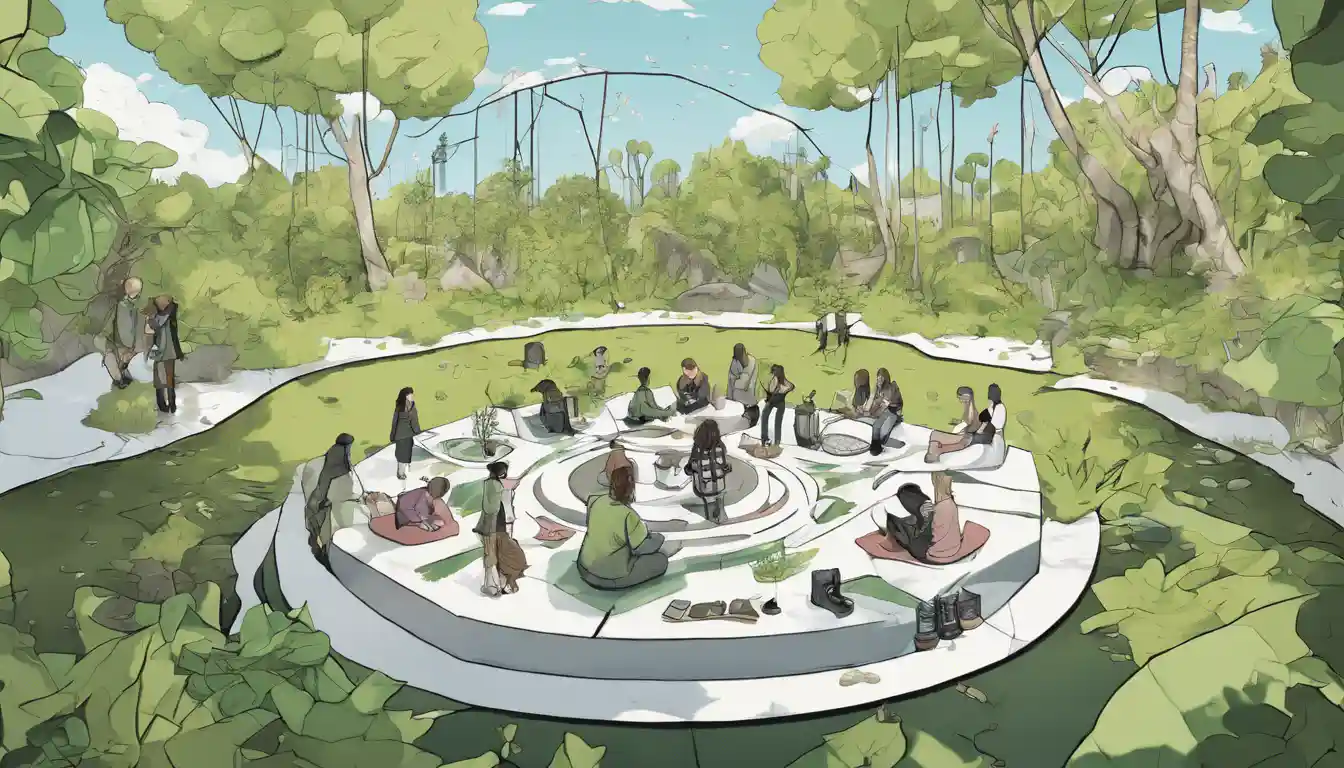
The Eco-Interactive Art Experience (EIAE) reimagines the intersection of eco-tourism and interactive art, creating an immersive platform that encourages mindfulness and a deeper connection to nature. This digital space allows users to explore stunningly rendered environments that mimic the beauty of our planet’s threatened ecosystems, all while engaging with art that inspires reflection and creativity.
At the heart of the EIAE is a series of beautifully crafted digital landscapes—think lush forests, majestic mountains, and tranquil oceans. Each environment is not only visually stunning but also serves as a reminder of the ecological challenges we face today. Participants can navigate these spaces, and their interactions can trigger various artistic and educational experiences. For example, approaching a virtual tree could initiate a visual representation of its life cycle, enriched with calming soundscapes that replicate the gentle rustling of leaves or the distant call of birds.
As users journey through these environments, they encounter interactive art installations designed to foster engagement and mindfulness. Imagine a collaborative project where users can "plant" virtual trees. Each contribution would not only enhance the digital forest but also symbolize collective action against climate change. This concept mirrors findings from a study demonstrating that exposure to nature—whether real or virtual—can significantly improve emotional responses and mindfulness, highlighting the therapeutic potential of such immersive experiences.
Incorporating mindfulness practices is essential to the EIAE. Users could participate in guided meditations tailored to the digital environment they are exploring. For instance, an immersive virtual environment (iVE) could utilize generative soundtracks that respond to users’ breathing patterns, enhancing breath awareness and promoting introspection. These elements align with research indicating that focused attention through meditation can help individuals reconnect with their bodies and experiences, especially in a world filled with distractions.
The experience can be further enhanced through the use of multimodal feedback. A recent study showed that tactile feedback, such as the sensation of walking on artificial grass, can significantly improve mindfulness and spatial presence. By integrating such feedback into the EIAE, users may find themselves more deeply engaged and grounded in their interactions, leading to a more profound sense of presence in the virtual environment.
The EIAE concept not only serves as a platform for artistic expression and environmental awareness but also has the potential to influence real-world behaviors. By fostering a sense of responsibility towards our ecosystems and promoting mindfulness through art, the EIAE could inspire users to take concrete actions in their lives, whether that’s reducing their carbon footprint or participating in local conservation efforts. This aligns with the ongoing discussions about the role of immersive technologies in promoting positive human functioning and mental well-being.
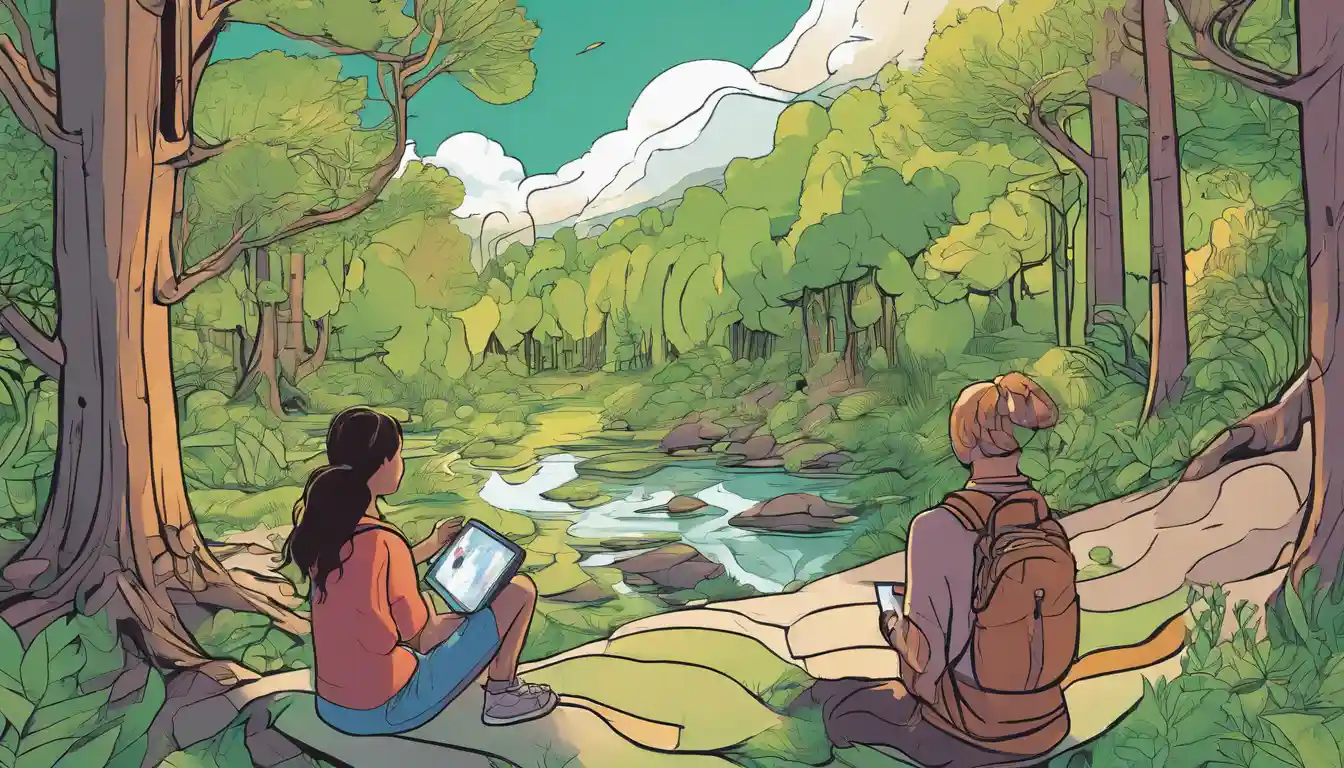
In our increasingly digital world, the intersection of mindfulness, eco-tourism, and interactive art presents a promising avenue for enhancing our daily lives. By leveraging technology, we can create immersive experiences that not only engage users creatively but also foster a profound connection to nature and self-awareness.
The Eco-Interactive Art Experience (EIAE) serves as a prime example of how to integrate these elements. Imagine a virtual platform where users can explore stunningly rendered digital ecosystems, each mimicking real-world environments that face ecological threats. As participants navigate through these spaces, they encounter interactive art installations that respond to their movements—like a virtual tree that reveals its life cycle with each approach. This interaction not only captivates the user but also encourages reflection on the importance of these ecosystems.
Research has shown that immersive interactive technologies can facilitate mindfulness and self-reflection. A scoping review of literature highlighted 34 studies that support the positive effects of such technologies on health and well-being. The integration of mindfulness techniques into platforms like the EIAE can foster introspection and enhance emotional responses. For instance, offering guided meditations or soundscapes that align with the visual experiences can deepen users' engagement and promote a sense of tranquility.
Studies indicate that exposure to nature—whether real or virtual—can significantly improve mental health outcomes. For example, participants exposed to virtual nature environments reported better emotional responses than those in non-nature settings. By incorporating elements of eco-tourism into the EIAE, users can experience the therapeutic effects of nature from the comfort of their homes. This is particularly relevant for urban populations, who often face barriers to accessing natural spaces.
The EIAE also serves as a platform for collaborative art projects that symbolize collective action against climate change. Users could participate in virtual tree-planting initiatives, where each contribution visually manifests as part of a growing digital forest. This not only nurtures creativity but also instills a sense of responsibility towards environmental conservation. Such initiatives can reinforce the idea that individual actions can collectively lead to significant impact.
To maximize the benefits of these immersive experiences, the use of multimodal feedback is crucial. Research has shown that tactile feedback—such as walking on surfaces that mimic grass—can enhance mindfulness and spatial presence. By incorporating such elements into the EIAE, users can engage more deeply with their environment, fostering a greater sense of connection to both the digital and natural worlds.
Programs like LOOP Meditation exemplify the potential of integrating movement and breath awareness with technology. By encouraging physical activity within virtual environments, these applications can enhance user engagement and mindfulness practice. As we move forward, the design of future applications should focus on creating experiences that prioritize user agency and control, allowing individuals to shape their journeys through art and nature.
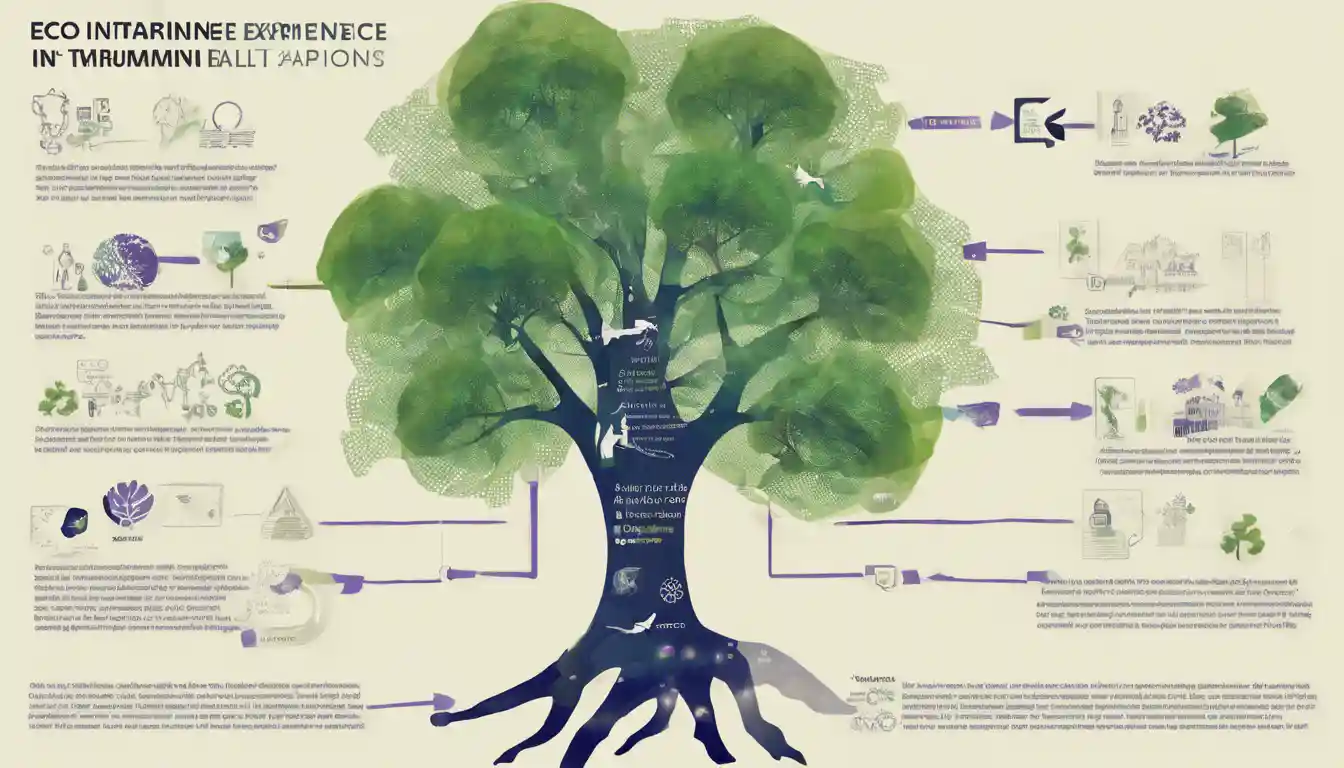
The Eco-Interactive Art Experience (EIAE) is an innovative virtual platform that merges eco-tourism with interactive art, offering users a unique opportunity to immerse themselves in nature while engaging in mindfulness practices. This digital sanctuary not only allows users to appreciate the beauty of our planet but also fosters an understanding of the ecological threats it faces.
At the core of EIAE is the ability to explore stunningly rendered digital landscapes, such as flourishing forests, majestic mountains, and vibrant oceans. These environments are designed to reflect real-world ecosystems that are currently under threat, providing an educational backdrop for mindfulness and reflection. As users navigate these meticulously crafted landscapes, they encounter interactive art installations that respond dynamically to their presence.
For example, approaching a virtual tree could trigger a captivating visual narrative showcasing its life cycle, transitioning from a tiny seedling to a towering giant. Accompanying this visual journey would be soothing soundscapes, such as the gentle rustle of leaves or the distant call of birds, which serve to enhance the immersive experience. This interaction not only captivates the user but also instills a greater awareness of the natural world and its intricate processes.
Another significant feature of EIAE is its emphasis on collaborative art projects. Users can participate in initiatives such as planting virtual trees, where each user’s contribution helps to cultivate a growing digital forest. This growing representation of collective action symbolizes the fight against climate change and serves as a powerful reminder of our shared responsibility towards the environment. The integration of these projects aligns with research findings indicating that both real and virtual nature experiences can lead to better emotional responses and enhanced mindfulness, particularly in urban populations seeking solace from their fast-paced lives.
To further enrich the user experience, EIAE incorporates mindfulness practices, including guided meditations and soundscapes. Workshops could be led by environmental artists and mindfulness coaches, providing users with tools to cultivate a deeper appreciation for nature and their role within it. For instance, research has shown that immersive environments designed for focused-attention meditation can significantly enhance self-awareness and emotional well-being. This is achieved through elements like generative soundtracks that adapt to users' breathing patterns, promoting breath awareness and mindfulness in a way that traditional applications may not.
In designing EIAE, it is essential to consider the role of technology in enhancing user engagement. Studies have highlighted the benefits of multimodal feedback, such as tactile sensations and auditory cues, in boosting mindfulness. For example, incorporating passive haptic feedback, like the sensation of walking on artificial grass, can significantly improve users’ sense of presence and connection to the virtual environment. This aligns with findings that emphasize the importance of agency and control within immersive experiences, allowing users to feel more connected to their surroundings and more engaged in their mindfulness practices.
Several existing projects exemplify the potential of eco-interactive art experiences. One such initiative is the "Virtual Forest" project, which allows users to plant trees in a virtual environment while learning about the ecological impact of deforestation. Another example is "The Ocean Cleanup," which utilizes an interactive platform to raise awareness about ocean pollution and encourages users to participate in real-world cleanup efforts. These projects not only provide valuable educational experiences but also encourage a sense of community and collective action among participants.
In an age where digital distractions are overwhelming, the integration of mindfulness, eco-tourism, and interactive art serves as a beacon of hope for enhancing our mental well-being. Throughout this exploration, we have seen how the Eco-Interactive Art Experience (EIAE) uniquely marries immersive technology with the healing power of nature and creativity. By fostering a connection with the environment and promoting self-reflection, we can cultivate mindfulness even amid the chaos of modern life.
The role of eco-tourism in this journey cannot be understated. It encourages individuals to engage with the natural world, enhancing emotional responses and reducing stress. Whether through guided nature hikes or community conservation efforts, eco-tourism provides a tangible way to reconnect with our surroundings and foster a sense of responsibility towards the planet. Case studies from various eco-tourism destinations illustrate how immersive experiences can evoke mindfulness, serving as powerful reminders of our interconnectedness with nature.
Similarly, interactive art emerges as a transformative medium for mindfulness. By inviting participation, interactive art installations foster engagement and self-discovery, allowing individuals to explore their emotions and thoughts in novel ways. The EIAE exemplifies how technology can enhance these experiences, creating spaces where users can reflect on their relationship with the environment while cultivating a deeper sense of community.
As we move forward, let us not merely consume digital content but actively engage in practices that foster mindfulness. I challenge you to explore an eco-tourism destination, participate in a community art project, or immerse yourself in a digital experience that connects you with nature. In doing so, we can collectively cultivate a more mindful existence, one that honors our planet and enriches our lives.
What steps will you take to integrate mindfulness, eco-tourism, and art into your daily routine? The journey starts with you.
Get notified about new articles, coffee tips, and Web3 insights.
This site participates in affiliate programs and may earn a commission when a link is clicked and a purchase is made. The site is not responsible for any issues or troubles related to the products or services purchased through the use of this site.

DO&COFFEE loves coffee and technology, exploring the potential of NFTs and blockchain. Learn more →
DO&COFFEE loves coffee and technology, exploring the potential of NFTs and blockchain. Learn more →