art
2024/08/12
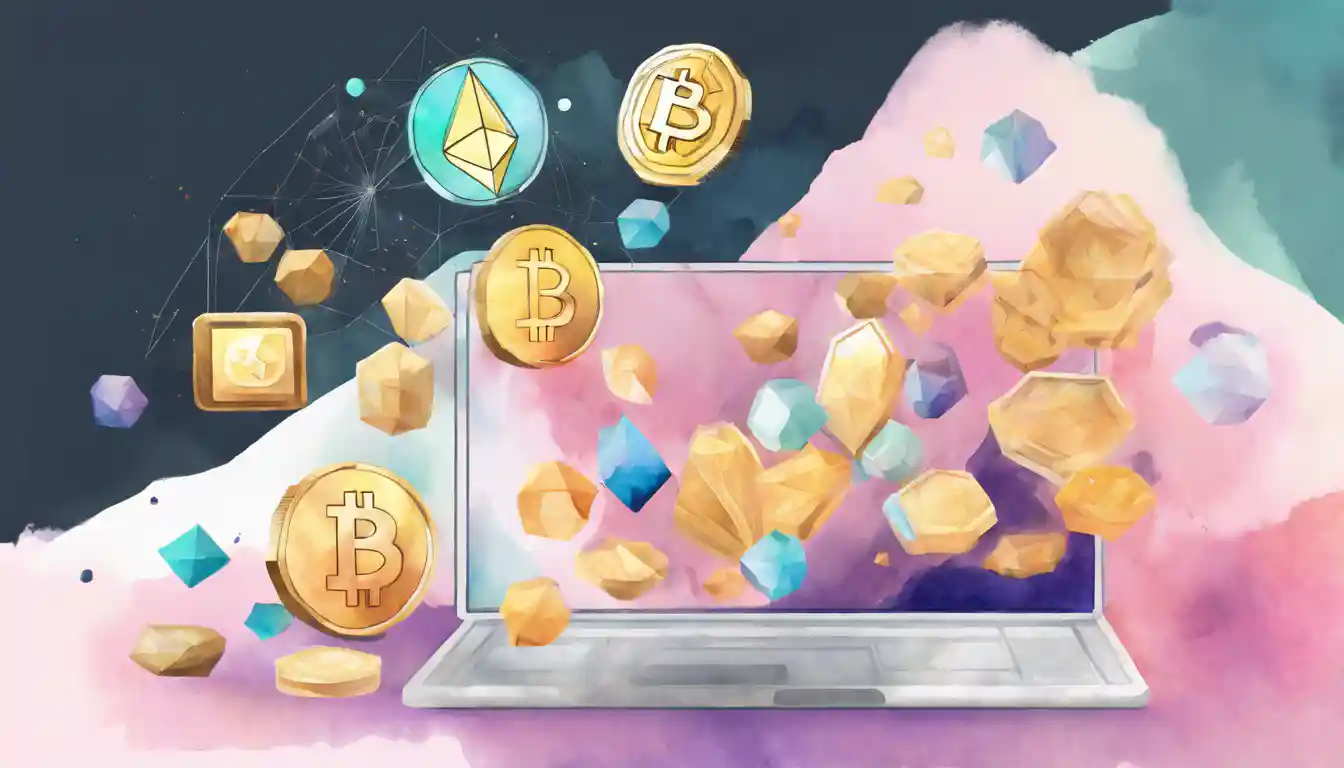
In an era where creativity meets technology, the fusion of crypto art and cryptocurrency mining emerges as a revolutionary narrative worth delving into. Imagine a vibrant digital landscape where artists not only showcase their talents through captivating non-fungible tokens (NFTs) but also engage in a unique mining mechanism that rewards both creators and collectors alike with cryptocurrency. This innovative concept, termed "ArtMining," offers a dual revenue stream—enabling artists to monetize their work while simultaneously benefiting from the mining process.
At its core, ArtMining allows artists to upload their creations, converting them into NFTs. Each sale contributes to a mining pool, supporting transaction validation on the blockchain while providing artists passive income opportunities. This model not only incentivizes creators but also cultivates an ecosystem where collectors earn rewards for their investments. The potential for gamification—introducing collectible series or limited edition drops—adds an extra layer of excitement, turning art collection into an engaging experience.
Understanding the intricate relationship between crypto art and mining is essential as we navigate the future of digital wealth. This blog post will explore the mechanics of cryptocurrency mining, the synergies between these two domains, and the implications for artists and collectors alike. As we uncover this intersection, we will highlight the importance of democratizing access to artistic expression and cryptocurrency, fostering a community where innovation thrives, and creativity converges with economic opportunity. Join us as we envision a future where art transforms into tangible wealth in the digital age.
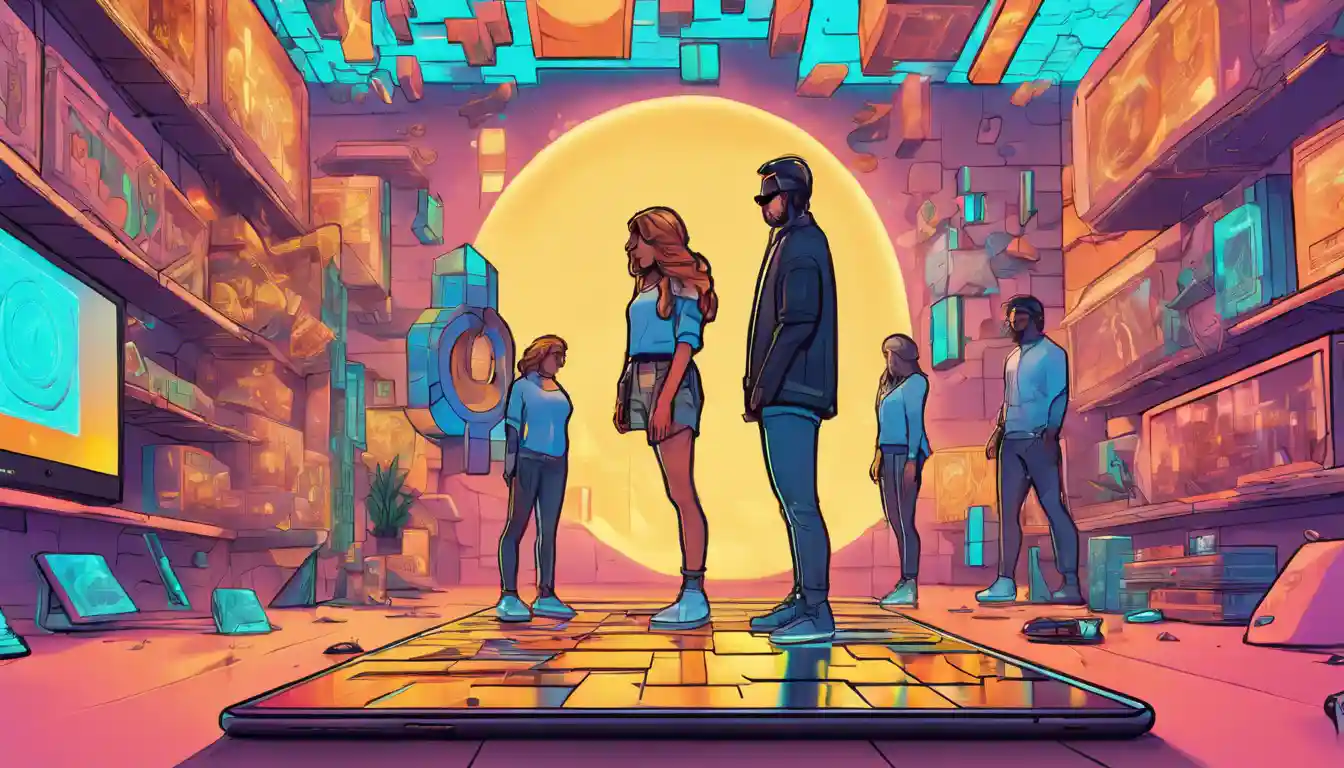
The emergence of crypto art represents a groundbreaking fusion of creativity and technology, fundamentally reshaping how digital art is created, owned, and traded. In a digital landscape that increasingly values authenticity and ownership, non-fungible tokens (NFTs) have become the cornerstone of this transformation, providing artists and collectors with unique opportunities to monetize and engage with digital artworks.
Crypto art is a transformative trend driven by blockchain technology, which allows artists to tokenize their works as NFTs—essentially certificates of authenticity and ownership. This technology not only ensures that each piece is unique but also enables artists to sell their digital works in ways previously unimaginable. For example, platforms like OpenSea and Rarible allow artists to mint NFTs directly, creating new revenue streams without the need for traditional galleries or intermediaries.
Take the case of Beeple, a digital artist who sold an NFT artwork, "Everydays: The First 5000 Days," for an astonishing $69 million at a Christie's auction. This sale marked a pivotal moment in the art world, illustrating the potential of crypto art to command significant market value and attract mainstream attention.
NFTs are built on blockchain technology, primarily on the Ethereum network, which supports smart contracts—self-executing contracts with the terms of the agreement directly written into code. This allows for a transparent and secure method of verifying ownership and provenance, which is crucial for maintaining value in the art market. Each NFT is distinct, containing specific information that differentiates it from other tokens, a quality that is critical in establishing digital scarcity.
Moreover, the process of minting an NFT typically involves uploading the digital artwork to a platform, where it is converted into a token. This token can then be sold, traded, or auctioned, creating a vibrant marketplace that connects artists with collectors globally.
Imagine a platform that doesn't just allow for the buying and selling of NFTs but also incorporates a mining mechanism—this is the concept of "ArtMining." In this framework, whenever a digital artwork is sold, a portion of the transaction fee could go towards a mining pool. This pool would fund the validation of transactions on the blockchain, effectively creating a dual revenue stream for both the artist and the collector.
For instance, if a collector purchases an NFT, they could receive cryptocurrency rewards for participating in this mining pool, turning their investment not only into a piece of art but also into a source of passive income. Such a model could democratize access to both artistic expression and cryptocurrency, inviting a more extensive community of creators and investors into the fold.
The integration of gamification elements further enhances the appeal of crypto art platforms. Features such as collectible series, limited edition drops, and exclusive access to future sales can create a sense of urgency and excitement among collectors. For example, platforms like Foundation have successfully employed these strategies by allowing artists to invite collectors to bid on their pieces, fostering a community driven by engagement and shared interest.
Additionally, some platforms reward collectors who hold specific NFTs with exclusive mining bonuses or special access to future drops. This not only incentivizes collectors to invest in and hold onto their pieces but also deepens their relationship with the art itself, creating a vibrant ecosystem where creativity and technology converge.
While the potential for crypto art is vast, it is not without its challenges. Issues surrounding copyright, market speculation, and environmental concerns related to blockchain transactions have prompted discussions about the sustainability of this new art form. As regulatory frameworks struggle to catch up with the rapid evolution of the NFT market, collectors must navigate a landscape filled with uncertainties regarding liquidity and legal protections.
Nevertheless, the ongoing discourse sparked by the rise of crypto art suggests a permanent shift in how we perceive value and ownership in the digital age. Artists are not only reclaiming their agency through direct sales but are also redefining what it means to be a creator in a decentralized world.
At the core of the cryptocurrency ecosystem lies mining—a process that not only secures the network but also acts as a gateway for creating wealth in the digital age. In the context of the burgeoning relationship between crypto art and mining, understanding the mechanics of this process is essential.
Cryptocurrency mining is the process of validating and adding transactions to a blockchain. Miners utilize powerful computers to solve complex mathematical problems, which, when successfully completed, enable the addition of a new block to the blockchain. This action is crucial for maintaining the integrity and security of the network, as it prevents double-spending and ensures that all transactions are accurately recorded.
Mining methods vary, with the two most common being Proof of Work (PoW) and Proof of Stake (PoS). In PoW, miners compete to solve cryptographic puzzles, and the first to solve it gets to add the block, receiving cryptocurrency as a reward. Bitcoin is the most notable example of a PoW system. However, PoW has come under scrutiny for its environmental impact due to high energy consumption.
In contrast, PoS allows validators to create new blocks based on the number of coins they hold and are willing to "stake" as collateral. This method is considered more energy-efficient and is employed by cryptocurrencies like Ethereum 2.0, which is transitioning from PoW to PoS to address environmental concerns.
The ArtMining platform blends the traditional mining process with the creation and sale of NFTs. When artists upload their digital artworks to this platform, each piece is tokenized into an NFT, which serves as a unique certificate of ownership. Upon the sale of an NFT, a portion of the transaction fee is diverted to a mining pool. This mining pool, in turn, contributes to the network's transaction validation, creating a symbiotic relationship between art sales and mining rewards.
For instance, if an artist sells an NFT for $1,000 and the platform allocates 10% to the mining pool, $100 would be used to support the mining operations. This not only provides a passive income stream for the artist but also allows collectors to potentially earn cryptocurrency as the mining pool grows.
Several platforms are already experimenting with this dual revenue stream model. For example, platforms like Rarible and Foundation allow artists to mint NFTs and earn royalties from secondary sales. If these platforms integrated mining systems, artists could see increased earnings while engaging their collectors in the mining process.
Moreover, gamification elements—such as exclusive access to limited edition drops or collectible series tied to mining rewards—could further incentivize participation. For instance, if a collector holds a certain number of NFTs, they might receive a bonus in cryptocurrency, encouraging deeper engagement and investment in both the art and the mining aspect.
While the ArtMining concept offers exciting prospects, it is not without challenges. The regulatory environment surrounding NFTs and cryptocurrencies remains uncertain, which could impact the viability and legality of integrating mining with art sales. Issues such as unclear legal frameworks and potential misclassification of NFTs pose risks for both artists and collectors, as highlighted in recent studies.
Additionally, environmental concerns associated with PoW mining practices cannot be overlooked. As artists and collectors become increasingly aware of the carbon footprint associated with crypto mining, there may be growing demand for platforms that adopt more sustainable practices, such as PoS.
As the digital landscape evolves, the intersection of crypto art and cryptocurrency mining presents a unique opportunity for artists and collectors alike. This synergy can create a dual revenue stream, enhancing the value proposition for digital creators and their audiences.
Imagine an innovative platform called "ArtMining," where artists can create and sell their digital artworks as non-fungible tokens (NFTs) while simultaneously engaging in cryptocurrency mining. In this ecosystem, artists upload their creations, which are tokenized into NFTs. When a piece is sold, a fraction of the transaction fee is allocated to a mining pool responsible for validating blockchain transactions. This dual mechanism not only generates passive income for artists but also enables collectors to earn cryptocurrency rewards, creating a more dynamic investment landscape.
Integrating gamification elements into the ArtMining platform can further enhance user engagement. For example, artists could release limited edition drops or collectible series of NFTs. Collectors who purchase specific NFTs could gain access to exclusive mining rewards, incentivizing them to hold onto their artworks longer and engage more deeply with the platform. This approach not only fosters a sense of community among collectors but also encourages them to actively participate in the mining process.
The role of data-driven algorithms in NFT marketplaces cannot be overstated. As research highlights, these platforms employ profiling techniques and ancillary services to influence user decisions and NFT pricing. By leveraging this data, ArtMining could provide tailored recommendations to collectors, enhancing their purchasing experience and increasing the overall liquidity of the market. This would ensure that both artists and collectors benefit from a well-informed ecosystem where value is clearly defined and easily accessible.
While the integration of crypto art and mining offers significant potential, it also presents challenges. Regulatory uncertainty around NFTs poses risks for collectors, as unclear legal frameworks could lead to misclassification and affect buyer clarity. However, as the market matures, these challenges may also pave the way for new standards and practices that enhance the legitimacy of digital assets.
Several existing platforms illustrate the potential of this synergy. For instance, platforms like Rarible and Foundation already allow artists to mint and sell NFTs, while some are exploring rewards for users who engage in community governance. Meanwhile, projects like Ethereum-based mining pools are gradually integrating features that reward users not just for mining but also for holding certain NFT collections, thereby reinforcing the value of both art and cryptocurrency.
As crypto art continues to evolve, the relationship between digital creators and cryptocurrency mining is likely to deepen. The concept of shifting ownership value from traditional art’s cult value to unique digital assets signifies a transformative change in how art is perceived and monetized. This ongoing discourse is reshaping the art landscape, suggesting that the fusion of creativity and technology will lead to innovative avenues for generating wealth in the digital age.

The intersection of crypto art and cryptocurrency mining heralds a transformative era for artists and collectors alike. The concept of "ArtMining" could redefine how digital art is valued and monetized, creating a dual revenue stream that benefits both creators and investors.
At the core of this transformation is the role of non-fungible tokens (NFTs), which serve as certificates of authenticity and ownership for digital artworks. This paradigm shift allows artists to monetize their creations in ways previously unimaginable. For instance, platforms like OpenSea and Rarible have already paved the way for artists to sell their digital art as NFTs, creating a market that values digital creations on par with traditional art forms. As more artists embrace this model, we can expect a significant increase in the overall market size for digital art.
Integrating a mining mechanism into the sale of NFTs could provide a sustainable passive income for artists. When an NFT is sold, a portion of the transaction fee could be redirected to a mining pool, contributing to blockchain validation. This not only rewards the artist but also incentivizes collectors to hold onto their NFTs, as they would benefit from mining rewards themselves. For example, artists like XCOPY and Pak have already seen immense success in the NFT space, and the addition of mining could further enhance their revenue streams, fostering a more engaged community around their work.
Incorporating gamification elements into these platforms can enhance user engagement and drive interest in both art and mining. Features like collectible series and limited edition drops can create a sense of urgency and excitement among collectors. Furthermore, loyalty programs that reward collectors with exclusive mining benefits for holding certain NFTs could lead to a more vibrant marketplace. This approach aligns with findings from recent studies that emphasize the impact of gamification on user engagement in the NFT art market, where social media influencers play a pivotal role in promoting collections.
While the future of wealth in digital art appears promising, it's essential to acknowledge the challenges that lie ahead. The regulatory landscape surrounding NFTs remains ambiguous, posing risks for collectors and artists alike. Unclear legal frameworks may lead to potential misclassification of NFTs, affecting buyer clarity and liquidity. Additionally, as the demand for NFT artworks grows, concerns about environmental impact and market volatility cannot be overlooked. Artists and collectors must navigate these complexities to fully realize the potential of this new digital frontier.
The synergy between crypto art and cryptocurrency mining is not just about financial gain; it's about reshaping the very essence of artistic expression. As the discourse around NFTs evolves, it challenges traditional notions of value, uniqueness, and ownership. Emerging research suggests that while NFTs may eventually fade as a trend, the underlying principles and community dynamics they foster will leave a lasting impact on how we perceive and interact with art. This new era encourages creativity and collaboration, suggesting a future where technological advancements enhance the artistic experience rather than diminish it.
The concept of "ArtMining" exemplifies the innovative merger of crypto art and cryptocurrency mining, creating a dual revenue stream for artists and collectors alike. This platform empowers artists not only to tokenize their work as non-fungible tokens (NFTs) but also to engage in a mining mechanism that rewards both parties involved in the transaction.
At its core, ArtMining leverages blockchain technology to tokenize digital artworks. Artists can upload their creations to the platform, where they are transformed into NFTs—unique digital assets that serve as certificates of authenticity and ownership.
When an NFT is sold, a portion of the transaction fee can be funneled into a mining pool. This pool contributes resources toward validating transactions on the blockchain, effectively creating a decentralized network. This process not only allows artists to monetize their work but also rewards collectors with cryptocurrency as they invest in these digital assets.
By participating in the mining pool, artists can generate a passive income stream, further diversifying their financial opportunities. This is a significant shift from traditional art sales, where the artist typically earns only from the initial sale. In the ArtMining ecosystem, every transaction contributes to a larger network, thus fostering a sustainable economic model.
To enhance user experience and engagement, the ArtMining platform can incorporate gamification elements. This might include collectible series, limited edition drops, and exclusive rewards for collectors.
For instance, collectors who hold specific NFTs could unlock unique mining rewards, which incentivizes deeper engagement with the art and the mining process. This model not only creates excitement around collecting art but also builds a community where art enthusiasts can collaborate and share in the rewards of their investments.
Platforms like Rarible and Foundation have already begun incorporating gamification techniques in their marketplaces. They utilize algorithms that reward users based on their activity, which includes buying, selling, and holding NFTs. These features not only enhance user experience but also contribute to a more vibrant and competitive marketplace.
As the ArtMining concept gains traction, it’s crucial to address the legal and regulatory challenges that accompany the rise of NFTs and cryptocurrency transactions. The rapid growth of the NFT market has led to regulatory scrutiny, particularly concerning copyright issues and the classification of digital assets.
Collectors face potential risks due to unclear legal frameworks surrounding NFTs. The misclassification of these assets could impact buyer clarity, liquidity, and overall trust in the market. The regulatory landscape is still evolving, and platforms must navigate these complexities to ensure a safe and reliable environment for users.
The intersection of crypto art and cryptocurrency mining promises a transformative shift in the art world. As artists and collectors engage in this innovative ecosystem, the potential for new forms of collaboration and engagement will likely reshape the traditional dynamics of art ownership and value.
As more artists embrace the ArtMining model, we may witness the rise of decentralized communities that prioritize collaboration and creativity. This movement could foster a new understanding of value in the art world, where digital scarcity and ownership redefine traditional concepts of worth.
The exploration of the synergy between crypto art and cryptocurrency mining reveals a dynamic landscape that is redefining the value and monetization of digital art. As we've discussed, the rise of non-fungible tokens (NFTs) has empowered artists to transform their creations into verifiable, valuable assets, while the integration of mining mechanisms offers a novel way to generate passive income.
Throughout this blog post, we've highlighted several critical points:
As we look to the future, the intersection of creativity and technology will likely continue to evolve, opening new avenues for artistic expression and financial gain. The ongoing discourse around NFTs and crypto art challenges traditional notions of ownership and value, suggesting that we are on the brink of a new era in the art world.
For artists, collectors, and enthusiasts alike, now is the time to engage with this transformative landscape. Explore platforms that support ArtMining, consider the implications of your investments in digital art, and take part in shaping the future of artistic expression. Embrace the opportunity to redefine what it means to be a creator and a collector in this digital age. The canvas of the future awaits your strokes—let's paint it wisely.

Get notified about new articles, coffee tips, and Web3 insights.
This site participates in affiliate programs and may earn a commission when a link is clicked and a purchase is made. The site is not responsible for any issues or troubles related to the products or services purchased through the use of this site.
DO&COFFEE loves coffee and technology, exploring the potential of NFTs and blockchain. Learn more →
DO&COFFEE loves coffee and technology, exploring the potential of NFTs and blockchain. Learn more →