art
2024/08/14
As the world continues to embrace the digital revolution, a new paradigm is emerging that promises to transform not just how we interact with technology, but also how we experience art and culture. Welcome to the era of Web3, where concepts like decentralization, blockchain, and Non-Fungible Tokens (NFTs) are redefining the landscape of art festivals and fostering unprecedented economic growth. In this post, we'll explore how these innovative technologies are reshaping art festivals into decentralized economies that empower creators, enhance audience engagement, and create sustainable financial ecosystems.
Imagine attending an art festival where your ticket is not merely a pass for entry but an NFT that grants you a stake in the success of the event. This new model not only ensures that artists are compensated fairly through smart contracts but also enables instantaneous remittance across borders, breaking down traditional financial barriers. For artists from underrepresented regions, this means direct access to global markets and audiences, a change that could rejuvenate local economies and cultural landscapes.
In our exploration, we’ll delve into the role of remittance in supporting artists, the enhancement of art therapy through digital platforms, and how these innovations can lead to sustainable economic growth. Join us as we uncover the potential of Web3 technologies to revolutionize art festivals, making them vibrant hubs of creativity, equity, and community engagement.
The integration of Web3 technologies is redefining the economic landscape of art festivals through innovative mechanisms like Non-Fungible Tokens (NFTs). This decentralized approach not only facilitates financial transactions but also enhances artistic opportunities, ensuring that creators are fairly compensated for their contributions.
Picture a vibrant art festival where every ticket sold is an NFT. This NFT represents not just entry to the event but also a stake in its overall success. Built on the Ethereum blockchain, these NFTs guarantee a single official owner, protecting against unauthorized modifications or duplications. The use of smart contracts integrated into these NFTs could automatically allocate a portion of ticket sales back to artists based on their performance or contribution. This model ensures that artists receive immediate compensation, creating a more equitable distribution of revenue.
One of the most significant advantages of this system is its ability to facilitate remittance in ways that traditional banking cannot. Artists from underrepresented regions, who often face barriers in accessing global markets, can receive instant cryptocurrency payments. This eliminates the delays and fees typically associated with traditional financial systems, thereby empowering creators and expanding their reach to international audiences. For example, an artist in a developing country can participate in a major art festival without worrying about currency conversion fees or long wait times for payment.
In a Web3-driven ecosystem, festival-goers have the opportunity to trade their NFT tickets even after the event concludes. This transforms tickets into tangible assets that could appreciate in value as the festival gains popularity. Such a dynamic not only benefits attendees but also festival organizers and artists, creating a secondary market that enhances the financial viability of future events. For instance, if an artist performs exceptionally well and gains recognition post-festival, the value of their associated NFT ticket may rise, providing both a financial return to the ticket holder and an additional revenue stream for the artist.
The shift towards decentralized ticketing and artist remuneration models signifies a broader revolution in our understanding of art, ownership, and community economic impact. As the barriers for entry into the global art market decrease, we begin to see a renaissance in cultural expression, where creativity, equity, and community engagement thrive. The potential of NFTs to tokenize assets and create secure, fraud-resistant transactions is a game-changer, setting the stage for a new era in how we appreciate and invest in the arts.
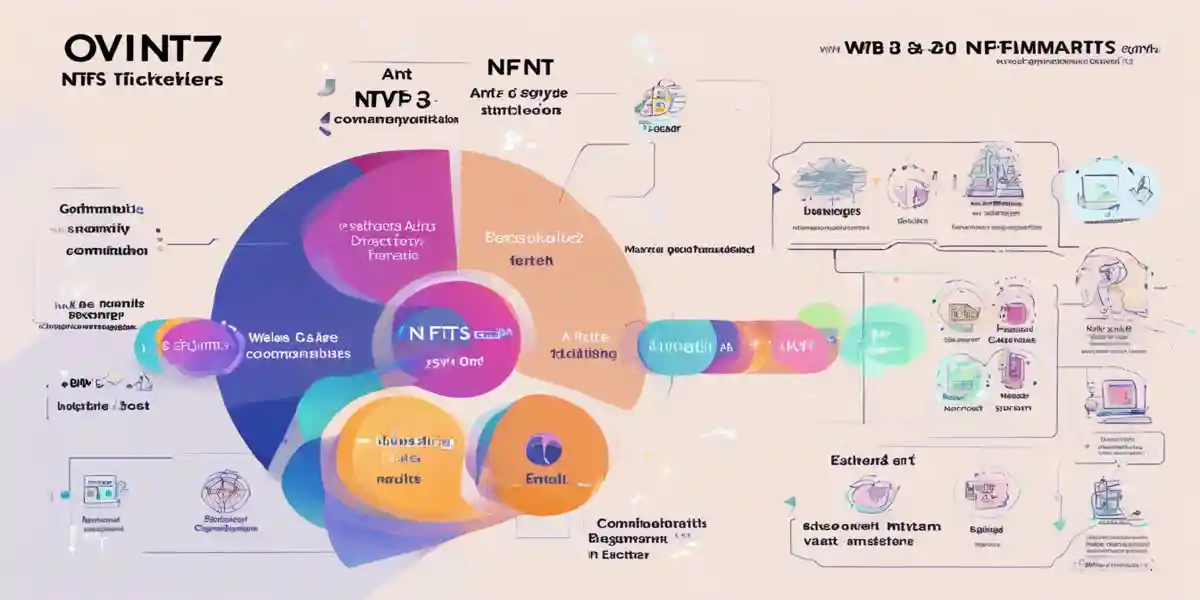
The advent of Web3 technologies is fundamentally transforming the way art festivals operate, particularly through the innovative use of Non-Fungible Tokens (NFTs). This shift not only reinvents ticketing and artist compensation but also fosters a decentralized economy that empowers both creators and attendees in unprecedented ways.
Imagine a festival where every ticket purchased is an NFT, serving as both a digital pass and a stake in the festival's success. Each NFT can be embedded with smart contracts that automatically allocate a percentage of ticket sales to participating artists based on their contributions or performances. This model ensures that artists receive fair compensation directly from the revenue generated, bypassing traditional payment delays and fees.
For instance, consider the Coachella Music Festival, which has already begun exploring NFT ticketing. By implementing a system where tickets are NFTs, Coachella could allow attendees to resell their tickets on secondary markets, with a portion of each resale going back to the artists. This creates a more equitable economic ecosystem where artists can benefit from the ongoing success of their performances.
One of the standout features of a Web3-driven ecosystem is the facilitation of instant payments to artists. In many cases, artists from underrepresented regions face significant hurdles when trying to receive payments through traditional banking systems. By utilizing cryptocurrencies, these artists can bypass lengthy transfer times and high fees, allowing them to receive their earnings immediately and in full.
This immediate access to funds not only empowers artists but also expands their potential audience globally. For example, artists from countries with unstable currencies or limited banking infrastructure can participate in international festivals and receive payments securely and quickly through cryptocurrencies like Ethereum or Bitcoin.
In this new paradigm, festival-goers can also trade their NFT tickets after the event, creating a tangible asset that could appreciate in value as the festival's popularity increases. For example, if a festival gains a reputation for hosting unique performances or renowned artists, the value of previously purchased tickets may rise, incentivizing attendees to buy and sell tickets in a secondary market.
This model not only enriches the attendee experience but also generates additional revenue streams for festival organizers and artists alike. The ability to resell tickets on platforms built on blockchain technology ensures transparency and reduces fraud, as each NFT ticket is verifiable and traceable on the Ethereum blockchain.
The shift towards decentralized ticketing and artist remuneration models represents a broader revolution in our understanding of art, ownership, and economic impact within communities. By leveraging the benefits of blockchain technology, art festivals can become vibrant, self-sustaining ecosystems that prioritize creativity, equity, and community engagement.
As more festivals adopt these innovative approaches, the potential for economic growth within the arts sector becomes increasingly clear. The integration of NFTs not only protects intellectual property but also fosters a culture of collaboration and shared success among artists and audiences alike.
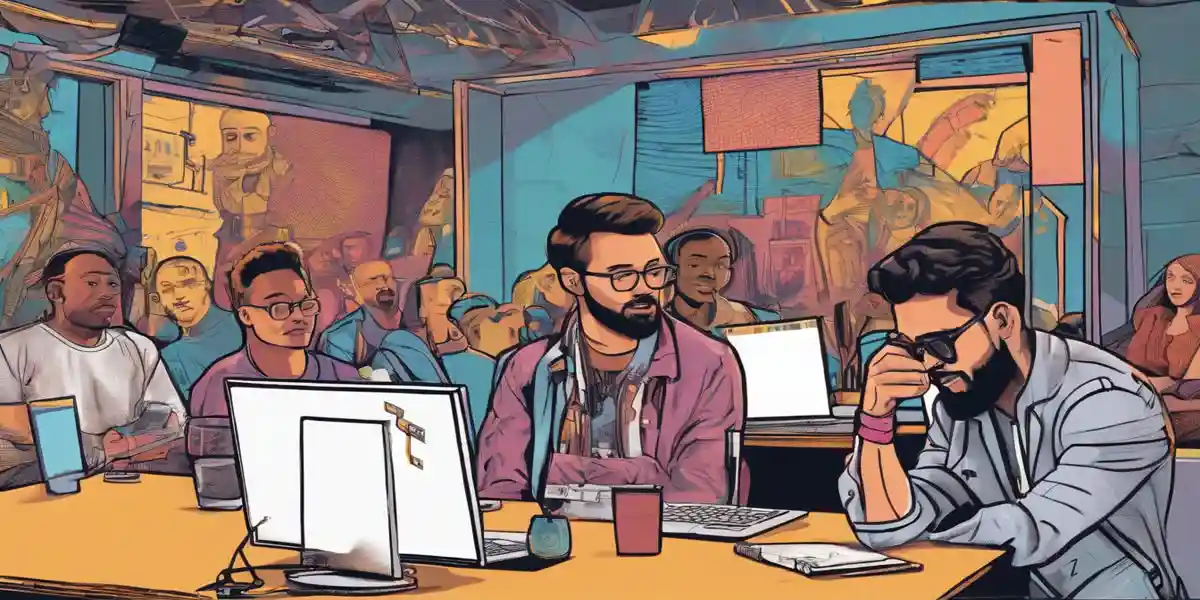
As the art festival landscape evolves through Web3 technologies, remittance emerges as a vital mechanism that can significantly support artists. By leveraging Non-Fungible Tokens (NFTs) and blockchain technology, artists can receive direct compensation in a timely and efficient manner, eliminating many of the barriers posed by traditional financial systems.
Traditionally, artists often face delays in payment due to the inefficiencies of banking systems, especially when working with international collaborators. Web3 technologies offer a solution by enabling instant payments through cryptocurrencies. For instance, an artist participating in a festival could receive their compensation as soon as their performance concludes, thanks to smart contracts built into the NFT ticketing system. These contracts automatically trigger payments to the artists based on set conditions, ensuring they are rewarded promptly for their contributions.
One of the most significant advantages of using remittance in this context is its ability to empower underrepresented artists, particularly those from developing regions. Often, these artists struggle to access traditional banking services, which can take weeks or even months to process payments. With blockchain technology, artists can receive funds directly to their digital wallets without intermediaries. For example, artists from rural areas can easily participate in major festivals around the world, as they no longer have to rely on a complex banking infrastructure to receive their earnings. This opens up a global marketplace for their work, enhancing their visibility and ability to connect with diverse audiences.
The concept of decentralized festival economies is at the core of this transformation. By integrating NFTs into the ticketing process, art festivals can create a circular economy where artists benefit directly from the ticket sales. Each ticket sold as an NFT could include a built-in royalty structure, allowing artists to earn a percentage not only from initial sales but also from secondary market transactions. This means that if an attendee decides to sell their ticket in the future, a portion of that sale goes back to the artist, creating a sustainable income stream that can be reinvested into their creative endeavors.
Several art festivals are already exploring this innovative approach. For example, the Coachella Valley Music and Arts Festival has begun experimenting with NFT ticketing, allowing attendees to purchase tickets that come with unique digital collectibles. These NFTs not only serve as entry passes but also as a means of supporting the artists featured at the festival. Similarly, the Ethereum-based platform Rarible has showcased how artists can mint their own NFTs, with smart contracts ensuring they receive fair compensation for each transaction involving their work.
Moreover, NFTs built on the Ethereum blockchain address critical concerns surrounding ownership and security. By establishing a clear and immutable record of ownership, artists can protect their work from unauthorized duplication or modification. This security is crucial in an environment where digital assets are often vulnerable to piracy. With the transparency provided by blockchain technology, artists can confidently navigate the digital landscape, knowing their rights are safeguarded.
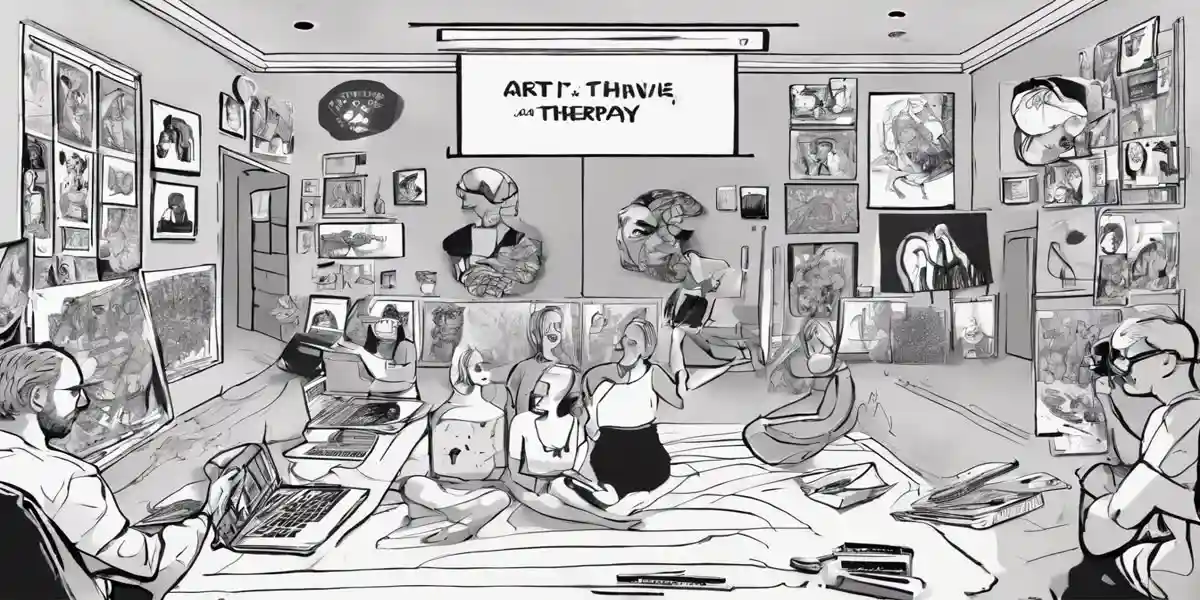
The digital revolution, particularly through the lens of Web3 technologies, is reshaping the landscape of art therapy, making it more accessible, engaging, and financially sustainable. By utilizing digital platforms and Non-Fungible Tokens (NFTs), art therapy can transcend geographical barriers and offer innovative solutions for both therapists and participants.
Art therapy, traditionally confined to physical spaces, is now finding its way into digital platforms. This shift is crucial for individuals who may have limitations in mobility, access to resources, or the ability to attend in-person sessions. With the power of Web3, therapists can conduct virtual sessions, creating immersive experiences that allow participants to express themselves through digital art tools.
For instance, platforms like Artsy and Canva provide resources for digital creation that can be utilized in therapeutic settings. By integrating these platforms with blockchain technology, therapists can ensure that the digital artworks created during sessions are securely owned by the participants, thanks to NFTs. This ownership aspect is vital as it empowers participants and fosters a sense of pride and accomplishment in their creative expressions.
Non-Fungible Tokens not only secure ownership but also create a new avenue for sharing art. When participants create digital art during therapy sessions, these artworks can be minted as NFTs, allowing them to sell or trade their creations in a decentralized marketplace. This model not only provides potential financial benefits for participants but also validates their artistic expression as a legitimate form of value.
For example, an initiative like Nifty Gateway has already begun to explore NFT art sales, enabling artists to showcase their work while ensuring that their rights are protected. By incorporating this into art therapy, participants can turn their therapeutic creations into meaningful assets, enhancing their emotional and financial well-being.
Web3 technologies also facilitate the establishment of decentralized support systems. By utilizing blockchain, therapists can create communities where participants can share experiences, provide peer support, and collaborate on projects. This not only enhances the therapeutic process but also builds a network of individuals who can uplift each other, fostering a sense of belonging and connection.
An example of this can be seen with platforms like OpenSea, where artists can create and join communities based on shared interests or themes. These groups can serve as support networks, where participants engage in discussions, share their artwork, and provide constructive feedback, all within a secure digital environment.
Several organizations are already pioneering the integration of art therapy with digital platforms. One such example is Mind, a UK-based mental health charity that has started offering online art therapy workshops. By using platforms that allow for digital art creation, they enable participants to engage in therapeutic art practices from the comfort of their homes.
Additionally, the Art of Education University is facilitating online courses that combine art education and therapy, incorporating NFT technology to give students the ability to showcase their work in a digital gallery. These initiatives highlight how the fusion of art therapy with Web3 can lead to innovative practices that enhance mental health and community engagement.
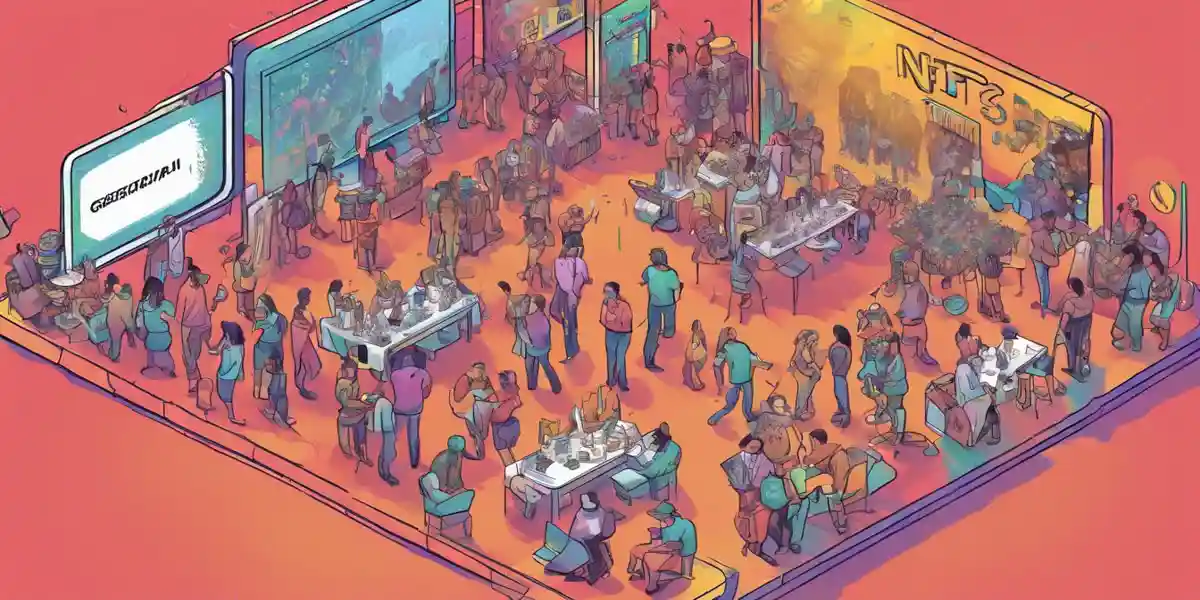
The integration of Web3 technologies into art festivals has the potential to create vibrant ecosystems that not only celebrate creativity but also drive economic growth. Central to this transformation is the use of Non-Fungible Tokens (NFTs), which allow for decentralized festival economies that enhance both artist compensation and audience engagement.
Imagine attending an art festival where every ticket purchased is an NFT. This concept goes beyond mere entry; it gives attendees a stake in the festival's success. NFTs can be programmed with smart contracts that automatically distribute a percentage of ticket sales to participating artists. For instance, if a festival sells 1,000 tickets, the smart contract can allocate funds to artists based on their performance or contribution. This ensures fair compensation and aligns the interests of artists and festival-goers.
The traditional banking system often poses barriers for artists, especially those in underrepresented regions, through high fees and lengthy payment processes. Web3 technologies can revolutionize this by enabling instant cryptocurrency payments. For example, an artist performing at a festival in a remote area can receive their earnings in real-time, removing the need for third-party financial institutions. This immediate access to funds not only empowers artists but also expands their global reach, allowing them to connect directly with audiences worldwide.
In a Web3 ecosystem, the post-event trading of NFT tickets creates tangible assets that appreciate in value as the festival gains popularity. This secondary market benefits both artists and festival organizers. For instance, if a festival becomes a hot topic on social media, the demand for NFT tickets can surge, allowing previous owners to sell their tickets at a premium. This creates a win-win situation, as artists can benefit from increased visibility and revenue, while festival organizers attract a larger audience due to the perceived value of their offerings.
The importance of security in digital transactions cannot be overstated. NFTs, built on the Ethereum blockchain, establish a single official owner for each token, preventing unauthorized modifications or duplications. This feature is crucial in maintaining the integrity of the ticketing system, ensuring that artists and festival organizers are protected against fraud. By tokenizing assets, festivals can enhance control over secondary market transactions, providing a safer environment for both creators and consumers.
Consider the example of the "Burning Man" festival, which has begun experimenting with NFT ticketing. By issuing NFTs for tickets, the festival not only secures its revenue but also allows participants to trade tickets in a way that reflects the festival's growing popularity. This model promotes community engagement and creates a sense of ownership among attendees, fostering a stronger cultural identity.
The shift towards decentralized ticketing and artist remuneration models represents a broader revolution in how we view art, ownership, and community impact. By reimagining traditional economic structures surrounding art festivals, Web3 empowers creators, enhances audience experiences, and ultimately contributes to sustainable economic growth. This innovative approach can lead to a renaissance in cultural expression that benefits all stakeholders involved.
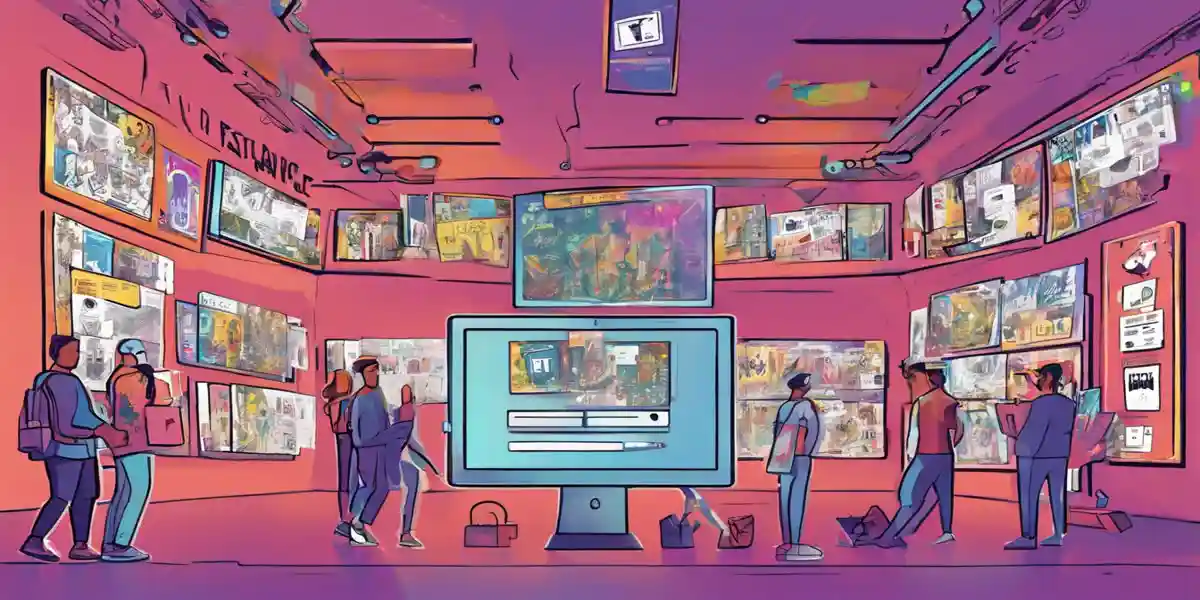
The integration of Web3 technologies, particularly through Non-Fungible Tokens (NFTs), is revolutionizing the economic dynamics of art festivals. By introducing a decentralized festival economy, every ticket sold becomes an NFT, shifting the traditional paradigm of event attendance into something far more engaging and economically beneficial for attendees and artists alike.
In this innovative model, each NFT ticket not only provides access to the festival but also creates a stake in the event's success. By leveraging smart contracts, festival organizers can automate revenue sharing with artists based on their contributions. For instance, if an artist performs at a festival, a predetermined percentage of ticket sales can be automatically allocated to them through the smart contract embedded in the NFT. This ensures that creators receive fair compensation without the delays typically associated with traditional payment systems.
The technical backbone of NFTs is built on blockchain technology, primarily utilizing platforms like Ethereum. This ensures that each NFT has unique identifiers, establishing that there is a single official owner, thus preventing unauthorized duplication or fraud. As highlighted in research, this ability to tokenize assets via blockchain is pivotal for securing digital ownership rights, which is especially valuable in environments susceptible to digital asset piracy.
The remittance capabilities of this Web3 model transcend conventional banking barriers, making it particularly beneficial for artists in underserved regions. With instant payments facilitated by cryptocurrency, artists can bypass the lengthy delays and high fees often associated with international wire transfers. This instant access to funds allows them to invest back into their art or community, fostering economic growth. For example, an artist based in a developing country can perform at a festival in another part of the world, receive payments immediately, and reinvest that money back into their local economy.
Another exciting aspect of NFT ticketing is the potential for a secondary market. After the festival concludes, attendees can trade their NFT tickets, which may appreciate in value, especially if the festival gains popularity. This not only creates an opportunity for festival-goers to earn from their initial investment but also provides additional revenue streams for artists and organizers. The NFT can carry with it the history of the event, artist performances, and even exclusive content, enhancing its desirability in the secondary market.
For instance, consider the case of the Coachella music festival, which has started exploring NFT ticketing. By allowing attendees to trade their tickets post-event, the festival can foster a sense of community and engagement long after the last performance has ended. This creates an ecosystem where artists and festival organizers can thrive together, transforming what was traditionally a transactional relationship into a collaborative partnership.
The shift towards decentralized ticketing and artist remuneration models is symbolic of a broader revolution in how we perceive art, ownership, and community economic impact. This transformation paves the way for cultural events to evolve into self-sustaining ecosystems that promote creativity and equity. By embracing NFTs and the principles of Web3, art festivals can become more than just events; they can grow into platforms for artists to showcase their work, engage with audiences, and contribute to local economies in meaningful ways.
In conclusion, the rise of Web3 technologies is not just a trend; it is a transformative force reshaping the landscape of art festivals and driving economic growth. By leveraging Non-Fungible Tokens (NFTs), we see a significant shift towards decentralized festival economies that empower artists, enhance audience engagement, and redefine ownership.
From enabling instant payments that bypass traditional banking barriers to creating dynamic secondary markets for NFT tickets, the implications of these developments are profound. Artists from underrepresented regions can now access global platforms, receive fair compensation without unnecessary delays, and even benefit from the appreciation of their work's associated NFTs. This equitable model fosters a renaissance in cultural expression, where creativity can thrive unencumbered by outdated financial systems.
Moreover, the integration of digital platforms into art therapy not only makes therapeutic practices more accessible but also allows participants to secure ownership of their creations, thereby validating their artistic endeavors. The potential for Web3 to foster community engagement and collaboration is immense, creating decentralized support systems that uplift individuals and encourage collective growth.
As we move forward, it is vital for stakeholders—artists, festival organizers, and attendees alike—to embrace these innovative approaches. In doing so, we can cultivate a vibrant ecosystem that not only celebrates artistic expression but also contributes to sustainable economic growth. Let us not just observe this revolution; let us be active participants in shaping a future where art and technology converge to create meaningful impact.
Consider this: How can you leverage the power of Web3 to support artists and enhance your local cultural landscape? The time to engage, innovate, and transform is now.
Get notified about new articles, coffee tips, and Web3 insights.
This site participates in affiliate programs and may earn a commission when a link is clicked and a purchase is made. The site is not responsible for any issues or troubles related to the products or services purchased through the use of this site.
DO&COFFEE loves coffee and technology, exploring the potential of NFTs and blockchain. Learn more →
DO&COFFEE loves coffee and technology, exploring the potential of NFTs and blockchain. Learn more →