technology
2024/08/14
In today's rapidly evolving fitness landscape, the integration of blockchain technology is more than just a passing trend; it represents a paradigm shift that could redefine our engagement with health and wellness. Imagine a decentralized fitness ecosystem where your workouts, nutrition, and health metrics are not only tracked but also secured and incentivized in a transparent manner. This blog post delves into the fascinating world of blockchain's role in fitness, exploring how it can empower individuals, enhance data privacy, and foster community engagement.
The concept of a blockchain-enabled fitness platform allows users to earn tokens for achieving their personal fitness goals, creating a dynamic interface where motivation meets reward. By utilizing smart contracts, tailored fitness challenges can be designed, unlocking benefits for milestones like completing a set number of workouts or achieving a target weight. This not only ensures that users maintain ownership of their fitness data but also opens doors to sharing insights selectively with personal trainers or health professionals, potentially leading to lower insurance premiums for healthier habits.
Moreover, the gamification aspect of this technology promises to engage users in decentralized fitness leagues, where performance is verifiable and encourages accountability. By creating a marketplace for fitness services through token use, we can cultivate a self-sustaining ecosystem that benefits all participants. Overall, the blockchain revolution in fitness is not just about individual empowerment; it envisions a holistic, interconnected approach to health that is data-driven and community-oriented, ultimately benefiting everyone involved.
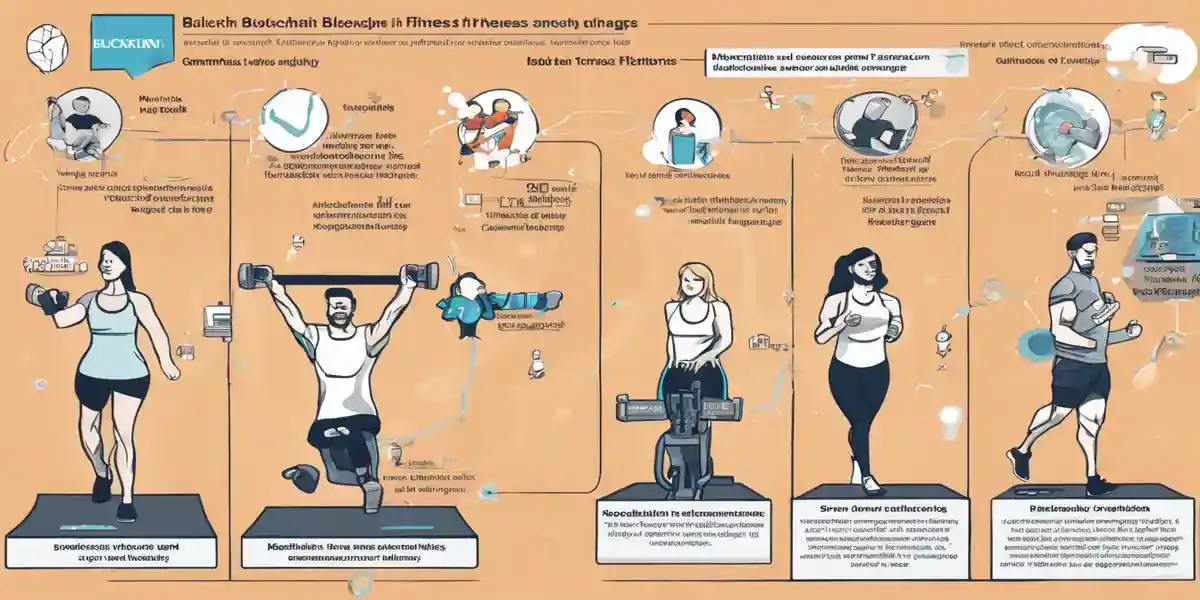
Blockchain is a decentralized digital ledger technology that records transactions across many computers in a way that ensures the registered transactions cannot be altered retroactively, without the alteration of all subsequent blocks and the consensus of the network. This structure makes blockchain inherently secure, transparent, and resistant to tampering.
In the healthcare sector, for instance, blockchain technology is being utilized to securely share patient records between providers while ensuring patient consent and privacy. A study indicates that blockchain can enhance the distribution of personal health records by incentivizing patients through token economies, thus motivating healthier lifestyle choices.
The integration of blockchain in fitness is more than just a concept; it presents a transformative approach to how individuals interact with their health and wellness metrics. Imagine a decentralized platform where users can track their workouts, nutrition, and health metrics transparently and securely, while also earning token rewards for their efforts. This creates a self-sustaining ecosystem that not only encourages personal accountability but also fosters community engagement.
At the heart of this fitness ecosystem are smart contracts—self-executing contracts with the terms of the agreement directly written into code. These contracts can be used to create personalized fitness challenges that unlock rewards upon achieving specific goals, such as completing a certain number of workouts or reaching a target weight. The efficiency of smart contracts ensures that transactions are executed automatically, reducing overhead costs and enhancing user experience.
Blockchain enables users to maintain ownership of their fitness data, allowing them to share it selectively with trainers, nutritionists, or even insurance companies. This selective sharing could lead to reduced insurance premiums for individuals who demonstrate healthier lifestyle choices, incentivizing them further to engage in fitness activities.
By incorporating gamification elements, users can participate in decentralized fitness leagues, where their performance is verifiable and immutable. This not only promotes accountability but also enhances motivation through healthy competition. The introduction of a marketplace for fitness services—such as personal training sessions or health coaching—allows users to spend their earned tokens, creating a vibrant, interconnected community focused on health and wellness.
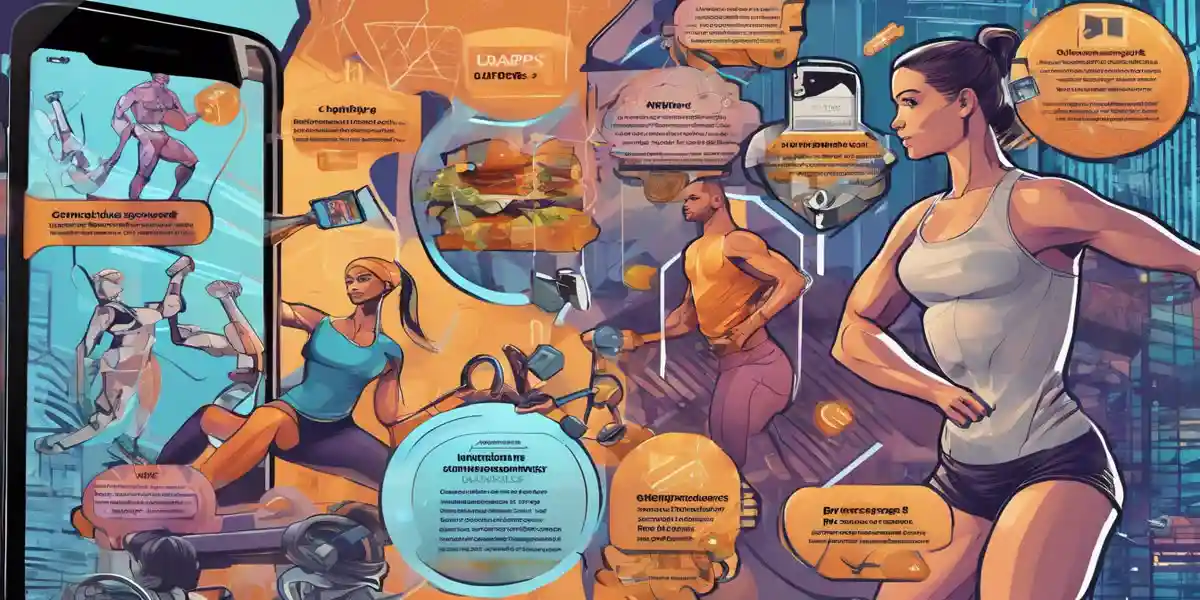
The fitness technology landscape is undergoing a seismic shift, driven by innovations that leverage blockchain capabilities. This section explores how these trends are shaping the future of fitness, focusing on decentralized applications (Dapps), token economies, and smart contracts.
Decentralized applications (Dapps) are at the forefront of transforming fitness technology. Built on blockchain platforms like Ethereum, these applications utilize smart contracts to automate and secure processes. For instance, platforms such as EtherFitness allow users to log workouts and nutritional data while earning tokens based on their achievements. This promotes a transparent and tamper-resistant verification system, enhancing user trust and engagement.
The analysis of Dapps highlights their role in facilitating decentralized smart contracts, which are essential for creating personalized fitness challenges. Users can set goals and receive token rewards for milestones achieved, effectively gamifying their fitness journey. This not only fosters individual accountability but also nurtures a community of motivated users.
Token economies are emerging as a powerful incentive mechanism within the fitness sector. By integrating blockchain smart contracts, platforms can reward users for maintaining active lifestyles. For example, a recent study introduced mathematical models that incentivize exercise through life-log data, which can be especially appealing for users looking to lower their health insurance premiums. Participants earn tokens for tracking workouts and sharing their health data with providers, creating a win-win scenario for both users and companies.
These token-based systems not only encourage regular exercise but also enhance the dissemination of personal health records. Patients become stakeholders in their health data, choosing to share it selectively with healthcare providers or insurers, thereby increasing privacy and improving overall data security.
Smart contracts are the backbone of blockchain technology in fitness. These programmable agreements ensure secure and tamper-proof transactions, allowing users to interact with fitness services seamlessly. For example, a smart contract can automatically release workout rewards when specific criteria are met, such as completing a series of workouts within a set timeframe.
Despite their advantages, challenges remain. Issues related to the efficiency of smart contract execution must be addressed to optimize user experience. As the field evolves, there are significant opportunities for innovation, particularly in enhancing the interoperability of fitness applications and ensuring compliance with privacy regulations like GDPR and HIPAA.
Several startups are already pioneering these technologies. For instance, Fit Token is creating a decentralized fitness ecosystem where users can earn tokens for completing challenges and participating in community events. Similarly, HealthCoin operates a platform that rewards users for sharing their health data, making fitness a collaborative and rewarding experience.
These trends illustrate not only the potential of blockchain technology to redefine fitness but also the growing demand for a more interconnected, data-driven approach to health and wellness. As the fitness industry continues to embrace these innovations, the possibilities for personalized and engaging workout experiences are virtually limitless.
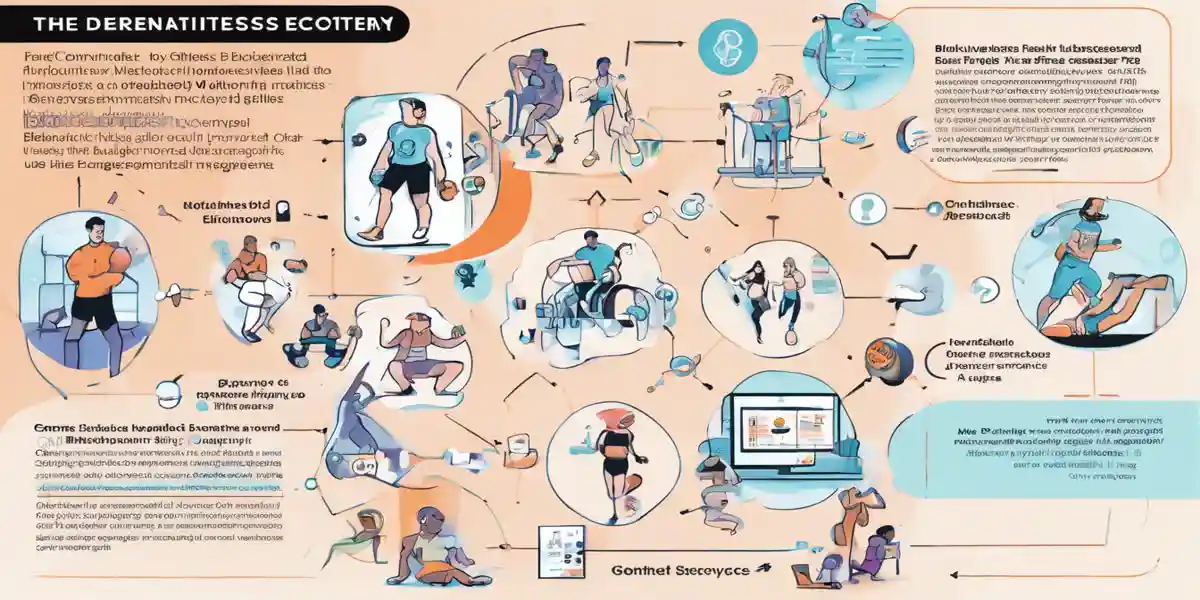
The integration of blockchain technology into fitness is not merely a trend; it represents a groundbreaking shift in how we approach health and wellness. Central to this transformation is the concept of a decentralized fitness ecosystem, where users can securely track their workouts, nutrition, and health metrics while earning rewards for their efforts.
At the heart of this ecosystem are smart contracts, which are self-executing contracts with the terms of the agreement directly written into code. By leveraging smart contracts, fitness platforms can create personalized challenges that unlock rewards for achieving specific goals, such as completing a set number of workouts or reaching a target weight. This automation not only enhances user engagement but also provides a transparent mechanism for reward distribution.
For instance, a user might sign up for a challenge that rewards them with tokens for every workout logged. Once they meet the predefined criteria—say, completing 20 workouts in a month—the smart contract automatically releases the tokens to their account. This seamless integration illustrates the power of blockchain in creating a fair and engaging workout environment.
One of the major advantages of utilizing blockchain technology in fitness is the ability for users to maintain ownership of their fitness data. Unlike traditional platforms where data is often siloed and controlled by the service provider, blockchain allows individuals to securely store their data and share it selectively. This capability is particularly valuable for users looking to collaborate with trainers, nutritionists, or even insurance companies.
Research indicates that when users maintain ownership of their health data, they are more likely to engage in healthier behaviors, potentially leading to lower insurance premiums. For example, a user who consistently logs their workouts and dietary habits may choose to share this information with their insurance provider, who could then offer reduced premiums based on demonstrated health improvements.
Blockchain’s unique properties facilitate a gamified approach to fitness that enhances community engagement. Users can participate in decentralized fitness leagues, where their performance is recorded immutably on the blockchain. This verifiability fosters a sense of accountability and motivation among participants.
Consider a scenario where users compete in a fitness challenge that tracks their running distances. Participants earn tokens based on their performance, which can be spent in a marketplace for personalized training sessions, health coaching, or even fitness gear. This not only incentivizes users to stay active but also cultivates a supportive community around shared health goals.
The introduction of a token-based marketplace for fitness services represents another innovative application of blockchain technology. Users can leverage their earned tokens to purchase various fitness-related services, creating a self-sustaining ecosystem. This marketplace could include offerings such as:
The use of token economies in health and fitness is not just theoretical; it has practical implications backed by research. A study that explored the distribution of personal health records demonstrated how incentivizing exercise through token rewards could effectively influence user behavior. By employing mathematical models, the research showed that optimizing reward-time pairs can minimize costs for companies while effectively encouraging users to engage in healthier activities.
In a real-world application, a fitness app could utilize these models to create targeted incentives for users, such as offering bonuses for reaching weekly activity goals or participating in health assessments. This creates a win-win situation where both users and health organizations benefit from improved health outcomes.
The integration of blockchain technology in fitness not only revolutionizes how we engage with health and wellness but also emphasizes the paramount importance of data security and privacy. In a world where personal health data is increasingly commodified, the ability to securely manage and control access to this information becomes crucial. Blockchain's inherent characteristics—decentralization, immutability, and transparency—make it an ideal solution for addressing these challenges.
At the core of this transformation lies the concept of a decentralized fitness ecosystem. Imagine a platform where users can not only track their workouts, nutrition, and health metrics but do so in a manner where they retain full ownership of their data. This means that users can choose to share their information selectively with trainers, nutritionists, or insurance companies, thereby fostering a sense of privacy that is often lacking in traditional fitness platforms.
For instance, consider a user participating in a fitness app that leverages blockchain technology. Instead of storing personal health data on a centralized server—which can be vulnerable to hacks or data breaches—information is recorded on a blockchain. Each entry is encrypted and linked to the user's digital identity, ensuring that it cannot be altered or deleted without the user's consent. This level of security is particularly important given the sensitive nature of health data.
Moreover, smart contracts play a pivotal role in enhancing both data security and user privacy. These programmable agreements automatically execute certain actions when predefined conditions are met. For example, a smart contract could be programmed to release a user's fitness data to an insurance company only when specific health goals are achieved, such as completing a certain number of workouts or maintaining a healthy weight. This not only protects the user's data but can also lead to tangible benefits, such as lower insurance premiums for healthier lifestyles.
Real-world applications of blockchain for data security in fitness are already emerging. Platforms like Healthereum utilize blockchain to create a secure environment for health data exchange. Users are rewarded with tokens for participating in health-related activities, while their data remains secure and private. This creates a win-win scenario where users are incentivized to engage in healthier behaviors without sacrificing their privacy.
Furthermore, the decentralized nature of blockchain technology enhances trust among users and service providers. With traditional systems, users often have to place their faith in a single entity to manage their data. In contrast, a blockchain-based system ensures that data is not only secure but also verifiable and traceable. This means that any attempts to manipulate or access data without consent can be easily identified, adding an additional layer of security.
In conclusion, as the fitness landscape evolves, the mechanisms of blockchain technology provide a powerful tool for enhancing data security and privacy. By empowering users to control their own health data and ensuring secure transactions, blockchain is set to redefine our workout experiences and health journeys.
In the realm of fitness, the introduction of token systems powered by blockchain technology is reshaping how individuals interact with their health and wellness goals. By creating a decentralized ecosystem, users are not only motivated to improve their fitness levels but also rewarded for their efforts through token-based incentives.
Token economies operate on principles of economic incentive, where users earn tokens for achieving specific health-related milestones. These tokens can then be utilized within the fitness ecosystem, allowing users to access services or products, thereby creating a self-sustaining model. A notable example is the use of tokens to incentivize physical activity, where data from wearable devices can be tracked and verified on the blockchain.
At the heart of this incentivization model are smart contracts—self-executing contracts with the terms of the agreement directly written into code. These contracts can automatically trigger rewards when users complete designated fitness challenges, such as hitting a certain number of steps or completing a workout routine. For instance, a user could set a goal of running 10 kilometers in a month; upon achieving this target, a smart contract would release a specified number of tokens to their account.
Real-world applications of token incentivization are already emerging. One prominent example is Steppen, a fitness app that allows users to earn tokens for walking, running, or engaging in other physical activities. These tokens can then be exchanged for discounts on fitness gear, wellness products, or even donated to charities focused on health initiatives. Users are thus motivated not just by personal health goals but also by the tangible benefits their activities yield.
While the potential for token systems in fitness is promising, there are challenges to consider. Ensuring the integrity and security of data shared on the blockchain is critical. As highlighted in various studies, the characteristics of blockchain—such as decentralization, traceability, and tamper resistance—offer a solution to concerns about data security and privacy. Furthermore, the implementation of these systems must consider regulatory compliance, such as adherence to GDPR and HIPAA regulations to protect user data.
Incentivization through token systems is further enhanced through the application of game theory. By modeling the interactions between users, fitness companies, and health organizations, stakeholders can optimize reward structures to minimize costs while maximizing participation. For instance, studies have shown that carefully designed reward-time pairs can lead to increased user engagement, effectively recruiting participants for fitness programs and challenges.
As users engage with token systems, they contribute to a community-driven approach to fitness. Decentralized fitness leagues can emerge, where users compete based on verifiable performance metrics. This not only fosters a sense of accountability but also encourages social interactions, making fitness a more engaging and enjoyable experience. Users can share their achievements on the platform, earning recognition and building a supportive network.
Decentralized fitness communities represent a revolutionary approach to health and wellness engagement, driven by blockchain technology. By creating a network where users can share their fitness journeys and accomplishments in a secure and transparent manner, these communities promote accountability, motivation, and collaboration.
At the core of decentralized fitness communities is the idea of user ownership. Traditional fitness platforms often control user data, limiting how individuals can leverage their personal health information. With blockchain, users can securely store their workout metrics, nutrition habits, and health records. This data remains in their control, enabling selective sharing with personal trainers, nutritionists, or even insurance companies. This transparency could lead to innovative health insurance models where healthier lifestyles are rewarded with lower premiums, as suggested by research that explores the implications of incentivizing exercise through smart contracts.
Decentralized fitness communities thrive on gamification—turning workouts into competitive challenges where members can earn rewards. Platforms can utilize smart contracts to create personalized fitness challenges. For instance, a user might set a goal to complete 15 workouts in a month, and upon achievement, a smart contract automatically rewards them with tokens. This creates an engaging and accountable environment where progress is not just tracked but also celebrated.
Real-world examples like the FitCoin platform illustrate how gamification can foster community spirit. By competing in decentralized leagues, users can verify their performances on the blockchain, ensuring that achievements are legitimate and immutable. This motivates individuals to push their limits while simultaneously building a supportive community around shared fitness goals.
Token economies are a key feature of decentralized fitness communities. Users can earn tokens through various fitness activities, which can then be spent within the ecosystem. For example, tokens could be redeemed for personal training sessions, nutrition counseling, or even fitness gear. This creates a self-sustaining marketplace that incentivizes users to remain active and engaged.
Further research highlights how token economies can facilitate the distribution of personal health records, thereby enhancing user participation. By employing game theory and mathematical models, platforms can optimize reward structures, making it beneficial for both users and service providers. This balance of incentives ensures that all participants are motivated to contribute to the community's health and wellness.
Decentralization fundamentally changes how trust is built in fitness communities. Traditional platforms may struggle with issues related to data integrity and user privacy. However, the immutable and transparent nature of blockchain addresses these concerns effectively. Users can trust that their data is secure and that the rewards they earn are fairly distributed, free from manipulation.
Moreover, compliance with regulations such as GDPR and HIPAA can be seamlessly integrated into these platforms, ensuring that user privacy is maintained while still allowing for the beneficial exchange of health data among stakeholders.
Despite the potential of decentralized fitness communities, challenges remain. Issues related to the efficiency and flexibility of smart contract execution must be addressed to enhance user experience. As developers continue to innovate within this space, future research should focus on refining these systems, exploring new ways to engage users, and expanding the functionalities of decentralized applications (Dapps) in the fitness sector.
Ultimately, the promise of decentralized fitness communities lies in their ability to empower users, promote healthier lifestyles, and foster a collaborative environment where everyone can thrive.
At the heart of the fitness revolution lies a decentralized ecosystem powered by blockchain technology. This innovative approach transforms how we track, manage, and incentivize our health journeys, creating a transparent and secure platform for users.
Imagine a world where your workout data, nutrition logs, and health metrics are securely stored on the blockchain. This means you own your data completely and can choose to share it selectively with trainers, nutritionists, or even insurance companies. The decentralized nature of blockchain ensures that your data remains tamper-proof and traceable, addressing concerns about privacy and security that are prevalent in today's digital landscape.
For instance, a fitness enthusiast could use a blockchain application to log their daily workouts and dietary habits. By granting permission to a nutritionist only when needed, they can maintain control over their personal information while benefiting from tailored advice. This model aligns with the challenges highlighted in recent studies, where the need for secure and interoperable health data solutions is paramount.
Blockchain technology introduces smart contracts—self-executing contracts with the terms directly written into code. These smart contracts can create personalized fitness challenges that reward users for achieving specific goals. For example, a user might set a target of completing 30 workouts in a month, and upon reaching this goal, a smart contract automatically releases tokens as a reward.
Research indicates that the optimization of reward structures can enhance user participation and motivation. By employing game theory, fitness applications can analyze which types of incentives work best for different users, thereby tailoring experiences that keep them engaged and accountable.
One of the most exciting aspects of a blockchain-based fitness ecosystem is the potential for gamification. Users can participate in decentralized fitness leagues where their performance is verifiable and immutable. This creates an environment of accountability and competition, pushing individuals to achieve their fitness goals.
For example, a user could join a league that tracks steps taken daily. As they compete against friends or other league members, they earn tokens for each milestone reached, which can be spent on fitness services like personal training sessions or health coaching. This not only fosters community engagement but also builds a self-sustaining ecosystem that rewards healthy behaviors.
The introduction of a marketplace within this decentralized ecosystem allows users to spend their earned tokens on various fitness-related services. This could range from booking personal training sessions to purchasing health supplements or even attending fitness workshops. The marketplace creates an additional layer of motivation for users to stay active and reach their fitness goals.
Real-world examples of token economies in health care have shown the effectiveness of such models. By incentivizing participants to engage with their health data, companies can reduce costs while improving health outcomes. The same principles can be applied to the fitness industry, encouraging users to maintain healthier lifestyles in exchange for tangible rewards.
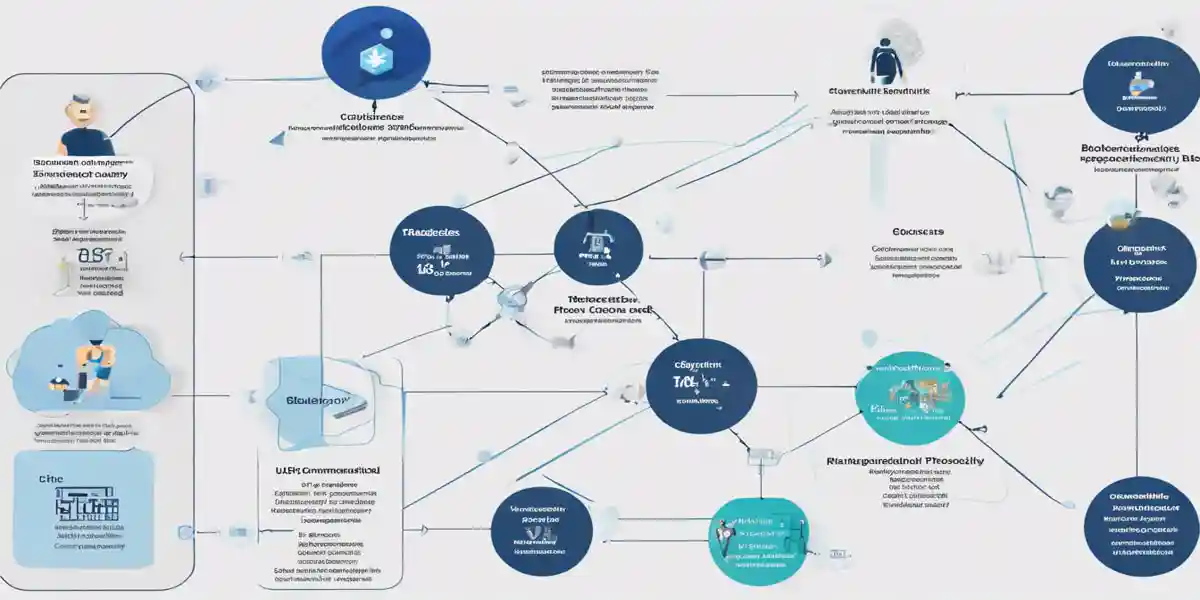
The integration of blockchain technology into the fitness industry promises a transformative shift in how we engage with health and wellness. However, like any revolutionary change, it brings with it a set of potential challenges that must be navigated carefully. Below, we explore some of these challenges and the solutions that could pave the way for a thriving blockchain-based fitness ecosystem.
One of the foremost concerns surrounding the use of blockchain in fitness is data security and user privacy. With sensitive health metrics and personal workout data being shared, maintaining privacy is paramount. Blockchain's inherent transparency can inadvertently expose user data to unauthorized parties.
To mitigate this risk, solutions such as zero-knowledge proofs (ZKPs) can be employed. ZKPs allow users to prove possession of certain data without revealing the underlying information itself. This technology ensures that while the data remains on the blockchain for verification, the details are kept private. Additionally, compliance with privacy regulations such as GDPR and HIPAA is crucial. Blockchain solutions must incorporate mechanisms to allow users to control their data sharing preferences and provide access only to trusted parties.
As various fitness applications and devices begin to adopt blockchain technology, the challenge of interoperability arises. Users may find themselves fragmented across different platforms, each with its own protocols and standards, hindering a seamless experience.
A potential solution lies in the development of standardized protocols that facilitate communication between different blockchain networks. Initiatives like the Ethereum Improvement Proposals (EIPs) can serve as a model for creating universally accepted standards in fitness blockchain applications. Furthermore, the establishment of decentralized applications (DApps) on common platforms can promote interoperability, enabling users to manage their fitness data across multiple applications effortlessly.
For blockchain-based fitness solutions to succeed, widespread user adoption is essential. However, many individuals remain unfamiliar with blockchain technology, which can create a barrier to entry. Users may be hesitant to engage with platforms that require technical knowledge or seem overly complex.
Education and intuitive user interfaces are critical in overcoming this hurdle. Fitness platforms should invest in user-friendly designs that simplify interactions with blockchain technology. Additionally, educational resources—like tutorials and webinars—can help demystify blockchain for the average user, illustrating its benefits and ease of use in tracking health metrics and earning rewards.
As user adoption increases, the issue of scalability becomes significant. Current blockchain networks may struggle to handle the volume of transactions generated by a large user base engaging in real-time fitness tracking and rewards distribution.
Layer-2 solutions, such as state channels or sidechains, can enhance scalability by processing transactions off the main blockchain while still maintaining the integrity of the system. By implementing these solutions, fitness platforms can ensure that they can accommodate a growing user base without compromising on speed or reliability.
Creating effective incentive structures that motivate users to engage consistently with fitness platforms is crucial. The challenge lies in designing token economies that not only reward engagement but also sustain long-term participation without devaluing the tokens.
Blockchain smart contracts can play a vital role in establishing these incentive structures. By utilizing gamification elements—such as tiered rewards for achieving specific fitness milestones—platforms can maintain user interest. Additionally, optimizing reward-time pairs, as suggested in research on token economics, can balance the costs for companies while effectively incentivizing users to achieve their health goals.

Blockchain technology is not merely theoretical; its integration into the fitness sector is already yielding tangible results. Below are several real-world applications and case studies that exemplify how blockchain mechanisms are transforming workout experiences and promoting healthier lifestyles.
One of the most compelling applications of blockchain in fitness is the development of decentralized applications (Dapps) on platforms like Ethereum. These applications leverage smart contracts to create a decentralized fitness ecosystem where users can earn tokens for meeting their health and fitness goals. For instance, the Ethereum platform has seen various Dapps emerge that allow users to log workouts, track nutrition, and share health metrics securely. This not only fosters a sense of community but also ensures that users retain ownership of their data, which can be shared selectively with trainers or insurers to potentially lower health premiums.
Another innovative approach is the use of token economies to incentivize exercise and promote healthier lifestyles. A study outlined two mathematical models that demonstrate how smart contracts can reward individuals for their physical activity. For example, users could receive tokens for logging workouts or meeting specific health milestones. These tokens could then be redeemed for health services or even discounts on insurance premiums. The application of this model in real-world scenarios, such as life insurance companies offering lower rates to active individuals, showcases a promising way to encourage healthier living while benefiting from blockchain’s traceability and security features.
Blockchain technology also plays a crucial role in the management of personal health records. By utilizing smart contracts, healthcare providers can securely share patient data with consent, minimizing the risks associated with data breaches and unauthorized access. A notable case study involves a platform that allows users to maintain a log of their exercise and health data while giving them the ability to share specific information with healthcare professionals when needed. This ensures patient privacy while facilitating better health outcomes through tailored medical advice based on accurate health metrics.
Gamification is another avenue where blockchain shines, creating decentralized fitness leagues where users can compete against one another. Platforms like Fitness League utilize blockchain to record participants' performances in an immutable manner. This not only adds an element of fun but also fosters accountability among users. Participants can earn rewards based on their contributions to the league, creating a self-sustaining ecosystem that motivates individuals to stay active and engaged in their fitness journeys.
The growing volume of health data brings challenges related to security and compliance with regulations like GDPR and HIPAA. Blockchain technology addresses these issues through its inherent characteristics of decentralization, trustlessness, and immutability. A systematic framework for categorizing blockchain-based healthcare solutions has been developed, which highlights how these systems can enhance data security and interoperability. By ensuring that only authorized parties can access sensitive health data, blockchain helps in building trust among users, encouraging more individuals to engage with digital fitness platforms.
As the landscape of blockchain technology continues to evolve, so too does its application in fitness. Research into the efficiency and flexibility of smart contracts indicates that there are still challenges to overcome, but their potential to automate and enhance fitness-related business processes is significant. Projects aimed at improving the performance of these contracts, as well as exploring new interaction models among users, trainers, and health organizations, could pave the way for even broader adoption of blockchain in the fitness sector.
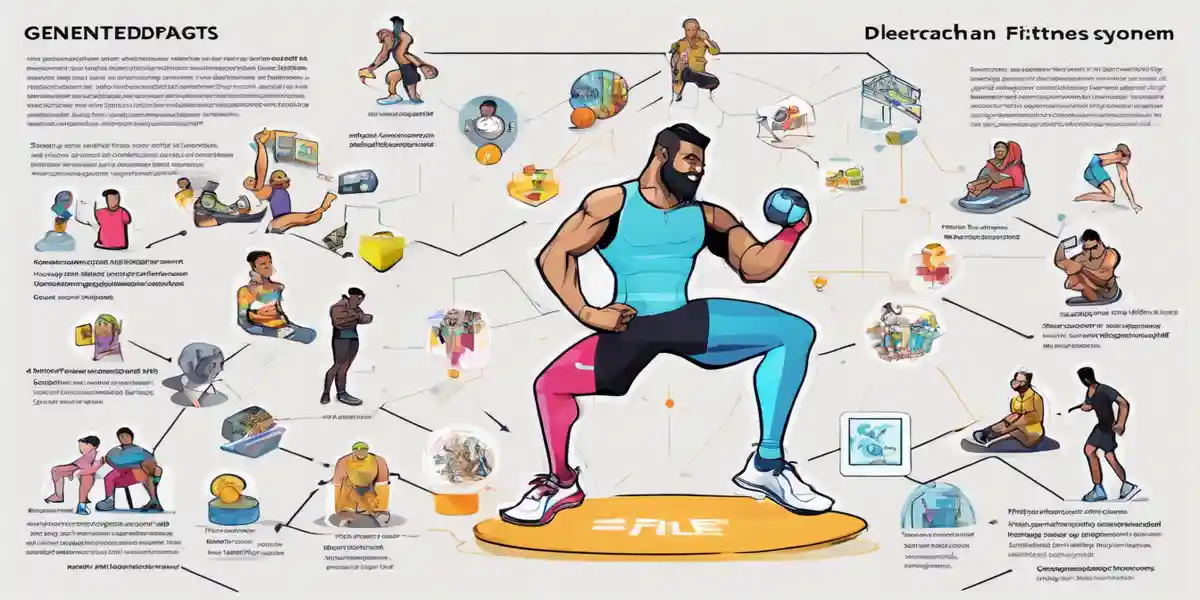
The integration of blockchain technology into fitness is not merely a technological curiosity; it embodies the potential for a revolutionary shift in how individuals engage with their health and wellness. A decentralized fitness ecosystem can provide a platform for users to manage their workouts, nutrition, and health metrics securely and transparently, while simultaneously earning token rewards for their commitment and achievements.
At the heart of this ecosystem are smart contracts—self-executing contracts with the terms of the agreement directly written into code. These contracts can automate the creation of personalized fitness challenges that reward users for reaching specific milestones. For example, a user could set a goal to run a certain distance within a month. Upon successfully achieving this goal, a smart contract could automatically release tokens to the user’s wallet, thus incentivizing consistent workout habits.
Research indicates that such mechanisms can enhance user motivation and engagement. A study on token economies shows that incentivizing exercise through life-log data can lead to improved health outcomes, particularly when integrated with life insurance models. By tracking and rewarding fitness activities, users can find a direct correlation between their efforts and tangible benefits, such as reduced insurance premiums for healthier lifestyles.
In a blockchain-driven ecosystem, users maintain ownership of their fitness data, which is securely stored in a decentralized manner. This allows individuals to selectively share their data with trainers, nutritionists, or even healthcare providers. Such control over personal health information is crucial, especially in light of growing concerns over data privacy and security. The blockchain's immutable and tamper-resistant nature ensures that users can trust the integrity of their data.
For instance, if a user wishes to share their workout history with a nutritionist to tailor a meal plan, they can do so without relinquishing full control of their data. This selective sharing can lead to more personalized health recommendations and outcomes, supported by compliance with privacy regulations such as GDPR and HIPAA.
Beyond individual engagement, the decentralized fitness ecosystem can also foster community involvement through gamification. By creating decentralized fitness leagues, users can compete against one another in a transparent manner. Each participant's performance is verifiable and immutable, creating a sense of accountability and motivation. Points or tokens can be awarded not just for completing workouts, but also for participation in community events or challenges.
This gamified approach not only encourages individuals to stay active but also builds a supportive community around shared fitness goals. For example, users could form teams to compete for rewards, creating a social aspect that enhances the overall fitness experience. Such initiatives have proven successful in various decentralized applications (Dapps) on platforms like Ethereum, where community engagement is a core principle.
The introduction of a marketplace within this ecosystem would allow users to utilize their earned tokens for a variety of fitness services, such as personal training sessions, health coaching, or even fitness equipment. This creates a self-sustaining economy where users are rewarded for their commitment to fitness and can reinvest those rewards into their health journey.
For instance, a user who has accumulated tokens by completing their fitness challenges could spend them on a one-on-one session with a trainer or a subscription to a health app. This not only incentivizes continued engagement but also ensures that users have access to resources that can further enhance their fitness journey.
In today's fitness landscape, the integration of blockchain technology is not just a novelty; it's a transformative force that could redefine how we engage with health and wellness. Imagine a platform where users can track their workouts, nutrition, and health metrics in a transparent and secure manner, all while earning token rewards for their efforts.
This ecosystem would leverage smart contracts to create personalized fitness challenges that unlock rewards for achieving specific goals. For instance, completing a certain number of workouts or reaching a target weight could automatically trigger a reward in the form of tokens. This not only incentivizes users to stay committed but also introduces an element of automation and trust, as the conditions of the rewards are laid out in a decentralized manner.
The data collected through these platforms would be securely stored on the blockchain, enabling users to maintain ownership of their fitness data. This is crucial in an age where personal data is often exploited. Users could selectively share their health metrics with trainers, nutritionists, or even insurance companies, potentially leading to lower premiums for healthier lifestyles. The use of blockchain ensures that the data remains immutable and tamper-proof, addressing significant concerns around data security and privacy.
Moreover, this concept could foster community engagement through gamification. Users could compete in decentralized fitness leagues, where their performance is verifiable and immutable. For example, platforms like Step App allow users to earn tokens by walking, running, or engaging in other physical activities, creating a sense of accountability and motivation. The social aspect of competing with others can significantly enhance the overall workout experience, making fitness not just a personal journey but a community event.
By introducing a marketplace for fitness services—like personal training sessions or health coaching—where users can spend their earned tokens, we create a self-sustaining ecosystem. Imagine a scenario where a user completes a series of workouts and earns tokens that can be exchanged for a one-on-one session with a personal trainer or a nutrition consultation. This not only adds value to the tokens earned but also encourages users to invest more in their health and fitness journeys.
The concept of token economies through blockchain smart contracts can also enhance the distribution of personal health records. For instance, systems could reward users for maintaining a consistent exercise routine by providing them with tokens that can be used in health insurance plans. This idea aligns with findings from research, which indicate that optimizing reward-time pairs can minimize costs for companies while effectively recruiting participants for health-related programs. Such mechanisms can revolutionize how individuals engage with their healthcare and fitness routines.
While the potential benefits of a blockchain-based fitness ecosystem are evident, there are challenges to address. Issues such as the efficiency and flexibility of smart contract execution must be tackled. Research highlights the need for ongoing development of decentralized applications (Dapps) to ensure they are user-friendly and accessible. By focusing on the characteristics of blockchain, such as decentralization, traceability, and tamper resistance, developers can create applications that not only meet the needs of fitness enthusiasts but also adhere to privacy regulations like GDPR and HIPAA.
In this exploration of how blockchain technology is transforming the fitness landscape, we have uncovered a myriad of benefits and implications that this innovative mechanism brings to the forefront of health and wellness. From enhancing data security and privacy to creating decentralized ecosystems, the integration of blockchain into fitness is redefining user engagement.
Key points discussed include:
The implications of these advancements are profound. By fostering a culture of accountability, transparency, and community engagement, blockchain technology can help individuals not only reach their fitness goals but also sustain healthier lifestyles over the long term. As we stand on the cusp of this fitness revolution, the question remains: are you ready to embrace the future of health and wellness?
Take the first step today—explore how blockchain-powered fitness platforms can unlock your potential, and become a part of this transformative journey!

Get notified about new articles, coffee tips, and Web3 insights.
This site participates in affiliate programs and may earn a commission when a link is clicked and a purchase is made. The site is not responsible for any issues or troubles related to the products or services purchased through the use of this site.

DO&COFFEE loves coffee and technology, exploring the potential of NFTs and blockchain. Learn more →
DO&COFFEE loves coffee and technology, exploring the potential of NFTs and blockchain. Learn more →