wellness
2024/09/03

In today's fast-paced work environment, the traditional approach to employee wellness programs often feels outdated, relying heavily on metrics like gym memberships and health screenings. But what if we could shift this paradigm? Imagine a workplace that embraces "Nature-Centric Wellness Initiatives," where the great outdoors becomes a crucial element of employee well-being. This blog post explores the revitalization of wellness programs by integrating natural wellness practices that not only enhance mental clarity and reduce stress but also foster a culture of health and engagement. We'll delve into the profound benefits of connecting with nature, supported by research indicating that exposure to green spaces can lower blood pressure, reduce anxiety, and improve overall mood. As we uncover strategies for implementing these initiatives—such as outdoor meetings and guided nature walks—we'll consider how organizations can evolve from merely offering wellness programs to cultivating an environment where employees truly thrive. So, are you ready to explore how harnessing the restorative power of nature can lead to a more vibrant and productive workforce?
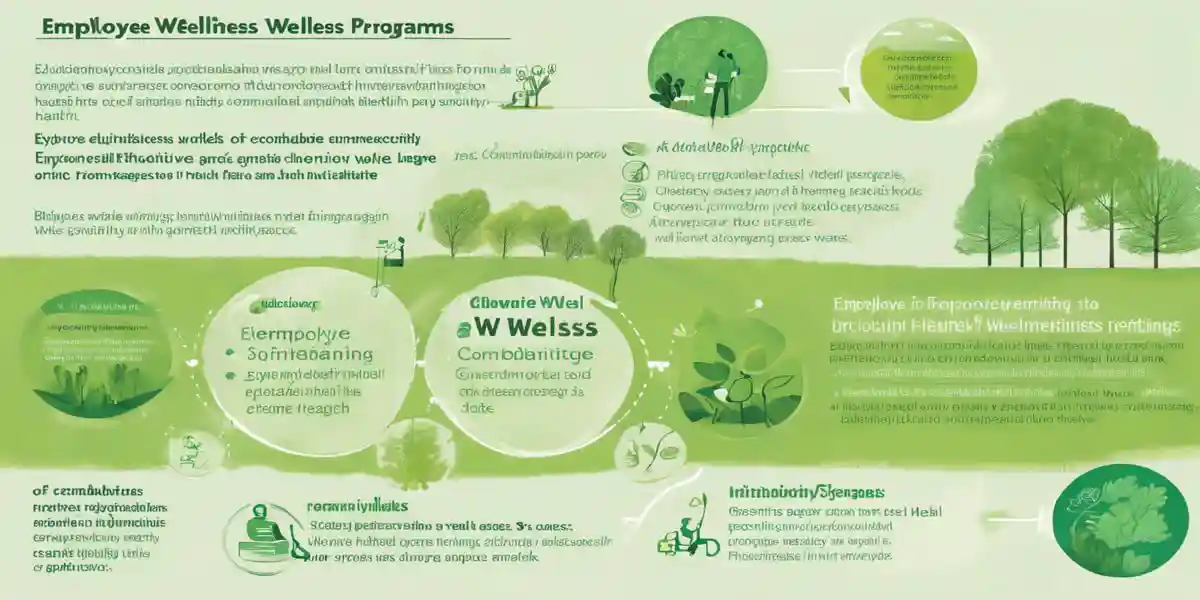
As we navigate the complexities of modern work life, the significance of employee wellness programs has never been more pronounced. Traditional approaches have often centered around gym memberships, health screenings, and fitness challenges. However, a transformative idea is emerging: the integration of "Nature-Centric Wellness Initiatives." This innovative approach not only enhances physical health but also nurtures mental well-being by leveraging the restorative power of nature.
Imagine a workplace where wellness transcends mere programs and evolves into a vibrant culture that embraces the outdoors as a therapeutic environment. Companies can implement initiatives that incorporate nature in various forms. For instance, outdoor meetings in parks or gardens can replace conventional conference rooms, allowing employees to engage in a more relaxed and inspiring setting. This shift is not just about aesthetics; it is about enhancing productivity and creativity by fostering a connection with the natural world.
Establishing onsite green spaces is another effective strategy. Organizations could design tranquil areas filled with plants and trees, providing employees a serene escape from the hustle and bustle of office life. Research supports this notion; a scoping review of 263 studies revealed that approximately 70% of the literature indicates a positive association between green spaces and mental health and well-being (HWB). Access to these environments has been linked to reductions in chronic diseases such as anxiety and depression, underscoring the importance of integrating nature into the workplace.
Moreover, offering guided nature walks or mindfulness sessions in natural settings can significantly boost mental clarity and reduce stress levels. A study evaluating a workplace stress management program illustrated this concept, showing that participants who engaged in targeted interventions experienced notable reductions in blood pressure and improvements in emotional health. These findings highlight the potential for structured nature-based activities to enhance overall well-being and workplace satisfaction.
It's essential to consider the quality of green spaces as well. Research conducted in Bradford, UK, demonstrated that not all vegetation equally benefits psychological well-being; rather, the quality and biodiversity of green spaces play a crucial role. The study revealed a strong positive correlation between site facilities, biodiversity, and the restorative benefits experienced by users. By prioritizing diverse ecosystems in workplace green spaces, companies can amplify the positive impacts on employee health.
Looking toward the future, the integration of technology with nature-centric practices holds significant promise. For example, virtual reality experiences can allow employees to immerse themselves in calming natural environments, even when they cannot physically access them. Additionally, mobile applications that encourage outdoor breaks, tracking exposure to green spaces, can foster a culture that values both physical and mental health. This fusion of technology and nature could redefine wellness in the workplace, creating an environment where employees not only survive but thrive.

The concept of natural wellness is gaining traction, particularly in the context of employee wellness programs. By integrating Nature-Centric Wellness Initiatives into the workplace, organizations can shift their focus from conventional wellness metrics—like gym memberships and health screenings—to holistic practices that leverage the restorative powers of nature. Imagine a workplace where wellness is not merely a program but a culture that embraces the outdoors as a therapeutic environment.
Organizations can implement numerous initiatives that bring employees closer to nature. For instance, outdoor meetings can replace the traditional conference room settings, allowing teams to gather in parks or gardens, which can foster creativity and reduce stress. Companies can also create onsite green spaces, where employees can escape the hustle of office life and recharge amidst greenery. Such spaces not only beautify the workplace but also serve as vital areas for relaxation and contemplation.
Moreover, offering guided nature walks or mindfulness sessions in natural settings can significantly enhance mental clarity and reduce stress levels. Research has shown that exposure to nature can lead to a multitude of health benefits, including lower blood pressure, reduced anxiety, and improved overall mood. For example, a study investigating the health benefits of urban vegetation found that individuals living near a greater density of trees reported better self-reported health compared to those living near fewer trees (RR = 1.23). This indicates a tangible link between natural environments and an individual's well-being.
A scoping review encompassing 263 studies highlighted that approximately 70% of research indicated a positive association between green space (GS) and mental health and well-being (HWB). However, the review also pointed out considerable variability in study designs and definitions, which complicates evidence aggregation. This emphasizes the necessity for well-designed randomized controlled trials (RCTs) to explore the impact of green spaces on mental health more effectively.
In terms of quality, a study conducted in Bradford, UK, challenged the assumption that all vegetation is equally beneficial. It assessed various urban parks and found a positive correlation between site facilities and biodiversity, with biodiversity predicting 43% of the variance in restorative benefit. This suggests that not only the presence of green spaces but their design and quality play crucial roles in enhancing employee wellness.
Access to green spaces is also linked to reductions in chronic diseases such as anxiety, obesity, and cardiovascular conditions. A study focusing on the dual challenges of climate change and chronic diseases highlighted the environmental benefits of green spaces, including improved air quality and reduced heat effects. This dual benefit presents a compelling case for organizations to invest in natural wellness initiatives, as they contribute not only to employee health but also to the sustainability of our environment.
By prioritizing natural wellness, companies can cultivate a healthier, more engaged workforce, ultimately leading to increased productivity and reduced absenteeism. For instance, one study on a workplace stress management program revealed that participants who engaged in a 16-hour stress-reduction intervention experienced significant drops in blood pressure and improvements in emotional health indicators, such as reduced stress and increased workplace satisfaction. This illustrates how effective stress management—especially in natural settings—can enhance overall employee well-being and productivity.
Looking towards the future, combining technology with nature-centric practices could further augment the benefits of natural wellness. Virtual reality nature experiences or apps that encourage outdoor breaks can create opportunities for employees to engage with nature, even in urban settings. By redefining what wellness means in the workplace, organizations can foster an environment where employees thrive, both mentally and physically.

Natural wellness encompasses a holistic approach to health that emphasizes the inherent healing properties of nature. This concept moves beyond conventional wellness metrics, like gym memberships and health screenings, to incorporate practices that integrate natural environments into daily routines. Imagine a workplace where wellness isn't merely a program, but a culture that thrives on the restorative power of the outdoors.
At its core, natural wellness is about reconnecting individuals with their environment. It's about creating spaces that foster physical health, mental clarity, and emotional well-being through nature exposure. Research indicates that green spaces can significantly influence mental health and well-being. A scoping review of 263 studies found approximately 70% of them showed a positive association between green spaces and mental health (HWB), suggesting that access to nature is crucial for overall wellness.
Organizations can implement various initiatives that embody natural wellness principles. For instance:
Numerous studies support the positive impact of natural wellness initiatives. For example, a paper exploring the relationship between green space quality and psychological well-being found that biodiversity in urban parks significantly predicted psychological restoration. The study showed that site amenities and biodiversity accounted for 43% of the variance in restorative benefits, challenging the notion that all green spaces provide equal benefits.
Furthermore, access to green spaces has been correlated with reductions in chronic diseases such as anxiety, obesity, and cardiovascular conditions. The intertwined challenges of climate change and chronic health issues suggest that developing green spaces could yield co-benefits for both human health and environmental quality.
As we consider the future of employee wellness, the integration of technology with nature-centric practices offers a promising avenue. For instance, virtual reality experiences that simulate natural environments can provide employees with stress relief during breaks, even in urban settings where access to greenery may be limited. Apps that encourage outdoor breaks or mindfulness sessions in natural settings can further enhance the connection between nature and well-being.

Incorporating natural wellness into employee wellness programs presents a transformative approach that goes beyond traditional metrics of health. It recognizes the profound effects of nature on mental and physical well-being, leading to a more engaged and productive workforce.
Research consistently highlights the positive relationship between exposure to green spaces and mental health. A scoping review identified that approximately 70% of studies found a beneficial association between green space and mental health and well-being (HWB). This suggests that simply integrating nature-centric initiatives, like outdoor meetings, can significantly enhance employees' psychological states. For example, a company that holds brainstorming sessions in local parks may notice a boost in creativity and collaboration among team members.
Access to natural environments has been linked to reduced stress levels. A study evaluating a workplace stress management program revealed that employees who engaged in stress-reduction interventions saw marked improvements in emotional health, including decreased blood pressure and increased workplace satisfaction. Incorporating guided nature walks or mindfulness sessions in serene outdoor settings can provide similar benefits, allowing employees to decompress and rejuvenate. Imagine a lunch break where employees can stroll through a nearby botanical garden instead of remaining indoors, fostering a sense of calm and clarity.
When employees feel mentally and emotionally supported, their productivity often increases. Natural wellness initiatives can reduce absenteeism and enhance engagement. For instance, companies that create onsite green spaces provide employees with an escape from the hustle and bustle, encouraging them to recharge. This aligns with findings from a study in New York City, where individuals living near trees reported better health. By promoting a work environment enriched with natural elements, organizations can cultivate a culture of well-being that translates into higher performance and lower turnover rates.
Access to green spaces is associated with reductions in chronic diseases such as anxiety, obesity, and cardiovascular issues. A collaborative approach to developing green spaces can not only improve employee health but also address broader environmental concerns, like air quality and urban heat. For example, implementing a program that encourages walking meetings in green areas can boost cardiovascular health while simultaneously promoting teamwork. This dual benefit underscores the importance of integrating nature into corporate wellness strategies.
Incorporating natural wellness into employee programs is not just about individual health; it cultivates a holistic workplace culture. By redefining wellness to include nature-centric practices, organizations create an environment where employees thrive. Technology can also play a role, with apps that encourage outdoor breaks or virtual reality experiences simulating natural environments, further enhancing this culture. The emphasis on a healthy work-life balance, supported by nature, can lead to a workforce that is not only healthier but also more cohesive and committed to their organization.
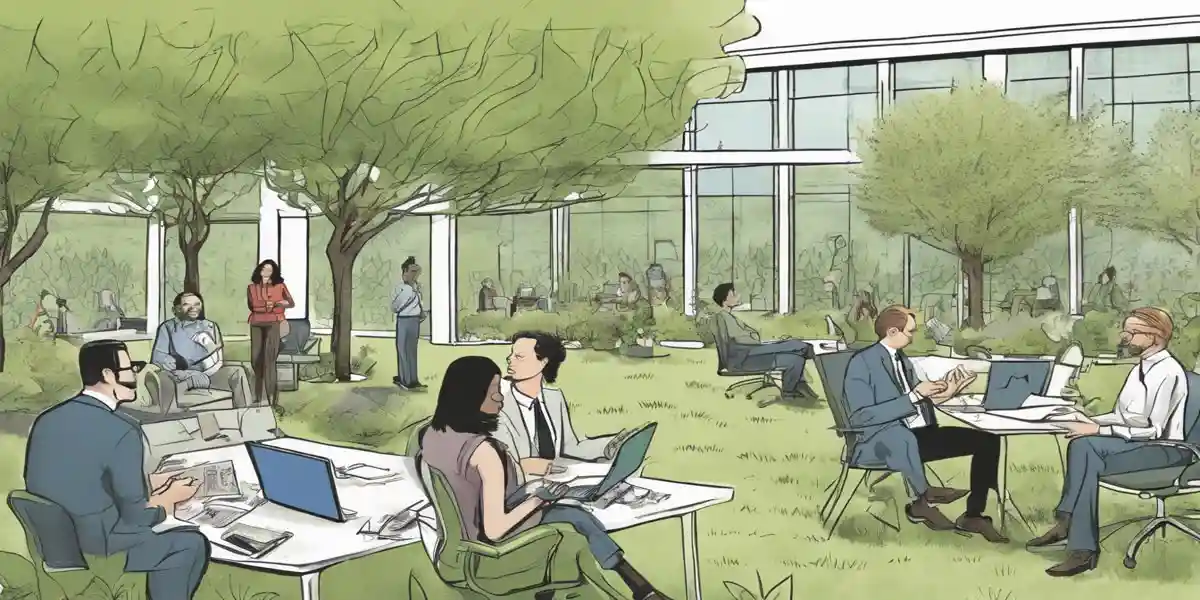
Incorporating natural wellness into workplace culture is about more than just aesthetics; it's a holistic approach that can significantly enhance employee well-being and productivity. Here are some practical strategies for organizations looking to embrace this transformative method.
Imagine brainstorming sessions held in the fresh air, surrounded by trees and greenery. Research has shown that natural environments can lower blood pressure, reduce anxiety, and improve overall mood. Companies can initiate outdoor meetings in local parks or gardens, allowing employees to enjoy nature while collaborating. For example, a tech firm in San Francisco moved its weekly team meetings to a nearby botanical garden, resulting in increased creativity and engagement among team members.
Transforming unused areas of the workplace into green spaces can provide employees with a much-needed escape from the hustle and bustle of office life. A scoping review found that approximately 70% of studies point to a positive association between access to green spaces and mental health and well-being. By introducing onsite gardens, rooftop plants, or even small green nooks, companies can create a calming environment conducive to relaxation and rejuvenation. For instance, a financial services company in London established a rooftop garden that became a popular spot for employees to unwind during breaks, leading to a noticeable drop in stress levels and an increase in job satisfaction.
Offering guided nature walks or mindfulness sessions in natural settings can significantly enhance mental clarity and reduce stress. A workplace stress management program at a global IT company demonstrated that incorporating outdoor activities into their wellness strategy led to substantial reductions in blood pressure and improvements in emotional health. Participants who engaged in outdoor mindfulness practices reported feeling more connected to their surroundings and less overwhelmed by workplace pressures.
Combining technology with nature-centric practices can elevate the experience of natural wellness in the workplace. For example, organizations can develop apps that remind employees to take outdoor breaks or engage in virtual reality experiences that simulate nature. A notable example is a mobile app created by a wellness startup that encourages employees to step outside for short breaks, with features that track mood and stress levels before and after these breaks. Early adopters of this technology have reported enhanced focus and productivity, as well as reduced feelings of burnout.
The quality of green spaces is just as important as access. A study of urban parks in Bradford, UK, highlighted that biodiversity significantly predicted the restorative benefit of green spaces. Therefore, organizations should aim to create diverse plant life within their outdoor spaces. This can include native plants that attract local wildlife, promoting a sense of connection to the environment. A tech company in Berlin successfully integrated a variety of plants and local flora into their office courtyard, which not only enhanced the aesthetic appeal but also became a habitat for birds and butterflies, enriching the workplace environment.
Organizations can also engage in multi-sectoral collaborations to maximize the benefits of green spaces. Partnerships with local governments or environmental organizations can lead to the development of community green spaces that benefit both employees and the surrounding community. For instance, a corporate partnership in New York City led to the planting of street trees in the neighborhood, enhancing air quality and providing a more pleasant environment for both employees and local residents. This type of initiative not only supports employee wellness but also contributes to broader community health and environmental goals.
To ensure the effectiveness of natural wellness initiatives, companies should implement systems for continuous assessment and feedback. This could involve surveys to gauge employee satisfaction with new outdoor spaces or wellness programs, as well as tracking health metrics such as stress levels and productivity. By regularly evaluating the impact of these initiatives, organizations can adapt and refine their approaches to better meet the needs of their workforce.
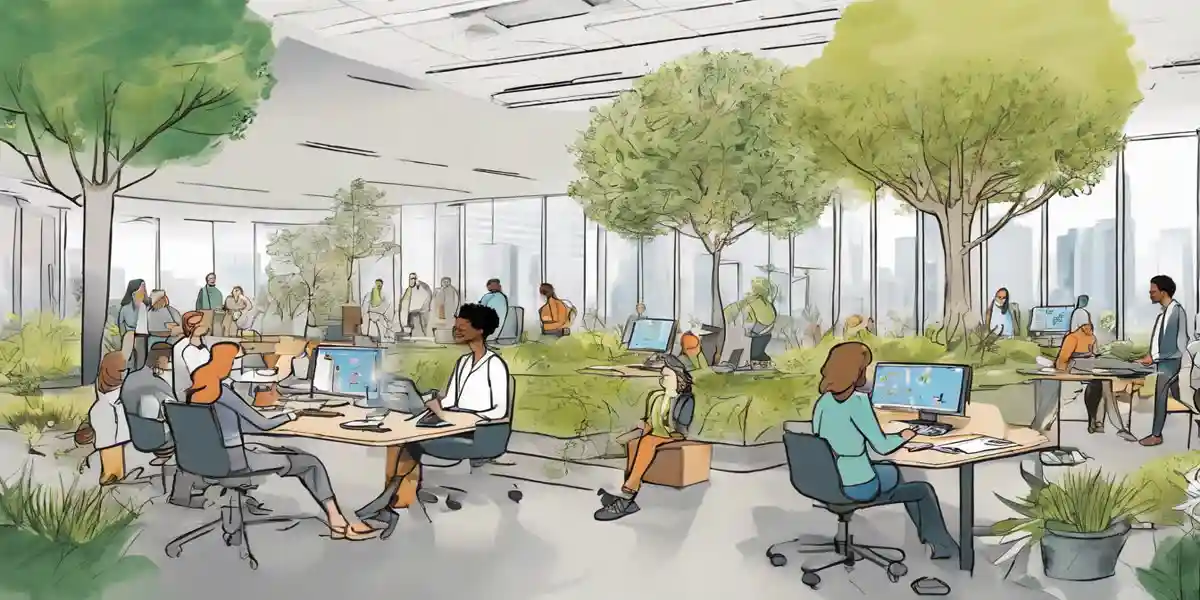
At the heart of revitalizing employee wellness programs lies the concept of creating a supportive environment—one that actively promotes mental and physical well-being through the integration of nature-centric initiatives. This approach revolutionizes traditional workplace wellness strategies, advocating for a culture that embraces the outdoor therapeutic benefits of nature.
Research has consistently shown that access to green spaces contributes significantly to mental health and overall well-being. A scoping review of 263 studies found that around 70% reported a positive correlation between green space (GS) availability and mental health and well-being (HWB) outcomes. This correlation emphasizes the need for organizations to not only recognize the benefits of green environments but also to actively incorporate them into their workplace culture.
Imagine a workplace where brainstorming sessions occur in a park instead of a sterile conference room. Companies like Salesforce have adopted this model, organizing outdoor meetings that not only invigorate creativity but also enhance team bonding. Such practices allow employees to connect with nature, fostering an environment that reduces stress and boosts productivity.
Another innovative approach is the creation of onsite green spaces. Google, for instance, has invested in creating gardens and relaxation areas within its campuses, allowing employees to step away from their desks and recharge amidst greenery. This has been linked to lower blood pressure and reduced anxiety levels, as highlighted in numerous studies. The presence of trees and plants in the workplace has been shown to mitigate feelings of fatigue and depression, ultimately leading to a more engaged workforce.
Offering guided nature walks or mindfulness sessions in natural settings can significantly enhance mental clarity. A study evaluating stress management programs revealed that workplace interventions focusing on nature exposure resulted in improved emotional health. Participants reported reduced levels of stress and depression, alongside increased satisfaction at work. This demonstrates the tangible benefits of structured outdoor activities as part of wellness programs.
Not all green spaces are created equal. Research from Bradford, UK, reveals that the quality of green spaces significantly impacts psychological well-being. The study found a strong correlation between site facilities, biodiversity, and psychological restoration. For instance, parks that were rich in biodiversity not only provided aesthetic pleasure but also enhanced the restorative experience for users. This insight encourages organizations to focus not just on quantity but also on the quality of green environments in their wellness initiatives.
As we move forward, the integration of technology can further enhance the efficacy of nature-centric wellness initiatives. Virtual reality experiences that simulate natural settings can be utilized for employees unable to access outdoor spaces regularly. Furthermore, apps encouraging outdoor breaks or guided mindfulness in nature can facilitate a deeper connection to the natural world, fostering a healthier workplace culture.

Engaging employees in wellness activities is pivotal for the success of any wellness program. By moving beyond traditional metrics, such as gym memberships and health screenings, companies can foster a culture that prioritizes holistic wellness through nature-centric initiatives.
One innovative approach is to hold outdoor meetings. Instead of the typical conference room setting, imagine employees gathering in local parks or gardens. This shift not only refreshes the work environment but also leverages the natural benefits of green spaces for mental clarity. For instance, a study mapping the relationship between green spaces and mental health found that approximately 70% of the reviewed studies indicated a positive association between green space exposure and overall well-being. This highlights the potential for outdoor meetings to enhance creativity and reduce stress levels during brainstorming sessions.
Companies can further enhance employee engagement by creating onsite green spaces. These areas allow employees to escape the hustle of their workdays and recharge amidst nature. A notable example can be seen in tech companies like Google, which have integrated lush gardens and rooftop green areas into their campuses. Such features not only beautify the workplace but also promote biodiversity—an essential element for psychological restoration. Research indicates that biodiversity can predict up to 43% of the variance in restorative benefits experienced by individuals in green spaces.
Another effective strategy is to offer guided nature walks or mindfulness sessions in natural settings. These activities can significantly enhance mental health, as exposure to nature has been shown to lower blood pressure and reduce anxiety. For example, a workplace stress management program demonstrated that participants who engaged in nature-based stress reduction techniques reported significant improvements in emotional health and overall workplace satisfaction. Integrating such initiatives into a company's wellness program could lead to not only healthier employees but also increased productivity and reduced absenteeism.
Looking to the future, the integration of technology with nature-centric practices can further engage employees in wellness activities. For instance, mobile apps that encourage outdoor breaks or virtual reality experiences set in serene natural environments can be powerful tools for promoting mental health. By redefining wellness to include both physical activity and mental rejuvenation through nature, organizations can cultivate a thriving workforce.
Furthermore, the development of green spaces can also serve as a multi-sectoral collaboration aimed at addressing chronic health conditions while benefiting the environment. A study highlighted that access to green spaces correlates with reductions in issues such as anxiety and obesity. By collaborating with local governments and environmental organizations, companies can create vibrant green spaces that not only improve employee well-being but also contribute positively to the community at large.

As we navigate the complexities of modern work environments, the integration of "Nature-Centric Wellness Initiatives" emerges as a pivotal strategy for fostering a thriving workforce. This approach not only prioritizes employee health but also reshapes corporate culture to embrace the restorative benefits of nature.
Imagine walking into a workplace where the walls are adorned with greenery, and the air is imbued with the freshness of the outdoors. Research consistently highlights the profound impact of green spaces on mental health and well-being. A scoping review revealed that approximately 70% of the 263 studies analyzed showed a positive correlation between green spaces and mental health outcomes. However, the challenge lies in the variability of study designs and definitions, underscoring the need for further research to solidify these findings.
For instance, a study conducted in Bradford, UK, assessed the quality of urban parks and their psychological benefits. It was found that biodiversity within these green spaces was a critical factor, predicting 43% of the variance in restorative benefits. This emphasizes that not all vegetation is equally effective in enhancing well-being; rather, the quality and biodiversity of these environments play a significant role. By creating diverse and well-maintained green spaces in the workplace, companies can directly contribute to their employees’ mental wellness.
The dual threats of climate change and chronic diseases present an urgent call for action. Green spaces not only promote psychological well-being but also serve as a remedy for physical health issues. Access to such areas has been linked to reductions in anxiety, obesity, and cardiovascular conditions. An example of successful multi-sectoral collaboration can be seen in urban development projects that strategically enhance green spaces while addressing health disparities and environmental concerns. These initiatives not only improve community well-being but also promote a healthier workforce.
Consider the successful implementation of workplace stress management programs in global corporations, which have demonstrated significant health benefits. A study involving employees at a major IT company highlighted that a 16-hour stress-reduction intervention led to noteworthy decreases in both systolic and diastolic blood pressure, alongside improvements in emotional health indicators. These findings reveal that effective wellness programs can contribute to a more productive workforce and lower healthcare costs, creating a win-win scenario for both employees and employers.
Looking ahead, the fusion of technology and nature-centric practices offers exciting possibilities. Imagine virtual reality experiences that transport employees to serene natural settings during their breaks, or mobile apps that remind them to take outdoor walks. By combining traditional wellness metrics with these innovative approaches, organizations can redefine what wellness means in the workplace, creating a culture where employees feel rejuvenated and engaged.

This section explores how integrating nature-centric wellness initiatives can transform workplace culture and enhance employee well-being.
Imagine stepping into your workplace, and instead of being greeted by the sterile walls of an office, you find yourself surrounded by greenery. This is not merely a dream; it's a feasible reality that can significantly enhance employee wellness. By prioritizing natural environments, companies can move beyond traditional wellness metrics—like gym memberships—to a holistic approach that recognizes the profound benefits of nature.
For example, companies can implement outdoor meetings held in nearby parks, allowing employees to breathe in fresh air while discussing ideas. This shift in environment not only boosts creativity but also reduces the stress typically associated with confined office spaces. Google has famously embraced such initiatives, incorporating outdoor areas and even rooftop gardens in their campuses to promote collaboration and relaxation.
Onsite green spaces are another vital component of nature-centric wellness initiatives. Research indicates that proximity to green spaces correlates with improved mental health outcomes. A scoping review of 263 studies revealed that approximately 70% of them demonstrated a positive association between green spaces and mental health and well-being (HWB). This highlights the importance of integrating green areas into the workplace for fostering psychological well-being.
Consider the case of a global IT company that transformed an underutilized section of their office into a small garden. Employees reported feeling less stressed, and productivity noticeably increased. Incorporating elements like benches, pathways, and biodiversity can further enhance these spaces. A study conducted in Bradford, UK, found that the quality of green spaces—specifically biodiversity—predicted 43% of the variance in psychological restoration experienced by users. It suggests that not all vegetation is equally beneficial; enhancing biodiversity in these areas can optimize restorative benefits.
Offering guided nature walks or mindfulness sessions in natural settings can significantly enhance mental clarity and reduce stress levels. Studies show that exposure to nature lowers blood pressure, alleviates anxiety, and boosts mood. For instance, a workplace stress management program demonstrated that participants who engaged in nature-based activities experienced significant reductions in both systolic and diastolic blood pressure, alongside improved emotional health indicators.
Such initiatives could be easily integrated into existing wellness programs. Organizations like Patagonia have pioneered this approach, encouraging employees to take "nature breaks" during the workday. By simply stepping outside for a short walk in a natural setting, employees can recharge and return to work more focused and productive.
Looking toward the future, the integration of technology with nature-centric practices could further enhance employee wellness. Virtual reality (VR) experiences that simulate natural environments allow employees to escape into serene landscapes without leaving their desks. Additionally, apps that track outdoor time and encourage breaks in nature can reinforce these habits.
Ultimately, by redefining wellness in the workplace to include nature as a central component, organizations can cultivate a culture where employees thrive both mentally and physically. The strategic development of green spaces, outdoor initiatives, and technology-driven solutions can create a genuinely healthier workforce.
As we navigate the complexities of modern work environments, the integration of "Nature-Centric Wellness Initiatives" emerges as a pivotal strategy for fostering a thriving workforce. This approach not only prioritizes employee health but also reshapes corporate culture to embrace the restorative benefits of nature.
Imagine walking into a workplace where the walls are adorned with greenery, and the air is imbued with the freshness of the outdoors. Research consistently highlights the profound impact of green spaces on mental health and well-being. A scoping review revealed that approximately 70% of the 263 studies analyzed showed a positive correlation between green spaces and mental health outcomes. However, the challenge lies in the variability of study designs and definitions, underscoring the need for further research to solidify these findings.
For instance, a study conducted in Bradford, UK, assessed the quality of urban parks and their psychological benefits. It was found that biodiversity within these green spaces was a critical factor, predicting 43% of the variance in restorative benefits. This emphasizes that not all vegetation is equally effective in enhancing well-being; rather, the quality and biodiversity of these environments play a significant role. By creating diverse and well-maintained green spaces in the workplace, companies can directly contribute to their employees’ mental wellness.
The dual threats of climate change and chronic diseases present an urgent call for action. Green spaces not only promote psychological well-being but also serve as a remedy for physical health issues. Access to such areas has been linked to reductions in anxiety, obesity, and cardiovascular conditions. An example of successful multi-sectoral collaboration can be seen in urban development projects that strategically enhance green spaces while addressing health disparities and environmental concerns. These initiatives not only improve community well-being but also promote a healthier workforce.
Consider the successful implementation of workplace stress management programs in global corporations, which have demonstrated significant health benefits. A study involving employees at a major IT company highlighted that a 16-hour stress-reduction intervention led to noteworthy decreases in both systolic and diastolic blood pressure, alongside improvements in emotional health indicators. These findings reveal that effective wellness programs can contribute to a more productive workforce and lower healthcare costs, creating a win-win scenario for both employees and employers.
Looking ahead, the fusion of technology and nature-centric practices offers exciting possibilities. Imagine virtual reality experiences that transport employees to serene natural settings during their breaks, or mobile apps that remind them to take outdoor walks. By combining traditional wellness metrics with these innovative approaches, organizations can redefine what wellness means in the workplace, creating a culture where employees feel rejuvenated and engaged.
In conclusion, as you reflect on the potential of integrating natural wellness into your employee programs, consider how you can take actionable steps to reshape your workplace culture. Whether it’s creating green spaces, organizing outdoor activities, or embracing technology that connects employees with nature, the path toward a thriving workforce starts with a commitment to holistic well-being. How will you harness the power of nature to revitalize your workplace and ensure that your employees not only survive but thrive?

Get notified about new articles, coffee tips, and Web3 insights.
This site participates in affiliate programs and may earn a commission when a link is clicked and a purchase is made. The site is not responsible for any issues or troubles related to the products or services purchased through the use of this site.

DO&COFFEE loves coffee and technology, exploring the potential of NFTs and blockchain. Learn more →
DO&COFFEE loves coffee and technology, exploring the potential of NFTs and blockchain. Learn more →