coffee
2024/09/02
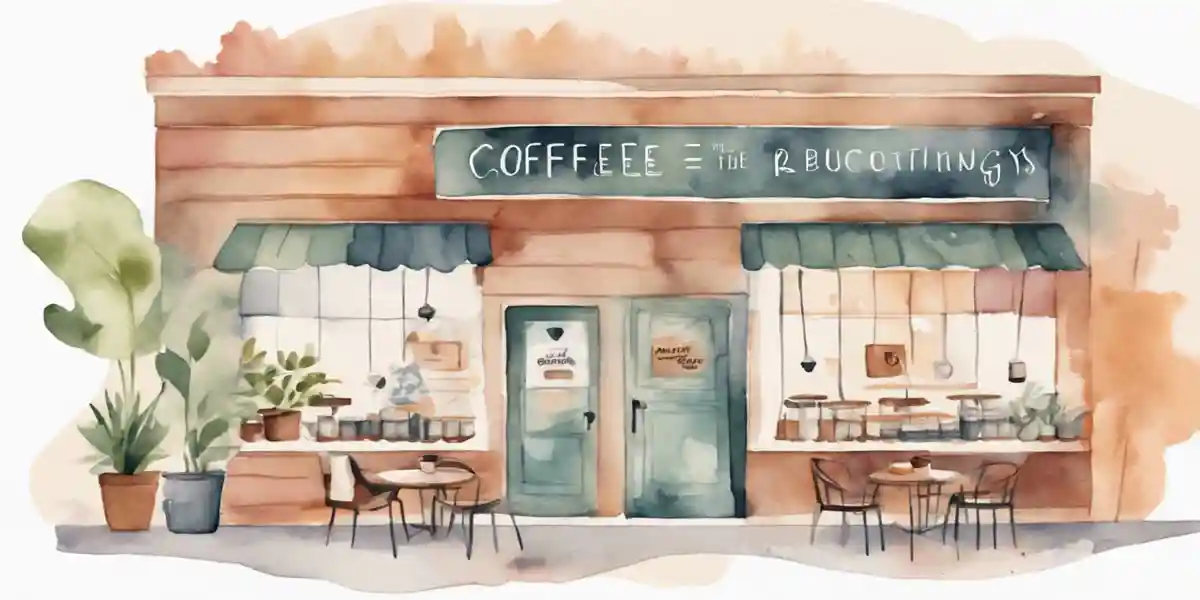
Have you ever taken a moment to savor your cup of coffee and wondered about the journey it took to reach your hands? In "Discovering the Best Coffee Roasters: Savoring Good Coffee and Building Community Connections," we embark on an exploration that reveals not just the exquisite flavors of coffee, but also the rich tapestry of craftsmanship and community that surrounds it. Coffee roasters are more than mere suppliers; they are the heartbeats of their neighborhoods, connecting local residents, artists, and entrepreneurs through a shared love for this beloved beverage.
This blog post will take you on a journey through the art and science of coffee roasting, emphasizing the importance of quality and the stories behind each unique brew. We'll delve into the criteria for evaluating the best coffee roasters, showcasing recommendations that highlight the dedication and innovation found in local coffee shops. Furthermore, we will explore how these establishments contribute to their communities, supporting local farmers and fostering social initiatives that bring people together. By engaging with roasters and patrons alike, we'll uncover the profound impact of these local hubs and the vibrant culture they help create.
Ultimately, this is about more than just enjoying a cup of coffee; it's about recognizing that each sip carries with it a story—a story that connects us all and celebrates the artistry of those who dedicate their lives to the craft. Join us as we discover the best coffee roasters and the connections they help forge in our communities.
The Art and Science of Coffee Roasting
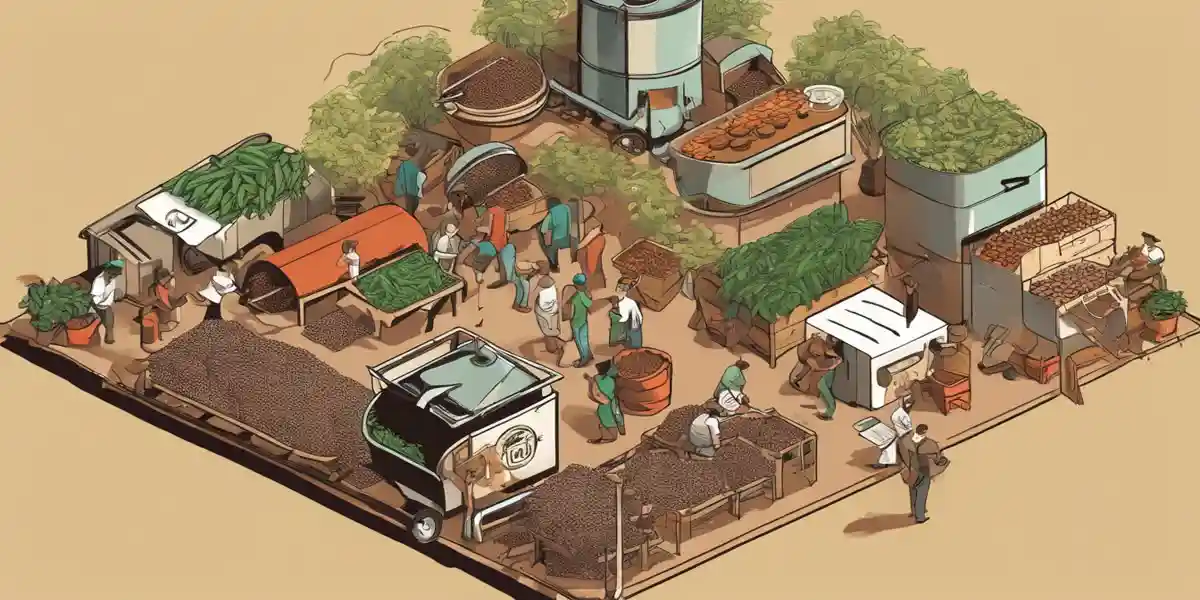
At the heart of every exquisite cup of coffee lies a complex interplay of art and science—an alchemical process that transforms raw green beans into the rich, aromatic delight we savor. Understanding this process not only enhances our appreciation for coffee but also connects us to the passionate artisans behind the roasters. Let's dive into the intricacies of coffee roasting, exploring the methods, techniques, and community connections that make it a revered craft.
The roasting process begins with green coffee beans, which are packed with potential but lack the flavors we associate with our morning brew. As beans are heated, they undergo a series of physical and chemical changes known as pyrolysis. This is where the magic happens—at temperatures between 350°F and 500°F (about 175°C to 260°C), the beans change color from green to yellow and eventually to various shades of brown, depending on the desired roast level.
For example, a light roast may only reach around 400°F (204°C), preserving the beans' original flavor characteristics, while a dark roast can exceed 450°F (232°C), resulting in a more pronounced smoky and bittersweet profile. Master roasters carefully monitor these temperatures, adjusting time and heat to coax out the nuances of each bean's origin. The roasting profiles can vary significantly, even among local roasters, allowing for a diverse range of flavors—think of the bright, fruity notes of Ethiopian beans versus the deep chocolate richness of Colombian varieties.
Beyond the technical aspects, the craft of coffee roasting is deeply intertwined with community. Local roasters often prioritize sourcing their beans directly from farmers, fostering relationships that ensure quality while supporting sustainable practices. For instance, many roasters in Jakarta, Indonesia, leverage their cultural significance in coffee, transforming their shops into social hubs where people gather to share stories over a cup of specialty coffee. This not only enhances the local economy but creates a shared space for community engagement and connection.
Moreover, coffee roasters often engage in community initiatives, such as collaborating with local artists to host events or workshops that showcase the intersection of coffee and culture. Imagine a cozy café in Portland hosting an art show featuring local artists, all while serving sustainably sourced coffee. This not only enriches the local culture but also deepens the roaster's connection with their patrons, creating a sense of belonging and shared experience.
As the coffee industry evolves, many roasters are adopting sustainable practices that not only benefit the environment but also enhance their competitive edge in the market. Research indicates a direct relationship between environmental sustainability and market success. Roasters who implement eco-friendly sourcing and production methods often attract a loyal customer base that values ethical consumption. This may include strategies like offering affordable, high-quality beans while ensuring that farmers receive fair compensation.
For example, a roaster might implement a triple bottom line approach, focusing on social, environmental, and economic sustainability. By aligning their business practices with these values, they not only contribute positively to the community but also cultivate a brand identity that resonates with socially conscious consumers.
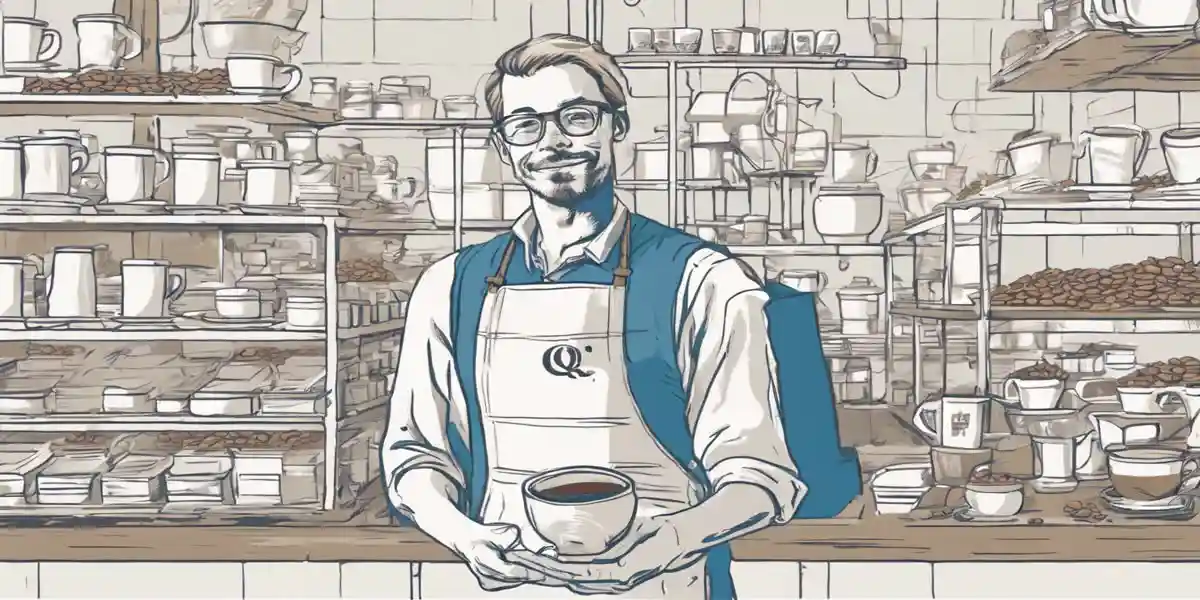
Quality in coffee is not merely an aesthetic choice; it is a fundamental aspect that influences taste, experience, and community engagement. From the bean's origin to the roasting technique, every step in the coffee production process plays a crucial role in defining quality. In this section, we will explore the significance of quality in coffee and how it impacts not just the flavor profile but also the broader community connections that local roasters foster.
The journey of coffee begins long before it reaches your cup. Quality sourcing is paramount, and it often starts with where the beans are grown. For instance, specialty coffee brands typically focus on high-altitude regions where the beans develop complex flavors due to slower maturation. A prime example is the coffee from the highlands of Ethiopia, known for its fruity and floral notes that capture the essence of the region's unique climate and soil.
Moreover, the roasting process is where the magic happens. Each roaster has a distinct approach that affects the final flavor. A roaster in Portland may emphasize light roasting techniques, bringing out the bright acidity and intricate flavors of the beans. In contrast, a roaster in Austin might favor a darker roast, producing a bold and rich cup. These choices reflect not only individual taste preferences but also the roaster's philosophy and connection to their community.
The quality of coffee is also deeply intertwined with cultural significance. In places like Jakarta, Indonesia, coffee is not just a beverage; it is a tradition that brings people together. Local coffee shops have emerged as vital community hubs where residents gather, share stories, and form connections. The success of these brands often hinges on their commitment to quality—offering products that are both affordable and well-sourced, thus fostering a sense of pride and belonging among local consumers.
Local coffee roasters often engage in sustainable practices, understanding that quality extends beyond taste to encompass environmental responsibility. For instance, a roaster that prioritizes direct-trade relationships with farmers not only guarantees high-quality beans but also supports the livelihoods of those producers. This approach aligns with a triple bottom line strategy—balancing profit, people, and the planet—demonstrating that quality in coffee can also mean ethical sourcing and sustainable production methods.
Take, for example, a roaster like Blue Bottle Coffee, which has built its reputation on the quality of its beans and meticulous brewing methods. Their commitment to freshness means coffee is roasted on demand, ensuring that customers receive the best possible product. This dedication to quality creates a loyal customer base and fosters community connections as patrons engage not just with the coffee but also with the roaster's story and mission.
Similarly, local roasters often host events that celebrate their community, featuring local artists, musicians, and food vendors. These gatherings not only elevate the coffee experience but also strengthen community ties. When customers know they are supporting a business that prioritizes quality in every aspect—be it sourcing, roasting, or community engagement—they feel more connected to the product and the people behind it.
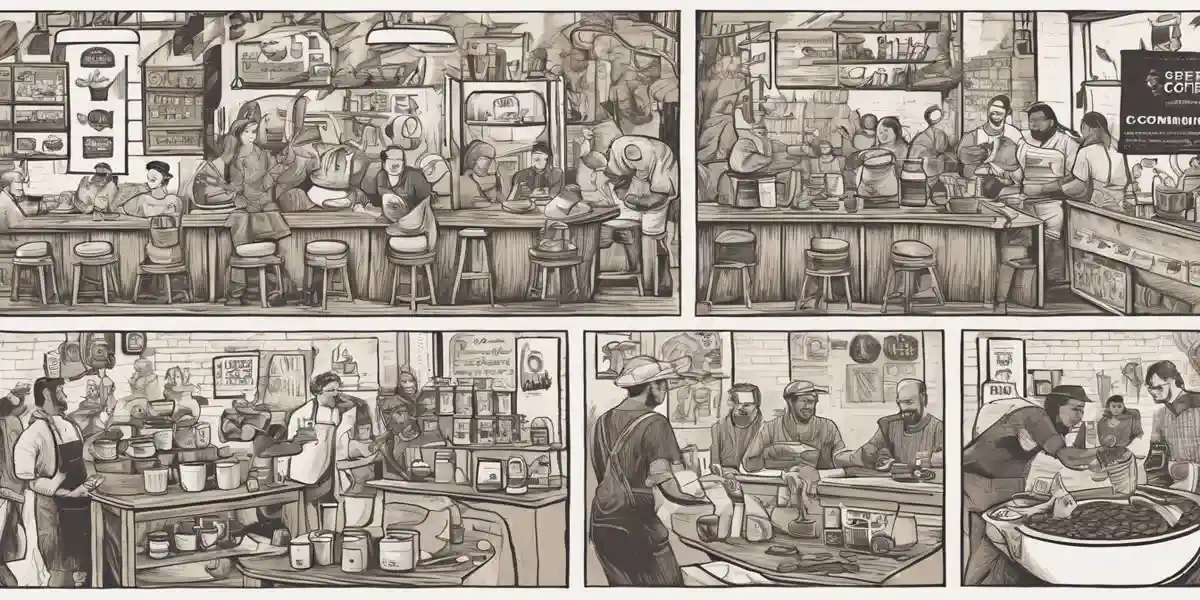
At the heart of every great cup of coffee lies the intricate dance of craftsmanship and community connection. Local coffee roasters are not merely businesses; they are storytellers, weaving narratives that reflect the culture, traditions, and innovations of their regions. This section delves into the philosophies, sustainable practices, and communal engagements of notable coffee roasters, highlighting their essential roles in both the coffee industry and their local communities.
One of the defining characteristics of exceptional coffee roasters is their commitment to sourcing high-quality beans through sustainable practices. For instance, consider a roaster in Portland that prioritizes direct trade relationships with farmers. This approach not only ensures that the beans are ethically sourced but also enhances the quality of the coffee by allowing roasters to select beans that meet their specific flavor profiles. By cultivating these relationships, roasters can tell a story of connection that resonates with consumers who value transparency and ethics in their purchases.
In cities like Jakarta, coffee shops have evolved into vital social hubs, fostering community engagement through shared experiences. Local coffee brands actively participate in cultural traditions, emphasizing their role in unifying families and friends over a shared love for coffee. These establishments often host events that showcase local artists, musicians, and food vendors, thereby reinforcing community ties. The success of these coffee shops illustrates how a simple beverage can serve as a catalyst for connection, encouraging dialogue and collaboration among diverse groups of people.
Beyond the beans and the brew, innovative brewing methods have become a hallmark of many local roasters. For example, a roaster in Austin might experiment with various brewing techniques, such as pour-over, siphon brewing, or nitro cold brew, to create distinctive flavor profiles that intrigue and delight customers. This innovation not only enhances the coffee experience but also attracts a curious clientele eager to explore the nuances of each cup. Collaborations with local bakeries further elevate the experience, allowing customers to enjoy thoughtfully paired pastries and treats that celebrate local culinary talent.
Local coffee roasters are significant contributors to their neighborhoods, supporting local economies by sourcing ingredients from nearby farms and employing local residents. This symbiotic relationship fosters a sense of pride and ownership within the community. Furthermore, as studies indicate, companies that adopt sustainable practices tend to achieve competitive advantages in the market. By focusing on environmental sustainability, these roasters not only cultivate goodwill among consumers but also position themselves as leaders in the evolving coffee landscape.
The essence of a coffee roaster often lies in its unique story—one that reflects the founder's journey, values, and vision. Interviews with roasters reveal how their personal experiences shape their branding and customer interactions. For example, a roaster may share how their travels in Colombia influenced their appreciation for specific coffee profiles, leading them to create a unique blend that honors those experiences. These narratives create a deeper connection with consumers, transforming each purchase into a meaningful exchange that goes beyond mere commerce.
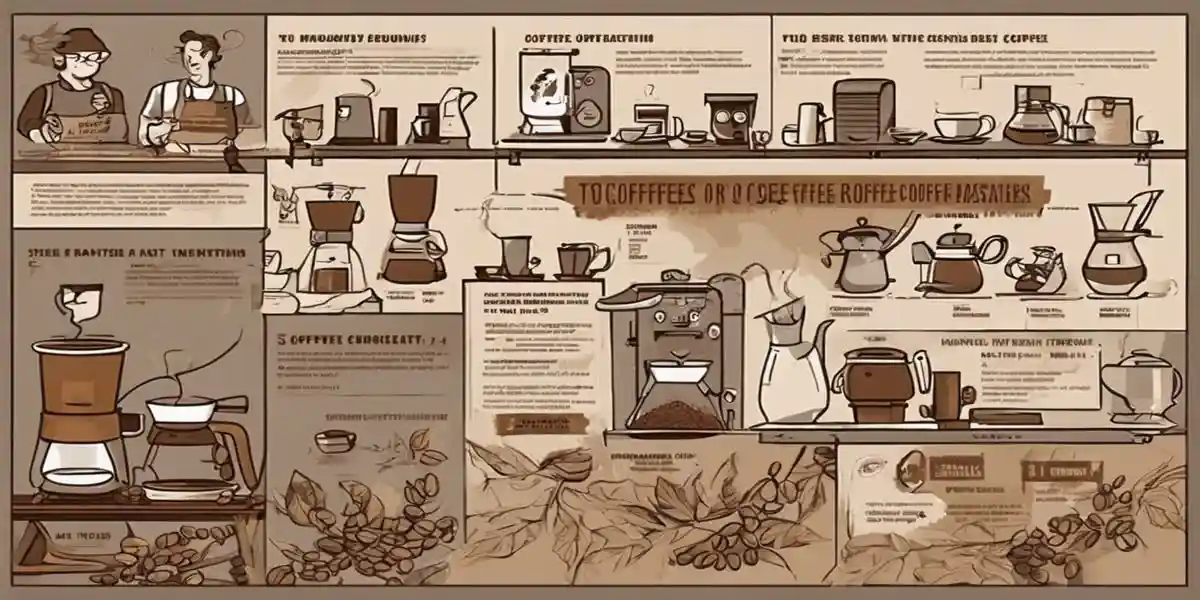
This section will guide you through the essential criteria for evaluating coffee roasters, ensuring that your next coffee adventure is not only flavorful but also meaningful.
The journey of a coffee bean begins long before it reaches your cup. Understanding how a roaster sources its beans is crucial. Look for roasters who prioritize direct trade or partnerships with farmers, ensuring fair wages and sustainable practices. For instance, many roasters in Portland have developed relationships with farmers in Latin America, focusing on direct trade that supports small-scale growers. This not only guarantees high-quality beans but also fosters community connections across continents.
Roasting is an art form that can significantly influence the flavor profile of coffee. Different techniques—such as light, medium, or dark roasting—bring out distinct taste notes. A roaster that takes the time to experiment with various roasting profiles can enhance the natural flavors of the beans. For example, a roaster might employ a lighter roast to highlight the fruity notes of Ethiopian beans, while opting for a darker roast to bring out the chocolatey richness of Brazilian coffee. Understanding these nuances can help you appreciate the craftsmanship involved in your brew.
In today's market, sustainability isn’t just a buzzword; it's a necessity. Roasters who incorporate sustainable practices—like eco-friendly packaging, energy-efficient roasting processes, and partnerships with organizations that promote environmental stewardship—demonstrate a commitment to the planet. Studies indicate that roasters who adopt sustainable practices not only contribute positively to the environment but also gain a competitive edge in the market. This is evident in many Jakarta coffee brands, which emphasize sustainability while attracting a growing customer base. When you choose a roaster that aligns with sustainable principles, you are making a conscious choice that extends beyond taste.
Great coffee roasters often serve as community hubs, providing spaces for locals to gather and connect. Look for roasters who host events, collaborate with local artists, or support social initiatives within their neighborhoods. For example, a coffee shop in Austin might regularly showcase local musicians or collaborate with nearby bakeries for fresh pastries, creating a vibrant atmosphere that fosters community spirit. This engagement not only enriches the local culture but also enhances your experience as a coffee drinker.
The experience you have at a coffee roaster can greatly influence your perception of their brand. Evaluate how knowledgeable and passionate the staff are about their products. Do they offer tastings or educational workshops? A roaster that invests in customer education, like hosting cupping sessions, allows you to explore various flavor profiles and deepen your appreciation for coffee. This hands-on approach can create a more personal connection to the coffee you enjoy.
Finally, quality and consistency in the final product are paramount. A good coffee roaster should deliver consistently great coffee, regardless of the batch. Tasting coffee from different roasters can help you identify those who excel in this area. Pay attention to reviews and seek recommendations from fellow coffee enthusiasts. A roaster known for their exceptional quality, such as a well-regarded brand in Jakarta that thrives on customer loyalty, often has a dedicated following that can attest to their excellence.
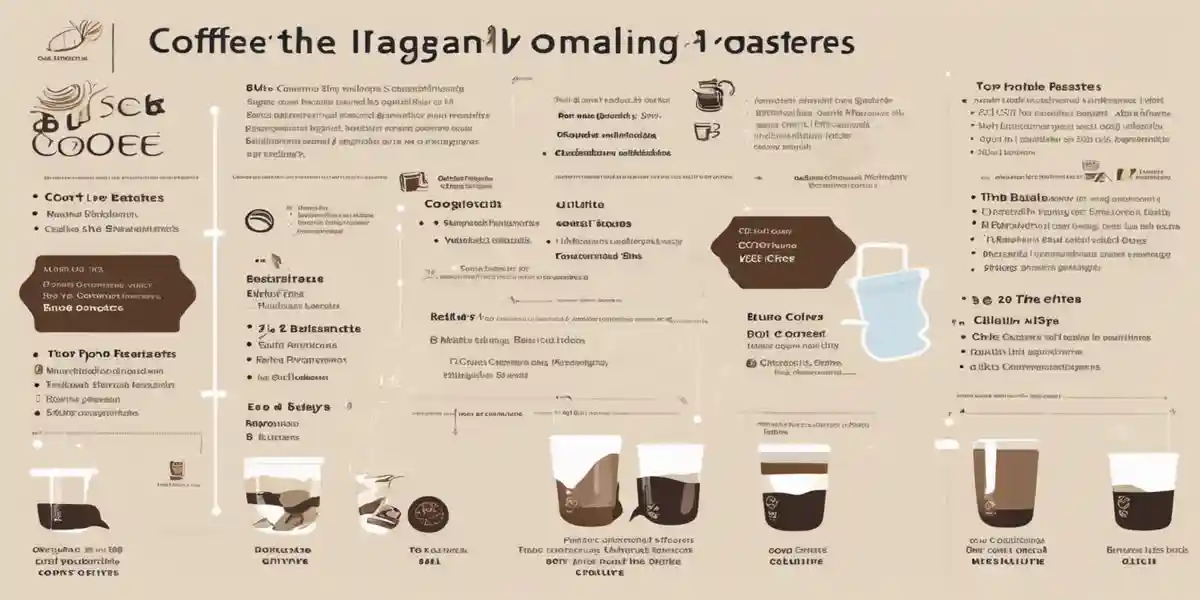
In the quest to discover the best coffee roasters, it's essential to recognize the unique characteristics that set each apart. From their sourcing practices to their community engagement, the following recommendations highlight roasters that exemplify quality and connection.
Known for their meticulous approach to coffee, Blue Bottle Coffee champions freshness by roasting their beans to order. Their commitment to sustainability is evident through their direct trade relationships with farmers. For instance, they emphasize sourcing from farms that practice environmentally responsible methods. With locations across California and beyond, Blue Bottle not only serves exceptional coffee but also creates community spaces where people can gather and appreciate the craft of brewing.
Hailing from Milwaukee, Colectivo Coffee is a pioneer in sustainable coffee practices. They focus on direct trade, ensuring that farmers receive fair compensation while maintaining high-quality standards. Their roasting technique emphasizes the unique flavor profiles of each bean, with a range of offerings from bright and fruity to deep and chocolatey. Colectivo also engages with the community by hosting art exhibitions and music events in their cafes, creating a vibrant hub for local culture.
Onyx Coffee Lab is not just about great coffee; it's about innovation in the coffee industry. They embrace transparency in sourcing, often showcasing the journey of their beans from farm to cup. Their roasting philosophy is rooted in highlighting the inherent flavors of the beans, utilizing various methods to bring out distinct notes. Onyx has also established a strong presence in the community, offering educational workshops and cupping sessions that invite coffee lovers to deepen their understanding of the craft.
In the bustling coffee landscape of Jakarta, Kopi Kenangan stands out by blending traditional Indonesian coffee culture with modern tastes. Their commitment to quality sourcing and affordability has made them a go-to spot for locals. They emphasize the cultural significance of coffee as a unifying tradition, creating spaces where people can connect over a shared love for the beverage. By fostering relationships with local farmers and engaging in social initiatives, Kopi Kenangan exemplifies how coffee can serve as a vehicle for community building.
Counter Culture Coffee is renowned for its strong emphasis on sustainability and education. They prioritize sourcing from farms that adhere to eco-friendly practices, directly linking environmental responsibility with competitive advantage. Their roasting techniques are designed to showcase the unique characteristics of the beans, and they often host cupping sessions and training for baristas and coffee enthusiasts alike. This commitment to education not only elevates the coffee experience but also fosters a deeper connection within the community.
These coffee roasters exemplify the intersection of craftsmanship and community engagement, each contributing uniquely to the coffee culture in their respective regions. By prioritizing sustainable practices, quality sourcing, and local connections, they not only deliver exceptional brews but also cultivate spaces for meaningful interactions.
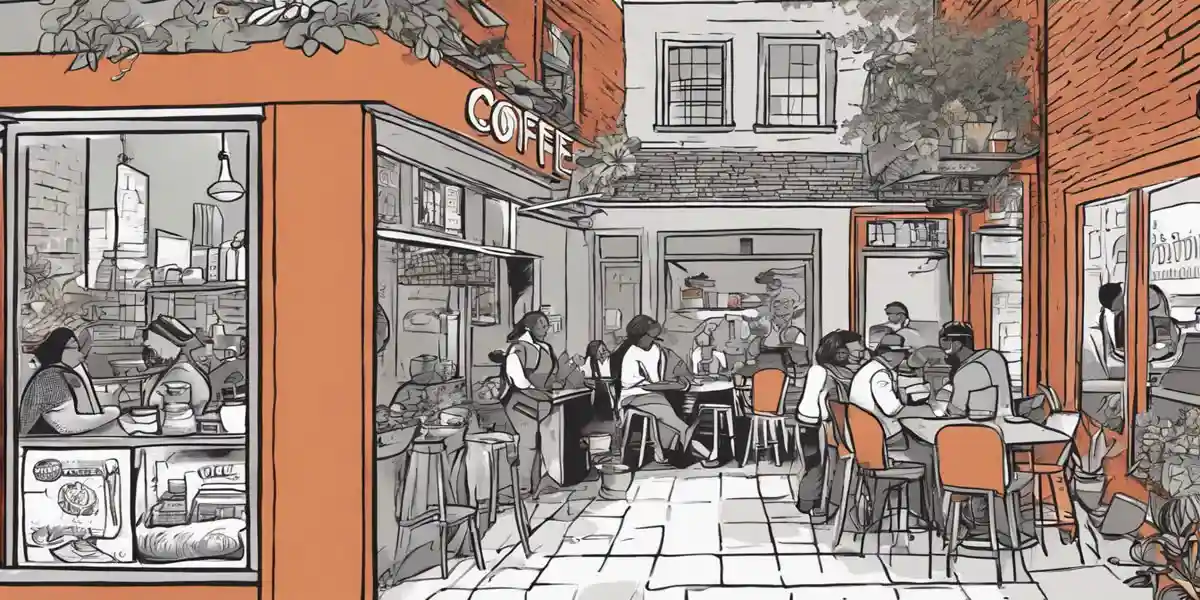
Local coffee roasters are not just places to grab a quick caffeine fix; they are vibrant community hubs that foster connections, creativity, and culture. By examining the stories behind these roasters, we can appreciate how they contribute to their neighborhoods and create unique experiences for their customers.
At the heart of every great coffee is the meticulous process of sourcing beans and roasting them to perfection. For instance, a roaster in Portland may prioritize sustainable, direct-trade beans, working closely with farmers to ensure fair pricing and quality. This commitment to ethical sourcing not only enhances the flavor profile of their brews but also strengthens their connection with the community. By hosting regular cupping events and workshops, they allow patrons to engage directly with the coffee-making process, creating a sense of ownership and appreciation for the craft.
Beyond just serving coffee, many local roasters engage with their communities by hosting events that spotlight local artisans and musicians. For example, in Austin, a popular coffee roaster collaborates with nearby bakeries to offer unique pairings of pastries and coffee, attracting food lovers and fostering a sense of camaraderie among local businesses. These events not only draw in a crowd but also create a welcoming atmosphere where people can connect over shared interests. This approach is echoed in Jakarta, Indonesia, where coffee shops have emerged as social hubs, blending the cultural significance of coffee with community engagement.
In an era where sustainability is paramount, many coffee roasters have adopted practices that align with the triple bottom line approach—people, planet, and profit. By sourcing beans from local farmers who practice sustainable agriculture, these roasters not only ensure high-quality products but also contribute to the local economy. For instance, a roaster might offer a special blend that features beans exclusively from a nearby farm, highlighting the flavors of their region while promoting responsible farming practices. This creates a direct link between the coffee served and the local agricultural community, fostering a deeper appreciation among consumers.
Many roasters recognize their potential to effect positive change within their communities. By engaging in social initiatives—such as supporting local charities or hosting fundraisers—these establishments demonstrate their commitment to community well-being. For example, a coffee shop in Jakarta might partner with local non-profits to provide job training for underprivileged youth, using their platform to uplift those in need. Such efforts transform coffee consumption into a meaningful act of support, creating a strong bond between the roaster and its patrons.
The personal stories of roasters often resonate deeply with customers, creating a sense of loyalty and connection. By sharing their journeys—whether it be overcoming challenges in the coffee industry or pursuing a passion for brewing—roasters invite customers into their world. This narrative approach engages patrons on a deeper level, making each cup of coffee a part of a larger story. Customers are not just purchasing a beverage; they are investing in the dreams and aspirations of those behind the counter.

At the heart of every thriving neighborhood often lies a coffee shop, serving not just as a venue for caffeine consumption but as a vital social hub that fosters community connections. The role of coffee shops in local communities extends beyond the craft of brewing; they are places where stories are shared, ideas are born, and social bonds are formed. This section explores the multifaceted impact of coffee shops on their communities, demonstrating how they act as catalysts for engagement and collaboration.
Imagine walking into a local coffee shop. The aroma of freshly roasted beans envelops you, the sound of espresso machines working in harmony fills the air, and you see familiar faces exchanging greetings. This scene is a testament to the role coffee shops play as community gathering spaces. They are more than mere businesses; they are the heartbeat of neighborhoods, where people from diverse backgrounds come together to connect.
In cities like Jakarta, Indonesia, coffee shops have emerged as essential social hubs, driven by cultural significance and the rising demand for specialty coffee. These local brands are not only catering to coffee aficionados but also fostering a sense of community. Through affordable pricing, quality sourcing, and customizable offerings, Jakarta's coffee shops attract a wide array of consumers, creating an inclusive environment that encourages social interaction. This is a prime example of how coffee can serve as a unifying tradition, bridging cultural divides and sparking conversations.
In the United States, the role of coffee shops can be seen vividly in cities like Portland and Austin. A Portland coffee roaster might emphasize sustainable, direct-trade beans, forging connections with local farmers and artists. By hosting community events that feature local musicians or art displays, these shops create vibrant spaces where creativity thrives and community spirit flourishes. Similarly, Austin's coffee roasters often focus on innovative brewing methods while collaborating with local bakeries to offer unique, co-created products. This not only enhances their coffee offerings but also strengthens ties with other small businesses in the area, promoting a sense of local pride.
Moreover, coffee shops contribute to their neighborhoods by engaging in social initiatives. Many roasters support local causes, whether through fundraising events or partnerships with nonprofit organizations. This active involvement not only enriches the community but also creates a loyal customer base that feels personally invested in the success of the coffee shop. For instance, a local roaster might host a monthly charity event where a portion of sales goes to support local education programs. This kind of engagement illustrates how coffee shops can blend commerce with community service, making a difference in the lives of residents.
Interviews with roasters and patrons provide valuable insights into how these establishments impact both individual lives and the larger community narrative. Patrons often describe coffee shops as their "third place," a comfortable space outside of home and work where they can relax, socialize, or even work remotely. This sense of belonging is critical in today’s fast-paced world, where genuine human connections are increasingly rare.
Ultimately, the role of coffee shops in local communities is profound. They are not just places to grab a quick cup of coffee; they are vibrant hubs that promote social interaction, support local economies, and contribute to the cultural fabric of their neighborhoods. In every cup of coffee, there lies an opportunity for connection, creativity, and community building, making coffee a true catalyst for engagement.
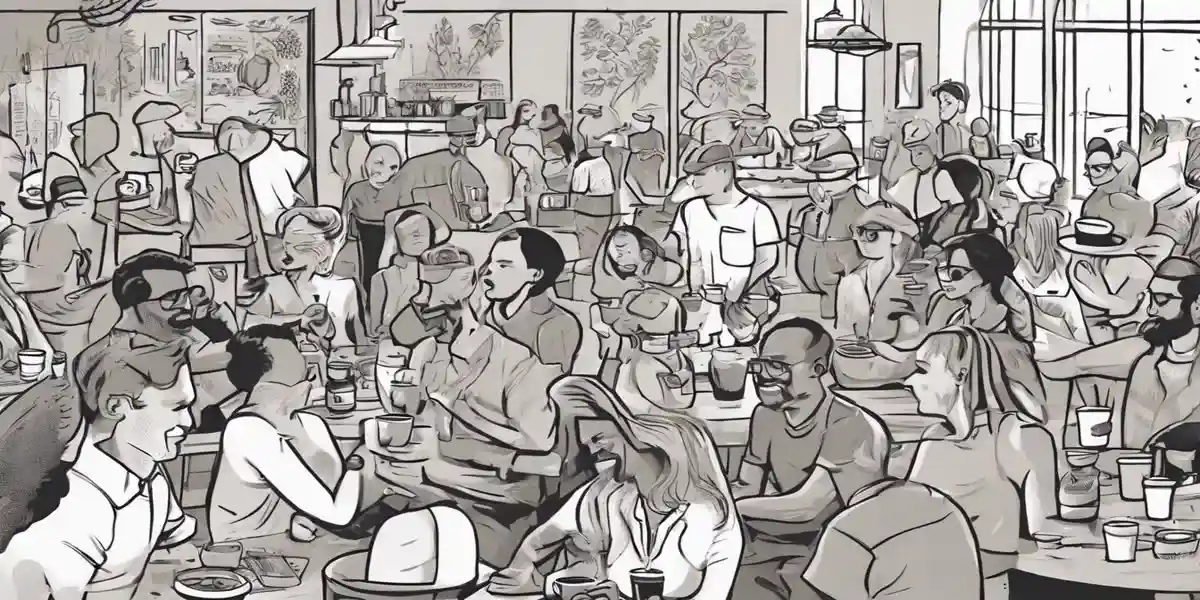
In the realm of coffee, the experience extends beyond the beverage itself; it encompasses a community of enthusiasts, artisans, and casual drinkers who share a passion for quality and culture. Events and initiatives organized by local coffee roasters are pivotal in fostering these connections and enriching the community experience.
Many coffee roasters host brewing competitions that invite amateur and professional baristas alike to showcase their skills. For instance, in Portland, the Oregon Coffee Festival brings together local roasters and coffee lovers to participate in various brewing contests. These events not only highlight the expertise of individual baristas but also promote friendly competition and camaraderie among participants. Attendees can learn about different brewing techniques and flavor profiles, creating a shared learning environment that enhances their appreciation for coffee.
Beyond brewing competitions, collaborations with local artisans also play a significant role in connecting coffee lovers. A perfect example is the “Coffee and Canvas” events held by roasters like Café Grumpy in New York City. These events allow participants to sip on unique brews while engaging in painting classes led by local artists. Such initiatives not only promote local talent but also create a relaxed, creative atmosphere where coffee connoisseurs can bond over shared interests. This reflects a broader trend where coffee shops serve as cultural spaces, much like the coffee shops in Jakarta that have emerged as essential social hubs for community engagement.
Some roasters take their community engagement a step further by incorporating social responsibility initiatives into their business models. For example, Intelligentsia Coffee has been known to host events that raise awareness and funds for sustainable coffee production practices, aligning with the findings of the recent study on sustainable coffee production and competitive advantage. By engaging customers in discussions around environmental sustainability, they not only enhance their brand’s credibility but also cultivate a community of informed consumers who value ethical sourcing and production methods.
Educational workshops are another effective way to engage coffee lovers and foster a sense of community. Roasters often organize cupping sessions where participants can learn about flavor profiles and bean origins. For instance, Blue Bottle Coffee frequently hosts workshops where attendees can taste beans from different regions and learn about the specific characteristics that define each origin. Such immersive experiences deepen appreciation for the craft of coffee, empowering participants to share their newfound knowledge with others and solidifying connections within the coffee community.
Moreover, many roasters emphasize their connection to local farmers by hosting events that celebrate regional agriculture. An example is the Farm-to-Cup initiative led by various local roasters in Austin, which brings farmers and consumers together for a day of tastings, discussions, and workshops. This not only educates participants about the sourcing of their coffee but also reinforces the importance of supporting local agriculture, creating a holistic view of the coffee supply chain.
These events and initiatives demonstrate that the world of coffee is rich with opportunities for connection, education, and community building. Each gathering, whether a competition, collaboration, or workshop, serves to weave together the diverse tapestry of coffee lovers, artisans, and local producers, ensuring that the love for coffee continues to thrive in a shared space of passion and creativity.
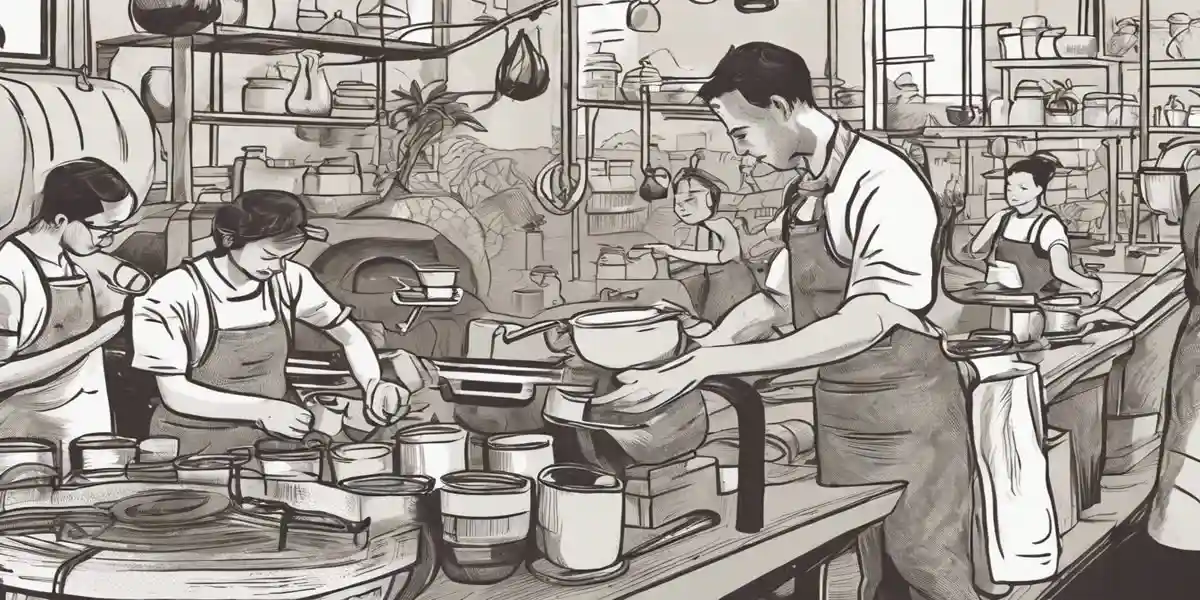
In our journey to uncover the best coffee roasters, we discover how these artisans blend technical skill with a strong sense of community. Each roaster’s approach to sourcing beans and roasting them is not just a recipe; it is a narrative that reflects local culture and values. This section will delve into the various philosophies and practices that make these roasters unique while highlighting their role in fostering community connections.
At the heart of any good coffee is the quality of the beans. Local roasters often prioritize direct trade relationships with farmers, ensuring that the beans are sourced responsibly and ethically. For instance, a roaster in Portland might collaborate directly with coffee farmers in Colombia, focusing on sustainable practices that benefit both the environment and the local economy. This not only guarantees high-quality beans but also fosters a sense of trust and fairness in the supply chain.
Moreover, the rise of specialty coffee has seen an increase in the customization of sourcing. Roasters are now more inclined to offer unique blends that highlight distinct flavor profiles from various regions. For example, a coffee roaster in Jakarta emphasizes local cultural significance, using beans that resonate with the traditional coffee-drinking customs of the area. This approach not only elevates the coffee experience but also reinforces the community’s identity.
The roasting process is where the magic truly happens. Each roaster employs different techniques, often fine-tuning them to bring out specific flavors inherent in the beans. For example, a roaster might use a lighter roast to accentuate the fruity notes of Ethiopian beans, while a darker roast could be applied to Brazilian beans to enhance their chocolatey undertones.
Technical innovations, such as the use of fluid bed roasters, are becoming more popular. These machines use hot air to roast the beans evenly, resulting in a more controlled and consistent flavor profile. Roasters who embrace these technologies often share their knowledge with the community, holding workshops that educate patrons about the intricacies of roasting. Such initiatives not only enhance the coffee culture but also build a strong community around a shared passion for quality brews.
Beyond serving exceptional coffee, local roasters are emerging as vital social hubs within their communities. These spaces are often designed to encourage interaction and collaboration. In cities like Austin, roasters may host events that feature local artists or musicians, creating an inviting atmosphere that fosters creativity and connection.
Furthermore, the role of coffee shops in Jakarta serves as an excellent example of this phenomenon. The coffee shops have become popular spots for people to gather, share ideas, and engage in meaningful conversations. This setting plays a crucial role in reinforcing social ties and community cohesion. The blending of commercial and specialty coffee within these spaces offers affordability and quality, allowing various demographics to come together over a shared love for coffee.
Many roasters take pride in supporting local economies through their business practices. By collaborating with local farmers and suppliers, they not only ensure fresh ingredients but also contribute to the economic health of their communities. This commitment to local sourcing aligns with the growing trend toward sustainability in the coffee industry.
The triple bottom line approach—balancing social, environmental, and economic considerations—has been adopted by many roasters. By implementing sustainable farming practices, they help reduce their environmental footprint and promote biodiversity. For example, a coffee roaster that emphasizes eco-friendly practices can cultivate a loyal customer base that values environmental responsibility as much as the quality of the coffee itself. This symbiotic relationship between sustainable practices and community engagement underscores the evolving landscape of the coffee industry.
In our quest to discover the best coffee roasters, we must first immerse ourselves in the rich tapestry of local coffee cultures that define communities around the globe. Each coffee roaster is not merely a business; it is a unique narrative that intertwines with the local identity, heritage, and social fabric. Take, for example, the coffee scene in Jakarta, Indonesia, where local brands have thrived by tapping into the cultural significance of coffee. Here, coffee is more than a beverage; it serves as a unifying tradition, fostering social connections and engagement.
In Jakarta, coffee shops have emerged as vital social hubs, offering spaces for community engagement. These establishments create environments where people gather, share stories, and forge connections over a cup of coffee. Local brands have cleverly tapped into this demand for community interaction by creating inviting atmospheres that resonate with the local culture. By offering affordable yet high-quality coffee, they attract a diverse clientele, from students to professionals, each seeking a slice of community life. This blending of commercial interests with social engagement exemplifies how coffee roasters can serve both economic and cultural purposes.
As we delve deeper into the craftsmanship of coffee roasting, it’s crucial to highlight the growing emphasis on sustainable practices. Recent studies have indicated that companies adopting environmentally sustainable strategies not only contribute positively to the planet but also enhance their competitive advantage. For instance, many roasters are now sourcing beans through direct-trade relationships, ensuring that farmers receive fair compensation while also maintaining high quality in production.
Consider a roaster in Portland that prioritizes sustainability in every aspect of its operation. By collaborating with local farmers and employing eco-friendly roasting techniques, they not only offer exceptional coffee but also contribute to the local economy and environmental health. This commitment to sustainability resonates with consumers who are increasingly aware of the impact of their choices, thereby fostering a loyal customer base that values ethical practices.

The exploration of local roasters also unveils a plethora of unique flavors that reflect the region’s agricultural diversity. Each roaster has a distinctive approach to flavor profiles and brewing methods, often influenced by the local climate and bean origins. In Austin, for instance, a roaster might experiment with innovative brewing techniques that highlight the fruity notes of Central American beans, while also collaborating with local bakeries to create complementary food pairings. This not only enhances the coffee experience but also strengthens community ties through collaboration and shared passion.
Incorporating interviews with both roasters and patrons can further enrich this narrative. These firsthand accounts provide valuable insights into how local coffee shops impact individual lives and the broader community. A roaster might share the story of how their business began as a small endeavor in their kitchen, driven by a love for coffee and a desire to connect with their neighbors. Patrons can recount the friendships formed over countless visits, underscoring the social significance of these establishments.
Such personal narratives not only humanize the coffee experience but also serve as a reminder of the stories that lie behind each cup. When you sip your coffee, do you ever wonder about the journey it took to reach you? The beans that were carefully sourced, the roasting techniques that brought out their best qualities, and the community connections that were formed in the process? Every cup of coffee is a story waiting to be uncovered.
In our exploration of the best coffee roasters, we have uncovered a rich tapestry of craftsmanship, community engagement, and cultural significance woven into every cup. From understanding the art and science of coffee roasting to recognizing the importance of quality sourcing and sustainable practices, each element contributes to an experience that transcends mere consumption. Local roasters not only bring unique flavors to our palettes but also foster vibrant community connections, turning coffee shops into essential social hubs.
We’ve discussed the criteria for evaluating coffee roasters—how their sourcing practices, roasting techniques, and community initiatives can enrich our coffee experience and elevate our local culture. The top recommendations highlighted in our journey, such as Blue Bottle Coffee and Kopi Kenangan, exemplify how commitment to quality and connection can make a significant impact in their respective communities.
Moreover, the events and initiatives organized by these roasters have proven to be a catalyst for collaboration and engagement among coffee lovers. Whether through brewing competitions, artisan collaborations, or educational workshops, these gatherings create opportunities for shared experiences that deepen our appreciation for coffee and the stories behind it.
As you embark on your own coffee journey, consider supporting local roasters that prioritize sustainability, quality, and community engagement. Every sip has the potential to connect you with not just the flavors of the beans, but also the rich narratives of the people behind them. So, the next time you indulge in a cup of coffee, ask yourself: What story does this cup tell, and how can I be a part of the community it nurtures?
Let your coffee experience be more than just a moment of caffeine; let it be a journey of connection and discovery.

Get notified about new articles, coffee tips, and Web3 insights.
This site participates in affiliate programs and may earn a commission when a link is clicked and a purchase is made. The site is not responsible for any issues or troubles related to the products or services purchased through the use of this site.

DO&COFFEE loves coffee and technology, exploring the potential of NFTs and blockchain. Learn more →
DO&COFFEE loves coffee and technology, exploring the potential of NFTs and blockchain. Learn more →