wellness
2024/09/07

In a world where our screens dominate our attention, it’s easy to feel overwhelmed, disconnected, and even a bit lost. Have you ever found yourself mindlessly scrolling through social media, only to realize hours have slipped away? If so, you’re not alone. But what if there was a refreshing antidote—a way to reclaim your time and restore your mental clarity? Enter urban hiking, a transformative practice that invites you to explore the hidden gems of your city while simultaneously taking a much-needed break from your devices. This blog post will guide you through the essence of urban hiking, revealing its myriad benefits for your physical health, mental well-being, and daily habits. By learning to embrace this mindful engagement with your surroundings, you’ll not only cultivate a greater appreciation for your environment but also foster a routine that prioritizes self-care and emotional connection. Ready to lace up your shoes and embark on an adventure that could revolutionize your daily life? Let’s dive into the world of urban hiking and discover how it can serve as your personal digital detox.

In today's fast-paced, technology-driven world, our screens have become an omnipresent force, often overshadowing the beauty of our surroundings and the richness of real-world experiences. As we navigate through an endless stream of notifications, emails, and social media feeds, we may find ourselves yearning for a way to disconnect and recharge. Urban hiking emerges as a compelling solution—a practice that not only promotes physical health but also enhances mental clarity and emotional well-being.
Consider this: how often do you find yourself mindlessly scrolling through your phone instead of engaging with the world around you? A study published in the journal Environmental Science & Technology indicates that excessive screen time can lead to increased feelings of stress and anxiety. In stark contrast, urban hiking offers a refreshing antidote, allowing individuals to immerse themselves in the vibrant tapestry of their cities. Imagine a Saturday morning where, instead of scrolling through social media, you lace up your shoes and step out to explore hidden trails, parks, and local art installations. This transition from digital to physical engagement fosters a mindful presence, compelling us to notice the intricate details we often overlook in our daily lives.
The health benefits of walking are well-documented. Research consistently shows that regular physical activity, such as walking, can significantly reduce symptoms of anxiety and depression. One study involving a pedometer-based walking intervention demonstrated that participants increased their daily steps by an average of 1,676, leading to notable improvements in mental health, vitality, and overall quality of life. This suggests that even a modest increase in physical activity—especially in the form of urban hiking—can yield substantial mental health benefits.
Urban hiking not only emphasizes physical activity but also encourages a deeper connection with our environment. Walking through green spaces has been shown to enhance mood and reduce stress. A study examining the psychological effects of walking in various National Trust sites in East England found significant improvements in visitors' self-esteem and mood after engaging with nature. This underscores the importance of greenspaces in promoting emotional well-being, particularly in our increasingly sedentary lifestyles. By integrating urban hiking into our routines, we can reclaim the mental tranquility that often eludes us in the digital chaos.
Beyond health benefits, urban hiking serves as a powerful tool for fostering social connections. Walking in groups can create opportunities for meaningful conversations, allowing us to deepen our relationships with friends, family, and even strangers. The act of walking together not only promotes physical activity but also enhances social capital—an essential component of mental health. As we traverse our cities on foot, we open ourselves to encounters that enrich our lives, enhancing our sense of belonging and community.
Incorporating urban hiking into your daily habits transforms it into a self-care ritual. Each hike presents an opportunity to reflect, breathe, and connect with both nature and your community. This practice encourages a collective movement towards more sustainable, walkable cities, prompting discussions about urban planning and environmental stewardship. By making this commitment, you not only prioritize your mental health but also contribute to a broader dialogue about how we can reshape our urban landscapes for the better.

Urban hiking is not just a means of physical activity; it is a transformative practice that invigorates both the body and mind. In a world dominated by screens, the prospect of exploring city landscapes on foot provides a refreshing escape from the digital noise that surrounds us. Imagine swapping your usual Saturday morning ritual of scrolling through social media for a day of adventure, where hidden trails and vibrant parks await your discovery.
Urban hiking is the art of exploring urban environments on foot, allowing individuals to engage with their surroundings in a dynamic way. This practice encourages you to look beyond the bustling streets and notice the intricate details that often go unnoticed, such as historical architectures, vibrant street art, and serene local parks. As you navigate your city, you transform an ordinary walk into an adventure filled with discovery and mindfulness.
Research shows that walking in general has profound implications for mental health. A white paper exploring the mental health benefits of walking found that while direct studies on urban hiking were limited, the broader findings on physical activity correlate strongly with reduced anxiety and depression. Walking—a readily accessible form of moderate exercise—has been linked to improvements in mood, cognitive functioning, and even social capital. For instance, a study involving patients in primary care settings demonstrated that increasing daily steps led to significant reductions in anxiety and depression scores, alongside improvements in overall health and vitality.
Urban hiking creates opportunities to connect with both nature and community. As you traverse local trails, you may encounter fellow hikers, fostering social interactions that can enhance your sense of belonging. The research emphasizes that social connections positively influence mental well-being, creating a supportive network that can help combat feelings of loneliness and isolation. These connections are particularly vital in an age characterized by digital interactions that often lack depth.
When you engage in urban hiking, you are compelled to be present in the moment. This mindfulness can reduce stress and anxiety, allowing your mind to reset in a way that is often hard to achieve in our fast-paced digital lives. For example, a study evaluating the immediate effects of walking in natural settings revealed significant improvements in self-esteem and mood, with participants reporting reductions in feelings of anger, depression, and tension. By immersing yourself in your surroundings—whether it's the rustling leaves in a park or the intricate patterns of urban architecture—you cultivate an appreciation for the world around you.
Incorporating urban hiking into your daily or weekly routine can become a powerful ritual of self-care. Each hike serves as an opportunity to reflect, breathe, and reconnect with your surroundings. This practice not only promotes physical activity but also encourages deeper conversations about sustainability and urban planning. By advocating for more walkable cities, urban hiking becomes a collective movement towards healthier, happier communities.
Many cities around the world have embraced the concept of urban hiking, creating trails that highlight their unique landscapes and histories. For instance, in San Francisco, the Golden Gate Park offers a network of trails that lead through lush gardens and scenic views, while the High Line in New York City transforms an old rail track into an elevated park filled with art installations and greenery. These spaces not only provide a break from the concrete jungle but also encourage residents and visitors alike to engage with their cities actively.
As you lace up your hiking shoes, remember that urban hiking is more than just exercise; it’s a way to reclaim your time and focus. By stepping away from screens and immersing yourself in the vibrant tapestry of your city, you can foster a healthier relationship with both your environment and your mental well-being.

Urban hiking is an innovative and refreshing approach to exploring city landscapes on foot. In a time when screens often dominate our attention, this practice serves as a transformative antidote that not only promotes physical health but also fosters mental clarity and emotional well-being. Imagine stepping away from your daily digital distractions and embarking on an adventure through your city, discovering hidden trails, vibrant parks, and intriguing urban art along the way.
At its core, urban hiking is about engaging with your environment in a more mindful way. Rather than simply walking from point A to point B, urban hiking encourages you to immerse yourself in the rich tapestry of your surroundings. You'll find yourself appreciating the intricate architecture of historical buildings, the tranquility of local green spaces, and the spontaneous beauty of street art. This mindful engagement compels you to be present, noticing the details that often go overlooked in our fast-paced lives. It’s a form of walking that elevates a mundane stroll into a captivating exploration of urban life.
The concept of urban hiking acts as a vital digital detox. As we constantly battle the barrage of notifications and digital noise, stepping into the world outside provides a necessary break. This disconnect from our devices not only allows us to reset our minds but also fosters a deeper connection with our local community. By choosing to lace up your shoes instead of scrolling through social media, you are making a conscious decision to prioritize your mental health and well-being.
The mental health benefits of walking—especially in urban settings—are supported by research. Studies have shown that engaging in regular walking can lead to significant reductions in anxiety and depression, as well as improvements in overall mental health. For instance, a pedometer-based walking intervention revealed that participants who increased their daily steps experienced notable enhancements in their physical functioning and mental well-being, as measured by standardized health assessments.
Moreover, leisure walking at moderate to high intensities has been linked to greater life satisfaction and happiness, particularly among older adults. Those who engage in such activities report lower levels of loneliness and stress, underscoring the profound impact that walking can have on mental health and social connections.
Urban hiking is not just beneficial for the individual; it can also enhance social connections within communities. As you explore your city, you might encounter fellow hikers, discover local businesses, or participate in community events, all of which strengthen your ties to the neighborhood. This collective experience encourages conversations about sustainability and urban planning, inspiring a movement towards more walkable cities.
In essence, by making urban hiking a part of your daily routine, you create a ritual that prioritizes self-care, mental health, and community engagement. It is a way to breathe, reflect, and reconnect with both nature and your surroundings, transforming your relationship with the world in an increasingly digital age.
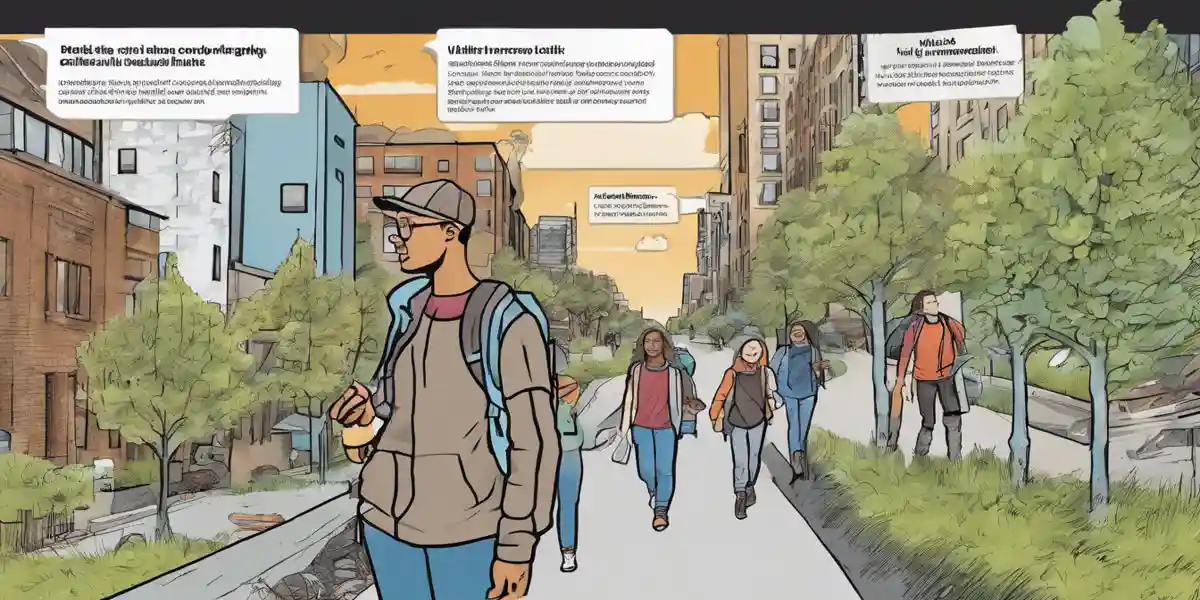
Urban hiking offers a multitude of benefits that extend far beyond the physical realm. By integrating this practice into your daily routine, you not only enhance your health but also cultivate a richer, more engaged life. Let's delve into the specific advantages urban hiking brings to our daily habits.
First and foremost, urban hiking is a form of moderate exercise that promotes physical health. Studies have consistently shown that regular physical activity can lead to significant improvements in various health markers, including cardiovascular health, weight management, and overall physical fitness. For instance, a study involving patients in primary care settings found that participants who increased their daily steps by an average of 1,676 experienced notable reductions in anxiety and depression scores. This reinforces the idea that even modest increases in physical activity, like those achieved through urban hiking, can lead to substantial mental health benefits.
Urban hiking also provides a refreshing mental reset in our increasingly digital world. Engaging with your environment in a mindful manner can reduce stress and anxiety levels. Research indicates that walking in natural settings, such as parks or urban trails, can enhance mood and self-esteem while reducing feelings of anger and confusion. By stepping away from screens and immersing yourself in the sights and sounds of your city, you grant your mind the opportunity to breathe, recharge, and reflect. Imagine wandering through a botanical garden or along a riverside path, allowing the tranquility of nature to wash over you—this is the kind of restorative experience urban hiking can provide.
One of the often-overlooked benefits of urban hiking is its potential to enhance social connections. As you explore your city, you may encounter fellow hikers, local artists, and community members, fostering interactions that enrich your life. The research highlights that physical activity not only improves individual mental health but also enhances social capital, leading to stronger community ties. Consider joining a local hiking group or participating in city-sponsored urban walks; these activities can cultivate friendships and create a sense of belonging that is often lacking in our digital interactions.
Urban hiking encourages mindfulness—an intentional focus on the present moment. This practice compels you to engage with your surroundings, whether it's the intricate details of urban architecture or the subtle changes in the seasons within your neighborhood parks. By paying attention to these details, you enhance your appreciation for your environment while simultaneously training your mind to stay present, which can help combat the distractions of modern life. Research has shown that individuals who engage in leisure walking report higher life satisfaction and happiness levels, particularly when they practice this at moderate to high intensities. This mindfulness practice is a powerful antidote to the stressors we face daily.
Lastly, urban hiking can act as a catalyst for conversations about sustainability and urban planning. As you traverse your city, you may become more aware of the need for walkable spaces and green areas, leading you to advocate for healthier urban environments. This collective awareness can inspire community movements aimed at improving city infrastructure to promote more walkable and bike-friendly areas, fostering a healthier lifestyle for everyone. By embracing urban hiking, you not only benefit personally but also contribute to a broader conversation about the future of our cities.

Integrating urban hiking into your daily routine can be a game-changer, offering a balance between physical activity, mental clarity, and a welcome escape from our digital lives. As we delve deeper into how to incorporate this invigorating practice, consider how it can transform not just your weekends but your everyday life.
To begin your urban hiking journey, identify local trails, parks, or even neighborhoods that pique your interest. You don’t need to travel far to find a beautiful route. Use apps like AllTrails or Google Maps to uncover hidden gems in your city. For instance, if you live in a metropolis, urban parks such as Central Park in New York or Griffith Park in Los Angeles can serve as perfect starting points. These areas often feature paved paths, scenic views, and an abundance of natural beauty, making them ideal for beginners.
In our busy lives, it’s crucial to prioritize urban hiking just like any other appointment. Consider setting aside specific days and times each week dedicated solely to hiking. Whether it's a morning walk before work, a lunchtime stroll, or a refreshing weekend hike, scheduling these outings ensures they become a non-negotiable part of your routine. For example, you might commit to “Hiking Wednesdays,” where you explore a different trail each week, gradually expanding your horizons and keeping your hikes exciting.
Urban hiking is not just about physical activity; it’s also an opportunity to engage mindfully with your surroundings. As you explore, take time to appreciate the architecture of the buildings, the art in public spaces, or even the sounds of the city. This mindful engagement can enhance your appreciation for urban landscapes, helping to reduce stress and anxiety. Reflecting on studies that demonstrate the mental health benefits of walking, such as improvements in mood and cognitive function, it's clear that urban hiking can significantly contribute to your emotional well-being.
While urban hiking serves as a digital detox, technology can still play a role in enhancing your experience. Consider using a pedometer or fitness tracker to monitor your steps and distance. Research indicates that even a slight increase in daily steps—like the average 1,676 steps gained in a study—can significantly reduce anxiety and depression scores. Just remember to toggle your phone to “Do Not Disturb” mode to minimize distractions during your hike.
One of the joys of urban hiking is the opportunity to connect with others. Invite friends, family, or coworkers to join you on your adventures. Not only does this enhance your social connections—an important factor in mental health—but it also makes the experience more enjoyable and motivating. You might even consider starting a local hiking group or participating in organized city hikes to meet like-minded individuals who share your interest in exploring urban landscapes.
After each hike, take a moment to reflect on your experience. You could keep a journal documenting your thoughts, feelings, and the sights you encountered. This practice not only reinforces the benefits of walking—improving self-esteem and mood, as noted in various studies—but also helps to deepen your connection with the environment. By recognizing how urban hiking impacts your mental health, you’ll be more inclined to continue integrating it into your routine.
As you grow more comfortable with urban hiking, consider venturing beyond familiar routes. Explore different neighborhoods, attend local events, or seek out urban art installations. By diversifying your hikes, you enrich your experience and foster a deeper connection with your city. This exploration can spark conversations about urban planning and sustainability, fostering a collective movement toward more walkable environments.

Urban hiking is more than just a stroll through the city; it’s an intentional adventure that connects you with your environment, encourages mindfulness, and serves as a much-needed digital detox. To get started, it’s essential to create a plan that suits your lifestyle, preferences, and goals. Below are steps and tips to help you craft the perfect urban hiking plan.
Before you step out, take a moment to reflect on what you hope to achieve with your urban hiking experience. Are you looking to improve your physical fitness, reduce stress, or simply explore new areas of your city? Studies indicate that walking improves mental health by reducing anxiety and depression, so consider incorporating mindfulness practices into your hikes, such as focusing on your breath or the sounds around you. Setting clear intentions can guide your route selections and enhance the overall experience.
Start by mapping out areas in your city that intrigue you. Look for parks, trails, urban art installations, and historical landmarks. For instance, if you live in a city with a riverwalk, that can be a perfect starting point. Websites and apps like AllTrails or local hiking forums can provide suggestions for urban trails that might not be on the typical tourist map. Remember, the goal is to discover hidden gems!
Research shows that greenspaces play a vital role in enhancing psychological health. Consider routes that pass through parks or gardens. For example, in many cities, botanical gardens or community parks offer a serene escape from the urban hustle, contributing to lower stress levels and improved mood. Even a simple walk through a tree-lined street can have profound effects on your emotional well-being. Try to include at least one greenspace in your weekly urban hiking plan for maximum benefit.
Consistency is key to making urban hiking a part of your daily routine. Whether it’s a brisk walk during your lunch break or a longer hike on weekends, commit to a schedule that works for you. Research indicates that regular physical activity, such as walking, has significant mental health benefits, including enhanced mood and social connections. Aim for at least three to four hikes a week to reap these benefits.
Consider using a pedometer or fitness app to track your steps and routes. One study found that participants who increased their daily walking by an average of 1,676 steps showed significant improvements in both physical and mental health. By tracking your progress, you can celebrate small victories and stay motivated. Plus, seeing the distance you cover can inspire you to explore further.
Urban hiking is an excellent opportunity to connect with others. Join local hiking groups or social media communities focused on urban exploration. Participating in group hikes not only enhances your experience but can also foster social connections, which are crucial for mental well-being. Sharing your experiences and discovering new routes with others can make each hike feel like an adventure.
As you embark on your urban hiking journey, pay attention to how your body and mind respond. If you find yourself feeling fatigued or overwhelmed, take a break or adjust your route. The beauty of urban hiking is its flexibility; you can tailor each outing based on how you feel that day. Incorporating mindfulness techniques, such as deep breathing or being fully present in the moment, can also enhance your experience.
Creating a solid urban hiking plan is the first step in revolutionizing your daily habits. By taking the time to prepare, you can transform everyday walks into invigorating adventures that nurture both your body and mind.
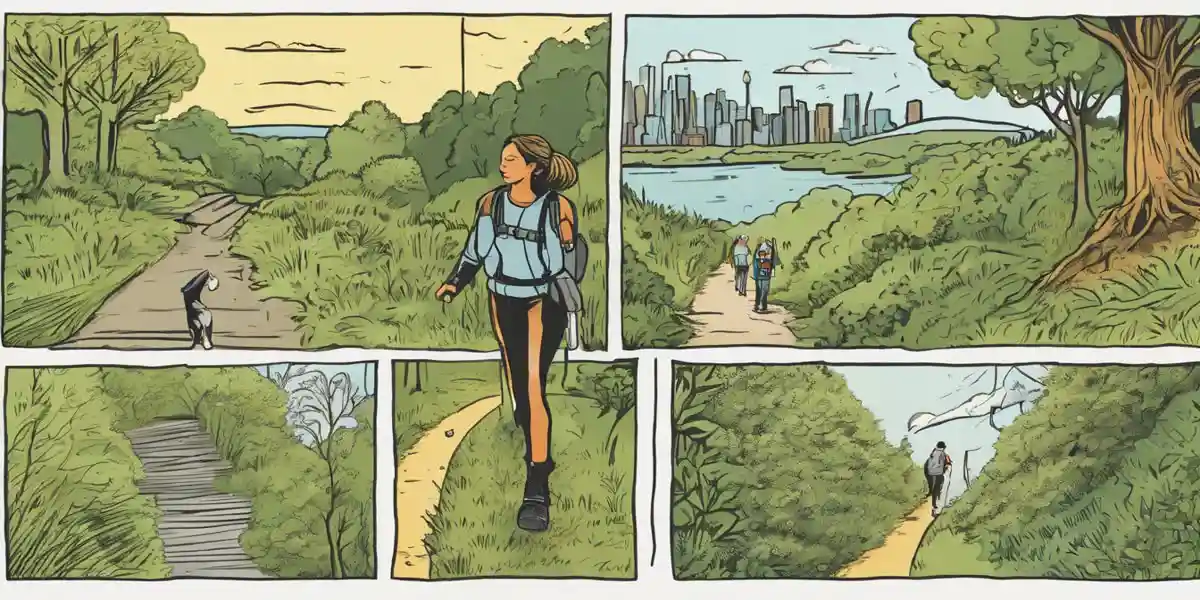
Incorporating urban hiking into your routine can be a game-changer for your mental and emotional well-being. To truly benefit from this refreshing digital detox, it’s essential to stay engaged and present during your hikes. Here are some effective strategies to help you immerse yourself fully in the experience.
To fully embrace the essence of urban hiking, consider leaving your phone at home or keeping it on silent in your backpack. Our devices are notorious for pulling our attention away from the moment. By reducing your reliance on technology, you can focus on the sights, sounds, and textures around you. Research shows that being in nature, away from screens, can significantly lower stress and anxiety levels. For example, a study highlighted how walking in natural settings can enhance mood and self-esteem, indicating that a tech-free environment fosters emotional well-being.
Mindfulness is a powerful tool for enhancing your hiking experience. As you walk, pay attention to your breath, the rhythm of your steps, and the sensations in your body. This practice can help clear your mind and promote a sense of calm. Engaging your senses—notice the scent of flowers, the sound of leaves rustling in the wind, or the warmth of the sun on your skin—can ground you in the present moment. A study on leisure walking found that individuals who engaged in moderate to high levels of walking reported greater life satisfaction and reduced feelings of loneliness, reinforcing the benefits of mindfulness during outdoor activities.
Before you set out, take a moment to reflect on what you hope to achieve during your hike. Whether it’s to unwind, connect with nature, or gain clarity on a specific issue, setting an intention can guide your focus. This simple act can transform your hike from a mere physical activity into a meaningful experience. For instance, if your goal is to explore new parts of the city, you might plan a route that includes parks or urban art installations, enriching your journey.
Urban hiking presents a unique opportunity to discover the hidden gems of your city. Take time to explore local parks, historical landmarks, and even the architecture of buildings as you walk. Engaging with your environment not only enhances your appreciation of the city but also encourages social connections. Studies have shown that physical activity, like walking, can improve mental health outcomes by enhancing social capital. So, consider striking up a conversation with fellow hikers or locals you meet along the way.
After your hike, take a few moments to reflect on your experience. Consider keeping a journal where you can jot down observations, thoughts, and feelings that arose during your walk. This practice can deepen your connection to the experience and allow for personal growth. Research indicates that reflective practices can enhance cognitive function and emotional well-being, making this a worthwhile addition to your urban hiking routine.
Urban hiking often leads you to greenspaces, which have been shown to reduce stress and improve mood. As you walk through parks or gardens, allow yourself to fully appreciate the beauty of nature. A study conducted at National Trust sites found that visitors experienced significant improvements in mood and self-esteem after walking in natural settings. So, prioritize routes that include greenspaces to maximize the mental health benefits of your hiking experience.

As we navigate a world increasingly dominated by screens, urban hiking presents a simple yet profound way to reclaim our well-being. It combines physical activity with an immersive experience in our surroundings, providing both mental and emotional benefits that can transform our daily lives.
Urban hiking is not just a trend; it is a pathway to improved mental health and clarity. By engaging actively with our urban landscapes—whether it’s a forgotten alley filled with murals or a bustling park—we are invited to observe details that often fade into the background of our digital lives. Studies show that walking, a form of moderate exercise, significantly reduces symptoms of anxiety and depression. A review of broader physical activity research highlights that even casual walking can enhance mood, cognitive functioning, and social capital. Imagine stepping outside, feeling the rhythm of your feet on the pavement, and allowing your worries to dissipate with each step.
Consider the findings from a recent study that tracked the mental health benefits of a pedometer-based walking intervention among inactive patients. Over three months, participants increased their walking by an average of 1,676 steps daily, leading to notable reductions in anxiety and depression scores. The data, gathered using the SF-36 questionnaire, underscores that walking—especially in urban settings—can significantly enhance one’s quality of life. Each hike thus becomes more than just physical exercise; it’s an investment in your mental health.
Urban hiking also nurtures mindfulness, a practice that has gained traction for its ability to ground us in the present moment. As you navigate through city parks or along riverbanks, you engage all your senses—the sounds of laughter, the aroma of fresh coffee from a nearby café, and the sight of vibrant flowers. The 2020 Health and Retirement Study found that older adults engaging in moderate to high leisure walking reported greater life satisfaction and happiness. This mindful interaction with our environment not only fosters appreciation but also actively cultivates a sense of community and belonging.
Moreover, urban hiking encourages conversations about sustainability and urban planning. As you explore your city, you may begin to notice the areas that are pedestrian-friendly and those that are not. This awareness can inspire advocacy for more walkable cities, where green spaces and pedestrian pathways are prioritized. By embracing urban hiking, you become part of a larger movement that values health, well-being, and environmental sustainability—transforming not just your own life, but also the lives of those around you.
Incorporating urban hiking into your daily routine turns it into a ritual of self-care. Each hike offers a moment to reflect, breathe, and disconnect from the digital world. By prioritizing these moments in your day, you create a sanctuary away from the constant notifications and distractions that fill our lives. As you lace up your shoes and step outside, you’re not just taking a walk; you’re embarking on a journey that fosters resilience, clarity, and a deeper connection to yourself and your community.
So, as you contemplate your daily habits, consider taking the first step—literally. Embrace urban hiking as a ritual of self-care and a way to reconnect with both nature and your community. Lace up your shoes, explore the hidden gems of your city, and allow each step to lead you toward a more fulfilling life. In the words of Henry David Thoreau, “The world is but a canvas to our imagination.” Let urban hiking be your brush, and transform your life one step at a time.

Get notified about new articles, coffee tips, and Web3 insights.
This site participates in affiliate programs and may earn a commission when a link is clicked and a purchase is made. The site is not responsible for any issues or troubles related to the products or services purchased through the use of this site.

DO&COFFEE loves coffee and technology, exploring the potential of NFTs and blockchain. Learn more →
DO&COFFEE loves coffee and technology, exploring the potential of NFTs and blockchain. Learn more →