wellness
2024/09/07

In the whirlwind of today’s tech landscape, where the demand for constant innovation can lead to overwhelming stress and burnout, the integration of wellness coaching into workplace wellness programs emerges as a beacon of hope. Imagine a work environment where employees are not just numbers on a spreadsheet, but valued individuals with unique health needs and aspirations. By incorporating personalized wellness coaching, companies can create a holistic ecosystem that addresses the specific challenges faced by tech professionals—long hours, sedentary lifestyles, and the high stakes of modern-day projects. This blog post will delve into the transformative power of wellness coaching, examining its role in enhancing employee well-being, its impact on productivity, and how it can revolutionize workplace culture for the better. As we explore these ideas, it will become clear that investing in employee health is not merely a checkbox on a corporate agenda; it is a vital strategy for fostering resilience, engagement, and sustained success in the tech industry.

In today’s fast-paced tech environments, where the pressure to innovate often leads to burnout, the integration of wellness coaching into workplace wellness programs offers a transformative solution to enhance productivity. This concept revolves around creating a holistic wellness ecosystem that recognizes the unique challenges faced by tech professionals, such as long hours, sedentary lifestyles, and high-stress levels.
Workplace wellness programs are designed to improve employee health and well-being, aiming to reduce absenteeism and enhance productivity. However, they often fall short when they only focus on physical health. As highlighted in several studies, including one emphasizing the universal experience of stress, effective coping mechanisms are vital for overall physical and psychological well-being. Without addressing mental health, employees may struggle with a range of negative consequences—physical ailments, disrupted work-life balance, and compromised relationships, all of which can hinder workplace productivity.
Imagine a workplace where employees not only engage in traditional wellness activities—like group yoga sessions or ergonomic assessments—but also have access to personalized wellness coaching tailored to their individual needs. This approach empowers employees to take charge of their health and well-being, focusing on mental resilience, stress management, and work-life balance. For instance, wellness coaches can assist employees in setting realistic health goals and developing effective coping strategies that align with their professional demands.
Companies like Shell in the Philippines have successfully integrated wellness coaching into their programs. By transforming traditional clinics into Wellness Hubs, Shell focuses on personalized and holistic care, significantly improving employee engagement. Following their initiative, participation in wellness talks surged to 74%, with 68% of employees setting health targets—an increase from just 5%—and 19% achieving these goals within 3-6 months. Such results showcase the potential of personalized coaching to enhance overall employee wellness.
The need for effective stress management strategies in the workplace cannot be overstated. Research reveals that while moderate pressure can enhance performance, excessive stress negatively impacts productivity. Therefore, wellness coaching can play a crucial role in helping employees navigate stressful periods, such as product launches, by equipping them with the tools to manage anxiety and improve time management skills. This proactive approach not only nurtures mental well-being but also fosters a culture that prioritizes both mental and physical health, ultimately leading to a more engaged and productive workforce.
The synergy between wellness coaching and workplace wellness initiatives can lead to a more engaged workforce, reduced absenteeism, and higher retention rates. By fostering a culture that prioritizes mental and physical health, tech companies can cultivate an environment where innovation thrives, and employees feel valued as whole individuals. Such a holistic approach not only boosts productivity but also transforms workplace culture, making it a sustainable model for success in the tech industry.

In today's demanding tech landscape, where the pressures to innovate and perform are ever-present, wellness coaching emerges as a pivotal element in enhancing employee well-being. By integrating personalized coaching into workplace wellness programs, organizations can address the multifaceted challenges faced by employees, ultimately fostering a healthier and more productive work environment.
Tech professionals often grapple with long hours, sedentary lifestyles, and high-stress levels, which can lead to burnout and decreased productivity. According to recent studies, individuals who struggle to manage stress may experience a range of negative consequences, including physical illnesses, psychological distress, and deteriorating personal relationships. This underscores the urgent need for effective stress management techniques in the workplace.
Imagine a workplace where employees have access not just to group yoga sessions or ergonomic assessments, but also to personalized wellness coaching tailored specifically for their needs. Wellness coaching empowers employees to take control of their health and well-being by focusing on mental resilience, stress management, and work-life balance. Coaches work with individuals to set realistic goals, develop coping strategies, and create action plans that are aligned with their professional demands.
Consider the example of Shell companies in the Philippines, which have successfully transformed their approach to employee wellness. By converting traditional clinics into Wellness Hubs, they emphasized personalized and holistic care. Following the implementation of this initiative, the company reported a remarkable increase in employee engagement: 74% participated in Wellness Talks, and 68% set health targets—a significant rise from just 5% prior to the changes. Furthermore, 19% of employees achieved their health targets within three to six months, demonstrating the effectiveness of tailored wellness support.
Wellness coaching can be instrumental in addressing specific challenges unique to tech environments. For instance, during high-stakes product launches, employees may experience heightened anxiety. Through targeted coaching sessions, employees can develop techniques for managing this anxiety, enhancing their performance and well-being. Similarly, coaching can assist employees in honing time management skills, which are crucial for maintaining productivity in fast-paced tech settings.
The integration of wellness coaching into workplace wellness initiatives not only enhances individual well-being but also contributes to a broader culture that prioritizes mental and physical health. Research indicates that organizations that invest in stress management strategies see significant improvements in employee efficiency and overall organizational sustainability. By fostering an environment where employees feel valued and supported, tech companies can cultivate a workforce that is both innovative and engaged.

The integration of wellness coaching within workplace wellness programs serves as a pivotal strategy for enhancing employee productivity. By providing personalized support and holistic care, wellness coaching not only addresses individual health needs but also creates a ripple effect that can elevate overall workplace efficiency.
Research indicates that stress is a universal experience that, if left unmanaged, can lead to significant declines in productivity. Individuals who struggle to cope with stress often face physical and psychological ailments, disrupted work-life balance, and strained personal relationships. Therefore, adopting effective stress-management techniques is crucial. A wellness coach can equip employees with practical strategies to manage stress, fostering resilience and enabling them to perform at their best.
A study on workplace stress highlights that while moderate pressure can enhance performance, excessive stress has the opposite effect. Organizations that implement wellness coaching programs report a notable increase in employee efficiency. For instance, companies that invest in stress management training see a direct correlation between these interventions and productivity improvements. Employees who engage in wellness coaching are not only more productive but also exhibit higher levels of job satisfaction, which further enhances their performance.
Consider the case of Shell companies in the Philippines, where the focus on employee wellness has transformed their workplace culture. By converting traditional clinics into Wellness Hubs, Shell Health has prioritized personalized and holistic care. After implementing their wellness coaching initiatives, they observed remarkable outcomes: 74% participation in Wellness Talks, a dramatic increase of 68% in employees setting health targets (up from just 5%), and 19% achieving these targets within three to six months. These numbers are not just statistics; they represent a shift towards a more engaged and productive workforce.
Moreover, the importance of fostering a culture that prioritizes health cannot be overstated. Companies that actively promote wellness coaching and related programs tend to have higher employee engagement levels. The findings from various papers underscore the need for organizations to assess the availability and awareness of wellness interventions. By enhancing communication and accessibility to these programs, companies can significantly improve employee participation and satisfaction, leading to better productivity outcomes.
Moreover, studies investigating the relationship between holistic well-being and job satisfaction reveal that organizations adopting comprehensive wellness strategies see enhanced overall performance. When employees feel supported in their health and well-being pursuits, they are not only more satisfied with their jobs but also more productive. This approach aligns with the idea that investing in employees' well-being is not merely a cost but a strategic advantage for organizations aiming for sustainability and success in the competitive tech landscape.

The future of workplace wellness is poised for a transformation that integrates personalized wellness coaching into existing programs. This approach not only addresses the physical aspects of employee health but also emphasizes mental resilience and emotional well-being, which are critical in the high-pressure tech environments of today.
As tech companies navigate the complexities of innovation, they often overlook the fundamental need for a comprehensive wellness strategy. Research highlights that employees facing high levels of stress can experience a wide range of negative consequences, including compromised personal relationships and disrupted work-life balance. By prioritizing holistic wellness, organizations can mitigate these risks and foster a more productive workforce.
Consider the Shell companies in the Philippines, which transformed traditional health clinics into Wellness Hubs. By focusing on personalized care, they saw participation in wellness programs skyrocket—74% of employees engaged in Wellness Talks, and 68% set health targets, a dramatic increase from just 5%. These initiatives not only improved individual health outcomes but also enhanced employee satisfaction and retention, exemplifying the benefits of a proactive approach to workplace wellness.
Wellness coaching can serve as the cornerstone of future wellness initiatives. Coaches provide personalized support that helps employees navigate specific challenges, such as managing anxiety during high-stakes projects or improving time management skills. This individualized attention ensures that wellness programs are not one-size-fits-all but rather tailored to meet the unique needs of each employee. By incorporating these coaching strategies, organizations can create a more engaged workforce, resulting in reduced absenteeism and higher retention rates.
The future workplace must evolve into one that prioritizes mental and physical health as integral components of organizational culture. Studies indicate that companies investing in stress management strategies significantly boost employee efficiency and overall workplace satisfaction. Creating a culture where employees feel valued and supported in their well-being can lead to higher productivity and ultimately, greater organizational sustainability.
As we envision the future of workplace wellness, it's clear that the integration of wellness coaching is not just a trend but a necessity. Organizations that embrace this holistic model will not only enhance the quality of life for their employees but also foster an innovative environment where creativity and productivity flourish. By investing in the well-being of their workforce, companies can build a resilient organizational culture that stands the test of time.
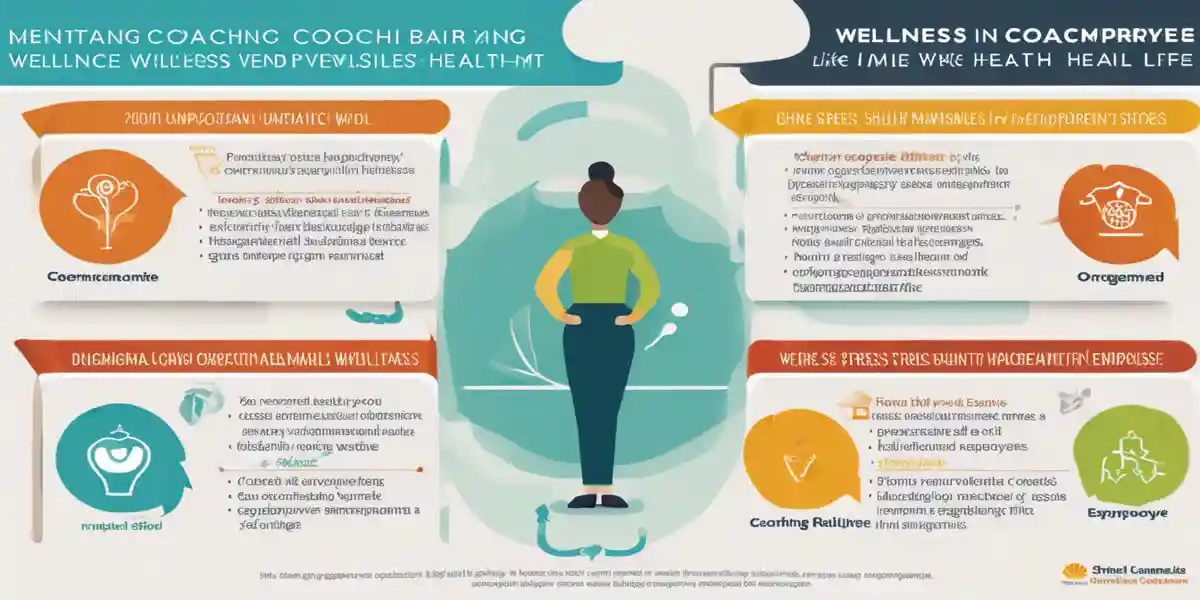
In an era where tech professionals often operate under immense pressure, the integration of wellness coaching into workplace wellness programs emerges as a pivotal strategy for enhancing productivity and well-being. This multifaceted approach addresses the unique challenges faced by employees in tech environments, such as prolonged hours, sedentary behaviors, and heightened stress levels.
Picture a workplace where traditional wellness activities—such as group yoga or ergonomic assessments—are complemented by personalized wellness coaching. This isn't just a fantasy; it's a practical solution that empowers employees to take control of their health. Wellness coaches offer tailored support that focuses on mental resilience, stress management, and work-life balance. By setting realistic goals and developing effective coping strategies, employees can create actionable plans aligned with their professional demands.
Research highlights the universal impact of stress on both physical and psychological health. Employees struggling to manage stress may experience a plethora of negative consequences, including illness, disrupted personal relationships, and compromised work-life balance. Effective stress management techniques become essential not just for individual health, but also for overall organizational productivity. For instance, a study revealed that moderate pressure can enhance performance, but excessive stress can be detrimental. Thus, wellness coaching can offer targeted interventions that help employees navigate these pressures.
A notable example can be observed in the Shell companies in the Philippines, which have prioritized employee well-being by transforming traditional clinics into Wellness Hubs. This initiative, informed by employee feedback and annual surveys, emphasizes personalized and holistic care. The results speak volumes: 74% participation in Wellness Talks, a staggering increase from 5% to 68% of employees setting health targets, and 19% achieving these targets within 3-6 months. Such data illustrates a significant shift towards a healthier workforce, with 93% of remote employees committing to their health goals.
The intersection of wellness coaching and workplace wellness initiatives creates a synergy that cultivates a more engaged workforce. Companies that prioritize mental and physical health foster an environment where innovation can flourish. For example, coaching sessions can specifically address challenges like managing anxiety during product launches or enhancing time management skills to boost productivity. This holistic approach not only improves individual health but also transforms workplace culture, contributing to higher retention rates and reduced absenteeism.
Employee engagement in wellness programs is critical. Research indicates that communication and accessibility significantly influence participation rates. Organizations that foster a culture prioritizing health and wellness see a direct correlation between employee engagement in wellness initiatives and overall productivity. As companies enhance their wellness programs, they must consider how to communicate effectively and ensure accessibility to all employees, including remote workers.
A comprehensive approach to wellness can lead to increased job satisfaction and improved performance. Studies utilizing mixed-methods approaches highlight how holistic wellness correlates with higher employee satisfaction and productivity. By investing in wellness coaching and integrated programs, organizations can optimize employee well-being, ultimately benefiting their overall performance and sustainability.
As we reflect on the transformative potential of wellness coaching within workplace wellness programs, it becomes evident that the future of employee well-being is not just about physical health but encompasses a holistic approach that prioritizes mental and emotional resilience. By integrating personalized wellness coaching, organizations can effectively address the unique challenges faced by tech professionals, including high stress, burnout, and work-life balance issues.
Throughout this discussion, we've seen how wellness coaching can elevate workplace wellness initiatives by creating a supportive culture that fosters employee engagement and productivity. Programs like Shell’s Wellness Hubs illustrate the profound impact that personalized coaching can have on employee participation and goal achievement, ultimately leading to healthier, more satisfied, and more productive employees.
Moreover, the data underscores the importance of a holistic approach to wellness that goes beyond traditional methods. Companies that invest in comprehensive wellness strategies—not limited to physical health but inclusive of mental and emotional support—are likely to see significant improvements in employee satisfaction, retention, and overall organizational performance.
As leaders and decision-makers in the tech industry, the challenge lies in recognizing that the well-being of employees is a crucial investment in the future of your organization. How can you begin to integrate wellness coaching into your existing programs today? The time to act is now. Embrace the opportunity to foster an environment where innovation can thrive, and employees feel valued as whole individuals. Together, let’s elevate workplace wellness and redefine productivity for the better.

Get notified about new articles, coffee tips, and Web3 insights.
This site participates in affiliate programs and may earn a commission when a link is clicked and a purchase is made. The site is not responsible for any issues or troubles related to the products or services purchased through the use of this site.

DO&COFFEE loves coffee and technology, exploring the potential of NFTs and blockchain. Learn more →
DO&COFFEE loves coffee and technology, exploring the potential of NFTs and blockchain. Learn more →