art
2024/08/15
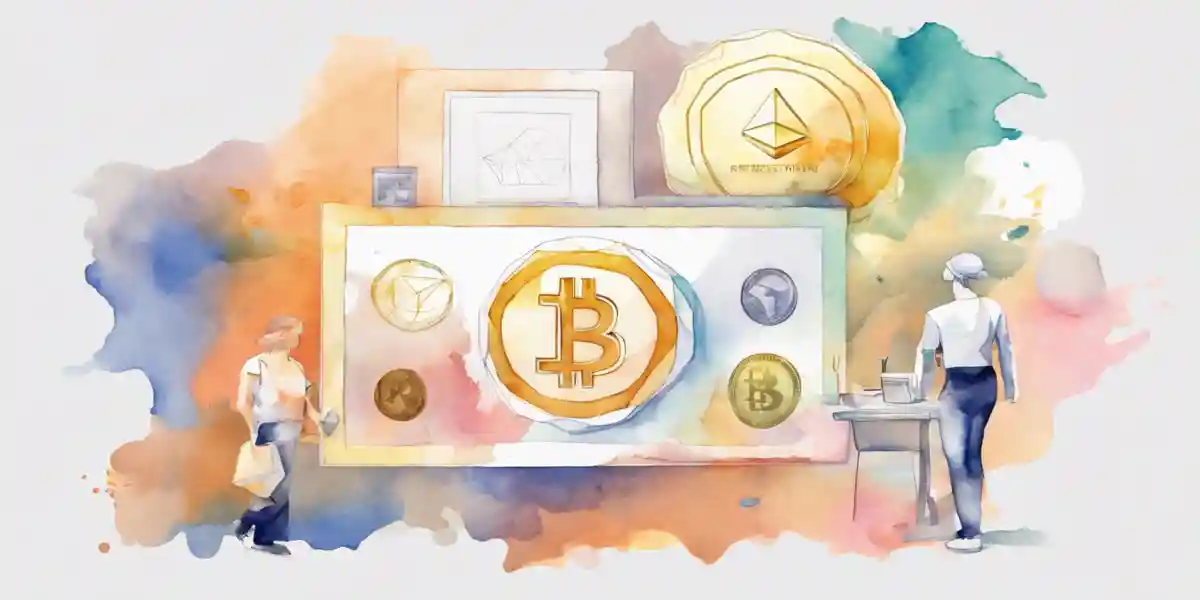
In an age where technology has become an integral part of our lives, the art world is undergoing a seismic shift. Have you ever imagined stepping into a virtual gallery that transcends traditional boundaries, where artists from every corner of the globe collaborate in a decentralized digital space? This is not just a distant dream; it's the promise of a revolutionary concept called "CryptoCanvas." Here, art is not merely displayed; it is created, traded, and experienced in real-time, all while ensuring verifiable ownership through the power of blockchain technology.
As we delve into the future of mixed media exhibitions, we will explore how cryptocurrency is reshaping the landscape of art. From tokenizing artwork to enabling interactive experiences through virtual reality (VR) and augmented reality (AR), the implications are profound. Imagine viewers not just observing but actively participating in the creation of art, or co-owning pieces through fractional ownership. This democratization of art appreciation and innovative revenue models for artists could redefine our relationship with creativity.
In this post, we will examine how cryptocurrency impacts art exhibitions, highlighting successful case studies and the revolutionary potential of merging technology with creativity. We will also discuss the challenges and opportunities presented by virtual exhibitions, encouraging art institutions to adapt to this evolving landscape. By understanding these dynamics, we can appreciate the transformative power of blockchain and envision a future where art is not just consumed but co-created.
Mixed media art has always been a dynamic and evolving form of expression, where artists blend various materials and techniques to create works that transcend traditional boundaries. Today, the evolution of mixed media is undergoing a seismic shift, spurred by the advent of digital technologies, particularly blockchain and cryptocurrency. The potential for a new realm of artistic collaboration and interaction is unfolding, inviting us to explore what the future of art exhibitions might look like in this digital age.
At its core, mixed media refers to the use of multiple artistic mediums in a single composition. This can include a combination of painting, drawing, collage, sculpture, and even digital components. Artists have long embraced mixed media as a way to express complex ideas and emotions, allowing for a richer narrative that can be experienced from multiple perspectives. Take, for instance, the works of contemporary artist Robert Rauschenberg, whose "Combines" juxtaposed painting and sculpture, inviting viewers to engage with art in a novel way.
As we transitioned into the digital age, the definition of mixed media expanded further. Digital art forms such as 3D modeling, animation, and interactive installations have emerged, challenging traditional notions of artistic creation. The COVID-19 pandemic accelerated this trend, pushing artists and institutions to explore virtual exhibitions and online platforms. A notable example is the "Virtual Museum of Contemporary Art," which showcases digital artworks and allows visitors to navigate an immersive online environment. This shift not only highlights the adaptability of artists but also underscores the inherent demand for innovative forms of engagement.
Now, as we stand on the brink of a new era, blockchain technology is poised to redefine the landscape of mixed media exhibitions. By enabling verifiable ownership and provenance through smart contracts, blockchain provides artists with a powerful tool to assert their rights and monetize their creations. The concept of "CryptoCanvas," for example, envisions a decentralized gallery where artists can upload their work—be it digital paintings, 3D sculptures, or immersive installations—into a shared virtual space. Each artwork is tokenized on the blockchain, allowing for transparent transactions and ensuring that creators receive royalties through secondary sales. Imagine a world where every time your artwork is resold, you earn a percentage, fostering an ongoing relationship between artist and audience.
In conjunction with blockchain, immersive technologies like virtual reality (VR) and augmented reality (AR) are revolutionizing the way we experience mixed media art. These technologies offer an interactive dimension that enhances engagement and participation. For instance, a VR art exhibition might allow visitors to step into a digital painting, exploring it from within and interacting with its elements. This aligns with findings from recent studies highlighting the advantages of VR in art, including its ability to protect artworks and facilitate innovative artistic techniques. Institutions are encouraged to adopt VR in their programs, creating accessible and engaging environments that foster creativity.
What’s truly groundbreaking about this evolution is the interactive element it introduces. Imagine viewers not just observing but actively participating in the creation of a piece. Their engagement could influence the artwork in real-time, or they could even co-own portions of art through fractional ownership models. This democratization of art appreciation is not merely a trend; it's a fundamental shift that redefines the artist-audience relationship, encouraging collaboration and co-creation.
This section dives into the evolution of mixed media art and how blockchain and immersive technologies are reshaping art exhibitions. It sets the stage for understanding how these developments are not just technological advancements but transformative forces in the art world. The use of specific examples and clear headings helps guide the reader through the complexities of the topic, inviting them to engage with the content deeply.
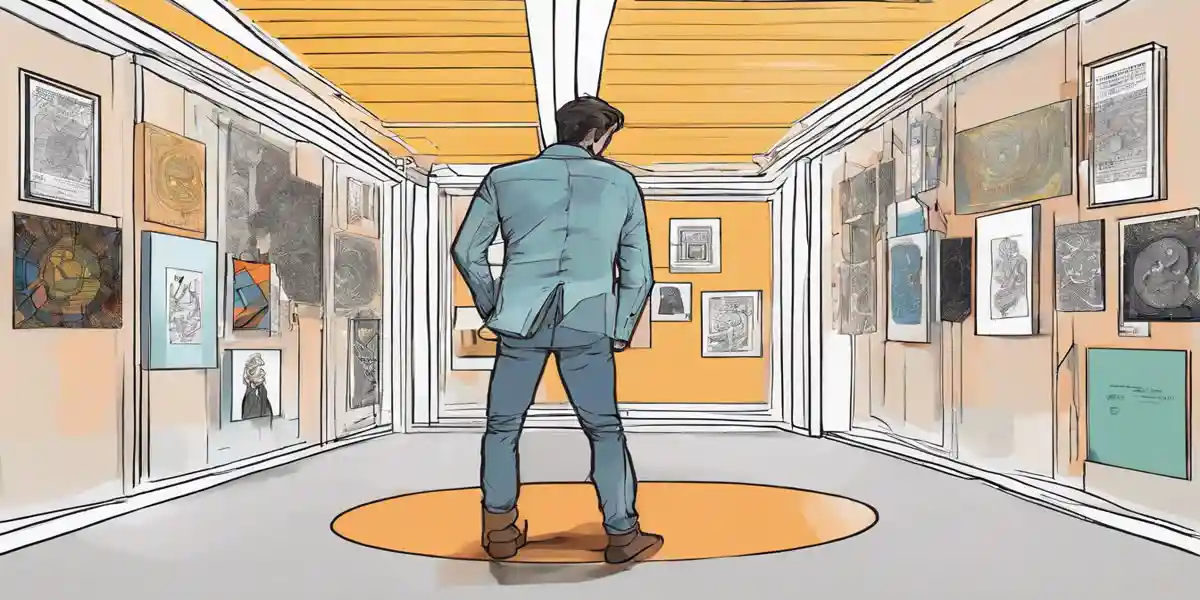
The integration of cryptocurrency into art exhibitions is redefining the landscape of artistic expression and engagement. By facilitating direct transactions, enhancing provenance tracking, and creating new revenue streams, cryptocurrency is ushering in an era where art is not just viewed, but experienced and owned in unprecedented ways.
One of the most significant impacts of cryptocurrency on art exhibitions lies in the ability to conduct direct transactions between artists and buyers. Traditional galleries often act as intermediaries, taking a substantial cut of the sales. In a cryptocurrency-driven model, artists can sell their works directly as non-fungible tokens (NFTs), enabling them to retain more revenue. For instance, digital artists like Beeple have made headlines by selling their NFT artworks for millions of dollars, bypassing the conventional gallery system entirely.
This decentralization not only empowers artists financially but also allows them to connect directly with their audience. Imagine attending a virtual exhibition in CryptoCanvas, where you can purchase a piece you admire with a simple cryptocurrency transaction, all while having the assurance of blockchain technology verifying its authenticity. This shift diminishes the barriers that previously existed in the art market, democratizing access and ownership.
The issue of provenance—the history of ownership of a piece of art—has been a longstanding challenge in the art world. Counterfeit artworks and disputes over authenticity can undermine confidence among collectors. However, the implementation of blockchain technology provides a transparent and immutable record of each artwork’s journey. Each piece in the CryptoCanvas exhibition, for example, would have a unique digital fingerprint created through smart contracts, ensuring that buyers can trace its ownership history back to the artist.
This level of transparency not only protects buyers but also enhances the value of the artwork. As collectors increasingly prioritize authenticity, artworks with verifiable provenance will become more sought after. Digital platforms like SuperRare are already leveraging this technology, showcasing how blockchain can safeguard the integrity of art transactions.
In addition to streamlining transactions and verifying authenticity, cryptocurrency enables the creation of interactive and immersive art experiences. The rise of virtual reality (VR) and augmented reality (AR) technologies has opened new avenues for how art can be experienced. For instance, exhibitions utilizing VR allow visitors to step into fully immersive environments where they can interact with the artwork, influencing its form and presentation in real-time.
Consider a scenario where an artist creates a piece that evolves based on viewer engagement. Using blockchain, each viewer could own a fractional share of the artwork, allowing them to participate in its ongoing creation and transformation. This concept not only fosters a deeper connection between the viewer and the artwork but also aligns with the growing trend of participatory art, where the audience is no longer passive but actively engaged in the creative process.
The cryptocurrency ecosystem also introduces innovative revenue models that can provide artists with continuous income streams. With smart contracts, artists can earn royalties on secondary sales of their works, a practice that has been largely absent in traditional art markets. For example, if a digital art piece is resold multiple times, the original creator can automatically receive a percentage of each sale, allowing them to benefit from the increasing value of their work over time.
This model not only incentivizes artists to produce high-quality work but also aligns their financial interests with the collectors, creating a collaborative atmosphere where both parties thrive. Platforms like Rarible are already implementing this system, showcasing how blockchain technology can transform the economics of art ownership.
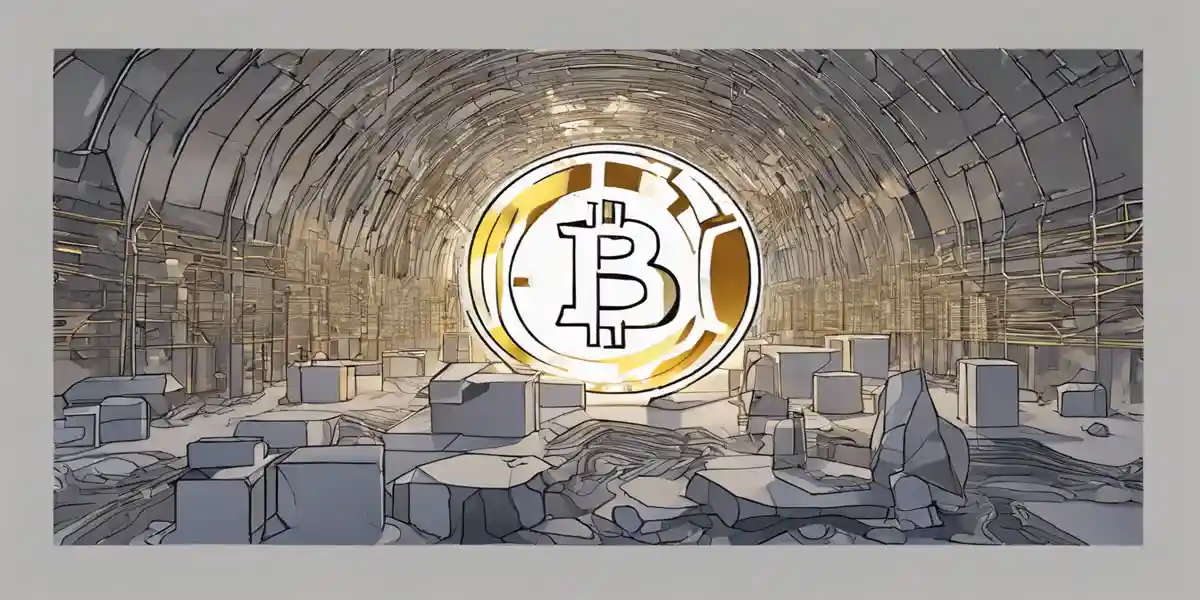
Cryptocurrency mining, often viewed through the lens of its technical intricacies and energy consumption, also carries significant implications for the art world, particularly in the context of exhibitions and ownership verification. In the evolving landscape of digital art and mixed media, understanding how mining operates and its relevance to art can reshape our perception of value and authenticity.
At its core, cryptocurrency mining is the process of validating transactions on a blockchain network. Miners use powerful computers to solve complex mathematical problems, which not only confirms transactions but also secures the network. The first miner to solve the problem adds a new block to the blockchain and is rewarded with cryptocurrency. This decentralization eliminates the need for intermediaries, ensuring direct peer-to-peer transactions. But how does this relate to the art world?
In the context of art, mining facilitates the creation of Non-Fungible Tokens (NFTs), unique digital assets that represent ownership of a specific piece of art. When an artist uploads their work to a platform like CryptoCanvas, the artwork is tokenized, creating a digital certificate of authenticity stored on the blockchain. This process not only ensures provenance but also allows for fractional ownership, where multiple individuals can co-own a piece of art. For instance, platforms like Nifty Gateway have successfully enabled artists to tokenize their work, allowing fans to invest in pieces they admire.
Let’s consider the case of the artist Beeple, whose digital artwork sold as an NFT for a staggering $69 million at Christie’s auction house. The creation and sale of such an NFT involved mining, as it required the transaction to be validated on the Ethereum blockchain. This illustrates how mining not only underpins the legitimacy of digital art sales but also contributes to the financial ecosystem surrounding contemporary art. Furthermore, initiatives like Art Blocks utilize generative art and blockchain technology, demonstrating how the mining process can yield innovative artworks that push the boundaries of traditional art forms.
However, the mining process is not without its challenges. The energy consumption associated with cryptocurrency mining has raised concerns, particularly regarding its environmental impact. The art community is increasingly aware of these issues, leading to discussions around sustainable practices. Some artists are now exploring eco-friendly blockchains or engaging in carbon offset initiatives to mitigate their footprint. For example, the Tezos blockchain has been recognized for its energy-efficient Proof-of-Stake mechanism, which can serve as an alternative for artists seeking to minimize environmental harm while still embracing the benefits of tokenization.
As the art world continues to embrace cryptocurrency mining and its implications, artists have the opportunity to explore new revenue models and engage with audiences in innovative ways. The ability to earn royalties through secondary sales of their tokenized art not only provides financial incentives but also fosters a deeper connection between creators and their supporters. Exhibitions like CryptoCanvas can further enhance this relationship by offering immersive experiences through virtual reality (VR) and augmented reality (AR), allowing viewers to interact with art in unprecedented manners.
This section explores real-world examples of art exhibitions that have successfully integrated cryptocurrency, showcasing how this technology is transforming the art landscape.
Launched in 2021, The Crypt Gallery is one of the pioneering virtual art spaces that fully embraces blockchain technology. Artists can submit their works, which are then tokenized as non-fungible tokens (NFTs) on the Ethereum blockchain. This ensures that each piece is not only unique but also verifiable, enhancing the provenance of the artworks.
The Crypt Gallery has hosted several exhibitions, including a notable event titled "Digital Renaissance," which featured digital artists from across the globe. Leveraging virtual reality (VR) technology, visitors could navigate through a beautifully rendered virtual space, interacting with the art in ways that traditional exhibitions cannot offer. This immersive experience allowed attendees to explore 3D sculptures and digital installations as if they were physically present, demonstrating the potential of VR in enhancing audience engagement.
In 2022, Art Basel Miami Beach integrated cryptocurrency into its renowned art fair for the first time. Partnering with leading blockchain companies, Art Basel enabled participating galleries to accept cryptocurrency as a form of payment for artworks. This bold move not only catered to the growing community of crypto enthusiasts but also sparked discussions about the future of art transactions in a digital economy.
One standout feature of the event was the use of interactive displays powered by augmented reality (AR). Attendees could use their smartphones to scan QR codes next to artworks, revealing additional layers of information and even allowing for instant purchase through crypto wallets. This intersection of art and technology not only democratized access to high-value artworks but also provided a new revenue stream for artists and galleries alike.
Established in 2020, the Museum of Cryptographic Art in San Francisco is dedicated to showcasing art created through blockchain technology. The museum hosts rotating exhibitions that focus on the innovative use of NFTs and decentralized art forms. Artists are encouraged to create works that reflect the principles of blockchain, such as transparency, decentralization, and collaboration.
One of the museum's most well-received exhibitions, "The Code is the Canvas," featured interactive installations where visitors could participate in the creation of art pieces using smart contracts. As attendees interacted with the installations, their actions would influence the final outcome of the artwork, effectively co-creating alongside the artists. This format not only challenged traditional notions of authorship but also highlighted the community-driven spirit of blockchain technology.
Virtual Art Week, launched during the COVID-19 pandemic, serves as a prime example of how cryptocurrency and virtual exhibitions can thrive even in challenging times. The event featured a week-long lineup of exhibitions hosted on various virtual platforms, allowing artists from different continents to showcase their work without geographical limitations.
During the event, participants could purchase artworks directly using cryptocurrencies, facilitating instant transactions and ownership transfers. The use of blockchain technology ensured that each sale was recorded transparently, providing artists with a new way to monetize their work while engaging with a global audience.
These case studies illustrate the transformative potential of cryptocurrency in the art world. By utilizing blockchain technology, exhibitions can enhance the experience of both artists and audiences, fostering interaction and collaboration in ways that were previously unimaginable. As more institutions and galleries adopt these practices, we can expect the landscape of art exhibitions to continue evolving, embracing the possibilities that come with a decentralized, digital future.
As we stand on the brink of a new era in art exhibitions, the fusion of technology and creativity presents unprecedented opportunities for artists and audiences alike. The rise of platforms like CryptoCanvas not only redefines how art is created and displayed but also revolutionizes the entire experience of engaging with art.
At the heart of this transformation is the revolutionary concept of decentralized art spaces. Imagine a gallery where the walls are not bound by bricks but by blockchain technology. In the CryptoCanvas model, artists can upload their works—be it digital paintings, 3D sculptures, or interactive installations—into a shared virtual gallery. Each piece is tokenized on the blockchain, ensuring verifiable ownership and authenticity through smart contracts. This means that every brushstroke or digital pixel is not just art; it becomes a traceable asset that can be bought, sold, or traded with confidence.
For instance, consider the case of an artist who creates a stunning digital artwork. By tokenizing the piece as a non-fungible token (NFT), they can sell it directly to collectors without needing a traditional gallery as an intermediary. This not only increases the artist's revenue but also allows collectors to invest in art in a way that was previously unimaginable.
The integration of virtual reality (VR) and augmented reality (AR) technologies takes this experience even further. According to recent studies, these technologies have gained significant traction in the art world, especially in the wake of the COVID-19 pandemic. With VR, visitors can step into a digital replica of an art gallery, exploring artworks in a fully immersive environment. Imagine walking through a virtual exhibition where you can not only view the art but interact with it—changing colors, altering forms, or even participating in the creation process.
AR, on the other hand, enhances the physical experience of art. For example, an art piece displayed in a traditional gallery could come to life through a smartphone app, revealing behind-the-scenes footage of the artist at work or providing a narrative about the piece's inspiration. This layer of interactivity enriches the audience's understanding and appreciation of art, as noted in several papers that emphasize the importance of accessibility and engagement in contemporary art practices.
The future of art exhibitions lies in the concept of co-creation, where viewers are not just passive observers but active participants in the artistic process. Picture this: a digital mural in the CryptoCanvas gallery that changes based on audience interaction. Users can vote on colors or shapes, and their choices dynamically alter the artwork in real-time. This level of engagement not only democratizes art but also introduces a new revenue model for artists. As their work gains value through audience participation, artists can earn royalties from secondary sales, fostering a sustainable creative economy.
Moreover, fractional ownership allows multiple collectors to own a piece of high-value artwork, which was traditionally accessible only to a select few. This innovation opens up the art market, inviting a broader audience to invest in and appreciate art, thus reshaping the economic landscape of artistic expression.
While the integration of these technologies presents exciting opportunities, it also comes with challenges. Art institutions must adapt to this evolving landscape, balancing the need for innovation with issues of accessibility and inclusivity. As noted in various studies, there is a significant need for further research into how these technologies can be implemented effectively in art programs. The potential for VR and AR to enhance creativity and learning is immense, but it requires careful planning and execution to ensure that all artists and audiences can benefit.
As we navigate this new frontier, it is essential to keep questioning: How can we ensure that these technologies serve to elevate art rather than detract from its intrinsic value? What measures can be put in place to maintain the authenticity and originality of art in a digital age?
This section explores how virtual reality (VR) and augmented reality (AR) technologies are transforming the way we experience and interact with art in the context of cryptocurrency and blockchain.
Imagine walking through a gallery where the walls are not limited by physical constraints. With VR, you can step into a digital realm where art pieces float around you, inviting you to engage with them in ways that traditional exhibitions never could. AR, on the other hand, allows for the overlay of digital information onto the physical world, creating a hybrid experience. For example, while visiting a physical gallery, you could use an AR app to point your phone at a painting and see an animated version of it come to life, providing deeper insights into the artist's intentions.
Art institutions have started to embrace these technologies. The COVID-19 pandemic highlighted the necessity for digital solutions, leading to the creation of virtual exhibitions that reached global audiences. A notable instance is the Van Gogh Museum's virtual tour, which allowed viewers from around the world to explore the life and works of Van Gogh from the comfort of their homes. This shift illustrates how VR and AR can democratize access to art, breaking down geographical barriers.
One of the most exciting aspects of combining VR and AR with blockchain is the potential for audience interaction. Imagine a scenario where participants can influence a digital artwork's evolution in real-time. In a CryptoCanvas exhibition, viewers might be given the opportunity to select colors, shapes, or themes, which the artwork then incorporates. This level of engagement not only makes the experience more personal but also fosters a sense of community among participants, as they collaborate on a shared artistic vision.
While the integration of VR and AR into art exhibitions offers remarkable opportunities, it is not without its challenges. Issues such as accessibility, user experience, and the need for technical proficiency can hinder potential audiences from fully engaging with these mediums. Art institutions must prioritize inclusivity to ensure that everyone, regardless of their background or technical skills, can appreciate and participate in these revolutionary experiences. It’s essential to develop user-friendly interfaces and provide adequate support to facilitate this transition.
The evolution of art education is also intertwined with these technologies. Educational programs can utilize VR and AR to enhance learning experiences, allowing students to visualize concepts and explore artistic techniques in a virtual setting. For instance, a student studying sculpture could design their work in a 3D modeling program, manipulate it in a virtual space, and then bring their vision to life using traditional materials. This blending of the digital and physical realms not only enriches the educational journey but also prepares students for a future where technology will be integral to creative expression.
In this exploration of how cryptocurrency is revolutionizing mixed media and shaping the future of art exhibitions, we've witnessed a fascinating intersection of creativity and technology. From the evolution of mixed media art, which has expanded to embrace digital forms and immersive experiences, to the transformative impact of blockchain and cryptocurrency, the art world is undergoing a dynamic redefinition.
We discussed how cryptocurrency enables direct transactions between artists and collectors, bypassing traditional intermediaries and fostering a more equitable art market. By ensuring provenance and authenticity through blockchain, artists can now secure their rights and revenues in ways that were previously unimaginable. The case studies we examined, including innovative platforms like The Crypt Gallery and the Museum of Cryptographic Art, showcased the potential for interactive exhibitions that invite audience participation, thereby democratizing the art experience.
As we look ahead, the fusion of technology with creativity opens up a realm of possibilities. Immersive technologies such as virtual reality (VR) and augmented reality (AR) have the power to enhance audience engagement, transforming the way we interact with art. However, these advancements also come with challenges, including the need for accessibility and inclusivity in art experiences.
The question remains: how will you engage with this evolving landscape? As artists, collectors, and art enthusiasts, we each have a role in shaping the future of art exhibitions. Will you embrace the possibilities that cryptocurrency and immersive technologies offer? Will you support artists in their journey towards financial independence through new revenue models? The future is not just a distant concept; it's unfolding right before our eyes. Let's be part of this revolutionary change that celebrates creativity, collaboration, and innovation.

Get notified about new articles, coffee tips, and Web3 insights.
This site participates in affiliate programs and may earn a commission when a link is clicked and a purchase is made. The site is not responsible for any issues or troubles related to the products or services purchased through the use of this site.

DO&COFFEE loves coffee and technology, exploring the potential of NFTs and blockchain. Learn more →
DO&COFFEE loves coffee and technology, exploring the potential of NFTs and blockchain. Learn more →