technology
2024/08/15
This article contains affiliate links. We may earn a small commission at no extra cost to you. Learn more
Imagine a world where the complexities of ownership, transactions, and agreements are not just simplified, but transformed into a seamless, transparent experience accessible to all. This is the promise of tokenization, powered by the groundbreaking technology of smart contracts. In this blog post, we will embark on a journey to explore how tokenization is reshaping industries, from real estate to art, and even our very perception of time.
At its core, tokenization involves representing real-world assets—whether it be a house, a piece of art, or even a service—through unique digital tokens on the blockchain. These tokens are not just digital representations; they offer the ability to trade, divide, and verify ownership in ways that were previously unimaginable. Smart contracts, the unsung heroes of this revolution, automate and enforce agreements without the need for intermediaries, making transactions not only faster but also more secure.
Consider the implications of tokenizing real estate. Traditionally, purchasing property is a cumbersome process filled with mountains of paperwork, legal fees, and delays. However, with smart contracts, the entire buying process can be streamlined. Imagine a scenario where a buyer can purchase a fraction of a property through a token, with smart contracts automatically distributing rental income and confirming ownership through blockchain verification. This not only democratizes access to investment opportunities but also enhances liquidity in traditionally illiquid markets.
But the potential of tokenization extends beyond finance. What if we could tokenize our time, creating a marketplace where individuals sell time-based tokens for services or experiences? Smart contracts could ensure fair compensation while dynamically adjusting terms based on supply and demand. Each of these scenarios invites us to rethink our current systems and envision a world where barriers to entry are lowered, and innovation flourishes.
In this blog post, we will guide you step-by-step through the intricacies of tokenization and smart contract development. By understanding these concepts, you'll not only grasp the mechanics behind blockchain innovation but also appreciate the broader implications for society. Join us as we explore the future of ownership, investment, and the transformative power of technology—one token at a time.
Tokenization stands at the forefront of blockchain innovation, representing a transformative method of digitizing real-world assets—be they tangible like real estate and artwork or intangible such as time and intellectual property. By converting these assets into unique digital tokens on the blockchain, we create a new paradigm where ownership is not only simplified but also made more accessible to a broader audience.
At its core, tokenization is about representation. Imagine owning a piece of art or a slice of property, but instead of holding a physical deed or a certificate, you possess a digital token that verifies your ownership. This token is secured on the blockchain, an immutable ledger that ensures transparency and traceability. Each token can be easily traded, divided, or verified, effectively opening doors to previously inaccessible markets.
Consider the real estate market, often bogged down by complicated paperwork and lengthy transactions. The project "My Real Estate" showcases how blockchain technology can address issues of transparency and inefficiency. Using a web application built on the MERN stack and integrated with the Ethereum blockchain, it tokenizes properties into unique non-fungible tokens (NFTs). This method enables fractional ownership, meaning that multiple investors can own a share of a property, enhancing liquidity in a traditionally illiquid market.
Moreover, the JOINFT project presents another innovative approach by facilitating joint ownership of real estate through fractional non-fungible tokens (F-NFTs). This system not only enhances secure transactions but also incorporates user participation histories to calculate trust scores, making the process of property ownership more democratic and accessible. Imagine being part of a community where ownership is shared, and decisions are made collaboratively—this is the future tokenization offers.
The potential of tokenization extends far beyond real estate. What if we could tokenize our time? Picture a marketplace where individuals sell time-based tokens for services or experiences. Smart contracts could play a crucial role here, ensuring fair compensation while automatically adjusting terms based on real-time demand and supply. This could revolutionize how we perceive work and value, creating a new economy where time itself becomes a tradable asset.
While the benefits of tokenization are clear, challenges remain. The regulatory landscape is still evolving, and as seen in the MUSICOW project—a fractional trading platform for music copyrights—understanding and navigating these regulations is crucial for widespread adoption. Furthermore, as blockchain technology matures, ensuring the security of smart contracts becomes paramount. A novel formal verification technique can help identify vulnerabilities in smart contracts, safeguarding investors and enhancing trust in the system.
In essence, the journey through tokenization is a fascinating exploration of how technology can reshape our understanding of ownership and transactions. As we continue to delve deeper into this topic, we unlock the potential for a more equitable and efficient future, one token at a time.
Smart contracts serve as the engine driving the transformative potential of blockchain technology, enabling a seamless intersection of ownership, transactions, and agreements. Imagine a world where these complexities are replaced by clarity and efficiency. This vision is not just a dream; it’s becoming a reality through the deployment of smart contracts, which automate and enforce agreements without intermediaries.
At their core, smart contracts are self-executing contracts with the terms of the agreement directly written into code. They reside on the blockchain, which guarantees their immutability and transparency. When predefined conditions are met, the contract automatically executes the agreed-upon actions. For instance, in the context of real estate, a smart contract could automatically transfer ownership of a property token once payment is confirmed. This process eliminates the need for lengthy paperwork and reduces the possibility of disputes.
The potential of smart contracts extends far beyond simple transactions. Consider the innovative web application “My Real Estate,” which leverages blockchain technology and NFTs to revolutionize the real estate market. It addresses major issues such as transparency, fraud, and inefficiency through a two-phase approach:
This project not only establishes verified ownership histories but also significantly reduces costs, democratizing investment opportunities. Imagine being able to own a fraction of a luxury apartment in Manhattan, receiving rental income proportional to your ownership share, all managed by smart contracts.
Further expanding on this concept, the JOINFT project proposes a blockchain-based solution for joint ownership of real estate through fractional non-fungible tokens (F-NFTs). This system enhances secure and transparent transactions while addressing the challenges of accessibility and affordability in property ownership. By incorporating group level agreements and capturing user participation histories to calculate trust scores, JOINFT illustrates how smart contracts can facilitate a cooperative investment model.
The influence of smart contracts extends beyond real estate into various sectors, including the arts and entertainment. The MUSICOW platform, Korea's first music copyright fractional trading platform, showcases this potential. Through fractional investment, individuals can share ownership of high-value assets like music rights with minimal capital. This model not only democratizes access to investment opportunities but also reflects a growing trend among young retail investors seeking alternative avenues for asset ownership.
Despite the promise of smart contracts, security remains a critical concern. The risk of financial losses due to errors in contracts has led to the development of novel formal verification techniques to analyze these agreements. For example, researchers have proposed using ATL model checking to model interactions between users and contracts as a two-player game, thus verifying desired properties in smart contracts. This method has demonstrated effectiveness in identifying subtle vulnerabilities in real-world scenarios, highlighting the importance of security in the deployment of smart contracts.
As we explore the intersection of blockchain innovation and smart contracts, it becomes clear that these technologies are not merely tools; they represent a paradigm shift in how we engage with ownership and transactions. The possibilities are vast, inviting us to envision a future where accessibility and transparency are the norms, not the exceptions.
Tokenization simplifies the representation of real-world assets—like real estate, art, and even time—on the blockchain through unique digital tokens. This section delves into how smart contracts are integral to this process, facilitating seamless transactions while ensuring transparency and security.
At its core, tokenization involves converting the ownership of an asset into a digital token that can be traded or divided. For example, consider a piece of real estate. Traditionally, the process of buying or selling property is fraught with complexities, from extensive paperwork to legal fees and the risk of fraud. However, by utilizing smart contracts, these transactions can be drastically simplified.
Imagine a scenario where a property is tokenized into multiple fractions, each represented as a unique non-fungible token (NFT). A potential buyer could purchase a fraction of the token, and the smart contract would automatically manage the distribution of rental income among all token holders. This automated process not only streamlines ownership transfers but also enhances liquidity in a market that is typically illiquid.
One standout example is the "My Real Estate" project, which employs a web application built on the MERN stack integrated with the Ethereum blockchain. This platform addresses the prevalent issues in the real estate market, such as fraud and inefficiency, by creating verified ownership histories and enabling fractional ownership through NFTs. The project's two-phase approach—first developing a user-friendly interface, then focusing on tokenization—highlights how technology can transform traditional industries.
Another innovative approach is found in the JOINFT project, which promotes joint ownership through fractional non-fungible tokens (F-NFTs). This system captures user participation history to calculate trust scores and enhance the accessibility of property ownership. By facilitating secure and transparent transactions, JOINFT illustrates how smart contracts can tackle the barriers of entry in real estate investment.
The concept of tokenization is not limited to real estate; it can also be applied in various sectors, including art and intellectual property. For instance, the MUSICOW platform in Korea enables fractional investment in music copyrights, appealing to young retail investors. By allowing individuals to collectively own high-value assets with minimal capital, MUSICOW serves as a promising template for future fractional investment platforms.
As we embrace the potential of smart contracts, security remains a critical concern. High-profile attacks have demonstrated the financial risks associated with errors in smart contracts. To address this, researchers have developed formal verification techniques, like ATL model checking, which models user-contract interactions as a two-player game. This approach allows for comprehensive verification of smart contracts, ensuring they function as intended and safeguarding investor interests.
By applying these verification techniques, developers can identify vulnerabilities within their contracts, enhancing overall trust in the system. The implications of such advancements are profound, as they pave the way for a more secure and reliable landscape for tokenization.
The intersection of blockchain technology and smart contracts is fundamentally changing how we perceive ownership and investment. As we continue to explore the possibilities of tokenization, the world is inching closer to an era where assets are not just owned but shared, traded, and verified in ways that were previously unimaginable.
This section provides an in-depth exploration of the impact of smart contracts on tokenization, incorporating real-world examples and technical insights while engaging the reader in envisioning the future of asset ownership and investment.
As we embark on the journey of tokenization, the first and most crucial step is identifying the assets that can be effectively tokenized. This process requires careful consideration of various factors, including the nature of the asset, its liquidity, and its potential market demand. But how do we determine what assets are suitable for this revolutionary transformation? Let’s delve into some key considerations.
Tokenization is not limited to traditional financial assets. It encompasses a wide range of real-world entities, including:
Liquidity plays a significant role in determining the viability of tokenization. Assets that traditionally suffer from illiquidity, like real estate, can benefit immensely from tokenization. For example, by breaking down a property into smaller tokens, investors who may not have the capital for entire properties can participate in the market. This was evident in the JOINFT platform, which focuses on facilitating joint ownership of real estate through fractional non-fungible tokens (F-NFTs), enhancing both accessibility and affordability.
Before pursuing tokenization, it’s essential to assess the regulatory landscape surrounding your chosen asset. Different jurisdictions have varying regulations regarding asset ownership and trading. Additionally, the technical infrastructure must be robust enough to support the tokenization process. This means ensuring that smart contracts are secure and can handle the complexities of ownership transfers. For instance, a formal verification technique using ATL model checking can help identify vulnerabilities in smart contracts, thereby reducing the risk of financial loss due to contract errors.
To illustrate the potential of tokenization, let’s consider some real-world applications:
In summary, identifying assets for tokenization is a multi-faceted process that encompasses understanding the types of assets available, assessing market demand and liquidity, and evaluating the regulatory and technical aspects involved. By carefully navigating these considerations, we can unlock the full potential of tokenization and transform the way we interact with assets in our economy.
Smart contracts serve as the critical infrastructure that supports the dynamic world of tokenization. By automating agreements and ensuring trust between parties, they eliminate the need for intermediaries and reduce costs. In this section, we will explore the intricacies of developing and deploying smart contracts, highlighting their significance with real-world applications.
At its essence, a smart contract is a self-executing contract with the terms of the agreement directly written into lines of code. These contracts exist on the blockchain, allowing them to be immutable and transparent. This means that once deployed, the contract cannot be altered, ensuring that all parties adhere strictly to the agreed-upon terms.
For instance, consider the project "My Real Estate," which utilizes blockchain technology to tackle inefficiencies in the real estate market. This innovative web application employs the MERN stack for its user interface and integrates with the Ethereum blockchain for secure transactions. The first phase of the project involves creating a user-friendly application, while the second phase focuses on tokenizing properties into unique non-fungible tokens (NFTs). This approach not only ensures verified ownership but also opens up avenues for fractional ownership, allowing multiple investors to share in property investments.
Developing a smart contract typically involves several key steps:
The potential for smart contracts transcends traditional sectors. For example, the JOINFT project introduces fractional non-fungible tokens (F-NFTs) to facilitate joint ownership of real estate. By leveraging smart contracts, this system enhances accessibility and affordability, allowing users to participate in property ownership without the burden of single ownership costs. The group-level agreement and trust score calculation based on user participation history further enhance the integrity of transactions.
Another exciting application is found in MUSICOW, Korea's first music copyright fractional trading platform. By utilizing smart contracts, MUSICOW allows users to invest in shares of music rights, democratizing access to a previously exclusive market. This model exemplifies how the principles of tokenization can be applied across diverse industries, paving the way for future innovations.
Despite the promise of smart contracts, several challenges remain. Regulatory frameworks are still evolving, and the broader acceptance of fractional ownership models, such as F-NFTs, in various sectors requires further exploration. Moreover, the need for robust security measures is underscored by the numerous high-profile attacks that have targeted poorly secured smart contracts.
As the technology matures, we can expect to see enhanced tools for developing, testing, and verifying smart contracts, ultimately leading to a more secure and reliable blockchain ecosystem.
This section explores how integrating with blockchain networks enhances the functionality and accessibility of tokenization through smart contracts. By establishing connections between various platforms and protocols, innovative solutions can emerge, transcending traditional barriers.
Integrating with blockchain networks involves connecting applications and systems with blockchain infrastructure to leverage its decentralized, secure, and transparent nature. This integration allows for the seamless execution of smart contracts, enabling automatic compliance with specified conditions across various transactions.
For instance, consider the real estate sector, which is notorious for its cumbersome processes. The project “My Real Estate” exemplifies effective integration. This web application utilizes the MERN stack and integrates with the Ethereum blockchain to facilitate secure transactions via smart contracts. By employing this integration, the application not only enhances transparency but also addresses fraud risks and inefficiencies prevalent in traditional real estate transactions.
Tokenization, at its essence, involves creating digital representations of real-world assets on the blockchain. By tokenizing properties into unique non-fungible tokens (NFTs), projects like “My Real Estate” enable fractional ownership. This means that multiple investors can own a share of a property, significantly lowering the barriers to entry for investment in real estate. Such integration also enhances liquidity, allowing token holders to easily trade their shares on secondary markets.
Similarly, the JOINFT project introduces fractional non-fungible tokens (F-NFTs) to facilitate joint ownership of real estate. This solution integrates a group-level agreement, capturing user participation history to calculate trust scores, thereby enhancing accessibility and affordability in property ownership. By integrating smart contracts with F-NFTs, the process of buying, selling, and managing properties becomes more efficient and secure, addressing many challenges associated with conventional ownership models.
The innovative potential of integrating blockchain networks extends beyond real estate into various sectors. For example, consider MUSICOW, a platform that allows fractional investment in music copyrights. By integrating blockchain technology, MUSICOW enables young retail investors to share ownership of high-value assets with minimal capital. The operational model, which leverages smart contracts, ensures that the distribution of royalties to token holders is managed transparently and securely, thus fostering trust in the investment process.
To maximize the benefits of integrating with blockchain networks, it is essential to address security concerns associated with smart contracts. A novel verification technique presented in recent research utilizes ATL model checking to analyze smart contracts, effectively modeling user-contract interactions as a two-player game. This method identifies vulnerabilities in smart contracts that could lead to financial losses, thus enhancing trust in the system.
By incorporating such verification techniques into the integration process, developers can ensure that smart contracts perform as intended, protecting both investors and users in tokenized ecosystems.
While the benefits of integrating with blockchain networks are substantial, challenges remain. Regulatory frameworks are still evolving, especially concerning tokenized assets and fractional ownership models. Projects like JOINFT underline the necessity for further research into these frameworks to ensure compliance and broader acceptance within the real estate sector.
Moreover, the successful integration of blockchain technology necessitates a user-friendly interface to encourage adoption, particularly among individuals who may not be technologically savvy. The user experience must be seamless to foster trust and engagement in these new systems.
Ultimately, the integration of blockchain networks with smart contracts is a transformative step toward realizing the full potential of tokenization. By creating secure, efficient, and transparent connections across various sectors, we can pave the way for a future where ownership and agreements are simplified and democratized for everyone.
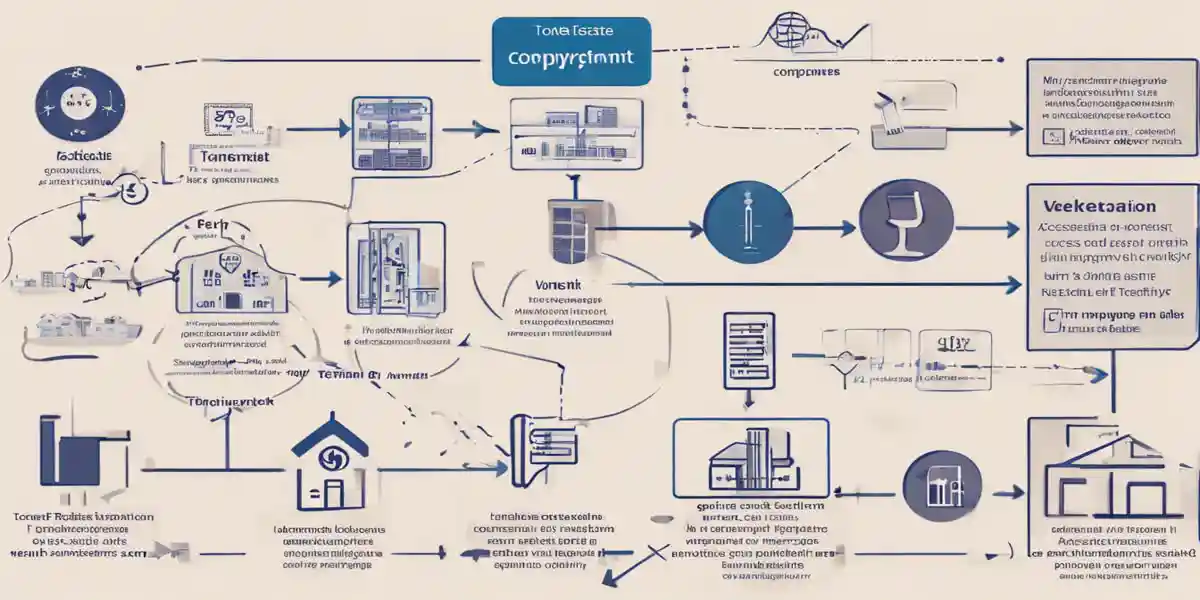
Tokenization is revolutionizing the way we conceptualize ownership and investment, particularly when coupled with the power of smart contracts. This section will delve into how smart contracts facilitate the tokenization process, particularly in real estate and other high-value assets, while providing real-world examples of successful implementations.
At its essence, tokenization involves creating digital representations of physical assets on the blockchain. These tokens can denote ownership or rights to an asset, making transactions simpler, more transparent, and more secure. But how does this work in practice?
Consider the real estate market, which has notoriously been laden with inefficiencies. Traditionally, buying or selling property involves extensive paperwork, intermediaries, and significant costs. Tokenization changes this dynamic by allowing properties to be represented as unique non-fungible tokens (NFTs) on platforms like Ethereum. With smart contracts managing the transaction process, buyers can purchase fractional ownership of a property without the typical burdens of traditional transactions.
The project "My Real Estate" exemplifies how blockchain technology can address inherent challenges in the real estate market. This application employs a two-phase approach to streamline transactions:
By establishing verified ownership histories and reducing transaction costs, "My Real Estate" aims to democratize investment in real estate while enhancing liquidity in the market.
Another notable project is JOINFT, which facilitates joint ownership of real estate through fractional non-fungible tokens (F-NFTs). This innovative solution addresses the barriers of accessibility and affordability in property ownership:
Through prototype testing, JOINFT has demonstrated effectiveness in promoting joint ownership, although it highlights the necessity for further research on regulatory frameworks.
Tokenization is not limited to real estate; it extends to various high-value assets, including art and intellectual property. For instance, the MUSICOW platform in South Korea allows users to invest in music copyrights through fractional ownership:
These platforms not only enhance liquidity but also tap into emerging markets of young retail investors eager to participate in high-value investments with minimal capital.
While smart contracts hold immense potential for facilitating tokenization, the security of these contracts is paramount. A recent paper has introduced a novel formal verification technique to analyze blockchain smart contracts:
As the use of smart contracts proliferates, ensuring their reliability through rigorous verification processes will be vital to fostering trust among users and investors.
Imagine a world where the complexities of ownership, transactions, and agreements are simplified, transparent, and accessible to everyone. This is the promise of smart contracts, the unsung heroes of blockchain technology, which are reshaping the landscape of tokenization—an idea that is rapidly gaining traction.
At its core, tokenization refers to representing real-world assets—like real estate, art, and even time—on the blockchain through unique digital tokens. These tokens can be easily traded, divided, and verified, opening doors to previously inaccessible markets. Smart contracts act as the backbone of this system, automating and enforcing the terms of agreements without the need for intermediaries.
Consider the implications of tokenizing real estate. Traditionally, buying or selling property involves a labyrinth of paperwork, legal fees, and significant delays. However, with smart contracts, the entire process can be streamlined. For instance, a potential buyer could purchase a fraction of a property token through a smart contract that automatically distributes rental income to token holders and confirms ownership through blockchain verification. This model not only democratizes access to investment opportunities but also enhances liquidity in illiquid markets.
The initiative known as My Real Estate exemplifies this approach. It is a web application utilizing blockchain technology and NFTs to tackle challenges in the real estate market. By integrating the MERN stack with the Ethereum blockchain, the application allows for secure transactions facilitated by smart contracts. In its second phase, properties are tokenized into unique NFTs, enabling fractional ownership and enhancing liquidity, while also considering community-driven governance. This project aims to transform real estate transactions and ownership management significantly, establishing verified ownership histories and reducing costs.
Another innovative concept in the realm of tokenization is the JOINFT platform. This blockchain-based solution facilitates joint ownership of real estate through fractional non-fungible tokens (F-NFTs). It addresses the accessibility and affordability challenges in property ownership by enhancing secure and transparent transactions. By incorporating group-level agreements and user participation history to calculate trust scores, JOINFT demonstrates the potential for smart contracts to reshape property investment dynamics. Although the prototype has shown effectiveness in promoting joint ownership, further research is necessary to explore regulatory frameworks and the broader acceptance of F-NFTs in the real estate sector.
The potential for tokenization extends beyond real estate, reaching into the realm of fractional investment. Consider MUSICOW, Korea's first music copyright fractional trading platform. This platform allows young retail investors to share ownership of high-value assets like music copyrights with minimal capital. By analyzing MUSICOW's operational model, it becomes evident how smart contracts can facilitate the fractional ownership of diverse asset classes, thereby appealing to a broader range of investors. The innovative elements of this platform could serve as a template for future fractional investment platforms, further opening the doors to capital accessibility.
As the adoption of smart contracts grows, so does the need for security within these systems. A recent study introduced a novel formal verification technique for analyzing blockchain smart contracts, addressing the financial losses caused by errors in contracts, exemplified by various high-profile attacks. Utilizing ATL model checking to model user-contract interactions as a two-player game, this method effectively verifies the desired properties in smart contracts. Case studies showcased the technique's ability to identify subtle vulnerabilities in real-world contracts, underscoring the importance of security in the evolving landscape of blockchain and tokenization.
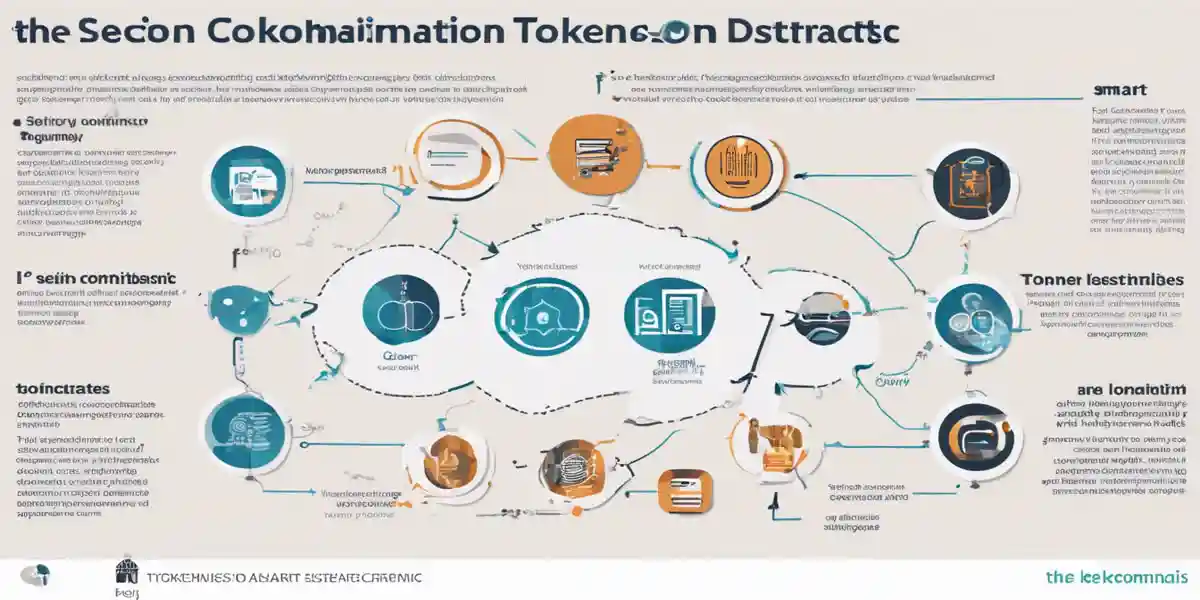
As we delve into the transformative world of tokenization and smart contracts, it's essential to acknowledge the challenges and opportunities that lie ahead. While the promise of a more equitable and efficient system is tantalizing, the road to full implementation is fraught with hurdles that require innovative solutions.
One of the most pressing challenges in the development of smart contracts is ensuring their security and reliability. High-profile attacks on blockchain systems, such as the infamous DAO hack, have highlighted the vulnerabilities that can exist within smart contracts.
To address this, researchers have proposed formal verification techniques that rigorously assess smart contracts for potential errors before deployment. For instance, a recent study introduced an ATL model checking method that treats user-contract interactions as a two-player game, effectively verifying the desired properties of smart contracts. Such advancements not only enhance security but also build trust among users, which is crucial for widespread adoption.
Another significant challenge lies in the regulatory landscape surrounding tokenization. As projects like JOINFT demonstrate, fractional ownership through non-fungible tokens (F-NFTs) can improve accessibility and affordability in real estate transactions. However, the lack of clear regulatory frameworks often stifles innovation. Stakeholders must navigate a complex web of laws that vary by jurisdiction, which can hinder the growth of blockchain-based solutions. As the industry evolves, collaboration between regulators and blockchain innovators will be vital in crafting policies that protect consumers while fostering innovation.
The transition to a tokenized economy also faces skepticism from traditional investors and institutions. New frameworks, like the one developed in the "My Real Estate" project, aim to address issues such as transparency and fraud, but market acceptance remains a barrier. These systems must prove their effectiveness and reliability through real-world applications.
For example, the MUSICOW platform, which allows fractional investment in music copyrights, serves as a pioneering case study that could pave the way for similar platforms in other industries. As more successful use cases emerge, confidence in tokenized assets is likely to grow, making them more appealing to a broader audience.
Despite these challenges, immense opportunities arise from the intersection of smart contracts and tokenization. The ability to tokenize real-world assets not only democratizes access to investments but also enhances liquidity in traditionally illiquid markets. Imagine a world where individuals can buy fractional shares of high-value assets like art or real estate with minimal capital. This shift could redefine investment strategies, especially for younger retail investors who are increasingly seeking alternative assets.
Moreover, the concept of tokenizing personal time introduces a novel market where individuals can offer time-based services or experiences through smart contracts. This creates a dynamic marketplace that adjusts compensation based on supply and demand, ensuring fair remuneration for services rendered.
Tokenization also opens doors to community-driven governance models. Projects like "My Real Estate" are exploring how verified ownership histories and community input can help shape decision-making processes. By allowing token holders to participate in governance, these systems can create a sense of ownership and accountability, further driving user engagement and trust.
Tokenization is not just a buzzword; it’s a transformative concept redefining ownership and investment. By representing tangible assets like real estate, art, and other valuable entities as digital tokens on the blockchain, tokenization creates a bridge between the physical and digital worlds. This process simplifies transactions, enhances liquidity, and opens up new markets for both investors and consumers. But how exactly does this happen?
At the heart of tokenization lies the technology of smart contracts—self-executing contracts with the terms of the agreement directly written into code. Smart contracts automate and enforce agreements without intermediaries, resulting in reduced costs and increased efficiency. For instance, imagine a scenario where a piece of real estate is tokenized.
A buyer could purchase a fraction of the property through a smart contract that not only verifies ownership via blockchain but also automatically distributes rental income to token holders. This level of automation and transparency is revolutionary.
The project "My Real Estate" exemplifies the practical application of tokenization in the real estate sector. Developed using the MERN stack and integrated with Ethereum, this web application addresses significant challenges such as fraud and inefficiency in property transactions.
In Phase 1, a user-friendly interface was created, while Phase 2 focused on converting properties into unique non-fungible tokens (NFTs). This approach allows for fractional ownership, enabling individuals to invest in real estate with minimal capital. By establishing verified ownership histories and reducing costs, "My Real Estate" aims to democratize real estate investment.
Another innovative approach is represented by JOINFT, a blockchain solution for joint ownership of real estate through fractional non-fungible tokens (F-NFTs). This platform enhances the accessibility and affordability of property ownership by allowing users to collectively own shares of a property. JOINFT incorporates group-level agreements and tracks user participation, creating a trust score that helps in assessing the reliability of participants. The prototype developed by the authors demonstrated successful test transactions, indicating that this model could significantly improve accessibility in the real estate market.
Beyond real estate, tokenization empowers various asset classes through fractional investment strategies. A notable example is MUSICOW, Korea's first music copyright fractional trading platform, which allows users to invest in music rights with minimal capital. By tokenizing music copyrights, MUSICOW enables a broader demographic to engage in investment opportunities that were previously limited to wealthy individuals. The operational model and innovative elements of MUSICOW could inspire the emergence of numerous fractional investment platforms, revolutionizing how we perceive ownership in diverse sectors.
While the potential of smart contracts is immense, ensuring their integrity is crucial to avoiding financial losses due to errors or vulnerabilities. Recent studies have proposed novel verification techniques for analyzing smart contracts. For instance, utilizing ATL model checking, a method that models user-contract interactions as a two-player game, allows for a comprehensive analysis of desired properties in smart contracts. This rigorous verification process is vital, as demonstrated by high-profile contract attacks that have caused significant financial damage in the past. Such advancements in contract verification will bolster the trust and reliability necessary for widespread adoption of tokenization.
From simplifying property transactions to fostering joint ownership and enabling fractional investments, the impact of smart contracts on tokenization is profound and far-reaching. Each step taken in developing these technologies not only enhances market accessibility but also paves the way for a more equitable economic landscape where everyone can participate in the ownership of valuable assets.
Imagine a world where the complexities of ownership, transactions, and agreements are simplified, transparent, and accessible to everyone. This is the promise of smart contracts, the unsung heroes of blockchain technology, which are reshaping the landscape of tokenization—an idea that invites us to rethink ownership in the digital age.
At its core, tokenization refers to representing real-world assets—like real estate, art, and even time—on the blockchain through unique digital tokens. These tokens serve as digital certificates of ownership that can be easily traded, divided, and verified, thus opening doors to previously inaccessible markets. With the power of smart contracts, these tokens are more than just digital representations; they are functional components that automate agreements without the need for intermediaries.
Consider the implications of tokenizing real estate. Traditionally, buying or selling property involves a labyrinth of paperwork, legal fees, and delays. However, with smart contracts, the entire process can be streamlined. A potential buyer could purchase a fraction of a property token through a smart contract that automatically distributes rental income to token holders and confirms ownership through blockchain verification. This not only democratizes access to investment opportunities but also enhances liquidity in illiquid markets.
The project "My Real Estate" leverages blockchain technology and NFTs to tackle challenges in the real estate sector, such as transparency and fraud. The initiative unfolds in two phases. In the first phase, a user-friendly application is developed using the MERN stack, ensuring seamless interaction with the Ethereum blockchain for secure transactions facilitated by smart contracts. The second phase focuses on transforming properties into unique NFTs, allowing for fractional ownership and increased market liquidity.
This application not only addresses ownership verification but also establishes verified ownership histories, significantly reducing costs and democratizing investment in real estate. Imagine being able to own a slice of a high-value property without the burdens of traditional real estate transactions—this is the future that "My Real Estate" envisions.
The concept of fractional ownership is further exemplified by JOINFT, a blockchain-based solution designed to facilitate joint ownership of real estate through fractional non-fungible tokens (F-NFTs). This innovative system enhances the accessibility and affordability of property ownership, allowing multiple investors to own shares of a property securely and transparently. By integrating group-level agreements and capturing user participation history to calculate trust scores, JOINFT fosters a collaborative investment environment.
The authors of the project conducted test transactions, demonstrating JOINFT's effectiveness in promoting joint ownership. While the findings indicate improvements in both accessibility and trust, they also highlight the need for further research into regulatory frameworks surrounding F-NFTs in the real estate sector.
Moreover, the trend of fractional investments is gaining traction, especially among younger retail investors. Using MUSICOW, Korea's first music copyright fractional trading platform, as a case study, we can explore how fractional ownership allows individuals to share ownership of high-value assets like music rights with minimal capital. The operational model of MUSICOW serves as a template that may inspire the creation of additional fractional investment platforms in the near future, thus reshaping the investment landscape.
As we explore the application of smart contracts, one cannot overlook the importance of security in this ecosystem. A paper introduces a novel formal verification technique for analyzing blockchain smart contracts, addressing the financial losses caused by errors in contracts, which have been evidenced by various high-profile attacks. Unlike existing methods, this approach utilizes ATL model checking to model user-contract interactions as a two-player game, effectively verifying desired properties in smart contracts.
Through case studies, the authors demonstrate how this technique can identify subtle vulnerabilities in real-world smart contracts, reinforcing the need for robust security measures as we continue to innovate in the blockchain space.
Beyond tangible assets, the potential for innovation extends into more abstract realms—what if we tokenized our time? Imagine a marketplace where individuals could sell time-based tokens for services or experiences. Smart contracts could ensure fair compensation while automatically adjusting terms based on demand or supply. This would not only empower individuals to monetize their time but also create a dynamic marketplace driven by real-time needs and offerings.
In this exploration of tokenization and smart contracts, we've witnessed the dawn of a transformative era in asset ownership and investment. Tokenization, by converting real-world assets into digital tokens, not only simplifies the complex world of ownership but also democratizes access to previously unattainable markets. Whether it’s real estate through projects like "My Real Estate," or music copyrights via platforms like MUSICOW, the implications are profound and far-reaching.
We've unraveled the mechanics behind tokenization, understanding how smart contracts serve as the backbone of this innovation. These self-executing contracts automate transactions, enhancing efficiency while ensuring trust and security through robust verification techniques. The two-phase approach exemplified by "My Real Estate" demonstrates how technology can streamline property transactions, making them accessible to a broader audience.
However, as we navigate these promising waters, we must also acknowledge the challenges that lie ahead, from regulatory hurdles to security concerns. The road to widespread adoption will require collaboration among stakeholders, continuous innovation, and a commitment to safeguarding investor interests. Yet, the opportunities are vast—imagine a future where not just assets, but even time can be tokenized, creating dynamic marketplaces that reflect real-time demand.
As we stand on the brink of this new frontier, the question beckons: How will you engage with the evolving landscape of tokenization and smart contracts? Will you be an innovator, an investor, or a participant in this exciting journey? The future is not just to be observed; it’s yours to shape. Embrace the change and consider how you can leverage these technologies to redefine your understanding of ownership and value.
Get notified about new articles, coffee tips, and Web3 insights.
This site participates in affiliate programs and may earn a commission when a link is clicked and a purchase is made. The site is not responsible for any issues or troubles related to the products or services purchased through the use of this site.

DO&COFFEE loves coffee and technology, exploring the potential of NFTs and blockchain. Learn more →
DO&COFFEE loves coffee and technology, exploring the potential of NFTs and blockchain. Learn more →