wellness
2024/08/13
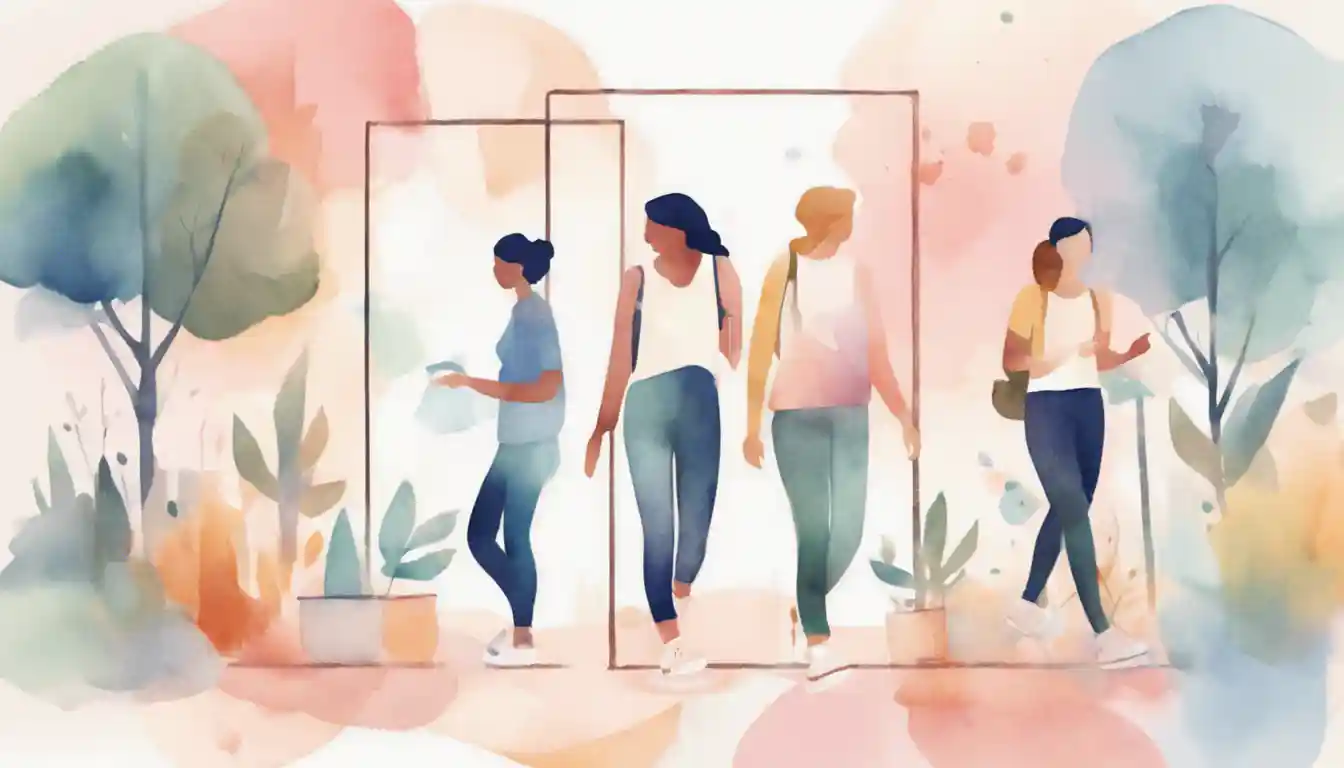
In the fast-paced and often isolating realm of Web3 development, it's easy for developers to become submerged in a sea of code, blockchain intricacies, and endless debugging. Amidst this whirlwind, the need for self-care becomes paramount. Enter the innovative concept of “Walking Through Art Installations”—a virtual reality (VR) initiative that blends immersive art experiences with essential mental rejuvenation tailored specifically for the tech community.
Imagine stepping into a curated virtual gallery, brimming with dynamic and interactive art installations crafted by digital artists worldwide. Each piece is not just a visual spectacle but a catalyst for reflection and creativity, inviting developers to engage with themes that resonate with innovation and community. As they don their VR headsets, they can wander through these digital spaces, finding inspiration and a momentary escape from their coding routines.
This initiative doesn't just stop at visual engagement; it integrates guided meditations and networking opportunities, fostering connections among peers and nurturing a sense of belonging. By embracing this form of self-care, Web3 developers can cultivate creativity, combat burnout, and achieve a healthier work-life balance, ultimately transforming their relationship with technology. As we explore the benefits of art walks and practical strategies for integrating them into daily life, we unveil a holistic approach that redefines self-care in a tech-driven world.
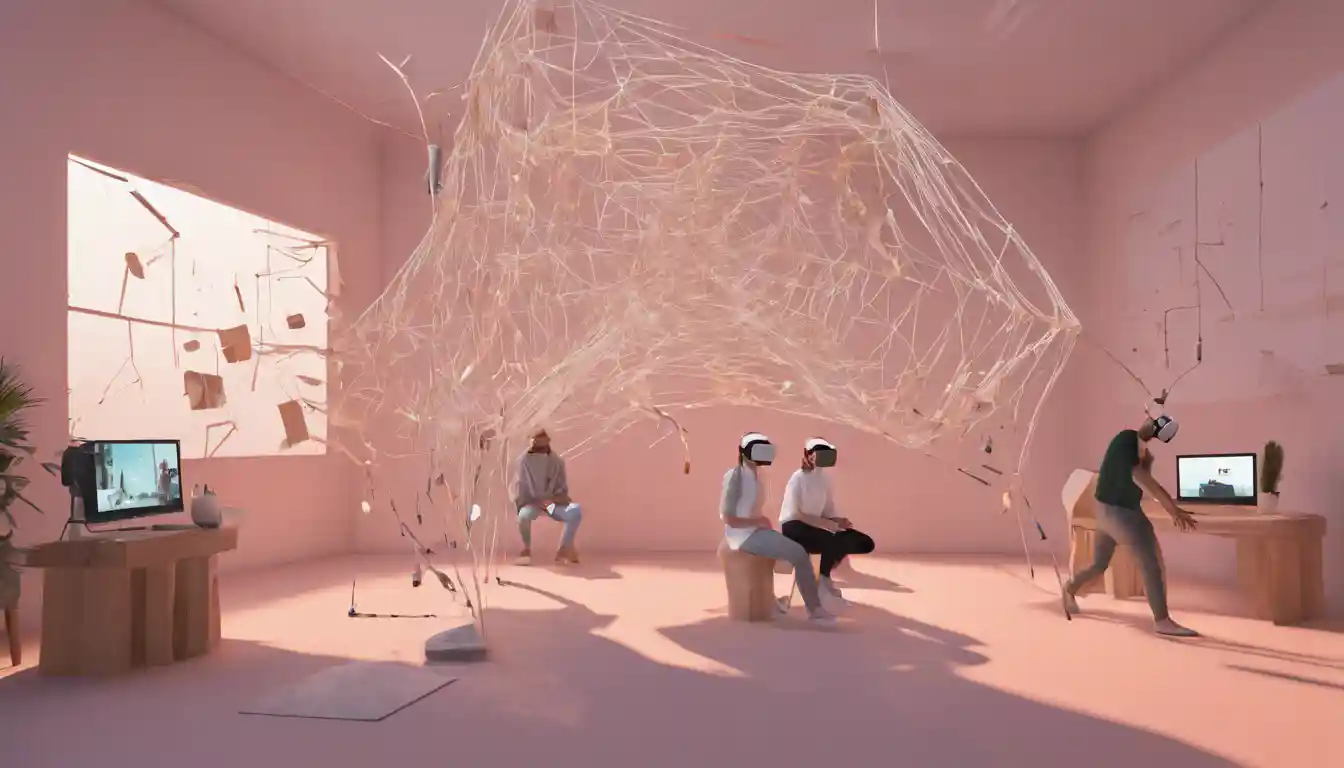
In the rapidly evolving world of Web3, developers often find themselves entrenched in lines of code, blockchain protocols, and endless debugging sessions. This constant engagement with technology can lead to mental fatigue and burnout. To counter this, the concept of “Walking Through Art Installations” introduces a unique virtual reality (VR) initiative aimed at merging art appreciation with the essential self-care needs of Web3 developers.
Self-care is not merely a trend; it is a crucial aspect of sustaining mental health and enhancing productivity, especially in high-pressure fields like Web3 development. Developers often work in isolation, leading to a disconnection from their creative selves and a potential decline in overall well-being. Engaging in activities that promote relaxation, creativity, and community connection can significantly alter this landscape.
Art and cultural experiences have long been recognized for their healing properties. According to a recent study on healing tourism, art and cultural healing tours can inspire creativity and foster connections through immersive experiences. Just as these tours encourage personal development and enhance self-image, a VR art walk can provide similar benefits for developers. The curated virtual gallery, populated with dynamic, interactive installations by digital artists worldwide, serves as a sanctuary for reflection and rejuvenation.
Imagine donning a VR headset and stepping into a world where vibrant colors and interactive elements surround you. Each installation is designed not only to captivate but also to inspire reflection on themes of innovation, community, and the future of technology. This immersive experience is not just about viewing art; it’s about engaging with it on a deeper level, allowing developers to explore their creativity without the constraints of traditional work environments.
The experience becomes even more enriching with the integration of guided meditations, which can be interwoven with the art installations. This allows developers to pause, reflect, and recharge amid their busy schedules. The act of stepping away from the screen and engaging with art can act as a reset button, easing mental fatigue and enhancing clarity of thought.
Moreover, built-in networking opportunities foster connections among peers, creating a sense of community that is often missing in the solitary nature of coding. Developers can share insights, discuss their projects, and even collaborate on new ideas, all while immersed in a soothing artistic environment.
This virtual art walk not only serves as a form of self-care but also as a source of inspiration. By stepping away from their screens and immersing themselves in this digital art world, Web3 developers can cultivate creativity, reduce burnout, and foster a healthier work-life balance. This initiative has the potential to redefine how developers perceive self-care in a tech-driven environment, merging art, relaxation, and community into a holistic experience.
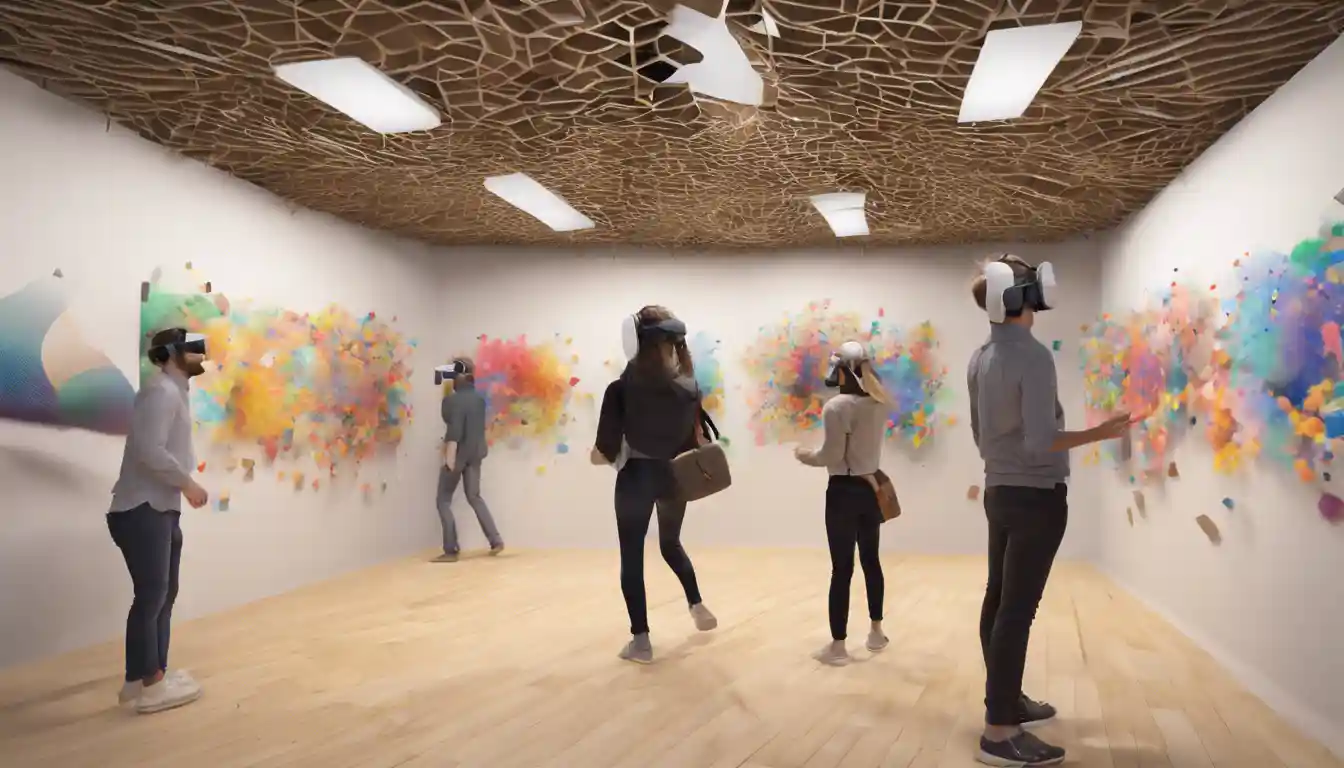
Walking through art installations, especially in a virtual reality context, offers a unique blend of physical activity and creative engagement. This dual approach not only cultivates mental well-being but also fosters a rejuvenating experience for Web3 developers.
Walking is a powerful form of exercise that has been shown to improve physical health, increase energy levels, and enhance mood. Studies have demonstrated that walking can lead to the release of endorphins, the body's natural mood lifters. For Web3 developers, who often spend long hours seated and focused on complex coding tasks, integrating physical movement into their routines can alleviate stress and reduce feelings of burnout.
Art has long been recognized as a catalyst for creativity and inspiration. Engaging with art installations can stimulate the mind, allowing developers to break free from the rigid structures of coding. The immersive experience of walking through dynamic, interactive art installations encourages a flow state, as described by Mihaly Csikszentmihalyi. This state of flow, characterized by deep engagement and enjoyment, can be pivotal in sparking innovative ideas and solutions in the tech space.
Research into immersive scene design highlights the intersection of art and positive psychology, underscoring the importance of creating engaging environments that foster emotional connections. Virtual art installations can be designed to elicit specific emotional responses, enhancing the overall experience for developers. By combining art with guided meditations, these installations not only provide visual stimulation but also facilitate mental relaxation and self-reflection, which are crucial for maintaining long-term productivity in the fast-paced world of Web3.
In the realm of healing tourism, initiatives such as "art and cultural healing tours" have gained traction. These tours focus on personal development through cultural experiences, allowing participants to immerse themselves in artistic environments that inspire creativity and connection.
For instance, events like the Art Basel not only showcase contemporary art but also incorporate walking tours that engage audiences with both the artwork and the city itself. Such experiences serve as a model for how the Web3 community can leverage similar approaches to foster creativity and mental rejuvenation.
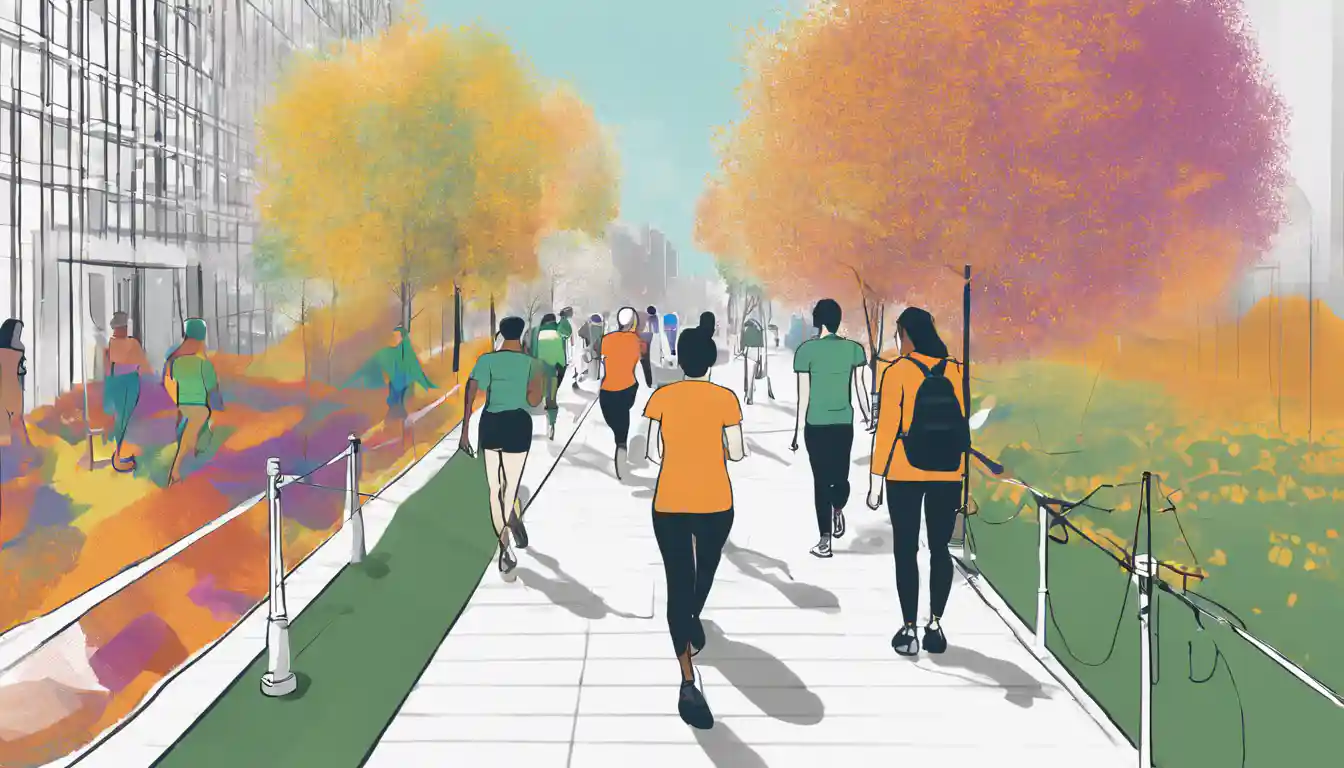
The "Walking Through Art Installations" initiative offers a dual-fold benefit for Web3 developers, addressing both physical and mental health in a uniquely engaging manner. As developers navigate the virtual art spaces, they not only stimulate their creativity but also gain significant health benefits that can enhance their overall well-being.
Walking, whether in a physical or virtual environment, serves as a crucial form of exercise that can combat the sedentary lifestyle often associated with coding. Research highlights the importance of physical movement in maintaining health, with even moderate walking linked to lower risks of chronic diseases, improved cardiovascular health, and enhanced overall fitness.
In the context of the VR art installations, developers can engage in a form of "active viewing," moving through the space and interacting with the art, effectively transforming a passive experience into an active one.
Moreover, the immersive nature of virtual reality can encourage longer engagement periods without the fatigue typically associated with traditional screens. Art installations that require movement can help developers break the cycle of prolonged sitting, thereby reducing the risk of musculoskeletal disorders and promoting better posture and circulation.
The mental health advantages of this initiative are equally compelling. The concept of "healing tours," as explored in recent studies, emphasizes the impact of cultural experiences on personal development and self-image. Engaging with art has been shown to inspire creativity and foster connections—key elements for mental rejuvenation. For Web3 developers, stepping away from their code to immerse themselves in art can provide a much-needed respite from the cognitive load of technical challenges.
Furthermore, the integration of guided meditations within the virtual art experience can significantly enhance relaxation and mindfulness. Research on positive psychology underlines the importance of flow theory, which posits that immersive experiences can lead to heightened satisfaction and emotional well-being. By creating an environment that encourages flow, developers can achieve a sense of deep engagement that not only alleviates stress but also cultivates a more profound emotional connection with their work and creativity.
Real-world examples abound; art therapy has been recognized in various clinical settings as an effective method to reduce anxiety and improve mental health outcomes. By incorporating similar principles into the VR experience, developers can benefit from a therapeutic outlet that aligns with their professional lives, ultimately leading to lower rates of burnout and greater job satisfaction.
In addition to the individual health benefits, the initiative fosters a sense of community among developers. The solitary nature of coding can often lead to feelings of isolation. However, by participating in a shared virtual experience, developers can connect, collaborate, and share insights in a relaxed setting. This communal aspect not only enhances mental well-being but also encourages knowledge exchange, innovation, and creativity within the Web3 space.
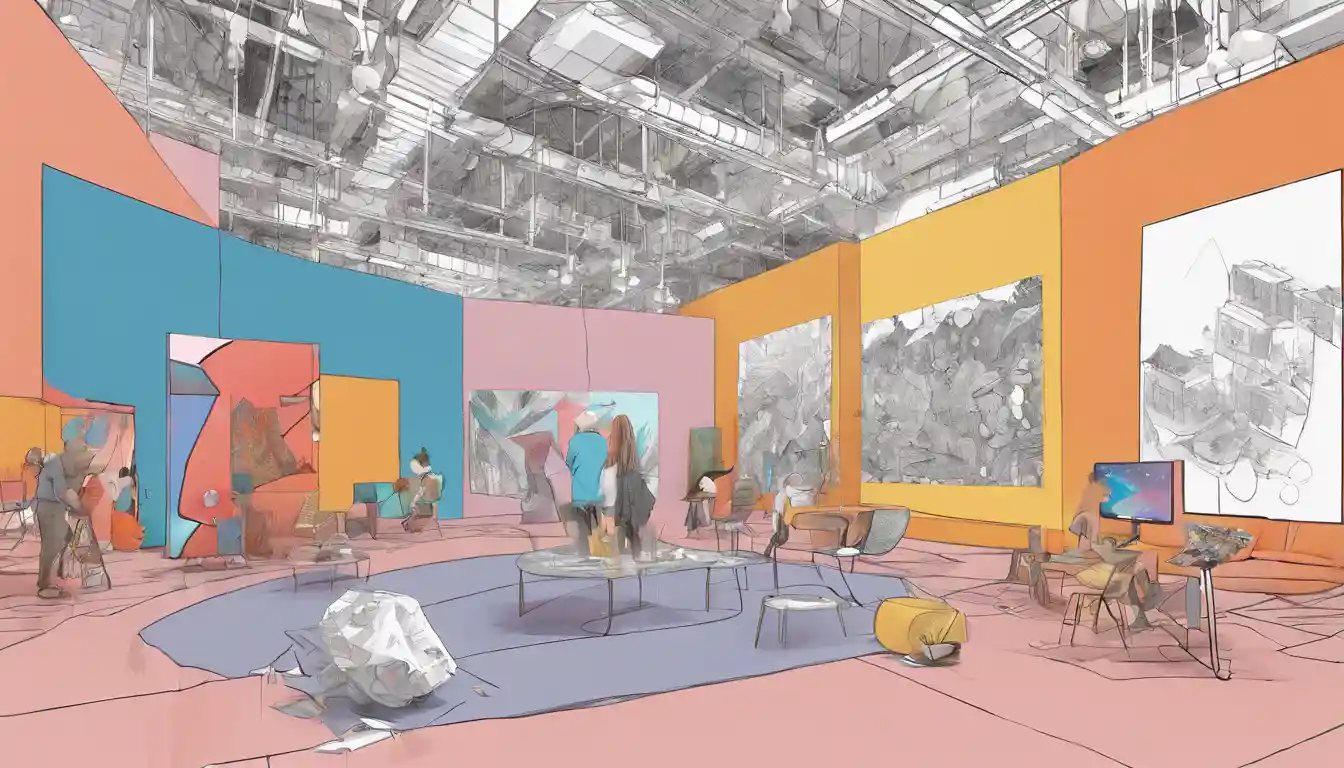
In the fast-paced world of Web3 development, creativity can often take a back seat to technical challenges. However, art can serve as a powerful catalyst for reigniting this crucial skill. Engaging with art installations—especially in immersive environments—offers developers a unique opportunity to explore new ideas and perspectives, ultimately enhancing their creative output.
Art has long been recognized as a significant driver of creativity. A study on healing tourism highlights how art and cultural experiences can inspire connection and creativity, suggesting that exposure to artistic expressions facilitates personal development and fosters innovative thinking. For Web3 developers, who frequently work in isolation, a virtual gallery of art installations can create an environment that stimulates fresh ideas and perspectives.
Immersive art experiences can be particularly effective in enhancing creativity due to their ability to induce a state of "flow"—a term popularized by psychologist Mihaly Csikszentmihalyi. The concept of flow is characterized by complete absorption in an activity, leading to heightened creativity and productivity. By integrating principles of immersive scene design that emphasize interactivity and engagement, such as those seen in art therapy, developers can achieve flow while navigating through digital art installations. This aligns with findings from recent research indicating that well-designed immersive experiences can significantly enhance audience satisfaction and emotional connections.
Imagine a curated virtual gallery where developers can interact with pieces that resonate with the themes of innovation and community. Each installation could incorporate interactive elements, such as the ability to manipulate the art or participate in collaborative projects, allowing developers to engage actively rather than passively consuming content. For example, initiatives like Immersive Art have successfully created platforms where users can explore virtual reality art spaces, enhancing their creative thought processes while providing a much-needed break from coding.
In addition to the interactive nature of these installations, incorporating guided meditations and reflection prompts can amplify the self-care aspect of the experience. By encouraging developers to pause and engage in mindfulness practices, these sessions can help clear mental clutter, leading to renewed inspiration when they return to their work. This holistic approach is supported by the healing tourism concept, which emphasizes the importance of leisure, personal choice, and relaxation in achieving overall well-being.
Art installations can also serve as a platform for networking among developers. By facilitating discussions and collaborations within these virtual spaces, developers can share insights and inspirations, creating a sense of community that counteracts the isolation often felt in the world of coding. This aligns with the growing recognition of the importance of social connections for creative thinking and problem-solving.
Incorporating art walks into your daily routine can significantly enhance your well-being as a Web3 developer. Here are some practical strategies to seamlessly blend these immersive experiences into your busy schedule.
Consistency is key. Set aside specific times during your day dedicated to stepping away from your coding tasks. Just as you would schedule a meeting, block out 15-30 minutes on your calendar for an art walk. This creates a ritual that signals your brain it's time to recharge.
If you have access to VR headsets, consider platforms like Viveport or Oculus that offer virtual art galleries. Engage with dynamic installations that are designed to inspire creativity and reflection. The immersive nature of VR can help you experience art in ways that transcend traditional viewing, bringing Mihaly’s flow theory into play—where total engagement with the art can enhance your mental state.
Consider taking your art exploration outdoors. Many urban areas have public art installations that can be visited on foot. This combines the benefits of physical exercise with cultural immersion, aligning with the concepts of walking healing tours. Use apps like Google Maps to find local art installations, or download a dedicated art walk app that guides you through your city’s art scene while promoting movement.
Enhance your art walk experience by incorporating mindfulness techniques. Before or during your visit, practice deep breathing or guided meditation. This can be easily accessed through apps like Headspace or Calm, which offer sessions tailored for relaxation. Integrating meditation can not only increase your engagement with the art but also promote a sense of calm and rejuvenation.
Art walks can also serve as a social outlet. Join or create a local group of developers interested in art and culture. Platforms like Meetup can help you find like-minded individuals. This not only expands your network but also adds a communal aspect to your self-care routine, reducing the isolation often felt in the tech industry.
After your art walk, take a few moments to reflect on your experiences. Journaling about what you saw and how it made you feel can enhance your self-awareness and creativity. Noting your thoughts can also serve as a powerful tool for personal development, echoing the findings of the healing tourism study, which emphasizes the importance of leisure and personal choice in achieving overall well-being.
Don’t limit yourself to just visual art. Explore installations that incorporate sound, performance, or interactive elements. Engaging with diverse media can stimulate different parts of your brain, fostering creativity. For instance, consider visiting immersive sound installations that resonate with the themes of innovation and community, further enriching your experience.
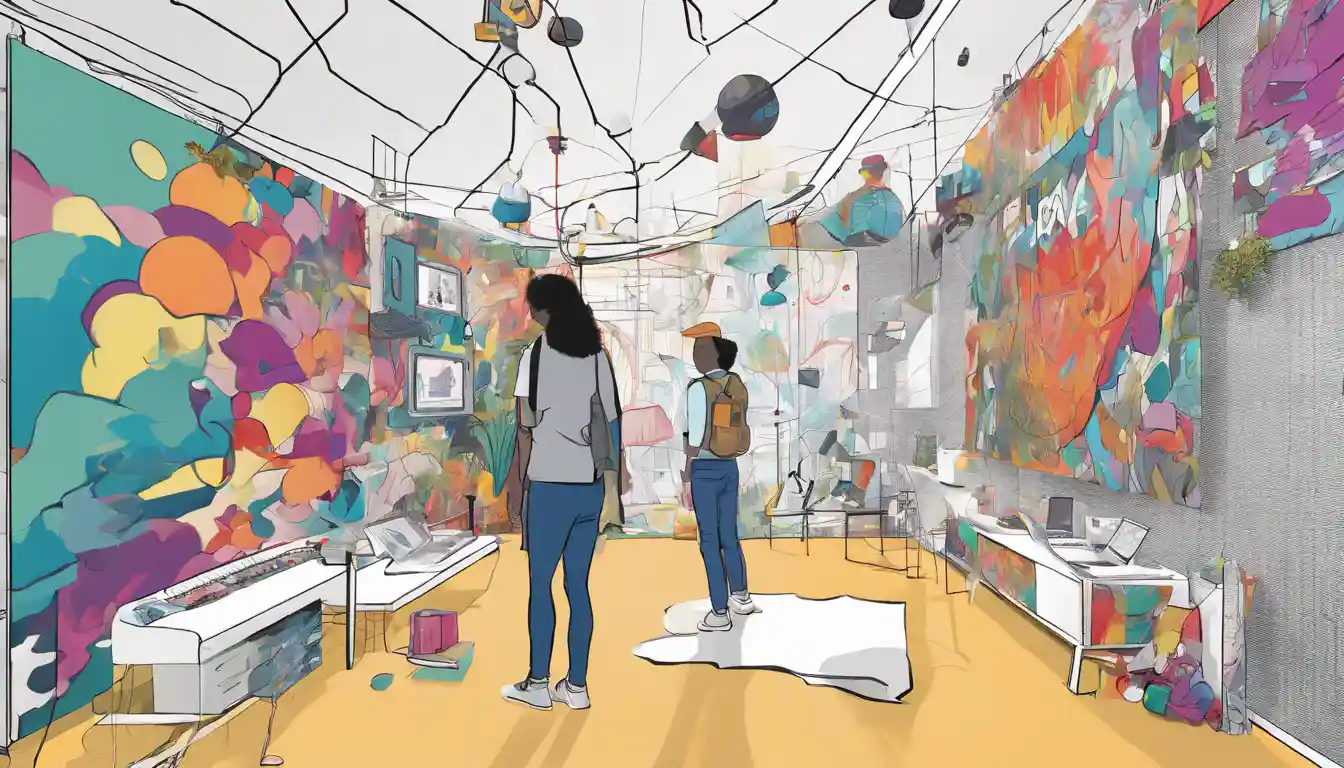
The concept of walking through art installations—especially in a virtual reality (VR) context—offers a unique blend of self-care and professional development for Web3 developers. This section delves into how this initiative can help rejuvenate their minds by merging technology with artistic expression.
Art and cultural experiences have long been recognized for their therapeutic benefits. As noted in recent studies on healing tourism, engaging with art can inspire creativity and foster connections. For Web3 developers, who often find themselves isolated in a world of code and algorithms, a curated virtual gallery can serve as a vital tool for mental wellness. By immersing themselves in interactive installations created by digital artists worldwide, developers can experience a refreshing break from their routine.
Incorporating principles from flow theory, developers can create immersive experiences that not only captivate but also engage users at a deeper emotional level. Mihaly Csikszentmihalyi's flow theory outlines eight elements necessary for achieving this state: challenge, skills, clear goals, feedback, concentration, control, loss of self-consciousness, and transformation of time. By integrating these elements into the VR art installations, developers can enhance user satisfaction and emotional connection.
To maximize the self-care benefits of walking through art installations, several interactive features can be implemented:
Several platforms have already begun to explore the intersection of art and technology. For instance, platforms like VRChat and Artful Escape provide users with the ability to experience art in immersive ways. Developers can take inspiration from these existing platforms to create tailored environments that not only showcase art but also enhance the emotional and psychological well-being of users. Initiatives like MoMA's VR experiences have demonstrated how museums can reach wider audiences and provide enriching experiences even from a distance.
Ultimately, the initiative of walking through art installations in a VR setting can redefine how Web3 developers approach self-care. By stepping away from their screens and engaging with art and community, they can cultivate creativity and reduce burnout. This holistic experience not only benefits their mental health but also enhances their productivity and innovation in their work.
In an industry where the demands are incessant and the coding marathons relentless, the initiative of "Walking Through Art Installations" emerges as a transformative approach to self-care for Web3 developers. This blog has explored the multifaceted benefits of integrating art and physical movement into the daily lives of developers.
From enhancing physical and mental well-being to sparking creativity, the act of engaging with art installations—especially within the immersive realms of virtual reality—serves as a powerful antidote to the isolation and burnout that often accompany tech-centric careers.
We've seen how walking, coupled with art appreciation, can stimulate endorphin release, promote mindfulness, and foster a sense of community among developers. The creation of virtual art spaces not only encourages a break from screens but also facilitates deeper connections with fellow developers and cultivates a shared sense of inspiration. Moreover, as participants navigate these interactive installations, they can experience a flow state that enhances creative problem-solving, emphasizing the significant role of art in driving innovation.
As we reflect on these insights, the implications for the Web3 community are profound. By embracing art walks as a regular part of their self-care routines, developers can redefine their approach to creativity, productivity, and overall well-being. The time has come for developers to step beyond the confines of their code and engage with the world around them, tapping into the healing power of art and the rejuvenating effects of movement.
So, why not take that first step today? Schedule an art walk into your week, explore a virtual gallery, or connect with fellow developers over a shared appreciation of creativity. Your mind—and your code—will thank you.
Get notified about new articles, coffee tips, and Web3 insights.
This site participates in affiliate programs and may earn a commission when a link is clicked and a purchase is made. The site is not responsible for any issues or troubles related to the products or services purchased through the use of this site.

DO&COFFEE loves coffee and technology, exploring the potential of NFTs and blockchain. Learn more →
DO&COFFEE loves coffee and technology, exploring the potential of NFTs and blockchain. Learn more →