coffee
2024/08/13

In the bustling heart of urban landscapes, cafe culture is undergoing a significant transformation, driven by the dual forces of artisanal coffee craftsmanship and cutting-edge technology. As coffee aficionados flock to their local coffee shops, they are not merely seeking caffeine; they are in search of a narrative—a connection to the beans that fuel their daily rituals. This blog post, titled "Exploring Cafe Culture: How Coffee Beans and Blockchain Are Transforming Urban Spaces," delves into this fascinating intersection of tradition and innovation.
We will explore the rise of coffee shops as community hubs, the intricate journey of coffee beans from farm to cup, and the revolutionary role blockchain technology plays in enhancing transparency within the coffee supply chain. Imagine a world where you can trace every sip of your coffee back to its origin, all thanks to a blockchain-based system like CoffeeTrace. This platform promises to empower farmers, foster ethical consumption, and redefine our appreciation for coffee.
Moreover, we’ll examine recent studies highlighting the feasibility and benefits of integrating blockchain into the coffee supply chain, showcasing its potential to build trust and promote sustainable practices. As urban spaces continue to evolve, understanding the dynamics of cafe culture through the lens of technology and responsible sourcing becomes increasingly important. Join us as we embark on a journey to uncover how coffee beans and blockchain are not just changing what we drink, but also how we connect with our communities and the world around us.
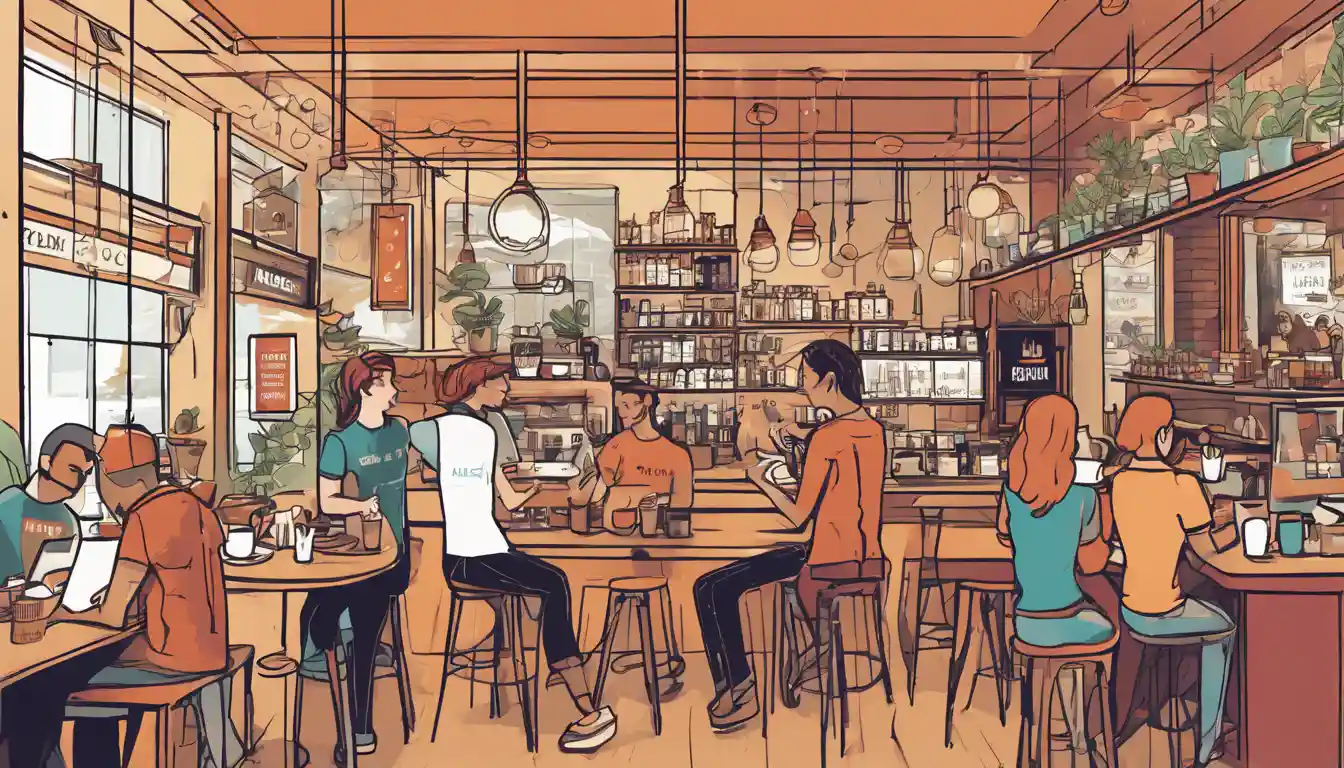
The coffee shop has evolved from a simple place to grab a quick cup of joe into a vibrant social hub that drives urban culture. In cities across the globe, coffee shops are thriving as they adapt to the changing needs of consumers. This transformation is not just about the coffee; it’s about the experience, the ambiance, and the community engagement.
Artisanal coffee has played a pivotal role in the rise of modern coffee shops. Roasters and baristas take pride in their craft, often sourcing beans from specific regions and practicing innovative brewing techniques. This focus on quality and sustainable sourcing caters to a growing consumer demand for transparency and ethical practices. For instance, Blue Bottle Coffee, with its origins in Oakland, California, emphasizes the importance of freshly roasted beans and direct relationships with farmers, setting a benchmark in the industry.
As coffee culture continues to evolve, technology is making significant inroads. One innovative concept, CoffeeTrace, leverages blockchain technology to create an immutable ledger that tracks coffee's journey from farm to cup. Imagine enjoying a latte while knowing exactly where your beans came from. CoffeeTrace empowers farmers by providing them with a digital identity on the blockchain, allowing them to share crucial information about their farming practices, harvest dates, and certifications.
The integration of blockchain in the coffee supply chain addresses consumers' desire for transparency. A recent study in Thailand found that 67% of participants recognized blockchain's positive influence on adoption rates for traceability applications in coffee. With platforms like CoffeeTrace, consumers can make informed decisions and support farms that align with their ethical values, whether that be fair trade, organic, or sustainable practices.
By incorporating smart contracts, CoffeeTrace can facilitate direct transactions between consumers and farmers, eliminating middlemen and increasing profits for growers. This model not only enhances the economic sustainability of coffee farming but also fosters a sense of community among consumers and producers. The application of smart contracts ensures that terms of sale are automatically enforced and can be trusted by both parties, streamlining the entire purchasing process.
The application of blockchain technology in coffee supply chains is not just theoretical. For example, the REALISTIC framework combines blockchain with IoT devices to track coffee from Colombian farms to Scandinavian retailers, ensuring provenance, quality, and sustainability throughout the supply chain. This event-based modeling framework enhances traceability and trust, which are crucial in an industry facing challenges such as counterfeiting and bean adulteration.
As consumers increasingly seek transparency and ethical practices, the coffee industry is poised for a significant transformation. Technologies like CoffeeTrace not only enhance the consumer experience but also promote sustainability and fair practices in coffee farming. With the growing adoption of blockchain, coffee culture is not just about the beverage; it's about a movement towards a more responsible and connected world.
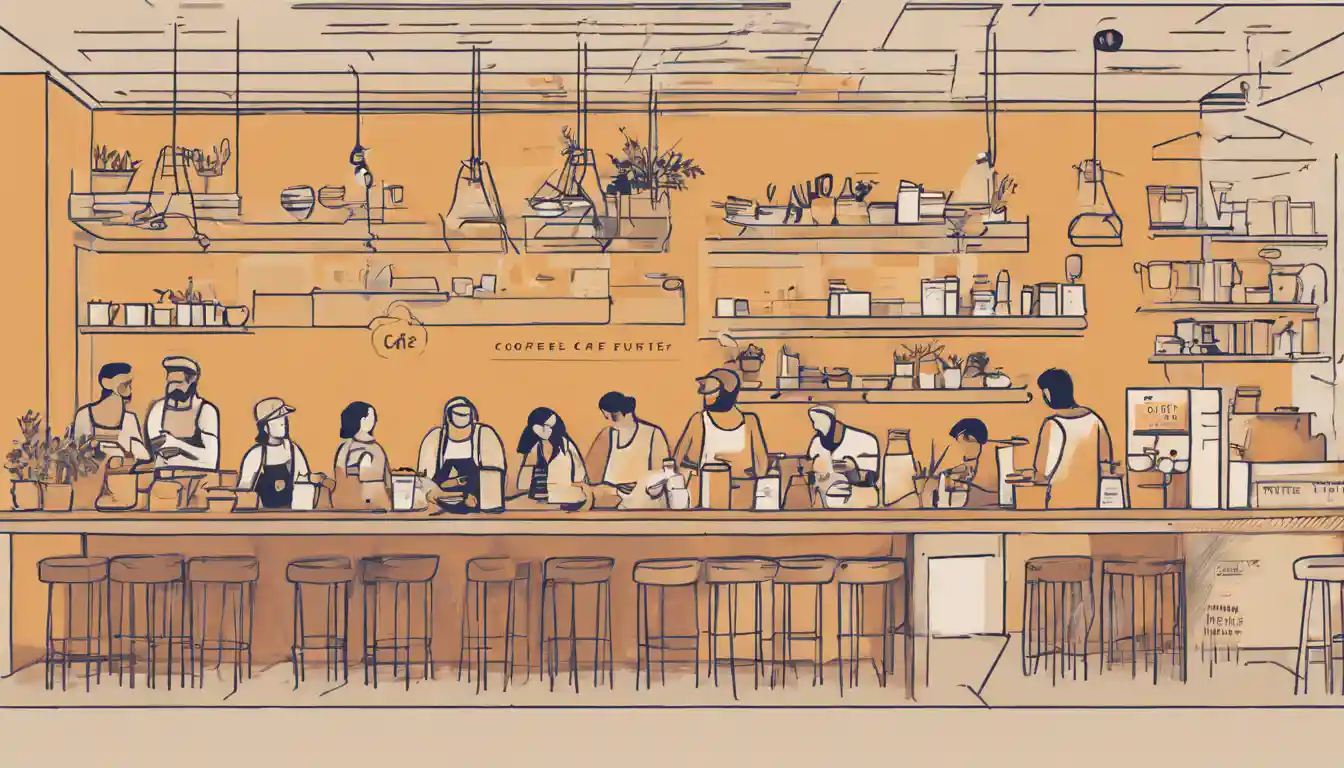
Cafe culture transcends the mere act of drinking coffee; it embodies a rich tapestry of social interaction, community engagement, and the celebration of craftsmanship. In urban spaces, cafes serve as hubs where creativity flourishes and connections are forged, influenced significantly by the evolving landscape of both consumer preferences and technological advancements.
Cafes are often seen as communal spaces where people gather to relax, work, or socialize. They provide an environment that fosters creativity and collaboration. For example, many freelancers and remote workers choose cafes over traditional offices for their vibrant atmosphere and the opportunity to engage with other like-minded individuals. These spaces not only serve coffee but also host events like art exhibitions, live music, and workshops, further enriching the urban experience.
The rise of artisanal coffee has elevated the beverage to a form of art, where the focus is on quality, sourcing, and preparation. Coffee enthusiasts now seek out cafes that prioritize specialty beans, unique brewing methods, and sustainable practices. This shift has led to the emergence of a culture that appreciates the journey of coffee from farm to cup. The concept of "CoffeeTrace," a blockchain-enabled coffee ecosystem, exemplifies this trend by allowing consumers to trace the origins of their coffee, ensuring transparency in sourcing and cultivation methods.
As consumers become more conscious of their choices, the demand for transparency in the coffee supply chain has surged. Blockchain technology offers a solution to this need by providing an immutable ledger that tracks every stage of the coffee supply chain, from cultivation to sale. A study highlighted in recent research found that 67% of stakeholders recognized the positive influence of blockchain on application adoption, particularly in enhancing traceability and trustworthiness in the coffee industry. With tools like CoffeeTrace, consumers can verify the authenticity of their coffee and support farms that align with their values, such as organic or fair trade practices.
Modern cafes are increasingly leveraging technology to enhance customer experience and streamline operations. The integration of smart contracts within blockchain networks can facilitate direct transactions between consumers and growers, minimizing intermediaries and maximizing profits for farmers. This not only empowers producers but also fosters a sense of community, connecting consumers directly with the sources of their coffee.
Real-world implementations of blockchain in the coffee supply chain illustrate its potential. For instance, a case study utilizing the REALISTIC framework showed how blockchain could effectively track coffee's provenance and quality from Colombian farms to Scandinavian retailers. This case demonstrated the effectiveness of using IoT devices combined with blockchain to ensure product integrity and sustainability throughout the supply chain.
Furthermore, another study emphasized the importance of a secure, decentralized system to combat issues like counterfeiting and data tampering. By using Ethereum-based smart contracts, coffee producers can automate transactions and ensure that their products meet the required standards before reaching consumers.
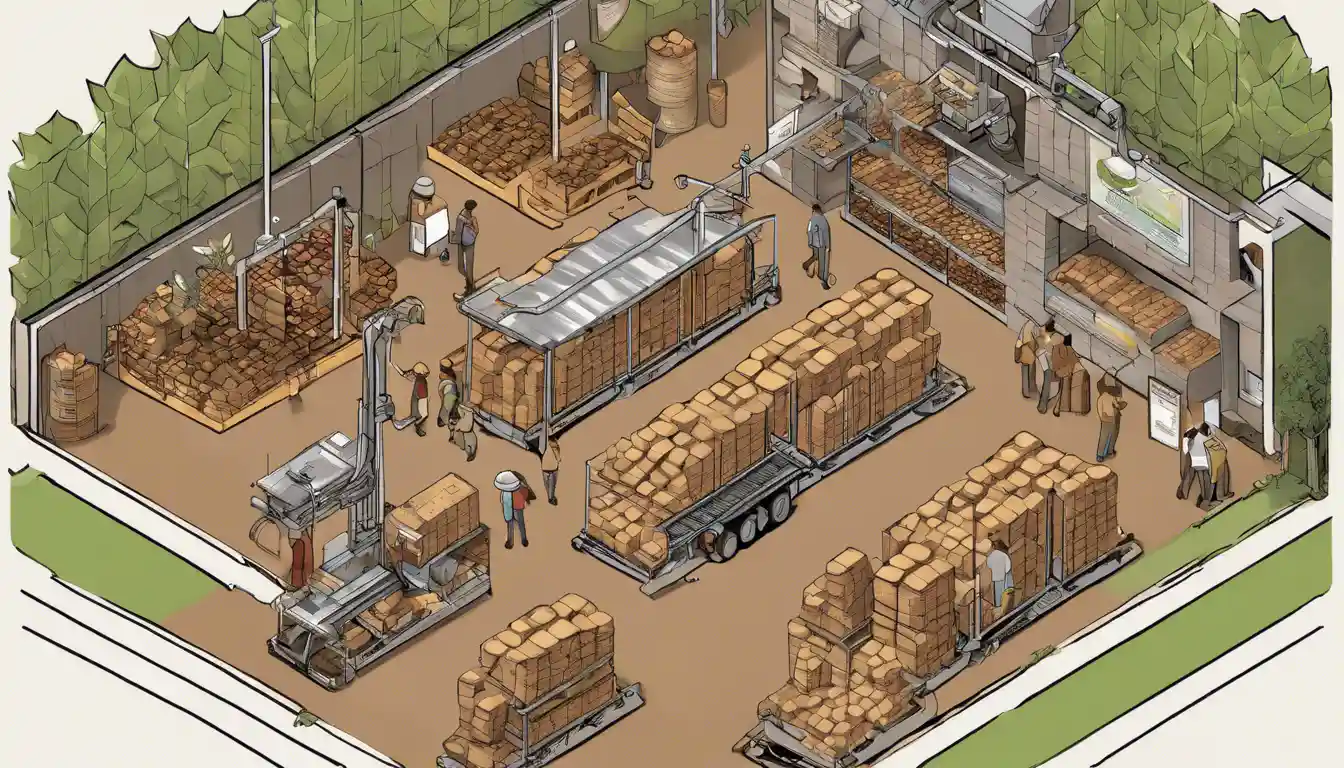
The CoffeeTrace platform represents a significant innovation in the coffee supply chain, leveraging blockchain technology to create an immutable ledger that tracks every stage, from farm to cup. This transparency allows consumers to understand the origins of their coffee, including how it was cultivated and the journey it undertook to reach their mugs.
One of the key features of CoffeeTrace is the empowerment of farmers through a digital identity on the blockchain. This digital identity enables farmers to record and share crucial information, such as:
By providing this information, farmers can build trust with consumers. A recent study found that 67% of participants acknowledged blockchain's positive influence on application adoption, emphasizing the importance of transparency in the agricultural sector.
Consumers can access the data recorded on CoffeeTrace using a mobile application. This direct access enhances their connection to the product and allows them to make informed decisions about their purchases. For instance, if a consumer values sustainability, they can easily identify and support farms that implement eco-friendly practices. This level of transparency not only fosters ethical consumption but also cultivates a sense of community between consumers and producers.
Another transformative aspect of CoffeeTrace is its potential to integrate smart contracts. These contracts can facilitate direct transactions between consumers and farmers, effectively bypassing middlemen. This model ensures that a higher percentage of profits go directly to the growers, which is crucial for supporting small-scale farmers who often struggle to receive fair compensation. The implementation of smart contracts could significantly enhance the efficiency of transactions and improve asset tracking within the coffee retail supply chain.
The effectiveness of blockchain in enhancing traceability can be evidenced by the REALISTIC framework, which employs a distributed ledger technology (DLT) approach to supply chain management. A case study within this framework highlighted its capabilities to track coffee from Colombian farms to Scandinavian retailers, ensuring provenance and sustainability through each production stage. This framework integrates IoT devices that sign events on an immutable database, further bolstering the reliability of the information shared.
While the potential benefits of CoffeeTrace are significant, there are challenges to consider. Issues such as inaccurate information and trade secret concerns can hinder broader adoption of blockchain technology. Recommendations for overcoming these challenges include:
Addressing these challenges is essential for fostering a coffee culture that values transparency, sustainability, and ethical consumption.
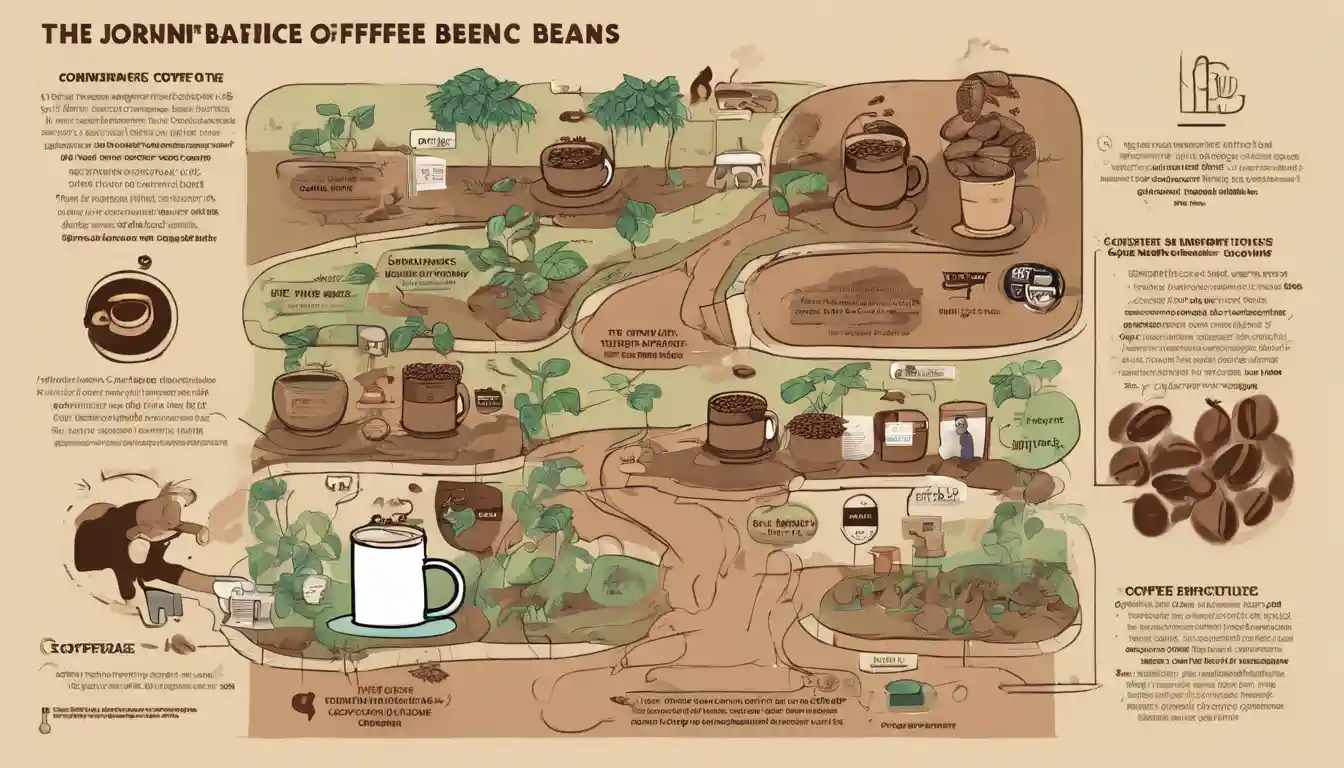
The journey of coffee beans from farm to cup is a fascinating narrative that intertwines agriculture, technology, and urban culture. As we examine this journey, it's essential to understand how the integration of blockchain technology is revolutionizing this process, particularly through initiatives like CoffeeTrace.
The journey of coffee beans begins on the farm, where factors such as soil quality, climate conditions, and cultivation methods play a crucial role in determining the flavor profile of the final brew. Once harvested, the beans undergo processing, which includes drying, milling, and roasting. Each step in this process is vital and influences the overall quality of the coffee that eventually reaches consumers.
Traditionally, the coffee supply chain has been opaque, with many consumers unaware of the origins of their coffee or the practices employed in its production. This lack of transparency can lead to issues such as counterfeiting and bean adulteration, which undermine trust in the coffee industry. According to recent studies, a significant proportion of consumers express a desire for more information about the sourcing of their coffee, highlighting a growing trend toward ethical consumption.
Blockchain technology, particularly through platforms like CoffeeTrace, addresses these transparency issues by providing an immutable ledger that tracks each stage of the coffee supply chain. Each coffee farm can create a digital identity on the blockchain, documenting essential details such as farming practices, harvest dates, and certifications. This allows consumers to trace their coffee back to its source, fostering a deeper connection to the product.
A user-centered study conducted in Thailand revealed that 67% of participants recognized the positive impact of blockchain on application adoption, particularly regarding origin verification and trustworthiness. This indicates a clear consumer preference for systems that provide accurate, reliable information. The CoffeeTrace platform aligns with these findings, allowing consumers to access data via a mobile app, enhancing their overall coffee experience.
Another innovative aspect of CoffeeTrace is its potential integration with smart contracts. These self-executing contracts automate transactions, allowing for direct sales between consumers and farmers, which bypasses middlemen. This not only ensures that a larger share of profits goes directly to the growers but also reduces the complexity and costs associated with traditional retail models.
A case study utilizing the REALISTIC framework—a blockchain and distributed ledger technology (BC/DLT) model—demonstrated its effectiveness in tracking coffee from Colombian farms to Scandinavian retailers. By incorporating IoT devices to sign events on an immutable database, stakeholders can ensure that the beans' journey is well-documented and transparent. This approach not only enhances traceability but also guarantees that sustainability and quality standards are met throughout the supply chain.
Despite the promising benefits of blockchain in the coffee supply chain, challenges remain. Issues such as inaccurate information and trade secret concerns can hinder broader adoption. Research suggests that enhancing the trustworthiness of information and educating producers about blockchain's capabilities are crucial for overcoming these barriers.
Moreover, as urban spaces continue to embrace coffee culture, the fusion of technology and artisanal practices can reshape how we engage with coffee. The potential for blockchain to enhance transparency and sustainability aligns with the values of modern consumers, particularly in urban settings where ethical consumption is often prioritized.
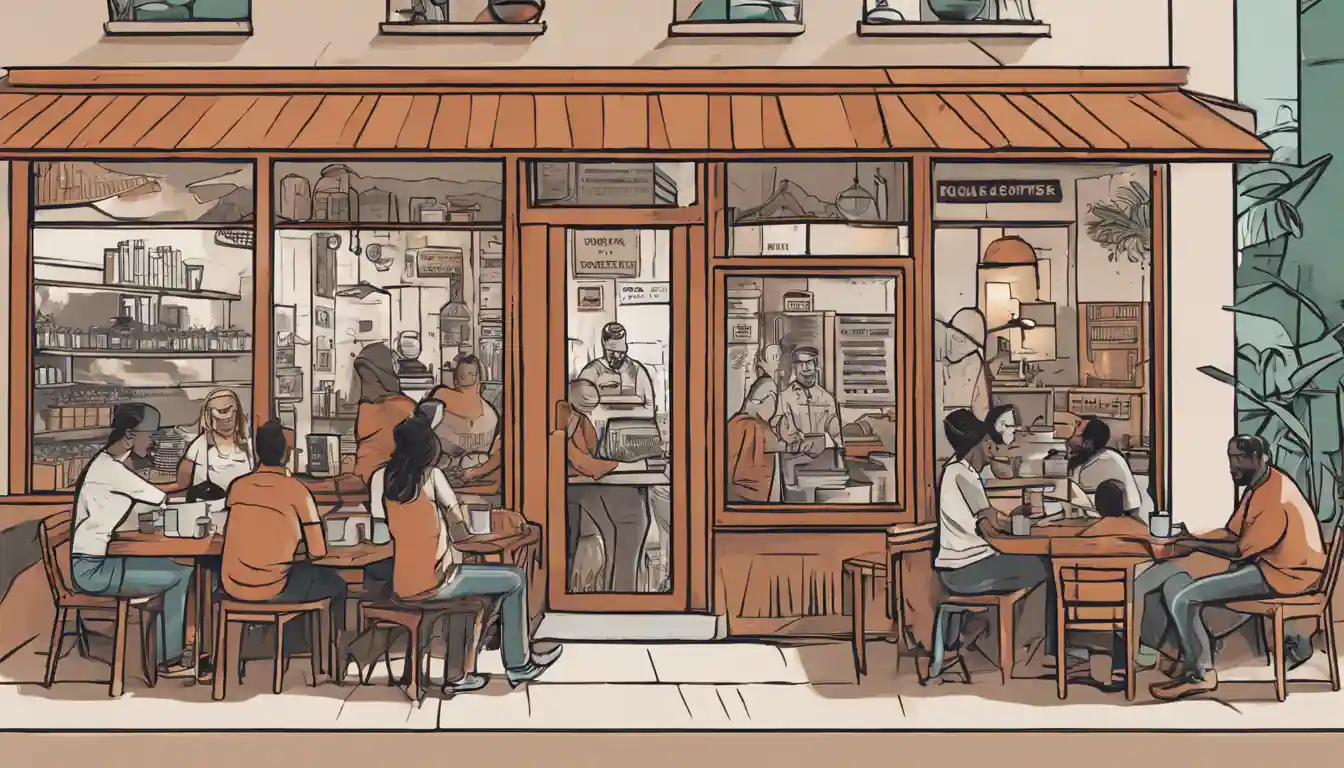
Local roasters are not just purveyors of coffee; they are vital cogs in the machinery of community building. By emphasizing quality, sustainability, and transparency, local roasters foster connections that extend beyond mere transactions. This section explores how local roasters are reshaping urban spaces through their commitment to community engagement and innovative practices, particularly through the integration of blockchain technology.
Local coffee roasters often serve as community hubs, offering a space for gathering, collaboration, and creativity. They provide an avenue for local artists, musicians, and entrepreneurs to showcase their talents, thus enriching the cultural fabric of their neighborhoods. For instance, a coffee shop in Portland, Oregon, might feature local art on its walls, host open mic nights, or offer workshops on brewing techniques, creating a vibrant atmosphere that encourages community interaction.
With consumers increasingly concerned about the origins of their food and beverages, local roasters have a unique opportunity to lead the charge in ethical sourcing. By developing relationships with farmers and emphasizing transparency in their supply chains, roasters can cultivate a sense of trust with their customers. The implementation of blockchain technology, as highlighted in the CoffeeTrace concept, can transform this transparency into a tangible asset. For example, customers could scan a QR code on their coffee bag to view detailed information about the farmer, the cultivation practices used, and the journey the beans took to reach the roaster.
Several local roasters have already begun to leverage blockchain technology to enhance traceability and build community trust. A notable example is a small roastery in Colombia that partnered with a tech startup to implement a blockchain-enabled tracking system. This initiative allowed consumers in Europe to trace their coffee back to the exact farm, verifying the quality and ethical practices of the growers. As a result, the roastery not only increased sales but also strengthened the bond between consumers and the farmers, showcasing the power of direct relationships.
Despite the benefits, local roasters face challenges in adopting blockchain technology. Concerns about data privacy, the accuracy of information, and the need for consumer education can hinder widespread implementation. However, as illustrated in various studies, the potential for improved trustworthiness and origin verification is a compelling incentive for local roasters to explore these technologies. The integration of systems that allow for real-time verification of supply chain data can create a more resilient and transparent coffee industry.
The integration of local roasters into the broader coffee supply chain not only benefits their businesses but also supports sustainable practices within the community. By utilizing frameworks like REALISTIC, which employs blockchain and Internet of Things (IoT) technologies, local roasters can ensure that their sourcing methods are both responsible and traceable. This model encourages sustainable farming practices and provides consumers with the information they need to make informed choices, thereby reinforcing the community's commitment to ethical consumption.
The CoffeeTrace concept represents a transformative approach in the coffee industry, merging artisanal practices with cutting-edge technology to ensure transparency and traceability. This platform leverages blockchain technology, creating a secure and immutable ledger that tracks coffee beans from the farm to your cup, allowing consumers to appreciate the full journey of their morning brew.
At the heart of CoffeeTrace is the empowerment of coffee farmers through the establishment of a digital identity on the blockchain. This identity allows farmers to record and share essential information such as:
By providing direct access to this data via a mobile application, consumers can make informed decisions and connect with the origins of their coffee. A study conducted in Thailand revealed that 67% of participants recognized blockchain's positive influence on application adoption, highlighting the growing consumer demand for transparency in the food supply chain.
The transparency offered by CoffeeTrace not only builds trust between consumers and producers but also fosters ethical consumption. Buyers can choose to support farms that align with their values, whether that be through sustainable practices or fair trade initiatives. This ethical dimension is increasingly important in modern consumer behavior, where individuals are more inclined to support brands that prioritize social responsibility.
One of the most groundbreaking aspects of CoffeeTrace is its potential integration with smart contracts. This functionality allows for direct transactions between consumers and farmers, eliminating middlemen and ensuring that a greater share of profits reaches the growers. The use of smart contracts can automate many aspects of the transaction process, increasing efficiency and reducing the risk of fraud.
For instance, a blockchain design aimed at enhancing Supply Chain Management (SCM) within the Coffee Retailer Network (CRN) incorporates smart contracts to facilitate secure transactions. This design not only boosts transparency but also addresses various stakeholders’ needs and product standards, creating a more sustainable and efficient coffee supply chain.
Despite its benefits, the implementation of CoffeeTrace must tackle challenges associated with traceability. Issues such as inaccurate information and trade secret concerns can undermine the integrity of the system. Research has shown that developing a robust traceability system that ensures consumer access to reliable information is critical. This includes employing methodologies such as actor relational analysis and cosine similarity algorithms to enhance information trustworthiness.
Moreover, a task analysis for stakeholders can help establish guidelines for maintaining a transparent flow of information from production to retail, addressing risks like counterfeiting and bean adulteration that arise from a lack of transparency.
Real-world applications of these concepts are already underway. The REALISTIC framework, designed for supply chain management, utilizes blockchain and Internet of Things (IoT) technologies to track coffee from Colombian farms to Scandinavian retailers. This system ensures that every stage of the production process is documented and verifiable, enhancing the provenance and sustainability of the coffee.
The implementation of Ethereum blockchain technology, as demonstrated in various studies, showcases the practical capabilities of these systems in enhancing transparency and security within the coffee supply chain. Such applications provide a blueprint for how blockchain can effectively facilitate the tracing of supply chain data, ultimately redefining coffee culture in urban spaces.
The rise of blockchain technology marks a pivotal shift in the coffee supply chain, particularly in enhancing transparency and traceability. As consumers increasingly demand to know the origins of their food and beverages, blockchain offers a solution that not only meets this demand but also fosters trust between producers and consumers.
At the forefront of this transformation is the concept of CoffeeTrace, a blockchain-enabled ecosystem designed to track every stage of the coffee supply chain, from the farm to the consumer's cup. By creating an immutable ledger, CoffeeTrace provides detailed insights into the journey of each coffee bean. Imagine enjoying your favorite espresso while knowing exactly where each bean was grown, how it was harvested, and the practices involved in its cultivation.
One of the key innovations of CoffeeTrace is its ability to give farmers a digital identity on the blockchain. This digital representation allows them to record essential information about their growing practices, harvest dates, and certifications. For instance, a farmer in Colombia can upload details about organic farming methods or fair trade practices, which consumers can easily access through a mobile application. This access not only enhances consumer connection to the product but also builds trust and encourages ethical consumption.
Empirical studies back the effectiveness of blockchain in enhancing traceability. For example, a research paper highlighted a user-centered prototype developed in Thailand that demonstrated a clear preference for timeline-based visualization of traceability information. A significant 67% of participants acknowledged that blockchain positively influenced their willingness to adopt such applications. This indicates a growing recognition of the benefits that blockchain brings, including improved origin verification and increased consumer trust.
Moreover, CoffeeTrace could integrate smart contracts to facilitate direct transactions between consumers and farmers. This bypasses traditional middlemen, ensuring that a larger portion of profits goes directly to the growers. Such a shift not only redefines coffee culture but also promotes sustainable practices by allowing consumers to support farms that align with their values. A consortium blockchain model, as discussed in another research paper, can further enhance this process by automating tasks and mapping physical commodities to their digital counterparts.
While blockchain technology presents numerous advantages, challenges such as inaccurate information and trade secret concerns have been identified. A study proposes the development of a traceability system that ensures the agroindustry and consumers have access to accurate information from production to retail, employing methodologies such as use case diagrams and actor relational analysis. This comprehensive approach ensures that the advantages of blockchain can be fully realized while addressing potential pitfalls.
The application of blockchain in the coffee industry is not just a technological novelty; it's a fundamental change in how we understand and interact with the coffee supply chain. By enhancing transparency, empowering farmers, and fostering direct consumer relationships, blockchain technology is set to revolutionize the cafe experience and redefine our appreciation for coffee.
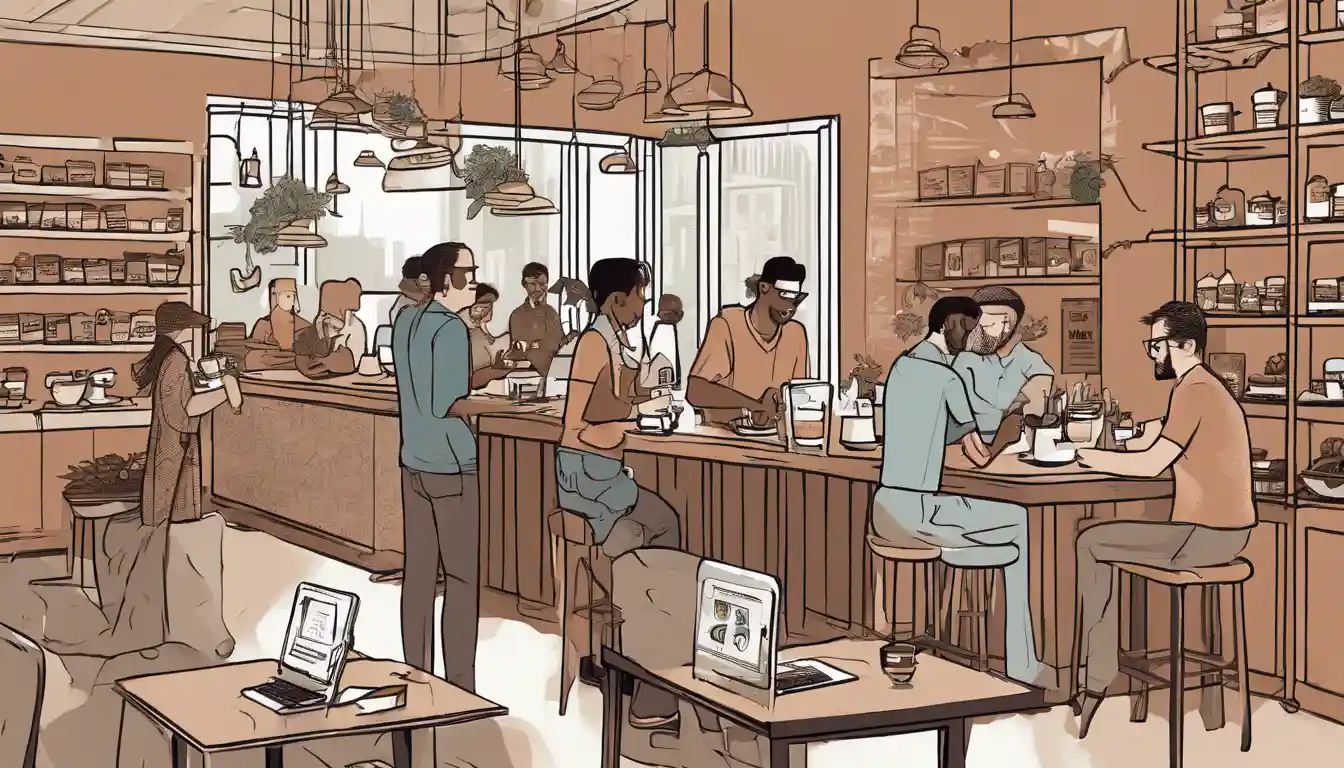
The intersection of technology and tradition in cafe culture is not merely a trend; it is a transformation that is reshaping how we perceive and engage with coffee. As consumers increasingly demand transparency, blockchain technology emerges as a powerful ally in this evolution.
At the heart of this technological revolution is the concept of "CoffeeTrace," a pioneering platform that leverages blockchain to create an immutable ledger tracing every stage of the coffee supply chain—from the farm to your cup. Imagine enjoying your morning coffee, fully aware of its journey: the farm where it was grown, the cultivation practices used, and the meticulous paths it traveled to arrive at your local cafe.
One of the most significant impacts of CoffeeTrace is the empowerment it offers to farmers. By establishing a digital identity on the blockchain, farmers can record and share vital information about their practices, including:
This digital footprint not only enhances their visibility in the market but also builds a direct connection with consumers. As studies show, transparency is key; over 67% of participants in a recent survey acknowledged that blockchain positively influences their trust in products.
The CoffeeTrace platform allows consumers to access detailed information about their coffee through a user-friendly mobile app. This increased transparency fosters a deeper connection between consumers and the producers. By being able to choose coffee that aligns with their values—whether that be organic farming, fair trade, or sustainable sourcing—consumers can make informed decisions that support ethical practices in the coffee industry.
Integrating smart contracts into the CoffeeTrace ecosystem further revolutionizes coffee transactions. Smart contracts automate agreements between consumers and farmers, facilitating direct purchases that bypass traditional middlemen. This not only ensures that a greater share of profits goes directly to the growers but also streamlines the transaction process. For instance, a farmer can receive immediate payment once the coffee is delivered, significantly improving their cash flow and financial stability.
Blockchain's capabilities in enhancing supply chain transparency are not just theoretical. For example, a study on Colombian coffee highlighted how a blockchain-enabled system tracked coffee from farms to Scandinavian retailers, ensuring quality and sustainability standards were met. This was achieved using the REALISTIC framework, which incorporates Internet of Things (IoT) devices to authenticate and sign events on the blockchain, thus providing an immutable record of the product's journey.
While the benefits of blockchain in coffee culture are immense, challenges remain. Issues such as inaccurate information and concerns over trade secrets can hinder widespread adoption. To address these challenges, experts recommend enhancing the trustworthiness of information and protecting sensitive data through robust protocols. Education for producers about the technology's benefits and functionalities is also crucial for fostering a more transparent coffee ecosystem.
The potential of blockchain technology to transform cafe culture is profound. As it continues to gain traction, we can envision a future where local cafes not only serve quality coffee but also act as hubs of sustainability and transparency. The fusion of technology and tradition is not just enhancing our appreciation for coffee; it is redefining the very essence of coffee culture itself.
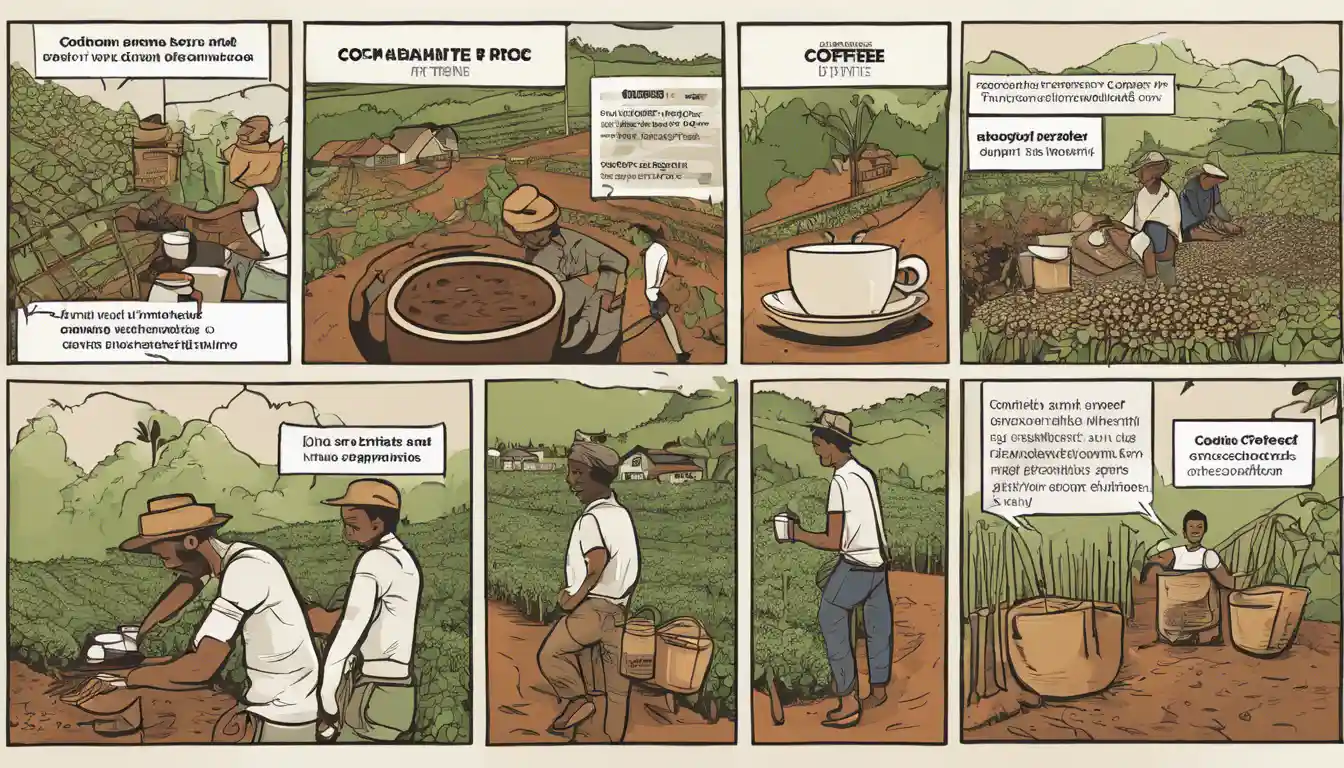
The CoffeeTrace platform is set to revolutionize how coffee enthusiasts engage with their beverages by leveraging blockchain technology. By creating an immutable ledger that tracks the entire coffee supply chain—from seed to cup—CoffeeTrace offers a transformative way for consumers to connect with their coffee and the farmers who grow it.
At the heart of CoffeeTrace is the concept of empowering coffee farmers with a digital identity on the blockchain. This allows them to document and share crucial information, such as:
By utilizing a mobile application, consumers can easily access this data, thus fostering a deeper connection to the origins of their coffee. According to a study conducted in Thailand, 67% of participants recognized the positive impact of blockchain on application adoption, indicating a strong consumer desire for transparency and trust in their coffee sources.
Traceability is a significant benefit provided by CoffeeTrace. A study highlighted by the REALISTIC framework demonstrates how blockchain can effectively track coffee from Colombian farms to Scandinavian retailers, ensuring that each step is documented accurately. This is crucial in combating issues of counterfeiting and bean adulteration, which are prevalent in the coffee industry. Blockchain's immutable nature provides a solution to these challenges, making it possible for consumers to verify the authenticity of their coffee.
One of the most revolutionary aspects of CoffeeTrace is its potential integration with smart contracts. These self-executing contracts facilitate direct transactions between consumers and farmers, effectively bypassing middlemen. This means that a larger portion of the profits goes directly to the growers, enhancing their economic sustainability. The proposed model not only enhances transparency and efficiency within the coffee retail supply chain but also aligns with the growing consumer preference for ethical consumption.
The implementation of blockchain technology in coffee supply chains is not merely theoretical. For instance, a research case study successfully demonstrated an Ethereum-based architecture that met traceability requirements via a smart contract system. This practical application showcases how blockchain can enhance supply chain management, addressing the various needs of stakeholders while ensuring product standards are met.
Despite its potential, CoffeeTrace must navigate several challenges to achieve widespread adoption. Issues such as inaccurate information, trade secret concerns, and the need for user education are significant barriers. Addressing these challenges will be crucial for enhancing the trustworthiness of the information shared on the blockchain, as noted in user-centered research findings.
As the coffee culture continues to evolve, the integration of blockchain technology through initiatives like CoffeeTrace holds promise for not only improving traceability and transparency but also building a community rooted in respect for the labor and innovation involved in coffee production.
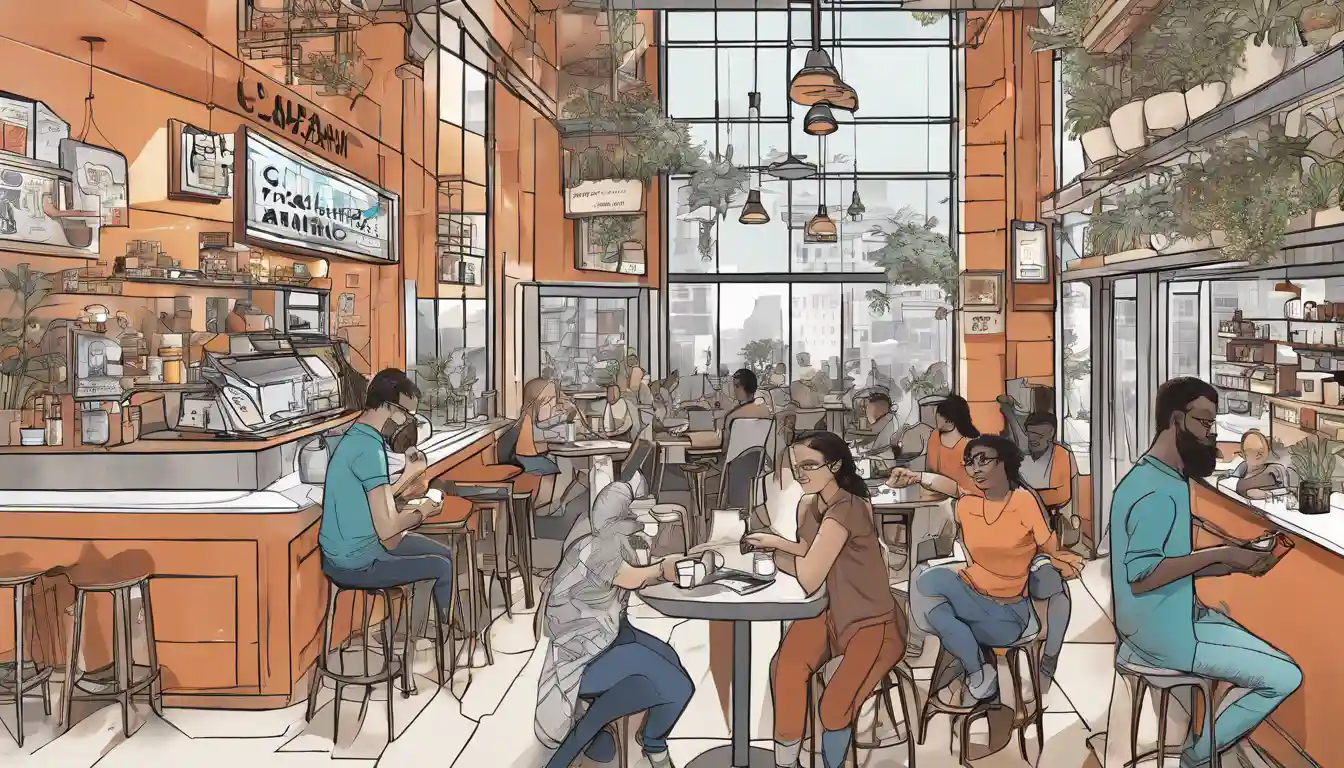
As we look forward, the intersection of coffee culture and technology—especially blockchain—offers a fascinating glimpse into how urban exploration will evolve. With platforms like CoffeeTrace, we can foresee a vibrant future where cafes are not just places to grab a cup of coffee, but hubs of community, transparency, and sustainability.
The CoffeeTrace platform exemplifies how blockchain can revolutionize the consumer experience by providing comprehensive traceability in the coffee supply chain. By offering an immutable ledger that tracks coffee from farm to cup, consumers can know the origin of their beans, the farming practices used, and the journey taken to reach their local cafe. This not only enhances appreciation for the beverage but also establishes a deeper connection between consumers and producers.
A study conducted in Thailand highlighted that 67% of participants recognized the positive influence of blockchain on application adoption, indicating a strong consumer preference for transparency. Imagine walking into a cafe and scanning a QR code on your coffee cup, revealing its entire journey. This level of engagement could redefine how we interact with food and beverages, turning each sip into a story.
Blockchain technology also promotes sustainable practices within the coffee industry. By empowering farmers with digital identities, they can share vital information about their cultivation methods and certifications directly with consumers. This shift not only builds trust but also encourages consumers to support farms that align with sustainable and ethical principles, such as fair trade and organic farming.
The REALISTIC framework demonstrates how blockchain can ensure that certified output resources correspond to certified input resources, preventing issues like fraud and bean adulteration. By integrating IoT devices to sign events on an immutable database, coffee supply chains can achieve unprecedented levels of transparency and reliability, further promoting sustainable practices across the industry.
Cafes have always served as community gathering spots, but with blockchain technology, they can become more than just a place to enjoy coffee. They can act as conduits for community engagement, knowledge sharing, and even direct transactions between consumers and producers. Smart contracts can facilitate direct purchases from farmers, reducing the role of middlemen and ensuring that more profits reach those who cultivate the crops.
This model fosters a community where appreciation for coffee is intertwined with respect for its origins. It empowers consumers to make informed choices, leading to an environment where urban exploration is enriched with a sense of purpose and connection to the food we consume.
Despite its potential, the integration of blockchain in coffee supply chains is not without challenges. Concerns related to data accuracy and trade secrets can hinder widespread adoption. However, as highlighted in various studies, enhancing information trustworthiness and educating producers about blockchain technology are crucial steps toward overcoming these barriers.
By addressing these challenges, the coffee industry can pave the way for a future where urban exploration through cafe culture is not only about enjoying a great cup of coffee but also about embracing transparency, sustainability, and community engagement.
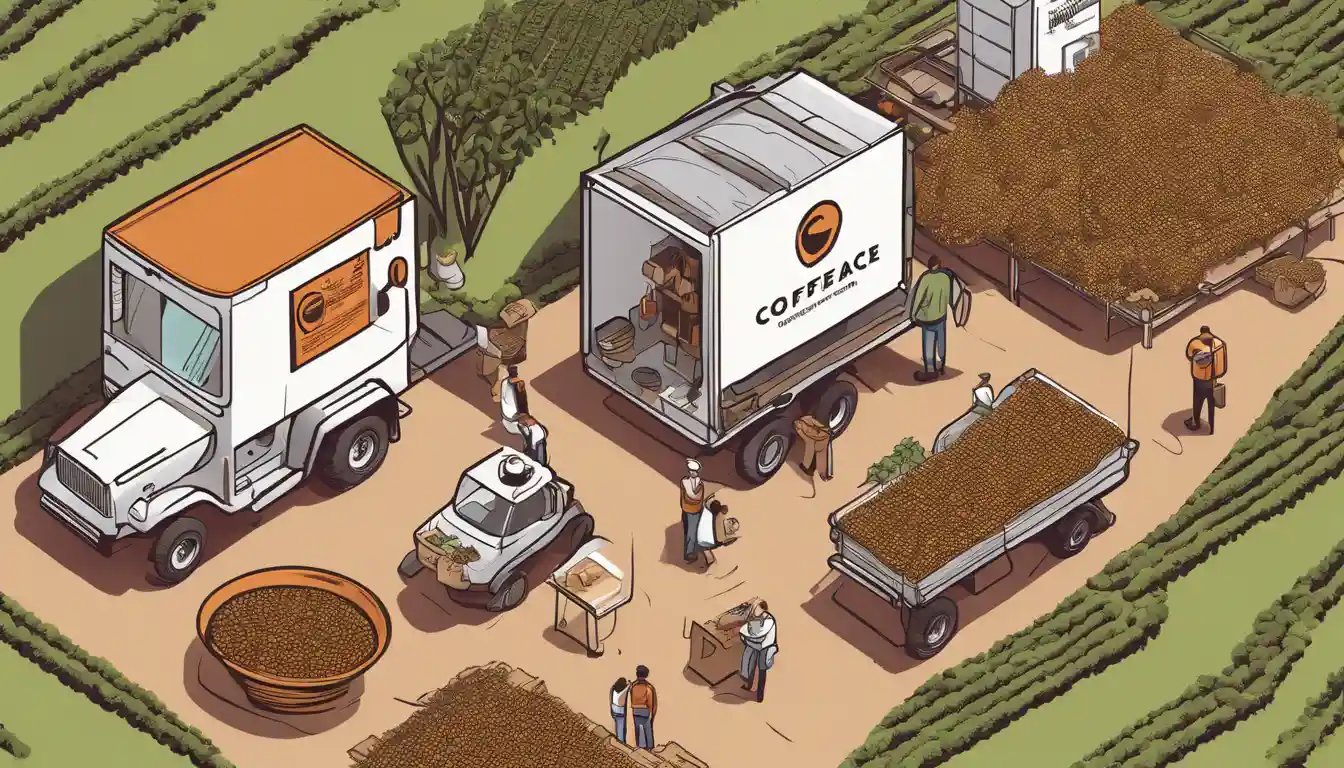
In the evolving landscape of coffee culture, where artisanal craftsmanship meets consumer demand for transparency, the concept of "CoffeeTrace" emerges as a revolutionary solution. This platform utilizes blockchain technology to create an immutable ledger that tracks every stage of the coffee supply chain, from farm to cup. Imagine sipping your morning brew while knowing precisely where each bean originated, how it was cultivated, and the journey it took to reach your mug.
One of the standout features of CoffeeTrace is its ability to empower farmers by providing them with a digital identity on the blockchain. This identity allows farmers to record and share vital information, such as:
With a mobile app, consumers can access this data, enhancing their connection to the product and the people behind it. A recent study in Thailand highlighted that 67% of participants acknowledged blockchain's positive influence on application adoption, underscoring the relevance of such transparency in modern consumerism.
The transparency provided by CoffeeTrace not only builds trust but also enables ethical consumption. Buyers can choose to support farms that align with their values, whether that be organic practices, fair trade, or sustainable methods. This aligns with findings from a study that emphasized the importance of origin verification and increased trustworthiness, especially in light of rising concerns over food security and product authenticity.
Moreover, CoffeeTrace could integrate with smart contracts, enabling direct transactions between consumers and farmers. This technology allows for:
This shift could redefine coffee culture, fostering a community where appreciation for the beverage is paired with a deep respect for the labor and innovation that brings it to life. The design proposed in various blockchain studies indicates that such models could automate tasks and improve asset tracking processes, further enhancing efficiency in the coffee retail supply chain.
A case study focusing on a coffee supply chain demonstrated the capabilities of a blockchain framework. Utilizing the Resources-Events-Agents (REA) accounting model, the framework ensures that certified output resources require corresponding certified input resources, preventing digital resource duplication. The implementation included Ethereum blockchain code and a web application, with the source code available on GitHub for open access and collaboration.
Additionally, CoffeeTrace can address pressing concerns about counterfeiting and bean adulteration, which arise from a lack of transparency in product information flow. By employing methodologies such as use case diagrams and relational analysis, the proposed traceability system ensures that stakeholders—from agroindustry to consumers—have access to accurate information from production to retail. This is facilitated through an Ethereum-based architecture that meets essential traceability requirements via a smart contract system.
Finally, by tackling centralization issues in supply chains, CoffeeTrace stands to enhance transparency and security in logistics. Research has shown that vulnerabilities to corruption and data tampering often stem from centralized data management. The implementation of blockchain in coffee production and shipment demonstrates a successful approach to facilitate tracing of supply chain data, thereby instilling greater confidence in consumers and stakeholders alike.
In examining the transformative roles that coffee and technology play in urban spaces, we can see a compelling narrative of evolution. As coffee shops transition from mere beverage providers to vibrant community hubs, they simultaneously embrace innovative technologies like blockchain to enhance transparency, sustainability, and consumer engagement.
We have explored how the rise of artisanal coffee has enriched cafe culture, emphasizing the importance of craftsmanship and quality sourcing. Local roasters not only serve exceptional coffee but also foster community connections, showcasing the potential for cafes to act as cultural and social epicenters. The introduction of platforms like CoffeeTrace exemplifies how blockchain technology can revolutionize the coffee supply chain, providing consumers with the transparency they desire regarding the origins and ethical practices behind their beverages.
The implications of these developments are profound. As consumers increasingly demand accountability and sustainability, coffee producers and cafes must adapt to these expectations. Blockchain technology empowers farmers with digital identities, enhancing trust and enabling direct transactions that benefit both producers and consumers. This shift not only redefines how we purchase and consume coffee but also strengthens the relationship between consumers and the sources of their food.
As we stand at the intersection of tradition and technology, it is imperative for consumers to engage actively with this evolving cafe culture. Next time you enjoy a cup of coffee, consider exploring its journey—dive into the stories of the farmers, the sustainability practices, and the technology that ensures its quality. Support local roasters and cafes that prioritize transparency, and advocate for systems that enhance ethical consumption.
Ultimately, the future of urban exploration through cafe culture hinges not just on the coffee itself, but on the connections we forge and the values we uphold. Let's embrace this journey together, transforming each coffee experience into a meaningful moment of community and awareness.

Get notified about new articles, coffee tips, and Web3 insights.
This site participates in affiliate programs and may earn a commission when a link is clicked and a purchase is made. The site is not responsible for any issues or troubles related to the products or services purchased through the use of this site.

DO&COFFEE loves coffee and technology, exploring the potential of NFTs and blockchain. Learn more →
DO&COFFEE loves coffee and technology, exploring the potential of NFTs and blockchain. Learn more →