coffee
2024/08/07

The term 'coffice' is a portmanteau of "coffee" and "office," describing the growing trend of using cafés as informal workspaces. In urban environments, these cafés serve as more than just places to grab a drink; they have transformed into vibrant hybrid workspaces where individuals can work, socialize, and network. The coffee shop culture thrives on the communal atmosphere, offering a conducive setting for creativity and productivity, which is particularly appealing for freelancers and remote workers.
Understanding the significance of the 'coffice' phenomenon is crucial in today's fast-paced, hybrid work culture. For instance, in cities like San Francisco, renowned cafés such as Philz Coffee and Blue Bottle have become hubs for entrepreneurs and remote workers. Research indicates that approximately 70% of remote workers report increased productivity when working in cafés compared to traditional office environments, highlighting the effectiveness of these spaces in fostering creativity and collaboration.
This blog post will explore the interconnections among the evolving coffee shop culture, urban cafés, and their role as urban workspaces. By examining the importance of these environments, we will uncover actionable tips for maximizing productivity in cafés, as well as the implications of integrating technology and community engagement into the 'coffice' model. Additionally, we will look at research findings that illustrate how these hybrid spaces promote effective communication and collaboration, ultimately enhancing the overall work experience.
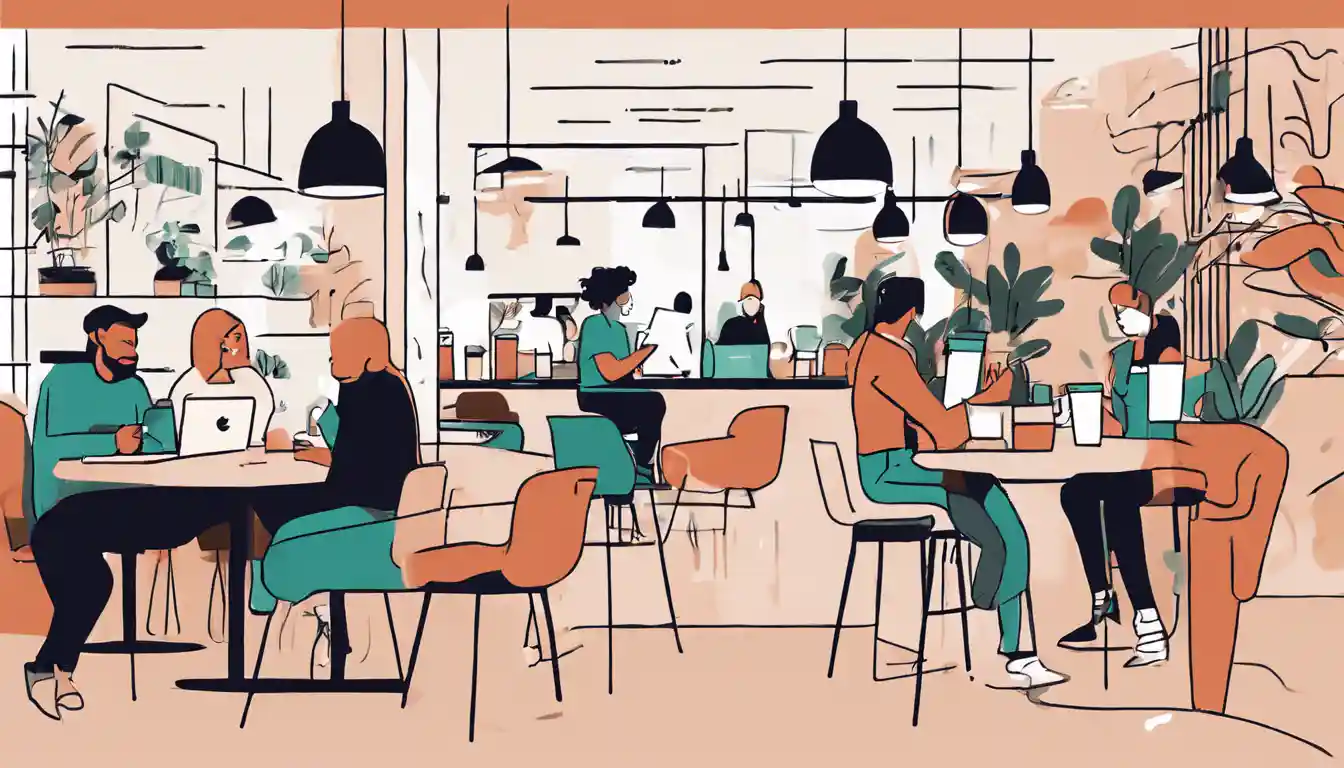
Coffee shop culture refers to the social and communal atmosphere that develops in cafés, where individuals gather not just to drink coffee, but to work, socialize, and engage in creative activities. This culture has evolved significantly, particularly in urban environments, becoming a hybrid workspace that merges leisure, productivity, and community. Technically, this phenomenon can be linked to the concept of hybrid workspaces, which combine remote and in-person elements, allowing for flexible interaction and collaboration. The ambiance—characterized by soft music, comfortable seating arrangements, and the aroma of freshly brewed coffee—plays a critical role in fostering an atmosphere conducive to creativity and focus.
The importance of coffee shop culture lies in its ability to facilitate community building and enhance productivity. For instance, many freelancers and remote workers opt for cafés over traditional office spaces because these environments reduce feelings of isolation and promote networking opportunities. A study highlighted that 70% of remote workers reported increased productivity when working in cafés due to the vibrant atmosphere and the presence of others (source: Cafe Culture Research). Moreover, urban cafés often host networking events, workshops, and art displays, further integrating into the local community. The blend of work and leisure encourages a sense of belonging that is increasingly valuable in today's fast-paced world.
As coffee shop culture intersects with advanced technologies like Web3, we see the emergence of decentralized applications that enhance community engagement. For example, some cafés are exploring the use of blockchain technology to create loyalty programs that reward customers in cryptocurrencies. This not only modernizes the traditional coffee shop experience but also aligns with the growing trend of decentralized finance (DeFi), making cafés a hub for innovation.
Evidence supporting the significance of coffee shop culture can be drawn from various studies. In one research paper, the concept of "living rhythm" in hybrid workspaces was analyzed, highlighting how flexible environments—like cafés—enhance communication and collaboration among teams (source: Hybrid Workspaces Research). Another study emphasized the need for effective leadership in educational settings that mirror the collaborative spirit found in cafés, suggesting that similar principles apply to workplace dynamics (source: Educational Leadership).
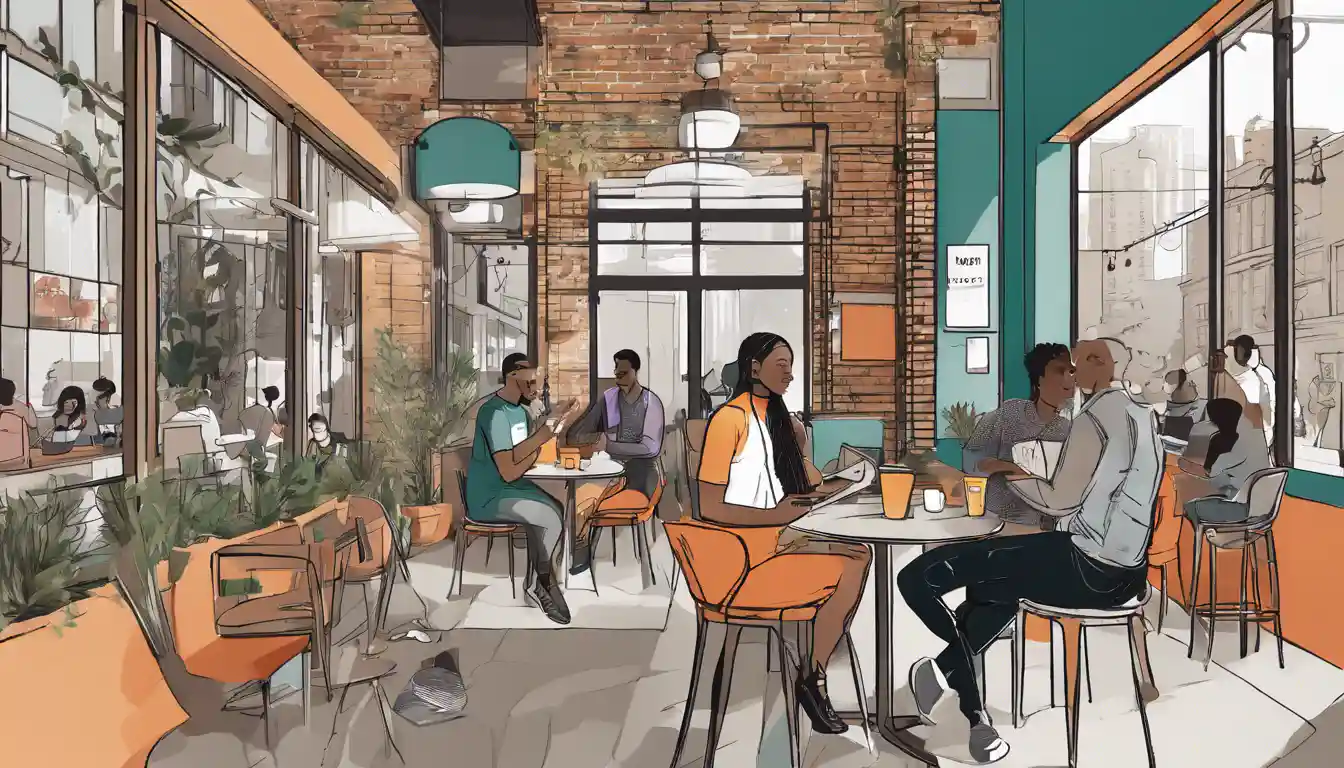
Urban cafés are more than just places to grab a cup of coffee; they represent a convergence of social interaction, work, and relaxation within a city environment. These spaces are designed to cater to a diverse clientele, from remote workers seeking a productive atmosphere to socializers looking for a cozy spot to unwind. Technically, urban cafés often integrate robust Wi-Fi, comfortable seating arrangements, and electrical outlets, facilitating an environment conducive to both work and leisure. Many cafés are adopting a 'coffice' model, which blurs the line between café and office, allowing patrons to work in a vibrant setting.
The significance of urban cafés is evident in their role as community hubs. For instance, in cities like San Francisco, cafés such as Philz Coffee and Blue Bottle have become popular spots for entrepreneurs and freelancers, fostering networking and collaboration among diverse groups. Research indicates that these hybrid spaces enhance community cohesion, as they provide an informal setting for interaction, thus nurturing a sense of belonging and collaboration. A study exploring hybrid workspaces highlighted that a 'living rhythm' within these environments promotes effective learning and collaboration, as remote and in-person elements intertwine to forge new connections.
Urban cafés are increasingly leveraging advanced technologies, including Web3 applications, to enhance customer experience. For example, some cafés are exploring blockchain technology for loyalty programs, allowing customers to earn and redeem points through decentralized applications. This shift not only streamlines transactions but also fosters a sense of ownership among patrons, turning casual visitors into dedicated community members.
Support for the role of urban cafés in fostering collaboration is found in various studies, such as those analyzing hybrid workspaces. One study noted that effective communication and relationship-building are critical in these environments, showing that the blending of remote and face-to-face interactions can significantly improve teamwork and productivity. Moreover, statistics reveal that 70% of remote workers report increased productivity when working in cafés compared to at home, underscoring the importance of such spaces in the modern work landscape.
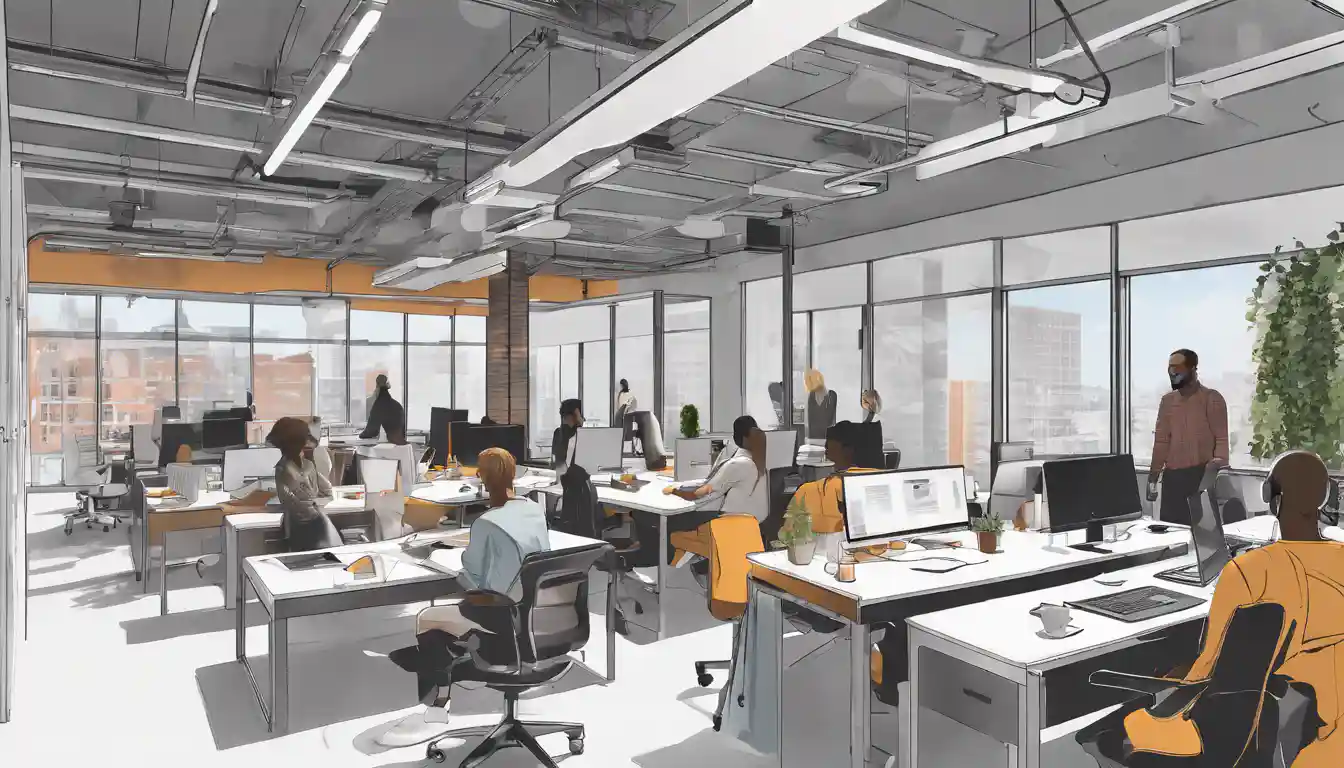
Urban workspaces refer to flexible and often collaborative environments where individuals can work outside traditional office settings, particularly in urban areas. These spaces can include co-working spaces, cafés, and even libraries that provide an atmosphere conducive to productivity. Technically, urban workspaces leverage advanced technologies such as high-speed internet, cloud computing, and sometimes blockchain systems, especially in Web3 contexts, to facilitate remote work and collaboration. For instance, many co-working spaces are equipped with smart meeting rooms that utilize IoT devices to enhance connectivity and interaction among teams.
Urban workspaces are critical in today's hybrid work culture, as they blend the benefits of remote and in-person collaboration. For example, a study highlighted the concept of "living rhythm" in hybrid workspaces, emphasizing how the intersection of work and life rhythms fosters community and effective communication. Companies like WeWork and Spaces have successfully capitalized on this trend, providing environments that encourage interaction and learning among diverse professionals. Furthermore, urban workspaces can adapt to the needs of educational institutions, showcasing effective leadership practices that enhance communication and relationship-building among educators and students in a hybrid model.
As urban workspaces evolve, they increasingly incorporate advanced technologies such as Web3 solutions, which empower decentralized networking and collaboration. For instance, using blockchain for secure and transparent resource sharing can enhance trust among users in a co-working environment. Furthermore, the integration of AI and machine learning can optimize space utilization and user experience, allowing for dynamic adaptation based on user needs and preferences.
Research indicates that environments promoting effective communication and adaptive leadership, as seen in hybrid models, lead to increased productivity and job satisfaction. According to a study examining leadership in hybrid workspaces, effective communication and relationship-building are paramount, resulting in a more engaged workforce. Moreover, the co-working industry has grown exponentially, with a projected increase of 21% in global co-working space count by 2025, emphasizing the demand for urban workspaces in the evolving professional landscape.
In this exploration of the 'coffice' phenomenon, we delved into the evolving culture of urban cafés, highlighting their role as hybrid workspaces that marry productivity with community engagement. We discussed how these spaces enhance social interaction, reduce feelings of isolation among remote workers, and foster networking opportunities, supported by studies indicating that 70% of remote workers report increased productivity in cafés. The integration of technology, such as blockchain for loyalty programs, further modernizes the café experience, transforming them into hubs of innovation.
Looking ahead, we can anticipate a continued evolution of urban cafés as they adapt to the changing landscape of work. As hybrid models become the norm, these spaces will likely embrace more advanced technologies, catering to the needs of diverse professionals while enhancing collaboration and communication. The trend of decentralization may also reshape how these cafés operate, potentially introducing new business models that prioritize community engagement and customer loyalty.
As you navigate your own work-life balance, consider how urban cafés could enrich your productivity and social interactions. Will you choose to embrace the 'coffice' culture and transform your routine? The next time you sip your coffee, think about how this communal space could be your next great office.
- Lived rhythms as a ground for togetherness and learning in hybrid workspace
- A phenomenological study on public school leadership in a hybrid workspace
- A phenomenological study on public school leadership in a hybrid workspace
- Dynamics and workspace analysis of a multi-robot collaborative towing system with floating base
- Plant tissue culture environment as a switch-key of (epi)genetic changes

Coffee: More Than Just a Drink

Get notified about new articles, coffee tips, and Web3 insights.
This site participates in affiliate programs and may earn a commission when a link is clicked and a purchase is made. The site is not responsible for any issues or troubles related to the products or services purchased through the use of this site.

DO&COFFEE loves coffee and technology, exploring the potential of NFTs and blockchain. Learn more →
DO&COFFEE loves coffee and technology, exploring the potential of NFTs and blockchain. Learn more →