coffee
2024/08/07
Coffee is not merely a beverage; it is a cultural phenomenon that intertwines with social interaction, economic systems, and health benefits. To understand this complexity, we need to clarify several key terms:
The importance of coffee extends far beyond its role as a morning pick-me-up. For instance, coffee culture serves as a vital social connector, uniting diverse groups of people. Coffee shops are often considered "third places" where individuals can engage in conversation, collaborate on projects, or simply enjoy a quiet moment. The National Coffee Association reports that the coffee industry contributes over $225 billion annually to the U.S. economy, showcasing its significant economic impact. Additionally, research indicates that coffee houses have historically functioned as public spheres that facilitate communication and collective identity building, a concept explored in studies of transatlantic news feeds and their role in societal discourse.
In this blog post, we will explore the multifaceted world of coffee, examining its cultural significance, the rise of specialty coffee and its economic implications, and the health benefits associated with moderate consumption. These themes are interconnected; the culture of coffee influences its economic value, while both aspects contribute to our understanding of its health benefits. By delving into these areas, we aim to illustrate that coffee is indeed much more than just a drink—it's a catalyst for social interaction, economic growth, and personal well-being.
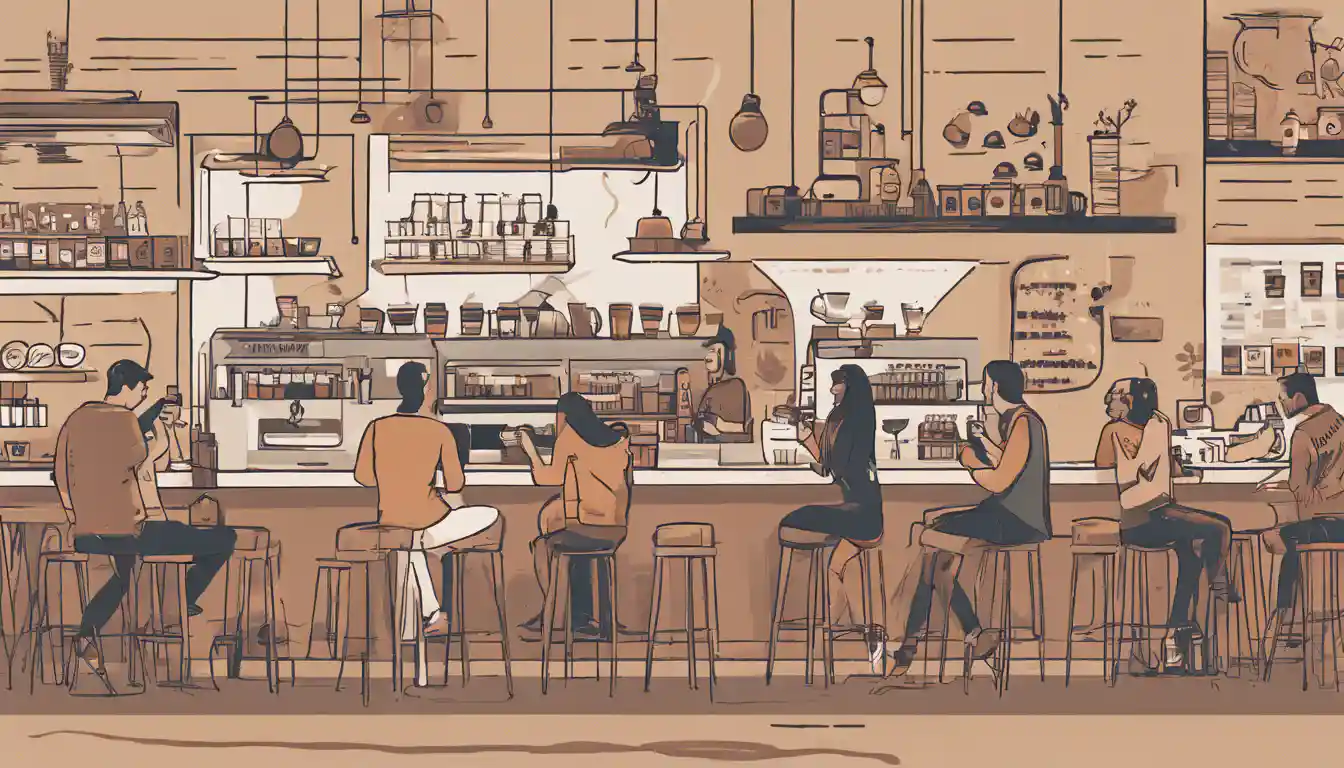
Coffee culture refers to the social behaviors, traditions, and practices surrounding coffee consumption. It encompasses everything from the way coffee is brewed and served to the spaces where it is enjoyed. The technical aspects of coffee culture include variations in brewing methods such as espresso, pour-over, and French press, each offering unique flavor profiles and experiences. For instance, the espresso machine's pressure and water temperature can significantly impact the extraction process, affecting taste and aroma.
Moreover, coffee houses have historically served as public spheres, facilitating discussions and the flow of information. In the age of digital media, these spaces continue to play a vital role in shaping collective identities and public discourse, as discussed in research on transatlantic news feeds and coffee houses' influence on societal communication.
The significance of coffee culture is evident in its ability to unite people across different backgrounds. Consider the concept of "Third Places," spaces where individuals gather beyond home and work, fostering community interaction. Coffee shops often serve as these Third Places, offering a relaxed environment for socializing, working, or simply enjoying a cup of coffee. For example, Starbucks has successfully created a global coffee culture by providing a familiar space for people to connect, regardless of location.
Furthermore, coffee culture impacts local economies. According to the National Coffee Association, the coffee industry contributes over $225 billion annually to the U.S. economy, highlighting its commercial importance. The growing trend of specialty coffee shops emphasizes quality over quantity, leading to a new appreciation for artisan coffee and its origins, thus enhancing consumer knowledge and engagement.
As coffee culture evolves, it increasingly intersects with advanced technologies like Web3. Decentralized platforms are emerging that allow coffee farmers to connect directly with consumers, cutting out middlemen and ensuring fair trade. Blockchain technology can track coffee from farm to cup, providing transparency about sourcing and ethical practices. This not only enhances consumer trust but also supports sustainable farming practices.
Research has shown that coffee houses have historically functioned as critical sites for public discourse, shaping collective identities. A study on transatlantic news feeds highlights how these spaces facilitate communication and engagement in the digital age. Additionally, the National Coffee Association reports that the coffee industry is a significant economic driver, underscoring its cultural and economic relevance.
In conclusion, coffee culture is a multifaceted phenomenon that extends beyond mere consumption. It is a social connector, an economic driver, and an evolving space that continues to adapt to technological advancements. Whether you are a casual drinker or a coffee connoisseur, engaging with coffee culture can enrich your life and foster community connection.
Specialty coffee is a term that refers to coffee that has been graded 80 points or above on a 100-point scale by a certified coffee taster (SCAA). This grading takes into account aspects such as aroma, flavor, acidity, body, and aftertaste. The journey of specialty coffee begins at the farm, where factors like altitude, climate, and soil quality play critical roles. Unique processing methods, such as washed or natural, further influence the flavor profile. Specialty coffee is often sourced from single-origin farms or specific regions, emphasizing the distinct characteristics that terroir brings to the beans.
The significance of specialty coffee extends beyond mere consumption; it fosters community, culture, and economic sustainability. For instance, coffee shops like Blue Bottle Coffee and Stumptown Coffee Roasters have become hubs for social interaction and creativity, often serving as modern-day coffeehouses reminiscent of the 19th-century salons that facilitated public discourse. Furthermore, the specialty coffee market is integral to supporting fair trade practices. According to a 2020 report by the International Coffee Organization, specialty coffee accounted for 55% of the global coffee market, highlighting its critical role in economic growth for farmers and communities.
The rise of Web3 technologies presents new opportunities for specialty coffee producers and consumers alike. Blockchain technology can be employed to track the supply chain of coffee, ensuring transparency and authenticity from farm to cup. For example, using blockchain, consumers can verify the origin of their coffee beans and the practices of the farmers who produced them. This level of transparency can enhance consumer trust and promote ethical sourcing. Additionally, decentralized platforms might allow coffee lovers to directly support farmers, cutting out middlemen and allowing for fairer pricing.
The importance of specialty coffee in shaping social interactions is underscored by its historical context, where coffeehouses served as public forums for discussion and exchange. Recent studies have explored how coffee culture continues to foster community connections, particularly in urban settings. According to a study published in the Journal of Coffee Research, coffeehouses are pivotal in building collective identities across cultures, demonstrating their enduring relevance in the digital age. Furthermore, the International Coffee Organization has noted that the specialty coffee segment is growing, with a 20% increase in sales compared to previous years, reflecting its rising popularity and cultural significance.
Coffee is more than just a morning ritual; it's a complex beverage packed with beneficial compounds. The primary active ingredient, caffeine, is a natural stimulant that enhances mood and cognitive function. Studies have shown that caffeine blocks adenosine, a neurotransmitter that promotes sleep, thereby increasing alertness and reducing fatigue. Moreover, coffee is rich in antioxidants such as chlorogenic acid, which helps combat oxidative stress and inflammation in the body.
Research has linked regular coffee consumption to a reduced risk of several serious diseases. For instance, a meta-analysis published in the Journal of the American Medical Association found that individuals who consume three to five cups of coffee daily have a 15% lower risk of developing type 2 diabetes. Furthermore, caffeine has been shown to improve metabolic rates and fat oxidation, which can aid in weight management.
The health benefits of coffee have real-world implications that extend beyond personal wellness. For example, in workplace settings, companies that encourage coffee breaks often see a boost in employee productivity and morale. A study by the National Institutes of Health indicates that moderate coffee consumption is associated with improved cognitive performance and a lower risk of depression, which can lead to a healthier workplace culture.
Moreover, coffee's social aspect cannot be overlooked. Coffee shops have long been known as "third places," spaces for social interaction outside of home and work. This public gathering fosters community engagement, which can be crucial in our increasingly digital world. A paper discussing the role of coffee houses in shaping public discourse suggests that these venues serve as essential spaces for the exchange of ideas and community dialogue.
As we delve into advanced technologies like Web3, the potential for coffee-related applications grows. For instance, blockchain technology can be utilized to enhance transparency in coffee sourcing, allowing consumers to trace the origin of their beans back to sustainable farms. This not only supports ethical practices but also informs consumers about the quality and environmental impact of their purchases.
Additionally, decentralized applications (dApps) could facilitate community engagement in coffee culture, enabling users to share recipes, brewing techniques, and health benefits, thereby creating a digital coffee community that transcends geographical boundaries.
Numerous studies support the health benefits of coffee. A systematic review published in Nutrition Reviews highlights that regular coffee drinkers exhibit lower incidences of cardiovascular diseases and certain cancers. Furthermore, the Healthline reports a correlation between coffee consumption and a reduced risk of neurodegenerative diseases like Alzheimer's and Parkinson's.
In this exploration of coffee, we've uncovered its multifaceted nature—it's not merely a beverage but a vibrant culture that fosters social connections and drives economic growth. We discussed the rich traditions surrounding coffee consumption, the growing significance of specialty coffee, and the health benefits it offers, including its role in enhancing cognitive function and reducing disease risks.
Looking ahead, the future of coffee culture is poised for exciting developments, particularly with the integration of advanced technologies like blockchain and Web3. These innovations promise to enhance transparency in sourcing and engage consumers in more meaningful ways, potentially transforming how we connect with coffee producers and the origins of our favorite brews.
So the next time you sip your coffee, consider the journey it has taken—from the farm to your cup—and reflect on the communal experiences it can foster. Embrace the culture, explore the flavors, and perhaps engage in local coffee communities, as every cup has a story to tell. Are you ready to discover yours?
- Transatlantic news feeds and imagined coffeehouse publics
- Anti-Intellectualism, Populism, and Motivated Resistance to Expert Consensus
- Egyptian singers and performers: An integral relation to the coffeehouse
- Conclusion: The Egyptian coffeehouse as a marker of collective identity
- Conveying Ćeif: Three Croatian Folklore and Folklife Writings on Bosniak Coffee Culture
- Coffeehouse Culture in the Atlantic World, 1650–1789 by E. Wesley Reynolds (review)
- THE APPROPRIATE THIRD PLACES: A PERSPECTIVE FROM THE MUSLIM YOUTH
- Coffeehouse Culture in the Atlantic World, 1650–1789 by E. Wesley Reynolds (review)
- North American independent coffeehouse culture: a comparison of Seattle with Vancouver

A Revolution for the Caffeine-Free Life

The 'Coffice' Phenomenon in Urban Cafés

Get notified about new articles, coffee tips, and Web3 insights.
This site participates in affiliate programs and may earn a commission when a link is clicked and a purchase is made. The site is not responsible for any issues or troubles related to the products or services purchased through the use of this site.

DO&COFFEE loves coffee and technology, exploring the potential of NFTs and blockchain. Learn more →
DO&COFFEE loves coffee and technology, exploring the potential of NFTs and blockchain. Learn more →