coffee
2025/03/23

The Third Wave Coffee Revolution represents a paradigm shift in how we perceive and consume coffee, moving beyond mere caffeine delivery to an appreciation of artisanal craftsmanship and the intricate stories behind each cup. As consumers increasingly prioritize quality, ethics, and transparency, the need for traceability within the coffee supply chain has never been more critical. This blog post delves into the promising intersection of blockchain technology and coffee traceability, illustrating how a decentralized ledger can enhance the transparency of coffee transactions from farm to cup.
By harnessing blockchain, consumers gain access to detailed insights about the origins of their coffee, fostering trust and empowering farmers with a digital identity that can help them secure fair prices. Moreover, the integration of Internet of Things (IoT) devices with blockchain can facilitate real-time monitoring of coffee conditions during transport, ensuring quality and minimizing waste.
This exploration will also highlight successful case studies that showcase the transformative potential of blockchain in the coffee industry, as well as the benefits of digital identity for producers and consumers alike. As we navigate through the implications of these advancements, it becomes evident that embracing technology in coffee sourcing not only enhances transparency but also paves the way for a sustainable and equitable future in the coffee market.
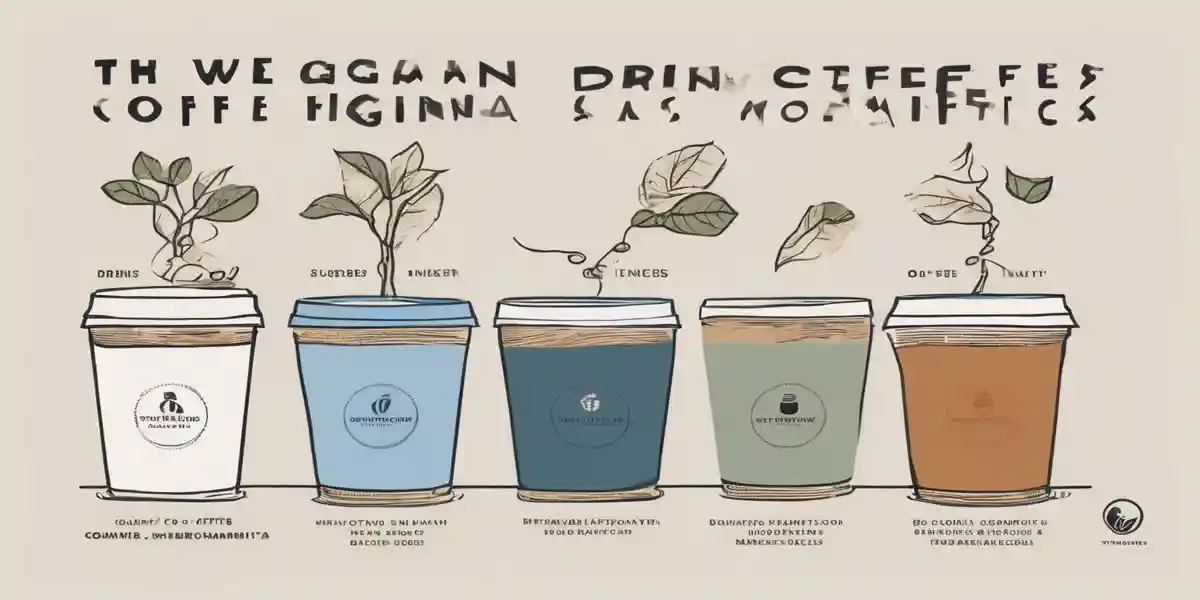
The Third Wave Coffee Movement is a paradigm shift in how coffee is viewed, produced, and consumed. Originating in the early 2000s, it emphasizes coffee as a craft beverage akin to wine rather than a commodity. This movement advocates for transparency, quality, and sustainability throughout the coffee supply chain, marking a departure from previous waves that focused primarily on mass production and accessibility.
Three core elements define this movement:
One prominent example of the Third Wave in action is Blue Bottle Coffee, which has gained recognition for its artisanal approach. Their focus on sourcing beans directly from farmers and roasting them in small batches exemplifies the movement's dedication to quality and transparency. Additionally, companies like Stumptown Coffee Roasters have pioneered direct trade practices, allowing consumers to see exactly where their coffee comes from and ensuring fair compensation for farmers.
Through these initiatives, the Third Wave Coffee Movement not only enhances the consumer experience but also fosters a deeper connection between coffee drinkers and the origins of their beverage. This new approach paves the way for innovations in traceability, particularly through blockchain technology, setting the stage for a more transparent future in the coffee industry.
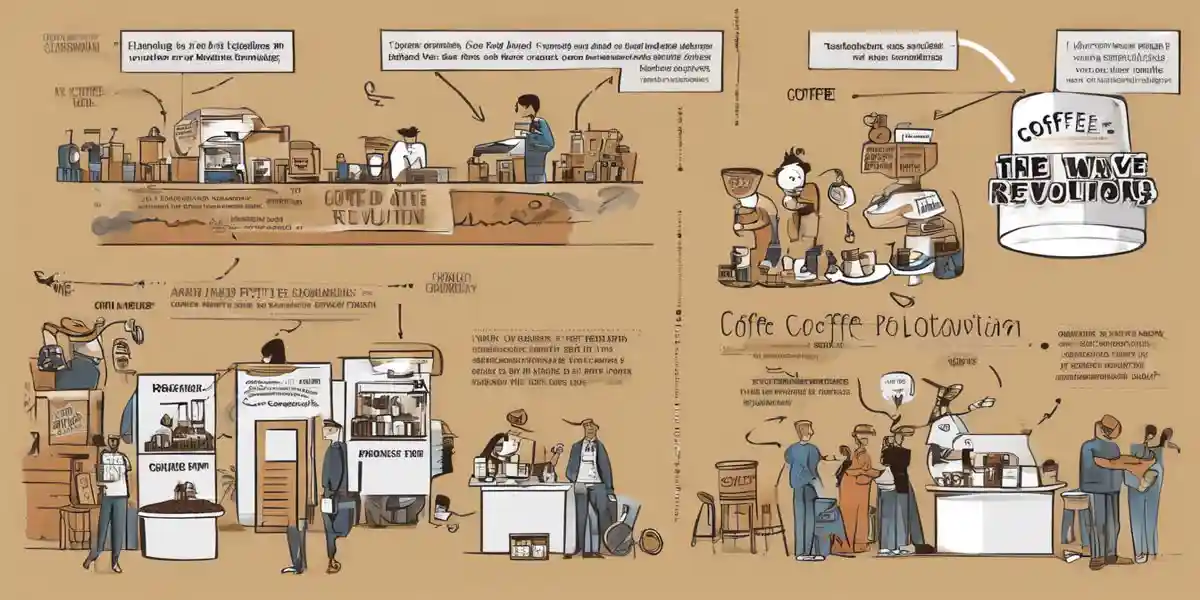
The Third Wave Coffee Revolution has fundamentally altered consumer behavior and preferences, creating a marketplace where transparency, quality, and sustainability reign supreme. This shift is significantly influenced by the advent of blockchain technology, which facilitates traceability throughout the coffee supply chain. Below, we explore three key ways in which consumer behavior is transforming in response to these innovations.
Consumers today are increasingly seeking transparency in the products they purchase, especially in the food and beverage sector. A 2022 survey by the International Coffee Organization revealed that 72% of coffee drinkers are more likely to purchase brands that provide detailed information about the sourcing and production of their coffee. Blockchain technology enables companies to offer verifiable information on the origin of their beans, including the farm, processing methods, and even the carbon footprint associated with transportation. For instance, the coffee brand Farmer Connect uses blockchain to allow consumers to trace their coffee back to its source, enhancing trust and accountability.
The Third Wave movement emphasizes high-quality, artisanal coffee, which resonates with consumers willing to pay a premium for unique flavors and experiences. Data from the Specialty Coffee Association indicates that 50% of specialty coffee consumers are driven by the desire to explore diverse flavor profiles that reflect specific regions and farming practices. Blockchain plays a pivotal role here, as it not only verifies the quality of the coffee but also highlights its unique characteristics. For example, brands like Blue Bottle Coffee leverage blockchain to showcase the specific farms and processing techniques that contribute to the distinct taste profiles of their offerings, thereby attracting discerning consumers.
As environmental concerns grow, consumers are prioritizing sustainability in their purchasing decisions. According to a report by Nielsen, 66% of global consumers are willing to pay more for sustainable brands. Blockchain's transparency allows companies to provide proof of their sustainable practices, such as fair wages for farmers and eco-friendly farming methods. A notable example is the collaboration between the coffee project "Coffee for Peace" and blockchain technology, which helps ensure that farmers receive fair compensation for their products while promoting sustainable agricultural practices. This assurance of ethical sourcing is increasingly influencing consumer loyalty and brand preference.
In summary, the Third Wave Coffee Revolution, underpinned by blockchain technology, is reshaping consumer behavior towards greater transparency, a preference for quality, and a commitment to sustainability. These factors not only enhance consumer trust but also drive brand loyalty in an increasingly competitive market.
The integration of blockchain technology within the coffee industry is a pivotal aspect of the Third Wave Coffee Revolution, significantly enhancing traceability and transparency. This advancement addresses critical issues of sustainability, ethical sourcing, and consumer trust. By leveraging blockchain, stakeholders across the coffee supply chain can ensure that every step—from bean to cup—is documented and verifiable.
One of the most compelling benefits of blockchain in coffee traceability is its ability to provide a transparent view of the sourcing process. Traditional methods often obscure the origins of coffee beans, leaving consumers unaware of the ethical implications of their purchases. With blockchain, each transaction is recorded in a decentralized ledger, allowing consumers to trace the journey of their coffee. For example, the company Provenance has implemented blockchain solutions that allow consumers to scan QR codes on coffee packaging, revealing the complete supply chain history, including the farmers, processing methods, and even the environmental impact.
Blockchain technology also empowers smallholder farmers by ensuring they receive fair compensation for their quality products. By providing direct access to consumers, farmers can bypass exploitative intermediaries. A notable case is the pilot project by the coffee brand, Kodama Coffee, where they utilized blockchain to create a direct trade model. This model not only increased the farmers' income by approximately 20% but also enabled them to showcase their unique farming practices and the quality of their beans to consumers directly, fostering a more personal connection.
Another significant aspect of blockchain technology is its capacity to enhance data integrity, which is crucial for consumer trust. In an era where consumers are increasingly concerned about the authenticity of their food products, blockchain offers a reliable solution. For instance, the blockchain initiative by Coffee Trace enables coffee roasters to authenticate the origins of their beans through immutable records. This level of transparency not only reassures consumers but also aligns with the growing demand for socially responsible products. A study by the Specialty Coffee Association (SCA) revealed that 73% of consumers are willing to pay more for coffee that can be traced back to sustainable sources, highlighting the market potential for brands that embrace this technology.
In this exploration of the Third Wave Coffee Revolution and the role of blockchain in enhancing coffee traceability, we have traversed several crucial dimensions of this evolving landscape. We began by defining the Third Wave Coffee movement, which emphasizes quality, sustainability, and the story behind each cup. This revolution is not merely about premium coffee but a holistic approach to understanding and appreciating the intricate journey from bean to cup.
Next, we delved into the significance of traceability, highlighting how transparency can build trust between consumers and producers. By leveraging blockchain technology, stakeholders can verify sourcing practices, ensuring that farmers receive fair compensation and that ethical standards are upheld. This aspect is vital, as it aligns with the growing consumer demand for accountability in food sourcing, reflecting broader trends in ethical consumption.
Furthermore, we examined real-world applications of blockchain in the coffee supply chain, showcasing innovative projects that have successfully implemented this technology to maintain integrity and enhance efficiency. These case studies illustrate not only the feasibility of blockchain solutions but also their potential to disrupt traditional supply chains positively.
As we look toward the future, the integration of blockchain in coffee traceability represents a significant step forward in fostering a transparent and equitable industry. This transition could pave the way for other agricultural sectors to adopt similar technologies, amplifying the benefits of transparency and sustainability across the board.
In conclusion, the interplay between the Third Wave Coffee Revolution and blockchain technology is a compelling narrative of innovation meeting tradition. As consumers, we have the power to drive this change by supporting brands that prioritize transparency and sustainability. Let us embrace this movement, not just as coffee lovers but as advocates for a more ethical and informed future in our daily choices. Together, we can contribute to a coffee industry that values both quality and integrity.

Get notified about new articles, coffee tips, and Web3 insights.
This site participates in affiliate programs and may earn a commission when a link is clicked and a purchase is made. The site is not responsible for any issues or troubles related to the products or services purchased through the use of this site.

DO&COFFEE loves coffee and technology, exploring the potential of NFTs and blockchain. Learn more →
DO&COFFEE loves coffee and technology, exploring the potential of NFTs and blockchain. Learn more →