coffee
2025/03/23
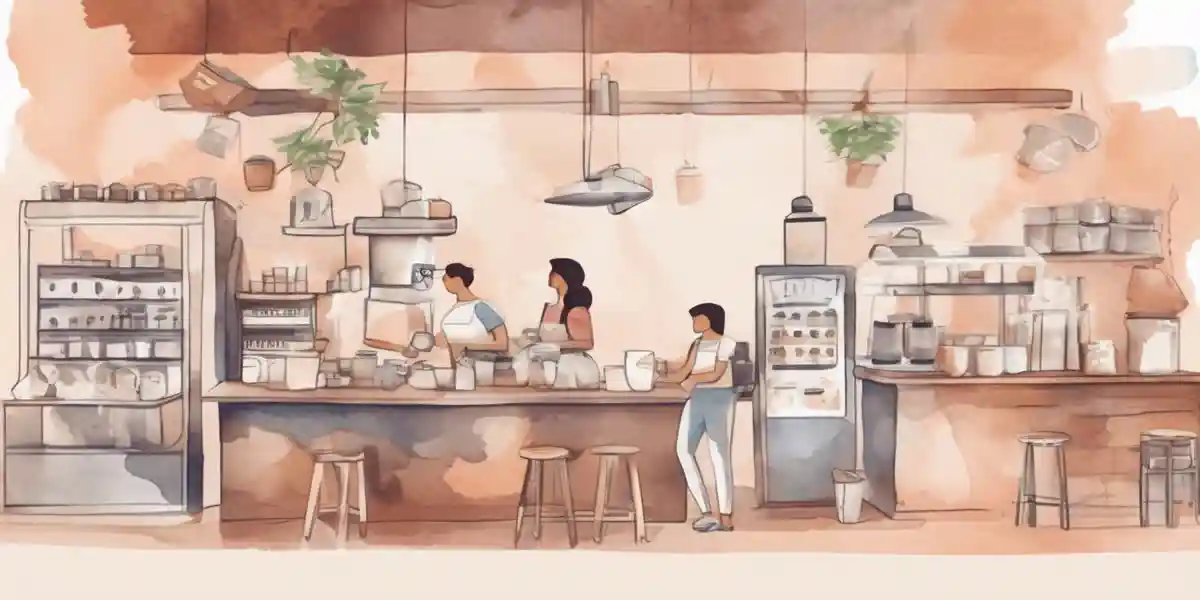
In an era where sustainability is no longer just a buzzword but a necessity, the Coffee Commons DAO (Decentralized Autonomous Organization) emerges as a pioneering initiative that intertwines sustainable coffee farming with the revolutionary potential of Non-Fungible Tokens (NFTs) and blockchain technology. This dynamic platform not only empowers coffee farmers by improving supply chain transparency but also fosters a robust community of coffee enthusiasts and consumers who are invested in ethical consumption. By tokenizing each batch of coffee, the DAO allows consumers to trace the origins and environmental impacts of their favorite brews, thus enhancing trust and incentivizing sustainable practices among farmers.
This blog post delves into the transformative role of DAOs in the coffee industry, exploring how virtual galleries and NFTs can reshape the landscape of sustainable coffee production. We will examine the importance of decentralized governance, which gives smallholder farmers a voice in decision-making processes, and consider the broader implications of such a model for empowering local communities. As we navigate through the intricacies of this innovative approach, we will also reflect on the future prospects of the sustainable coffee industry, highlighting how these technological advancements can serve as a blueprint for other sectors striving to harmonize profit with purpose.
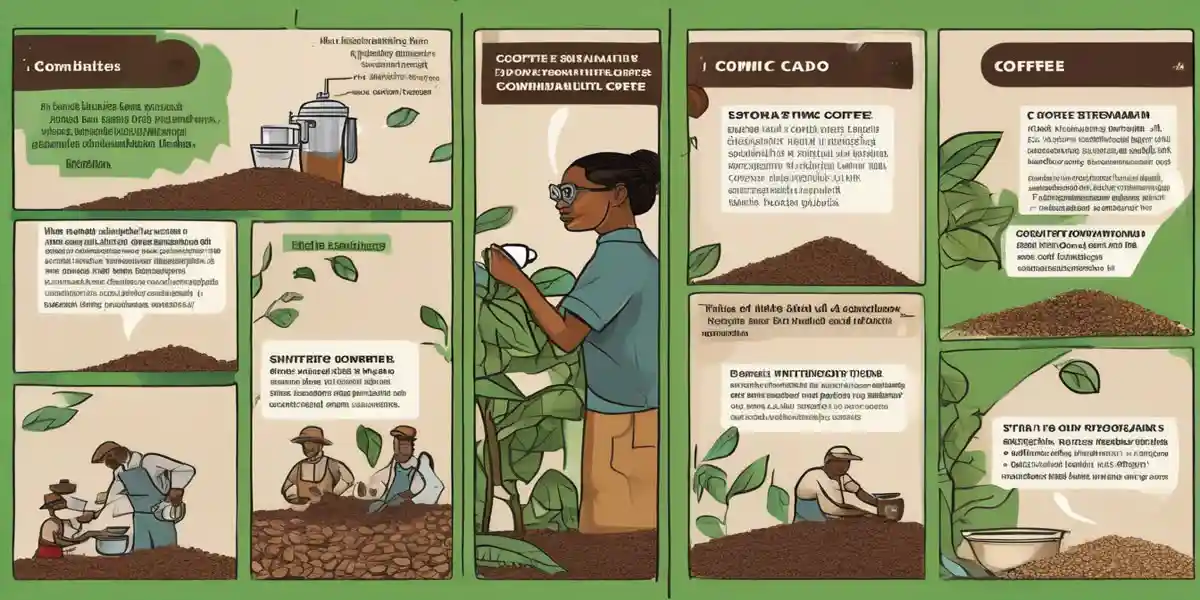
The coffee industry is at a critical juncture, grappling with the dual challenges of environmental sustainability and economic equity for farmers. Sustainable coffee, defined as coffee cultivated using methods that are environmentally friendly and socially responsible, has become a focal point for consumers and producers alike. This transition is increasingly facilitated by Decentralized Autonomous Organizations (DAOs), which leverage blockchain technology to empower stakeholders, including farmers, consumers, and investors, in decision-making processes.
According to the Rainforest Alliance, around 25 million smallholder farmers grow coffee globally, many of whom face poverty and lack of access to resources. Sustainable practices, such as agroforestry and organic farming, not only enhance biodiversity but also improve the livelihoods of these farmers by providing them with better market access and fairer prices. For example, the “Sustainable Coffee Challenge” encourages stakeholders to commit to 100% sustainable coffee sourcing by 2025, fostering collaboration across the industry to address climate change impacts.
DAOs operate on principles of decentralization and transparency, allowing stakeholders to participate in governance through blockchain-based voting systems. One compelling case is “CoffeeDAO,” which allows coffee consumers to directly fund sustainable coffee projects and vote on which initiatives receive support. This model not only democratizes funding but also ensures that the voices of farmers are heard, thereby aligning production practices with the needs and desires of the community.
Traceability is a vital component of sustainable coffee, providing consumers with information about the origins of their coffee and the practices used in its cultivation. Blockchain technology, the backbone of many DAOs, allows for immutable records of each transaction and farming practice. For instance, the “Café Unimark” initiative utilizes blockchain to trace coffee from farm to cup, ensuring that all practices meet sustainability criteria. This level of transparency not only builds consumer trust but also encourages more farmers to adopt sustainable methods as they see a direct benefit from their practices.
As the coffee industry continues to evolve, the integration of sustainable practices and DAOs presents a promising pathway towards a more equitable and environmentally friendly future. By leveraging technology and fostering community involvement, stakeholders can cultivate a more sustainable coffee ecosystem.
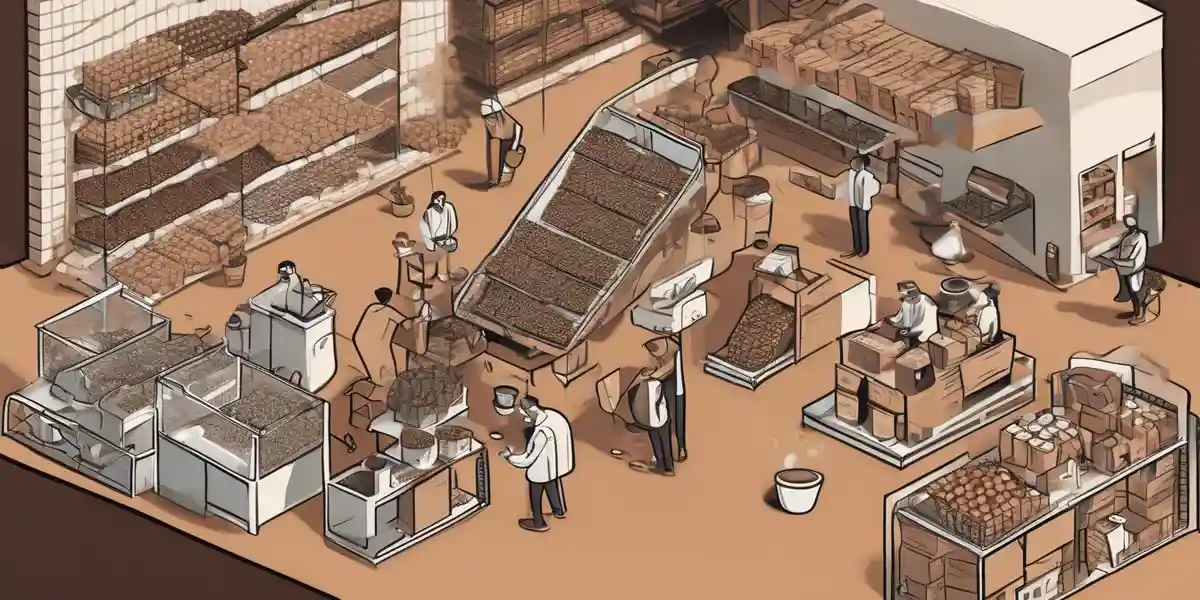
The intersection of virtual galleries and Non-Fungible Tokens (NFTs) is revolutionizing the coffee industry, offering innovative solutions for sustainable practices and enhancing consumer engagement. This transformation is characterized by three key impacts: democratization of access, promotion of transparency, and the creation of new revenue streams for coffee producers.
Virtual galleries leverage technology to democratize access to the coffee market, allowing consumers from around the globe to explore and purchase unique coffee offerings. For instance, platforms like Coffee Bar have begun to feature virtual exhibitions where farmers can showcase their highest-quality beans. By participating in these galleries, small-scale producers gain visibility that would typically be inaccessible through traditional retail channels. This direct connection fosters a sense of community and encourages direct trade, which is crucial for fair compensation and sustainable practices.
Transparency in the coffee supply chain is increasingly demanded by consumers who are more aware of the ethical implications of their purchases. NFTs serve as a means of verifying provenance, ensuring that buyers know exactly where their coffee comes from and how it was produced. For example, the coffee brand Brewed by Hand has implemented NFT technology to provide detailed information about each batch's origin, processing methods, and environmental impact. This traceability not only builds trust among consumers but also encourages producers to adhere to sustainable practices, knowing that their efforts can be showcased through verifiable digital assets.
Virtual galleries and NFTs also introduce novel revenue-generating opportunities for coffee producers. The sale of limited edition NFTs tied to specific coffee batches can create exclusivity and appeal among collectors and coffee aficionados. A notable case is the partnership between NFT Coffee and artisanal roasters, where each NFT represents a unique blend, accompanied by digital artwork that tells the story of its origin. This strategy not only enhances the perceived value of the coffee but also allows producers to retain a larger share of the profits compared to traditional retail models.
In conclusion, the integration of virtual galleries and NFTs into the coffee industry presents a promising pathway for fostering sustainable practices, enhancing transparency, and empowering producers. As these technologies continue to evolve, they will likely play a pivotal role in shaping the future landscape of coffee commerce.
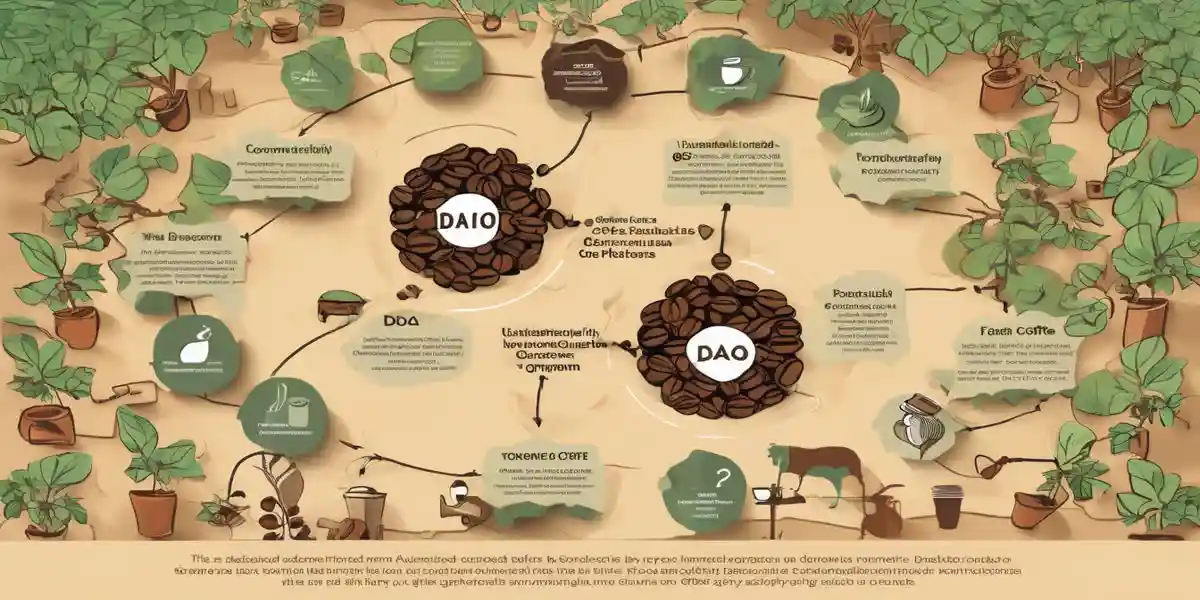
The integration of Decentralized Autonomous Organizations (DAOs) into the sustainable coffee sector presents transformative opportunities for both producers and consumers. These organizations leverage blockchain technology to enhance transparency, empower stakeholders, and foster community engagement in coffee production. Here, we explore three key prospects for DAOs in shaping a more sustainable coffee landscape.
One of the most significant advantages of DAOs is their ability to provide transparency within the supply chain. By utilizing blockchain technology, every transaction and movement of coffee—from farm to cup—can be recorded and verified. This traceability not only assures consumers of the ethical sourcing of their coffee but also enables farmers to demonstrate their commitment to sustainable practices.
For instance, the DAO Coffee Collective is working with smallholder farmers in Colombia to create a transparent supply chain. Consumers can scan a QR code on their coffee packaging to trace its origin, learn about the farming practices used, and even read the stories of the farmers themselves. This level of transparency builds trust and encourages consumer loyalty, which is crucial for sustainable practices.
DAOs empower stakeholders—including farmers, consumers, and investors—by allowing them to participate in decision-making processes. This democratization can significantly impact sustainability initiatives, as it ensures that diverse perspectives are considered in the development of new policies or practices.
A case study exemplifying this is the DAO called "Coffee for Change," which enables coffee drinkers to vote on initiatives for sustainable farming practices or community development projects that benefit growers. This participatory approach not only fosters a sense of ownership among stakeholders but also aligns agricultural practices with community needs and environmental sustainability.
DAOs can revolutionize how funding and resources are allocated within the coffee industry. Traditional funding methods often favor large corporations, leaving small farmers at a disadvantage. By utilizing smart contracts, DAOs can facilitate microloans and grants directly to farmers based on community votes or performance metrics, ensuring that funds are used effectively and transparently.
The "Farmers First DAO" is a prime example, where token holders can allocate funds to projects that promote biodiversity or regenerative farming practices. This model not only supports sustainability but also encourages innovation, as farmers can propose projects directly to the community. The DAO framework thus aligns financial incentives with environmental goals, promoting a more resilient coffee industry.
In conclusion, the future of DAOs in the sustainable coffee landscape looks promising. With advancements in transparency, democratized decision-making, and innovative funding mechanisms, DAOs have the potential to reshape the industry into one that prioritizes sustainability and ethical practices.
In exploring the transformative power of a Decentralized Autonomous Organization (DAO) in the sustainable coffee industry, we have uncovered a multi-faceted approach that not only prioritizes environmental consciousness but also embraces technological innovation. Initially, we examined the foundational principles of DAOs, highlighting how their decentralized nature empowers stakeholders and fosters transparency. This democratization of decision-making resonates particularly well in sectors like coffee, where ethical sourcing and sustainability are paramount.
Subsequently, we delved into the role of virtual galleries, illustrating how they serve as a platform for coffee producers and artists to showcase their work, thereby bridging the gap between consumers and creators. The integration of Non-Fungible Tokens (NFTs) emerged as a game-changer, allowing for the unique representation of coffee products and experiences, which adds significant value and authenticity to the offering. This intersection of art, technology, and agriculture not only enhances consumer engagement but also cultivates a community of like-minded individuals committed to sustainability.
Reflecting on these insights, it becomes evident that the DAO model aligns with broader trends in consumer behavior, particularly the increasing demand for transparency and ethical practices in purchasing decisions. As society moves toward more sustainable solutions, initiatives like these can inspire other industries to adopt similar practices, fostering a more equitable and environmentally conscious marketplace.
As we look to the future, the potential for DAOs to innovate within various sectors is immense. We encourage readers to engage with these emerging technologies, support sustainable practices, and consider how they too can contribute to a better future. By embracing these changes, we not only help shape a thriving coffee industry but also pave the way for a more sustainable world. Join the conversation today—what role do you see yourself playing in this evolving landscape?
Get notified about new articles, coffee tips, and Web3 insights.
This site participates in affiliate programs and may earn a commission when a link is clicked and a purchase is made. The site is not responsible for any issues or troubles related to the products or services purchased through the use of this site.
DO&COFFEE loves coffee and technology, exploring the potential of NFTs and blockchain. Learn more →
DO&COFFEE loves coffee and technology, exploring the potential of NFTs and blockchain. Learn more →