art
2025/12/21

Have you ever wondered what truly defines ownership in an increasingly digital world? The rise of digital art has revolutionized the way we create, share, and appreciate art, but with that comes the pressing question of how we can claim ownership of these virtual masterpieces. Enter the tokenization revolution, where cryptocurrency and blockchain technology collide with the art world, offering innovative solutions to long-standing ownership challenges.
In this blog post, we will explore how tokenization is reshaping the landscape of digital art ownership. We'll delve into the intersection of blockchain technology and art, highlighting the advantages it brings for artists and collectors alike. We'll also examine how NFTs are functioning as a new form of digital currency, unlocking diverse revenue streams for creators. Lastly, we'll critically assess the phenomenon of tokenization: what it means for the future of art and its ecosystem. Join us as we uncover the transformative potential of blockchain technology that goes beyond mere speculation, leading to a new era of ownership and creativity.
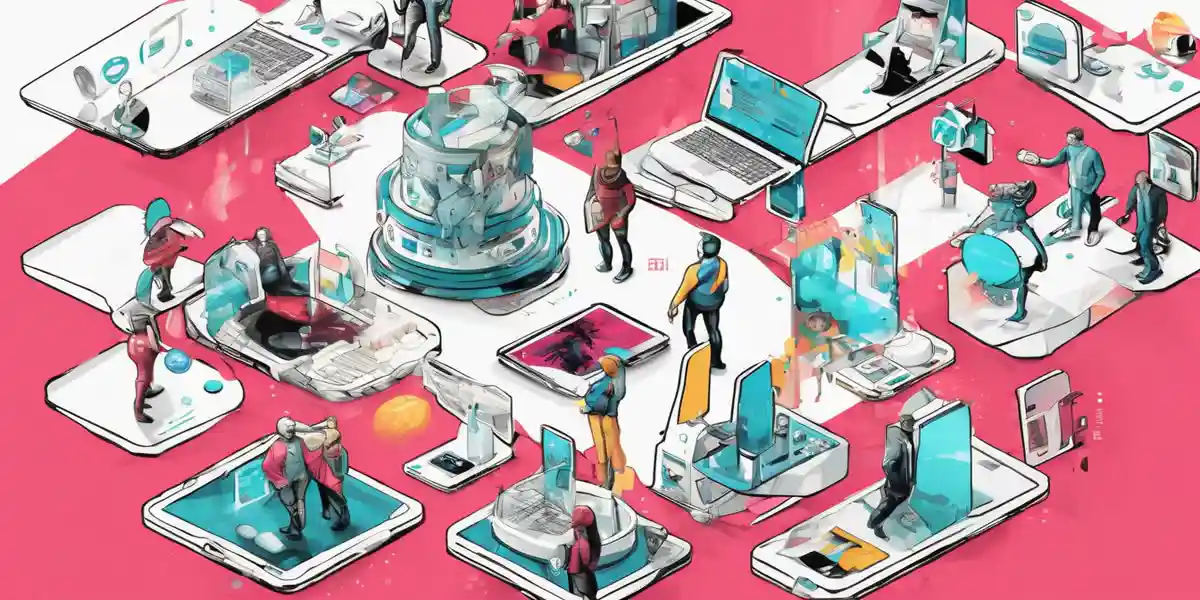
Tokenization is the process of converting ownership rights of a digital asset into a digital token that is recorded on a blockchain, a type of digital ledger system. This transformation is particularly significant in the world of digital art, where verifying authenticity and ownership can be challenging. Through tokenization, each piece of digital art is assigned a unique identifier that ensures its provenance, allowing buyers to confirm its legitimacy. For instance, when an artist creates a piece and mints it as a Non-Fungible Token (NFT), that token signifies their ownership and the details of the art piece are securely documented on the blockchain.
One of the most revolutionary aspects of tokenization in digital art is the greater control it offers to artists over their work. Traditionally, artists often lose the ability to benefit from their artwork after it is sold, especially in the sale of physical art. However, with tokenization, artists can embed smart contracts within NFTs that stipulate their rights to royalties on future sales. Research on the transformative potential of blockchain suggests that these applications extend beyond cryptocurrencies, showcasing how digital art and blockchain can merge to create a new ecosystem that respects and protects creators' rights.
A prominent example of successful tokenization in the digital art space is the 9NFTMANIA brand, which integrates digital art with cryptocurrency through its 9NM tokens. By launching on the CoreDao blockchain, 9NFTMANIA has created a framework that supports the trading and exchange of digital art while maintaining artist royalties and rights. This innovative approach illustrates the possibilities for artists to engage directly with their audience and create sustainable revenue streams through tokenized art pieces.
While tokenization through NFTs offers many benefits, it also raises important questions about its impact on the traditional art ecosystem. A perspective offered in the paper "Questioning the NFT 'Revolution' within the Art Ecosystem" highlights that although NFTs can improve contracts, authors' rights, and provenance, they do not fundamentally change the established dynamics of the art world. This indicates that while tokenization provides a novel method for ownership and authenticity, the broader implications on how art is valued and sold still require further examination.
At the heart of the revolution in digital art ownership lies the concept of Non-Fungible Tokens (NFTs), unique digital assets that signify ownership of a specific piece of content. Within this landscape, the introduction of 9NM tokens—launched by the NFT brand 9NFTMANIA—changes the game for artists and collectors alike. The 9NM token is built on the CoreDao blockchain, with a total supply of 1 billion tokens, designed to facilitate transactions in the NFT ecosystem. By utilizing 9NM tokens, artists can sell their creations through a decentralized exchange known as ICECREA, opening up new avenues for revenue generation.
With the adoption of 9NM tokens, artists are unlocking new revenue streams that were previously inaccessible in the traditional art world. For instance, by tokenizing their artwork, artists can receive immediate payment upon sale, as NFTs enable direct transactions between creator and collector without the need for intermediaries, such as galleries or auction houses. This can significantly increase the artist's profit margin and ensure they earn a fair share from secondary sales due to built-in royalties programmed into the smart contracts associated with NFTs.
Moreover, the ability to trade 9NM tokens on platforms like ICECREA empowers artists to maintain a presence in a digital marketplace, where they can engage with collectors and fans more directly. The liquidity provided by the trading of these tokens also means that artists can convert their digital assets into cryptocurrency, providing them with flexible financial options that suit their needs.
The impact of 9NFTMANIA can be seen through its integration of digital art with cryptocurrency, showcasing how NFTs and tokens can create a thriving ecosystem for artists. As more artists begin to adopt 9NM tokens, they not only gain access to a new payment method but also participate in a burgeoning community of creators who share similar interests in digital assets. This shift can lead to collaborations, pooled resources, and collective marketing efforts that enhance visibility and sales potential for all involved.
In this decentralized model, artists are not limited to local markets but can reach a global audience instantly. Therefore, by adopting 9NM tokens, digital artists can elevate their profiles and generate sustainable revenue, thereby redefining traditional notions of art ownership and commerce.
The use of NFTs as digital currency exemplifies a transformative shift in the art world, illustrating how blockchain technology can enhance ownership and transactions. As if writing a new chapter in the artist's journey, NFTs and tokens like 9NM empower creators with unprecedented control and financial opportunities. This newfound freedom allows artists to fully embrace the digital landscape, ensuring that their works not only receive the recognition they deserve but also translate into tangible financial returns.
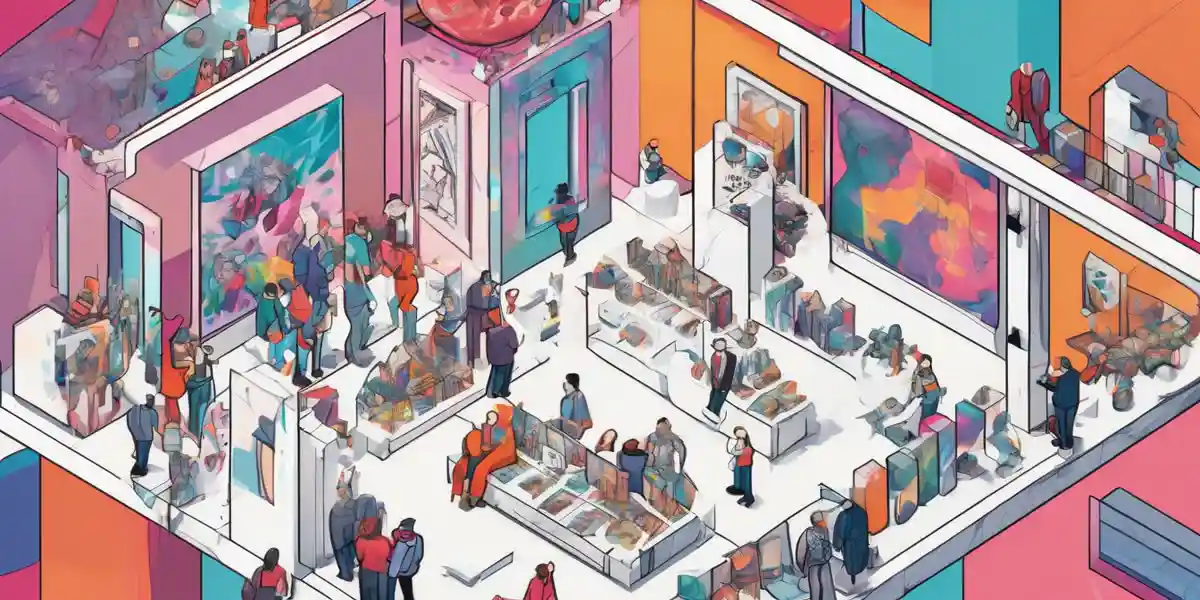
Tokenization, through the use of blockchain technology, allows digital assets like art to be represented as unique digital tokens known as non-fungible tokens (NFTs). This development has changed how ownership is perceived, providing artists with new revenue streams and buyers with verifiable proof of ownership. However, while these innovations have sparked excitement in the art world, a critical examination shows that the real impact of tokenization and NFTs may be more complex than initially thought.
Research in the paper "Questioning the NFT “Revolution” within the Art Ecosystem" highlights that NFTs, while beneficial in aspects like contracts and provenance, do not fundamentally reshape the traditional art market dynamics. For instance, the allure of owning a digital piece of art, verified by a blockchain token, is tempered by issues such as copyright concerns and speculative market behaviors. Artists may find themselves navigating a landscape rife with uncertainty regarding the value and rights associated with their digital creations.
Several case studies illustrate this duality in the NFT market. One prominent example is the sale of Beeple's digital artwork, "Everydays: The First 5000 Days," which sold for a staggering $69 million as an NFT. This event showcased the potential for generational wealth creation for digital artists. However, it also sparked discussions about whether the exceedingly high prices are sustainable or indicative of a speculative bubble. In contrast, the 9NFTMANIA initiative, which links NFTs to a cryptocurrency ecosystem through 9NM tokens, demonstrates how projects are working to integrate digital art into broader financial systems. This merger proposes a more stable framework but raises questions about the underlying value of art in such cash-oriented environments.
Despite the critiques, the implications of tokenization are not entirely negative. The research paper "Art and Blockchain: A Primer, History, and Taxonomy of Blockchain Use Cases in the Arts" examines the transformative potential of blockchain technology across various art forms. It describes how artists can leverage tokenization to retain more control over their work, ensuring that they receive royalties each time their artwork changes hands. This new model can empower artists, particularly emerging ones, who previously struggled to monetize their digital creations effectively.
As the NFT phenomenon continues to evolve, it remains essential for stakeholders in the art ecosystem—artists, collectors, curators, and critics—to engage in meaningful discourse about the true effects of tokenization. While NFTs offer exciting possibilities in terms of ownership and revenue, it is crucial to address the challenges and ethical dilemmas they pose. The art world is at a crossroads, where it must balance embracing innovative technologies and preserving its rich, traditional dynamics.
The tokenization revolution is transforming the landscape of digital art ownership by seamlessly intertwining blockchain technology with the artistic process. Through our exploration of tokenization, we’ve uncovered how it empowers artists to retain greater control over their work, allowing them to monetize their creations in unprecedented ways. By introducing NFTs as a form of digital currency, artists can now unlock new revenue streams that were unimaginable in the traditional art market. Moreover, while the NFT phenomenon has sparked both excitement and skepticism, it has undeniably shifted the conversation around ownership, accessibility, and equity within the art ecosystem.
Key takeaways from our discussion include the ability for artists to directly connect with their audience, the increased transparency and security of ownership records via blockchain technology, and the challenge of understanding the long-term implications of tokenization on the creative community. As we chart this uncharted territory, it's clear that the intersection of crypto and digital art is not just a trend, but a fundamental shift in how we perceive value and ownership.
As you reflect on these insights, consider how you can engage with the tokenization revolution. Whether as an artist exploring NFTs for your work, a collector seeking to support creatives in innovative ways, or simply a curious observer wanting to grasp the implications of this technology, there’s a space for you in this evolving dialogue. Embrace the potential of crypto as a redefiner of ownership in the world of digital art, and participate in shaping the future that lies ahead.
Get notified about new articles, coffee tips, and Web3 insights.
This site participates in affiliate programs and may earn a commission when a link is clicked and a purchase is made. The site is not responsible for any issues or troubles related to the products or services purchased through the use of this site.

DO&COFFEE loves coffee and technology, exploring the potential of NFTs and blockchain. Learn more →
DO&COFFEE loves coffee and technology, exploring the potential of NFTs and blockchain. Learn more →