technology
2024/09/16

Are you feeling overwhelmed by the demands of modern life, where work, family, and social commitments often squeeze out time for fitness? You’re not alone. In today's fast-paced digital world, integrating effective at-home workouts into our busy routines can seem like a daunting challenge. However, it doesn’t have to be. Enter the concept of "Tech-Savvy Fitness," where we leverage our gadgets and apps to create a tailored workout experience that fits seamlessly into our lives. This blog post will guide you through the best at-home workouts for weight loss that cater to your hectic schedule, from High-Intensity Interval Training (HIIT) to yoga routines that enhance flexibility. We’ll also explore how innovative fitness apps and wearable technology can transform exercise from a chore into an engaging part of your daily routine. By embracing this modern approach to fitness, you can not only shed those extra pounds but also cultivate a sustainable, enjoyable lifestyle that harmonizes with your personal and professional aspirations. So, are you ready to transform your living room into a sanctuary of health and wellness?

As we navigate through a world increasingly defined by technology, the thought of fitting effective at-home workouts into our busy lives can seem overwhelming. Yet, the innovative concept of "Tech-Savvy Fitness" offers an enlightening perspective, making it easier than ever to integrate health and fitness into our daily routines.
In a fast-paced digital age, many of us find ourselves spending hours in front of screens—whether it's coding for work, gaming for leisure, or endlessly scrolling through social media. This lifestyle can often lead to a sedentary routine, making the idea of exercising at home feel like an insurmountable challenge. However, leveraging technology for fitness transforms this dilemma into an opportunity.
Consider fitness apps such as MyFitnessPal and Nike Training Club. These platforms adapt to your individual preferences, available time, and fitness levels, providing personalized workout plans that fit seamlessly into your day. Whether you have just 15 minutes or a full hour, these apps ensure you can find a structure that works for you, enabling you to stay active without overwhelming your schedule.
One notable example is the app PoseBuddy, designed to combat sedentary lifestyles by offering personalized workout plans through engaging technology. Available on both iOS and Android, PoseBuddy uses your device's camera along with the MoveNet pose estimation model from TensorFlow to provide real-time audio feedback on your exercise performance. This not only helps you correct your form but also encourages community engagement by allowing users to share their experiences and connect with others, promoting a sense of accountability.
Moreover, the incorporation of artificial intelligence (AI) in fitness apps is revolutionizing the user experience. Research has shown that AI-enabled services significantly enhance user attitudes toward physical activity by providing intrinsic information quality and perceived enjoyment. This means that your workout journey can be as engaging and tailored as possible, reflecting your unique needs and preferences.
In addition to apps, wearable technology—like fitness trackers—offers another layer of support for at-home workouts. These devices monitor critical metrics such as steps, heart rate, and calories burned, allowing you to track your progress over time. More importantly, this data not only fosters accountability but can adjust your workouts in real time, based on your performance metrics. For example, if your heart rate indicates you're not pushing yourself enough, your fitness app can suggest increasing the intensity of your routine.
At-home workouts are not merely a response to the challenges of a busy life; they represent a shift in how we perceive fitness. During the pandemic, many turned to mobile fitness applications to maintain their physical and psychological health, finding a renewed motivation to engage in home workouts. Studies reveal that these apps significantly promote active living, helping to mitigate the risks associated with inactivity.
As we embrace this tech-savvy approach, it becomes clear that fitness is no longer just a chore but a vital part of our daily lives. By utilizing the technology at our fingertips, we can transform our understanding of fitness into an engaging experience, making it easier to integrate healthful movement into our routines without compromising on our professional or personal lives.

In the age of technology, finding effective home workouts for weight loss is not only achievable but can also be tailored to fit seamlessly into your busy life. The combination of innovative applications and wearable technology makes it easier than ever to stay committed to your fitness goals.
Fitness apps have transformed the way we approach home workouts. Apps like MyFitnessPal and Nike Training Club offer personalized workout plans that cater to various fitness levels and time constraints. Whether you have just 15 minutes for a quick workout or an hour to spare, these apps provide structured routines that keep you engaged and motivated.
Furthermore, research indicates that the integration of artificial intelligence (AI) within these applications enhances user experiences. A study showed that technological functions and intrinsic information quality positively influence users' attitudes towards physical activity. This means that when you use an app that is intuitive and enjoyable, you’re more likely to stick with it. For instance, apps like PoseBuddy use computer vision to provide real-time feedback on your exercise performance, making your workouts more interactive and tailored to your needs.
Another exciting aspect of at-home workouts is the availability of virtual classes. Online platforms allow fitness enthusiasts to join group sessions remotely, thereby adding a sense of community to solitary workouts. Imagine participating in a live-streamed yoga class from your living room, surrounded by fellow participants from all over the world. This communal aspect can significantly boost motivation and accountability, which are crucial for maintaining a consistent workout routine.
Incorporating wearable technology, like fitness trackers, into your routine can further enhance your weight loss efforts. These devices monitor various metrics such as steps taken, heart rate, and calories burned, providing you with valuable insights into your physical activity levels. The data collected not only helps in tracking progress but can also adapt your workouts in real-time based on your performance. For example, if your tracker indicates that you’re not reaching your step goals, your fitness app might suggest a brisk walk or a quick cardio session to help you catch up.
Modern fitness applications go beyond basic workout plans. Some utilize deep learning algorithms to offer personalized coaching and real-time recommendations. For instance, voice-activated virtual assistants can analyze your input and provide custom workout plans tailored specifically to your fitness goals and preferences. Additionally, emotion detection algorithms can assess your mood and adjust your workout intensity accordingly, ensuring that your sessions are both challenging and enjoyable.
It's important to note that the benefits of these apps extend beyond physical health. A study conducted during the COVID-19 pandemic revealed that fitness apps significantly promote both physical and psychological well-being. They provided motivation to maintain home workouts, which was essential during times when access to traditional exercise facilities was limited. By supporting active living, these apps help mitigate the risks associated with prolonged inactivity, allowing you to thrive in both body and mind.

High-Intensity Interval Training (HIIT) has emerged as an incredibly effective workout strategy for busy individuals seeking weight loss and improved fitness levels. This training method alternates between short bursts of intense activity and periods of lower-intensity exercise or rest, allowing you to achieve maximum results in minimal time. For those of you juggling work, family, and social commitments, HIIT offers a flexible solution that can easily fit into your hectic schedule.
One of the most compelling reasons to adopt HIIT is its efficiency. Studies have shown that just 15 to 30 minutes of HIIT can burn more calories than an hour of steady-state cardio. For instance, if you only have 20 minutes to spare, you can squeeze in a workout that elevates your heart rate and boosts your metabolism, making it a time-efficient option for weight loss. The beauty of HIIT is that it can be adapted to your fitness level and preferences; whether you prefer bodyweight exercises, like burpees and squats, or more equipment-based options, such as kettlebell swings or battle ropes, there's a HIIT workout for everyone.
In the age of "Tech-Savvy Fitness," technology plays a pivotal role in making HIIT accessible and engaging. Fitness apps such as Nike Training Club and MyFitnessPal offer structured HIIT routines tailored to your fitness level, time availability, and personal goals. For example, Nike Training Club provides a variety of HIIT workouts that can be completed in as little as 15 minutes, complete with video demonstrations and voice guidance to keep you motivated.
Moreover, innovative applications like PoseBuddy utilize computer vision technology to create interactive experiences during your workouts. With PoseBuddy, you can receive real-time feedback on your form, ensuring that you're maximizing the effectiveness of each exercise and minimizing the risk of injury. This level of personalization is crucial in keeping you engaged and accountable, especially when working out at home.
Wearable technology, such as fitness trackers, further enhances the HIIT experience by allowing you to monitor your heart rate, calories burned, and overall performance. This data can be invaluable for adjusting your workouts in real time. For instance, if your fitness tracker indicates that your heart rate is not reaching the desired intensity, you can modify your next interval to be more challenging. This feedback loop not only fosters accountability but can also help you stay motivated as you visualize your progress over time.
Another significant aspect of HIIT, particularly when integrated with technology, is the sense of community it can foster. Many fitness apps now offer virtual classes and forums where you can connect with others who share similar fitness goals. Participating in challenges or sharing your progress can enhance your motivation and make your HIIT workouts less solitary. This communal approach has been shown to improve adherence to exercise regimens, as individuals are more likely to stay committed when they feel supported by others.

For many, the thought of strength training at home can be intimidating, especially when faced with the prospect of bulky equipment or gym memberships. However, with the right approach and a bit of creativity, you can effectively engage in strength training using minimal equipment, seamlessly fitting it into your busy lifestyle.
Strength training isn't about lifting heavy weights; it's about using your body weight and basic tools to build muscle and increase metabolism. The core principle here is progressive overload—gradually increasing the weight or resistance level to challenge your muscles. This can be achieved with minimal equipment like resistance bands, dumbbells, or even household items such as water bottles and backpacks filled with books.
There are several effective workouts you can do at home, utilizing minimal equipment. Here are a few examples:
In the digital age, technology is your ally in strength training. Fitness apps like MyFitnessPal and Nike Training Club provide personalized workout plans that adapt to your schedule and fitness level. These apps often include video demonstrations and instructions, making it easier to perform exercises correctly, which is crucial for avoiding injuries.
Moreover, advancements in AI, as explored in recent research, have led to the development of apps like PoseBuddy. This app utilizes computer vision technology to provide real-time feedback on your form, ensuring that you’re executing movements correctly. The interactive experience not only enhances your workout but also fosters a sense of community, as users can share their progress and connect with others.
Many individuals have successfully integrated minimal equipment strength training into their lives. For example, a busy professional may set aside just 20 minutes in the morning to complete a high-intensity interval training (HIIT) session using bodyweight exercises and resistance bands. This not only saves time but also ensures that they stay active, even on the busiest of days.
Another example is a stay-at-home parent who utilizes household items like chairs and bags of rice to perform strength training exercises. By creatively using what they have at hand, they manage to incorporate effective workouts into their daily routines without requiring a dedicated space or expensive equipment.
Ultimately, strength training at home with minimal equipment is a practical approach that can yield impressive results. By utilizing technology, engaging in bodyweight exercises, and being resourceful with available tools, you can create a flexible workout routine that fits seamlessly into your busy life.

In our fast-paced digital world, finding time to engage in physical activity can be challenging. However, yoga and flexibility routines offer a unique blend of physical benefits and mental relaxation that can be seamlessly integrated into your busy life. With the help of technology, these practices can be tailored to fit your schedule and fitness level, making them accessible and enjoyable.
Yoga is not just a trend; it's a comprehensive practice that promotes both physical and psychological well-being. Research has shown that regular yoga practice can enhance flexibility, reduce stress, and improve overall fitness levels. For instance, a study indicated that engaging with mobile fitness applications significantly aids in maintaining physical and psychological health, especially for individuals who may struggle to access traditional fitness centers.
Flexibility routines, often incorporated within yoga sessions, help prevent injuries and improve posture. This is particularly crucial for those who spend long hours sitting at desks or engaging with screens. The gentle stretching and breathing techniques used in yoga not only alleviate physical tension but also foster a sense of mindfulness, making it easier to manage stress and anxiety.
Thanks to the rise of fitness apps, practicing yoga at home has never been more convenient. Applications like PoseBuddy leverage computer vision and real-time feedback to enhance your yoga experience. Using your device’s front camera, PoseBuddy can analyze your poses and provide audio feedback, ensuring you are maintaining proper form. This interactive experience allows you to practice yoga anytime, anywhere, fitting perfectly into your busy schedule.
Moreover, platforms such as MyFitnessPal and Nike Training Club offer structured yoga sessions that cater to various skill levels, from beginners to advanced practitioners. These apps can help customize your routine based on your available time and fitness goals, whether you have 10 minutes or an hour to dedicate to your practice.
Imagine having a personal yoga coach available at your beck and call. Innovative online fitness programs featuring voice-activated virtual assistants can transform your workout experience. Utilizing deep learning algorithms, these virtual assistants can craft personalized yoga plans tailored to your specific needs and preferences. For example, based on your input, the assistant can suggest flexibility routines that address your areas of concern, such as tight hips or shoulders.
Furthermore, these systems can adapt to your progress in real-time, ensuring that you are continually challenged while also receiving encouragement and motivation. This personalized approach can significantly enhance user engagement, making you more likely to stick with your yoga practice over time.
Incorporating a social aspect into your workout can be incredibly motivating. Many fitness apps now offer virtual classes where you can join live sessions led by experienced instructors. This not only creates a sense of accountability but also fosters a community of like-minded individuals pursuing similar health goals. The communal experience can make your yoga practice feel less isolating, encouraging you to stay committed even on the busiest days.
These virtual classes often provide a range of styles and levels, allowing you to explore different yoga practices, from restorative to power yoga, all from the comfort of your living room. The flexibility of joining classes that fit your schedule means you can easily incorporate them into your day, whether it be during a lunch break or in the evening after work.
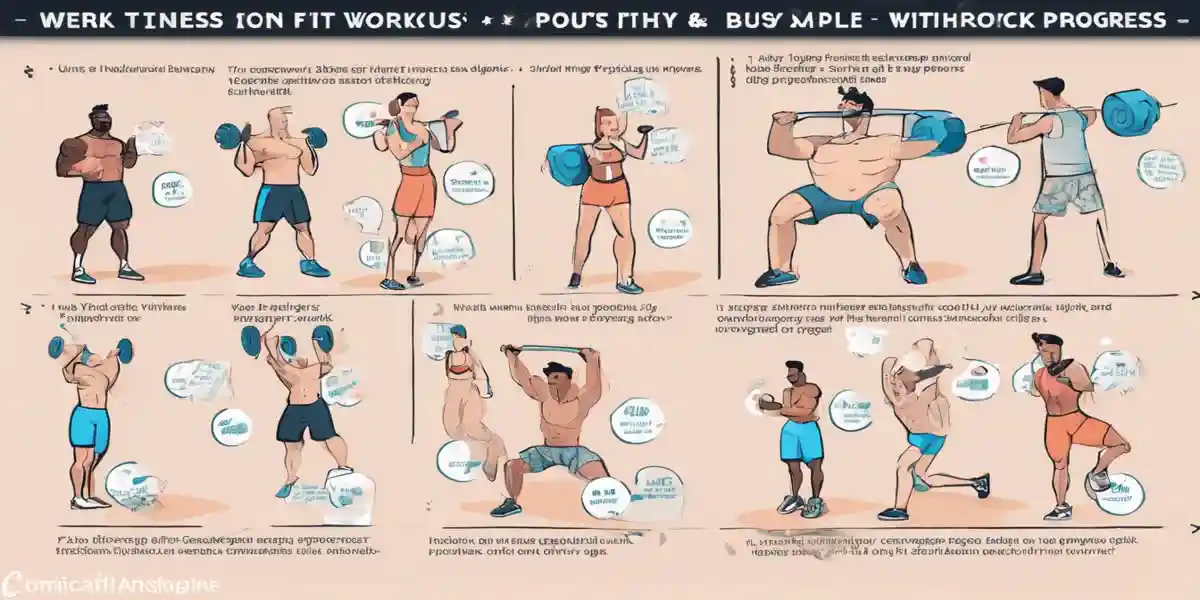
Finding time to exercise in a packed schedule can feel overwhelming, but innovative technology and strategic planning can make it manageable. Here are some actionable tips to incorporate effective workouts into your daily routine without sacrificing your other commitments.
In today’s digital landscape, fitness apps like MyFitnessPal and Nike Training Club offer personalized workout plans that can adapt to your unique schedule. Whether you have 15 minutes or an hour, these applications allow you to choose workouts that align with your fitness level and available time. For instance, if you can spare just a quarter of an hour, you can select a high-intensity interval training (HIIT) routine that maximizes calorie burn in a short period.
Opt for bodyweight exercises that can be done in your living room, such as push-ups, squats, or burpees. These exercises require no equipment and can be completed in short bursts. For example, a 10-minute circuit—consisting of 30 seconds of push-ups, 30 seconds of squats, and 30 seconds of jumping jacks, repeated twice—can elevate your heart rate and provide a full-body workout.
Consider incorporating physical activity into your existing commitments. For example, if you have a conference call, try doing squats or lunges while on mute. Alternatively, take a brisk walk during your lunch break or opt for stairs instead of elevators whenever you can. This not only keeps you active but also breaks up the monotony of sitting for extended periods.
Participating in virtual fitness classes can add an element of accountability to your routine. Many platforms offer live sessions that create a communal atmosphere, allowing you to connect with others while working out. For instance, platforms like Peloton and Zoom fitness classes provide real-time interaction with instructors and fellow participants, helping to keep you motivated even while exercising at home.
Wearable fitness trackers can play a crucial role in maintaining your motivation. Devices like Fitbit or Apple Watch can monitor your heart rate, steps, and calories burned, providing real-time feedback on your activity levels. This data-driven approach not only encourages accountability but also allows you to adjust your workouts based on your performance metrics. For instance, if you notice you’re hitting your step goals frequently, you might decide to increase your workouts' intensity or duration.
Find workouts that you genuinely enjoy; this will make it easier to incorporate them into your busy life. AI-enhanced fitness applications, such as PoseBuddy, offer interactive experiences that personalize your workouts based on your preferences and feedback. By focusing on enjoyable activities, you can maintain a consistent exercise routine without it feeling like a chore.
Set achievable fitness goals that fit your schedule, and celebrate your progress, no matter how small. For example, if your goal is to work out three times a week, track your sessions and reward yourself when you reach that target. This could be as simple as treating yourself to a movie night or buying a new workout outfit. Recognizing your achievements reinforces your commitment to maintaining a healthy lifestyle.
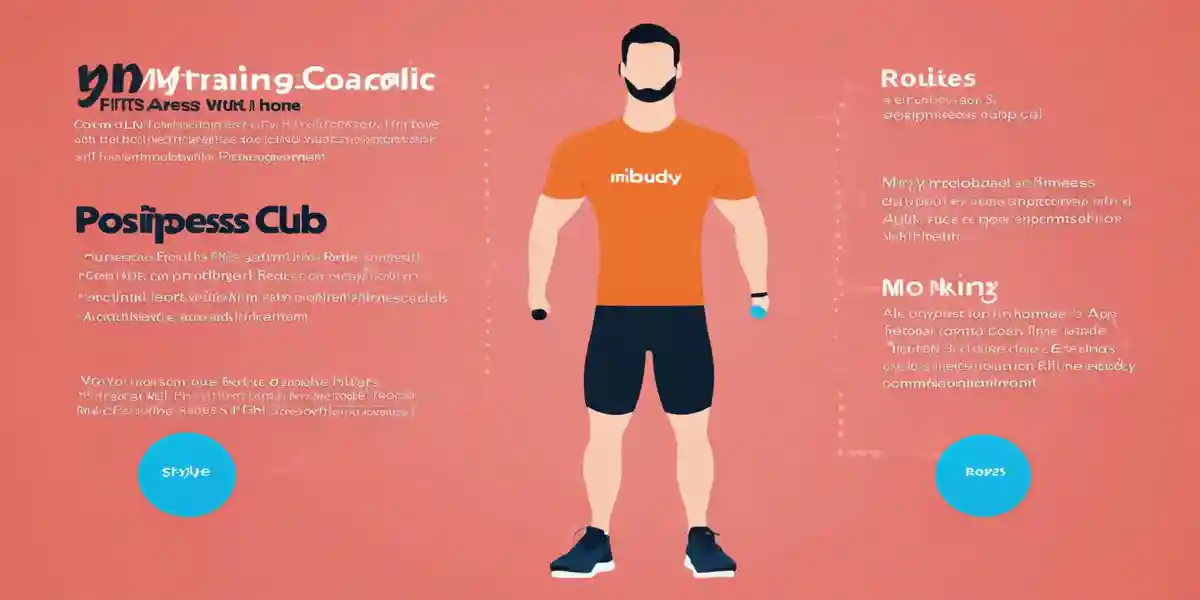
The rise of "Tech-Savvy Fitness" provides a practical solution for busy individuals looking to incorporate effective workouts into their daily routines. By leveraging technology, you can create a personalized fitness experience right in your living room.
Imagine having access to fitness apps that cater specifically to your needs. Applications like MyFitnessPal and Nike Training Club have revolutionized the way we approach fitness by offering structured routines that can fit into even the most hectic schedules. Whether you have just 15 minutes or a full hour, these apps provide customizable workout plans that adapt to your fitness level and preferences.
For instance, MyFitnessPal not only allows you to track your caloric intake but also offers workout suggestions based on your dietary goals. Meanwhile, Nike Training Club features a variety of workouts led by professional trainers, ensuring you have the guidance you need to stay motivated and on track.
The integration of artificial intelligence (AI) in fitness apps elevates the user experience significantly. Recent studies have shown that AI can enhance user engagement by providing personalized feedback and tailored recommendations. For example, AI-enabled features in fitness apps improve the quality of information presented, making workouts more enjoyable and effective.
With features like real-time progress tracking and adaptive workout adjustments, apps are now capable of responding to your performance metrics on the fly. This means that if you’re hitting your targets or struggling with a particular exercise, the app can modify your routine accordingly, ensuring that your workout remains challenging yet achievable.
Another exciting development in tech-savvy fitness is the emergence of applications like PoseBuddy. This innovative app uses computer vision technology and the device's front camera to deliver real-time audio feedback on your exercise form. By employing the MoveNet pose estimation model from TensorFlow, PoseBuddy assists you in correcting your posture, which is crucial for preventing injuries and maximizing workout efficacy.
What’s more, PoseBuddy fosters a sense of community by allowing users to share their experiences and connect with others. This social aspect can be incredibly motivating, especially when working out alone at home. Imagine engaging with friends or fellow fitness enthusiasts through an app while you both tackle your workouts—it's like having a workout buddy by your side, even if they’re miles away.
Imagine having a virtual assistant at your disposal to guide you through your workouts. A new wave of fitness programs now features voice-activated virtual assistants that offer personalized coaching. By utilizing deep learning algorithms for natural language processing, these assistants can create custom workout plans based on your input and preferences.
Not only do they provide tailored workout recommendations, but they also employ emotion detection algorithms that adapt their suggestions in real-time. This means that if you’re feeling particularly drained one day, your virtual coach might suggest a lighter workout or some restorative yoga instead of pushing you to complete a high-intensity session.
Fitness apps have emerged as a lifeline for those who find it challenging to access traditional fitness facilities. They offer a cost-effective and accessible alternative, enabling you to maintain your fitness journey from the comfort of your home. Studies indicate that personalized workout plans provided by these applications significantly enhance physical and psychological health, making them an invaluable resource for anyone looking to stay active.
Moreover, the convenience of having a variety of workouts at your fingertips means you can seamlessly integrate fitness into your daily life. Whether you’re squeezing in a quick session before work or unwinding with a yoga routine after a long day, mobile fitness apps empower you to prioritize your health without the constraints of time or location.
In this fast-paced world, where time often feels like a luxury, we've explored how at-home workouts can seamlessly fit into your busy lifestyle. The advent of "Tech-Savvy Fitness" has transformed the way we approach health, offering innovative tools like fitness apps and wearable technology that empower you to work out effectively, no matter how packed your schedule is.
From the high-octane bursts of High-Intensity Interval Training (HIIT) to the simplicity of strength training with minimal equipment, and the mental rejuvenation offered by yoga and flexibility routines, effective home workouts are more accessible than ever. Each of these workout styles serves a unique purpose, catering to different preferences and fitness levels, ensuring that there truly is something for everyone.
Moreover, the strategies we've discussed for fitting workouts into your daily routine—such as leveraging technology, engaging in virtual classes, and promoting community support—highlight the importance of adaptability and motivation in maintaining a consistent fitness habit. As we learned, using technology not only enhances the workout experience but also fosters accountability and a sense of community, making it easier to stick with your fitness journey.
As you contemplate your next steps, remember that the key to success lies in personalization and commitment. Engage with the tools available to you, set realistic goals, and most importantly, find joy in the process. Start today by dedicating just a few minutes to move your body, and watch as those small steps lead to significant transformations.
Are you ready to take the leap and transform your living room into your personal fitness sanctuary? Embrace the journey and let technology guide you towards a healthier, more active lifestyle!

Get notified about new articles, coffee tips, and Web3 insights.
This site participates in affiliate programs and may earn a commission when a link is clicked and a purchase is made. The site is not responsible for any issues or troubles related to the products or services purchased through the use of this site.

DO&COFFEE loves coffee and technology, exploring the potential of NFTs and blockchain. Learn more →
DO&COFFEE loves coffee and technology, exploring the potential of NFTs and blockchain. Learn more →