art
2024/09/16
In a world where our social media feeds are awash with striking visuals, the ability to master landscape and nature photography has emerged as a crucial skill—not just for artistic expression, but as a strategic tool for amplifying your online presence. Have you ever paused to consider how a single photograph can tell a story that captivates your audience? In this blog post, we’ll explore the vital intersection of technical proficiency and storytelling, revealing how these elements can harmonize to produce images that resonate deeply with viewers. Imagine standing before a breathtaking sunset, the sky ablaze with color—how do you capture that fleeting moment? More importantly, how do you convey the emotions it evokes and the narrative behind it? We’ll delve into essential techniques such as utilizing the golden hour for perfect lighting, employing long exposure to create dynamic movement, and mastering composition through the rule of thirds. Additionally, we’ll discuss the importance of understanding your audience and how personalizing your content can lead to richer engagement. By combining these photographic skills with a compelling narrative, you can elevate not only your craft but also your social media presence, ensuring that your work stands out in today’s saturated digital landscape.
In an age where visuals dominate our social media feeds, mastering landscape and nature photography is not just an art form; it's a strategic skill that can significantly enhance your online presence. The key lies in understanding the intersection of technical proficiency and storytelling, two elements that coalesce to create compelling images that resonate with viewers.
Imagine this: you're standing at the edge of a breathtaking vista, the sun dipping below the horizon, painting the sky with hues of orange and pink. This moment is fleeting, yet with the right camera settings and composition, you can capture it forever. The essence of landscape and nature photography is not merely in the act of taking a picture; it's about freezing time, encapsulating the beauty of nature, and weaving a narrative into each shot. For instance, a photograph of a majestic mountain range can evoke feelings of adventure and awe, while a close-up of dew on leaves can inspire serenity and contemplation. Each image should tell a story about the place, the time, and the emotions it evokes, compelling viewers to engage with the experience you’ve captured.
To elevate your skills, consider integrating a few foundational techniques into your practice:
More importantly, consider how to engage your audience. Sharing the backstory of the location, the challenges faced while capturing the shot, or the feelings it inspired in you can enhance viewer connection. For instance, sharing how you trekked for hours to reach a secluded waterfall not only adds depth to your photograph but also makes your audience feel part of your journey. This narrative approach is crucial, especially in a social media landscape increasingly influenced by 'Instagrammability', where aesthetics often overshadow the genuine representation of landscapes.
Understanding your audience is crucial for success. Tailoring your content to resonate with them can lead to higher engagement rates. For example, incorporating tips for sustainable travel or wildlife conservation in your captions fosters a deeper connection with your followers. When you share your passion for preserving nature alongside your stunning shots, you not only cultivate a community of like-minded individuals but also position yourself as a responsible influencer in the landscape photography space.
Ultimately, by combining technical expertise with a strong narrative, you not only elevate your photography skills but also create a memorable social media presence that stands out in a crowded digital landscape.

Mastering nature photography requires a blend of technical skills and a storytelling approach. Here, we explore essential techniques that can transform your photography into captivating visuals that resonate with your audience.
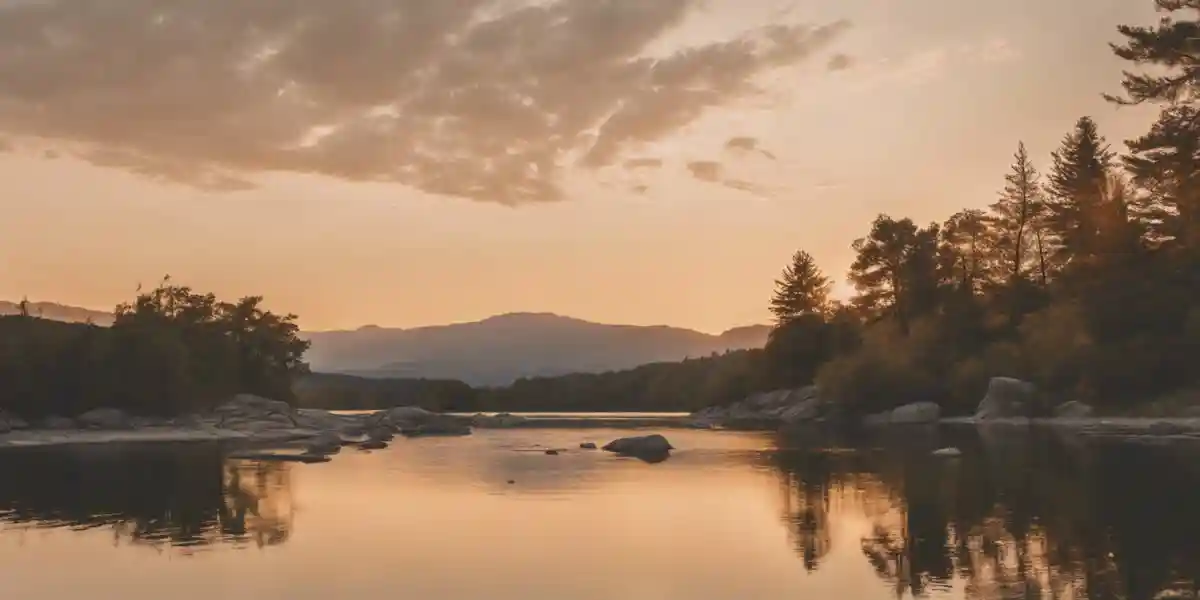
One of the most critical elements in photography is lighting, and the golden hour—shortly after sunrise and before sunset—offers the most flattering light for capturing landscapes. The sun casts a soft, warm glow, enhancing colors and producing long shadows that add depth to your images. For example, consider a landscape shot taken at sunset, where the light creates a dramatic silhouette of trees against a vibrant sky. By timing your shoots to coincide with these periods, you can elevate your images significantly.
Long exposure photography allows you to capture the passage of time in a single image, making it ideal for landscapes where movement is present, such as flowing water or swaying trees. Traditionally, this type of photography required advanced skills and equipment. However, recent advancements, like computational burst photography systems for smartphones, have made it accessible to casual users. These systems can automatically create long exposure effects by capturing a series of images and aligning them to maintain sharpness while synthesizing motion blur. Imagine photographing a waterfall where the water appears silky smooth, contrasting beautifully with the sharp rocks surrounding it. By using apps or built-in features on your smartphone, you can experiment with long exposure without needing extensive knowledge of manual settings.
The rule of thirds is a fundamental principle in photography that can dramatically improve your compositions. By dividing your image into a 3x3 grid, you can place key elements along the gridlines or at their intersections, creating a more balanced and engaging photo. For instance, when photographing a mountain landscape, position the horizon along the top third line, allowing the stunning foreground to draw the viewer's eye into the scene. This technique encourages the viewer to explore the entire image rather than just focusing on the center.
Beyond technical skills, the heart of captivating photography lies in storytelling. Each photograph should not only capture a moment but also evoke emotions and convey a narrative. Share the backstory of the location or the feelings you experienced while shooting. For instance, a photo of a quiet forest path can be enhanced by revealing that it was taken during a hike when you were seeking solitude or inspiration. This personal touch invites your audience into your experience, fostering a deeper connection with your work.
To elevate your photography for social media, it’s crucial to understand what resonates with your audience. Tailor your content to align with their interests and values. For example, incorporating themes of sustainability and wildlife conservation into your captions can attract like-minded followers. As highlighted in recent research, the concept of 'Instagrammability' has shifted travel behaviors towards more aesthetic-focused photography, where less than 2% of images emphasize scenery alone. This insight emphasizes the importance of self-presentation—consider how your images can reflect not just the beauty of nature but also your values and stories.
In today's visually-driven world, landscape photography is not merely about capturing stunning vistas. It's about crafting a narrative that resonates with your audience and using social media strategically to amplify your reach and engagement.
When you take a photograph, you're not just capturing a moment; you're telling a story. Consider a time when you stood on a mountain peak, watching the sunset paint the sky. The colors, the chill in the air, the sound of the wind — all of these elements can be conveyed through your photography. But to truly captivate your audience, you need to articulate that experience beyond just the image. Use your captions to share the emotions you felt, the challenges you faced, or the history of the location.
For example, instead of simply posting a picture of a sunset, you might write, "Caught this breathtaking view at the summit of Mt. XYZ after a grueling hike. The vibrant hues reminded me of how nature rewards perseverance." By doing this, you create a deeper connection with your followers, encouraging them to engage with your content on a personal level.
To create impactful landscape photography, understanding technical aspects is crucial. Techniques like the golden hour can transform an ordinary scene into something extraordinary. Shooting during the golden hour, when the sun is low in the sky, creates soft, warm light that enhances colors and details in your images.
Moreover, consider incorporating the innovative capabilities of modern technology. For instance, recent advancements in smartphone photography allow for sophisticated long exposure effects, which previously required extensive knowledge and expensive equipment. A computational burst photography system can help you achieve stunning motion blur, making it accessible to anyone with a smartphone. This means you can capture the smooth flow of a waterfall or the ethereal movement of clouds, bringing your landscapes to life in ways that draw viewers in.
Engagement is key in the crowded space of social media. Knowing your audience allows you to tailor your content effectively. Research indicates that modern travelers prioritize 'Instagrammability' in their photography, often choreographing their shots to fit aesthetic standards rather than focusing solely on the scenery itself. To capture this trend, consider incorporating elements that reflect your audience's interests, such as tips for sustainable travel or wildlife conservation in your posts.
For instance, after posting a stunning image of a national park, you might include a caption like, "Remember to respect wildlife and stay on designated trails. Our actions today impact the landscapes of tomorrow." This approach not only enriches your narrative but also aligns your content with the values of your followers, ultimately fostering a stronger community.
Content that resonates with viewers is often shared widely, increasing your exposure. As you craft your posts, think about what might compel your audience to share your work. High-quality images, relatable stories, and evocative captions can all contribute to this. Consider asking questions in your captions to invite interaction, such as, "What's your favorite hiking memory?" This not only engages your audience but encourages them to share their own stories, making your content feel more inclusive and community-oriented.
In a world where aesthetics often reign supreme, understanding the new norms surrounding travel photography is vital. As per recent studies, less than 2% of travel photographs focus solely on the scenery. Instead, many images emphasize the self-presentation of the photographer. This means integrating elements that showcase your personality, such as including yourself in the frame or using props that reflect your style. By doing so, you create a more relatable and engaging narrative that speaks to the contemporary audience's desire for authenticity.

In a world where the visual narrative is not just an aesthetic choice but a vital strategy for social media success, understanding the technical elements of landscape and nature photography becomes essential. This section will explore several key techniques that can elevate your photography and ensure your work resonates with your audience.
The golden hour, which occurs shortly after sunrise and before sunset, offers the most flattering natural light for photography. The soft, warm tones during this time can transform an ordinary landscape into something extraordinary. For instance, if you're capturing a mountain range, the golden hour light can highlight the contours and textures of the peaks, creating a three-dimensional feel.
To make the most of this time, plan your shoots ahead of time. Use apps that predict sunrise and sunset times based on your location. This will help you arrive at your chosen spot early, allowing you to set up your composition and be ready to capture that magical moment.
Long exposure photography can add an artistic element to your landscapes by capturing motion over time. This technique is particularly effective for elements like waterfalls, rivers, and clouds, which can create a dreamy, ethereal look. Traditionally, long exposure requires a tripod and knowledge of settings; however, advancements in smartphone technology have made this accessible to everyone.
For example, a computational burst photography system designed for smartphones allows users to achieve sophisticated long exposure effects without needing advanced skills. This system segments moving subjects and tracks scene motion, synthesizing motion blur while maintaining sharpness in static elements. Imagine capturing a serene lake with clouds streaking across the sky, or waves gently washing over rocks—this technique can create stunning visual narratives.
Composition is key to creating a compelling photograph. The rule of thirds is a foundational technique that suggests dividing your image into thirds, both horizontally and vertically, to help position your subject matter effectively. This can make your images more balanced and engaging. For instance, placing the horizon along the top or bottom third of your frame can add depth to your landscape shots.
However, don't be afraid to explore beyond the rule of thirds. Experiment with leading lines, symmetry, and framing to create unique compositions that draw the viewer's eye to the focal point. Consider this: if you're photographing a winding path through a forest, use the path as a leading line that guides the viewer into the scene, making them feel as if they're stepping into the photograph themselves.
The power of photography lies not just in the image itself but in the story it tells. Each photograph should evoke emotions and transport viewers to the moment you captured. Share the narrative behind your shots—what drew you to that particular location? What challenges did you face while taking the photo? Did you encounter any unique wildlife or weather conditions that added to the experience?
For instance, if you capture a sunset over a national park, consider including a caption about the park's significance or the environmental challenges it faces. This not only enriches your image but also connects you with your audience on a deeper level, as they become invested in the story behind the photo.
In today's social media landscape, understanding what resonates with your audience is crucial. The concept of 'Instagrammability' highlights a shift where aesthetics often take precedence over authentic representation. Research shows that less than 2% of travel photos focus solely on the scenery. Instead, many are choreographed to fit an idealized version of a moment.
To increase engagement, consider incorporating elements that appeal to this aesthetic without sacrificing authenticity. Share tips for sustainable travel or wildlife conservation in your captions to foster a deeper connection with your followers. When your audience feels they are part of a larger conversation about environmental stewardship, they are more likely to engage with your content and share it with their networks.
In the journey to unlock social media success through landscape and nature photography, we’ve explored the pivotal elements that can transform simple snapshots into compelling narratives. We began by recognizing the importance of mastering both technical skills and storytelling techniques. Capturing fleeting moments, such as a sunset or the rush of a waterfall, requires not only an understanding of lighting and composition but also the ability to convey the emotions tied to those moments. Techniques like shooting during the golden hour or employing long exposure can dramatically enhance the visual appeal of your photography, making it more engaging for viewers.
Furthermore, the art of storytelling is essential in establishing a connection with your audience. By sharing the narratives behind your images, you invite viewers into your world, fostering a sense of community and shared experience. As we discussed, understanding your audience's interests—especially in a social media landscape dominated by aesthetic considerations—can lead to more meaningful engagement. Incorporating themes of sustainability and wildlife conservation not only increases relatability but also positions you as a thoughtful influencer, dedicated to preserving the beauty you capture.
Finally, as you continue to refine your photography skills, remember that the power of social media lies in its ability to share not just images, but experiences. Every photograph is a chance to tell a story, to evoke emotion, and to inspire action. So, as you head out with your camera or smartphone in hand, ask yourself: what story do you want your next image to tell? In a world that increasingly values authenticity and connection, your voice—and your vision—can make a significant impact.
Now, grab your camera, explore your surroundings, and start capturing the world through your unique lens. Remember, every shot is an opportunity to engage, inspire, and connect with others—so make it count!

Get notified about new articles, coffee tips, and Web3 insights.
This site participates in affiliate programs and may earn a commission when a link is clicked and a purchase is made. The site is not responsible for any issues or troubles related to the products or services purchased through the use of this site.

DO&COFFEE loves coffee and technology, exploring the potential of NFTs and blockchain. Learn more →
DO&COFFEE loves coffee and technology, exploring the potential of NFTs and blockchain. Learn more →