wellness
2024/09/11

Have you ever wished that your outdoor adventures could be more than just a stroll in the park? What if you could turn a simple walk into an interactive journey that enhances your understanding of healthy eating? Welcome to the world of augmented reality (AR), where technology meets nature to create a vibrant learning experience. In this blog post, we’ll explore how an innovative app called "Forage Quest" transforms your surroundings into an interactive treasure map filled with edible plants and nutritional knowledge. Imagine pointing your smartphone at a wild blueberry bush and watching a friendly animated character pop up to share its health benefits and a delicious recipe idea. This is just one example of how AR can make learning about nutrition not only engaging but also fun!
As we delve deeper, we’ll discuss the intersection of healthy eating and augmented reality, highlighting how this technology can enhance nutritional knowledge for users of all ages. Research shows that AR can effectively alter eating behaviors and make the learning process more appealing, bridging the gap in nutritional education. By gamifying the experience—think scavenger hunts and challenges—families can work together to earn virtual badges for their newfound knowledge, making healthy eating a shared adventure. Join us as we uncover how embracing augmented reality in our outdoor excursions can lead to a deeper connection with nature and foster healthier lifestyles.
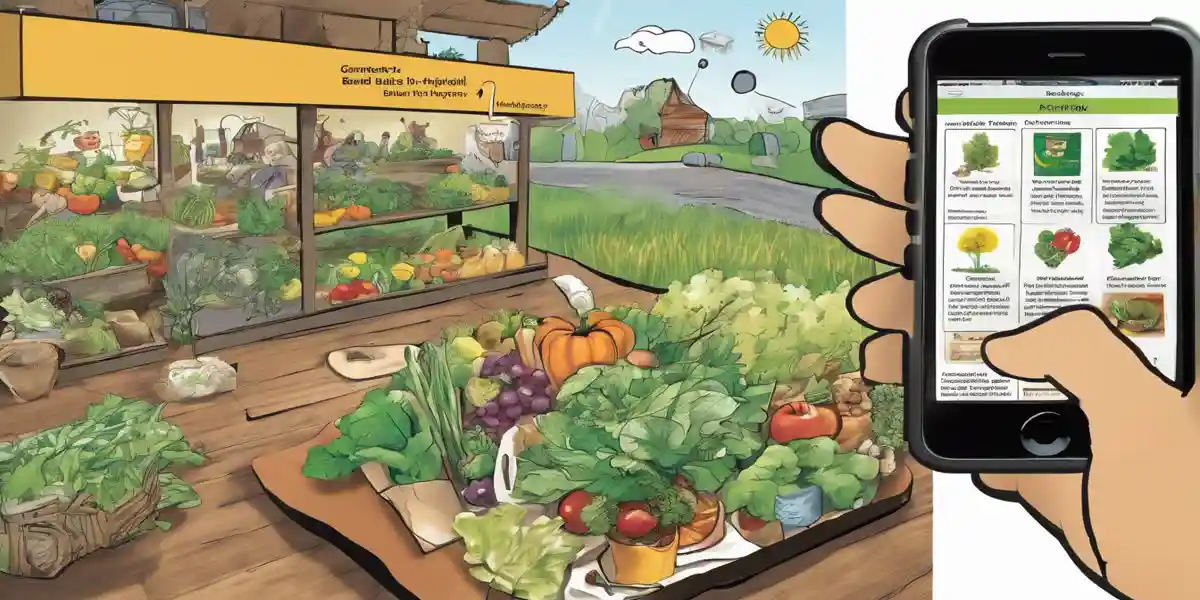
Imagine the thrill of blending outdoor exploration with a dynamic learning experience. Augmented reality (AR) is reshaping how we engage with our environment, particularly when it comes to nutrition education. With the advent of innovative applications like "Forage Quest," individuals can embark on an interactive journey through parks and forests, discovering the nutritional treasures that nature has to offer.
At the heart of this transformation is the concept of "Forage Quest," an app that turns any outdoor space into an engaging educational platform. Picture yourself walking through a local park, smartphone or AR glasses in hand. As you wander, the app overlays digital content onto real-world elements, creating a vibrant map of edible plants and healthy food options. When you point your device at a wild blueberry bush, a friendly animated blueberry character appears, sharing its remarkable health benefits, such as its high antioxidant content, along with creative recipe suggestions. This interaction not only informs but entertains, making the learning process enjoyable.
One of the groundbreaking features of "Forage Quest" is its gamified experience. Users can earn points by identifying various plants, completing challenges, or participating in scavenger hunts. This playful approach encourages social interaction and teamwork, allowing families to bond over shared tasks such as collecting virtual badges for healthy eating knowledge or cooking skills. Studies have shown that gamification enhances user engagement and retention of information, making learning about nutrition feel less like a chore and more like an adventure.
Research spanning from 2010 to 2019 has shown a significant potential for AR in nutritional education. A comprehensive review highlights that AR effectively enhances understanding and retention of nutritional information across all ages. By presenting information in a visually appealing manner, AR alters eating behaviors and dietary choices, making the otherwise monotonous task of learning about nutrition engaging and fun. For instance, elementary school students in Taiwan benefited from an AR system that integrated chatbot technology, allowing them to learn interactively about food ingredients, nutrition, and food sources. This hands-on approach fosters a deeper respect for nutrition and the environment, which is essential for developing lifelong healthy eating habits.
The transformative potential of AR in education is not limited to informal settings. A study that examined AR's impact in classrooms concluded that this technology fosters greater student engagement and creative thinking. By moving away from traditional teaching methods, AR provides a tailored learning experience that meets students' needs in a more effective way. However, there remains a gap in community engagement and methodological rigor in existing research, particularly regarding the long-term impacts of AR on dietary behaviors.
As we continue to explore the capabilities of AR, the implications for outdoor adventures and healthy eating will only grow. With applications like "Forage Quest," we can look forward to a future where education and adventure converge, fostering a generation that is not only well-informed about nutrition but also appreciative of the natural world surrounding them.
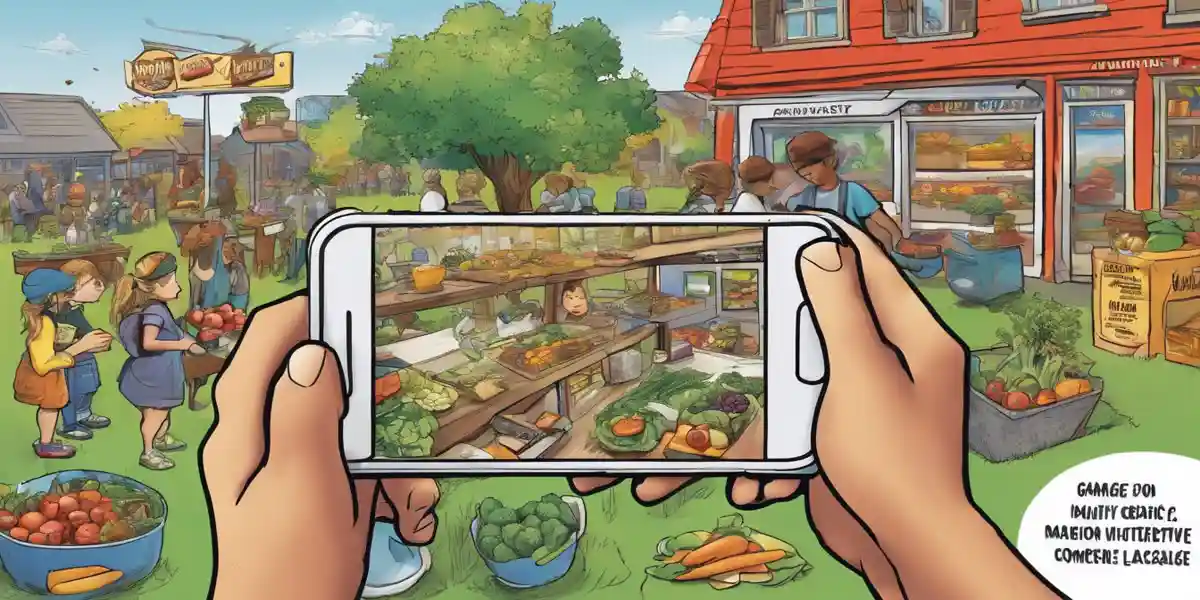
At the crossroads of technology and nutrition lies an exciting frontier: augmented reality (AR) in healthy eating. With the innovative app "Forage Quest," outdoor experiences become interactive journeys that not only educate but also inspire healthier dietary choices. This section explores how AR serves as a catalyst for transforming our understanding of nutrition, making it accessible and engaging for individuals of all ages.
Research spanning from 2010 to 2019 has consistently demonstrated that augmented reality can bridge the nutrition knowledge gap among people. By presenting information in an engaging format, AR enhances users' understanding and retention of nutritional facts. Imagine walking through a forest, your smartphone in hand, as the "Forage Quest" app reveals that the dandelion you just spotted is not just a weed but a powerhouse of vitamins A and C. This interactive approach makes learning about nutrition feel less like a chore and more like an adventure.
The gamified elements of "Forage Quest" tap into our natural desire for achievement and exploration. Users earn points for identifying plants and completing challenges, transforming a nature walk into a friendly competition. This concept echoes findings from a Taiwanese project that integrated AR and chatbot technologies to promote dietary education among elementary school students. By making the learning experience fun and interactive, students developed a deeper respect for nutrition and the environment.
Let’s consider a practical example: in a school setting, students using AR can scan a fruit basket to learn about the nutritional benefits of each item. The application automatically classifies the food according to the standard food guide pyramid, making it easy for students to visualize a balanced diet. This hands-on, visual learning system enhances informal education, encouraging children to engage with their food choices actively.
Studies indicate that AR not only increases knowledge but also effectively alters eating behaviors. Users of "Forage Quest" may discover a new appreciation for local, nutritious foods, opting for a handful of wild berries instead of a processed snack. The interactive nature of AR promotes healthier behaviors by making the experience enjoyable. This aligns with broader research on Extended Reality (XR), which shows a positive trend in studies focusing on immediate behavior changes regarding food selection.
Despite the promising potential of AR in nutritional education, challenges remain. Many studies highlight gaps in methodological rigor and the need for community engagement. As we look to the future, it is crucial to develop AR applications that not only educate but also foster a genuine connection to food and health. "Forage Quest" is a step in this direction, blending technology with outdoor exploration to create an immersive learning experience that resonates with users.
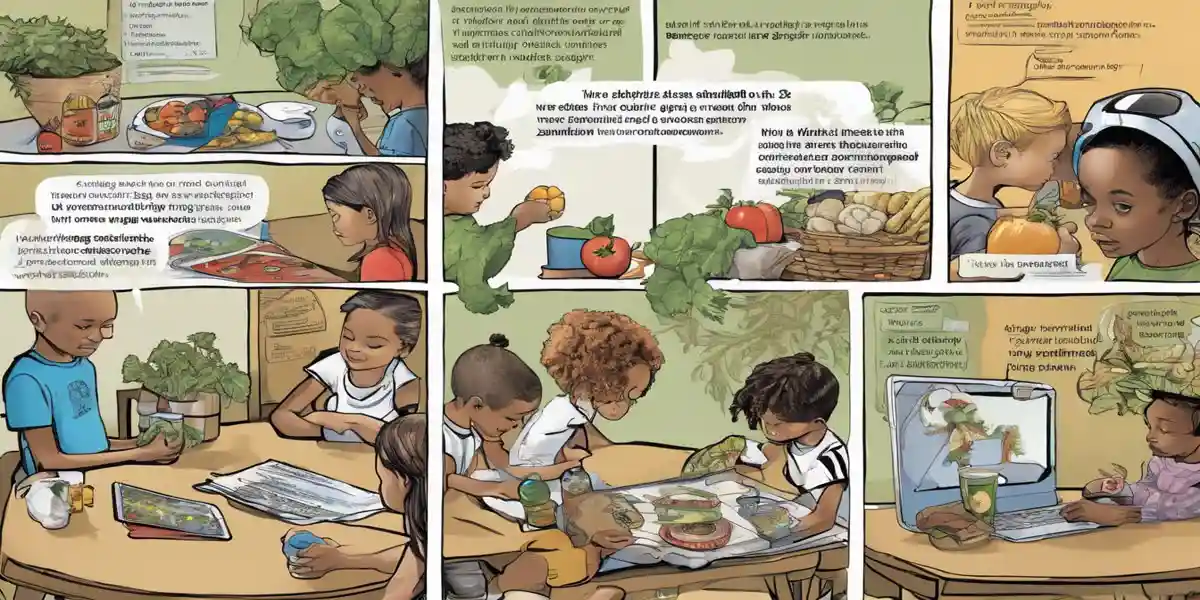
Augmented Reality (AR) is revolutionizing the way we learn about nutrition, transforming mundane dietary education into an engaging and interactive experience. By integrating AR technologies into outdoor adventures, we can create memorable learning opportunities that not only educate users about healthy eating but also encourage them to explore their natural surroundings. The concept of "AR Forage Quest" exemplifies this innovation, serving as a dynamic platform where users can discover nutritional information in an enjoyable manner.
Research shows that AR significantly enhances understanding and retention of nutritional information across all age groups. A study conducted on the impact of AR in educational settings indicates that using AR tools can effectively alter eating behaviors and dietary choices, making the learning process less tedious and far more appealing. Imagine walking through a park, pointing your device at a plant, and instantly receiving animated nutritional insights. This not only educates but also creates a memorable experience. For instance, encountering a wild blueberry bush could trigger an animated character that shares fun facts about its antioxidant properties, alongside interactive recipes that inspire culinary creativity.
One notable project from Taiwan illustrates the successful application of AR in dietary education among elementary school students. The program incorporates AR and chatbot technology, offering students an interactive platform to learn about food ingredients, nutrition, and their sources. By automatically identifying food items and classifying them according to a standard food guide pyramid, this initiative not only engages students but also instills respect for nutrition and the environment.
This innovative approach aligns with findings that advocate for the integration of AR in educational practices. An experiment involving sixth-grade students demonstrated significant improvements in both nutritional awareness and learning performance when using AR systems. Such tools can transform passive learning into an active exploration of healthy eating, fostering a culture of curiosity and respect towards food choices.
Gamifying the learning experience is another powerful feature of AR applications like "Forage Quest." Users can earn points for identifying plants, completing challenges, or engaging in scavenger hunts, promoting social interaction and teamwork. This not only enhances the educational experience but also encourages family participation, allowing them to work together to collect virtual badges that represent their knowledge of healthy eating and culinary skills. The blend of fun and education in such a gamified structure drives deeper engagement and retention of nutritional concepts.
While the potential for AR in nutrition education is vast, studies indicate gaps in methodological rigor and community engagement that need addressing. Most research has focused on immediate behavior changes, often conducted in lab settings. To fully realize the benefits of AR, there is a need for more focused research, especially when it comes to children and informal education settings. By developing these technologies further and applying them in real-world contexts, we can enhance their effectiveness and foster healthier dietary behaviors within communities.
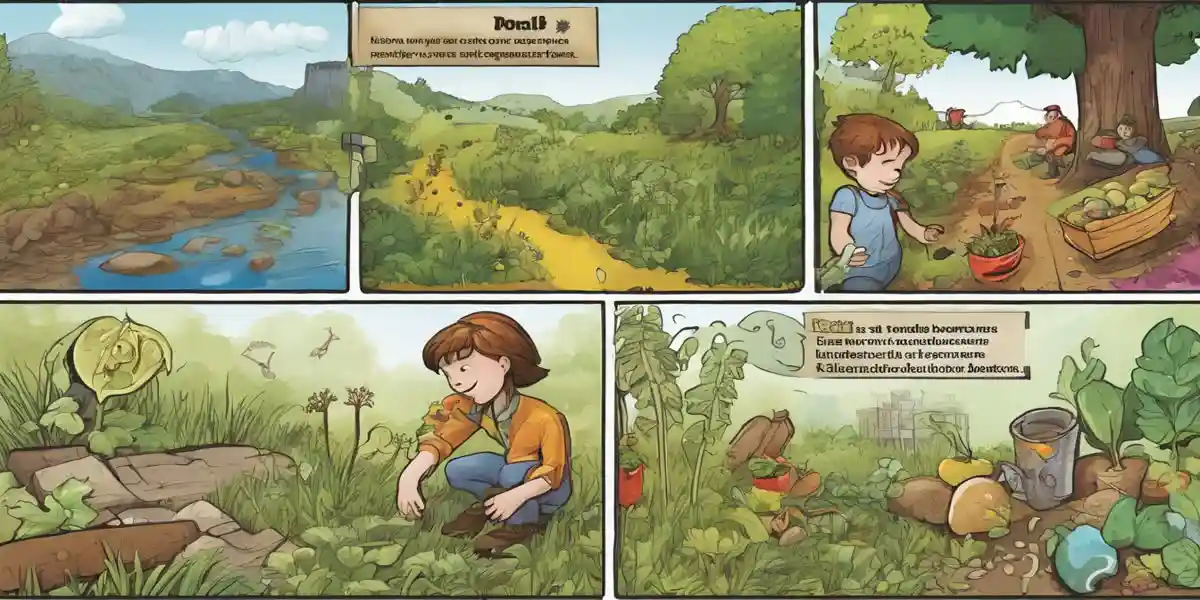
Imagine the thrill of discovering edible plants in their natural habitats, all while engaging your mind and body in an adventure that promotes healthy eating. With the "Forage Quest" app, augmented reality (AR) transforms this experience into an interactive journey where learning about nutrition becomes as engaging as the adventure itself.
As you embark on your outdoor exploration equipped with "Forage Quest," the app utilizes AR technology to overlay digital information on real-world elements. This feature allows users to interactively identify and learn about various plants. For instance, when you point your device at a wild blueberry bush, a playful animated blueberry character springs to life, explaining its antioxidant properties and suggesting a delicious recipe that incorporates these superfoods. This interplay between the digital and physical worlds not only captivates users but also enhances their retention of nutritional information, a finding supported by recent research which indicates that AR significantly improves understanding and alters dietary choices across all age groups.
What if the pursuit of healthy eating could feel like a game? The "Forage Quest" experience incorporates gamification elements that encourage users to earn points for identifying plants, completing challenges, or participating in community scavenger hunts. Families can collaborate to collect virtual badges that reflect their knowledge of healthy eating and cooking skills, fostering teamwork and encouraging a culture of health within the family unit.
For instance, a family could set out on a weekend adventure, using the app to discover various edible plants. As they identify each plant, they earn points that can be used to unlock exclusive recipes or tips for preparing healthy meals. This not only reinforces the knowledge gained but also motivates users to continue their exploration and learning long after the initial experience.
Research emphasizes the importance of early nutrition education, especially in shaping children's eating habits. A project in Taiwan integrated AR technology into dietary education for elementary school students, allowing them to interactively learn about food sources and nutrition in a way that traditional methods often fail to achieve. This innovation aligns with the "Forage Quest" concept, as both approaches utilize engaging technologies to foster an understanding of nutrition and environmental awareness.
By participating in activities that blend outdoor exploration with educational challenges, users of "Forage Quest" can develop a deeper respect for both nutrition and the environment. The app can automatically identify plants and classify them according to nutritional guidelines, further enhancing the learning experience by making it immediate and relevant. Through this process, users not only gain knowledge about healthy foods but also develop a lifelong appreciation for the natural world.
The potential of augmented reality in nutrition education extends beyond individual experiences. As more communities adopt this technology, the possibility of creating interconnected learning environments arises. Imagine community events where families come together to explore local parks using "Forage Quest," sharing knowledge, tips, and recipes in real-time. Such interactions could strengthen community bonds and promote a collective shift towards healthier eating habits.
While research highlights the need for further development in AR technologies for broader community impact, the current applications demonstrate significant promise. By merging outdoor adventures with interactive learning about nutrition, "Forage Quest" stands at the forefront of transforming how we engage with food, health, and the environment around us.
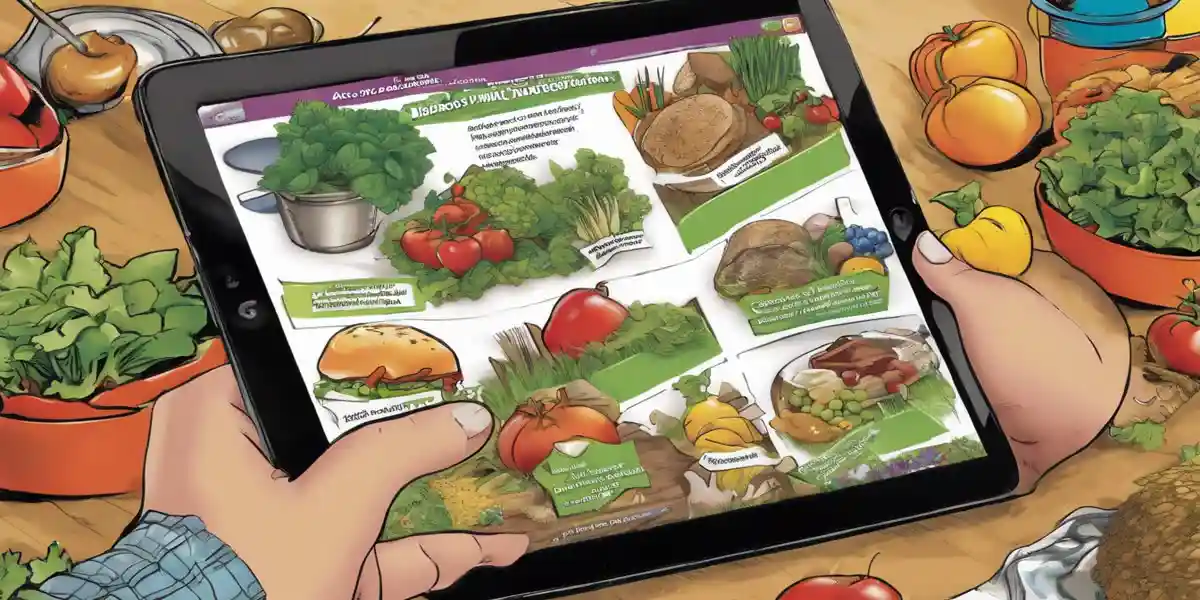
As we journey through the realms of augmented reality (AR) and its fusion with nutrition education, it's clear that technology is not just a tool; it's a transformative vehicle for healthier living. The "Forage Quest" app exemplifies this paradigm shift, inviting users to explore nature while learning about the nutritional benefits of edible plants. But how does this shift impact our daily lives and the broader community?
Research has consistently highlighted the effectiveness of AR in bridging the nutrition knowledge gap. A review of studies from 2010 to 2019 reveals that AR not only enhances understanding and retention of nutritional information across all age groups but also alters eating behaviors in meaningful ways. Imagine walking through a park and pointing your device at a dandelion. Instead of merely seeing a weed, you could learn that dandelions are rich in vitamins A, C, and K, and see a character share a simple recipe for a dandelion salad. This interactive experience makes learning about nutrition appealing and less monotonous, sparking curiosity and encouraging healthier dietary choices.
The integration of AR in education is particularly impactful for children. A project in Taiwan demonstrated the potential of an AR food education system that combined gamification, image recognition, and chatbot technologies. In this system, elementary school students could identify food items and learn about their nutritional values while engaging with a virtual environment that mimicked their real-world surroundings. The results indicated a marked increase in students' awareness and understanding of nutrition, proving that AR can instill respect for healthy eating habits at an early age.
Looking beyond individual experiences, the broader implications of AR technology in nutrition education are profound. Research indicates a growing trend towards using Extended Reality (XR), which encompasses both Virtual and Augmented Reality, in educational settings. While many studies focus on immediate behavior changes, such as food selection, the potential for long-term dietary improvements is immense. However, there remain gaps in research regarding community engagement and the overall impact of these technologies on dietary behaviors, particularly among younger populations. This calls for a concerted effort to refine these tools and ensure they are accessible and effective for diverse communities.
The "Forage Quest" app does more than educate; it fosters a deeper connection with the environment. By encouraging users to engage directly with their surroundings, they learn to appreciate the natural bounty available to them, transforming outdoor adventures into rich, interactive learning experiences. This approach aligns with findings that suggest AR can enhance informal education and promote healthier lifestyles by making the process enjoyable and memorable. Families can partake in scavenger hunts or challenges, earning virtual badges that symbolize their newfound knowledge and skills in healthy eating.
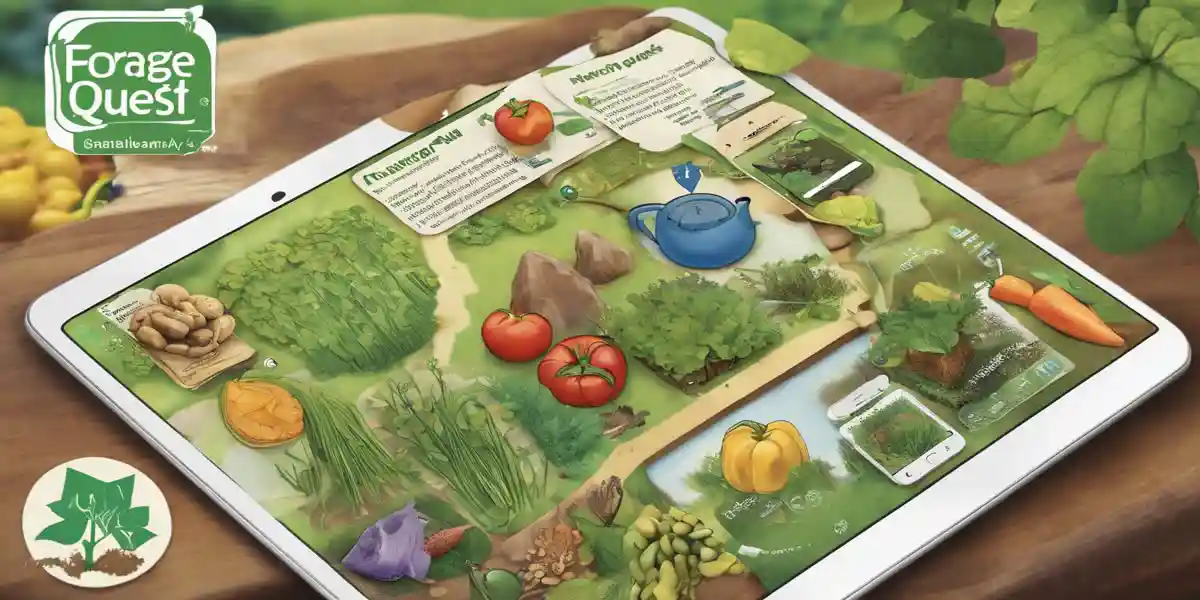
The "Forage Quest" app turns your local park or forest into an engaging classroom, combining outdoor exploration with nutrition education. As users roam, this augmented reality (AR) platform brings nature to life, transforming everyday plants into interactive learning opportunities.
Imagine pointing your smartphone or AR glasses at a patch of wild plants. With "Forage Quest," the screen comes alive with animations. For instance, upon discovering a wild blueberry bush, an animated blueberry character appears, cheerfully sharing its nutritional benefits, such as its high antioxidant content. The character might even suggest a delicious recipe, like a blueberry smoothie, encouraging users to incorporate these healthy options into their diets.
This type of interactivity is backed by research that shows AR enhances understanding and retention of nutritional information across all age groups. A review of studies from 2010 to 2019 highlights how AR serves as an engaging medium, effectively altering eating behaviors and making nutritional education less monotonous. Could you imagine how much more likely you’d be to choose a healthy snack if you learned about its benefits in such a playful way?
The app also incorporates gamification elements that can motivate users to engage more deeply with their surroundings. Users can earn points for identifying edible plants, completing fun challenges, or joining scavenger hunts. Families could work together to collect virtual badges that symbolize their growing knowledge of healthy eating or cooking skills. This makes learning not only enjoyable but also a shared experience that fosters teamwork and connection.
This concept isn't just a flight of fancy; it's rooted in practical applications. For example, a project in Taiwan has successfully integrated AR and chatbot technologies to promote dietary education among elementary school students. This system allows students to interactively learn about food ingredients and nutrition. By automatically identifying food items and categorizing them according to a standard food guide pyramid, the program creates an engaging educational experience that instills respect for nutrition and the environment in young learners.
The findings from these studies point to the transformative potential of AR in nutrition education. By moving away from traditional, passive learning methods, AR fosters greater engagement and creative thinking. Imagine how much more kids would learn about healthy eating if their education included the thrill of outdoor exploration coupled with the fun of gamified learning experiences.
At its core, "Forage Quest" encourages users to appreciate the natural bounty around them. This approach not only educates about nutrition but also cultivates a deeper connection to the environment. By blending technology with outdoor activities, users are inspired to make healthier choices while developing a greater respect for nature. The opportunity to forage for food becomes an adventure, and each interaction with the app serves to reinforce positive dietary habits.
As we journey through the realms of augmented reality (AR) and its fusion with nutrition education, it's clear that technology is not just a tool; it's a transformative vehicle for healthier living. The "Forage Quest" app exemplifies this paradigm shift, inviting users to explore nature while learning about the nutritional benefits of edible plants. But how does this shift impact our daily lives and the broader community?
Research has consistently highlighted the effectiveness of AR in bridging the nutrition knowledge gap. A review of studies from 2010 to 2019 reveals that AR not only enhances understanding and retention of nutritional information across all age groups but also alters eating behaviors in meaningful ways. Imagine walking through a park and pointing your device at a dandelion. Instead of merely seeing a weed, you could learn that dandelions are rich in vitamins A, C, and K, and see a character share a simple recipe for a dandelion salad. This interactive experience makes learning about nutrition appealing and less monotonous, sparking curiosity and encouraging healthier dietary choices.
The integration of AR in education is particularly impactful for children. A project in Taiwan demonstrated the potential of an AR food education system that combined gamification, image recognition, and chatbot technologies. In this system, elementary school students could identify food items and learn about their nutritional values while engaging with a virtual environment that mimicked their real-world surroundings. The results indicated a marked increase in students' awareness and understanding of nutrition, proving that AR can instill respect for healthy eating habits at an early age.
Looking beyond individual experiences, the broader implications of AR technology in nutrition education are profound. Research indicates a growing trend towards using Extended Reality (XR), which encompasses both Virtual and Augmented Reality, in educational settings. While many studies focus on immediate behavior changes, such as food selection, the potential for long-term dietary improvements is immense. However, there remain gaps in research regarding community engagement and the overall impact of these technologies on dietary behaviors, particularly among younger populations. This calls for a concerted effort to refine these tools and ensure they are accessible and effective for diverse communities.
The "Forage Quest" app does more than educate; it fosters a deeper connection with the environment. By encouraging users to engage directly with their surroundings, they learn to appreciate the natural bounty available to them, transforming outdoor adventures into rich, interactive learning experiences. This approach aligns with findings that suggest AR can enhance informal education and promote healthier lifestyles by making the process enjoyable and memorable. Families can partake in scavenger hunts or challenges, earning virtual badges that symbolize their newfound knowledge and skills in healthy eating.
As we stand at the intersection of technology and nutrition, the question beckons: are you ready to take your outdoor adventures to the next level? Embrace the potential of augmented reality and let it guide you toward healthier eating choices. With tools like "Forage Quest," every hike, park visit, or nature walk can become an opportunity for learning, exploration, and connection to both food and environment. The future of healthy living is in our hands—let's make it an adventure worth savoring!

Get notified about new articles, coffee tips, and Web3 insights.
This site participates in affiliate programs and may earn a commission when a link is clicked and a purchase is made. The site is not responsible for any issues or troubles related to the products or services purchased through the use of this site.

DO&COFFEE loves coffee and technology, exploring the potential of NFTs and blockchain. Learn more →
DO&COFFEE loves coffee and technology, exploring the potential of NFTs and blockchain. Learn more →