art
2024/09/07

As we venture into the expansive realm of the metaverse, a captivating intersection emerges where reality dances with digital innovation. Here lies the intriguing concept of minimalism, reimagined in a virtual canvas, where traditional constraints of space, time, and material no longer bind creativity. Imagine stepping into a virtual exhibition titled “Essence: The Art of Less,” where the very nature of art transforms, inviting us to engage with its core principles in ways that transcend our physical world. This blog post will explore how minimalism finds a new home in metaverse art exhibitions, showcasing interactive installations that challenge our perceptions and redefine our relationship with art, technology, and one another.
The significance of this exploration cannot be understated. With the increasing prevalence of digital art performances and exhibitions facilitated by the metaverse, artists can engage a broader audience, fostering a dynamic interplay of communication and interaction within a 3D environment. As we dive deeper, we will analyze notable case studies that illustrate how these exhibitions not only enhance user experiences but also promote mental well-being and sustainability in the art industry. By minimizing visual clutter and focusing on essential forms, we begin to contemplate what constitutes art in a space where everything is possible and yet can be stripped down to its essence. Join us as we uncover this new frontier for digital creativity, where simplicity meets complexity in the most unexpected ways.
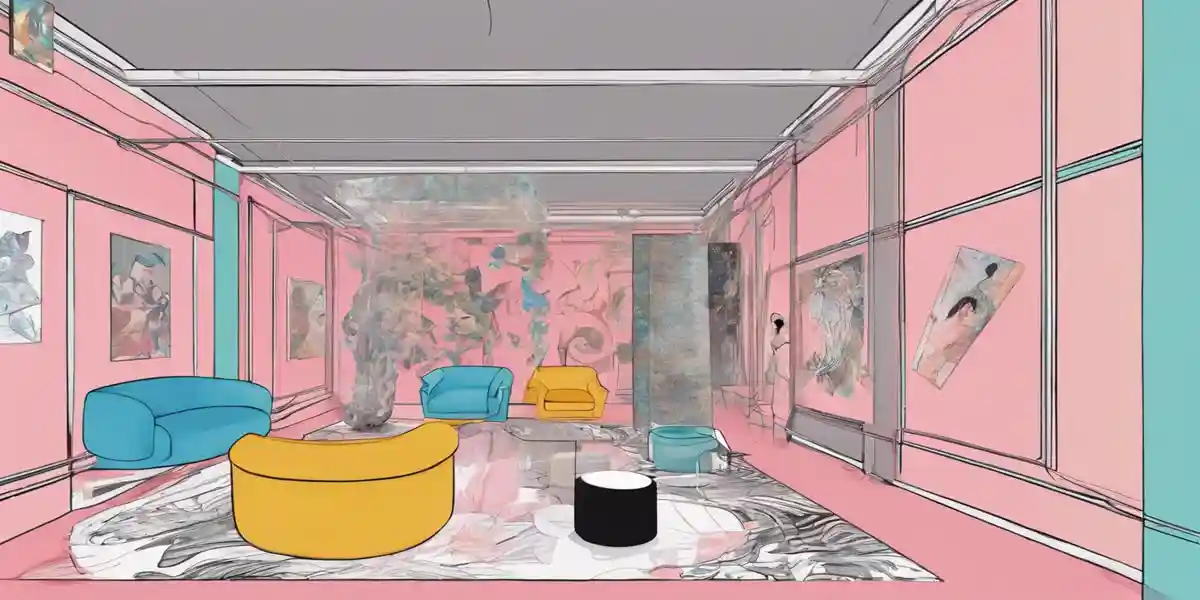
In the expansive realm of the metaverse, where reality intersects with the digital, the concept of minimalism takes on a new form. Imagine a virtual art exhibition titled “Essence: The Art of Less,” where space, time, and material constraints dissolve, allowing artists to explore and express the core principles of minimalism in an entirely digital environment.
Minimalism, as an artistic movement, emphasizes simplicity and the removal of excess. It challenges creators to focus on the essential elements of their work, stripping away any distractions that may detract from the core message. In the context of the metaverse, this principle can be magnified. Without the physical limitations of traditional galleries, artists can create immersive experiences that resonate deeply with viewers. For instance, consider a 3D sculpture that appears to float in mid-air, crafted from light and shadow. Such an installation not only embodies the minimalist ethos but also invites viewers to engage actively, altering its form based on their proximity and interaction.
Recent studies highlight the increasing prevalence of digital visual arts performances and exhibitions facilitated by metaverse platforms. These virtual environments allow for enhanced communication and interaction between artists, organizers, and viewers. The shift from physical to virtual spaces transforms social interactions, enabling artists to engage flexibly with a broader audience. This flexibility is crucial in a post-pandemic world where traditional galleries often face challenges such as space shortages. Indeed, the metaverse offers a new frontier for artists to showcase their work independently, creating personalized virtual spaces that enhance viewer engagement remotely.
In an exhibition like “Essence: The Art of Less,” artists can integrate interactive installations that transcend traditional boundaries. Imagine installations that not only respond visually but also incorporate soundscapes, where subtle audio elements resonate with viewers, enhancing their experience and drawing them deeper into the artwork. This multi-sensory approach encourages participants to contemplate the nature of art itself—what constitutes an artwork in a space where everything is possible yet everything can be stripped down to its essence.
The implications of these virtual spaces extend beyond mere accessibility. Research indicates that entertainment and educational experiences in metaverse exhibitions significantly influence user intentions to engage. Affective responses, in turn, moderate the relationship between these experiences and engagement, suggesting that the immersive nature of the metaverse can enhance art appreciation. By minimizing visual clutter and focusing on essential forms, these exhibitions encourage a more profound connection between the viewer and the art, fostering a sense of presence that is often lacking in traditional settings.
Through “Essence: The Art of Less,” the metaverse not only redefines minimalism but also invites us to rethink our relationship with art, technology, and each other. It serves as a reminder that in a world overflowing with information and stimuli, sometimes the most profound experiences come from the simplest expressions of creativity. In this digital age, one must ask: would you dare to step into this realm and discover what minimalism means in a space where the boundaries of creativity are continually expanding?
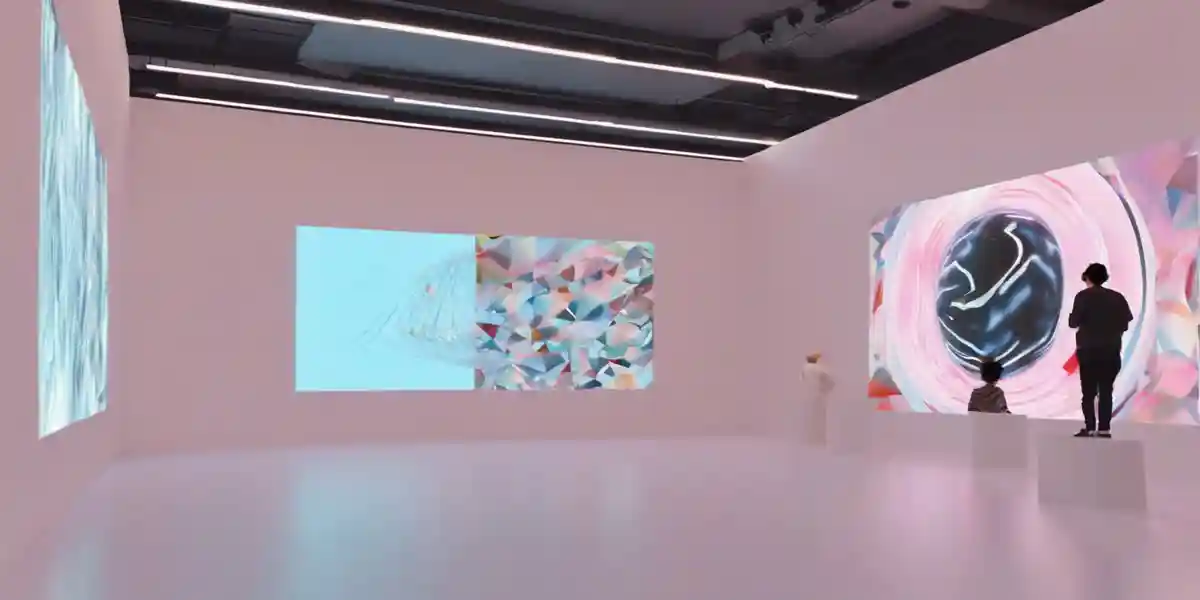
In the metaverse, where creativity knows no bounds, minimalism finds a compelling new expression. The integration of minimalism within digital art offers artists a unique opportunity to distill their work to its essential components while leveraging the advanced capabilities of digital technology. This section delves into how these two realms intersect, creating a fertile ground for innovative artistic expression.
One of the most intriguing aspects of digital art is the way it redefines spatial constraints. In traditional art forms, physical materials dictate the dimensions and forms of artwork. However, in the metaverse, artists can create works that exist in a three-dimensional space without the limitations of physicality. Imagine a 3D sculpture that appears to float in mid-air, crafted from light and shadow. This illusion can be achieved using advanced rendering techniques and physics simulations, allowing the sculpture to react to viewers’ movements. For example, as a viewer approaches, the sculpture might morph, adapting its shape and color, thereby embodying the minimalist principle of simplicity while engaging the complexities of viewer interaction.
The interactive nature of digital art in the metaverse enhances audience engagement significantly. Research indicates that digital visual arts performances and exhibitions allow for more flexible interactions between artists and audiences, transforming the social dynamics of art appreciation. By minimizing visual clutter and focusing on essential forms, these virtual exhibitions encourage participants to contemplate the nature of art itself. A notable example is the virtual exhibition “Essence: The Art of Less,” which employs minimalistic aesthetics coupled with interactive installations. Here, soundscapes could further enhance the experience, where subtle audio elements resonate with viewers, drawing them deeper into the artwork. This approach aligns with findings from studies examining user experiences in metaverse exhibitions, which emphasize how entertainment and educational aspects significantly influence engagement and presence.
The technological underpinnings of the metaverse facilitate the creation of minimalist art spaces that were previously impossible. Various platforms enable artists to build personalized virtual environments, allowing them to exhibit their work autonomously. This independence is particularly crucial in a post-pandemic world where offline exhibitions are dwindling. The framework for these exhibitions can include web, video, and virtual reality formats, each providing unique ways to present minimalist concepts. For instance, virtual reality can immerse viewers in a minimalist world stripped of distractions, focusing their attention solely on the artwork. Such immersive experiences have been shown to enhance engagement and emotional responses, further emphasizing the relationship between minimalism and digital art.
As digital engagement with art becomes more prevalent, it is essential to recognize the socio-cultural implications of this shift. Virtual reality technology, for instance, can transform art appreciation by making experiences accessible beyond physical limitations. Studies highlight the need for inclusivity in VR accessibility and ethical guidelines for user data, ensuring that diverse audiences can engage with minimalist art in the metaverse. Moreover, as emerging artists leverage VR, they can reach broader audiences, expanding the dialogue around minimalism in contemporary art. This intersection not only challenges traditional notions of art but also prompts deeper reflections on our relationship with technology and creativity.
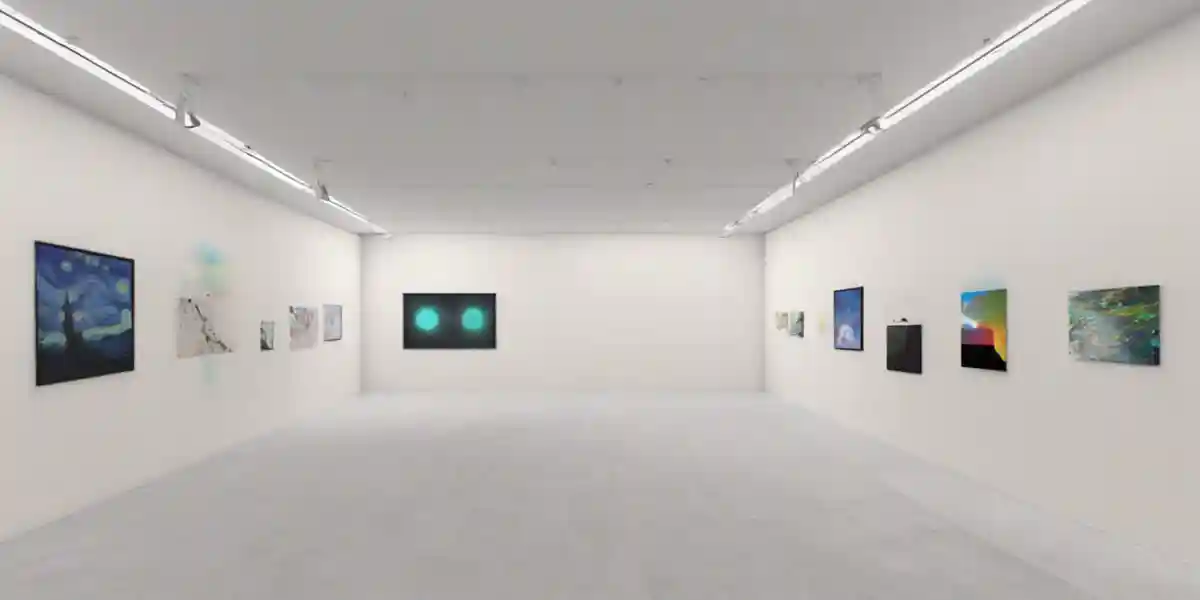
This section explores groundbreaking minimalist art exhibitions within the metaverse, showcasing how digital creativity redefines traditional artistic boundaries and enhances viewer engagement.
One of the most striking examples of minimalist expression in the metaverse is the exhibition titled “Essence: The Art of Less.” This virtual showcase allows artists to dissolve the constraints of physical space, time, and material, focusing instead on the core principles of minimalism. In this digital environment, visitors can encounter interactive installations that invite them to engage with art in unprecedented ways. For instance, imagine a 3D sculpture that seems to float free from any physical anchor, crafted entirely from light and shadows. These pieces respond dynamically to viewers’ movements, altering their form and appearance based on proximity and interaction. This creates a dialogue between the artwork and the audience, embodying the minimalist ethos of simplicity while embracing the complexities of digital engagement.
In addition to visual elements, “Essence: The Art of Less” incorporates immersive soundscapes that resonate subtly with viewers. These audio elements enhance the overall experience, guiding visitors deeper into the artwork and prompting contemplation about the nature of what constitutes art in a limitless space. By minimizing visual clutter and focusing solely on essential forms and sounds, the exhibition encourages participants to reflect on their relationship with art, technology, and their fellow attendees. This immersive strategy is backed by research indicating that both entertainment and educational experiences play crucial roles in user engagement within metaverse exhibitions, as highlighted in a study analyzing data from over 500 users.
Another notable case study involves the integration of Virtual Reality (VR) technology within minimalist art exhibitions. Research shows that VR transforms art engagement, creating immersive experiences that transcend physical limitations. For instance, an exhibition designed for VR can allow viewers to navigate through minimalist environments that emphasize space and form. This type of experience not only challenges traditional perceptions of art appreciation but also aligns with recent findings that suggest immersive experiences positively influence a viewer's emotional and psychological well-being. By providing artists with the tools to craft unique virtual spaces, VR opens new avenues for creative expression while enhancing accessibility and engagement.
The emergence of platforms that facilitate independent exhibitions in the metaverse is another vital development. One proposed framework enables artists to create personalized virtual spaces for their artworks, thereby enhancing viewer engagement remotely. This model addresses the challenges faced by physical galleries, especially in light of the COVID-19 pandemic, allowing artists to showcase their work without geographical constraints. Such frameworks support the establishment of online exhibitions as a distinct genre, complementing traditional art shows. The ability for artists to independently curate their minimalist spaces reflects a shift towards democratizing art access and participation in the digital age.
Studies exploring various immersive viewing conditions in virtual galleries reveal the potential for improving overall user experiences. For example, a pre-registered experiment demonstrated that participants engaging with art in immersive environments exhibited higher levels of presence and engagement compared to traditional viewing methods. This suggests that the minimalist approach, focusing on essential elements, can significantly enhance the viewer's emotional responses and overall satisfaction. As the metaverse continues to evolve, the intersection of minimalism and immersive experiences offers exciting possibilities for artists and audiences alike.
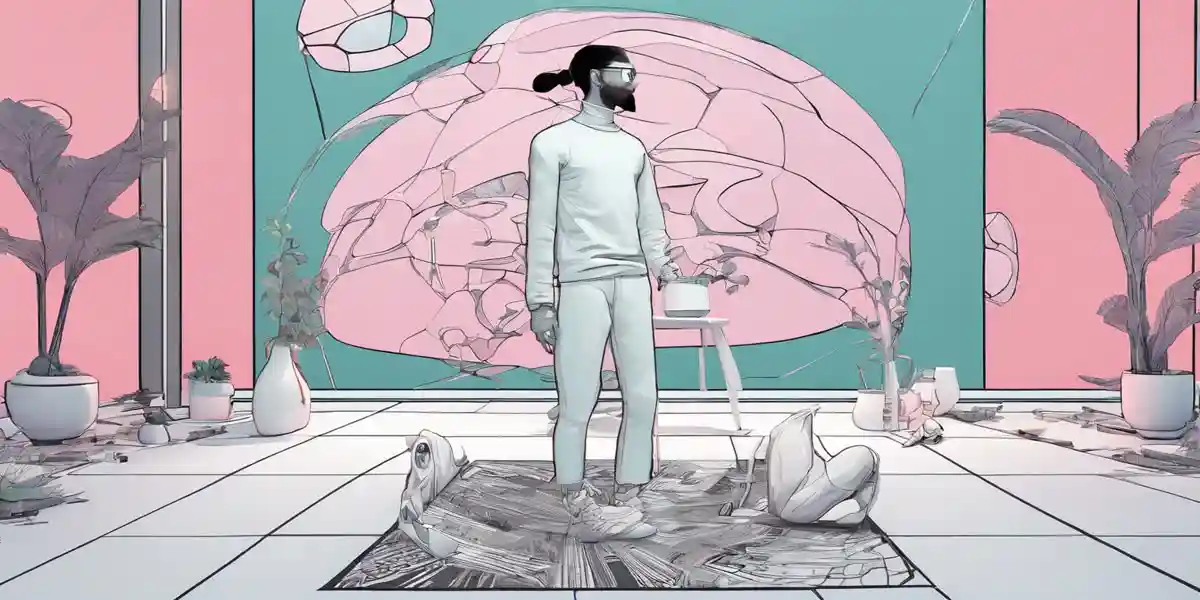
As we explore the intersection of minimalism and digital creativity within the metaverse, it becomes clear that this new frontier offers unprecedented opportunities for artistic expression and audience engagement. The concept of minimalism—stripped down to its essence—flourishes in digital spaces, allowing artists to push boundaries and redefine what art can be.
In virtual exhibitions like “Essence: The Art of Less,” artists are not limited by physical constraints, enabling them to create immersive experiences that challenge our understanding of art. For example, consider 3D sculptures that seem to float effortlessly in digital space. These pieces can morph and adapt based on viewer interaction, providing a unique blend of minimalism and interactivity. Such installations can transform how we perceive art: instead of static objects, we encounter dynamic experiences that invite contemplation and engagement.
The shift to digital platforms has reshaped how audiences interact with art. According to recent studies, metaverse exhibitions enhance user experiences by merging entertainment and education. The analysis of over 500 participants revealed that a strong sense of presence within these spaces significantly influences users' intentions to engage further with art. This highlights a critical aspect of minimalism in digital creativity: the ability to create an immersive environment that fosters deeper connections between the viewer and the artwork.
The metaverse allows artists to craft personalized exhibition spaces that reflect their unique vision. This approach not only compensates for the decline of physical galleries due to factors like the COVID-19 pandemic but also empowers artists to showcase their work independently. In this context, minimalism stands out as an ideal philosophy, as it encourages the reduction of excess in favor of meaningful engagement and communication. Artists can leverage VR technology to create spaces that resonate with viewers on multiple levels, facilitating a more profound appreciation for their work.
The socio-cultural implications of virtual reality (VR) in art appreciation cannot be overlooked. Research indicates that VR can transform our engagement with art, providing immersive experiences that transcend physical limitations. As artists embrace minimalism in these digital realms, they encourage inclusivity and accessibility, inviting a broader audience to experience the art in new ways. This democratization of art appreciation signifies a shift in cultural engagement, one that aligns with minimalism's core principle of focusing on what truly matters.
As we navigate this evolving landscape, the future of minimalism in digital creativity invites us to question our relationship with art and technology. Are we ready to embrace a world where simplicity leads to profound discoveries? As digital platforms continue to expand, artists and audiences alike have the opportunity to redefine what it means to create and experience art in the metaverse. Will you step into this realm and explore the essence of creativity in a digital age?
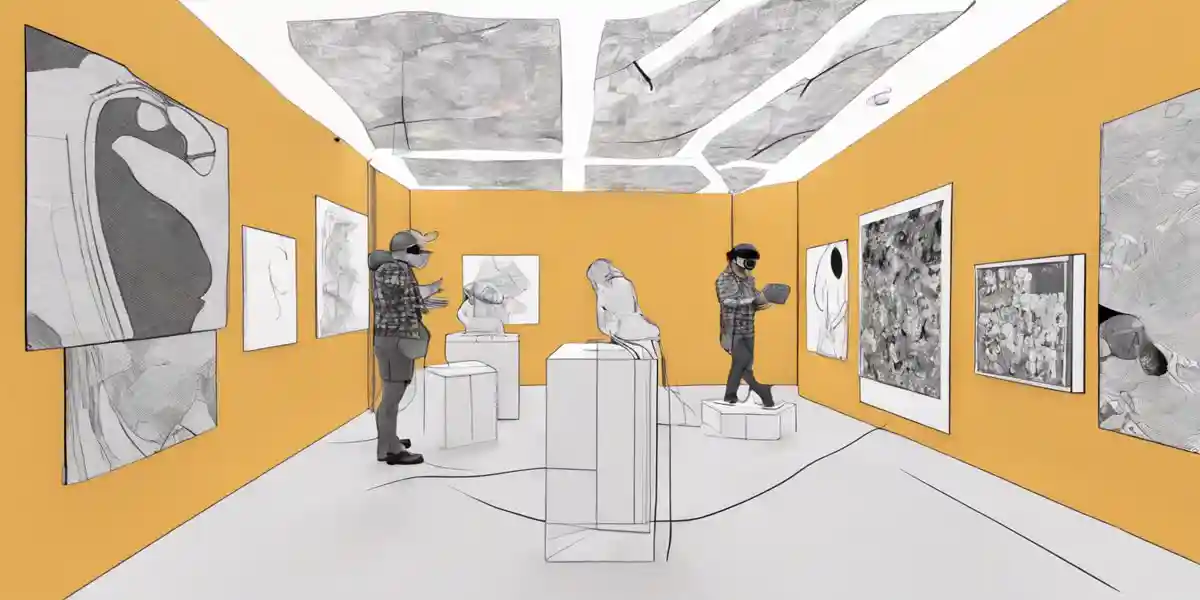
As we venture into the digital landscape of the metaverse, the essence of minimalism is reimagined in ways that challenge our traditional perceptions of art. The virtual exhibition titled “Essence: The Art of Less” serves as a case study for how minimalism can thrive in this expansive realm, free from the constraints of the physical world.
Imagine stepping into a virtual gallery where each piece of art is an interactive installation. Unlike traditional exhibitions, where viewers passively observe, metaverse exhibitions allow for dynamic engagement. For instance, artists can create 3D sculptures that seem to float in mid-air, made from light and shadow instead of tangible materials. These pieces could respond to the viewer's movements, transforming their forms based on proximity and interaction. Such an approach not only embodies the minimalist ethos of simplicity but also embraces the complexities of digital engagement, inviting participants to redefine their relationship with the artwork.
Incorporating soundscapes into the exhibition adds another layer to the minimalist experience. Subtle, ambient audio elements can resonate with viewers, enhancing their immersion and emotional response. By minimizing visual clutter and focusing on essential forms, the exhibition encourages contemplation of art's nature, prompting questions like: What defines an artwork in a space where everything is possible? How does sound complement the visual minimalism?
The shift from physical to virtual spaces is not just a technical evolution; it fundamentally alters how we appreciate art. Research indicates that digital art performances and exhibitions foster enhanced social interactions, allowing artists to connect with wider audiences. This democratization of art appreciation means that viewers from around the globe can engage with minimalist art in ways that were previously unattainable. For example, a study involving 536 users highlighted how both entertainment and educational experiences in metaverse exhibitions significantly influence user intention to engage with the art presented. Here, the minimalist approach becomes a catalyst for deeper connections and understanding.
The metaverse also empowers artists to curate their exhibitions independently. This autonomy allows for personalized virtual spaces that reflect the artist's vision while engaging viewers on a deeper level. During the COVID-19 pandemic, many physical galleries faced closures, leading to a surge in online exhibitions. The proposed frameworks for creating exhibition spaces within the metaverse offer artists the tools to build immersive environments that can engage remotely, establishing online exhibitions as a distinct genre alongside traditional formats.
As virtual reality technology evolves, its socio-cultural impact on art appreciation becomes increasingly relevant. VR transforms how audiences experience art by providing immersive encounters that transcend physical limitations. The exploration of VR within cultural institutions reveals significant gaps in understanding its impact. Integrating principles like Cultural Proximity and Technology Acceptance can help shape future research, ensuring that the minimalist approach in the metaverse remains accessible and inclusive for all audiences.
Ultimately, as we embrace the possibilities offered by the metaverse, we find that minimalism is not just about the absence of complexity but about distilling experiences down to their essence. In an age overflowing with information, the most profound creative expressions may indeed come from the simplest forms of engagement. Are you ready to step into this new frontier of digital creativity and discover what minimalism means in a digital age?
As we draw our exploration of minimalism within the metaverse to a close, it's clear that this digital frontier offers a transformative space for artistic expression. The intersection of minimalism and digital creativity reveals new pathways for artists to engage with their audiences, unbound by the physical limitations of traditional galleries. Through exhibitions like “Essence: The Art of Less,” we witness how artists can distill their works to their essential forms, creating immersive experiences that challenge our understanding of what art can be.
The virtual realm empowers artists to craft interactive installations that respond to viewer engagement. This ability to create dynamic art that morphs and adapts based on interaction not only aligns with minimalist principles but also invites a deeper contemplation of art's role in our lives. As we've seen, the metaverse allows for a fluid definition of art, transforming static pieces into experiences that resonate more profoundly with viewers.
The unique capabilities of digital platforms enhance the way audiences interact with art. Research confirms that immersive environments foster a sense of presence that significantly influences user engagement. This is particularly relevant in a time when traditional forms of art appreciation face challenges. By engaging with minimalist art in the metaverse, viewers can cultivate a deeper connection to the work, as well as to the artist's intent.
The ability for artists to create personalized virtual exhibition spaces is revolutionary. This independence not only addresses the decline of physical galleries due to the pandemic but also democratizes access to art. Minimalism thrives here, as it encourages artists to focus on meaningful interactions over mere visual spectacle. As we look to the future, the potential for creating individualized experiences stands as a testament to the enduring relevance of minimalist philosophy in the digital age.
Moreover, the socio-cultural implications of embracing virtual reality in art appreciation are vast. By fostering inclusivity and accessibility, the metaverse invites a diverse audience to engage with minimalist art. This shift signifies a broader cultural engagement that resonates with minimalism’s core tenet—focusing on what truly matters.
As we venture forward into this evolving landscape, we are called to reflect on our relationship with art and technology. Are we prepared to embrace a world where simplicity leads to profound discoveries? The metaverse presents a unique opportunity for artists and audiences alike to redefine creativity and art appreciation. As digital platforms continue to expand, will you step into this realm and discover the essence of minimalism in a new era of artistic expression?

Get notified about new articles, coffee tips, and Web3 insights.
This site participates in affiliate programs and may earn a commission when a link is clicked and a purchase is made. The site is not responsible for any issues or troubles related to the products or services purchased through the use of this site.

DO&COFFEE loves coffee and technology, exploring the potential of NFTs and blockchain. Learn more →
DO&COFFEE loves coffee and technology, exploring the potential of NFTs and blockchain. Learn more →