art
2024/09/01

Have you ever considered how the simplest moments of your day could transform into vibrant expressions of art? Imagine a world where the routine of sipping morning coffee or navigating the daily commute becomes the stage for creativity. In "Transforming Daily Habits into Inspiring Performance Art: A Modern Creator's Guide," we delve into the captivating idea of merging our everyday habits with the dynamic realms of performance and street art. This exploration not only redefines the boundaries of creativity but also invites you to embrace the artist within, encouraging a deeper connection to your surroundings.
Throughout this guide, we will uncover how to identify and elevate your daily routines into powerful artistic statements, exploring the emotional landscapes woven into the fabric of your life. By embracing these moments, you can engage with your community in meaningful ways, sparking dialogue and connection through your artistic journey. Just as Singaporean artists have utilized public spaces to ignite discussions about inclusion and accessibility, you too can find ways to make art a part of your daily existence, ultimately celebrating the beauty in the ordinary. Let’s embark on this transformative journey together, where the mundane becomes extraordinary and art becomes accessible for all.
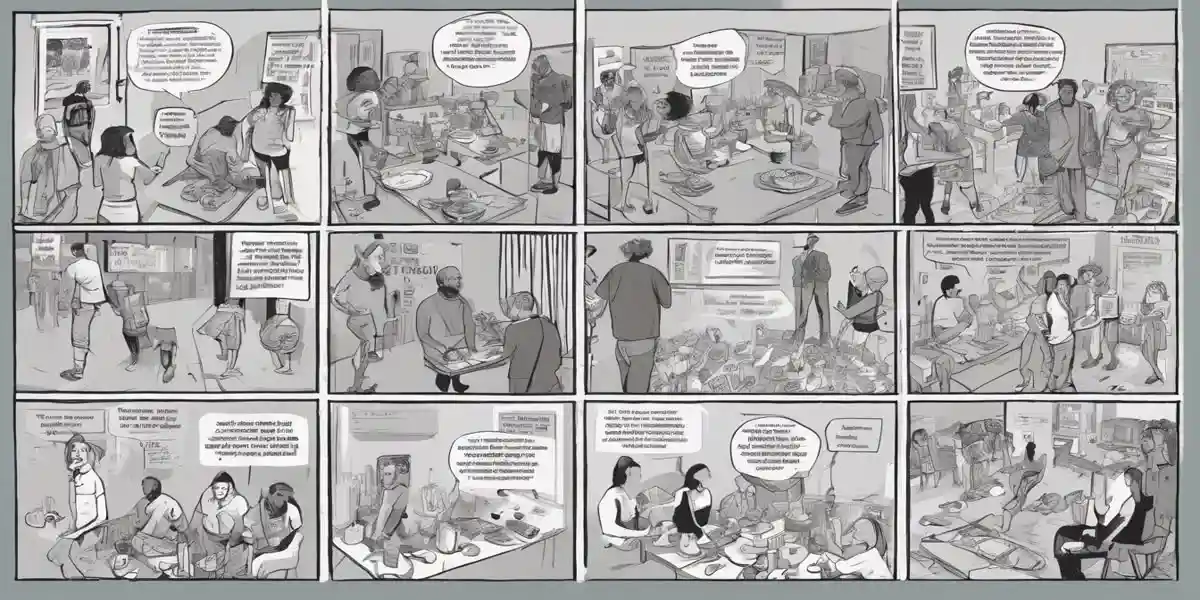
This section explores the intersection of daily habits and performance art, illustrating how the mundane can transform into a canvas of creativity that resonates with a broader audience.
Imagine a world where the routine tasks of our daily lives unfold as vibrant expressions of art. This concept invites you to consider how the smallest actions—like savoring your morning coffee, commuting through a bustling city, or navigating the aisles of a grocery store—can be elevated to the level of performance art. By viewing these moments through an artistic lens, we can discover new layers of meaning and connection, both in our lives and in the communities around us.
Consider how an artist might take their daily commute and transform it into an evocative street art installation. For instance, they could create a series of ephemeral murals that visually narrate the emotional landscape of their journey. These murals might capture the rush of the city, the solitude of waiting for a train, or the fleeting connections made with fellow commuters. Each piece becomes a dialogue, inviting passersby to reflect on their own experiences and emotions tied to that shared space.
Moreover, think about the spontaneous performances that could emerge in public settings. An artist might choose to enact a short dance or deliver a poetry reading in a park or subway station, using their body and voice to challenge the boundaries of traditional performance art. These brief acts encourage interaction and dialogue, breaking down the barriers between artist and audience. Such moments are not merely performances; they are invitations to engage in a shared experience, prompting spectators to become participants in the artistic process.
Drawing from recent studies on public art, we see that modern creators are increasingly utilizing public spaces as platforms for performance and artistic engagement. A paper exploring the role of Singaporean artists from 2010 to 2020 highlights how these artists have become catalysts for critical discussions on public space and urban ethics. By engaging in bold public performances and interventions, they stimulate dialogue about access, inclusion, and spatial justice, reinforcing the idea that art is not confined to galleries or theaters but can flourish in the everyday environments we inhabit.
This shift towards incorporating daily life into performance art aligns with broader movements that challenge the conventional notions of 'plop art'—artworks that are simply placed in public spaces without context or interaction. Instead, modern creators are crafting experiences that resonate on a personal level, allowing individuals to interact with art in ways that diverge from the artist's original intentions. This evolving landscape emphasizes that art can serve as a medium for connection, reflection, and community engagement.
By intertwining daily habits with artistic expression, creators not only enhance their own practice but also foster a sense of community. This exploration encourages you to reflect on your own routines and consider how you can infuse art into your everyday life. What small actions can you elevate to a performance? How can you challenge the notion of art as something separate from your daily existence? As you begin to see beauty in the mundane, you empower yourself and others to embrace the richness of lived experience.
Ultimately, this approach advocates for a more inclusive understanding of art—one that celebrates the intersection of the everyday and the extraordinary. The journey of transforming daily habits into performance art is not just about personal expression; it’s about creating a collective narrative that resonates with the wider community.
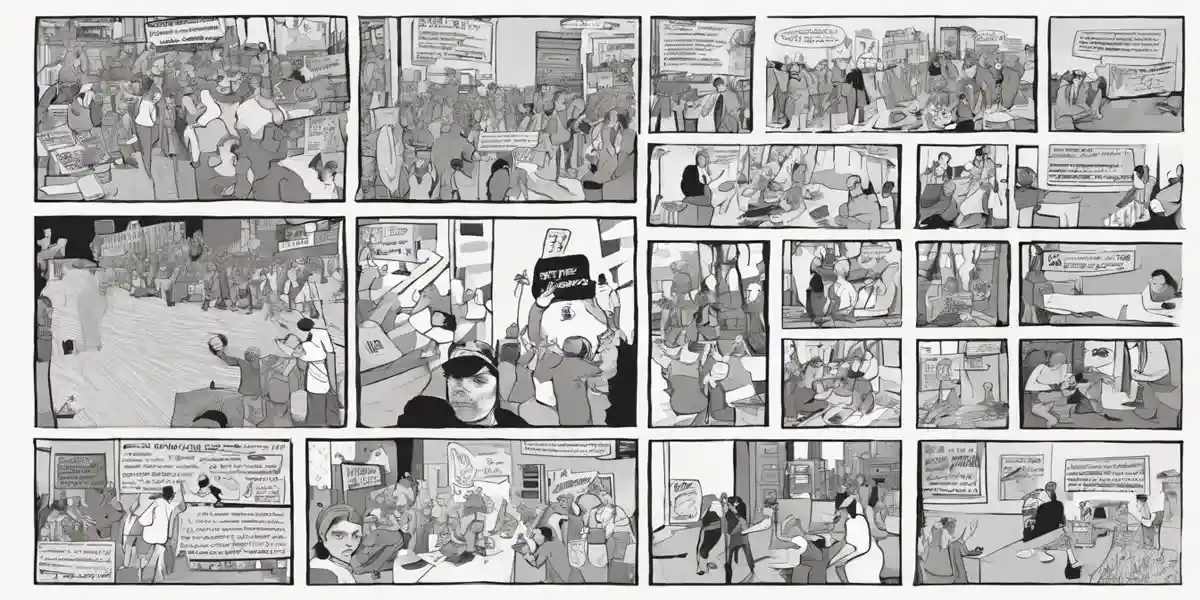
Imagine walking down the street, coffee in hand, and spotting a mural that speaks to the chaotic emotions of your daily commute. This is the magic of transforming ordinary daily habits into extraordinary moments of performance art. By infusing creativity into the mundane, modern creators have the opportunity to redefine their artistic identity and engage with a broader audience.
Everyday activities, often seen as mere obligations, can serve as rich sources of inspiration for performance art. For instance, an artist might take their morning ritual—a quiet cup of coffee—and elevate it into a public performance. They could stage a series of “Coffee Moments” in different locations, inviting onlookers to pause and reflect on their own morning routines. This simple act not only transforms the artist's habit but also encourages community members to see their daily actions in a new light.
Consider the emotional weight of commuting in a bustling city. An artist could create ephemeral street murals that encapsulate this experience, translating the rush, anxiety, and fleeting moments of connection into visual storytelling. By utilizing public spaces, like the walls of a subway station or the side of a busy street, these murals can serve as touchpoints for community interaction, allowing passersby to engage with the art and reflect on their own journeys.
Another compelling way to transform daily routines into performance art is through spontaneous acts in public spaces. Think about a five-minute poetry reading in a park or a brief dance performance at a train station. These unexpected moments challenge the norms of traditional performance art, drawing in audiences who may not typically seek out such experiences. For example, the Singaporean artists mentioned in recent studies have leveraged public performances to stimulate discussions about urban spaces and community engagement. By positioning themselves as catalysts for dialogue, they have transformed ordinary environments into platforms for artistic expression and social commentary.
When creators weave their daily habits with artistic expression, they not only enrich their own practice but also foster a sense of community. By inviting the audience to participate—whether through sharing their own stories or simply reacting to a performance—artists create a more inclusive atmosphere. This interaction can result in a collective experience that transcends the individual, reinforcing the idea that art is not only for the elite but is a shared human experience.
In a world that often overlooks the beauty of daily existence, transforming routines into performance art allows individuals to see the extraordinary in the ordinary. This approach encourages all of us to reflect on how we can incorporate art into our lives, whether through a moment of creativity in our daily tasks or by transforming a simple commute into an artistic journey. By celebrating the intersection of the everyday and the extraordinary, we can create a richer, more engaging artistic landscape that resonates with everyone.
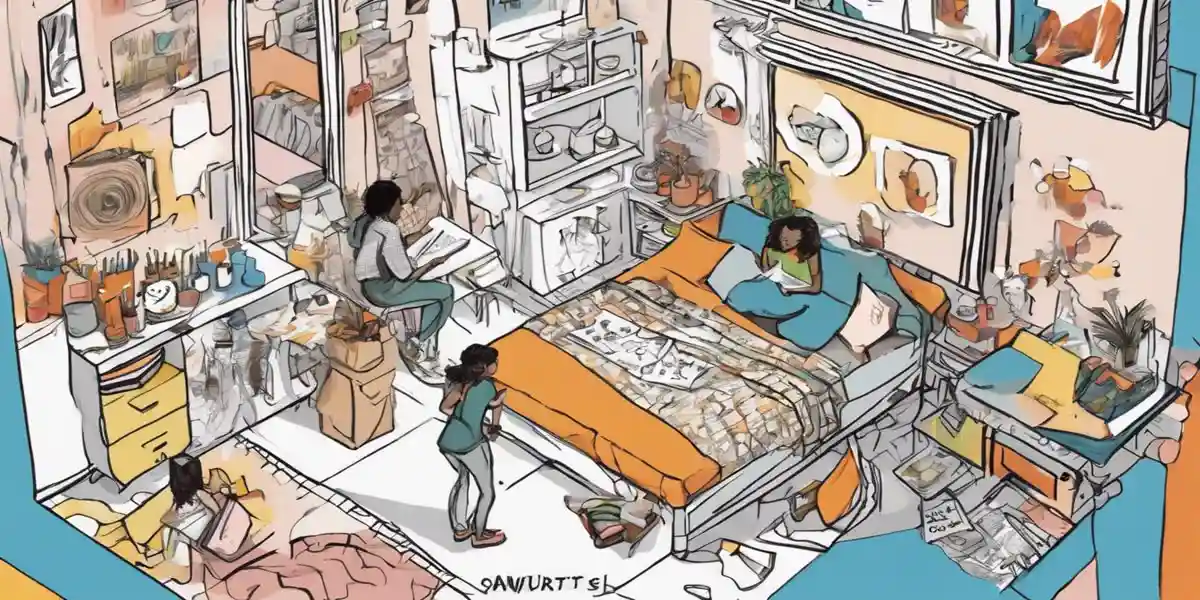
To transform the mundane into the magnificent, the first step lies in recognizing and identifying your daily habits. These routines, often perceived as trivial, hold the potential to be the very foundation of your creative expressions. By examining the intricacies of your daily life, you can unearth moments that inspire artistic endeavors.
Begin by conducting a thorough assessment of your daily habits. Consider keeping a journal for a week, where you jot down activities that fill your day—morning rituals, commuting patterns, or even mundane tasks like grocery shopping. What feelings do these activities evoke? Are they moments of joy, frustration, or reflection? For example, the simple act of brewing your morning coffee can be a ritual filled with sensory details—the aroma, the sound of the kettle, the warmth of the cup in your hands. This sensory experience can be transformed into a performance piece, perhaps a short video capturing the intimacy of this ritual.
Once you've identified these daily habits, the next step is to explore how they can inspire art. Consider the daily commute, a routine shared by many. Artists in Singapore have utilized public spaces for their performances as a means of engaging with the community and addressing social issues. For instance, imagine creating ephemeral street murals that reflect the emotional landscape of your commute—depicting the rush of the city or the contemplative moments that arise while waiting for the bus. Such projects not only express personal feelings but also resonate with others who share similar experiences.
Art is inherently social, and integrating your daily habits into performance art can foster community engagement. Think about spontaneous acts that invite interaction. Perhaps you could bring a portable speaker to a park and perform a short dance or a poetry reading, challenging the norms of traditional public performances. This approach echoes the practices of Singaporean artists who have positioned themselves as catalysts for conversation about public space and accessibility. By performing in shared spaces, you invite the audience to participate, making them part of the art rather than mere spectators.
Ultimately, identifying your daily habits is not just about self-exploration; it's about redefining your artistic identity. By intertwining your routines with creativity, you create a unique narrative that is both personal and universally relatable. The act of transforming everyday moments into performance art encourages an inclusive understanding of art—one that celebrates not only the extraordinary but also the beauty found in the ordinary. As you embark on this journey, reflect on how your experiences can contribute to a wider dialogue within your community, making art accessible and relevant.
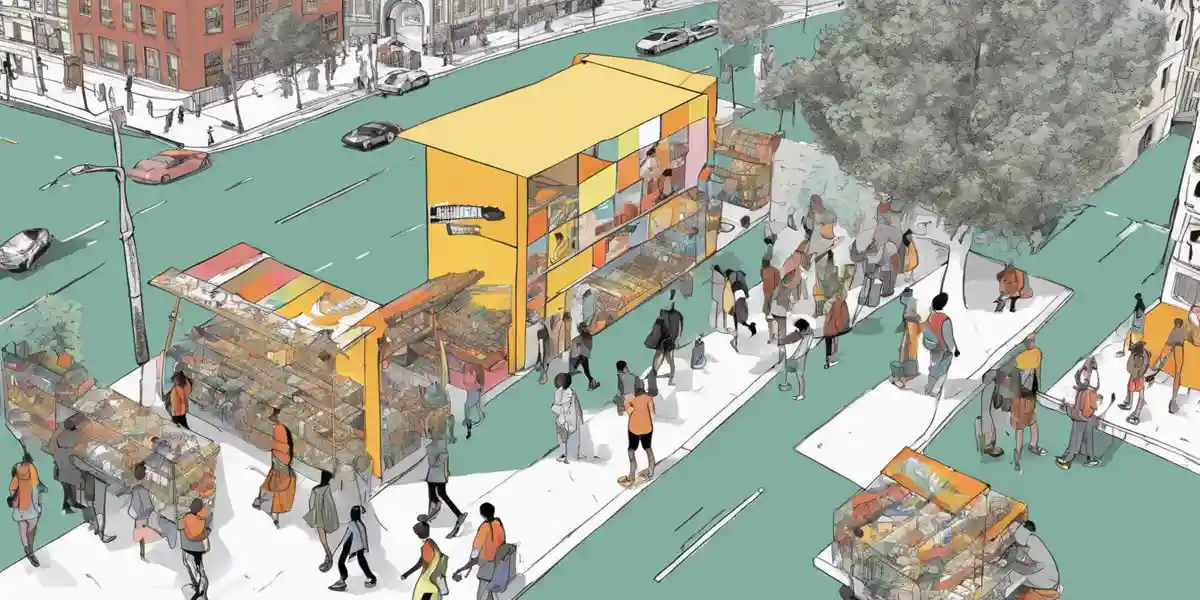
Imagine infusing your daily habits with vibrant creativity, transforming the mundane into a tapestry of artistic expression. This section delves into how the seemingly trivial aspects of our routines can serve as a profound source of inspiration for modern creators, allowing them to cultivate a unique artistic identity that resonates deeply with others.
Consider the daily rituals that punctuate our lives—morning coffee, navigating busy commutes, or even grocery shopping. These moments, often brushed aside as ordinary, can be transformed into powerful art forms. For instance, an artist could capture the emotional landscape of their morning commute by creating ephemeral street murals. These murals could depict the chaotic rush of commuters, illustrating not just the physical journey but also the emotional weight carried by individuals in a bustling urban environment. Each stroke of paint could invite passersby to pause and reflect on their own experiences, creating a shared moment of connection amidst the rush.
Alternatively, artists can engage with their routines in more dynamic ways through spontaneous performances. Imagine a performer in a busy plaza, breaking into a five-minute dance or reciting a poem that echoes the sentiments of the crowd around them. Such acts challenge the boundaries of traditional performance art, transforming public spaces into vibrant stages of interaction and dialogue. This approach not only captivates an audience but also fosters a sense of community, as individuals are encouraged to participate, respond, and reflect on the art unfolding before them. This aligns with the insights from recent studies of Singaporean artists, who have effectively utilized public spaces to ignite discussions on access, inclusion, and spatial justice, thereby reinforcing the artist's role in civil society.
The integration of art into daily routines also promotes active engagement with the world around us. For example, artists might create interactive installations in grocery stores, encouraging shoppers to contribute to a collective artwork as they navigate their shopping lists. This not only adds a layer of creativity to a mundane task but also highlights the diverse meanings art can hold in different cultural contexts. By moving beyond conventional 'plop art,' these initiatives can foster personal connections with art that diverge from the artist's original intentions, inviting a broader dialogue about its purpose and significance.
By intertwining daily habits with artistic expression, creators not only enhance their own practices but also empower their communities. This exploration encourages individuals to reflect on their routines and consider how they can infuse art into their everyday lives. Whether it's through spontaneous performances in public spaces or transforming a daily commute into a canvas for creativity, the possibilities are boundless. This approach advocates for a more inclusive understanding of art—one that celebrates the intersection of the everyday and the extraordinary, making art not just an elitist endeavor but a shared experience accessible to all.
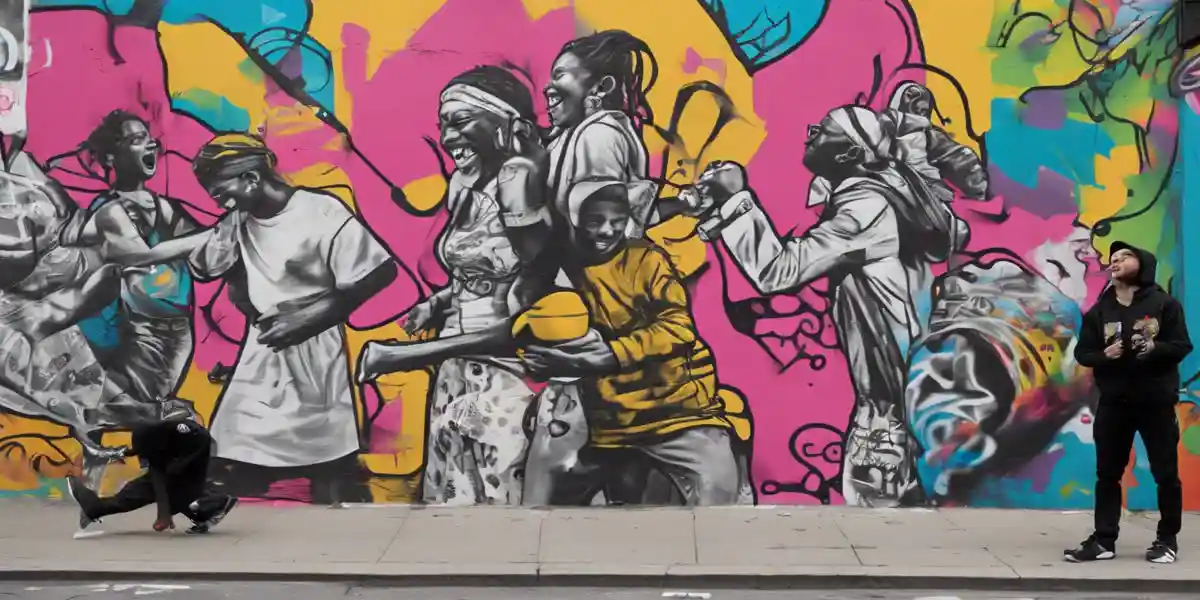
Imagine a world where your daily habits transform into vibrant expressions of creativity. This section delves into how street art and performance can intertwine with our everyday routines, breathing life into the mundane and fostering a deeper connection among communities.
Consider the artist's daily ritual: the morning coffee, the commute to work, or even the simple act of grocery shopping. These moments, often brushed aside as unremarkable, can serve as rich sources of inspiration for performance and street art. By reimagining these routines through an artistic lens, creators can elevate the ordinary to the extraordinary.
For instance, imagine an artist who decides to document their commute by creating a series of ephemeral street murals. These murals could capture the emotional landscape of their journey—the rush of the city, the fleeting faces of strangers, and the sounds of urban life. In this way, each mural becomes a dialogue with passersby, inviting them to reflect on their own experiences and feelings associated with the daily grind.
In addition to visual art, performance can also play a significant role in transforming daily life into a canvas. A creator might choose to enact spontaneous performances in public spaces—perhaps a five-minute dance at a subway station or a poetry reading on a busy street corner. These acts not only challenge the traditional boundaries of performance art but also encourage audience interaction, blurring the lines between artist and observer.
Take, for example, the bold public performances by Singaporean artists from 2010 to 2020. These artists engaged with the concept of public space as a platform for dialogue, using their performances to address themes of access, inclusion, and spatial justice. By positioning their work within the community, they catalyzed discussions that resonated beyond the art itself, reinforcing the role of art as a vital component of civil society.
By intertwining their daily habits with artistic expression, creators not only enhance their personal practice but also foster community engagement. This approach highlights the diverse meanings of art in public spaces, moving beyond conventional 'plop art' to embrace both commissioned and unofficial works. The interactions that occur within these contexts can often diverge from the initial intentions of the artists, revealing a complex relationship between users and the artworks.
As creators infuse art into their routines, they empower themselves—and their audiences—to see the beauty in the mundane. This exploration invites everyone to reflect on how they can incorporate creativity into their lives, making art accessible and relevant in a world that often overlooks the richness of lived experience.
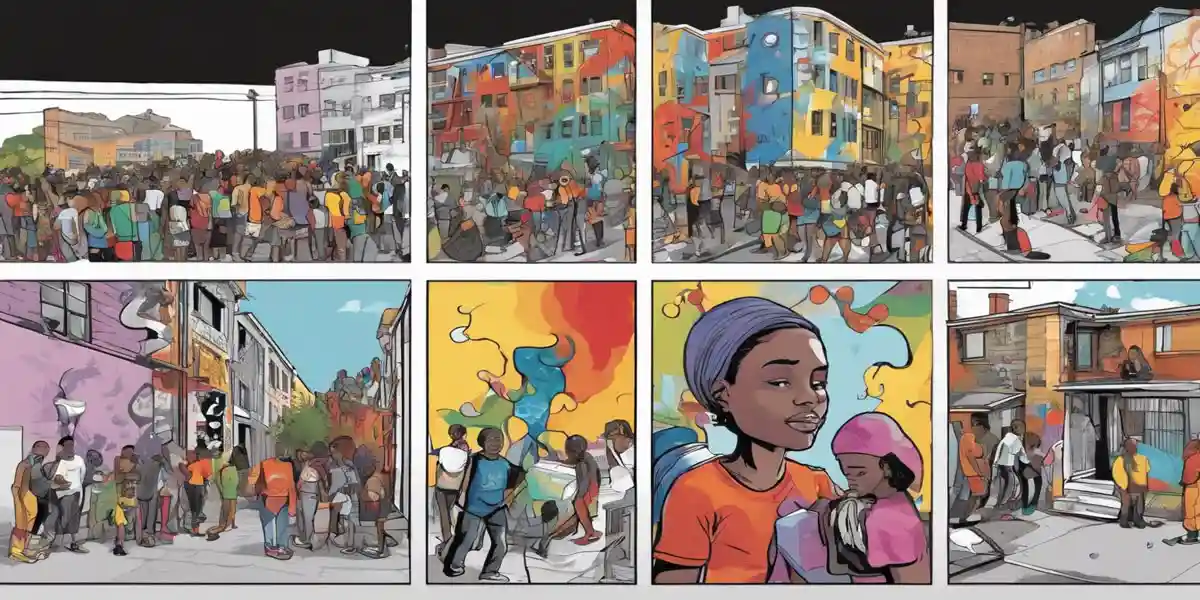
Imagine transforming the mundane aspects of daily routines into vibrant expressions of creativity that encourage community interaction. Street art, in its essence, brings art out of traditional galleries and directly into the public sphere, inviting everyone to participate in a shared experience. By blending daily habits with artistic expression, modern creators have the opportunity to engage their communities in profound ways.
Street art serves as a powerful medium for artists to address social issues, spark conversations, and engage the public in dialogue. For instance, Singaporean artists from 2010 to 2020 have utilized public spaces as canvases for bold performances and interventions, challenging the norms of urban living. Through various artistic disciplines—such as street art and performance—they have positioned themselves as catalysts for discussions surrounding access, inclusion, and spatial justice. This approach not only redefines the role of street art but also enhances the understanding of what it means to be a part of the public sphere.
Consider how daily activities can inform artistic practice. An artist might observe the emotional landscape of their morning commute and create a series of ephemeral murals that capture the rush, fatigue, and fleeting moments of connection encountered along the way. This not only transforms personal experiences into public art but also invites passersby to reflect on their own daily journeys. For example, a mural depicting a crowded subway scene can evoke a sense of shared experience among commuters, fostering a collective identity within the urban environment.
In addition to static street art, spontaneous performances can further enhance community engagement. Imagine a five-minute dance or a poetry reading in a bustling public square. Such acts not only challenge the boundaries of traditional performance art but also encourage interaction with the audience. This idea echoes the findings from the exploration of public artworks, which emphasize that engagement with art is often active and personal. Individuals may experience art in ways that diverge from the artists' original intentions, creating unique moments of connection and dialogue.
Street art can also serve as a vehicle for social commentary and change. Artists like Banksy have gained international acclaim for their thought-provoking pieces that address pressing societal issues, from consumerism to political unrest. Similarly, local artists can use their work to illuminate community struggles, highlighting issues of inequality or environmental concerns. By doing so, they not only contribute to a collective dialogue among citizens but also reinforce the idea that art can empower marginalized voices. This rich tapestry of expression, rooted in the everyday, invites community members to engage with the art on a personal level, fostering a sense of ownership and belonging.
Ultimately, the intersection of daily habits and street art creates opportunities for shared experiences within communities. This transformation of the everyday into something extraordinary allows creators to invite their audience into their world, fostering an inclusive understanding of art. By encouraging individuals to see the beauty in the mundane, artists can make art accessible and relevant, enriching both their own practices and the lives of those around them.
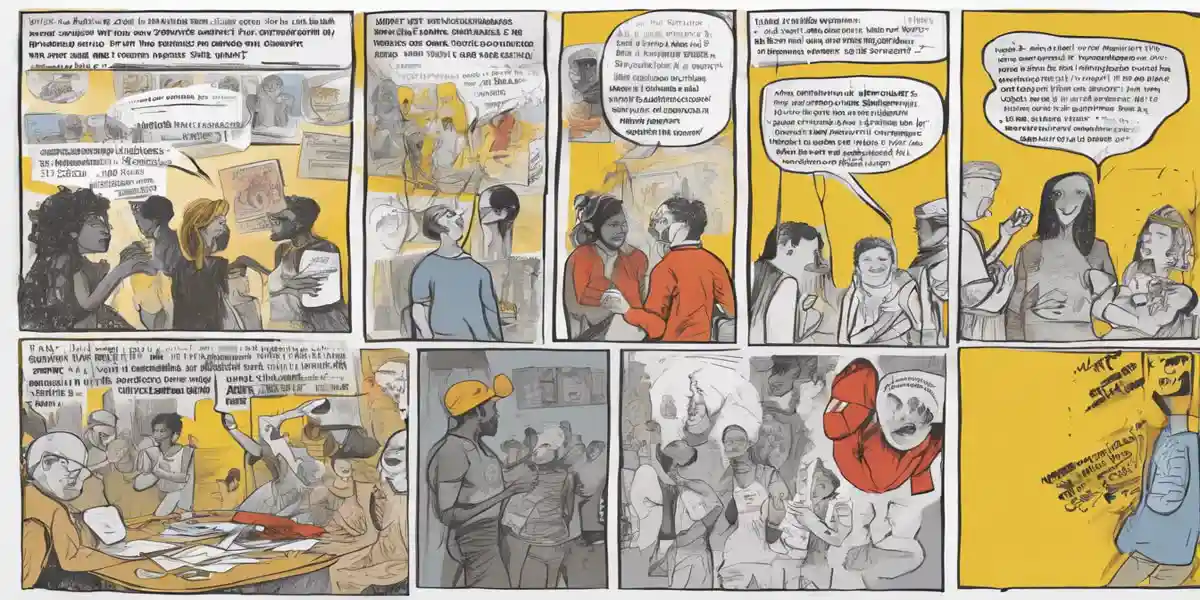
Imagine transforming your daily experiences into compelling narratives that resonate with a wider audience. The idea of documenting your journey as performance art invites you to view your mundane routines through an artistic lens, turning the ordinary into extraordinary expressions of creativity. This section will explore how incorporating daily habits into your art practice can spark community engagement and foster a unique artistic identity.
Consider the simple act of making your morning coffee. Instead of merely going through the motions, you could document this ritual through a series of short videos or live performances. For instance, a creator might film themselves preparing coffee, interspersing the process with personal reflections or music that evokes the feelings associated with that moment. This approach not only elevates a mundane task but also allows you to connect with others who share similar experiences, establishing a dialogue around the rituals that shape our lives.
As noted in the exploration of Singaporean artists, public performances can serve as a catalyst for dialogue about urban living and community spaces. By engaging in spontaneous acts—like a five-minute dance in a bustling city square—you can challenge traditional notions of performance art and invite passersby to engage with your work, blurring the lines between artist and audience.
Imagine creating ephemeral street murals that capture the emotional landscape of your daily commute. Think of how the rush of the city, with its vibrant colors and chaotic energy, can be transformed into a visual representation of your journey. Such murals can resonate with fellow commuters, encouraging them to reflect on their own experiences. Artists like Banksy have successfully used public spaces to create powerful statements through street art, prompting conversations about social issues and human experiences.
Moreover, the act of documenting your journey can take various forms. You might consider keeping a visual diary, where you sketch or photograph moments from your day, or even create a blog that chronicles your artistic evolution. This documentation can serve as a powerful tool for self-reflection and growth, revealing patterns in your daily life that may inspire future works.
Performance art thrives on interaction. How can you engage your audience in your creative process? One method is to invite them to participate in your performances. This could be as simple as setting up a space where they can join you in a collective art-making activity, such as a community mural. Such initiatives not only enhance your artistic practice but also foster a sense of belonging and collaboration within your community.
Furthermore, the concept of public engagement with art extends beyond the artist's intentions. As highlighted in recent studies, individuals often interact with public artworks in unique ways that can diverge from what the artist intended. This unpredictability can be a source of inspiration for you as a creator. By embracing the spontaneous reactions of your audience, you can adapt and evolve your work in real-time, making your journey a dynamic and evolving performance.
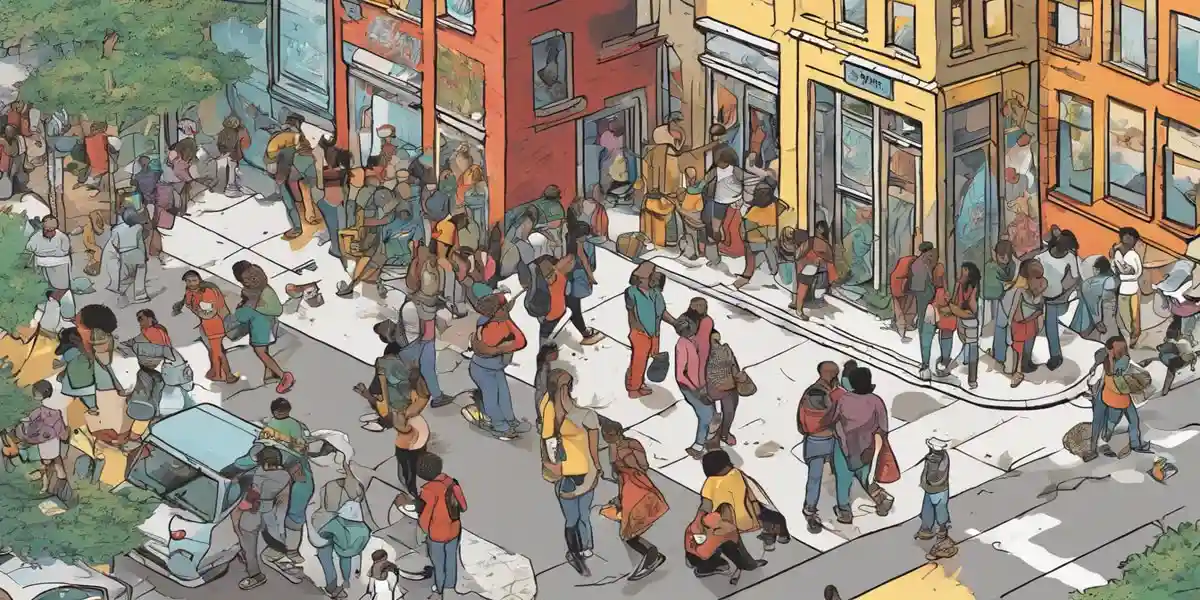
As we journey through the intricate tapestry of daily life, it becomes increasingly clear that art is not confined to galleries or theater stages; rather, it thrives in the most unexpected corners of our routines. The challenge lies in recognizing these moments as opportunities for expression rather than mere tasks on a to-do list. By embracing the artist within, we can transform the mundane into the extraordinary, fostering a deeper connection with both ourselves and our communities.
Consider the simple act of brewing your morning coffee. Instead of viewing it as a chore, imagine it as a performance piece. The steam rising from the kettle could symbolize the awakening of creativity, the aroma a reminder of the richness life offers. In Singapore, artists have taken a similar approach. For example, from 2010 to 2020, various performers engaged in bold public interventions, turning ordinary spaces into stages that sparked conversations about accessibility and urban living. Their work illustrates how even the most commonplace activities can serve as profound sources of inspiration and dialogue.
Public spaces serve as a canvas for artistic expression, blurring the lines between creator and audience. Imagine an artist creating ephemeral street murals that visually narrate the emotional highs and lows of their daily commute. These installations not only beautify the urban landscape but also invite passersby to reflect on their own experiences. This engagement is not a new concept; artists have long utilized public art to challenge societal norms and provoke thought. For instance, the spontaneous nature of street performances, such as flash mobs or impromptu poetry readings, can capture the attention of bystanders, fostering a sense of community and shared experience.
By intertwining daily habits with artistic expression, creators can enhance their practices and promote community engagement. This is particularly evident in the way individuals interact with public art in personal and sometimes unexpected ways. The book on public artworks highlights that engagement often diverges from the original intentions of the artists, creating a rich tapestry of interpretations and interactions. For example, a mural that one person sees as a political statement may resonate differently with someone else as a personal reflection. This diversity of perspective enriches the community dialogue and reinforces the idea that art is for everyone.
Ultimately, embracing the artist within involves recognizing the beauty in the mundane and empowering ourselves and others to do the same. This artistic mindset encourages us to explore our routines more deeply, prompting questions like: How can my daily commute become a source of inspiration? What stories do my grocery shopping trips tell? By transforming these moments into art, we not only enrich our own lives but also invite others to engage with the world creatively. This approach fosters a more inclusive understanding of art—one that merges the everyday with the extraordinary, making it accessible to all.
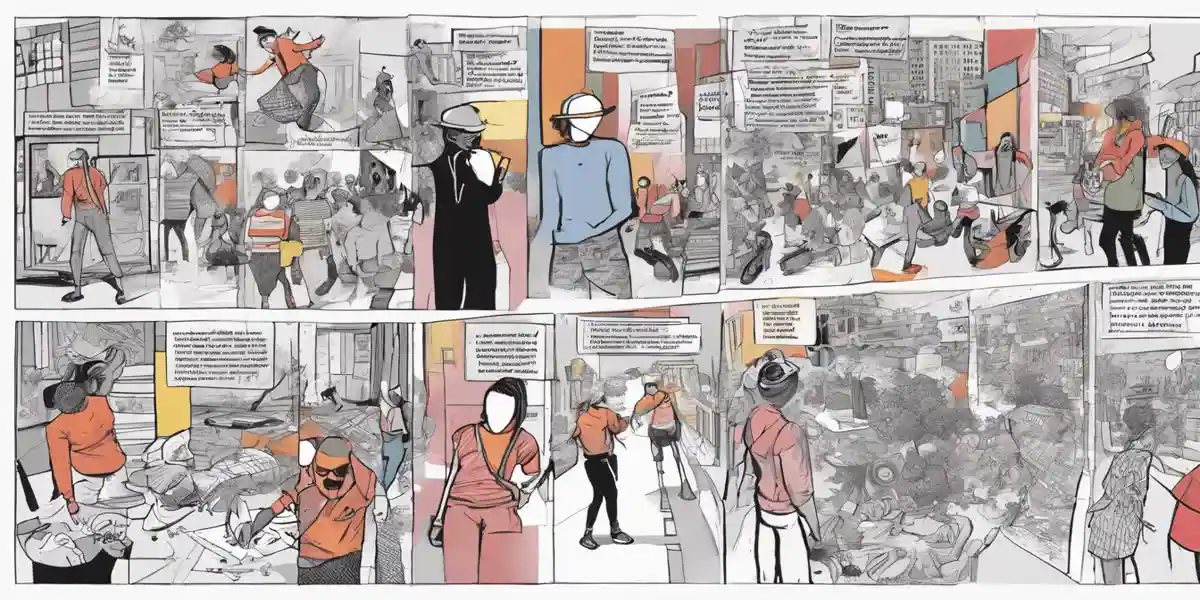
This section dives into how everyday activities can serve as profound sources of artistic expression, encouraging modern creators to transform their routines into captivating performance art.
Imagine taking a simple morning ritual, like brewing coffee. Instead of viewing it as just another chore, what if you turned it into a mini-performance? An artist might set up their kitchen as a stage, complete with lighting that mimics the warm glow of a café, and invite friends to witness the ritual. As the coffee brews, they could narrate a story about the origins of the beans, or even perform an interpretive dance that reflects the rhythm of the brewing process. This not only transforms a mundane task into an art piece but also fosters a sense of community as others engage with the performance.
Public spaces offer a unique platform for artists to engage with a broader audience. For instance, Singaporean artists have been leveraging public performances to spark dialogue about urban space and community interaction. By staging performances that reflect the emotional and cultural landscape of the city, they transform the streets into vibrant galleries of expression. Consider a performance that reacts to the hustle of a busy subway station—an artist could incorporate elements of live painting, where the chaotic energy of commuters informs the strokes of their brush, creating a mural that evolves in real-time.
Ephemeral street art is another powerful approach. An artist could utilize sidewalk chalk to create murals that depict their daily commute’s emotional landscape. As the artwork fades away with time and weather, it echoes the transient nature of our daily lives. This not only invites passersby to engage with the piece while it lasts, but it also encourages conversations about the fleeting moments that define our experiences. Imagine a neighborhood where artists collaborate with local businesses to create these installations—each mural reflecting the unique stories of its surroundings, fostering a deep connection between art and community.
Performance art that breaks the boundaries of traditional formats can also be transformative. Picture an artist spontaneously performing a five-minute piece in a crowded park—perhaps a blend of spoken word poetry that addresses the themes of isolation and connection in urban life. This kind of intervention not only disrupts the ordinary flow of the day but invites onlookers to pause and reflect, creating a shared experience that lingers long after the performance ends. Such acts serve as catalysts for dialogue, prompting questions about public space and the role of art in everyday life.
By seeing daily habits through an artistic lens, creators can inspire themselves and others to engage more deeply with their surroundings. This approach not only enriches their personal practice but also transforms the public's relationship with art, making it an integral part of daily life. How might you turn your routine into a canvas for your creativity?
As we conclude our exploration of transforming daily habits into inspiring performance art, it's evident that creativity resides within each of us, waiting to be unleashed through the lens of our everyday routines. This journey began with recognizing the interplay between performance art and the mundane, revealing how even the simplest actions—like brewing coffee or commuting—can become profound artistic expressions.
We discussed how identifying and embracing our daily habits allows us to elevate the ordinary into the extraordinary. By finding artistic expression in our routines, we can transform moments of solitude into shared experiences that foster community engagement. Whether it's through spontaneous performances in public spaces or vibrant street art that captures the emotional landscape of our lives, these acts invite others to engage with our creativity and reflect on their own experiences.
Moreover, the intersection of street art and daily life highlights the importance of public engagement in art. By creating accessible art that resonates with our communities, we can challenge conventional norms and promote dialogue around critical social issues. This not only empowers artists but also invites individuals to see art as a collective journey rather than an isolated endeavor.
So, as you move forward, consider how you can embrace the artist within and turn your daily habits into a canvas for creativity. Ask yourself: How can your morning commute inspire a performance? What stories do your everyday routines tell? By transforming these moments into art, you not only enrich your own life but also have the potential to inspire those around you. Let us celebrate the beauty in the mundane and make art an integral part of our shared human experience.
Get notified about new articles, coffee tips, and Web3 insights.
This site participates in affiliate programs and may earn a commission when a link is clicked and a purchase is made. The site is not responsible for any issues or troubles related to the products or services purchased through the use of this site.

DO&COFFEE loves coffee and technology, exploring the potential of NFTs and blockchain. Learn more →
DO&COFFEE loves coffee and technology, exploring the potential of NFTs and blockchain. Learn more →