technology
2024/09/01
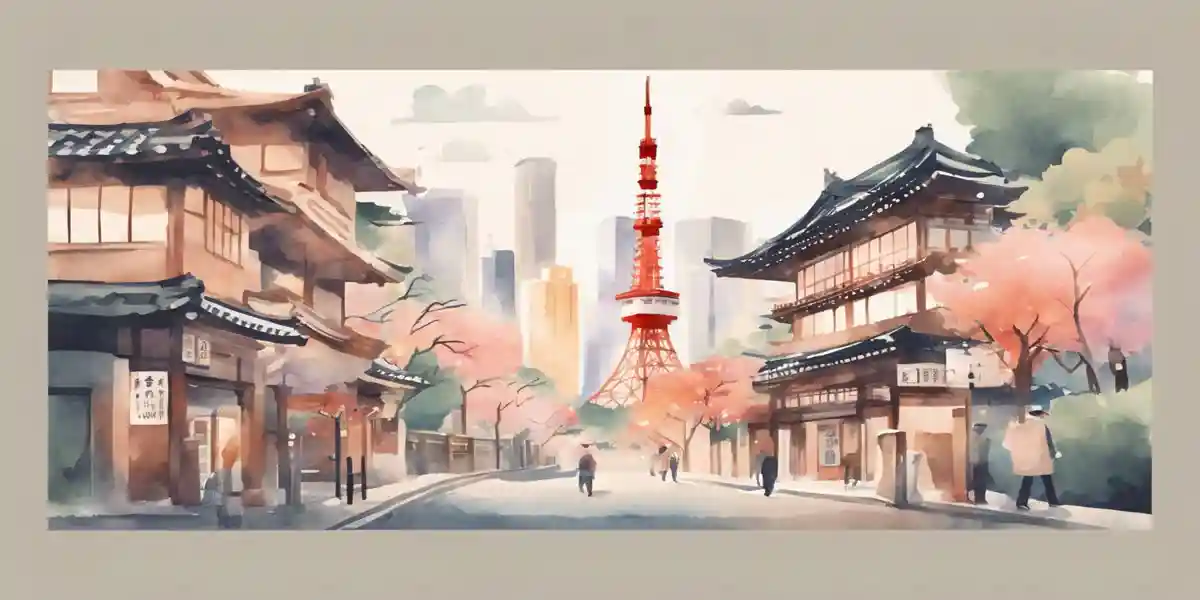
Welcome to your ultimate guide to exploring Tokyo, a city where tradition meets technology in the most fascinating ways. Imagine wandering through neon-lit streets, steeped in history, while simultaneously engaging with a vibrant digital landscape crafted for Web3 developers and tech enthusiasts. This blog post will introduce you to a revolutionary concept: the "Tokyo Sightseeing Metaverse." Here, augmented reality (AR) and blockchain technology converge, transforming how we perceive and interact with the city's iconic landmarks and hidden gems.
As you dive into this guide, you'll discover how a specialized app could enrich your experience—overlaying historical narratives, local art, and interactive elements onto the very fabric of Tokyo. Picture this: standing before the majestic Senso-ji Temple and witnessing a digital reenactment of its storied past, or exploring Shibuya Crossing while listening to locals share their favorite spots. These experiences are not just for passive consumption; they empower you to contribute your own insights, creating a community-driven narrative that enhances your connection to the city.
But why does this matter? Tokyo is not only a hub of culture and innovation but also a fertile ground for Web3 developers to explore networking opportunities, leverage technology, and strike a balance between work and leisure. By embracing this decentralized approach to tourism, you’ll find yourself at the forefront of a movement that redefines urban exploration. Are you ready to rethink how you experience history, culture, and community? Let’s embark on this journey together and unlock the treasures that Tokyo has to offer.
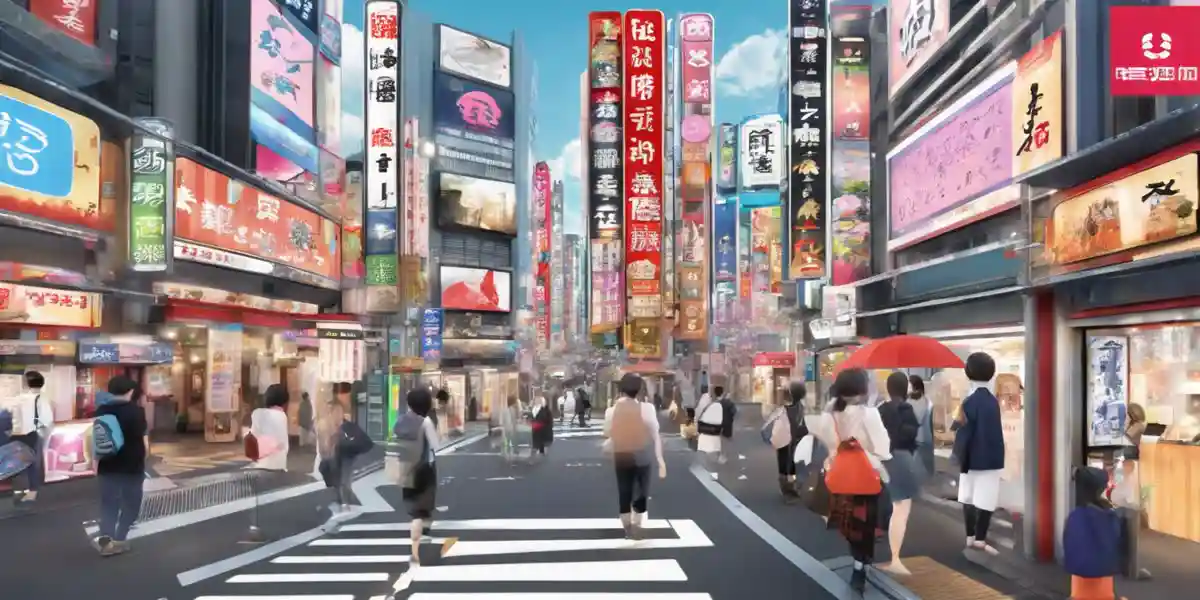
Imagine stepping into a world where the vibrant streets of Tokyo are not just a feast for the eyes, but also a dynamic playground for Web3 developers. The concept revolves around creating an immersive, decentralized sightseeing experience in Tokyo, using augmented reality (AR) and blockchain technology. This “Tokyo Sightseeing Metaverse” invites travelers to engage with the city in ways that blend the physical and digital realms seamlessly.
Upon arrival, visitors could download a specialized app that utilizes AR to overlay historical information, art, and local stories onto real-world landmarks. Guided by geolocation and smart contracts, users can unlock exclusive content at various viewpoints. For example, standing in front of Senso-ji Temple, you might witness a digital re-enactment of its founding, while at Shibuya Crossing, you could hear the voices of locals sharing their favorite hidden gems. This integration of AR technology not only enhances the visual experience but also fosters a deeper understanding of the city's rich history and culture.
While the potential of AR in tourism is vast, it is not without its challenges. Research shows that usability issues, such as cluttered interfaces and point of interest (POI) occlusion, can deter users from fully engaging with AR applications. For instance, a user-centered design approach is crucial in developing effective AR apps. One study highlighted the iterative creation of an Android app that featured overhead maps, route navigation, and an AR browser, emphasizing the importance of user feedback in crafting intuitive experiences. By addressing usability, developers can create more engaging and accessible AR applications.
Moreover, leveraging Web3’s decentralized nature allows visitors to contribute their own insights and narratives to the platform. Users can earn tokens that may be used for discounts at local businesses or access to special events, transforming the tourism experience into a community-driven narrative. This approach not only empowers tourists but also allows locals to share their stories, thus fostering a deeper connection to the city. Imagine being rewarded for sharing a hidden gem or a personal story tied to a local landmark. This symbiotic relationship between visitors and residents creates a richer tapestry of experiences for everyone involved.
With Tokyo's rich tapestry of culture, technology, and innovation, the concept of a “Tokyo Sightseeing Metaverse” not only enhances the sightseeing experience but also positions Web3 developers at the forefront of transforming urban exploration. As noted in various studies, the effectiveness of AR technologies in enhancing tourism experiences hinges on the integration of immersive features that promote user engagement. Future research directions should focus on examining gamification elements within AR apps, as well as exploring potential negative impacts, ensuring that the technology adds value rather than detracts from the experience.
This initiative invites you to ponder: how can technology elevate the way we experience history, culture, and community in one of the world's most vibrant cities? The possibilities are as vast as Tokyo itself.
This section aims to provide a detailed overview of the innovative potential of AR and Web3 technologies in enhancing the sightseeing experience in Tokyo, while addressing both the opportunities and challenges such developments present.
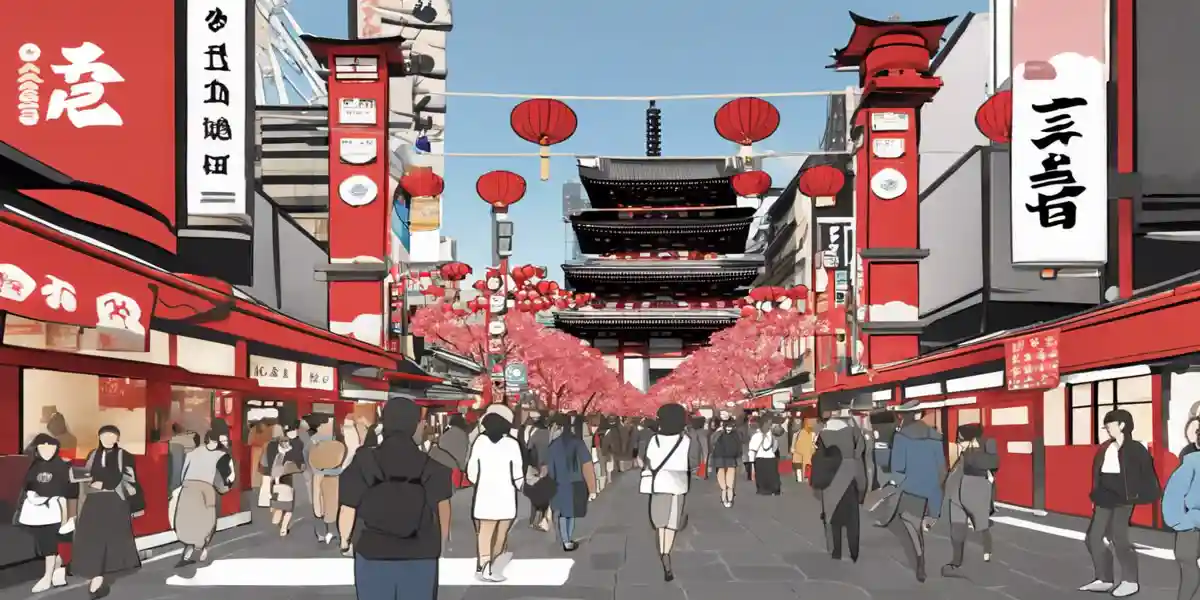
Tokyo is a city that effortlessly melds the traditional with the cutting-edge, offering an array of attractions that can be enhanced through innovative Web3 technologies. Imagine exploring these sites not just through sight, but by immersing yourself in augmented reality experiences that reveal stories and hidden gems tucked away in the bustling streets.
As one of Tokyo's oldest and most revered temples, Senso-ji in Asakusa is a must-visit for any traveler. Now, picture this: as you stand in front of the iconic Kaminarimon Gate, your AR-enabled app overlays a digital re-enactment of the temple's founding, narrated by a local historian. This immersive storytelling approach not only enriches your understanding of the site but also aligns with findings that suggest user acceptance of AR in tourism is significantly influenced by perceived ease of use and usefulness. By providing a seamless experience, visitors are likely to engage more deeply with the content.
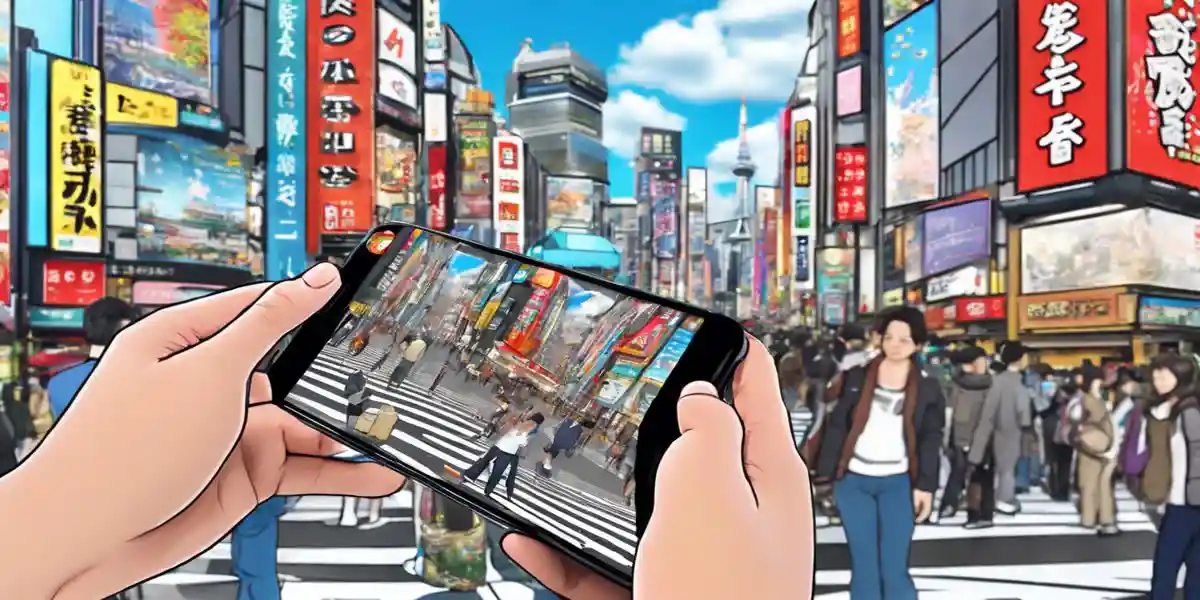
At the world-famous Shibuya Crossing, where thousands of pedestrians navigate the streets in a choreographed chaos, imagine using your smartphone to hear the voices of locals sharing their favorite hidden gems in the area. This AR feature could utilize geolocation to unlock audio clips and stories as you navigate through the throng, creating an interactive experience that highlights the neighborhood's culture beyond the typical tourist lens. Such applications not only enhance user experience but also foster a sense of community involvement, allowing locals to contribute their narratives to the platform.
Known for its vibrant youth culture and eclectic fashion, Harajuku offers visitors a unique glimpse into Tokyo's modern identity. An AR app could allow users to unlock virtual pop-up shops featuring local designers or provide interactive fashion history lessons about the area. With the integration of smart contracts, users could earn tokens for participating in AR experiences, which could then be redeemed for discounts at participating stores. This gamification element encourages engagement while supporting local businesses, creating a symbiotic relationship between tourists and the community.
For those seeking hidden gems, the neighborhood of Koenji is a treasure trove of vintage shops and live music venues. Imagine walking through its streets, guided by an AR app that highlights off-the-beaten-path locations and events based on real-time user-generated content. By utilizing a user-centered design approach, as suggested in recent studies, the app could evolve based on feedback, continually improving to meet the needs of its users. This creates a dynamic and ever-changing exploration tool, showcasing the vibrancy of the local subculture.
The beauty of integrating Web3 technology into the Tokyo sightseeing experience lies in its decentralized nature. Visitors can contribute their own stories and insights, earning tokens that can be used for discounts at local businesses or access to exclusive events. This community-driven model not only enhances the sightseeing experience but empowers both tourists and locals to share their narratives, fostering a deeper connection to the city. By leveraging AR technology, the experience becomes an interactive tapestry of voices, histories, and personal anecdotes, creating a richer understanding of Tokyo's diverse cultural landscape.
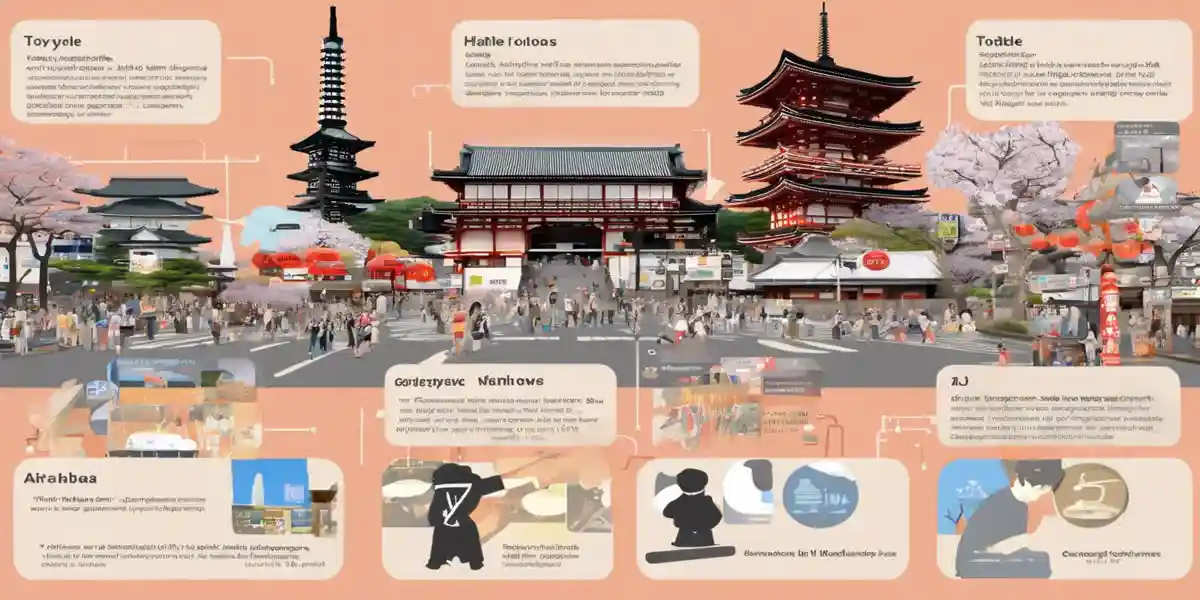
As a Web3 developer exploring Tokyo's rich landscape, you'll want to immerse yourself in the landmarks that not only showcase the city's storied past but also offer dynamic ways to engage with that history through technology. Imagine creating an augmented reality (AR) experience that overlays historical narratives onto these sites, transforming each visit into an interactive journey.
Start your journey at Senso-ji Temple, Tokyo’s oldest temple, located in Asakusa. As you approach the iconic Kaminarimon Gate, the AR app could display a digital re-enactment of the temple's founding in 628 AD. Picture standing in front of the gate, your device revealing layers of history: the original structure, the stories of worshippers, and even the transformation of the surrounding area over the centuries. This AR overlay could include virtual graffiti that tells the stories of the local community, enhancing your understanding of this spiritual hub.
Next, head to the bustling Shibuya Crossing, often dubbed the busiest pedestrian intersection in the world. Here, the AR experience could take a unique twist. As you stand amidst the sea of people, your device might reveal audio stories from locals about their favorite hidden gems in the area, enriching your visit with personal anecdotes. Imagine hearing about a quaint café that serves the best matcha or a small art gallery tucked away from the bustling streets, all while witnessing the organized chaos of the crossing around you.
Don’t miss the iconic Tokyo Tower, a symbol of Japan's post-war rebirth. The AR app could allow you to unlock exclusive content as you ascend the tower. Users might access a virtual tour guide who shares insights into the architectural design and the tower's significance as a communication hub. The app could even showcase 3D models of the tower being built, allowing you to visualize the engineering marvel that it represents.
At the serene Meiji Shrine, nestled in a lush forested area, the AR experience could focus on the spiritual and cultural aspects of Shinto practices. You might find interactive displays that explain the rituals performed at the shrine or even virtual representations of traditional ceremonies, creating a bridge between the past and the present. This is where Web3 technology can allow users to contribute their own reflections and experiences, creating a shared repository of narratives that enhance the communal experience of visiting this sacred site.
Finally, explore Akihabara, a district famed for its technology and otaku culture. Here, the AR app could provide an engaging way to discover the latest trends in Japanese pop culture. You could scan store fronts to unlock virtual merchandise or exclusive content from your favorite anime. The potential for gamification is immense—imagine quests that lead you to various shops, where completing challenges earns you tokens redeemable at participating stores. This interactive experience not only encourages exploration but also supports local businesses, embodying the essence of a decentralized economy.
In each of these landmarks, the integration of AR and blockchain technology allows for a richer, more engaging experience. Visitors can interactively learn and contribute, turning sightseeing into a community-driven narrative. How can your skills as a Web3 developer contribute to this evolving landscape of tourism in Tokyo?
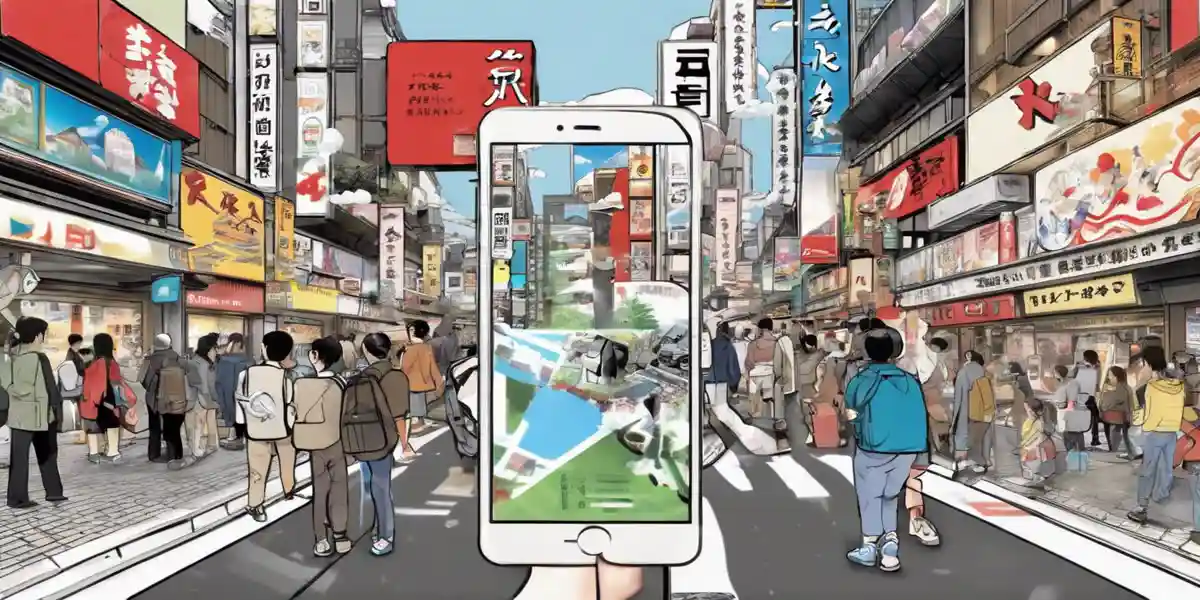
Imagine a Tokyo where every street corner and historic site serves not just as a backdrop for photos but as an interactive canvas rich with stories, art, and local culture. With the rise of augmented reality (AR) and the decentralized nature of Web3, this vision is becoming a reality. Visitors can engage with Tokyo's vibrant culture through a specialized app that enhances their sightseeing experience by seamlessly blending the physical and digital realms.
Upon arriving in Tokyo, travelers can download an AR application designed specifically for exploring the city. This app utilizes geolocation technology to provide informative overlays on historical landmarks, allowing users to unlock exclusive content. For instance, while standing in front of the iconic Senso-ji Temple, users can witness a digital reenactment of its founding, complete with interactive elements that narrate its history. At Shibuya Crossing, the app could allow users to hear local voices sharing their favorite hidden gems, creating a personal connection to the bustling heart of the city.
One of the most exciting aspects of this AR experience is its community-driven nature. By leveraging Web3 technology, travelers and locals alike can contribute their insights and narratives to the platform. This participatory approach not only enriches the AR content but also fosters a sense of belonging among users. For example, visitors can earn tokens for sharing their stories, which can then be redeemed for discounts at local restaurants or entry to exclusive events. This creates a reciprocal relationship between tourists and residents, bridging cultural divides while promoting local businesses.
Despite the benefits of AR, usability challenges remain a significant concern. Research indicates that cluttered interfaces and point-of-interest occlusion can deter users from fully engaging with AR applications. To combat this, the development of the Tokyo sightseeing app employs a user-centered design approach, focusing on simplicity and intuitive navigation. Through thorough user testing and feedback loops, the app has evolved to feature overhead maps, route navigation, and an AR browser that enhances the overall user experience. This ensures that the technology enhances rather than hinders the exploration of Tokyo's rich cultural landscape.
Incorporating gamification elements into the AR experience could significantly enhance user engagement. Imagine completing challenges at various landmarks or earning badges for discovering lesser-known historical sites. This not only makes the exploration of Tokyo more enjoyable but also encourages deeper learning about its culture and history. Research suggests that such gamified experiences can significantly improve user acceptance of AR technologies, as perceived ease of use directly influences perceived usefulness. By making learning fun, visitors are more likely to immerse themselves in Tokyo's heritage.
The potential for AR in tourism extends beyond individual experiences; it opens the door for collaboration among various stakeholders. By involving local artists, historians, and cultural organizations in the development of AR content, the app can provide a more nuanced perspective on Tokyo's diverse culture. This collective effort not only enriches the visitor experience but also supports the preservation of local traditions and stories, ensuring that they are celebrated and shared with future generations.
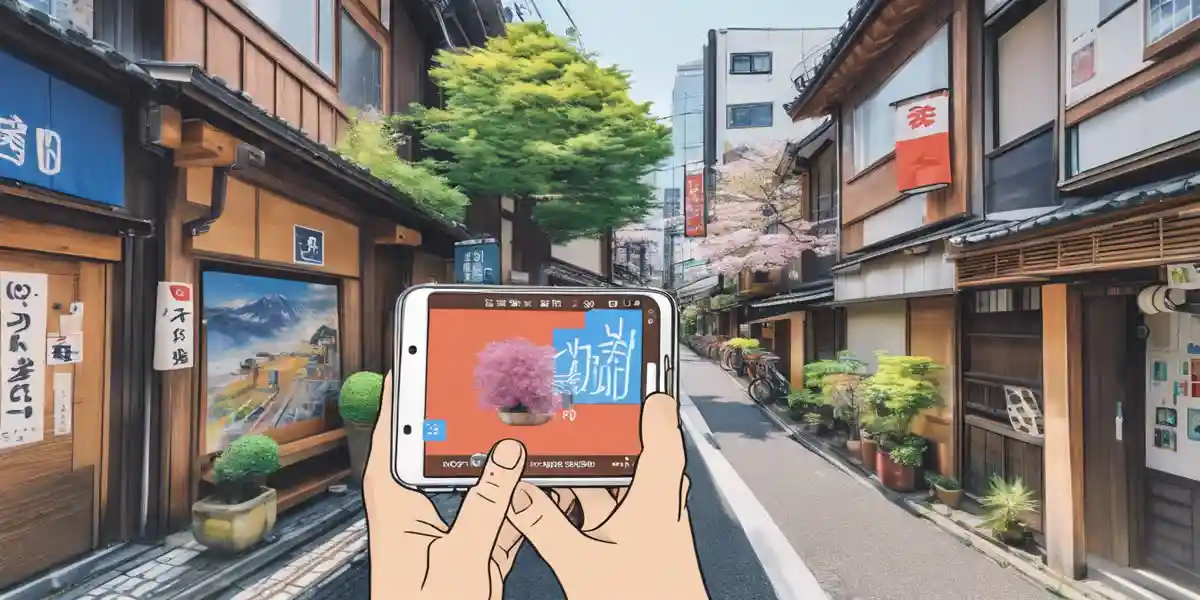
In a city as bustling and vibrant as Tokyo, where iconic landmarks often steal the spotlight, it’s easy to overlook the hidden gems waiting to be discovered. For Web3 developers and tech-savvy travelers, exploring these off-the-beaten-path locations can be an enriching experience, especially when combined with augmented reality (AR) and blockchain technology. Imagine uncovering the stories of lesser-known sites that contribute to the rich tapestry of the city while earning rewards through a decentralized platform.
Yanaka, a quaint neighborhood that survived the bombings of World War II, offers a glimpse into Tokyo's past. With its traditional wooden houses and narrow alleyways, it stands in stark contrast to the high-rises of modern Tokyo. An AR app could overlay historical photos and stories of the residents who once lived in these homes, allowing users to engage with the area's history in real time. For instance, standing in front of the famous Yanaka Cemetery, users could unlock a virtual tour highlighting the lives of notable figures buried there, such as the poet Takuboku Ishikawa.
Nestled in Setagaya, Todoroki Valley is an oasis of nature within the urban sprawl. This lush green space, complete with a flowing river and walking trails, offers a serene escape. Imagine using an AR app to discover the diverse flora and fauna native to this area, where users can point their devices at plants to learn about their ecological significance. Moreover, the app could gamify the experience by encouraging visitors to complete nature-based challenges, earning tokens that can be redeemed for discounts at local cafes or eco-friendly shops nearby.
Known for its bohemian atmosphere, Shimokitazawa is a hub for indie music, vintage shops, and quirky cafes. This neighborhood thrives on creativity, making it a perfect candidate for a community-driven AR experience. Users could be prompted to find local street art, each piece revealing a story when scanned with the app. For example, a mural dedicated to a local musician could include a short audio clip of their music or a video of their live performance, thus connecting visitors to the vibrant cultural scene. Additionally, local artists could benefit from the platform by showcasing their work and receiving compensation through smart contracts.
Often overshadowed by the larger Ueno Park, Hamarikyu Gardens offers a tranquil retreat with its meticulously landscaped grounds and historic teahouses. Here, Web3 technology can enhance the experience by providing users with a virtual guide to the garden's history and the significance of its seasonal blooms. Imagine standing by the Shioiri Pond and using AR to see a digital re-enactment of the gardens' historical tea ceremonies. Through user participation, visitors could also contribute their own experiences, earning them tokens that grant access to exclusive guided tours or events hosted in the gardens.
Koenji, known for its vintage shops and alternative culture, is another area ripe for exploration. An innovative AR app could allow users to participate in a storytelling experience where they can unlock narratives that reflect the neighborhood's unique character. By scanning specific locations, users could reveal stories of the local subculture, music scenes, and art movements. With each story shared, users earn tokens, incentivizing them to engage more deeply with the community and its history. This decentralized approach not only empowers users but also helps preserve the local culture through collaborative storytelling.
As a Web3 developer stepping into the vibrant capital of Japan, you're not just visiting a city; you're entering a dynamic ecosystem where technology and culture intertwine. Here are some tailored tips to enhance your experience while exploring Tokyo.
Tokyo is at the forefront of AR technology, making it a perfect playground for developers. Upon arrival, consider downloading AR apps that overlay historical information and local stories onto real-world landmarks. These applications can enrich your sightseeing experience by providing context to places like the historic Senso-ji Temple or the bustling Shibuya Crossing. For example, an AR tool could allow you to see a digital reenactment of the founding of Senso-ji, immersing you in the city's history.
Take advantage of Web3's decentralized nature during your visit. Many local businesses are adopting blockchain technology to enhance customer interaction. Look for establishments that offer discounts through tokens or rewards systems tied to decentralized applications (dApps). Engaging with these platforms not only supports local businesses but also provides you insights into how blockchain can create value in tourism.
Consider contributing your own insights and narratives to platforms that encourage user-generated content. For instance, after visiting a landmark, you could leave a virtual note or story that others can access through AR. This participatory approach not only enriches your experience but also fosters community connections. Imagine leaving a digital piece of graffiti at a lesser-known spot, sharing your perspective with fellow travelers and locals alike.
Tokyo hosts a vibrant tech community, and connecting with local Web3 developers can be invaluable. Attend meetups, hackathons, or tech talks focusing on AR and blockchain applications in tourism. Engaging with these communities can provide insights into emerging technologies and potential collaborations. Websites like Meetup.com or local tech hubs can help you find events during your stay.
As a developer, understanding the user experience is crucial, especially in tourism-focused applications. Research suggests that effective AR applications should prioritize usability and user-centered design. During your exploration, observe how tourists interact with existing AR apps and note any usability challenges, such as cluttered interfaces or navigation issues. This firsthand experience can inspire improvements in your own projects.
Many AR applications use geolocation to unlock exclusive content at various viewpoints. While wandering through neighborhoods, experiment with your device to see how these technologies can guide you. For instance, standing at a viewpoint might trigger an AR display of historical events that took place there or provide recommendations for nearby attractions. This feature can significantly enhance the way you interact with the environment around you.
As you explore the integration of Web3 technologies in tourism, it's essential to stay informed about local regulations regarding data privacy and blockchain use. Japan has specific laws governing cryptocurrency and smart contracts, which may impact how you develop applications in the space. Understanding these regulations can help you navigate the landscape more effectively and avoid potential pitfalls.
Finally, keep a digital journal of your experiences, documenting how technology influences your interactions with Tokyo's cultural landscape. This could serve as a valuable resource for your projects and help you refine your ideas for integrating AR and blockchain in urban tourism. By capturing these insights, you contribute to the ongoing conversation about the future of travel and technology.

Tokyo is not just a hub of technology and culture; it's a vibrant ecosystem where Web3 developers can thrive. The city's unique blend of traditional heritage and cutting-edge innovation creates an ideal environment for networking and collaboration among tech enthusiasts. Let’s explore the specific avenues through which you can tap into this dynamic tech scene.
Tokyo hosts a multitude of tech meetups and conferences that cater to Web3 development. Events like the Tokyo Blockchain Week bring together industry leaders, developers, and investors, creating a melting pot of ideas and opportunities. Participating in these gatherings not only provides insights into the latest trends in blockchain and AR technologies but also places you in direct contact with potential collaborators and mentors. For example, during the last Tokyo Blockchain Week, a series of workshops focused on decentralized app (DApp) development attracted over 1,000 participants, showcasing the local demand for learning and innovation.
Co-working spaces in Tokyo are another excellent avenue for networking. Places like WeWork and Hive Jinnan offer more than just a desk; they provide a community of like-minded professionals. Many of these spaces host regular events, such as hackathons or tech talks, which are perfect for meeting other developers and entrepreneurs. The Tokyo Hackathon, for instance, often features challenges centered around AR applications, encouraging participants to create solutions that enhance the tourist experience, much like the concepts discussed in recent AR research.
The digital realm also offers robust networking opportunities through various online communities. Platforms like Discord and Slack have dedicated channels for Web3 developers interested in Tokyo. Engaging in these platforms allows you to share ideas, seek advice, and connect with professionals who are often just a few blocks away. For instance, many developers join channels related to AR technology, where they discuss challenges and share insights from ongoing projects, echoing findings from recent studies that emphasize user-centered design in AR applications.
Tokyo's startup scene is thriving, with numerous innovation hubs that focus on Web3 and AR technologies. Organizations like Open Network Lab and Tokyo Startup Gateway provide resources and support for budding entrepreneurs. They frequently host pitch events where developers can showcase their projects and connect with investors. An example of this is the Tokyo Augmented Reality Meetup, which highlights innovative AR applications in tourism. Here, developers can gain valuable feedback on their work while networking with potential partners interested in collaborative projects.
Tokyo's universities are at the forefront of technology research, with many offering programs focused on AR and blockchain. Engaging with academic institutions can open doors to valuable partnerships. For example, collaborations with researchers from The University of Tokyo can lead to practical applications of AR in tourism, aligning with the user-centered design approaches discussed in recent literature. By attending academic seminars or guest lectures, developers can expand their networks and gain insights into cutting-edge research that could shape future projects.
Tokyo is not just a city; it's a canvas where digital innovation meets rich cultural heritage. As a Web3 developer, imagine how you could leverage augmented reality (AR) and blockchain technology to create an interactive sightseeing experience that transforms the way visitors engage with the city.
Imagine stepping into a bustling Tokyo street and having historical narratives come alive through your smartphone. By downloading a specialized AR app, tourists can overlay historical information, art, and local stories directly onto real-world landmarks. For example, while visiting Senso-ji Temple, you could witness a digital re-enactment of its founding, complete with characters and animations that give context to the structure's significance. At Shibuya Crossing, local voices may narrate hidden gems and personal stories, enriching the experience beyond just sightseeing.
Research indicates that AR applications can significantly enhance tourist experiences by bridging the gap between the physical and virtual worlds. A systematic review of AR in tourism highlights that user acceptance largely hinges on perceived ease of use and usefulness, which means that a well-designed, intuitive interface is crucial for engaging users effectively.
One of the core principles of Web3 is decentralization, which can empower travelers and locals alike to contribute to the narrative of the city. Visitors could share their own insights and experiences through the app, earning tokens that can be redeemed for discounts at local businesses or access to exclusive events. This not only fosters a sense of community but also creates a continuously evolving tapestry of stories that highlight the real Tokyo.
By leveraging smart contracts, users can unlock exclusive content at various viewpoints, such as virtual graffiti that tells the story of a neighborhood. This participatory model not only enhances the sightseeing experience but also encourages local businesses to engage with tourists in new ways, creating a win-win scenario.
To truly enhance the user experience, it’s essential to adopt a user-centered design approach. This means understanding the needs and behaviors of tourists through domain analysis and observational studies. A recent study noted that usability challenges, such as cluttered interfaces and point-of-interest (POI) occlusion, can deter users. Thus, an AR tourism app must prioritize intuitive navigation and clear information representation.
For instance, incorporating overhead maps, route navigation, and an AR browser can create a seamless user experience. Evaluation by real users is vital to this process, providing insights that ensure the app is not just functional but also enjoyable to use. By addressing these usability challenges, developers can create an engaging platform that keeps users coming back and encourages them to explore more.
Integrating gamification into the AR experience can further enhance visitor engagement. Imagine earning points or badges for discovering hidden locations or completing specific tasks, like locating a piece of digital art or answering trivia questions about a landmark. Research shows that gamified experiences can significantly increase user involvement and satisfaction.
This playful approach not only makes learning about the city enjoyable but also encourages visitors to explore areas they might otherwise overlook. As they interact with the app, users can connect with other travelers, share their experiences, and contribute to a growing community of explorers.
Several cities around the world have already begun to implement AR technology in their tourism strategies. For example, cities like Barcelona and London have AR apps that provide historical overlays at major attractions, allowing users to visualize the past while standing in the present. These initiatives highlight the potential for Tokyo to join this movement with its unique blend of history and modernity.
Moreover, with the rise of blockchain technology, cities can create decentralized platforms that provide secure and transparent ways for tourists to engage with local businesses. This not only enhances trust but also opens up opportunities for innovative partnerships and experiences that benefit both visitors and residents.
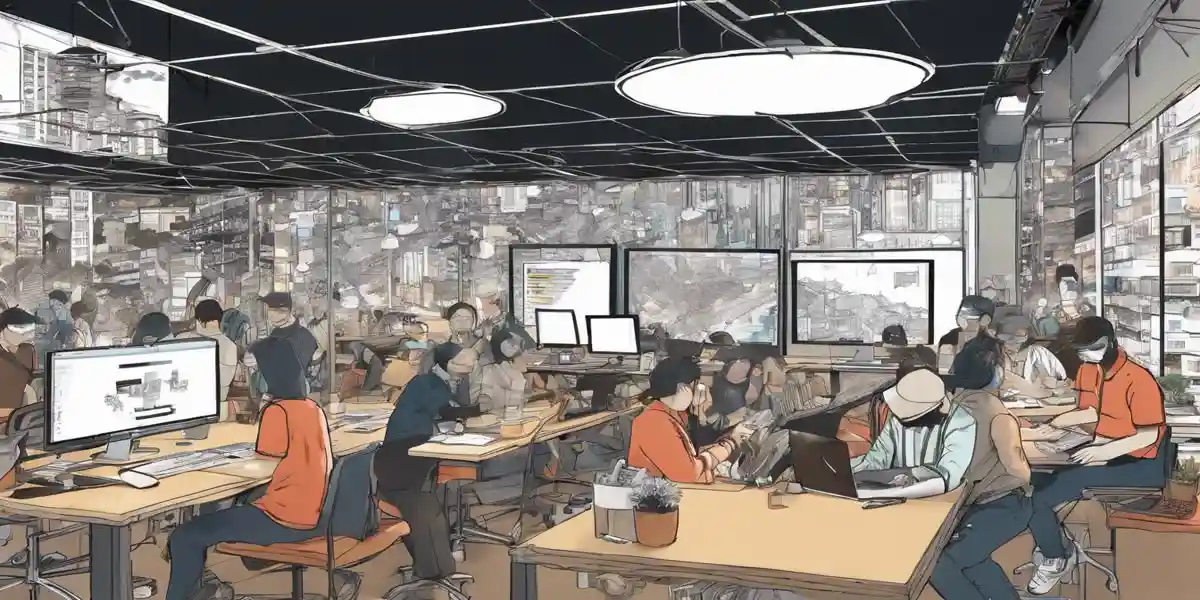
As a Web3 developer, exploring Tokyo presents a unique opportunity to blend work and leisure seamlessly. The city isn’t just a hub of technology; it’s a living canvas where innovation meets culture. Imagine working on your next big project while being inspired by the very environment you’re developing for. In this section, we delve into how you can effectively balance your professional commitments with the enchanting leisure experiences Tokyo has to offer.
Before diving into the vibrant streets of Tokyo, it’s crucial to identify workspaces that cater to both your technical needs and your creative impulses. Many co-working spaces in the city, such as WeWork Tokyo and Impact Hub, offer high-speed internet, meeting rooms, and a community of like-minded professionals. These spaces not only provide a conducive environment for coding and collaboration but also host regular events that can spark new ideas and connections.
Consider this: while you’re debugging smart contracts or brainstorming new features for an AR app, you might glance up to see a stunning view of Tokyo Tower. This blend of work and inspiration can fuel your productivity. Plus, the community feedback on your work can be invaluable, as you’ll be surrounded by individuals who understand the intricacies of Web3 development.
One of the most exciting aspects of being a developer in Tokyo is the potential to contribute to the “Tokyo Sightseeing Metaverse,” where augmented reality (AR) bridges the gap between the digital and physical worlds. Imagine working on an AR app that enhances historical tours of the city. You could integrate user-generated content, allowing tourists to share their experiences through digital overlays while earning tokens that can be redeemed at local businesses.
This concept aligns with research that emphasizes user-centered design in AR applications. For instance, a study found that the perceived ease of use significantly influences user acceptance, which is critical for the success of your AR app. By focusing on intuitive interfaces and gamification, you can create an engaging experience that not only attracts users but also enhances their connection to Tokyo's rich history and culture.
Tokyo is teeming with networking events, particularly in the tech sector. Regular meetups, hackathons, and seminars offer developers a chance to connect with industry leaders and fellow enthusiasts. Websites like Meetup.com or Tokyo Dev can guide you to relevant events. These gatherings provide a platform for exchanging ideas, sharing your projects, and even finding potential collaborators who share your vision for the future of Web3.
Consider attending a tech talk at a local university or a community event focused on blockchain technology. These experiences not only help you stay updated with the latest trends but also allow you to unwind and engage with the local tech community, making your trip both productive and enjoyable.
As you balance work and leisure, don’t forget to experience the city through the lens of your code. For example, while visiting iconic sites like Senso-ji Temple or Shibuya Crossing, think about how you could implement AR features that enhance a visitor’s understanding of these landmarks. Perhaps you could create an interactive tour that allows users to unlock stories and historical facts about each location, contributing to the Tokyo Sightseeing Metaverse.
Research highlights that effective AR applications in tourism are those that provide value through immersive interaction, showcasing not just the beauty of the city but also its stories. By engaging with the local culture and integrating it into your work, you enhance both your understanding and your product, creating a richer experience for users.
Imagine stepping into a world where the vibrant streets of Tokyo are not just a feast for the eyes, but also a dynamic playground for Web3 developers. The concept revolves around creating an immersive, decentralized sightseeing experience in Tokyo, using augmented reality (AR) and blockchain technology. This “Tokyo Sightseeing Metaverse” would allow travelers to engage with the city in ways that blend the physical and digital realms seamlessly.
Augmented reality is not just a buzzword; it’s revolutionizing how we experience tourism. In the context of Tokyo, AR can overlay historical information, art, and local stories onto real-world landmarks. Studies show that AR's growing use in tourism enhances user experiences by providing informative overlays that bridge the physical and virtual worlds. For instance, an AR app could allow tourists to point their smartphones at the iconic Senso-ji Temple and view a digital re-enactment of its founding, bringing history to life right before their eyes.
Imagine a visitor arriving at Shibuya Crossing and receiving a notification on their app that unlocks exclusive content, thanks to geolocation and smart contracts. These technologies guide users to various viewpoints, revealing virtual graffiti that tells the story of a neighborhood or interactive sculptures that come alive through your device. This gamified experience not only entertains but also educates travelers, making sightseeing more engaging.
Leveraging Web3’s decentralized nature, the Tokyo Sightseeing Metaverse invites visitors to contribute their own insights and narratives to the platform. By sharing local stories or experiences, users can earn tokens that offer discounts at local businesses or access to special events. This creates a community-driven experience that empowers both tourists and locals to share their stories, fostering a deeper connection to the city.
The effectiveness of these AR applications hinges on user-centered design. Research has shown that usability challenges, such as cluttered interfaces or point of interest occlusion, can deter users. By employing a user-centered design approach—gathering requirements through domain analysis, tourist observation, and interviews—developers can create intuitive apps. Evaluation studies indicate that well-designed AR applications enhance user engagement and satisfaction, making them a valuable tool for tourism organizations.
Consider the case of a popular AR tourism app developed for a small museum in the UK, which involved input from multiple stakeholder groups. This app effectively highlighted the importance of stakeholder involvement in designing effective AR experiences. As tourists interact with the app, they can view additional information regarding exhibits and interact with virtual artifacts, thereby enriching their visit.
As we explore the future of AR in tourism, it’s vital to consider the implications of these technologies. Potential research areas include the investigation of gamification in AR applications and understanding the possible negative impacts of AR on user experiences. By addressing these gaps, developers can create more valuable AR applications that enhance tourism experiences while also considering the economic value for local businesses.
As we journeyed through the vibrant streets of Tokyo, we explored the intersection of technology and tourism, particularly through the lens of Web3 development and augmented reality (AR). This guide has illuminated the incredible potential that lies in creating immersive, decentralized experiences that not only enhance the way we explore this bustling metropolis but also foster a deeper connection between visitors and locals.
We began by envisioning a "Tokyo Sightseeing Metaverse," where AR transforms landmarks like Senso-ji Temple and Shibuya Crossing into interactive narratives, enriching our understanding of their historical and cultural significance. The challenges of usability in AR applications were addressed, emphasizing the importance of user-centered design to ensure that technology serves to engage and enlighten rather than overwhelm.
Moreover, we discussed how Web3 technology can empower community-driven storytelling, allowing both tourists and locals to share their experiences and insights, thus weaving a richer tapestry of Tokyo’s cultural fabric. The potential for gamification within these experiences opens up new avenues for exploration and engagement, encouraging deeper learning and interaction.
For Web3 developers, Tokyo presents a unique playground for innovation, offering networking opportunities within a vibrant tech scene. By leveraging AR tools and decentralized platforms, developers can craft experiences that not only elevate the tourism landscape but also contribute to the local economy and cultural preservation.
As you ponder your next adventure, consider the role of technology in reshaping your experiences. How can you, as a developer or a traveler, contribute to this dynamic community? The possibilities for enhancing the way we experience history, culture, and community in Tokyo are as vast as the city itself. Step into this future and let your journey begin!
Get notified about new articles, coffee tips, and Web3 insights.
This site participates in affiliate programs and may earn a commission when a link is clicked and a purchase is made. The site is not responsible for any issues or troubles related to the products or services purchased through the use of this site.

DO&COFFEE loves coffee and technology, exploring the potential of NFTs and blockchain. Learn more →
DO&COFFEE loves coffee and technology, exploring the potential of NFTs and blockchain. Learn more →