wellness
2024/10/02

Imagine sitting at your desk, fingers poised over the keyboard, ready to tackle that complex coding problem. Now, consider how the choices you make at mealtime can dramatically influence not just your body, but also your cognitive functionality and creativity. In this blog post, “Unlock Your Coding Potential: The Impact of a Healthy Eating Plan for Weight Loss,” we delve into the profound connection between nutrition and mental agility, particularly in the realm of coding.
As a coder, clarity of thought is your best ally. A balanced diet rich in whole foods offers essential nutrients that enable your brain to function at peak performance. For instance, omega-3 fatty acids from sources like salmon are linked to enhanced memory and cognitive abilities. Additionally, the antioxidants found in vibrant fruits and vegetables combat oxidative stress that can cloud your thinking, ensuring your mind remains sharp.
But what about those quick energy-boosting snacks? While they may provide a temporary lift, they often lead to an energy crash, leaving you unfocused and sluggish. In contrast, opting for complex carbohydrates, such as whole grains, can facilitate a steady release of energy, allowing you to maintain concentration during those lengthy coding sessions.
Throughout this post, we will explore how embracing a healthy eating regimen not only supports weight loss but also cultivates an environment where creativity and problem-solving skills can flourish. By offering practical meal planning tips and smart snacking strategies specifically tailored for coders, we aim to inspire you to rethink your dietary choices—not just for your waistline, but for your mental prowess as well. Wouldn’t it be empowering to unlock your full coding potential simply by choosing the right foods?

As a coder, your brain is your most valuable tool. The clarity of thought and creative problem-solving required to tackle complex coding challenges is deeply influenced by the food choices you make. This section explores the vital connection between nutrition and cognitive performance, emphasizing how a healthy eating plan can unlock your coding potential.
Imagine this: you’re deep into a project, lost in lines of code. Suddenly, your mind goes blank. What if I told you that your dietary choices might be the culprit? Studies have shown that certain nutrients directly affect brain function, impacting memory, focus, and overall cognitive agility. For instance, omega-3 fatty acids, particularly those found in fish like salmon, have been linked to improved memory and cognitive functions. They play a vital role in maintaining the integrity of neuronal membranes and promoting neural plasticity—essential for learning and memory retention.
Another crucial aspect of a coder’s diet is the incorporation of antioxidants, which are abundant in colorful fruits and vegetables. Antioxidants combat oxidative stress, a condition that can cloud your thinking and impair cognitive function. Regularly consuming berries, leafy greens, and nuts not only enhances your physical health but also provides your brain the ammunition it needs to fight off cognitive decline. For example, vitamin E, found in nuts and seeds, has been shown to protect against age-related cognitive decline, making it a smart addition to your daily snacking routine.
Let’s talk about sugar. That sugary snack may seem tempting during a late-night coding session, promising a quick burst of energy. However, this often leads to an inevitable crash, leaving you sluggish and unfocused. Instead, consider complex carbohydrates like whole grains, which provide a more consistent release of energy. Foods like oatmeal or quinoa can help you maintain concentration over long coding sessions, preventing the dreaded afternoon slump.
Consider the Mediterranean diet, which emphasizes whole grains, healthy fats, and plenty of fruits and vegetables. This diet has been associated with improved cognitive function, particularly among older adults. Research indicates that individuals following such dietary patterns, characterized by a lower omega-6 to omega-3 fatty acid ratio, have better cognitive performance and a reduced risk of cognitive decline. For coders, adopting similar dietary principles can not only enhance productivity but also contribute to long-term brain health.
So, how can you integrate these insights into your daily life? Start with meal planning. Prepare balanced meals that include a variety of nutrients tailored to support brain health. Incorporate snacks that are rich in omega-3 fatty acids, like flaxseeds or walnuts, and keep a stash of antioxidant-rich fruits at your desk to curb cravings for sugary snacks. Small changes can lead to significant improvements in your cognitive performance.
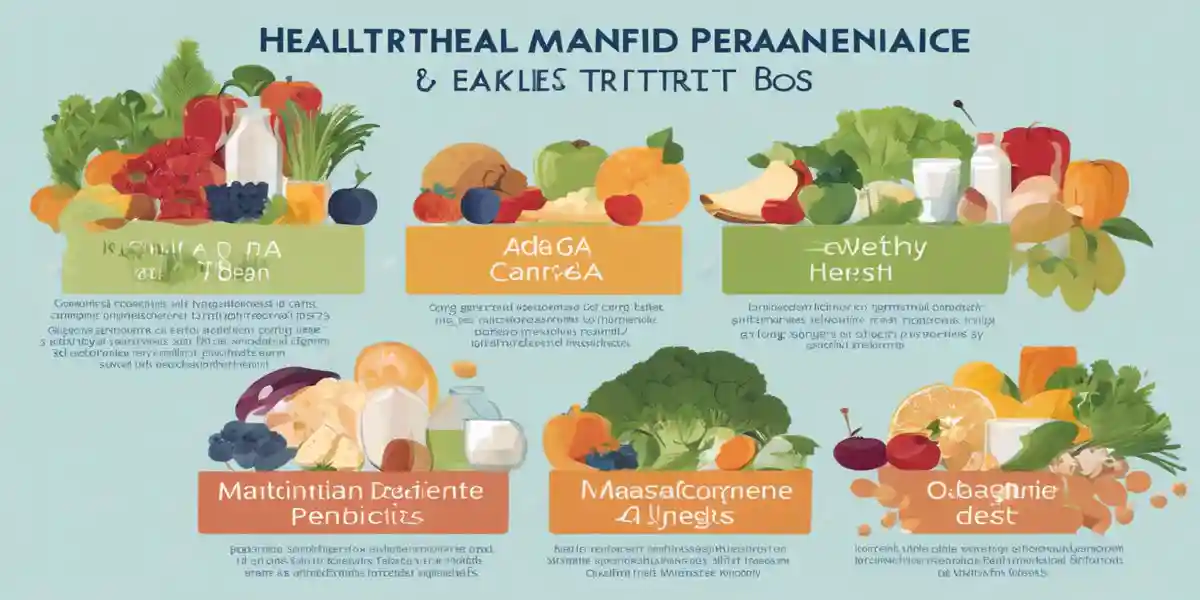
Understanding the intricate relationship between diet and weight loss involves not just counting calories, but also recognizing how food impacts our body's chemistry, brain function, and ultimately, our productivity as coders. Here, we delve into the science that supports the benefits of healthy eating, especially in the context of weight loss and cognitive performance.
Macronutrients—proteins, fats, and carbohydrates—play distinct roles in our bodies, influencing both weight loss and cognitive function. For instance, protein is crucial for muscle repair and growth, which can be especially beneficial for those who engage in physical activities, including exercise to offset sedentary coding hours. High-protein diets have been shown to enhance satiety, reducing overall caloric intake. A study revealed that participants on a higher protein diet reported feeling fuller for longer periods, which directly supports weight loss efforts.
Research highlights the profound impact of omega-3 fatty acids, particularly those found in fish like salmon, which are integral not only for physical health but also for cognitive function. Omega-3 polyunsaturated fatty acids (PUFAs) have been shown to enhance memory and improve cognitive performance. A review of several studies indicates that these fatty acids influence neuronal membranes and neurotransmitter release, which are essential for long-term memory formation and overall cognitive agility. Imagine tackling a complex coding challenge; the clarity of thought provided by proper nutrition, including omega-3s, can be your secret weapon.
While sugary snacks might tempt you during those long coding sessions with their quick energy boosts, they often lead to a crash that can impair focus and productivity. This is not just anecdotal; research has demonstrated that high sugar consumption can lead to fluctuations in blood glucose levels, which consequently affects cognitive performance. Instead, opting for complex carbohydrates, such as whole grains, can provide a more stable energy source, helping maintain concentration during demanding coding tasks.
The Mediterranean diet, characterized by its high intake of fruits, vegetables, whole grains, and healthy fats, has emerged as a protective dietary pattern against cognitive decline. Studies have shown that individuals adhering to this diet exhibit lower risks of neurodegenerative diseases and improved cognitive function. The diet's low ratio of omega-6 to omega-3 fatty acids is particularly noteworthy, as lower ratios have been linked to better cognitive performance and memory retention. Incorporating elements of this diet into your daily meals could not only assist in weight loss but also enhance your coding capabilities.
Emerging research has shed light on the gut-brain axis, emphasizing the importance of gut health in cognitive function. Dietary fibers and probiotics, which promote a healthy gut microbiome, can influence neurotransmitter production and brain health. For coders, maintaining this balance is crucial; a well-nourished gut can enhance mood and focus, reducing the stress associated with tight deadlines and complex projects. Simple changes, such as integrating fermented foods like yogurt or kimchi into your diet, may foster a happier, more productive coding environment.
Lastly, the role of micronutrients like B vitamins, iron, and polyphenols cannot be overlooked. These nutrients support brain health and cognitive function, potentially mitigating age-related decline. For instance, studies indicate that adequate B vitamin intake may protect against cognitive deterioration, particularly in older adults. Including a variety of colorful fruits and vegetables in your meals can help ensure you’re getting a broad spectrum of these vital nutrients, enhancing not just your coding prowess but your overall health.
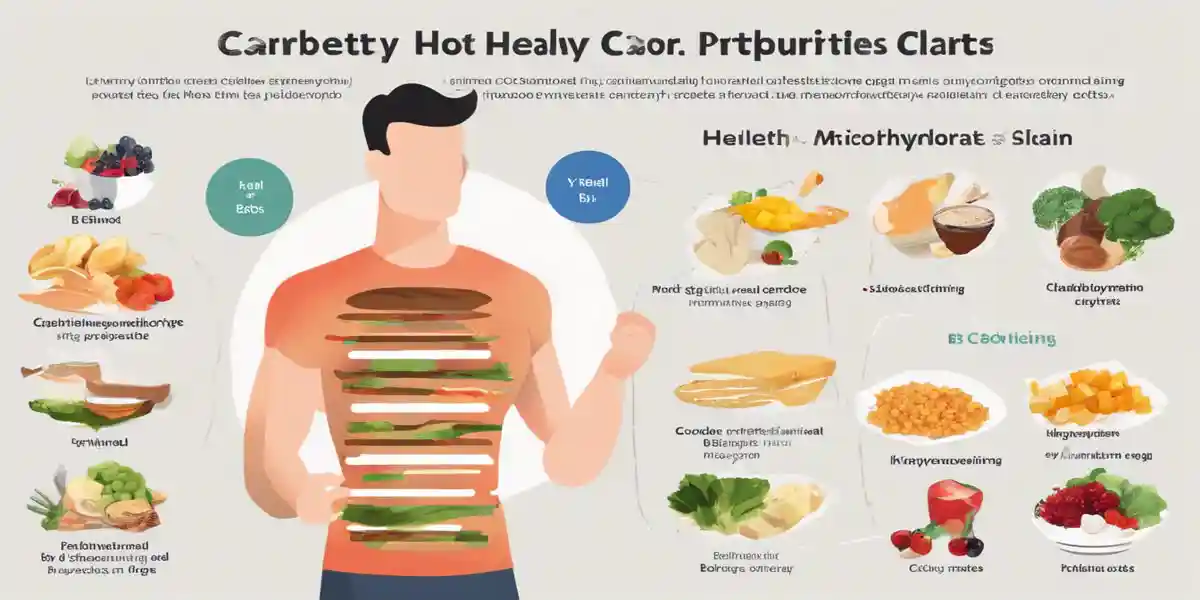
In today’s fast-paced coding environment, where hours can slip by unnoticed, understanding the key components of a healthy eating plan is essential for maintaining not just physical health but also cognitive performance. What if the food you consume could enhance your problem-solving skills and creativity while keeping you energized throughout the day? Let’s delve into the core elements of nutrition that can help unlock your coding potential.
Macronutrients—carbohydrates, proteins, and fats—are fundamental to creating a balanced diet that fuels both the body and the mind. Each macronutrient plays a unique role:
While macronutrients steal the spotlight, micronutrients—vitamins and minerals—are critical in supporting overall health. For coders, specific micronutrients can enhance cognitive function:
When considering nutrition, hydration often gets overlooked. However, even mild dehydration can impair cognitive function and mood. For coders, maintaining hydration levels is crucial, particularly during long coding sessions. Aim for at least 8 cups of water a day, and consider incorporating hydrating foods like cucumbers, oranges, and watermelon into your meals.
Understanding when and how often to eat can significantly impact your coding efficiency. Regular, balanced meals help stabilize blood sugar levels, preventing the energy crashes that disrupt focus. For instance, instead of three large meals, consider smaller, nutrient-dense snacks throughout the day. This could include a mix of nuts and dried fruits, or yogurt with berries, which can help sustain your energy and alertness.
Finally, effective meal planning can be a game changer. It not only helps in maintaining a balanced diet but also prevents the temptation of unhealthy snacks during coding marathons. By dedicating a few hours each week to prepare meals, you can ensure that you have healthy options ready to go, making it easier to resist the lure of quick, sugary fixes.
By understanding these key components of nutrition, you can create a healthy eating plan tailored to your coding lifestyle. Each choice at mealtime not only affects your weight but also your mental clarity and creativity. As you engage in your next coding project, consider how your dietary choices can empower you to achieve your best work.
In conclusion, the journey to unlocking your coding potential is intricately linked to the choices you make about what you eat. Throughout this blog post, we've explored how a well-balanced diet plays a pivotal role in not just weight loss, but also cognitive performance—a crucial element for any coder. By understanding the science behind nutrition and its impact on brain health, you can enhance focus, creativity, and productivity.
We discussed the importance of macronutrients and micronutrients, emphasizing how proteins, healthy fats, and complex carbohydrates fuel your brain and body. The benefits of incorporating omega-3 fatty acids and antioxidants into your meals can lead to improved memory, sharper cognitive function, and a more resilient mindset. Additionally, we highlighted practical meal planning strategies to help you stick to a healthy eating regimen, ensuring you have the energy required for those long coding sessions.
As you reflect on the insights shared, consider this: What changes can you implement in your daily routine to nourish your body and mind? Will you replace that sugary snack with a handful of nuts, or perhaps start your day with a hearty bowl of oatmeal? The power to enhance your coding capabilities lies within your hands—literally on your plate. So, why not take the first step today?
Embrace a healthier lifestyle, not only for weight loss but also for the clarity and creativity that it brings to your coding projects. Your next breakthrough in coding could very well be fueled by the choices you make at mealtime. Are you ready to unlock your full potential?

Get notified about new articles, coffee tips, and Web3 insights.
This site participates in affiliate programs and may earn a commission when a link is clicked and a purchase is made. The site is not responsible for any issues or troubles related to the products or services purchased through the use of this site.

DO&COFFEE loves coffee and technology, exploring the potential of NFTs and blockchain. Learn more →
DO&COFFEE loves coffee and technology, exploring the potential of NFTs and blockchain. Learn more →