art
2024/08/22
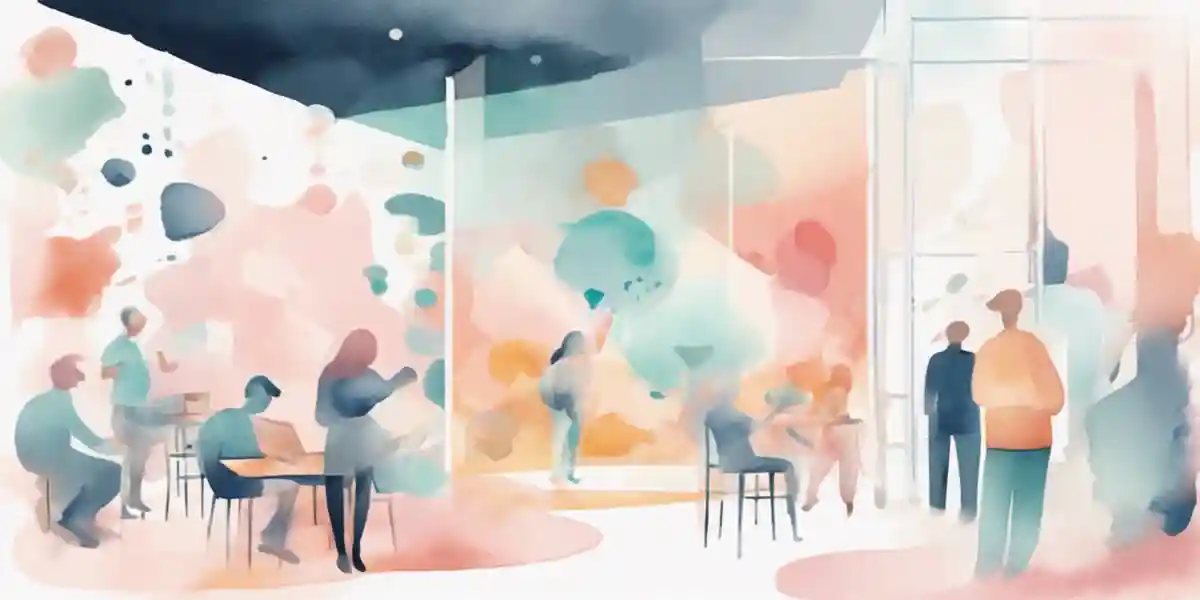
As we stand on the brink of a new era in the art world, envisioning a future where each artwork pulsates with life, it’s impossible not to feel exhilarated. This transformation is fueled by two revolutionary concepts: tokenomics and digital twins. Imagine a painting that alters its hues in response to the emotions of its viewers or a sculpture that evolves through audience interaction. These ideas are not mere fantasies; they represent the emerging landscape of contemporary art, where our relationship with creativity is being redefined. This blog post will delve into how tokenomics allows artists to create dynamic digital assets, providing art lovers with unprecedented levels of participation and ownership. Meanwhile, we will explore the concept of digital twins, which facilitates a deeper engagement with art by creating virtual replicas that adapt over time. Together, these innovations promise to dismantle traditional barriers and foster a collaborative ecosystem that blurs the lines between creator and audience. Why is this important? Because as art transitions from static pieces to living experiences, our understanding of creativity and community is set to expand in ways we can hardly imagine. Join us as we unlock the potential of contemporary art in this digital age.
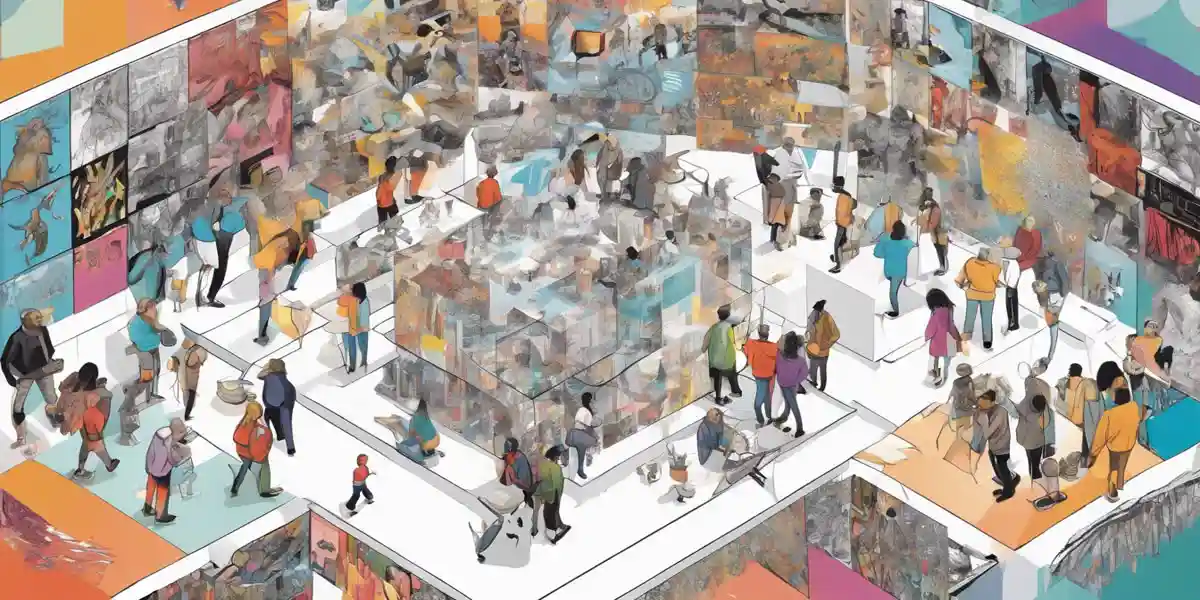
Contemporary art has evolved dramatically over the decades, shifting from static representations to dynamic interactions that engage audiences in unprecedented ways. This evolution is not merely a trend but a response to the changing landscape of technology, culture, and societal values. As we delve into this transformation, it's essential to recognize how advancements like digital twins and tokenomics are reshaping our understanding and experience of art.
Historically, art was predominantly a visual experience, limited to what the artist created and how audiences interpreted it. However, with the rise of interactive media art, this relationship has fundamentally changed. As highlighted in a recent study on interactive media art, the relationship between audiences and artworks has shifted from mere spectatorship to active participation.
This transition empowers audiences, enabling them to become collaborators rather than passive observers. The emergence of digital twins—virtual replicas of artworks that evolve over time—exemplifies this shift. Imagine a painting that changes its colors based on the emotions of its viewers, captured through biometric feedback. Such an artwork not only reflects the artist's intent but also embodies the collective emotional state of its audience, creating a living ecosystem of art.
Tokenomics introduces a decentralized economy that empowers artists and audience members alike. By tokenizing their work, artists can create unique digital assets that grant owners specific rights—such as voting on future iterations of the artwork or sharing in the revenue generated from its exhibitions in virtual galleries. This democratization of art ownership transforms spectators into active participants, fostering a sense of community and shared purpose. For example, consider the role of NFTs (Non-Fungible Tokens) within this framework. While much attention has been given to the volatility of NFT markets, there is a vibrant undercurrent of creative communities emerging within these decentralized platforms. Artists are leveraging these systems to build cooperative networks that parallel traditional art worlds while challenging existing power structures.
To illustrate the profound impact of interactive art, we can look at the immersive experience offered by the 2021 exhibition "teamLab: Continuity" at the Asian Art Museum of San Francisco. This exhibition utilized digital projection mapping and sensors to create an interactive environment where digital objects dynamically interacted with human participants. Visitors were not just viewers; they were integral to the artwork's evolution, blurring the boundaries between the observer and the observed. Such experiences highlight how technology can facilitate a collective interactive experience, enhancing communication and collective understanding among participants.
Another critical aspect of this evolution is the concept of resonance, which embodies the interactions between spectators and artworks. Research into participatory art, particularly through interactive installations, reveals three types of resonance: Inter Resonance, Inner Resonance, and Collective Resonance. Inter Resonance focuses on the connection between the spectator and the artwork, while Inner Resonance pertains to individual creativity and embodiment. Collective Resonance emphasizes the interactions among spectators, fostering a sense of community and shared experience. As artists continue to explore these dimensions, the potential for a more inclusive and transformative artistic landscape becomes increasingly evident.
In this interconnected realm, the future of art transcends ownership. It's about participation, interaction, and co-creation, paving the way for collaborations across disciplines—musicians, poets, and visual artists can unite to create living art pieces that resonate across various sensory experiences. This collaborative spirit opens up a new frontier where the possibilities for creativity are as limitless as our imagination. How might this redefined relationship with art alter our perceptions and connections with creativity? As we continue to explore the integration of technology in art, we are likely to find that the answers are as dynamic and evolving as the art itself.
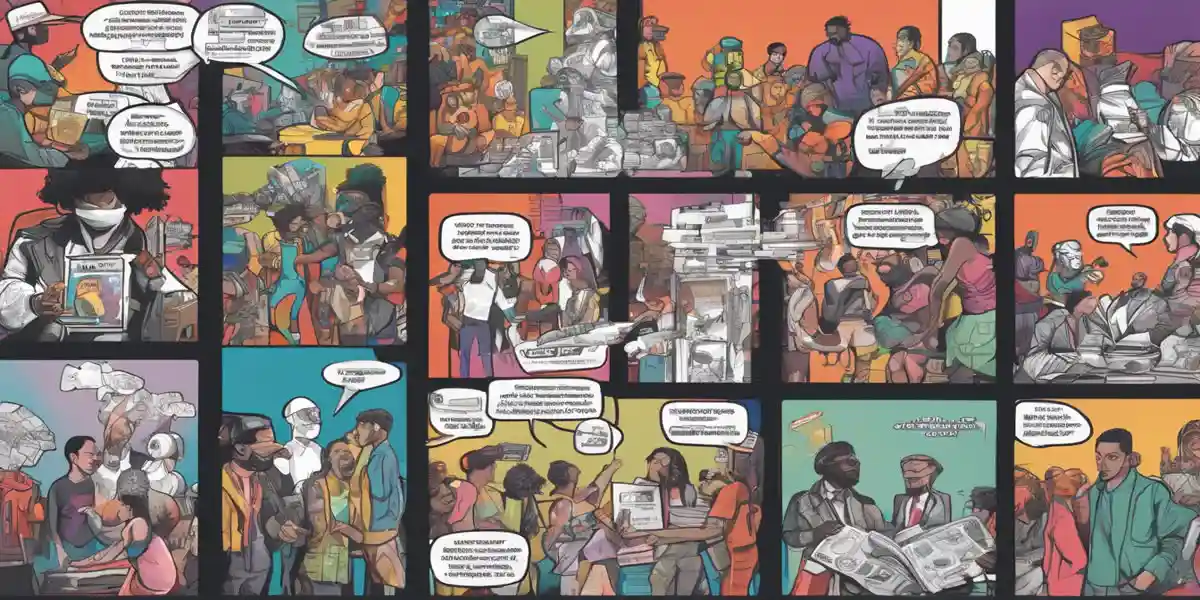
Tokenomics, or the economic structure surrounding the use of tokens, is emerging as a revolutionary force in the art world, providing artists and audiences with new ways to engage. By creating a decentralized economic model, tokenomics transforms traditional relationships between creators and consumers, fostering a more participatory and interactive art ecosystem.
At the heart of tokenomics is the idea of decentralization, which allows artists to tokenize their works into unique digital assets, often in the form of Non-Fungible Tokens (NFTs). These tokens are not merely digital representations of art; they also confer specific rights to their holders. For example, an artist could offer token holders voting rights on future iterations of their artwork or provide them with a share of the revenue generated from virtual exhibitions.
This shift allows art lovers to transition from passive observers to active contributors, fundamentally altering their relationship with the artwork. Imagine a scenario where a visualization artist creates a piece that evolves based on community feedback, with each token holder having a say in its development. This co-creative process not only enhances the value of the artwork but also fosters a sense of community among participants, encouraging deeper engagement.
The exhibition "teamLab: Continuity" at the Asian Art Museum serves as a practical example of how tokenomics can enhance audience interaction. By utilizing advanced technologies such as sensors and digital projection mapping, teamLab created a dynamic environment where digital objects interacted with human participants. This immersive experience is not just about viewing art; it transforms spectators into active players within the artwork itself.
In this context, tokenomics could enable visitors to own tokens that grant them access to unique experiences, like modifying elements of the installation or influencing its future iterations. Such a model blurs the lines between creator and audience, fostering a collaborative space where art can continuously evolve based on collective input.
Tokenomics also complements the growing trend of participatory art, which emphasizes the active role of audiences. Research indicates a shift from spectatorship to co-creation, as seen in various interactive digital installations, such as "InterACTE" and "Eve, dance is an unplaceable place." Here, movement and interaction not only enhance the audience's experience but also foster improvisation and a sense of release.
The model of resonance proposed in the studies—Inter Resonance, Inner Resonance, and Collective Resonance—highlights how tokenomics can enhance communication and understanding among participants. By owning tokens, audiences can engage more deeply with the artwork, influencing its narrative and evolution. This collective resonance reinforces the idea that art is not only a product but an ongoing dialogue between creators and audiences.
Beyond individual interactions, tokenomics fosters the emergence of creative communities within the NFT ecosystem. Interviews with artists reveal vibrant subcultures that thrive on decentralized platforms, challenging traditional power structures in the art world. These communities are built on cooperation, where artists share resources and collaborate on projects, enhancing creativity and innovation.
As these communities evolve, they also highlight the importance of policy and platform design in shaping the future of digital art. By understanding and implementing supportive frameworks, the art world can harness the full potential of tokenomics, leading to a more inclusive and transformative artistic landscape.
Tokenomics, a term that blends "token" and "economics," is transforming the landscape of contemporary art, particularly in the realms of digital twins and participatory art. At its core, tokenomics refers to the design and implementation of economic systems that govern the creation, distribution, and exchange of tokens, which are unique digital assets secured by blockchain technology.
Tokenomics provides a framework for understanding how tokens function within a given ecosystem. In the context of art, these tokens represent ownership, rights, or access to specific digital artworks or experiences. Artists can tokenize their work by creating Non-Fungible Tokens (NFTs), which are unique digital certificates that validate ownership and authenticity.
For instance, consider an artist who creates a digital painting and decides to tokenize it. This token not only certifies that you own the original digital artwork but could also grant you rights such as voting on future modifications or participating in exclusive exhibitions. This shift from traditional ownership models empowers artists and collectors alike, fostering a more engaged and participatory community.
One compelling example of tokenomics in action can be seen in the 2021 exhibition "teamLab: Continuity" at the Asian Art Museum in San Francisco. This immersive experience utilized sensors and digital projection mapping to create dynamic interactions between digital artworks and human participants. Here, tokenomics could facilitate a system where visitors could purchase tokens that grant them unique experiences—like customizing aspects of the art in real-time or influencing future exhibitions based on collective voting outcomes.
Moreover, the NFT ecosystem has birthed a variety of creative communities that challenge traditional artistic hierarchies. Recent studies have highlighted how decentralized platforms enable artists to collaborate and share resources in ways that were previously unimaginable. Through interviews with 16 creators, it was revealed that these artists are forming cooperative networks that elevate their collective voices while simultaneously exploring diverse artistic expressions.
The evolution of interactive media art emphasizes a significant shift from spectatorship to active participation. With tokenomics, the relationship between the audience and artwork transforms dramatically. Instead of merely observing art, individuals become collaborators, influencing the artistic process itself. This concept is echoed in the framework of resonance explored in participatory art studies, which categorizes interactions into three perspectives: Inter Resonance, Inner Resonance, and Collective Resonance. Each of these perspectives expands the ways in which audiences engage with and contribute to the artwork.
For example, the Virtual Reality works "InterACTE" and "Eve, dance is an unplaceable place" showcase how movement fosters improvisation and creativity. In a tokenized environment, participants could earn tokens based on their contributions, further blurring the line between artist and audience and enriching the collaborative art-making experience.
As we venture deeper into the potential of tokenomics, the implications for ownership, creativity, and audience engagement are indeed profound. It creates not just a market but a vibrant ecosystem where art is continuously created, experienced, and evolved collectively. This dynamic relationship challenges our perceptions of creativity and highlights the importance of participation—transforming art from a static possession into a living, breathing entity shaped by the community. In this new paradigm, how might your role as an art enthusiast evolve? Will you be an owner, a collaborator, or both?
The tokenization of art represents a radical shift in how we perceive ownership, access, and participation in the art world. It opens up new avenues for artists and collectors alike but also brings with it a unique set of challenges that need careful consideration. By transforming physical artworks into unique digital assets, tokenization allows for a more democratic and interactive approach to art consumption.
At the heart of tokenization is the concept of Non-Fungible Tokens (NFTs), which grant digital ownership of an artwork while maintaining its provenance and authenticity. This technology not only secures ownership but also provides a platform for artists to retain a share of future sales through smart contracts. For example, the popular artist Beeple sold an NFT for $69 million at Christie's, demonstrating the immense potential of tokenized art in generating revenue for creators.
Moreover, tokenization fosters collaboration across disciplines. Artists can collaborate with musicians, poets, and technologists to create immersive digital experiences. Such collaborative pieces could evolve based on audience interaction, much like the interactive installation "teamLab: Continuity," which utilized sensors and digital projection to create a dynamic environment that interacted with viewers. These experiences highlight the potential for art to be a living, breathing entity rather than a static display.
However, the journey into tokenized art is not without its challenges. One of the primary concerns revolves around accessibility and inclusivity. While tokenization may democratize ownership, it can also create barriers for those unfamiliar with blockchain technology or those without the financial means to invest in NFTs. This raises important questions about who gets to participate in the art world and how we can ensure that diverse voices are represented.
Furthermore, the volatility of the NFT market poses significant risks. Many artists and collectors have experienced dramatic fluctuations in the value of tokenized art, creating an environment of uncertainty. This volatility, combined with the environmental impact of blockchain technologies, has led to debates about sustainability in the art world. Artists and collectors must navigate these complexities carefully to foster a healthy ecosystem.
Several projects are already exploring the potential of tokenization while addressing its challenges. For instance, the “InterACTE” Virtual Reality installation encourages audience participation and improvisation, emphasizing the need for interactivity in contemporary art. By allowing spectators to influence the artwork's direction, this project exemplifies how tokenized art can create collective resonance, enriching the artistic experience.
Additionally, the emergence of decentralized platforms has led to the formation of creative communities within the NFT ecosystem. These communities not only provide support for artists but also challenge traditional power structures in the art world. By focusing on cooperative networks, artists can collaborate and share resources, ensuring that the benefits of tokenization are distributed more equitably.
As we delve deeper into the world of tokenized art, it becomes clear that while the opportunities are vast, the challenges are equally significant. The ongoing evolution of this landscape will require artists, technologists, and audiences to engage in thoughtful dialogue about how we can shape a more inclusive and sustainable future for the arts.
Digital twins are revolutionizing the landscape of artistic expression, offering new avenues for creativity that intertwine technology, audience engagement, and the very essence of art itself. By creating virtual replicas of artworks that can evolve based on various factors, artists are transforming their creations into living ecosystems.
At its core, a digital twin is a virtual representation of a physical object or system. In the realm of art, this means that an artwork can be mirrored in a digital space where it is not only preserved but also allowed to change. For instance, imagine a painting whose colors shift in response to the emotional state of its viewers, monitored through biometric sensors. This interaction transforms the artwork from a static visual into a dynamic experience, one that directly mirrors the audience's feelings. By harnessing technology like facial recognition and biometric feedback, artists can create pieces that breathe and respond, fostering a deeper connection between the artwork and its audience.
One prominent example is the 2021 exhibition "teamLab: Continuity" at the Asian Art Museum in San Francisco, which showcased how digital twins can create immersive experiences. Through advanced sensors and digital projection mapping, the exhibit allowed for real-time interactions between digital objects and human participants. The boundaries between the audience and the artwork blurred, creating what is described as a "collective interactive experience." This melding of human interaction and technology not only enhances the engagement with art but also redefines the role of the viewer, making them co-creators in the artistic process.
The exploration of participatory art, particularly in interactive installations like "InterACTE" and "Eve, dance is an unplaceable place," highlights the importance of resonance in contemporary art. These projects demonstrate how audience movement can foster improvisation and creativity, leading to a model of resonance that includes:
This framework emphasizes that the evolution of art is not merely a solitary endeavor but a collective journey, where audience participation is vital for the artwork to thrive and evolve.
Tokenomics complements the role of digital twins by establishing a decentralized economy around these evolving artworks. Artists can tokenize their creations, granting ownership rights that extend beyond mere possession. Owners can participate in decision-making regarding the future iterations of the artwork or share in revenues generated from its exhibitions in virtual galleries. This democratization of art ownership transforms viewers into active participants, fostering a sense of community and collaboration among artists and their audiences.
With the integration of digital twins and tokenomics, the barriers between artistic disciplines are dissolving. Musicians, poets, and visual artists can collaborate to create multisensory experiences that resonate on multiple levels. For example, a visual artwork could be paired with a dynamically generated musical score, responding to the movements and emotions of the audience. This co-creation not only enriches the artwork itself but also enhances the audience's engagement, fostering a truly participatory culture that celebrates collective creativity.
Digital twins in the art world represent a transformative leap from traditional static artworks to dynamic, interactive experiences. This concept allows each piece of art to exist as a virtual replica that not only reflects its physical counterpart but also evolves over time, driven by various factors such as audience engagement, environmental changes, and the artist’s ongoing influence.
At its core, a digital twin refers to a digital replica of a physical object or system. In the context of art, this means creating a virtual representation of an artwork that can change based on interactions and inputs. Imagine a painting that adjusts its colors in response to the emotions of viewers, captured through biometric sensors. This fusion of technology and art allows for a deeply personalized experience, making the artwork a living, breathing entity that reacts to its audience.
The implementation of digital twins in art relies heavily on advancements in technologies such as augmented reality (AR), virtual reality (VR), and the Internet of Things (IoT). For example, the immersive exhibition "teamLab: Continuity" at the Asian Art Museum of San Francisco utilized sensors and digital projection mapping to create an interactive experience where digital objects dynamically responded to human movements and interactions. This not only blurred the lines between the viewer and the artwork but also fostered a sense of collective participation, where the audience became co-creators of the experience.
In practice, digital twins can take various forms. One notable example is the concept of interactive installations like "InterACTE," which incorporates VR to engage participants in a way that transforms them from mere spectators into active participants. The model of resonance proposed in the accompanying research highlights how interaction can occur on three levels: Inter Resonance (between the spectator and the artwork), Inner Resonance (individual creativity), and Collective Resonance (interaction among spectators). This multidimensional approach to participation underscores the potential of digital twins to create richer, more inclusive artistic experiences.
The emergence of digital twins challenges traditional notions of art ownership and engagement. By tokenizing these digital representations, artists can create unique digital assets that not only establish rights for owners but also invite them to play an active role in the artwork's evolution. This parallels the shifts observed in the NFT ecosystem, where creators build cooperative networks and subcultures that empower artists and audiences alike. As audiences become active contributors, the relationship between art and viewer transforms, moving from passive observation to collaborative creation.
As we explore this evolving landscape, the implications of digital twins extend beyond art alone, inviting us to reconsider how we engage with creativity across various disciplines. The art world stands on the brink of a new era where the boundaries between creation and experience dissolve, allowing for a truly participatory culture.
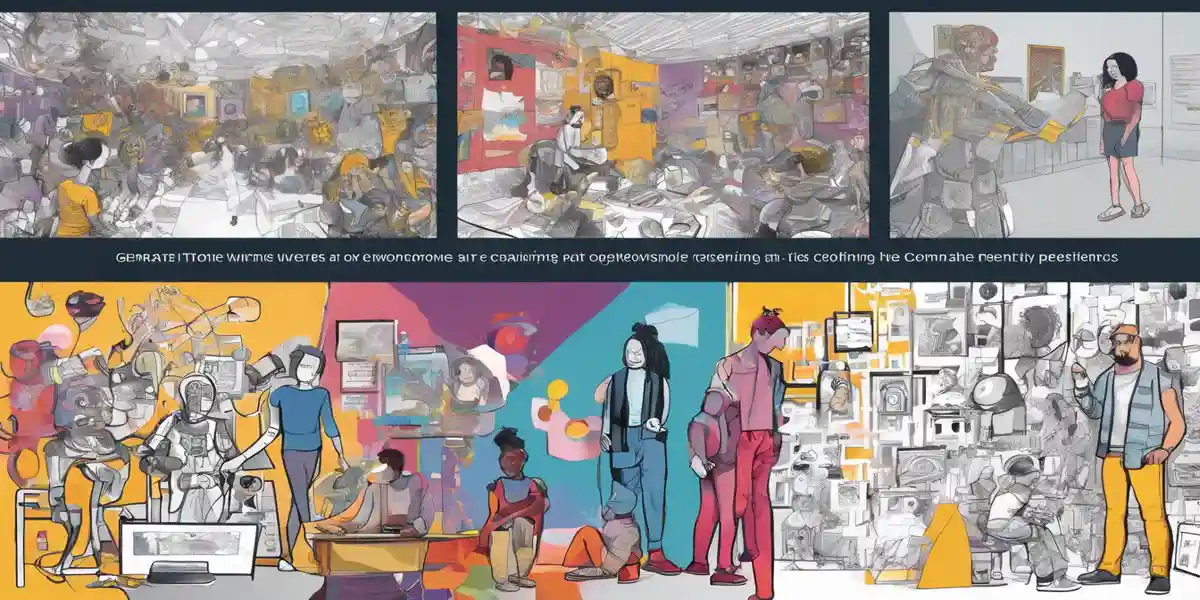
Digital twins are revolutionizing the way we engage with art, transforming static pieces into evolving experiences that adapt to the viewer's presence. This innovative technology allows for the creation of virtual replicas of artworks that dynamically change over time, influenced by a variety of factors—from audience interaction to environmental conditions. As we delve into this fascinating integration of art and technology, consider how these advancements are reshaping our understanding of creativity and engagement.
Imagine walking into a gallery where each artwork responds to your emotions, captured through biometric sensors. This is the essence of digital twins in the art world—creating a living, breathing entity that goes beyond mere aesthetics. For instance, a painting could shift its colors based on the collective mood of its viewers, or a sculpture might alter its form in response to the sounds of the environment, creating a personalized experience for each visitor.
One notable example is the 2021 exhibition "teamLab: Continuity" at the Asian Art Museum of San Francisco. This immersive experience utilized sensors and digital projection mapping to create a collective interactive environment, where digital objects interacted with human participants in real time. As viewers moved through the galleries, the art itself morphed and evolved, reflecting the dynamic relationship between the audience and the installation. This exemplifies the power of digital twins to blur boundaries between art and technology, fostering a collaborative and participatory art experience.
Digital twins also extend the art experience beyond physical spaces. With the rise of virtual and augmented reality, art can now be experienced in a myriad of environments. For instance, the virtual reality works "InterACTE" and "Eve, dance is an unplaceable place" emphasize active participation, allowing viewers to engage with the art through movement. This interactivity promotes not only personal expression but also a sense of community among participants, as they share their experiences with one another.
The evolution of interactive media art highlights the significance of technology in fostering audience engagement. Innovations in sensors, artificial intelligence, and blockchain technology pave the way for more profound interactions. For example, artists can now utilize AI to analyze audience reactions and adapt their works in real time, enhancing the overall experience. This shift from passive spectatorship to active collaboration empowers viewers to become co-creators, fundamentally altering their relationship with art.
Integrating tokenomics with digital twins creates unique opportunities for audience participation. Artists can tokenize their digital works, allowing collectors not just to own a piece of art but to have a say in its evolution. This could mean voting on future iterations, sharing in revenue generated from virtual exhibitions, or even collaborating on new projects. Such democratization of the creative process transforms art lovers from passive observers into engaged contributors, fostering a vibrant community of co-creators.
As we explore this new frontier of digital twins and tokenomics, the implications for ownership, creativity, and audience engagement become increasingly profound. Art is evolving from a solitary pursuit into a shared experience, where the boundaries of creation are continuously redefined. Imagine a world where every viewer not only appreciates art but actively participates in its journey. What new forms of creativity might emerge from this collaborative landscape, and how will our perceptions of art and its value shift in this interconnected realm?
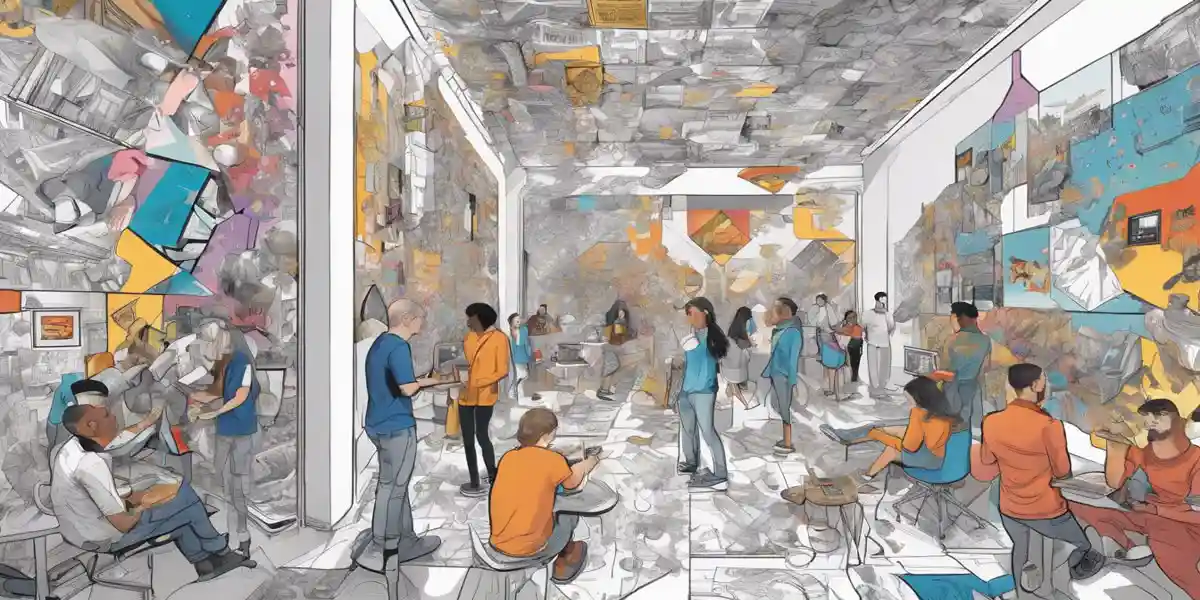
As we stand on the brink of a new era in art, it's essential to explore how the integration of digital twins and tokenomics is fundamentally reshaping our understanding of creativity. This transformation is not only about the art itself but also about the relationship between artists, audiences, and the very mediums of expression.
Imagine an artwork that evolves and adapts based on its environment and the viewers interacting with it. This is the promise of digital twins in the art world. They allow for the creation of virtual replicas that reflect real-time changes, much like living organisms. For instance, a digital painting could shift colors and patterns in response to the emotions of its audience, measured through biometric sensors. This creates a profound connection between the artwork and its viewers, as they become co-creators of the experience.
In the realm of interactive media art, the shift from passive spectatorship to active participation is increasingly evident. As highlighted in recent studies, modern audiences have become collaborators rather than mere observers. They engage with artworks, influencing their evolution through their interactions. Take, for example, the immersive experience of teamLab's "Continuity" exhibition, where visitors' movements and actions directly shape the digital landscape around them. Such experiences blur the lines between the artwork and its audience, fostering a sense of community and shared creativity.
Tokenomics introduces a decentralized economy that empowers artists and art lovers alike. By tokenizing their work, artists can create unique digital assets, granting owners specific rights and responsibilities. This could include voting on future adaptations of the artwork or sharing in revenue from virtual exhibitions. This shift transforms art collectors into active participants in the creative process, enhancing their emotional investment and connection to the artwork.
Moreover, the rise of Non-Fungible Tokens (NFTs) has given birth to vibrant, decentralized communities of artists and collectors. As highlighted in various studies, these platforms foster unique subcultures that challenge traditional art market norms and power structures. Artists can collaborate across disciplines—combining visual art with music, poetry, and more—creating multi-sensory experiences that resonate on various levels. This collaborative approach not only enhances the richness of the art but also democratizes the creative process.
Interactive art installations, such as "InterACTE" and "Eve, dance is an unplaceable place," exemplify how movement and participation can create deeper emotional responses. As audiences engage with these works, they experience a resonance that fosters personal and collective creativity. The concept of resonance—both inter and collective—highlights the significance of relationships in art. This shift towards participatory art not only enhances communication but also facilitates a deeper understanding among participants, enriching the artistic landscape.
As we embrace this digital age, the future of art looks promising. The integration of technology, interactivity, and community engagement has the potential to transform our perceptions of creativity. The question remains: how will we leverage these advancements to redefine our relationship with art? The possibilities are expansive, and they invite us to rethink what it means to create, experience, and appreciate art in the modern world.
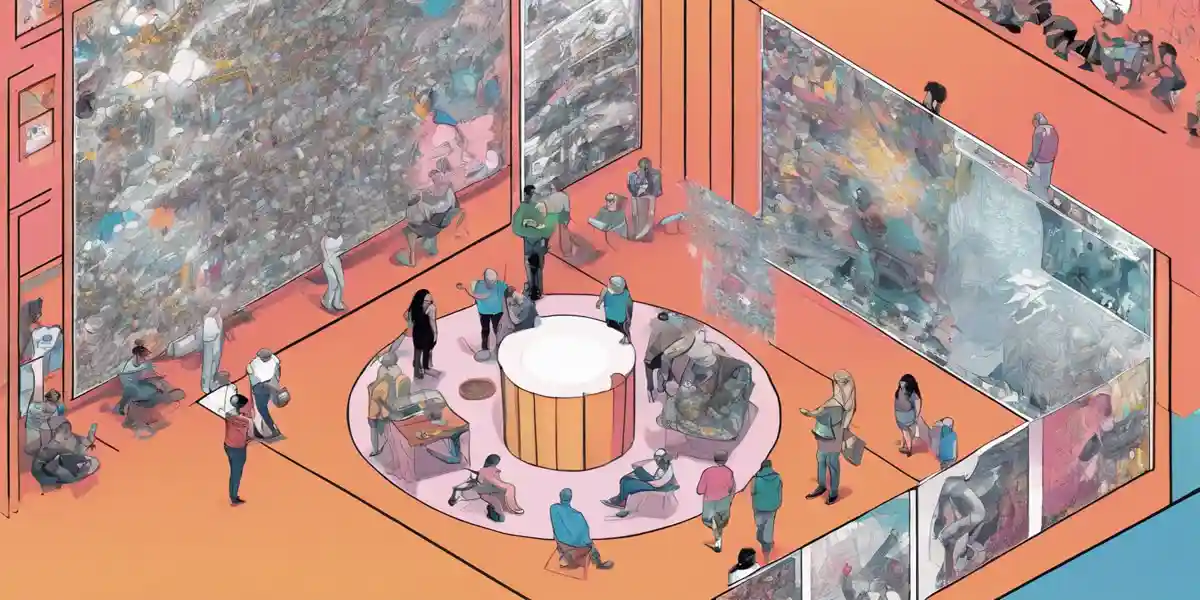
This section explores how digital twins and tokenomics are revolutionizing the contemporary art landscape, creating dynamic and interactive ecosystems that empower artists and audiences alike.
Imagine a piece of art that breathes and changes, adapting to its environment and audience. This is the essence of digital twins in art. A digital twin serves as a virtual replica of an original artwork, enriched with the ability to evolve over time. For instance, consider a painting that shifts its hues based on the emotions of viewers detected through biometric sensors. This innovative use of technology transforms the artwork into a responsive entity, fostering a deeper connection between the audience and the piece itself.
One compelling example of this concept in action is the teamLab: Continuity exhibition at the Asian Art Museum in San Francisco. The exhibit utilized sensors and digital projection mapping to create a visually stunning experience where digital objects interacted dynamically with human participants. As visitors moved through the space, their actions influenced the artwork, blurring the lines between observer and creator. This not only engaged viewers but also allowed the artwork to evolve in real-time, making the experience unique for each participant.
Tokenomics, the economic system surrounding digital tokens, plays a crucial role in this new artistic ecosystem. By tokenizing their creations, artists can establish a decentralized economy that grants collectors and fans specific rights associated with the artwork. For example, owning a token could mean having a say in future iterations of the artwork or sharing in the revenue generated from its exhibitions in virtual galleries. This shift transforms art lovers from passive consumers into active participants, fostering a sense of community and collaboration.
The NFT (Non-Fungible Token) ecosystem provides a real-world example of this concept. Artists are not only selling their work but also creating vibrant communities around their tokens. Interviews with creators in this space reveal a diverse range of artistic subcultures that leverage decentralized platforms to challenge traditional power structures. These communities highlight the potential for cooperative networks that can empower artists and redefine what it means to own and engage with art in the digital age.
The integration of digital twins and tokenomics opens the door for cross-disciplinary collaborations. Imagine musicians, poets, and visual artists co-creating living art pieces that resonate on multiple sensory levels. This kind of collaboration can lead to immersive experiences that engage audiences in ways previously unimagined.
For example, interactive installations like InterACTE and Eve, dance is an unplaceable place explore the relationship between movement and creativity. These works foster a model of resonance that incorporates three perspectives: Inter Resonance (the interaction between spectator and artwork), Inner Resonance (the individual’s creative response), and Collective Resonance (the interaction among spectators). Such experiences exemplify how technology can enhance communication and collective understanding in contemporary art.
As the art world embraces these innovations, the relationship between art and audience is evolving. Audiences are no longer just viewers; they are collaborators in the creative process. This shift not only democratizes the experience of art but also enriches it, allowing for a more inclusive and transformative landscape. The potential for interactive creativity is vast, inviting us to rethink our perceptions of art as a static object and embrace it as a dynamic, evolving ecosystem.
As we navigate the transformative landscape of contemporary art, the integration of digital twins and tokenomics emerges as a beacon of innovation, reshaping our interactions with creativity. This journey transcends traditional artistic boundaries, inviting us into a realm where art is not merely observed but actively co-created. The concept of digital twins allows artworks to evolve in real-time, responding dynamically to audience emotions and interactions, thereby fostering a profound connection between creators and viewers.
Tokenomics further revolutionizes this relationship by offering a decentralized model that empowers artists and audiences alike. By tokenizing their creations, artists not only retain ownership but also invite their audience into the decision-making process, transforming passive observers into engaged participants. The collaborative nature of this model cultivates vibrant communities, where creative expression flourishes across disciplines—from visual arts to music and beyond.
As we stand on the precipice of this new era, we must contemplate the implications of these advancements. How will we, as art enthusiasts, adapt to our evolving roles within this ecosystem? Will we embrace the opportunity to shape art as co-creators? The possibilities for creativity are boundless, demanding that we rethink our perceptions of art as static and instead celebrate it as a dynamic, living entity.
In closing, let us not view this evolution as a mere trend, but as a profound shift in how we understand and experience art. The future beckons us to engage, collaborate, and create; so, what part will you play in this transformative journey? The canvas of tomorrow waits for your touch.
Get notified about new articles, coffee tips, and Web3 insights.
This site participates in affiliate programs and may earn a commission when a link is clicked and a purchase is made. The site is not responsible for any issues or troubles related to the products or services purchased through the use of this site.

DO&COFFEE loves coffee and technology, exploring the potential of NFTs and blockchain. Learn more →
DO&COFFEE loves coffee and technology, exploring the potential of NFTs and blockchain. Learn more →