coffee
2024/08/22
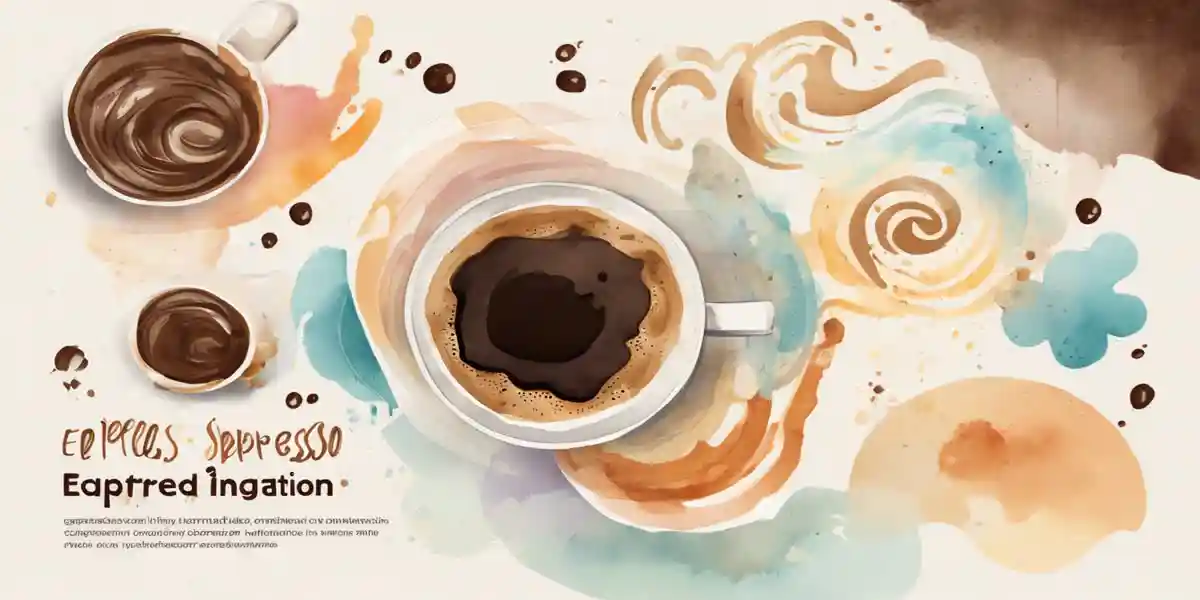
Have you ever walked into a space where the scent of freshly brewed coffee dances in the air, beckoning you to explore not just your taste buds, but your imagination? "Espresso Your Imagination: Unleashing Creativity in Interactive Art Through Coffee" invites you to dive into a unique intersection of sensory experience and artistic expression.
In this blog post, we will unravel the concept of “The Coffee Canvas,” an innovative art installation that transforms the act of sipping coffee into a canvas for creativity. By examining how caffeine can enhance cognitive functions and inspire artistic endeavors, we’ll delve into the connection between the flavors we savor and the creativity we unleash.
We’ll also explore interactive art as a medium that not only engages audiences but allows them to shape their own experiences. Through this exploration, we aim to highlight the significance of nurturing creativity through pleasurable experiences, prompting questions about how our consumption influences our creative outputs.
Join us as we brew a new wave of artistic expression that celebrates the delightful symbiosis of coffee and creativity.
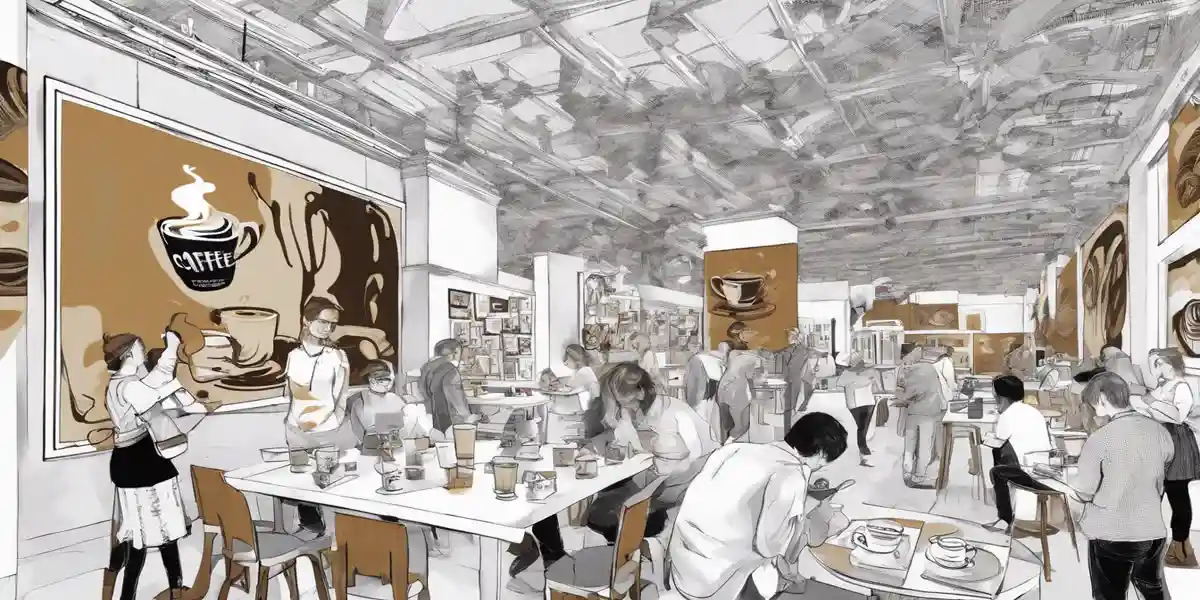
In a world where creativity often feels like a fleeting spark, could something as simple as coffee hold the key to unlocking our artistic potential? Imagine a space where the rich aroma of freshly brewed coffee mingles with the vibrant energy of artistic expression. This is the essence of “The Coffee Canvas,” an interactive art installation designed to explore the profound relationship between the beverages we consume and the creativity we unleash.
At the heart of “The Coffee Canvas” lies a unique interactive experience, inviting visitors to customize their coffee beverages at various stations that stimulate different creative facets. Picture yourself at a vibrant station where you can choose a latte infused with hints of vanilla or a bold espresso. Each choice triggers a distinct artistic response on interactive digital canvases, transforming your drink into a dynamic art piece. For example, the gentle sweetness of vanilla may evoke soft, flowing animations, while the intense notes of espresso might inspire sharp, angular designs.
Research indicates that caffeine is not just a delightful pick-me-up; it can significantly influence our creative pathways. Studies suggest that caffeine enhances focus, attention, and problem-solving abilities, making it an invaluable tool for those engaged in creative endeavors. By integrating this understanding into “The Coffee Canvas,” the installation becomes a living experiment, allowing participants to reflect on how their coffee choices interact with their creative processes. How does what we consume shape our artistic expressions? How deeply intertwined are our sensory experiences with our creative outputs?
To enhance the immersive nature of this experience, the installation employs cutting-edge technology, including augmented reality. As participants sip their carefully crafted beverages, they can witness their artistic choices evolve before their eyes. This fusion of taste and technology not only creates a multisensory experience but also raises questions about the nature of art itself. Is art static, or can it be as fluid and dynamic as our experiences? By utilizing technology in this way, “The Coffee Canvas” invites participants to engage with their creativity in real-time, offering a fresh perspective on art-making.
Delving deeper, we must consider the role of pleasure in the creative process. Pleasure is not merely an indulgence; it serves as a critical component of our well-being and can significantly impact our ability to create. As noted in various research studies, the relationship between pleasure and creativity is complex, yet undeniably intertwined. The enjoyment derived from crafting a perfect cup of coffee can stimulate a positive mood, which, in turn, can enhance creative output. In this sense, “The Coffee Canvas” does not just celebrate coffee; it champions the joy and pleasure that fuel our artistic endeavors.
Furthermore, the cultural significance of coffee cannot be overlooked. Throughout history, coffee has played a pivotal role in social interactions and intellectual discussions. From the coffee houses of the Enlightenment to modern-day cafes, the beverage has served as a catalyst for creative thinking and collaboration. “The Coffee Canvas” taps into this rich history, creating a space that honors the collective experiences shaped by coffee consumption. Could the act of sharing a cup of coffee be a bridge to deeper creative connections? How might we leverage these historical contexts to inform contemporary art practices?
In the realm of creativity, inspiration often comes in unexpected forms. For many, that spark can be found in a simple cup of espresso. This section delves into how espresso, with its rich flavor and stimulating properties, serves as a catalyst for artistic expression and innovation.
Caffeine, especially in the form of espresso, has long been hailed for its ability to enhance focus and cognitive function. Studies indicate that caffeine can improve both creativity and response times, making it a powerful ally for anyone looking to unlock their creative potential. For instance, research has shown that moderate caffeine intake can enhance divergent thinking, a key component of creativity that allows individuals to generate multiple solutions to a given problem.
In the interactive art installation “The Coffee Canvas,” this scientific understanding is put into practice. As participants engage with the art through their coffee choices, they may find that their creative output is influenced not just by aesthetics but by the very nature of the espresso they consume. The relationship between caffeine and creativity isn't merely anecdotal; it is rooted in cognitive neuroscience which continues to explore how substances like caffeine can bolster mental capacities related to perception, attention, and reasoning.
Across the globe, coffee has infiltrated creative spaces—be it open-air markets, cozy cafes, or bustling coworking spots. For example, many artists and writers have embraced coffee as a source of inspiration, often citing it as a crucial element in their creative processes. Consider the famous Beat Generation writers, who thrived in coffee shops, using the ambiance and caffeine to fuel their literary endeavors.
In modern contexts, establishments like Blue Bottle Coffee and Stumptown Coffee Roasters have transformed how we view coffee consumption. These cafes often double as art galleries or performance spaces, encouraging patrons to sip their espresso while engaging with local artists. The environment itself becomes a canvas, where the act of drinking coffee is intertwined with the act of creating, embodying the essence of “The Coffee Canvas.”
Moreover, the pleasure derived from consuming espresso cannot be overlooked. Studies highlight the significance of pleasure in enhancing well-being, creativity, and stress management. When individuals derive joy from their coffee experience, it contributes to a positive mood, which is critical for creative thinking. In “The Coffee Canvas,” the sensory experience of enjoying a well-crafted espresso could lead to more liberated and innovative artistic expressions.
This concept resonates with the critiques of societal norms that often regulate pleasure through prohibitions. By embracing the enjoyment of coffee within the realm of creativity, we acknowledge pleasure as a vital component of the human experience, encouraging individuals to explore the boundaries of their imagination and artistic capabilities.
Technological advancements have allowed for the merging of coffee culture with interactive art experiences. Imagine sipping a meticulously brewed espresso while engaging with a digital canvas that reacts to your taste preferences. For instance, if you select a double shot of espresso, the artwork could respond with bold, vibrant colors and intricate designs, reflecting the intensity of the drink. This interplay between beverage choice and artistic output serves to amplify the creative potential of each participant.
Augmented reality could further enhance this experience, enabling users to visualize their creative expressions in real time. As they sip their coffee, the installation could transform their thoughts and feelings into visual representations, creating a feedback loop that not only inspires but also deepens their connection to the art around them.
This section explores the fascinating interplay between coffee consumption, cognitive function, and creativity, revealing how the humble cup of joe can serve as a catalyst for artistic expression.
Caffeine, a central nervous system stimulant, is known for its ability to enhance alertness and improve focus. Studies have shown that caffeine can significantly increase the speed of information processing and enhance problem-solving skills. For instance, research indicates that a moderate dose of caffeine can enhance performance on tasks that require sustained attention—an essential component of the creative process.
In "Buzz," Stephen Braun highlights caffeine's widespread presence across various plant species, underscoring its cultural significance and ubiquity as a mind-altering substance. This raises the question: how does this chemical influence our creative outputs? According to recent studies, caffeine seems to interact positively with our mood and cognitive functions, creating an ideal environment for creativity to flourish.
The relationship between caffeine and creativity is both complex and multi-faceted. One research paper delves into how ambient noise and mood influence creative thinking, revealing that caffeine can enhance creativity under specific conditions. For example, the optimal ambient noise levels—around 70 decibels—can lead to heightened creative thinking, particularly when combined with caffeine consumption. This suggests that the environment in which one enjoys coffee can amplify its benefits for creativity.
Moreover, cognitive enhancement through caffeine is not merely about increased energy levels; it also involves improvements in core cognitive processes such as perception and memory retention. This means that when artists and creators consume coffee, they might not only feel more awake but also more capable of connecting disparate ideas, a hallmark of creative thought.
Consider the famous Beat Generation writers, such as Jack Kerouac and Allen Ginsberg, who often fueled their literary pursuits with coffee. These creators understood that their creative flow was enhanced by a jolt of caffeine, allowing them to produce groundbreaking works that continue to resonate today. Moreover, many contemporary artists and designers frequent coffee shops, where the ambiance and caffeine combine to inspire their work.
The installation concept of “The Coffee Canvas” perfectly encapsulates this synergy. By allowing participants to customize their coffee beverages, each choice reflects a personal flavor profile that could evoke distinct creative responses on the interactive digital canvases. This experiential approach not only embodies the essence of coffee but also turns each sip into a brushstroke of creativity, challenging participants to reflect on their own creative processes.
Another layer to this discussion is the role of pleasure in our lives, particularly in relation to creativity. As noted in the literature, the enjoyment derived from food and drink, such as a well-crafted coffee, can significantly impact overall well-being and stress management. The paper critiques societal norms that impose restrictions on pleasure, suggesting that the freedom to enjoy coffee—and the creativity it can inspire—is essential for a fulfilling life.
By integrating the joy of coffee with the act of creation, we not only foster a sense of well-being but also open up avenues for innovative expression. This aligns perfectly with the interactive nature of “The Coffee Canvas,” where the sensory pleasures of aroma, flavor, and visual engagement coalesce to enhance the creative experience.
Throughout history, artists have explored unconventional materials to express their creativity, and coffee has emerged as a fascinating medium that inspires innovation and interaction. Below, we highlight several artists who have harnessed the unique properties of coffee to create compelling works of art, merging the worlds of gastronomy and creativity.
Michael Aaron Williams is a contemporary artist who utilizes brewed coffee to create stunning coffee paintings. His process involves using different brewing methods, such as espresso and French press, to manipulate the color and texture of his artwork. The varying intensities of the coffee create a range of shades, allowing him to achieve depth and contrast in his pieces. Williams often showcases his work in interactive exhibitions where viewers can sip coffee while watching him paint, creating an immersive experience that connects taste with visual art. His work exemplifies how coffee can serve as both an artistic medium and a catalyst for engagement.
Jonny Fuego, an artist known for his whimsical and vibrant designs, employs coffee stains as a primary element in his artwork. By intentionally spilling coffee on canvas, he embraces the unpredictability of the medium, allowing the patterns to dictate the final composition. This technique not only highlights the spontaneous nature of creativity but also serves as a metaphor for the beauty found in imperfections. Fuego’s interactive workshops encourage participants to create their coffee-stained art, illustrating how the act of creation can be as enjoyable as the final product itself.
The Coffee Collective is a collaborative group of artists who host events that merge coffee brewing with various art forms, from painting to music. During their workshops, participants are invited to experiment with coffee as a medium, exploring its aesthetic qualities while engaging in creative dialogue. This initiative emphasizes the communal aspect of creativity, allowing individuals to share their experiences and perspectives while crafting art together. The Coffee Collective’s approach aligns with research that suggests social interactions can enhance creativity, highlighting the importance of community in the creative process.
Many artists are inspired by the cognitive effects of caffeine as a stimulant. Research indicates that caffeine can enhance focus and boost creative problem-solving skills. Some artists, like those featured in the exhibition "Caffeinated Creations," have designed pieces that visually interpret the experience of consuming coffee. Using augmented reality technology, viewers can scan the artwork with their smartphones to see animated interpretations of how caffeine influences creativity. This innovative fusion of technology and art encourages participants to reflect on their own experiences with coffee and its effect on their creative processes.
In a thought-provoking installation, artist Sarah C. incorporates coffee into a sensory experience that explores the relationship between pleasure and creativity. Visitors are invited to taste various coffee blends while engaging with interactive digital canvases that respond to their sensory experiences. As participants sip their coffee, the artwork evolves, mirroring their mood and engagement levels. This project aligns with findings from research on the role of pleasure in creativity, illustrating how the enjoyment of coffee can enhance the creative experience.
Interactive art serves as a bridge that connects creators with their audience, inviting participation and exploration in ways that traditional art forms often cannot. In the context of “The Coffee Canvas,” this engagement is not just a passive observation; it’s an active dialogue where the audience becomes co-creators in the artistic process.
At its core, interactive art transforms the viewer from a passive consumer into an active participant. This is particularly relevant in “The Coffee Canvas,” where visitors are not merely admiring art but are integral to its creation. Each choice of coffee—a creamy cappuccino or a robust espresso—directly influences the visual output displayed on interactive screens. This approach embodies the idea that art is a living, breathing entity, one that evolves with each interaction.
Utilizing technologies like augmented reality (AR) and responsive digital displays, “The Coffee Canvas” exemplifies how modern tools can enhance the interactive experience. Imagine sipping a coffee while watching an animated mural unfold before your eyes, shifting colors and shapes based on your beverage selection. For instance, a sweet vanilla latte might produce gentle, swirling patterns, while a bitter dark roast could generate sharp, geometric visuals. This real-time feedback not only captivates the audience but also stimulates their imagination, allowing them to see the tangible effects of their choices.
Research suggests that caffeine significantly impacts creativity and cognitive function. A study examining the interplay between ambient noise, mood, and caffeine found that coffee can enhance focus and even problem-solving skills. In “The Coffee Canvas,” this knowledge informs the design of the experience—participants are subtly encouraged to explore how their caffeine consumption influences their creative output. The installation becomes a microcosm of cognitive enhancement, where the act of drinking coffee serves as a catalyst for creativity.
Similar interactive art installations have shown how engaging the audience can amplify the artistic experience. For example, the “Cloud” installation by Caitlind Brown and Wayne Garrett invited participants to pull light bulbs to create a dynamic light display. This hands-on approach not only drew crowds but fostered a sense of community involvement and ownership over the artwork. “The Coffee Canvas” aims to replicate this sense of engagement by intertwining the sensory experience of coffee with interactive art, thus crafting a unique environment where visitors can explore their creativity in a shared space.
One of the most compelling aspects of “The Coffee Canvas” is its multi-sensory approach. It taps into taste, smell, sight, and even sound, creating a holistic experience that resonates deeply with participants. The aroma of freshly brewed coffee pairs with visual art that reacts to flavor profiles, while ambient soundscapes can evolve based on the art being created. This sensory synergy encourages visitors to immerse themselves fully in the experience, prompting them to reflect on how different stimuli affect their creative processes.
As participants navigate through “The Coffee Canvas,” they are invited to ponder questions that challenge their perceptions of creativity: How does what we consume influence what we create? What if our art was as dynamic as our experiences? These reflective prompts not only deepen engagement but also encourage visitors to consider their own creative journeys and the myriad factors that influence them.
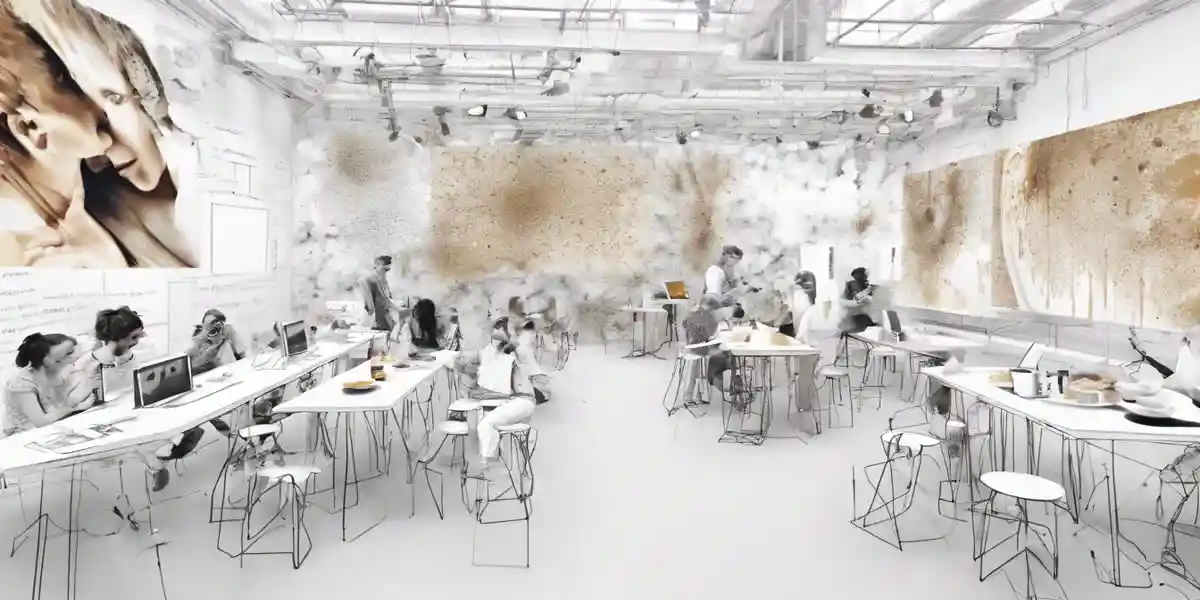
Interactive art is an engaging form of artistic expression that invites participation and fosters a dynamic relationship between the artwork and the viewer. It transcends the traditional boundaries of passive observation, allowing individuals to become co-creators in the artistic experience. This section explores the essence of interactive art through its definitions, characteristics, and real-world applications.
At its core, interactive art is about interaction. It invites participants to engage with the artwork in a way that is often personalized and unique. Unlike conventional art forms, which typically require viewers to passively absorb the artist's intent, interactive art encourages a dialogue between the audience and the piece itself. This dialogue can take many forms, from physical engagement to digital interaction, making the viewer an integral part of the creative process.
Interactive art can be characterized by a few key elements:
One of the most notable examples of interactive art is Rafael Lozano-Hemmer's "33 Questions per Minute," an installation that uses a computer algorithm to generate questions at an incredibly rapid pace. Viewers interact with the installation by responding to prompts, creating a fast-paced dialogue that challenges their cognitive abilities and engagement.
Another striking example is the "A-Maze-ing Laughter" sculpture by Yue Minjun, which features a series of laughing figures. Visitors are encouraged to walk through and interact with the figures, capturing playful moments through photographs, thereby becoming part of the artwork themselves.
As we consider the concept of “The Coffee Canvas,” it’s essential to examine how caffeine can amplify the interactive art experience. Research indicates that caffeine can enhance cognitive functions, including attention and problem-solving skills, which are vital when engaging with interactive art. Studies have shown that caffeine not only boosts alertness but also positively influences creative thinking. By providing an environment rich with coffee—where each sip enhances focus and creativity—“The Coffee Canvas” exemplifies how interactive art can synergistically blend taste and technology to unlock new creative pathways.
In this unique installation, participants craft their coffee drinks at various stations, each designed to inspire different aspects of creativity, such as flavor, color, or aroma. As they sip their beverages, the interactive digital canvases respond to their choices, transforming their experience into a living art piece that reflects their individual preferences and creativity. This fusion of coffee and art not only celebrates the sensory experience of taste but also promotes a deeper exploration of how our physical interactions with art can influence our creative outputs.
This section explores various innovative coffee-inspired interactive installations that fuse the sensory experience of coffee with creative expression, showcasing how art and technology can merge to enhance our understanding of creativity.
At the heart of the coffee-inspired interactive installations is the conceptual piece known as “The Coffee Canvas.” This immersive experience invites visitors to engage in the art-making process while customizing their own coffee beverages at designated stations. Each station is designed to evoke different aspects of creativity—flavor, color, aroma—transforming the act of drinking coffee into an artistic journey.
As participants sip their handcrafted drinks, they interact with digital canvases that respond in real-time to their choices. For example, a latte flavored with hints of vanilla might trigger soft, flowing animations on a screen, while a robust dark espresso could elicit sharp, geometric designs. This interaction is made possible through technologies such as augmented reality (AR), allowing users to visualize how their tastes influence artistic expressions. The underlying premise is grounded in research indicating that caffeine can enhance focus and stimulate creativity, making this installation a dynamic exploration of how our consumption shapes our creative outputs.
Building on the foundational idea of “The Coffee Canvas,” other installations explore the sensory relationships between coffee, mood, and creativity. One notable example is the installation titled “Caffeinated Soundscapes,” where visitors can brew different types of coffee beans that trigger unique soundscapes and visual displays. Each type of coffee, whether it’s a light roast or a dark espresso, corresponds to different auditory experiences, from mellow acoustic melodies to vibrant electronic beats. This approach marries the sensory pleasure of coffee with the auditory arts, prompting participants to reflect on how different flavors can influence their emotional and creative states.
In a more hands-on approach, some coffee shops around the world have begun to host interactive workshops where participants can create latte art while learning about the science of coffee. These workshops often utilize interactive technology such as tablets or projection screens to guide participants in their artistic endeavors. By combining the tactile experience of steaming and frothing milk with digital instructions, participants not only learn a skill but also engage in a creative process that enhances their appreciation for coffee. This blending of culinary and artistic expression showcases how coffee can serve as both a medium and a catalyst for creativity.
Another fascinating example is the “Espresso Yourself” installation, where participants are invited to share their thoughts and emotions through a collaborative art piece. Visitors are encouraged to write down their feelings or ideas on small cards while enjoying their coffee. These cards are then combined to create a larger mural that evolves throughout the installation's duration. This participatory approach emphasizes the communal aspect of coffee drinking, illustrating how shared experiences can foster creativity and connection among individuals.
Technological advancements play a crucial role in enhancing coffee-inspired installations. For example, some installations utilize machine learning algorithms to analyze participants' preferences and suggest personalized coffee blends. This tailored experience not only engages participants but also allows them to explore their tastes in relation to their creative output. The integration of technology creates a feedback loop where coffee consumption and artistic expression influence each other, emphasizing the dynamic relationship between what we consume and how we create.
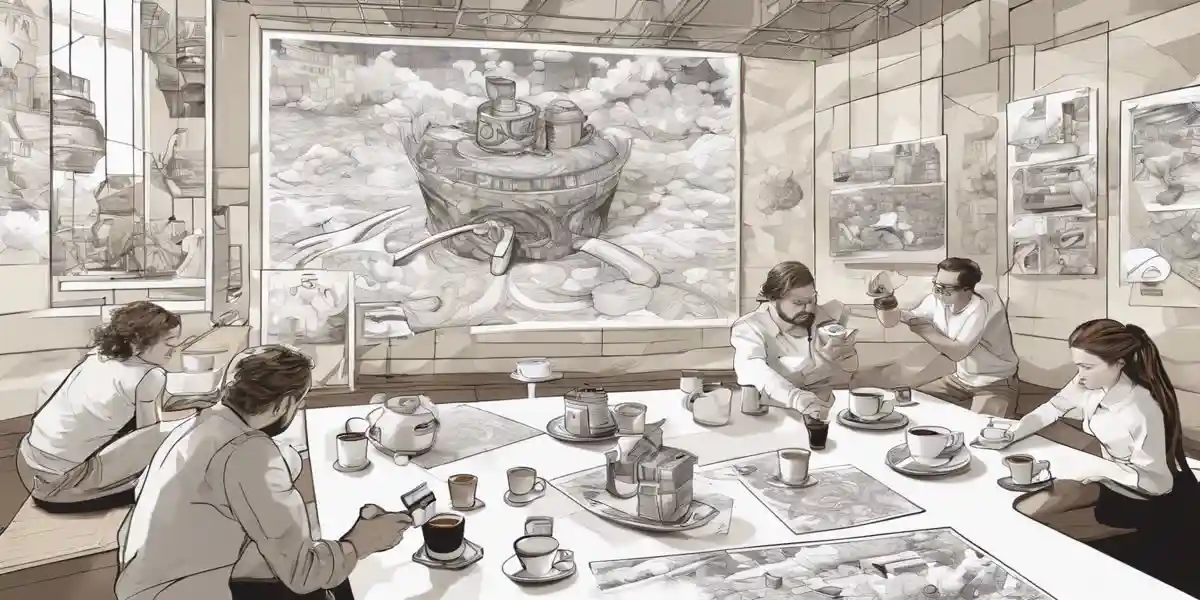
The concept of “The Coffee Canvas” serves as a captivating exploration of how interactive art and coffee can synergize to elevate creative expression. By engaging with this innovative installation, participants not only savor the taste of their beverages but also unlock new dimensions of artistic exploration, reflecting on the profound relationship between consumption and creativity.
Research consistently underscores the role of caffeine as a cognitive enhancer. According to various studies, caffeine can heighten focus and promote better problem-solving skills, which are essential components of the creative process. For instance, a study highlighted in the earlier paper summaries showed that caffeine could significantly improve response times and creativity under specific conditions. As participants sip their customized coffee drinks—each crafted to stimulate different sensory experiences—they are essentially tapping into this cognitive boost. Imagine how a creamy cappuccino might inspire a soft, flowing animation on a digital canvas, whereas a robust espresso might evoke sharp, angular designs. This interplay between taste and creativity is not just speculative; it's grounded in cognitive neuroscience, which reveals that stimulating certain brain pathways can lead to enhanced imaginative outputs.
The integration of augmented reality into “The Coffee Canvas” further amplifies the creative experience. As visitors interact with digital canvases that respond to their coffee choices, they are not mere spectators; they become active participants in a living art experiment. This immersive approach invites them to question their own creative processes. How does the choice of flavors influence their artistic expression? What if the art they create reflects their emotional state or their personal history with coffee? This level of engagement aligns with Stephen Braun's observations in "Buzz," where he illustrates how substances like caffeine shape human experience and creativity. By placing visitors at the center of this dynamic interaction, “The Coffee Canvas” transforms passive viewing into a vibrant dialogue between individual choice and collective creativity.
Moreover, the concept champions the idea of pleasure as a vital component of well-being and creativity. The papers discussed point towards a societal trend that often regulates pleasure, which can stifle creative expression. In contrast, “The Coffee Canvas” advocates for the experience of pleasure through the enjoyment of coffee and art. By creating an environment where participants can savor their drinks while engaging in artistic exploration, the installation helps reclaim the joy of creativity. It reinforces the notion that pleasure is not merely indulgent but essential for fostering an environment where creativity can thrive. The act of choosing one’s coffee, much like choosing a brushstroke on a canvas, becomes an expression of individuality and freedom.
Looking ahead, the potential for expanding this concept is vast. Imagine incorporating other sensory elements—like soundscapes that respond to the type of coffee consumed or light installations that shift with the mood of the participants. The future of interactive art could very well be a sensory journey that intertwines taste, sound, and sight, enriching the creative experience even further. This blend of technology, art, and sensory experience paves the way for a new wave of creative expression, where the act of creation is as dynamic and multifaceted as the lives we lead.
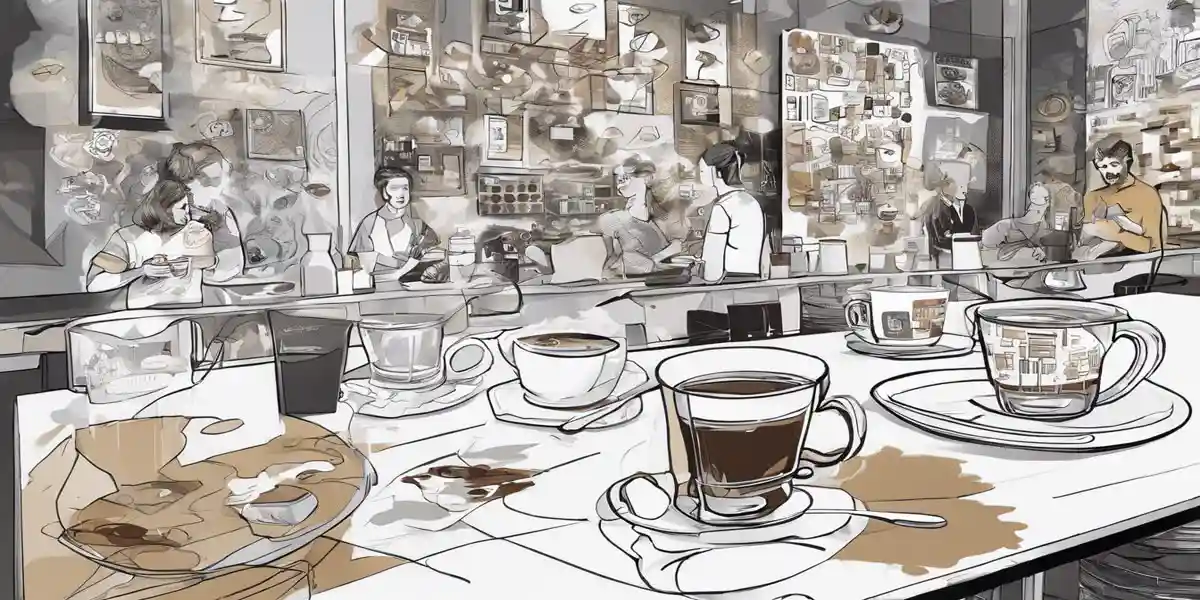
This section delves into the innovative concept of "The Coffee Canvas," which merges the sensory experience of coffee with the dynamic world of interactive art, exploring how our choices in flavor, aroma, and presentation can serve as a springboard for creativity.
At the heart of "The Coffee Canvas" lies a series of sensory stations where visitors can create personalized coffee beverages. Each station is designed to engage different senses, stimulating creativity in unique ways. For instance, a station dedicated to flavor profiles allows participants to add various syrups and spices, such as cinnamon or caramel, which not only enhance the drink's taste but also its visual appeal. This tactile interaction with ingredients can evoke memories and emotions, which are often key drivers of creativity.
As visitors sip their beverages, they can engage with interactive digital canvases that respond to their choices in real-time. The technology behind this experience includes augmented reality (AR) and motion sensors that track movements and choices. For example, if a participant chooses a bold espresso, the digital canvas might project sharp, geometric patterns that shift with each sip taken. Conversely, a creamier latte might elicit organic, flowing shapes and soft colors, inviting participants to immerse themselves in a world of visual creativity.
Research has shown that caffeine can enhance cognitive functions, particularly those related to creativity and problem-solving. A paper on the influence of caffeine reveals that it can boost both creativity and response times, suggesting that our favorite morning beverage may play a significant role in how we tackle creative endeavors. By integrating this scientific understanding into "The Coffee Canvas," participants can explore how their caffeine choices influence their artistic outputs, prompting reflective questions like: How does a light roast vs. a dark roast affect my mood and subsequent creativity?
Incorporating elements of pleasure into the creative process is integral. The experience of crafting a coffee drink is inherently pleasurable, which, according to studies, can enhance well-being and reduce stress—factors that significantly influence creativity. By allowing visitors to indulge in the sensory pleasures of coffee, "The Coffee Canvas" becomes an environment where creativity can flourish. The act of choosing and customizing a drink fosters a sense of agency and enjoyment, further catalyzing the creative process.
Similar interactive art installations have gained popularity, showcasing how food and drink can be used as mediums for creativity. Take, for instance, the "Sushi Art" workshops in Japan, where participants create edible art using sushi ingredients. These workshops highlight how combining sensory experiences with artistic expression can result in unique, meaningful interactions. "The Coffee Canvas" aims to elevate this concept by harnessing the universal appeal of coffee, making the experience accessible and engaging for a broader audience.
Ultimately, "The Coffee Canvas" serves as a platform for participants to explore their creative pathways, reflecting on how their choices—both in what they consume and how they express themselves—shape their artistic identities. This interactive fusion of coffee and art inspires questions about the relationship between taste and creativity: What if our art was as dynamic and evolving as our experiences with coffee? How do our sensory interactions inform our creative expressions?
The journey through “The Coffee Canvas” has illuminated the intricate dance between coffee and creativity, revealing how this beloved beverage can serve as both a muse and a medium in interactive art. Through the fusion of sensory experiences, innovative technology, and the cultural significance of coffee, we have seen how each sip can inspire unique artistic expressions and foster deeper connections among participants.
We have explored how caffeine enhances cognitive functions that are crucial for creativity, such as focus and problem-solving skills. The interplay between coffee consumption and creative output exemplifies the profound impact our choices can have on our artistic processes. Imagine the creative possibilities that unfold when we embrace this synergy! As highlighted, the experience is not merely about taste; it’s about how our preferences shape our perceptions and expressions.
“The Coffee Canvas” serves as a pioneering example of interactive art that invites participants to engage actively with their environment. By transforming passive viewers into co-creators, this installation encourages a dialogue that is both personal and communal. This dynamic relationship enhances the creative journey, prompting visitors to reflect on the ways they interact with art, technology, and each other.
Moreover, the emphasis on pleasure as a vital component of creativity cannot be overstated. By allowing participants to savor their coffee while engaging in artistic exploration, we reclaim the joy of creation, fostering an environment where creativity can thrive. This celebration of pleasure invites us to challenge societal norms that often restrict our enjoyment, reminding us that true creativity flourishes when we embrace what brings us joy.
As you reflect on your own creative practices, consider how you can incorporate the insights gained from this exploration. What if you took a moment to enjoy a cup of coffee while engaging in your creative endeavors? How might this simple act enhance your artistic expression? Whether it’s by experimenting with flavors, exploring new interactive experiences, or simply taking pleasure in the moment, there is a world of creativity waiting for you to discover. So, go ahead—espresso your imagination, and let each sip inspire your next masterpiece!
Get notified about new articles, coffee tips, and Web3 insights.
This site participates in affiliate programs and may earn a commission when a link is clicked and a purchase is made. The site is not responsible for any issues or troubles related to the products or services purchased through the use of this site.

DO&COFFEE loves coffee and technology, exploring the potential of NFTs and blockchain. Learn more →
DO&COFFEE loves coffee and technology, exploring the potential of NFTs and blockchain. Learn more →