wellness
2024/08/19

In today's relentless pursuit of productivity, sleep often gets shoved aside, relegated to a mere afterthought in the grand scheme of deadlines and daily responsibilities. But what if I told you that the key to unlocking your creative potential lies not just in the act of dreaming but in the quality of your sleep? Welcome to the "Sleep-Creativity Nexus," a concept that highlights how effective sleep hygiene can serve as a catalyst for innovative thinking. Imagine waking up after a night of restorative sleep, your mind a clear canvas, ready to paint fresh ideas that seemed elusive the day before. Sounds appealing, doesn't it?
Research supports this notion, revealing that quality sleep enhances cognitive flexibility—a crucial element for creative problem-solving. As we delve deeper into the intricate dance of sleep cycles, particularly the remarkable REM phase known for its vivid dreaming, you'll discover how your brain processes and synthesizes information while you rest. This blog post aims to provide you with practical tips for improving your sleep hygiene, from establishing a soothing bedtime routine to creating an environment conducive to deep sleep.
Moreover, we'll share inspiring anecdotes from individuals—artists, entrepreneurs, and innovators—who have harnessed the power of sleep to elevate their creative capacities. By the end, you'll not only understand the profound connection between sleep and creativity but also be encouraged to reevaluate your relationship with rest. Sleep is not a luxury; it's an essential tool for innovation, and with healthier sleep habits, you can transform those restless nights into fertile ground for groundbreaking ideas and solutions.

In our relentless pursuit of productivity, sleep hygiene often gets overshadowed by the demands of our busy lives. However, developing a solid understanding of sleep hygiene is essential for harnessing creativity—particularly in environments like creative workshops where innovative thinking is crucial. This section explores the intricate relationship between quality sleep and creative output, shedding light on how our nightly routines significantly influence our cognitive capabilities.
Sleep hygiene refers to a set of practices and habits that are conducive to sleeping well on a regular basis. It encompasses various elements, including maintaining a consistent sleep schedule, creating a restful environment, and engaging in relaxing activities before bed. But why does this matter? Research shows that sleep, particularly its various stages, plays a pivotal role in cognitive functions such as problem-solving and creativity. For instance, a study utilizing fMRI scans revealed that individuals who took naps or slept through the night demonstrated enhanced activation in the caudate and regions within the hippocampal-striatal-cortical network, which are crucial for developing cognitive strategies. This indicates that sleep is not merely a passive state; it actively contributes to our mental agility and creative prowess.
Understanding the different stages of sleep can illuminate why sleep hygiene is vital for creative thinking. During sleep, we cycle through various stages, notably Rapid Eye Movement (REM) and Non-Rapid Eye Movement (NREM) sleep. REM sleep, in particular, has been highlighted for its unique ability to foster creativity. In this phase, neurochemical shifts occur—such as decreased norepinephrine and increased acetylcholine—which optimize brain regions essential for creative thought. The dorsolateral prefrontal cortex, a key player in decision-making and cognitive flexibility, becomes primed for exploring weak associations among stored information. This is where the magic happens: ideas that seemed unrelated can suddenly connect, leading to breakthroughs during waking hours.
Moreover, studies suggest that a significant portion of problem-solving capabilities is enhanced during slow-wave sleep (SWS). In one experiment, participants who enjoyed higher SWS were more successful at solving complex challenges compared to those who remained awake. This underscores the necessity of prioritizing sleep hygiene; by ensuring adequate time in these critical sleep stages, we can unlock our brain's full potential for innovative thinking.
Consider the story of a well-known entrepreneur who publicly attributes his success to a disciplined sleep routine. He emphasizes the importance of winding down without screens and engaging in calming activities such as reading or meditating before bed. This practice not only enhances his sleep quality but also fuels his creativity during the day, allowing him to tackle complex problems with renewed vigor. Similarly, artists often share anecdotes of how their most profound inspirations came after a good night's sleep, where their minds were free to wander and explore creative possibilities unimpeded by the noise of daily life.
Implementing effective sleep hygiene practices can transform your creative potential. Here are a few actionable tips:
By integrating these practices into your daily life, you can cultivate an environment where creativity flourishes, ultimately leading to innovative thinking and problem-solving capabilities that are vital in any creative workshop.

Sleep is not just a passive state of rest; it is a dynamic process that plays a crucial role in enhancing our creative capabilities. The connection between sleep and creativity, often termed the "Sleep-Creativity Nexus," reveals how adequate rest can lead to innovative thinking and problem-solving. Let's explore the science behind this intriguing relationship.
To appreciate how sleep influences creativity, we must first understand the different stages of sleep. Sleep is divided into two main categories: Rapid Eye Movement (REM) sleep and non-REM sleep, which includes slow-wave sleep (SWS). Each stage contributes uniquely to cognitive functions necessary for creativity.
Research indicates that REM sleep plays a pivotal role in facilitating creative thought. During this phase, the brain experiences a unique neurochemical environment, characterized by decreased norepinephrine and increased acetylcholine levels. This chemical shift allows the brain to make unexpected connections between seemingly unrelated ideas, a process vital for creativity. Studies have shown that during REM sleep, the brain is busy exploring weak associations among stored information, effectively priming individuals for future insights.
In a fascinating study investigating the role of sleep in cognitive strategy development, participants performed tasks requiring both motor execution and novel strategy learning. Those who engaged in a full night of sleep exhibited enhanced activation in specific brain regions, such as the caudate nucleus and areas within the hippocampal-striatal-cortical network. This suggests that sleep significantly benefits cognitive strategy development, reinforcing the idea that sleep is not merely about consolidating motor skills but also about enhancing problem-solving abilities.
Furthermore, another experiment demonstrated that sleep, particularly SWS, is critical for effective problem-solving. In this study, 62% of subjects who had slept successfully solved a challenging problem, compared to only 24% of their awake counterparts. These findings underscore the importance of prioritizing sleep, as it directly correlates with our ability to tackle complex challenges.
Sleep also plays a vital role in emotional regulation and associative learning, both of which are integral to the creative process. During REM sleep, the amygdala and mesolimbic dopaminergic pathways become activated, enhancing the consolidation of emotionally significant memories. This not only aids in memory organization but also fosters emotional resilience, allowing individuals to draw upon personal experiences in their creative endeavors.
Moreover, the process of memory reactivation during non-REM sleep strengthens memories of important events, making them more accessible for future creativity. By reprocessing emotions and enhancing exploratory behaviors, sleep allows for a richer tapestry of experiences to inform creative thought. For example, renowned inventor Thomas Edison famously took naps to facilitate his creative processes, believing that the dreams he experienced during these periods provided him with innovative ideas.
Given the substantial evidence linking sleep and creativity, it becomes vital for creative individuals—whether they are artists, writers, or entrepreneurs—to prioritize sleep hygiene. Establishing a calming bedtime routine, minimizing screen exposure before sleep, and creating an optimal sleep environment can significantly enhance the quality of sleep and, consequently, creative output.
Real-world examples abound of how improved sleep has transformed creative capacities. Artists like Salvador Dali and Nikola Tesla recognized the connection between sleep and their creative processes, often utilizing naps and sleep cycles to inspire their work. By embracing these insights into the role of sleep, individuals can unlock their creative potential, allowing for a more profound and innovative approach to problem-solving.

In order to harness the power of sleep for creativity, implementing effective sleep hygiene practices within creative workshops is essential. By fostering an environment that prioritizes rest and rejuvenation, facilitators can unlock participants' creative potential and enhance innovative thinking.
The physical environment plays a critical role in promoting good sleep hygiene. Creative workshops should be designed to minimize distractions and create a calming atmosphere. This can be achieved by:
Beyond the physical environment, instilling habits that promote sleep hygiene is vital. Here are some strategies to incorporate into the workshop schedule:
To fully appreciate the value of sleep in the creative process, workshops should include educational segments that explain the science behind sleep and creativity. For instance:
Recognizing the need for rest during intensive creative sessions is crucial. Implementing short breaks or nap times can significantly boost participants' cognitive performance:
Finally, gathering feedback and iterating on sleep hygiene practices can help workshop facilitators continually improve the experience. After each session, encourage participants to share their thoughts on how sleep hygiene impacted their creativity. This can lead to:
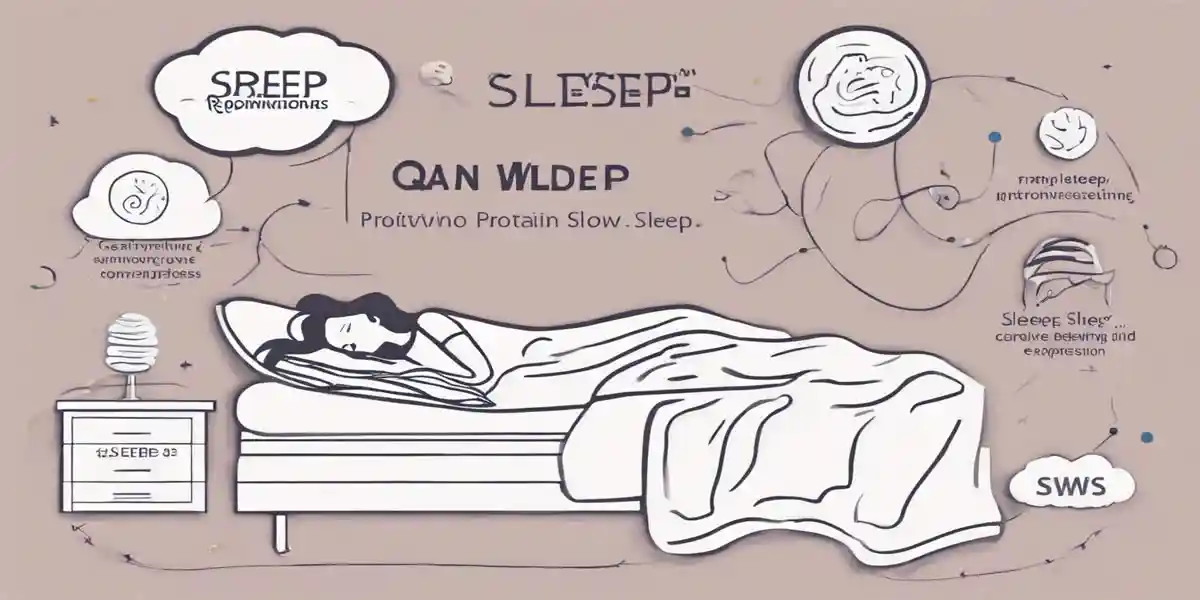
Understanding the intricate relationship between sleep and creativity begins with acknowledging the critical role of various sleep stages, particularly Rapid Eye Movement (REM) sleep and Slow Wave Sleep (SWS). Both of these stages contribute to how we process information and forge new ideas. Research consistently shows that quality sleep is not just restorative but a vital enhancer of cognitive function and innovative thinking.
During REM sleep, which constitutes about 20-25% of our sleep cycle, the brain undergoes significant neurochemical changes. Notably, there is a decrease in norepinephrine and an increase in acetylcholine. This unique chemical environment facilitates the activation of brain regions associated with creativity, such as the dorsolateral prefrontal cortex and the hippocampus. These areas are pivotal for exploring weak associations among stored information—an essential component of the creative process.
For instance, a study exploring the cognitive benefits of sleep found that participants who had REM sleep were able to connect disparate concepts more effectively than their sleep-deprived counterparts. Imagine an artist who, after a good night's sleep, wakes up with a fresh approach to a painting that had previously stumped them. This isn't just anecdotal; the brain's ability to forge new connections during sleep is well-documented.
SWS, occurring predominantly in the first half of the night, is equally pivotal in enhancing problem-solving capabilities. A study demonstrated that participants who engaged in a challenging cognitive task and then slept exhibited a 62% success rate in solving the task upon waking, compared to only 24% in those who remained awake. This highlights the extent to which SWS consolidates cognitive strategies, allowing the brain to process and organize information effectively.
Consider a group of entrepreneurs brainstorming innovative solutions during a workshop. Those who prioritized quality sleep before the session are more likely to approach problems with fresh perspectives and novel ideas. They are not only well-rested but have benefitted from the cognitive strategies developed during their rest, enhancing the collective creative output of the group.
Moreover, sleep plays a significant role in emotional regulation—another crucial aspect of creativity. During REM sleep, the amygdala, which is responsible for processing emotions, becomes highly active. This emotional engagement during sleep helps individuals consolidate emotionally charged memories, allowing for a more profound understanding of personal experiences, which can inspire creative expression.
For example, musicians often draw from their emotional experiences to create music. A songwriter might find that after a night of restful sleep, the emotional clarity gained from REM sleep allows them to write lyrics that are not only poignant but resonate deeply with listeners. This emotional depth enhances the quality of their creative work, underscoring the connection between sleep, emotional processing, and creativity.
Numerous professionals across various creative domains can attest to the transformative power of sleep hygiene. Take the case of a graphic designer who began incorporating regular sleep schedules into their routine. After a period of prioritizing sleep, they reported not only an increase in productivity but also a significant boost in their creative output—new design ideas flowed more freely, and their work became more innovative and experimental.
This anecdote aligns with broader findings that emphasize the importance of establishing a calming bedtime routine—such as limiting screen time and creating a conducive sleep environment—to optimize sleep quality. In workshops, facilitators can encourage participants to share their sleep hygiene practices, fostering a culture that values rest as an essential component of the creative process.
In conclusion, the exploration of sleep hygiene and its profound impact on creativity in workshops reveals a compelling narrative that intertwines rest with innovation. Throughout this blog post, we have dissected the essential elements of sleep hygiene, illustrating how our nightly routines can directly influence cognitive capabilities critical for creative thinking. The stages of sleep—particularly REM and slow-wave sleep—emerge as pivotal players in enhancing our creative processes, enabling us to forge connections, solve complex problems, and draw upon emotional experiences that enrich our work.
Moreover, as we examined practical strategies for implementing sleep hygiene practices within creative workshops, it became evident that fostering an environment conducive to rest can unlock participants' creative potential. From optimizing the physical space to encouraging healthy sleep routines and even facilitating short naps, these actionable insights can transform the way we approach creativity in collaborative settings.
The implications of prioritizing sleep hygiene extend far beyond mere productivity; they challenge us to reconsider how we nurture our creative spirits. As you reflect on your own habits and environments, consider this: Are you giving your mind the rest it truly needs to thrive? As you embark on your creative endeavors, remember that a well-rested mind is not just a luxury but a necessity for unlocking your fullest potential. So, let’s make sleep hygiene a priority—not just for ourselves but for the collective creativity of our communities. Start today by sharing this knowledge with fellow creatives and fostering a culture that values rest as an integral part of the creative process.
What new heights could your creativity reach if you prioritized sleep? Embrace the challenge and witness the transformation unfold.

Get notified about new articles, coffee tips, and Web3 insights.
This site participates in affiliate programs and may earn a commission when a link is clicked and a purchase is made. The site is not responsible for any issues or troubles related to the products or services purchased through the use of this site.

DO&COFFEE loves coffee and technology, exploring the potential of NFTs and blockchain. Learn more →
DO&COFFEE loves coffee and technology, exploring the potential of NFTs and blockchain. Learn more →