technology
2025/03/15

In the rapidly evolving world of Web3, where blockchain technology and decentralized applications are reshaping the fabric of our digital lives, one term has emerged as a cornerstone for success: tokenomics. But what exactly is tokenomics, and why should you care? At its core, tokenomics encompasses the economic model that underpins a cryptocurrency or blockchain project. It isn't just a technical detail; it’s the lifeblood that can either elevate a project to unprecedented success or plunge it into obscurity. Imagine a cryptocurrency initiative designed to not only reward its users but also cultivate a thriving community, ensuring long-term sustainability and engagement. That's the transformative potential of tokenomics.
This blog post unpacks the intricacies of tokenomics, exploring its key components and how they impact productivity within cryptocurrency projects. We’ll delve into the mechanics of incentives, user engagement, and the delicate balance of supply and demand. With real-world examples and case studies, we’ll illustrate how successful tokenomics can incentivize community participation and ultimately drive project growth. As we navigate through these insights, it becomes clear that understanding and mastering tokenomics is not just beneficial—it’s essential for anyone looking to thrive in the Web3 landscape.

At its essence, tokenomics refers to the economic framework that underpins a cryptocurrency or blockchain project. It's not just a technical term; it's a fundamental concept that can dictate the success or failure of a project in the vast landscape of Web3. Tokenomics encompasses everything from the supply and demand dynamics of tokens to their utility and distribution methods. Understanding these elements is critical for anyone looking to navigate the cryptocurrency space effectively.
Tokenomics serves as a blueprint for how tokens operate within a given ecosystem. For example, when Bitcoin was introduced, its tokenomics involved a capped supply of 21 million coins, which inherently created scarcity and drove demand. As more people adopted Bitcoin, its value surged, demonstrating how a well-considered economic model can lead to widespread acceptance and growth.
The importance of tokenomics becomes even clearer when we consider its role in community engagement. Projects that utilize effective tokenomics can incentivize active participation from their user base. Take the case of Uniswap, a decentralized exchange that rewards users with governance tokens for providing liquidity. This not only encourages users to contribute but also gives them a stake in the platform's governance, creating a vested interest in its success.
Furthermore, the principles of tokenomics are governed by code, setting them apart from traditional economic theories. This digital governance allows for mechanisms such as token burning, where tokens are permanently removed from circulation to enhance scarcity and potentially increase value. Such mechanisms are crucial in maintaining a balanced economy within the project. For instance, Binance Coin (BNB) has a built-in token burn mechanism that systematically reduces its supply, which has historically led to price appreciation as demand grows.
Additionally, the landscape of tokenomics is evolving with new technological advancements. The introduction of platforms like TMI (Tokenomics Modeling Interface) enables developers to design and analyze token distribution and circulation mechanisms more effectively. This tool allows for formal analysis of tokenomics, ensuring that essential economic properties are verified before a project is launched. Such innovations are vital as they empower developers to create robust and resilient economic models that can withstand the challenges of a competitive market.
In summary, a solid understanding of tokenomics is not merely an advantage but a necessity in the cryptocurrency realm. As projects strive for longevity and community support, the principles of tokenomics will continue to shape their trajectories, influencing everything from user engagement to market viability.
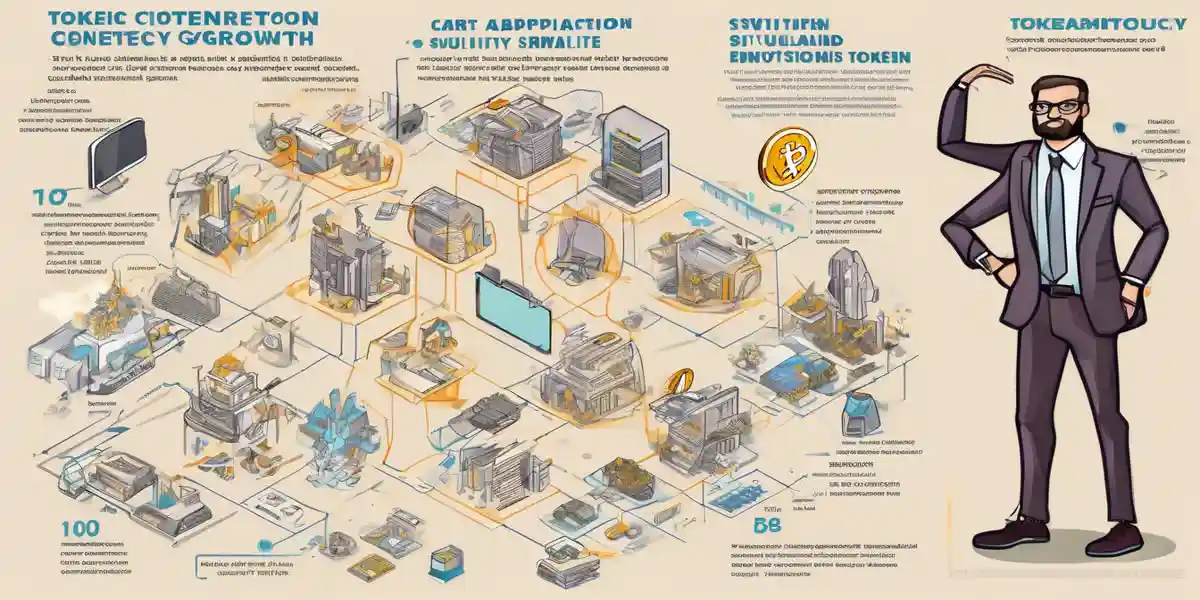
Understanding the pivotal elements of tokenomics is crucial for any cryptocurrency project aiming for sustainable growth and community engagement. Tokenomics is not just about the creation of tokens; it encompasses a comprehensive economic model that dictates how a token operates within its ecosystem. This section delves into the key components that form the backbone of effective tokenomics, illustrating their importance with real-world examples.
Utility refers to the practical applications of a token within its ecosystem. A well-defined utility is essential to ensure that the token serves a purpose beyond mere speculation. For example, in the Ethereum network, Ether (ETH) functions as gas to power transactions and smart contracts. This utility creates a demand for ETH, as users must hold it to interact with the platform. Conversely, projects that lack clear utility may struggle to maintain interest and value, as seen with numerous altcoins that have failed to establish a use case.
At the heart of tokenomics lies the balance between supply and demand. Projects must carefully manage the total supply of tokens to avoid inflationary pressures that can devalue the asset. For instance, Bitcoin has a capped supply of 21 million coins, which creates scarcity and drives demand as more individuals seek to acquire it. In contrast, some projects opt for inflationary models without proper mechanisms to manage supply, leading to token devaluation. Understanding these dynamics allows projects to implement strategies like token burns, which can enhance perceived value by reducing circulating supply.
The method by which tokens are distributed plays a critical role in shaping the project's community and its long-term success. A fair distribution model fosters trust and engagement among users. For example, the distribution strategy used by Uniswap involved giving out governance tokens to liquidity providers, which incentivized participation and created a sense of ownership within the community. On the other hand, projects that allocate a significant portion of tokens to insiders may face backlash and distrust from the community, impacting their credibility.
Stimulation mechanisms are designed to encourage user participation and engagement within the ecosystem. These can include staking rewards, governance voting rights, and loyalty programs. A practical example is the DeFi platform Aave, which rewards users for lending their assets through interest earnings and governance token allocations. By integrating such mechanisms, projects can cultivate a vibrant community that feels invested in the platform’s success, thereby driving productivity and innovation.
Governance is a critical aspect of tokenomics that allows token holders to have a say in the project's direction. Decentralized governance models empower communities to vote on proposals, changes, and upgrades, fostering a sense of ownership and responsibility among participants. For example, MakerDAO utilizes a decentralized governance model where MKR token holders vote on crucial decisions regarding the stability of the DAI stablecoin. This engagement not only enhances transparency but also aligns the interests of the community with the project's success.
The economic model underpinning tokenomics is vital for creating incentives that align the behavior of participants with the project's goals. Various models, such as Proof of Work (PoW) and Proof of Stake (PoS), offer different incentives for network participation. PoS, for instance, is increasingly favored for its energy efficiency and ability to reward users for holding tokens, thus promoting long-term investment in the project. As noted in recent discussions, projects like Cardano and Polkadot have successfully implemented PoS mechanisms that incentivize user engagement while ensuring network security.
Token burns and buybacks are strategic mechanisms used to manage the token's supply and enhance its value. Burning tokens reduces the circulating supply, thereby potentially increasing scarcity and value. For example, Binance frequently employs token burns as part of its economic model, removing tokens from circulation and signaling to the market a commitment to value preservation. Buybacks can also serve a similar purpose, where the project repurchases its tokens from the market to reduce supply and bolster demand.

Tokenomics not only defines the economic model behind cryptocurrency projects but also acts as a catalyst for community engagement and project sustainability. By integrating incentive structures within tokenomics, projects can foster deeper connections between users and the ecosystem. This section explores how effective tokenomics can transform user participation into a vibrant community of contributors.
Imagine a decentralized finance (DeFi) platform that issues governance tokens to users who provide liquidity. Here, users are not just passive holders; they become active participants in the decision-making processes of the platform. This model is seen in projects like Uniswap and Compound, where governance tokens allow users to vote on proposals that affect the platform's future. By aligning the interests of users with the success of the platform, these projects have cultivated loyal communities that are invested in their growth.
Staking is another powerful tool in the tokenomics arsenal. It allows users to lock up their tokens to support network operations, such as transaction validation in Proof-of-Stake (PoS) systems. In exchange, users earn rewards, creating a cycle of engagement and incentivization. Cardano, for instance, employs a staking model that encourages users to participate in the network's security while rewarding them with additional tokens. This not only increases user investment but also enhances overall network stability.
Effective tokenomics can instill a sense of ownership among community members. When users feel that they have a stake in a project—whether through token ownership, governance participation, or staking—they are more likely to contribute positively. The Gitcoin platform exemplifies this, where users earn tokens by contributing to open-source projects. This model not only rewards individual contributions but also strengthens the ecosystem as developers feel directly connected to the project's success.
Understanding the balance between supply and demand is crucial in tokenomics. Projects that ignore this fundamental principle risk facing inflationary pressures that can dilute the value of their tokens. Implementing mechanisms such as token burns or buybacks can create artificial scarcity, thereby enhancing the perceived value of the tokens. For example, Binance Coin (BNB) employs a burn mechanism where a portion of tokens is periodically destroyed based on trading volume, effectively reducing supply and potentially increasing value over time.
As the importance of tokenomics grows, so does the need for effective design tools. Recent advancements like the TMI development platform provide developers with user-friendly interfaces to model complex economic relationships. The platform’s drag-and-drop functionality allows for the easy visualization and analysis of token distribution and circulation mechanisms. This empowers developers to create robust tokenomics that can adapt to the needs of their communities while ensuring long-term success.
In the rapidly evolving landscape of Web3, the role of tokenomics is more pivotal than ever. As we've explored, tokenomics is not merely a technical framework; it is the lifeblood of cryptocurrency projects, determining their success or failure. From understanding the foundational elements—such as utility, supply and demand dynamics, and distribution mechanisms—to recognizing the ways in which tokenomics incentivizes user engagement and fosters community ownership, it is clear that a well-designed tokenomics model can significantly enhance productivity.
Successful case studies, like those of Uniswap and Binance Coin, demonstrate the transformative power of thoughtful tokenomics in action. These projects have shown us that by aligning user interests with project goals through incentives, governance participation, and innovative economic models, communities can flourish and drive sustainable growth. Furthermore, advancements in tools like the Tokenomics Modeling Interface (TMI) provide developers with the resources needed to craft robust economic frameworks that can adapt to changing market conditions.
As we look to the future, it's essential for developers, investors, and community members alike to engage with these principles actively. Are you ready to dive deeper into the world of tokenomics? Whether you're building the next big project or investing in one, understanding these dynamics will empower you to make informed decisions that not only benefit you but contribute to the broader ecosystem's health and productivity.
So, let's ask ourselves: how can we harness the power of tokenomics to not only unlock higher productivity in our projects but also create a more inclusive and thriving Web3 community? The journey starts with you.

Get notified about new articles, coffee tips, and Web3 insights.
This site participates in affiliate programs and may earn a commission when a link is clicked and a purchase is made. The site is not responsible for any issues or troubles related to the products or services purchased through the use of this site.

DO&COFFEE loves coffee and technology, exploring the potential of NFTs and blockchain. Learn more →
DO&COFFEE loves coffee and technology, exploring the potential of NFTs and blockchain. Learn more →