crypto
2025/03/15

This article contains affiliate links. We may earn a small commission at no extra cost to you. Learn more
The digital landscape is undergoing a profound transformation as we transition from traditional social media to decentralized Web3 ecosystems. In this evolving environment, Web3 wallets have emerged as essential instruments that empower online communities by facilitating active participation and self-governance. Unlike conventional platforms that centralize authority in a handful of corporate entities, Web3 frameworks enable users to engage in decision-making processes, fostering a sense of ownership and belonging. This blog post explores the critical role of Web3 wallets, detailing their types, features, and the transformative impact they have on community dynamics.
Web3 wallets serve as more than just storage for digital assets; they are gateways to governance and engagement. By allowing users to hold governance tokens and participate in decentralized autonomous organizations (DAOs), these wallets enable individuals to influence key decisions that shape their communities. Furthermore, the integration of social tokens enhances user engagement by rewarding participation and incentivizing contributions. As we delve into the specifics of Web3 wallets, we will examine how these tools are not only redefining financial transactions but also creating a new paradigm of collaboration, transparency, and collective empowerment. Understanding this evolution is crucial for anyone looking to navigate the future of online communities in the Web3 era.
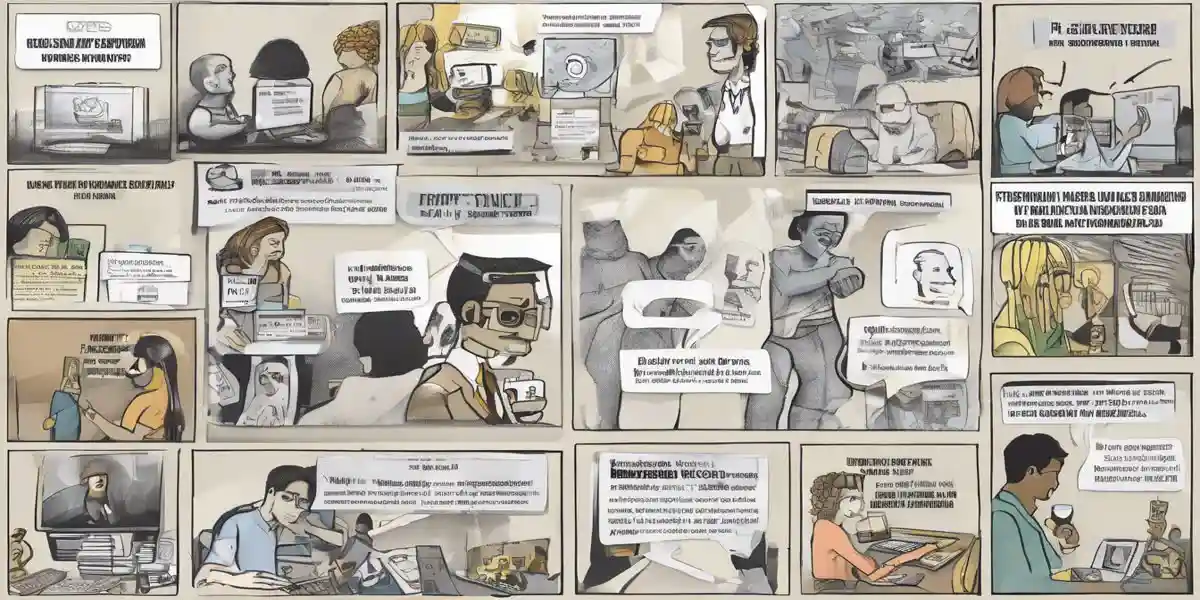
Web3 represents the next evolution of the internet, characterized by decentralized networks, blockchain technology, and user empowerment. At the heart of this transformation are Web3 wallets, digital tools that allow users to interact with decentralized applications (dApps), manage cryptocurrencies, and participate in online communities with unprecedented autonomy and security. The role of these wallets in shaping online communities is pivotal, as they facilitate trustless interactions, enhance user ownership, and promote economic activities within decentralized ecosystems.
Web3 wallets serve as gateways to decentralized identity, where users can maintain control over their personal data and digital assets. Unlike traditional platforms that require users to register with personal information, Web3 wallets allow individuals to create pseudonymous identities linked to their wallet addresses. For example, platforms like Ethereum enable users to engage in decentralized finance (DeFi) and non-fungible tokens (NFTs) without revealing their identity. This fosters a more inclusive environment, where users can interact without the fear of censorship or exploitation of their data.
The integration of wallets in online communities also facilitates decentralized governance models. For instance, platforms such as DAOstack allow users to participate in decision-making processes through their wallets. Each wallet acts as a voting mechanism, granting users power proportional to their stake in the community. This system not only democratizes decision-making but also incentivizes users to actively engage in governance, ensuring that the community's evolution reflects the collective will rather than a centralized authority.
Web3 wallets enable economic participation in ways that traditional platforms cannot. By leveraging smart contracts, these wallets facilitate peer-to-peer transactions, rewarding users for their contributions to the community. A notable example is the Axie Infinity ecosystem, where players earn tokens through gameplay, which they can store and manage in their wallets. This creates a vibrant economic landscape where users are not only participants but also stakeholders, driving community growth and sustainability.
In essence, Web3 wallets are not merely tools for storing cryptocurrencies; they are fundamental to the architecture of online communities in the decentralized web. By providing users with control over their identities, enabling governance participation, and creating economic incentives, wallets are revolutionizing the way individuals interact and collaborate in the digital realm.
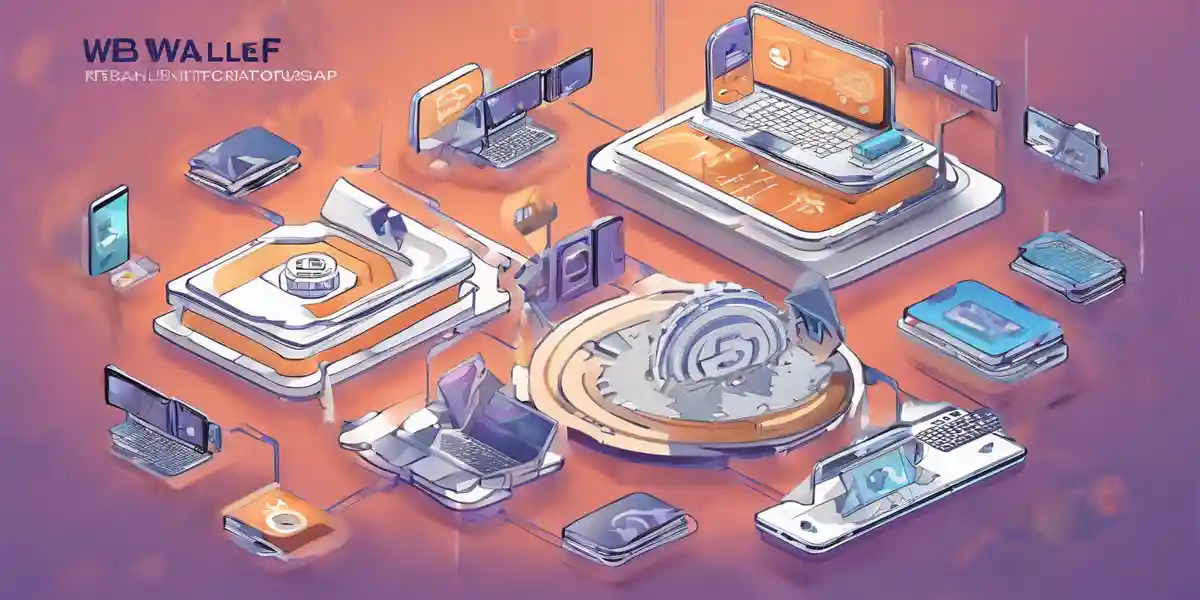
Web3 wallets play a pivotal role in the decentralized landscape of cryptocurrencies and blockchain technology, acting as the primary interface for users to manage their digital assets. Understanding the different types of Web3 wallets, their features, and their applications is crucial for navigating this evolving ecosystem. Here, we will explore three essential aspects of Web3 wallets: their types, key features, and real-world applications.
Web3 wallets can be broadly categorized into two types: custodial and non-custodial wallets. Custodial wallets, such as those offered by exchanges like Coinbase or Binance, manage users' private keys on their behalf. This can simplify the user experience but also introduces risks associated with centralized control, such as potential hacks or regulatory issues. Conversely, non-custodial wallets, like MetaMask and Trust Wallet, allow users to retain complete control over their private keys, enhancing security and privacy. This decentralization aligns with the ethos of Web3, empowering users to engage with their assets directly.
One of the defining features of Web3 wallets is their ability to interact with decentralized applications (dApps). Users can seamlessly connect their wallets to various platforms, enabling them to participate in activities like trading, lending, and earning cryptocurrencies. For instance, platforms like Uniswap leverage wallet integrations to allow users to swap tokens directly, without the need for an intermediary. Furthermore, many wallets incorporate built-in features for managing NFTs (non-fungible tokens), reflecting the growing importance of digital assets beyond traditional cryptocurrencies.
A notable example of Web3 wallets in action can be seen with the rise of the Ethereum-based NFT marketplace, OpenSea. Users utilize non-custodial wallets like MetaMask to authenticate their identities and manage their NFT collections. This integration not only enhances user autonomy but also fosters a sense of community, as creators and collectors engage directly with their assets. Another illustrative case is the use of Web3 wallets in decentralized finance (DeFi) applications like Aave, where users can lend or borrow assets without relying on traditional financial institutions. The wallet serves as a gateway for users to access a plethora of financial services, all while maintaining control over their funds.
Understanding the distinction between custodial and non-custodial wallets is fundamental in the realm of Web3, as these wallets serve as the gateways to digital assets and decentralized applications (dApps). Each type provides distinct functionalities, security features, and user experiences that can significantly impact how individuals and communities interact with the blockchain ecosystem.
Custodial wallets are managed by third-party services that hold users' private keys and facilitate transactions on their behalf. This model offers a higher level of convenience, particularly for newcomers to the cryptocurrency space who may find private key management daunting. A well-known example of a custodial wallet is Coinbase, which allows users to buy, sell, and store cryptocurrencies without needing to manage keys directly. According to a report by CryptoCompare, custodial wallets account for approximately 80% of all crypto transactions, underlining their popularity among users seeking ease of use.
In contrast, non-custodial wallets give users complete control over their private keys and, consequently, their assets. This decentralized approach aligns with the core principles of Web3, emphasizing user sovereignty and security. Examples of popular non-custodial wallets include MetaMask and Trust Wallet. These wallets enable users to interact directly with dApps, providing a seamless experience for activities such as DeFi trading or NFT minting. A study by Dune Analytics revealed that non-custodial wallets are increasingly favored for DeFi activities, with over 60% of transactions routed through them in 2023.
While custodial wallets offer convenience, they also present inherent risks, such as susceptibility to hacks or third-party mismanagement. In 2021, the notorious Poly Network hack exemplified the vulnerabilities of custodial systems, resulting in the loss of over $600 million before the funds were returned. Non-custodial wallets, however, require users to take on the responsibility of securing their private keys, which can lead to loss of funds if keys are misplaced. A 2022 report by Chainalysis indicated that approximately 3.7 million Bitcoin were lost due to private key mishandling, highlighting the critical need for users to understand their security obligations.
In summary, the choice between custodial and non-custodial wallets revolves around a trade-off between convenience and control. As the Web3 landscape continues to evolve, users must navigate these options carefully to align their wallet choice with their individual needs and risk tolerance.
In this exploration of how Web3 wallets are empowering online communities, we've delved into several key themes that underscore the transformative potential of this technology. We began by examining the fundamental role of Web3 wallets in enabling decentralized finance (DeFi), which allows users to engage in financial activities without intermediaries. This decentralization not only enhances security and privacy but also democratizes access to financial resources, paving the way for a more inclusive financial ecosystem.
Next, we highlighted the importance of self-sovereign identity, illustrating how Web3 wallets facilitate user control over personal data. In an age where data privacy is paramount, this shift empowers users, granting them the ability to manage their identities and digital footprints. Moreover, the integration of non-fungible tokens (NFTs) within these wallets showcases their potential in revolutionizing ownership and provenance in the digital realm, fostering vibrant communities around shared interests and cultural expressions.
We also discussed the role of community governance in Web3, which is amplified through wallet capabilities. By enabling token holders to participate in decision-making processes, Web3 wallets strengthen community ties and promote active engagement. This empowerment is crucial as it aligns with the broader trend of decentralized governance, where traditional hierarchies are disrupted in favor of collaborative decision-making.
Reflecting on these insights, it is evident that Web3 wallets are not just tools for transactions; they are catalysts for a cultural shift towards decentralization, autonomy, and community engagement. As we look to the future, the ongoing evolution of these wallets will likely drive further innovations in how we interact online, engage with digital assets, and form communities. The success of Web3 hinges on these developments, making it imperative for users and developers alike to embrace this paradigm shift.
In conclusion, we invite you to explore the opportunities presented by Web3 wallets within your own communities. Engage with the technology, participate in governance, and advocate for the principles of decentralization that are shaping the future of the internet. As we collectively navigate this new landscape, let us harness the power of Web3 to create a more equitable and vibrant online world.

Get notified about new articles, coffee tips, and Web3 insights.
This site participates in affiliate programs and may earn a commission when a link is clicked and a purchase is made. The site is not responsible for any issues or troubles related to the products or services purchased through the use of this site.

DO&COFFEE loves coffee and technology, exploring the potential of NFTs and blockchain. Learn more →
DO&COFFEE loves coffee and technology, exploring the potential of NFTs and blockchain. Learn more →