art
2025/11/18
This article contains affiliate links. We may earn a small commission at no extra cost to you. Learn more
Have you ever wondered what the future of art looks like in a world where digital creations can be owned and traded just like physical masterpieces? Welcome to the revolutionary landscape of Web3, where blockchain technology is not just a buzzword, but a transformational force reshaping the art world. From redefining ownership through non-fungible tokens (NFTs) to creating new pathways for artists and collectors alike, Web3 is unlocking unprecedented realms of creative expression.
In this blog post, we will explore how innovations like NFTs are changing the way we think about authenticity and ownership in art. We’ll delve into the blockchain revolution that is providing a secure and transparent way to track provenance and attribution, especially in the exciting arena of generative art. Additionally, we’ll discuss how the metaverse is expanding artistic possibilities, allowing for immersive virtual art experiences that push the boundaries of traditional creativity. Join us as we unpack these exciting developments and discover how Web3 is not just a technological advancement but a vibrant new chapter in the art world.
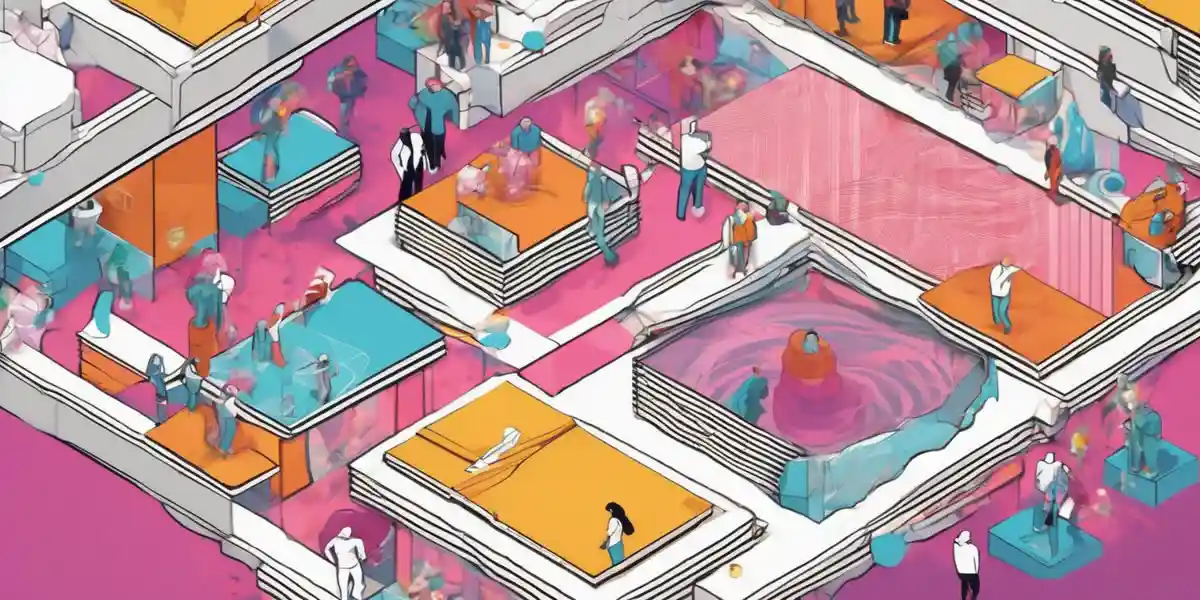
In the traditional art world, ownership has often been a complex matter, governed by physical possession, auctions, and galleries. With the advent of Non-Fungible Tokens (NFTs), ownership has entered a new realm. NFTs are unique digital tokens that represent ownership of a specific piece of digital art, verified through blockchain technology (a decentralized digital ledger system). This innovation enables artists to sell their work directly to collectors without intermediaries, fostering a more equitable art market. Notably, Kevin McCoy's "Quantum," created in 2014 and recognized as one of the first artworks to be tokenized, reflects this shift. When it sold for USD 1.47 million at Sotheby’s in 2021, it demonstrated the viability and demand for digital ownership in art.
One significant advantage of NFTs is their ability to provide verifiable authenticity and provenance, which are crucial in establishing the value of an artwork. In traditional art markets, issues of forgery and misattribution can erode trust. However, NFTs offer a transparent record of an artwork's history, making it easy to trace who created it, who owned it, and any transactions involving it. This feature reassures collectors that they are purchasing an original piece rather than a replica or counterfeit. Furthermore, research highlights initiatives like EKILA, which aim to ensure proper attribution for creators of generative art, enhancing trust even further. Such frameworks not only protect artists' rights but also ensure that they receive recognition and rewards for their work. This is particularly important in a world where art is increasingly created using synthetic media.
NFTs empower artists to innovate and connect with audiences in unprecedented ways. By creating NFTs, artists can not only sell digital versions of their works but also incorporate dynamic elements such as royalties for future sales, ensuring they benefit from their art throughout its life cycle. This feature is transformative; for example, an artist can set up a smart contract that automatically pays them a percentage every time their artwork resells, thus establishing a continuous stream of income. Additionally, the use of platforms tailored to NFT transactions allows artists from diverse backgrounds to showcase their art to a global audience, breaking down geographical barriers that have historically limited access to the art market. As the art world continues to embrace Web3, we witness a blossoming of inventive pathways for creative expression, all rooted in NFT technology.
As the digital art landscape has rapidly evolved, especially with the rise of generative art, the need for clear provenance and attribution has become critical. Provenance refers to the history of ownership of a piece of art, and in the art world, it serves as a validation of authenticity and value. In traditional art markets, provenance is often recorded through physical documentation, which can be subject to loss or forgery. However, blockchain, a digital ledger system that records transactions in a secure and transparent way, offers a revolutionary solution. With blockchain, every piece of digital art can be uniquely identified and traced back to its original creator, ensuring that artists can maintain their rights and receive fair recognition.
One of the most notable examples highlighting the transformative power of blockchain in the art world is Kevin McCoy's "Quantum." Created in 2014, "Quantum" is recognized as one of the first artworks to be tokenized on the blockchain. Its subsequent sale at Sotheby’s in 2021 for USD 1.47 million marked a pivotal moment in art history, showcasing the deepening intersection of art and technology. This transaction not only validated the significance of blockchain in securing provenance but also underscored the potential for artists to monetize their work directly on digital platforms. The sale illustrated that blockchain could definitively authenticate who created the work, reaffirming value and ownership in a way that digital art previously struggled to achieve.
The rise of generative art, which often involves collaborative creation between humans and AI, introduces unique challenges regarding attribution. To address this, a decentralized framework called EKILA has been developed specifically for ensuring that creatives receive proper recognition and rewards for their contributions to generative AI. EKILA employs robust visual attribution techniques and integrates with the C2PA content provenance standard. This framework not only helps artists prove their ownership but also allows them to gain acknowledgment for their roles in the creation process, thereby enhancing the sense of community and collaboration in the generative art space. By ensuring clear attribution, EKILA strengthens the connection between art, technology, and the creator's rights, making it easier for artists to navigate the complex landscape of digital art.
Overall, the blockchain revolution is not simply a technological advancement; it is a paradigm shift that ensures transparency, security, and fairness in the art world. As artists find new ways to express their creativity through generative art and other forms, blockchain serves as a crucial tool for establishing ownership and recognition in this evolving landscape.
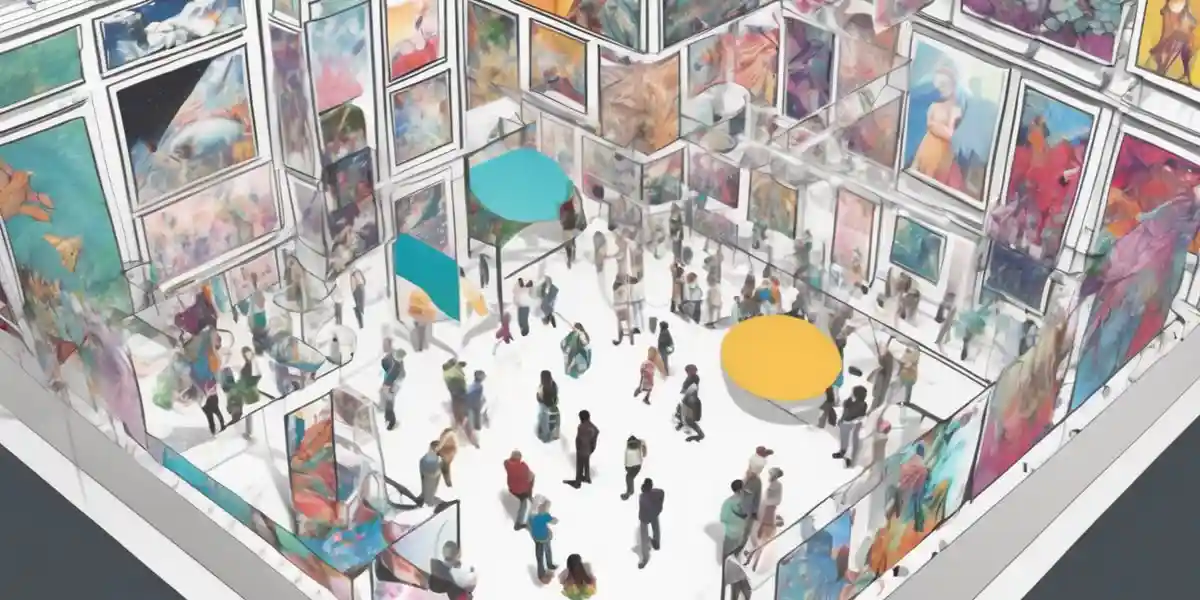
The Metaverse, a collective virtual space where users can interact through avatars and digital environments, is revolutionizing how we experience art. Unlike traditional galleries, virtual art spaces allow artists to create immersive experiences tailored to engage audiences in ways that were previously unimaginable. For instance, artists can build entire worlds around their works—think of a gallery that changes its theme and color scheme based on the emotions of the visitors, making each experience unique. This ability to create dynamic environments is not only an artistic expression but also invites the audience to participate actively, fostering a deeper connection with the art.
In this new digital realm, artists are exploring various forms of media that were inconceivable in a physical context. The research paper titled "NFTs, Blockchain, Cryptocurrency, Metaverse: The Web3 Revolution That Has Transformed the Art Market" illustrates how the blockchain has facilitated the emergence of non-fungible tokens (NFTs), enabling artists to tokenize their digital works. One prominent example is Kevin McCoy's "Quantum," created in 2014. This artwork is recognized as one of the first to be tokenized on the blockchain, and it garnered significant attention when it sold at Sotheby’s for USD 1.47 million in 2021. Such instances highlight how the Metaverse empowers artists to reach new audiences and monetize their art effectively.
The Metaverse also fosters collaboration among artists from diverse backgrounds, allowing them to work together seamlessly, regardless of geographical constraints. The EKILA framework, discussed in the paper "EKILA: Synthetic Media Provenance and Attribution for Generative Art," introduces a decentralized method that ensures creatives receive proper recognition for their contributions to generative art. This framework enhances community engagement by celebrating collective creativity and encouraging more artists to explore generative techniques. By providing a transparent system for attribution, EKILA helps build a supportive ecosystem where artists can thrive and push the boundaries of their creative expression.
The integration of augmented reality (AR) and virtual reality (VR) technologies into the art experience further expands opportunities for creative expression. Artists can incorporate interactive elements into their works, allowing viewers to engage with art on a personal level. Imagine walking through a virtual gallery where you can enter artworks, manipulate them, or even interact with characters from the piece. Such immersive experiences are emerging as crucial tools for expanding artistic narratives, enabling deeper exploration of themes, emotions, and concepts through digital interactivity.
By harnessing the potential of the Metaverse and other virtual platforms, artists are not just adapting to a new medium; they are redefining what art can be, creating expansive and engaging experiences that invite everyone to become part of the creative process. This transformation not only enhances artistic expression but also shifts how audiences perceive and interact with art in the digital age.
As we've explored throughout this blog post, Web3 is truly unlocking new realms of creative expression in the art world. Innovative pathways, such as NFTs, are fundamentally redefining notions of ownership and authenticity, giving artists unprecedented control over their work. The blockchain revolution ensures that provenance and attribution are more transparent than ever, empowering both creators and collectors. Additionally, the expansion of the metaverse invites artists to explore diverse formats and experiences, promoting collaboration and engagement on a global scale.
Key takeaways include the fact that artists can now directly monetize their creations through NFTs, enhancing their financial independence. Additionally, the technology behind blockchain guarantees that artists receive fair attribution and rewards for their work, establishing a more equitable art market. Lastly, virtual art experiences are transforming how audiences connect with art, allowing for immersive and interactive encounters that were once unimaginable.
As we move forward, it’s imperative for artists, collectors, and art lovers alike to embrace these changes and actively participate in this evolving landscape. By understanding and leveraging the tools that Web3 provides, we can all contribute to a vibrant and dynamic future in the art world. So, dive into this new era of creative possibilities—explore, engage, and express yourself in ways that redefine what art can be!
Get notified about new articles, coffee tips, and Web3 insights.
This site participates in affiliate programs and may earn a commission when a link is clicked and a purchase is made. The site is not responsible for any issues or troubles related to the products or services purchased through the use of this site.
DO&COFFEE loves coffee and technology, exploring the potential of NFTs and blockchain. Learn more →
DO&COFFEE loves coffee and technology, exploring the potential of NFTs and blockchain. Learn more →