coffee
2025/11/19

This article contains affiliate links. We may earn a small commission at no extra cost to you. Learn more
Have you ever wondered where your coffee comes from? As you sip on a rich, aromatic espresso, you might not think about the journey those flavorful beans took to reach your cup. In an age where transparency and ethical sourcing are becoming non-negotiable for consumers, the specialty coffee industry is undergoing a profound transformation. The marriage of espresso innovations and blockchain technology is not only reshaping how coffee is produced but also how we experience it.
In this blog post, we'll explore the fascinating intersection of coffee culture and cutting-edge technology. Specifically, we'll delve into how blockchain is revolutionizing traceability in specialty coffee, ensuring that each cup is not only delicious but also sourced ethically. We'll also examine how this technology empowers coffee farmers, enabling fairer practices in supply chains. Lastly, we'll look at the collaborative innovations in espresso brewing that are brewing the future of this beloved beverage. Join us as we uncover how these innovations are transforming the coffee experience and setting new standards for what it means to enjoy a truly exceptional cup.
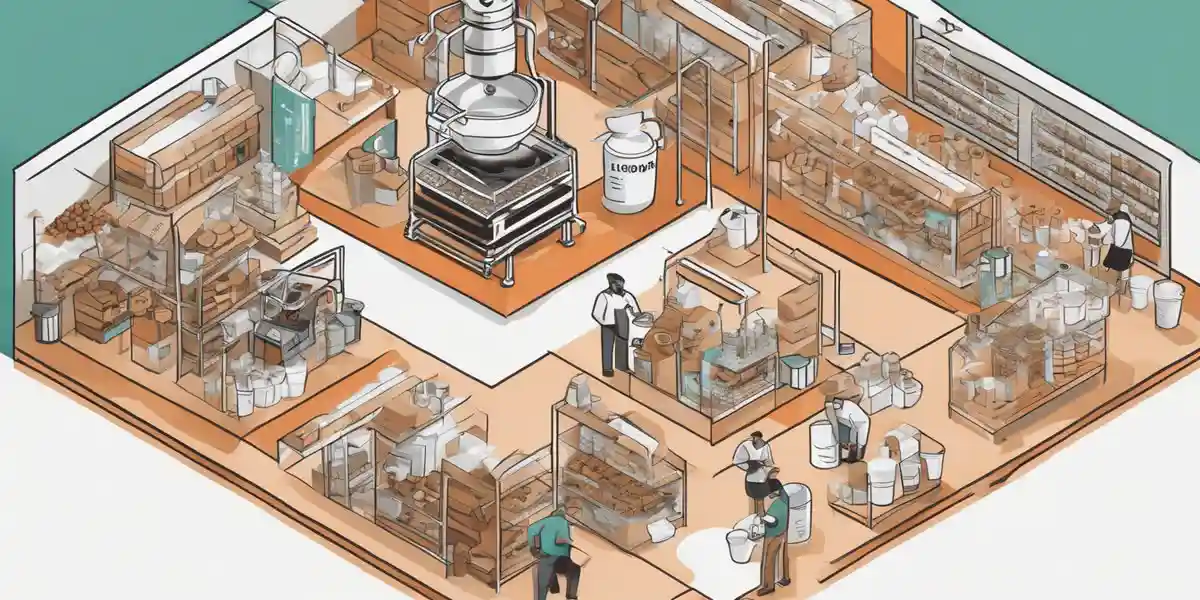
The specialty coffee market is rich with flavors and stories, yet it grapples with a significant challenge: the complexity of its supply chain. Consumers are becoming increasingly conscious about where their coffee comes from, but verifying the quality and origin of coffee can be difficult. This lack of clarity often leads to confusion and mistrust among consumers who seek quality and ethics in their purchases. Reports have shown that inconsistency in traceability can compromise both product quality and brand reputation.
Blockchain technology, known for its role in enabling cryptocurrencies, serves as a powerful tool for addressing these transparency challenges. A blockchain is essentially a secure and decentralized digital ledger that records transactions across many computers in a way that the recorded transactions cannot be altered retroactively. This means that every step in the coffee supply chain—from the farmer to the roaster to the consumer—can be traced and verified, providing an accurate account of where the coffee originated and how it has been processed.
For example, according to the study 'Blockchain traceability model in the coffee industry', researchers emphasize the importance of using blockchain to enhance quality verification for consumers. By creating a distributed database of information concerning each batch of coffee, stakeholders can ensure that claims about origin and quality are not just marketing slogans but verifiable facts.
Several coffee companies are already implementing blockchain technology to enhance transparency and consumer trust. One notable example is a coffee roaster that collaborates with farmers and supply chain partners to provide customers with a QR code on their coffee packaging. Scanning this code enables consumers to view detailed information about the coffee's journey—from the specific farm where the beans were harvested to the processing techniques used.
Moreover, in the research paper 'The promised potential of blockchain technology for transparency and fairness in agri-food chains: insights from the coffee sector', researchers analyzed 47 coffee products from 25 roaster companies. The findings suggested that utilizing blockchain not only enhances transparency but also promotes fairness in pricing for farmers and ensures that consumers are purchasing ethically sourced products.
The rise of blockchain in specialty coffee is not merely about technology; it's about building trust between consumers and producers. When a consumer can trace their cup of coffee back to its source with confidence, it fosters a deeper connection and appreciation for the product. Blockchain ensures that each sip carries with it verified stories of the farmers who cultivated the beans and the environments in which they were grown.
As coffee lovers become more educated and discerning about their choices, blockchain provides a way for businesses to meet these demands. The ability to offer transparent information about product origin empowers consumers to make informed decisions that align with their values, from sustainability to ethical labor practices.
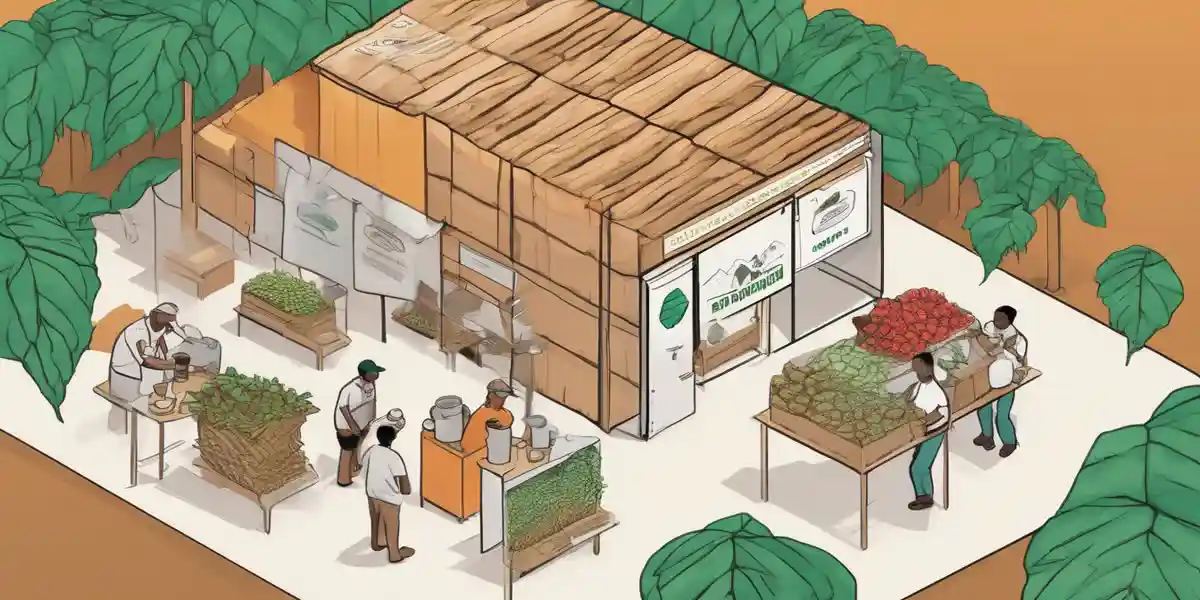
In the complex world of coffee production, farmers often face significant challenges when it comes to receiving fair compensation for their labor and crops. Traditional supply chains can be fraught with opacity, where the details of who benefits from each sale can remain hidden, leaving farmers at the bottom of the economic ladder despite being the backbone of the coffee industry. By integrating blockchain technology—an innovative digital ledger system that records transactions in a transparent and tamper-proof manner—coffee supply chains can embrace fairness, ultimately empowering farmers.
One of the major innovations brought by blockchain is increased transparency throughout the supply chain. According to the research paper 'Blockchain traceability model in the coffee industry', blockchain enables the creation of a distributed database that enhances traceability from the farm to the consumer. This means that all parties involved in the coffee supply chain—including farmers, roasters, and consumers—can access detailed information about the origin and quality of the coffee beans. Such transparency helps to validate the claims made by roasters regarding direct trade and fair pricing, which in turn can lead to better financial outcomes for farmers.
Smallholder farmers often lack bargaining power within the supply chain, making it difficult for them to secure fair prices for their coffee. However, blockchain facilitates direct trade models that weaken the hold of intermediaries who often take a significant cut of the profits. For example, a blockchain-based system can connect consumers directly to farmers, allowing for improved pricing negotiation and ensuring that a larger share of the sale price goes back to those who grew the coffee. This not only provides economic benefits but also fosters a sense of community and connection between consumers and producers.
Several innovative coffee companies are employing blockchain technology to ensure fairness in their supply chains. For instance, coffee brands that utilize blockchain solutions can document every transaction related to their products. This comprehensive tracking allows consumers to verify the ethical sourcing of their coffee. One such initiative is highlighted in the research paper 'The promised potential of blockchain technology for transparency and fairness in agri-food chains: insights from the coffee sector', which analyzes the impact of blockchain on various coffee products. The study found that companies implementing blockchain significantly improved transparency, contributing to fairer pricing for farmers.
Beyond transparency and direct trading, blockchain technology can streamline processes within the supply chain, further benefiting farmers. The paper 'Blockchain Design for Securing Supply Chain Management in Coffee Retailer Network' discusses how a well-integrated blockchain system can automate tasks and closely map physical commodities to their sources. This design enables timely payments to farmers, encourages quality control, and reduces transaction costs—all of which add up to a more sustainable and equitable environment for coffee cultivation.
Through these mechanisms, blockchain not only has the potential to enhance farmers' livelihoods but also fosters a more responsible coffee culture that values the contributions of those who cultivate the beans that create our beloved espresso. As we sip our morning brew, understanding the underpinnings of fairness in the coffee supply chain can transform our relationship with each cup, making it a gesture of support for sustainable and equitable practices in the coffee industry.
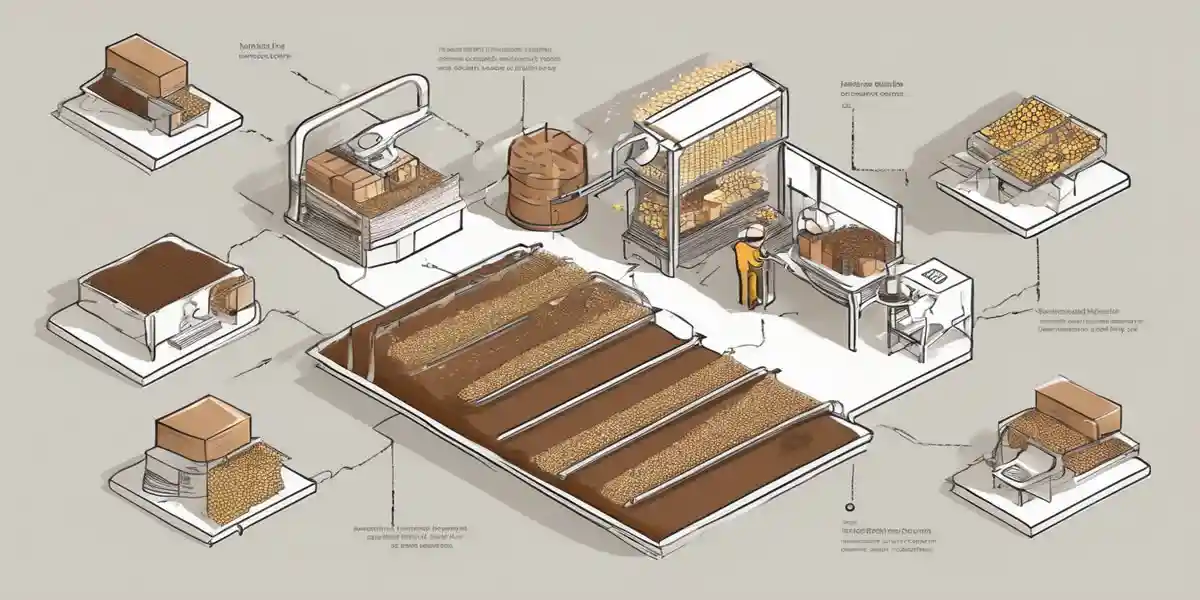
The journey of coffee from farm to cup is a complex tale filled with various contributors, from growers to roasters. Innovations in espresso production, enhanced by blockchain technology, are redefining this narrative. Blockchain, a digital ledger system, allows for transparent tracking of every step involved in coffee's journey. For instance, a study on the coffee industry points out that blockchain can significantly improve quality verification, providing consumers with reliable information about where their espresso beans were sourced. This level of transparency not only builds trust but also empowers consumers to make informed choices about the coffee they enjoy daily.
One of the most significant benefits of utilizing blockchain in espresso production is its ability to promote fairness within the supply chain. A research paper outlines how blockchain can create a more equitable framework for coffee trade, enabling fair compensation for farmers and ensuring ethical sourcing practices. By mapping out the entire supply chain, blockchain provides insights into how coffee is priced, allowing consumers and businesses to see exactly how much of their coffee dollar goes back to the grower. This innovative approach not only enhances economic fairness but also fosters a sense of community around the espresso culture, connecting drinkers directly to the farmers behind their favorite brews.
A practical example of these innovations can be seen in certain specialty coffee brands that have begun to adopt blockchain for transparency. These companies provide consumers with digital certificates accompanying their products, detailing the coffee's origin, processing methods, and even the conditions under which the beans are grown. By scanning a QR code on the coffee bag, customers can access the entire journey of their espresso, from crop to cup. Another example involves collaborations among producers, roasters, and retailers who leverage blockchain to ensure sustainable practices are upheld throughout the supply chain. This collaboration strengthens not only the supply chain itself but also the overall specialty coffee community, driving home the message that great coffee starts with responsible sourcing.
Looking ahead, the potential for blockchain technology in espresso production is enormous. As more coffee stakeholders recognize the benefits of this digital ledger system, we may expect to see an expanded focus on sustainability initiatives. Blockchain could facilitate better tracking of environmentally friendly farming practices, helping to meet consumer demand for sustainable products. Additionally, the rise of direct-trade relationships facilitated by blockchain can further bridge the gap between coffee producers and roasters, fostering a more intimate connection and appreciation for the craft of espresso making.
In conclusion, the fusion of espresso culture and blockchain technology is reshaping the way we think about coffee consumption. The innovations in espresso production achieved through blockchain collaboration promise to elevate transparency, fairness, and sustainability, ensuring that each cup of coffee isn't just a drink but a story worth celebrating.
As we’ve explored throughout this post, the intersection of espresso and blockchain is not just a fleeting trend but a powerful force reshaping the specialty coffee culture. From enhancing transparency and traceability in every sip to empowering farmers through fairer supply chains, the impact of blockchain technology is profound. By ensuring that the origins and crafting processes of coffee are visible, consumers can make informed choices that align with their values, fostering a deeper connection to their daily brew.
Moreover, the innovative spirit of collaboration brought forth by blockchain is revolutionizing espresso production—streamlining operations and providing quality assurance like never before. Coffee enthusiasts can now enjoy their drinks with the knowledge that their coffee was sourced responsibly, benefiting both the environment and the farmers behind the beans.
In summary, the journey of coffee from bean to cup is being enriched by these technological advancements, offering us a more equitable and flavorful coffee experience. As you savor your next espresso, remember the stories and innovations fueling that experience. Embrace the change and participate in this brewing innovation by seeking out specialty coffees that utilize blockchain technology. Let's contribute to a coffee culture that values transparency, sustainability, and community, one cup at a time.

Get notified about new articles, coffee tips, and Web3 insights.
This site participates in affiliate programs and may earn a commission when a link is clicked and a purchase is made. The site is not responsible for any issues or troubles related to the products or services purchased through the use of this site.

DO&COFFEE loves coffee and technology, exploring the potential of NFTs and blockchain. Learn more →
DO&COFFEE loves coffee and technology, exploring the potential of NFTs and blockchain. Learn more →