technology
2025/10/12

This article contains affiliate links. We may earn a small commission at no extra cost to you. Learn more
Have you ever wondered how artificial intelligence could redefine the way we interact with the internet? As we move from Web2 to the emerging Web3 era, a fascinating synergy between AI technology and decentralized systems is setting the stage for unprecedented changes across various sectors. This evolution isn't just a tech trend; it's a revolutionary shift that promises to reshape the very fabric of our digital experiences.
In this blog post, we will explore the multifaceted ways AI technology is unlocking Web3's potential. Specifically, we will delve into transformative data sharing practices that enhance global healthcare, examine how the zero-trust architecture in Web3 bolsters AI security and privacy, and unpack the intricate economic paradigms emerging from the intersection of Web3, AI, and the metaverse. Join us as we dive into this exciting frontier where innovation meets opportunity, and discover why understanding these trends is crucial for anyone eager to navigate the future of the internet.

Traditional healthcare systems have relied heavily on centralized data management, often leading to significant vulnerabilities when it comes to data privacy and security. For instance, patient data is typically stored in centralized databases, making it an attractive target for cyberattacks. As we embrace the era of Web3—a new generation of internet characterized by decentralized networks—there's a transformative potential to fundamentally change how data is shared and managed in healthcare. Web3 technologies, including blockchain (a digital ledger system), enable a framework that allows for more secure, transparent, and efficient sharing of healthcare data while prioritizing user privacy.
Integrating AI with Web3 can enhance patient empowerment by providing individuals greater control over their health data. The paper titled 'My Holistic Data Share: A WEB3 Data Share Application: Extending Beyond Finance to Privacy-Protected Decentralised Share of Multi-Dimensional Data to Enhance Global Healthcare' illustrates how decentralized architectures can safeguard consumer data privacy. By using AI algorithms, healthcare providers can analyze patient data without compromising privacy. For example, patients can share their health data with researchers or pharmaceutical companies through decentralized applications (dApps), ensuring they remain anonymous while enabling advancements in medical research.
AI technologies can also play a pivotal role in ensuring interoperability among various healthcare systems—and this is where Web3 excels. One major challenge in the current healthcare landscape is the siloed nature of data across different providers, which often leads to inaccuracies and inefficient care delivery. By utilizing decentralized systems, as highlighted in the review paper 'Web3: A comprehensive review on background, technologies, applications, zero-trust architectures, challenges and future directions,' the potential for seamless data sharing becomes more feasible. This allows AI to aggregate and analyze diverse datasets across platforms, improving diagnostic accuracy and personalized treatment plans for patients.
One compelling application of Web3 and AI in healthcare is the conduct of decentralized clinical trials. By leveraging blockchain technology, researchers can collect patient information from various locations while maintaining the integrity and security of the data. AI can then be utilized to analyze the results in real-time, providing insights that can accelerate the trial process. This innovative approach addresses common barriers in clinical trials, such as participant recruitment and data reliability. As more trials adopt this model, it could lead to faster drug development cycles and more inclusive research practices.
While the combination of Web3 and AI holds great promise for transforming data sharing within global healthcare, barriers remain. Issues surrounding scalability, regulatory compliance, and the energy consumption of decentralized systems need to be addressed for widespread adoption. However, ongoing research and development in these areas point towards a future where decentralized healthcare ecosystems can thrive, making patient care more efficient, secure, and responsive to individual needs.
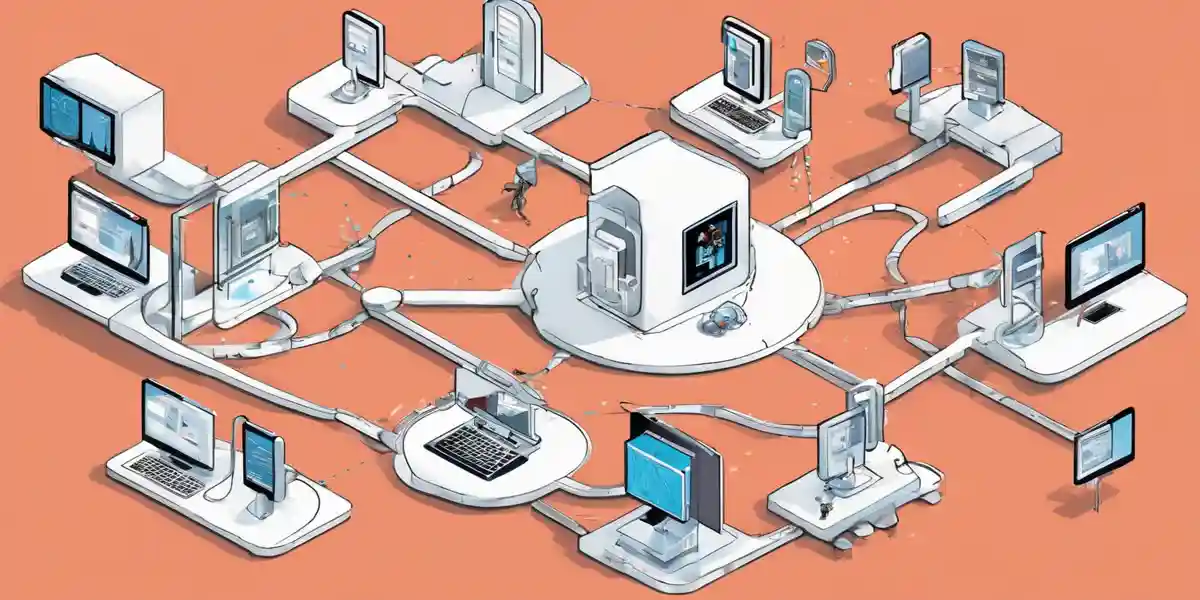
Zero-Trust Architecture (ZTA) is a security framework that operates on the principle of “never trust, always verify.” This means that no user, device, or application is automatically trusted, regardless of whether they are inside or outside a network perimeter. Every access request must be validated, which fundamentally addresses the vulnerabilities present in traditional security models. In the context of Web3 technologies, which emphasize decentralization and user empowerment, ZTA offers a compelling way to enhance the security and privacy of artificial intelligence systems.
Web3 technologies are designed to give users greater control over their data. As discussed in the paper titled "My Holistic Data Share: A WEB3 Data Share Application," these technologies utilize decentralized networks and distributed ledgers to improve data management and enhance consumer privacy. By shifting data control away from centralized entities—whose vulnerabilities often lead to data breaches and misuse—Web3 allows AI systems to operate on more secure, trustless platforms. This is particularly relevant in healthcare, where sensitive data needs protection from unauthorized access and misuse. ZTA augments these efforts by ensuring that every interaction with data repositories must be authenticated and authorized, significantly reducing the risk of data leaks.
Consider two hypothetical scenarios that illustrate how ZTA and Web3 technologies work together to protect AI applications. In the first scenario, an AI-driven healthcare system uses a decentralized architecture to store patient records. Each access request to these records is handled under a zero-trust model, where even internal users must pass through rigorous authentication protocols. This not only secures sensitive information but also builds patient trust, as they can see who accesses their data and for what purpose.
In another case, a financial AI application based on Web3 principles may handle transactions using smart contracts. Here, a zero-trust approach ensures that every transaction is validated using multiple decentralized nodes, reducing the chance of fraud. By implementing ZTA, these applications can effectively manage risks associated with identity theft, ensuring that only verified users can initiate transactions.
Despite its benefits, implementing a zero-trust architecture alongside Web3 technologies does come with challenges. Issues such as scalability, interoperability, and regulatory compliance need careful navigation, as indicated in the review paper "Web3: A comprehensive review on background, technologies, applications, zero-trust architectures, challenges and future directions." For instance, as more decentralized applications emerge, ensuring that they adhere to zero-trust protocols while maintaining user experience can be complex.
However, the potential rewards—enhanced security, improved data privacy, and greater user control—make pursuing this integration worthwhile. By aligning AI systems with Web3 principles and a zero-trust framework, we can establish a safer and more trustworthy digital landscape, paving the way for future innovations.
Web3 represents a significant shift in how we perceive and interact with the internet. Unlike its predecessor, Web2, where large tech companies control data and services, Web3 is built on decentralization, meaning that users have more control over their own data and identities. This shift is crucial as it empowers consumers and enables greater privacy—especially noteworthy in sectors like healthcare where data security is paramount. The paper 'My Holistic Data Share: A WEB3 Data Share Application: Extending Beyond Finance to Privacy-Protected Decentralised Share of Multi-Dimensional Data to Enhance Global Healthcare' illustrates this by discussing how decentralized networks can enhance consumer data privacy and protect against vulnerabilities inherent in traditional centralized systems.
Artificial intelligence (AI) plays a pivotal role in the advancement of Web3, particularly when it comes to managing data more effectively. AI algorithms can process and analyze immense amounts of data generated in a decentralized manner, enabling users to extract insights without compromising personal privacy. For example, AI can personalize experiences in the metaverse—an immersive digital environment combining virtual and augmented reality. By utilizing AI, businesses can create tailored environments that respond to user behavior and preferences in real-time, effectively enhancing user engagement. Furthermore, the review paper 'Web3: A comprehensive review on background, technologies, applications, zero-trust architectures, challenges and future directions' underscores how merging AI and Web3 can enable new applications while addressing challenges like scalability and security in these expansive digital landscapes.
The metaverse acts as a dynamic economic environment where Web3 technologies and AI converge to create new marketplaces and opportunities. As users engage in virtual experiences, they can create, buy, and sell digital assets in ways that were previously unimaginable. For instance, users can develop and trade virtual real estate or create and monetize digital art through non-fungible tokens (NFTs) secured on blockchain technology. This interplay not only facilitates economic transactions but also democratizes the marketplace—allowing creators from all backgrounds to participate in and benefit from the digital economy.
This fusion of Web3, AI, and the metaverse is prompting the emergence of novel economic models based on decentralized finance (DeFi) principles. In these models, users can earn rewards for participating in network activities, like providing liquidity or contributing data. This shifts the paradigm from traditional centralized economic systems, where value is largely extracted by corporations, to a system where users actively contribute and receive compensation. Such initiatives foster a collaborative ecosystem that encourages innovation, creativity, and community development, making the economic landscape more inclusive and participatory.
As these technologies evolve, the potential for new economic paradigms driven by user empowerment, data management, and virtual experiences will only continue to expand. The integration of AI within Web3, especially in the context of the metaverse, is not merely a technological advancement; it's a transformative movement that is set to redefine our understanding of digital economics and ownership.
In exploring the intersection of AI technology and Web3, we've uncovered profound insights that illustrate how these innovations are poised to revolutionize the future of the internet. From transforming data sharing in global healthcare to establishing a zero-trust architecture that enhances security and privacy, the synergy between AI and Web3 is not merely conceptual—it’s actionable and capable of driving significant change. Additionally, the exploration of economic paradigms suggests that as we navigate the metaverse, AI will play a pivotal role in shaping our digital economies, ensuring they are inclusive and accessible to all.
Key takeaways from our analysis indicate that AI technologies can streamline and enhance collaborations on decentralized networks, safeguard user data while fostering trust, and power immersive experiences within emerging digital landscapes. These advancements underscore the monumental potential of Web3 to create a more secure, equitable, and innovative internet.
As we stand on the brink of this technological revolution, it’s imperative for individuals, developers, and entrepreneurs to engage with these ideas and tools. Embrace the opportunities that AI and Web3 present—whether through learning, investing, or building within this space. Together, we hold the key to unlocking Web3's full potential, paving the way for a future where the internet is not just a tool, but a vibrant ecosystem of collaboration and creativity.

Get notified about new articles, coffee tips, and Web3 insights.
This site participates in affiliate programs and may earn a commission when a link is clicked and a purchase is made. The site is not responsible for any issues or troubles related to the products or services purchased through the use of this site.

DO&COFFEE loves coffee and technology, exploring the potential of NFTs and blockchain. Learn more →
DO&COFFEE loves coffee and technology, exploring the potential of NFTs and blockchain. Learn more →