art
2025/10/11
This article contains affiliate links. We may earn a small commission at no extra cost to you. Learn more
Have you ever pondered the future of creativity in an era when digital technology is evolving faster than we can imagine? The world of contemporary art is poised for a seismic shift, driven by the innovations of Web3 and decentralized finance (DeFi). With these groundbreaking developments, artists and creators are exploring new avenues for expression, interaction, and ownership that were once unimaginable. But what does this mean for the art we create, consume, and cherish?
In this blog post, we will delve into how these advancements are changing the landscape of contemporary art experiences. From the tokenization of artworks, as seen in Kevin McCoy's pioneering piece "Quantum," to the empowerment offered by DeFi in providing artists with financial independence and diverse revenue streams, the creative world is unlocking unprecedented opportunities. We'll also explore how the metaverse is redefining artistic expression and fostering community engagement in ways that break down traditional barriers. Join us as we navigate this new frontier of creativity and discover the transformative potential that Web3 and DeFi hold for artists and audiences alike.
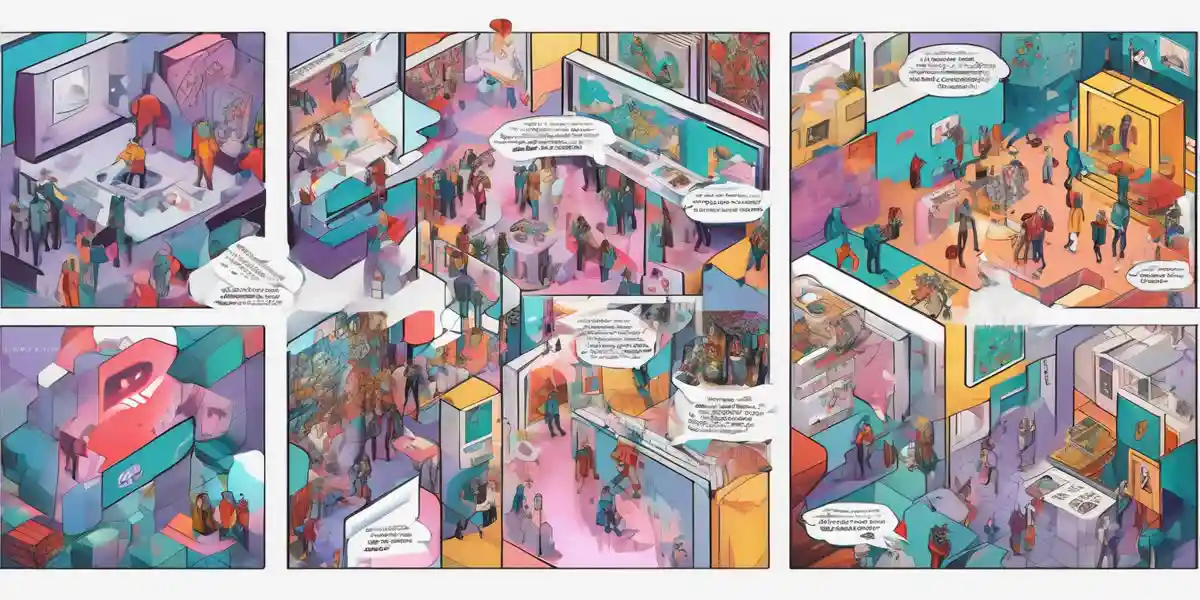
In the realm of contemporary art, the introduction of Non-Fungible Tokens (NFTs) and blockchain technology has fundamentally shifted the landscape of ownership. NFTs are unique digital tokens recorded on a blockchain (a digital ledger system), which provide creators with a way to authenticate and sell their work directly to collectors. This system eliminates the traditional middlemen, such as galleries and auction houses, who have historically controlled access to the art market. By allowing artists to sell their work directly as NFTs, they can establish authentic ownership and provenance, leading to greater recognition and reward for their creativity.
A landmark moment in this evolution occurred when Kevin McCoy's "Quantum," one of the earliest works to be turned into an NFT in 2014, was sold at Sotheby’s for an impressive sum in 2021. This sale marked not just a commercial success but also symbolized a significant intersection of art and technology, showcasing the potential for digital ownership to redefine the status of artists and their creations. Such sales signal a paradigm shift in the way both artists and collectors perceive the value of art in an increasingly digital-first world.
Another critical aspect of NFTs and blockchain technology in the art world is the enhancement of provenance, which refers to the history of ownership of a piece of art. In traditional art markets, verifying provenance can be cumbersome and susceptible to fraud. However, blockchain’s immutable record system ensures that every transaction is transparently recorded, making it easier to verify the authenticity of the artwork. This feature significantly reduces the chances of forgery and enhances the overall value of an artwork, as buyers can confidently invest in pieces with clear, traceable histories.
As noted in one research paper, the shift from centralized to decentralized systems via smart contracts not only streamlines the art selling process but also secures the rights of artists. These contracts allow artists to receive royalties automatically every time their artwork is resold. This measure provides financial incentives that continue to benefit artists long after the initial sale, further embedded in the culture of the contemporary art market.
Moreover, the democratization of art through NFTs and blockchain opens avenues for emerging artists who previously struggled to gain visibility in a competitive landscape. By utilizing platforms built on Web3 technology, artists from diverse backgrounds can publish their work without the gatekeeping often found in traditional art institutions. This shift is essential in creating a more inclusive art environment where a broader array of voices can be heard and appreciated.
The rise of these digital mediums is reshaping the notion of how ownership and creativity intersect. As artists experiment with NFTs and blockchain, we witness a redefining of creative practices that emphasize authenticity, accessibility, and new economic models within the art world. This transformation suggests a future where the breadth and reach of contemporary art are expanded, aligning with the wider goals of Web3 to create equitable and decentralized spaces.
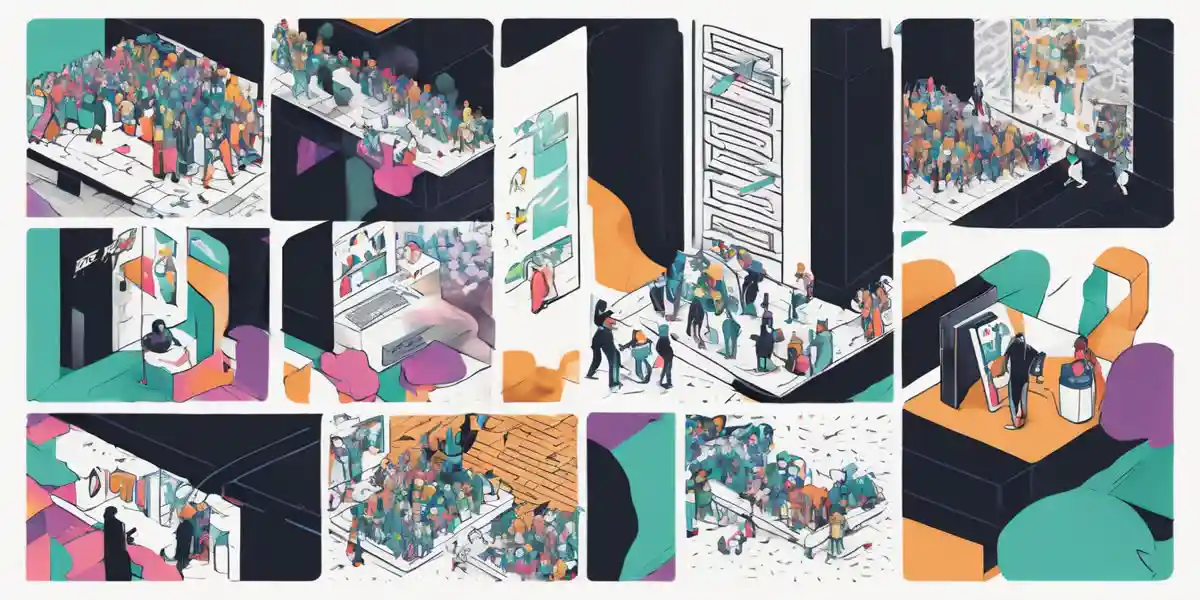
Decentralized finance (DeFi) has radically changed the financial landscape for artists. Traditional art sales often rely on intermediaries—galleries, auction houses, and agents—who take significant commissions, which can limit the earnings of artists. With DeFi, artists can engage directly with their audiences. This allows them to sell their work, be it a painting, music, or digital artwork, without sharing a large portion of the sales price with third parties.
This model not only enhances the financial independence of artists but also ensures they retain more of the revenue generated from their work. By using platforms built on blockchain technology (a secure, digital ledger system), artists can bypass these traditional gatekeepers. For example, Kevin McCoy’s "Quantum," one of the first artworks tokenized on the blockchain, exemplifies this shift. Its sale at Sotheby’s in 2021 underscores how blockchain technology can provide artists with unprecedented access to high-value markets directly.
Furthermore, DeFi introduces innovative ways for artists to earn revenue. Artists can create and sell non-fungible tokens (NFTs), which are unique digital assets verified on the blockchain. These NFTs can include limited edition artworks, digital prints, or even music tracks, each offering new opportunities for monetization. As established by the research paper "NFTs, Blockchain, Cryptocurrency, Metaverse: The Web3 Revolution That Has Transformed the Art Market," the rise of NFTs represents a significant intersection of art and technology, enabling artists to create scarcity in a digital world.
Additionally, artists can engage in "royalty programs" embedded within smart contracts, another DeFi feature. This means every time their art is resold in the secondary market, they can automatically receive a percentage of that sale. This ongoing revenue stream is revolutionary compared to traditional art sales, where once an artwork is sold, artists often do not benefit from its future appreciation. By establishing such financial systems, DeFi empowers artists to cultivate long-term financial security and independence.
DeFi also promotes a decentralized structure that ensures artists have control over their own works and profits. Unlike traditional marketplaces, where rules and regulations are imposed by centralized authorities, decentralized platforms heavily prioritize the autonomy of creators. This shift is crucial in an industry historically fraught with exploitation. Artists can choose the terms under which they sell their work and engage directly with their fans, fostering a community that supports their creative endeavors.
The transition from centralized to decentralized systems exemplified by platforms utilizing smart contracts highlights how artists can navigate this new landscape. They can now focus on creating art rather than worrying about marketing, sales, or negotiation strategies traditionally required when working with galleries or agents.
In conclusion, DeFi plays a pivotal role in empowering artists, offering financial independence and diversifying their income sources. By allowing artists to connect directly with their audiences, leverage blockchain technology, and create innovative revenue streams, DeFi is transforming the contemporary art experience, making it more accessible and equitable for creators around the globe.
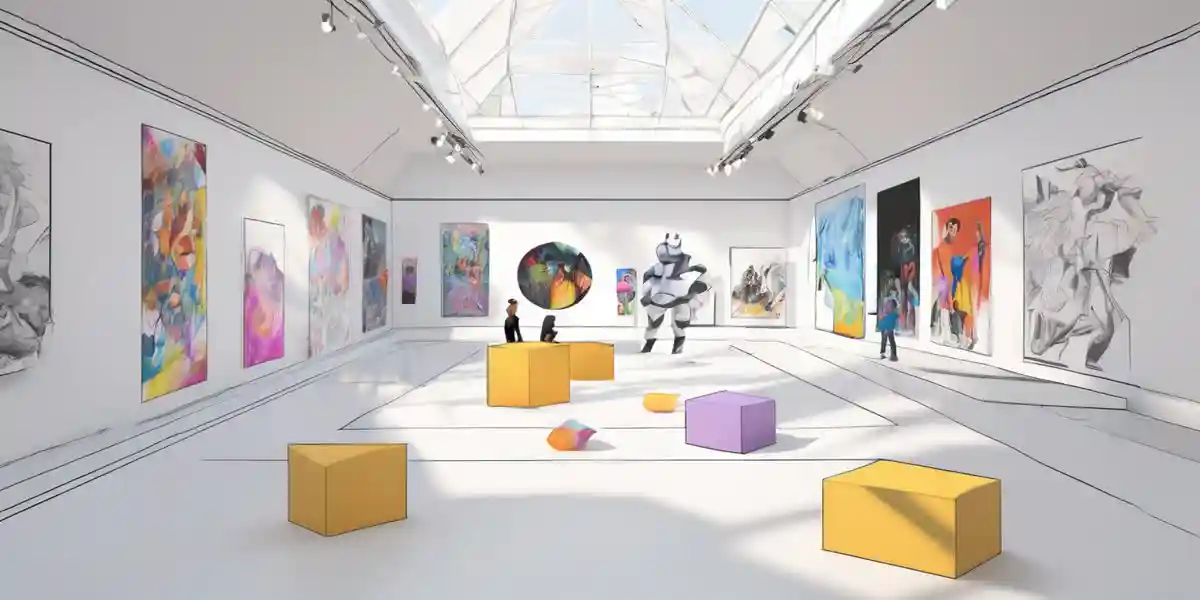
The Metaverse is redefining the way audiences interact with art by creating immersive virtual environments where artistic expression can flourish. In these digital spaces, artists can showcase their work in innovative ways that go beyond traditional galleries. Visitors can explore art exhibitions through avatars, allowing them to experience the artwork from multiple perspectives. For example, Kevin McCoy's "Quantum," one of the first artworks to be tokenized on the blockchain, exemplifies the merging of art and technology. This piece not only sold for a notable amount at Sotheby's but also represents the potential of digital ownership in an art landscape that increasingly values provenance and authenticity.
The Metaverse serves as more than just a canvas; it fosters community engagement among artists and audiences. Through social interaction in these virtual spaces, artists can connect with fans and collectors in real-time, exchanging ideas and feedback. This level of connectivity helps create a sense of belonging and can be particularly beneficial for emerging artists who may not have access to traditional platforms. Events like virtual openings and live-streamed discussions enable deeper relationships, thus nurturing a supportive ecosystem for artistic growth. Moreover, decentralized finance (DeFi) mechanisms allow creators to exhibit their work and receive micropayments directly from patrons, which empowers artists financially while fostering a more sustainable model for art appreciation.
Art within the Metaverse often challenges the conventional boundaries of artistic mediums. Artists can create interactive installations that respond to viewer interactions. This evolution not only invites participation but transforms the audience into co-creators of the experience. For instance, gamified art installations allow participants to engage with art on a deeper level, changing how art is perceived and appreciated. This is in line with the findings that the Web3 ecosystem provides tools for creating unique interactive experiences that were previously unattainable. The application of smart contracts, discussed in the research on Web3 technologies, facilitates these engagements by ensuring transparency and authenticity in construction.
As we explore the evolving landscape of contemporary art, it's clear that Web3 and DeFi are not just passing trends but transformative forces that are revolutionizing creativity. We’ve seen how NFTs and blockchain technology are redefining ownership, allowing artists to retain control over their work and eliminate traditional gatekeepers. This shift enhances the connection between artists and collectors, fostering a deeper appreciation for the value of digital artistry.
Moreover, the role of DeFi has emerged as a beacon of empowerment for artists, granting them financial independence and access to new revenue streams. With decentralized finance, creators can obtain funding and support directly from their communities, without relying solely on traditional institutions that often impose restrictive terms.
Lastly, the metaverse provides an innovative platform for immersive experiences where art transcends physical boundaries, enabling community engagement and collaboration on an unprecedented scale. This fusion of technology and creativity invites all of us to participate actively in the art world, breaking down barriers and encouraging inclusivity.
In summary, the integration of Web3 and DeFi into the art sector signifies a profound shift towards a more equitable and dynamic ecosystem that nurtures creativity and innovation. As we witness these changes unfold, let's embrace the opportunities that arise and support the artists navigating this new frontier. Together, we can redefine what contemporary art means, celebrating its evolution in the age of digital empowerment.
Get notified about new articles, coffee tips, and Web3 insights.
This site participates in affiliate programs and may earn a commission when a link is clicked and a purchase is made. The site is not responsible for any issues or troubles related to the products or services purchased through the use of this site.

DO&COFFEE loves coffee and technology, exploring the potential of NFTs and blockchain. Learn more →
DO&COFFEE loves coffee and technology, exploring the potential of NFTs and blockchain. Learn more →