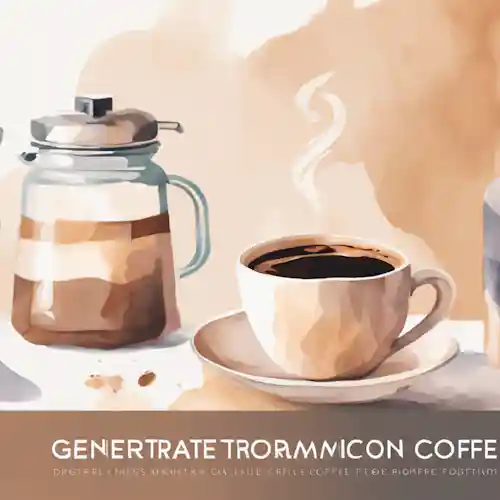
coffee
2024/08/07

In today’s rapidly evolving digital landscape, the intersection of traditional industries and cutting-edge technologies presents unique opportunities for innovation. This blog post explores the convergence of coffee—a globally cherished beverage—and Non-Fungible Tokens (NFTs), a novel digital asset class that has captured the attention of creators and collectors alike.
Key Terms Defined: Coffee is derived from the beans of the Coffea plant and involves a complex chain from cultivation to consumption, impacting millions of lives worldwide. NFTs, on the other hand, are unique digital assets verified using blockchain technology, which ensures ownership and provenance. Together, they represent a fascinating case study in how emerging tech can enhance the value of a time-honored commodity.
The importance of this topic is underscored by real-world examples demonstrating the transformative potential of NFTs in the coffee industry. For instance, farmers can tokenize their coffee beans as NFTs, creating a direct link between producers and consumers. This innovation not only provides farmers with fair compensation but also offers buyers assurance of quality and origin. According to a report from the World Economic Forum, implementing blockchain in supply chains could reduce costs by up to 20%, further enhancing efficiency in the coffee sector.
As we delve deeper, we will explore how digital revolution trends such as blockchain, Web3, and NFTs interconnect with the coffee industry. We’ll examine actionable strategies for stakeholders—from farmers to consumers—to leverage these technologies for mutual benefit. Ultimately, this post aims to illuminate the path toward a more equitable and transparent coffee market, enhanced by the digital revolution.
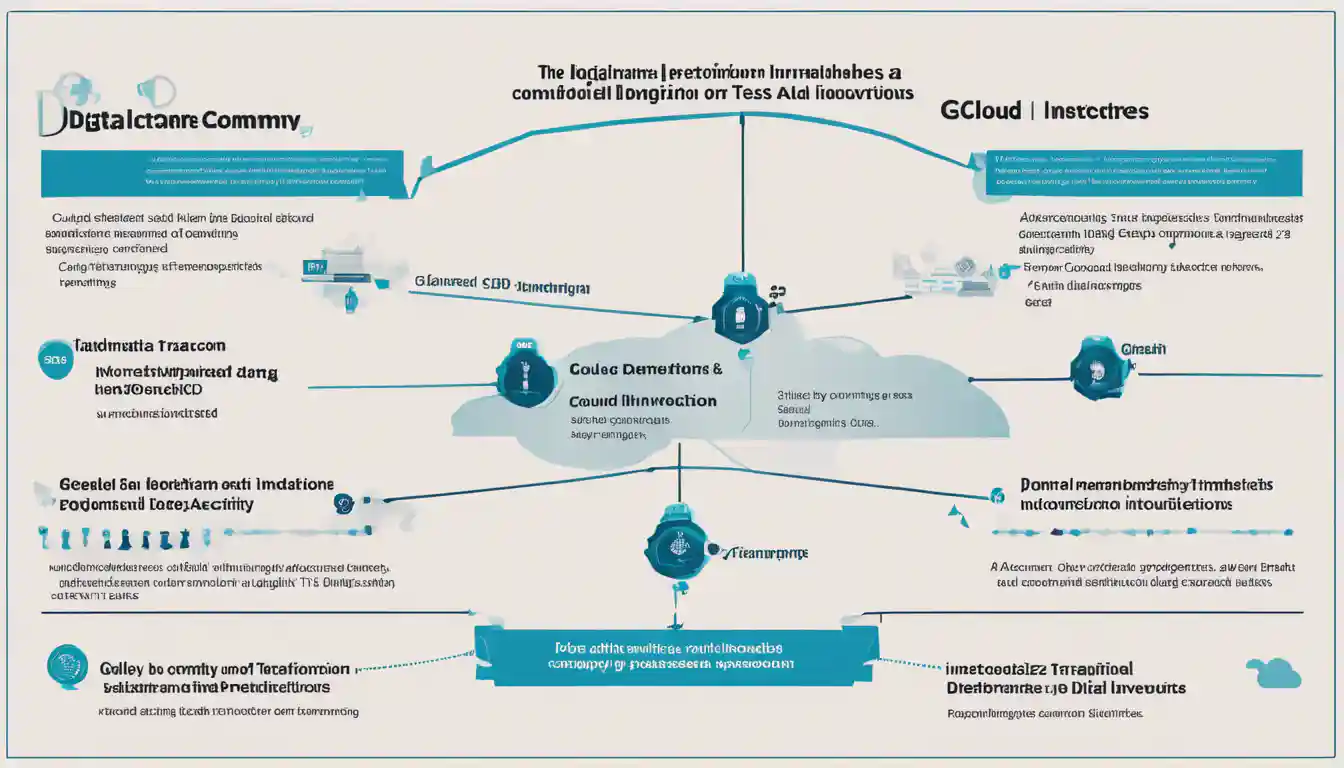
The Digital Revolution refers to the shift from traditional mechanical and analogue technology to digital technology. This transformation began in the late 20th century with the rise of computers and the internet. Key technical aspects include the digitization of information, which allows data to be stored and processed in binary formats (0s and 1s).
Technologies such as cloud computing, artificial intelligence, and blockchain fundamentally reshape how businesses operate and how individuals interact with the world.
For instance, cloud computing enables scalable storage solutions that can handle vast amounts of data, while AI algorithms can analyze this data to extract insights, automate tasks, and improve decision-making processes. Blockchain technology, a cornerstone of the Web3 movement, ensures transparency and security in transactions, laying the groundwork for decentralized applications (dApps) and non-fungible tokens (NFTs).
The Digital Revolution is critical for numerous reasons. First, it has democratized access to information, allowing individuals and businesses to share and retrieve data effortlessly. For example, platforms like Google and Wikipedia have made knowledge accessible to billions, transforming learning and research.
Moreover, industries are leveraging digital technologies to enhance productivity and innovation. In the coffee industry, technology is reshaping supply chains: farmers use mobile apps to access market prices, ensuring they receive fair compensation. Additionally, blockchain can trace the journey of coffee from farm to cup, providing transparency and building trust with consumers. According to a report by McKinsey, companies that embrace digital tools can improve their productivity by up to 25%.
Here are three concrete, actionable tips to engage with the Digital Revolution:
The Digital Revolution's relationship with advanced technologies like Web3 is profound. Web3 represents a decentralized internet where users have greater control over their data. This is achieved through blockchain, which allows for peer-to-peer transactions without intermediaries.
For example, NFTs enable creators in the coffee industry to tokenize their products, allowing direct sales to consumers while retaining a share of future sales. This model not only enhances profitability but also fosters a community around the brand.
According to a study published by the World Economic Forum, the digital economy is expected to contribute $23 trillion to global GDP by 2025. Furthermore, a report by Statista indicates that the global blockchain market size is projected to grow from $3 billion in 2020 to over $39 billion by 2025, reinforcing the significance of digital technologies in driving economic growth and innovation.
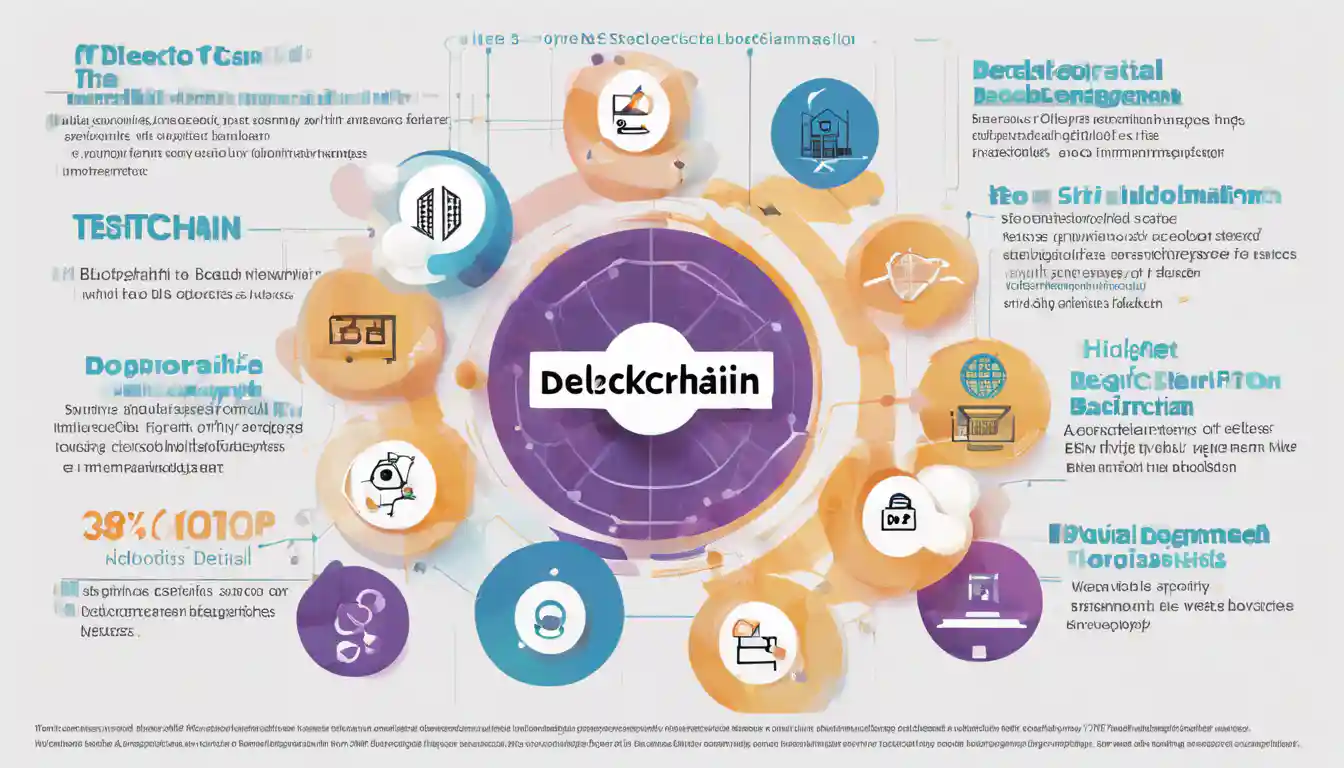
Blockchain technology is a decentralized digital ledger that records transactions across multiple computers so that the recorded transactions cannot be altered retroactively. This technology is fundamentally built on a few key concepts:
The significance of blockchain technology extends beyond cryptocurrencies. Real-world applications demonstrate its ability to enhance transparency, security, and efficiency across various sectors:
For individuals and businesses looking to embrace blockchain technology, here are three actionable steps:
The intersection of blockchain technology and Web3 is particularly promising. Web3 envisions a decentralized internet where users have control over their data. Blockchain serves as the backbone of this vision, enabling decentralized applications (dApps) that operate independently of central authorities. For instance, platforms like OpenSea utilize blockchain to facilitate NFT transactions, allowing users to buy and sell digital assets securely and transparently.
According to a report by Deloitte, 40% of organizations are considering blockchain technology for their operations, demonstrating its growing acceptance and potential across industries. Moreover, a study by Gartner predicts that by 2025, 75% of enterprises will adopt some form of blockchain technology, indicating a significant shift in how businesses operate in the coming years.
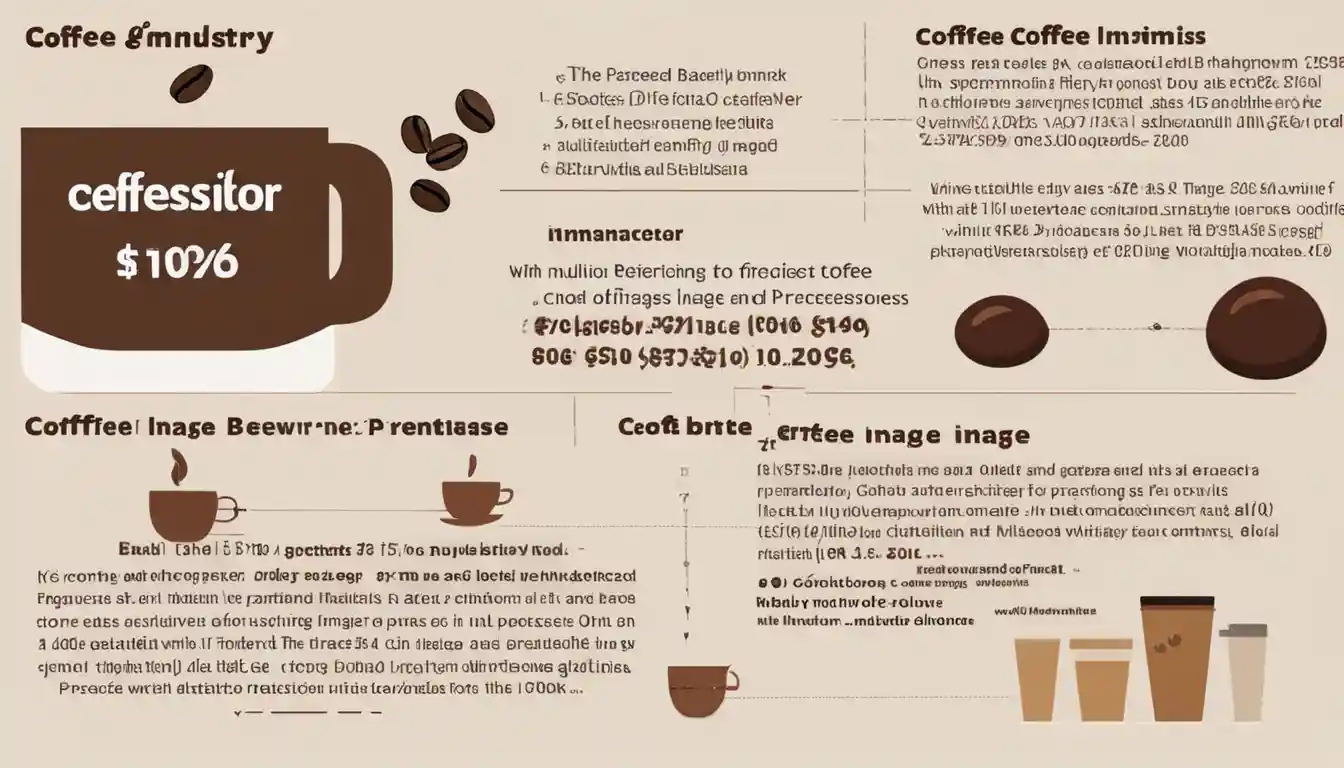
The coffee industry is a complex and multifaceted sector that encompasses the cultivation, processing, distribution, and retailing of coffee. It involves several stages, from bean to cup, including:
Technically, the coffee industry also involves supply chain management, quality control, and sustainability practices, especially given the increasing consumer demand for ethically sourced coffee.
The coffee industry is not just an economic powerhouse; it is a cultural phenomenon as well. According to the International Coffee Organization, the global coffee market was valued at approximately $102.15 billion in 2020 and is projected to reach $155.64 billion by 2026. This growth is driven by the rising demand for specialty coffee and the increasing number of coffee shops worldwide.
Real-world examples of the coffee industry's importance include:
For those looking to engage more deeply with the coffee industry, here are three actionable tips:
The intersection of the coffee industry and advanced technologies, particularly Web3 and NFTs, offers exciting opportunities. Blockchain technology can be leveraged for traceability in coffee sourcing, ensuring transparency from farm to consumer. For instance, farmers could tokenize their coffee beans as NFTs, providing buyers with proof of origin and quality.
This application not only enhances consumer trust but also allows farmers to connect directly with consumers, cutting out intermediaries. According to a report by the World Economic Forum, implementing blockchain in supply chains could reduce costs by up to 20% and improve efficiency, which is critical in the coffee industry where margins are often tight.
The coffee industry is a rich tapestry of cultural significance, economic impact, and technological advancement. As we navigate the digital revolution, the integration of NFTs and blockchain technology offers a transformative potential for how we interact with this beloved beverage. By understanding the industry's complexities and engaging with it thoughtfully, both consumers and producers can benefit from its evolution.
In this exploration of "Coffee and NFTs: Weaving New Value in the Digital Revolution," we have delved into the transformative potential of blockchain technology and non-fungible tokens (NFTs) within the coffee industry. Key takeaways include how blockchain enhances transparency in coffee sourcing, allowing consumers to trace their coffee from farm to cup, and how NFTs empower farmers to tokenize their products, thereby creating direct connections with consumers and fostering community.
Looking ahead, the implications of integrating digital technologies into traditional industries like coffee are profound. As the digital economy continues to expand, we may witness a surge in innovative applications of blockchain and NFTs, revolutionizing not only how coffee is produced and sold but also how consumers engage with their favorite beverage. This evolution could lead to a more equitable distribution of value along the supply chain, ensuring that farmers receive fair compensation while enhancing consumer trust and sustainability.
As we move forward in this digital era, consider how you can engage with these changes. Will you support coffee brands that leverage blockchain for transparency? Will you explore the world of NFTs in your purchasing decisions? The choices you make can contribute to a more sustainable and connected coffee industry. Embrace the revolution and let your coffee experience evolve!
- RESEARCH PAPER ON BLOCKCHAIN IN COFFEE SUPPLY CHAIN
- Gayo Aceh Coffee Supply Chain Risk Dynamics Modeling
- How NFTs could transform health information exchange

Get notified about new articles, coffee tips, and Web3 insights.
This site participates in affiliate programs and may earn a commission when a link is clicked and a purchase is made. The site is not responsible for any issues or troubles related to the products or services purchased through the use of this site.

DO&COFFEE loves coffee and technology, exploring the potential of NFTs and blockchain. Learn more →
DO&COFFEE loves coffee and technology, exploring the potential of NFTs and blockchain. Learn more →