art
2024/08/07

In an era where digital landscapes are rapidly evolving, the convergence of blockchain, art, and community presents unprecedented opportunities and challenges. At its core, blockchain is a decentralized ledger technology that enables secure, transparent transactions across various applications, including the art world.
It empowers artists by providing a platform for Non-Fungible Tokens (NFTs), which are unique digital assets that establish ownership and authenticity of digital art. This intersection not only revolutionizes how art is created, sold, and experienced but also fosters a sense of community among creators and collectors alike.
The importance of this topic can be illustrated through concrete examples. Over the past decade, public funding for the arts has declined significantly, pushing artists to explore innovative funding avenues. Platforms like Kickstarter and Patreon have emerged, allowing creators to connect directly with their audience and secure financial support without traditional gatekeepers.
This trend has been further accelerated by the rise of NFTs, which saw sales surpass $10 billion in the third quarter of 2021 alone (source: NonFungible.com). This dramatic shift towards digital ownership and decentralized funding highlights the changing dynamics of artistic value and community engagement.
The main ideas of this exploration will delve into the technical aspects of blockchain technology and its application in the art sector, examining how it facilitates new forms of collaboration and community building. By addressing the evolution of digital art, the role of NFTs, and the emerging blockchain communities, we will uncover how these elements interconnect to reshape the cultural landscape.
As we navigate this digital realm, we will witness how artists leverage blockchain to reclaim their narratives and how audiences engage with art in ways previously unimaginable.
In summary, understanding the interplay between blockchain, art, and community is crucial for appreciating the current cultural shift. As public funding diminishes and traditional art markets face challenges, the digital realm offers a vibrant space for innovation, connection, and creativity.
Through this blog post, we aim to illuminate the transformative potential of this intersection, providing insights and suggestions for artists and enthusiasts alike.
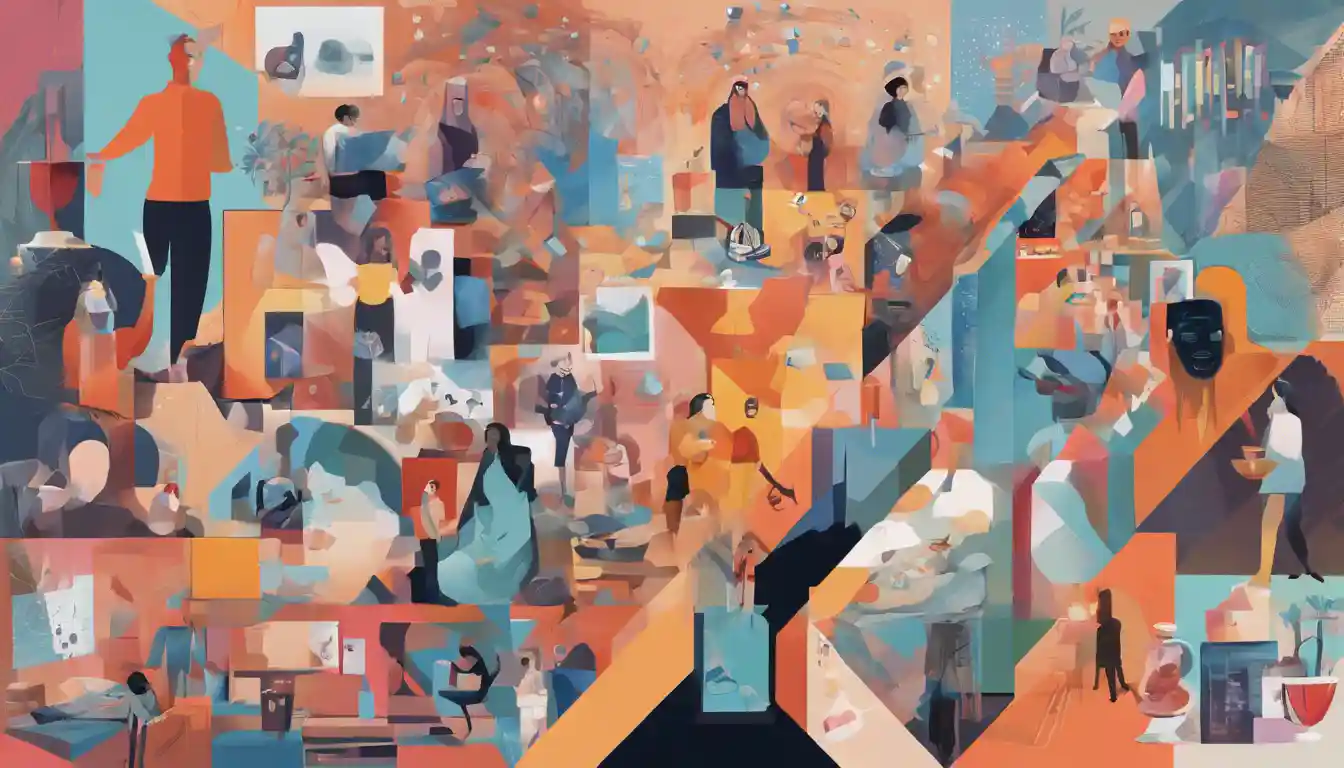
Art, in its broadest sense, is a form of expression that embodies creativity, emotion, and human experience. It encompasses various disciplines including visual arts, performance arts, literature, and music. Technically, art can be created using a range of tools and mediums, from traditional paint on canvas to digital platforms and blockchain technologies.
In the digital realm, a notable advancement has been the introduction of Non-Fungible Tokens (NFTs) which utilize blockchain technology to ensure the authenticity and ownership of digital artworks. Each NFT is unique and cannot be exchanged on a one-to-one basis, which makes it distinct from cryptocurrencies like Bitcoin. This technical framework not only allows for the creation of digital art but also ensures its provenance and traceability, fostering trust among collectors and artists.
The significance of art stretches beyond mere aesthetics; it plays a vital role in cultural identity, social commentary, and economic development. For instance, public art initiatives, such as murals and installations, can revitalize communities and stimulate local economies. The rise of crowdfunding platforms like Kickstarter and Patreon has allowed artists to bypass traditional funding routes, offering them a direct connection with their audience and enabling them to explore innovative projects.
A compelling example is the success of NFT art sales, which reached over $2.5 billion in transactions in 2021 alone (source: NonFungible.com). This surge reflects not only a growing market for digital art but also the ability of artists to monetize their work and engage with a global audience without the gatekeeping of traditional art galleries.
Here are three actionable tips for readers interested in engaging with the art community:
Blockchain technology plays a crucial role in the evolution of art in the digital age. By securing ownership records and transaction histories, it enhances transparency and trust among participants in the art market. For instance, the use of smart contracts allows artists to receive royalties every time their work is sold in the secondary market. This ensures that artists can continuously benefit from their creations, a significant shift from traditional art sales.
Moreover, as public funding for the arts has decreased, the rise of digital technologies has opened new doors for artists to reach diverse and global audiences. The ability to communicate directly with supporters has been revolutionized through social media and crowdfunding platforms, creating a more decentralized form of art patronage.
According to recent studies, the evolution of crowdfunding has redefined how creative work is funded, with platforms like Kickstarter raising over $5 billion for creative projects since their inception (source: Kickstarter.com). Additionally, the emergence of NFTs has formed new collaborative practices, enabling artists to break free from traditional art market constraints and reach audiences directly.
As art continues to evolve through the integration of technology, it becomes increasingly clear that the fusion of blockchain, art, and community not only enriches the cultural landscape but also empowers artists and audiences alike.
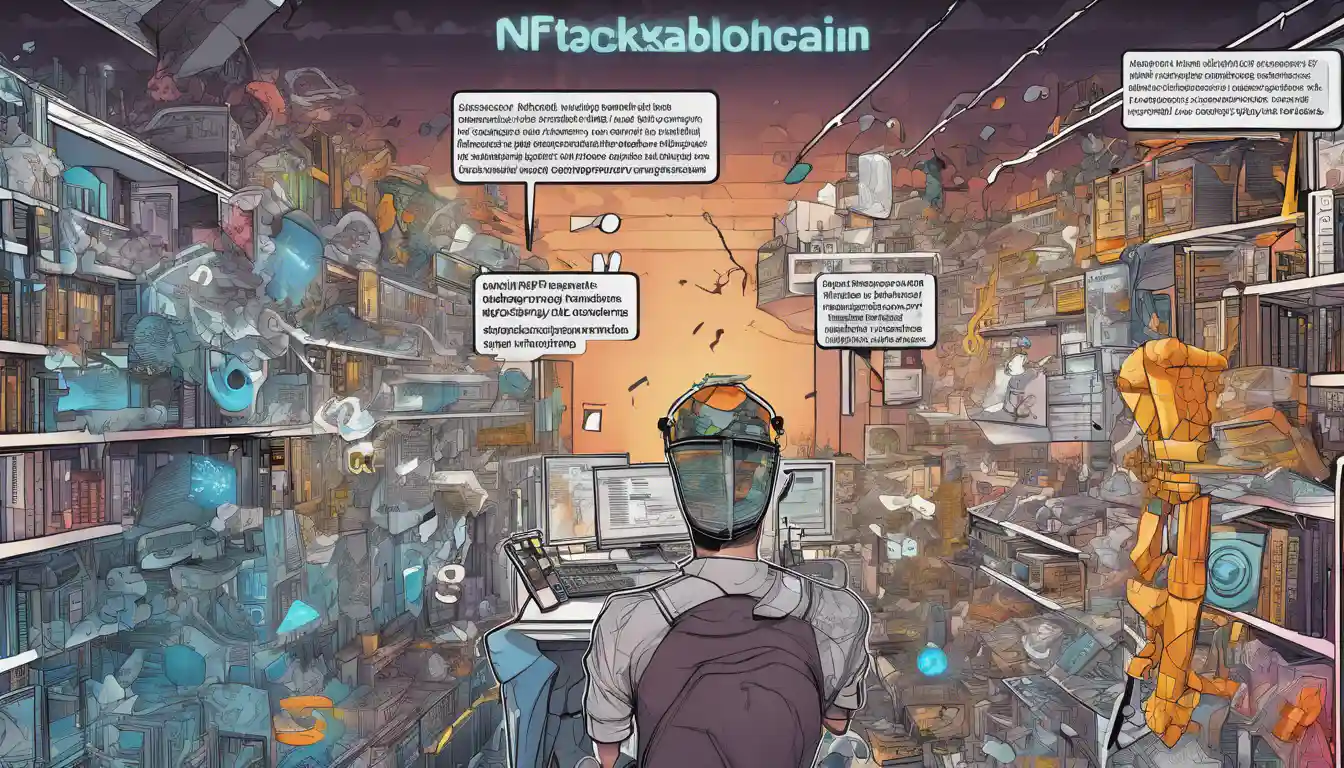
Digital Blockchain is a decentralized ledger technology that enables secure and transparent recording of transactions across multiple computers. Each block in the blockchain contains a collection of transactions, a timestamp, and a cryptographic hash of the previous block, forming a chain. This structure ensures that once a block is added to the chain, it cannot be altered without altering all subsequent blocks, which requires consensus from the network.
The technical aspects of Digital Blockchain revolve around its consensus mechanisms, such as Proof of Work (PoW) and Proof of Stake (PoS). In PoW, miners solve complex mathematical problems to validate transactions, while PoS allows validators to create new blocks based on the number of coins they hold. These mechanisms play crucial roles in ensuring the integrity and security of the blockchain.
Moreover, with the rise of Web3, the integration of blockchain technology into decentralized applications (dApps) enhances user autonomy and privacy, allowing creators to interact directly with their audiences without intermediaries. The advent of Non-Fungible Tokens (NFTs) exemplifies this shift, giving artists the ability to tokenize their digital works and establish ownership and provenance through blockchain.
The significance of Digital Blockchain extends beyond cryptocurrencies. For instance, in the field of art, the emergence of NFTs has transformed how artists monetize their work. Artists can now sell digital assets directly to consumers while retaining control over their creations. According to a study, the NFT market surged to over $10 billion in sales in Q3 2021, signifying a monumental shift in art commerce (source: NonFungible.com).
Additionally, the technology has been pivotal in crowdfunding initiatives for creative projects. Platforms like Kickstarter and Patreon leverage blockchain to facilitate transparent funding and community engagement. As public arts funding declines, these innovative approaches allow creators to secure financial backing directly from their supporters, fostering a sense of community and shared ownership.
Here are three actionable steps you can take to engage with Digital Blockchain technology:
In the context of Web3, Digital Blockchain serves as the backbone for decentralized applications and protocols, enabling features such as smart contracts, which automatically execute predefined actions when conditions are met. This functionality is increasingly relevant for sectors like finance, where Decentralized Finance (DeFi) platforms are redefining traditional banking services.
For example, users can lend, borrow, and earn interest on their assets without the need for intermediaries, thus reducing costs and increasing accessibility.
Furthermore, the integration of blockchain with technologies like artificial intelligence (AI) can enhance data privacy and security. As highlighted in recent studies, combining blockchain with AI can create systems that are not only secure but also capable of maintaining data integrity across distributed networks.
The emergence of NFT art has been shown to create new collaborative practices within online creative communities, highlighting the transformative potential of blockchain technology.
Moreover, the correlation between NFT coin prices and economic uncertainty underscores the evolving financial landscape shaped by digital assets (source: Economic Analysis of NFTs).
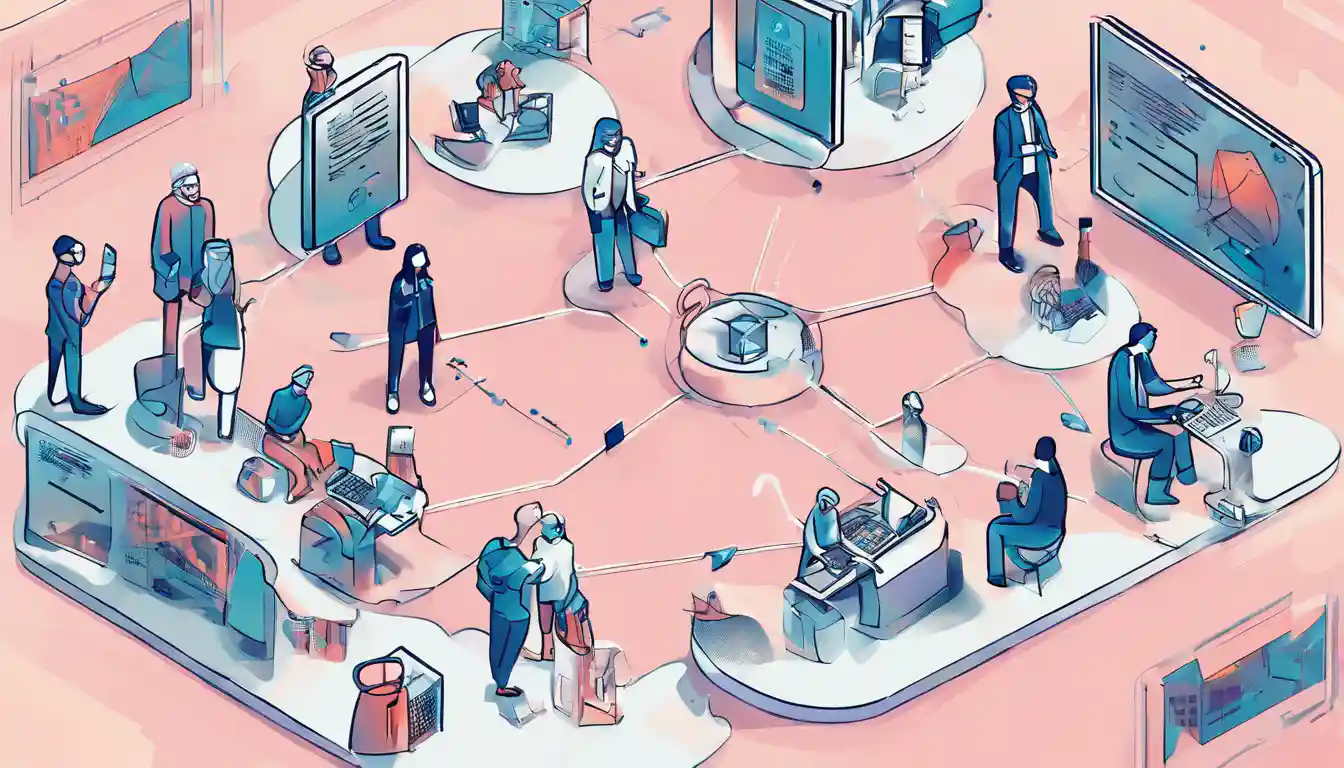
The term "Blockchain Community" refers to a collective of individuals and organizations that engage with blockchain technology, often centered around shared interests such as cryptocurrency, decentralized finance (DeFi), and non-fungible tokens (NFTs). At its core, a blockchain community thrives on principles of decentralization, transparency, and trust, which are foundational to blockchain technology itself.
Technically, blockchain is a distributed ledger technology that enables the recording of transactions across multiple computers in such a way that the registered transactions cannot be altered retroactively. Each block in the blockchain contains a timestamp and a link to the previous block, forming a secure chain. This mechanism ensures data integrity while empowering users to engage in peer-to-peer transactions without intermediaries.
The importance of a blockchain community cannot be overstated. In recent years, as public funding for the arts has diminished, the rise of online technologies has allowed for innovative approaches to audience engagement and funding.
For instance, platforms like Patreon and Kickstarter have transformed how creative individuals and organizations secure funding by allowing direct support from their audiences. This shift exemplifies how blockchain communities foster new models for collaboration and support.
Moreover, the emergence of NFTs has enabled artists to assign unique value to digital works, creating new revenue streams and establishing trust through transparent ownership records. This dynamic is illustrated by the fact that NFT sales surged to over $10 billion in the third quarter of 2021 alone, highlighting the significant role blockchain communities play in democratizing art ownership and distribution.
The technical aspects of blockchain are closely intertwined with the emergence of Web3, a decentralized internet model. In Web3, blockchain communities enable users to own their data and participate in governance models through decentralized autonomous organizations (DAOs).
These organizations leverage smart contracts—self-executing contracts with the terms directly written into code—to facilitate trustless interactions between users.
For example, in the realm of NFTs, smart contracts are employed to ensure that artists receive royalties every time their work is resold, creating a sustainable income model. This is a significant departure from traditional art markets, where artists often see no financial benefit from secondary sales of their works.
Research indicates that the advent of NFTs and blockchain technologies has led to a radical shift in the creative industries. As stated in a recent paper, "The introduction of NFTs has allowed artists to sell digital works as unique items, thus breaking traditional art market boundaries" .
Furthermore, during the period from January to July 2022, a study revealed a strong correlation between the prices of NFT coins and economic uncertainty, underscoring their emerging significance as a new asset class (source: NFT and Economic Uncertainty Study).
In this exploration of the intersection between blockchain, art, and community, we've unveiled how digital platforms are reshaping the creative landscape. We discussed the significant role of Non-Fungible Tokens (NFTs) in empowering artists by allowing them to sell digital artwork as unique assets, thereby enhancing ownership transparency and trust through blockchain technology.
Furthermore, we delved into the impact of crowdfunding platforms like Patreon and Kickstarter, which have become essential tools for artists seeking financial support while fostering direct connections with their audience. This shift has democratized art funding and opened new avenues for creative expression.
Looking to the future, we can anticipate further innovations as blockchain technology continues to evolve, potentially leading to even more collaborative artistic practices and decentralized funding models. As public funding for the arts remains uncertain, the reliance on community-driven support will likely grow, paving the way for a new era of artistic engagement and sustainable revenue streams.
As we stand at this exciting crossroads of technology and creativity, consider how you can engage with and support the digital art community. Whether through exploring NFT platforms, contributing to crowdfunding campaigns, or simply sharing your thoughts and experiences, your participation is crucial in shaping the future of art in the digital realm. The question remains: how will you contribute to this transformative movement?
- Mitigating Decentralized Finance Liquidations with Reversible Call Options
- D-insta: A Decentralized Image Sharing Platform
- Energy Management and Trading of a Community Microgrid using Blockchain Approach
- Time and frequency dynamics between NFT coins and economic uncertainty
- Securing Wireless Sensor Networks Using Machine Learning and Blockchain: A Review
- A Rate-and-Trust-Based Node Selection Model for Block Transmission in Blockchain Networks
Get notified about new articles, coffee tips, and Web3 insights.
This site participates in affiliate programs and may earn a commission when a link is clicked and a purchase is made. The site is not responsible for any issues or troubles related to the products or services purchased through the use of this site.
DO&COFFEE loves coffee and technology, exploring the potential of NFTs and blockchain. Learn more →
DO&COFFEE loves coffee and technology, exploring the potential of NFTs and blockchain. Learn more →