art
2024/08/07
In recent years, the intersection of digital art and blockchain technology has transformed the landscape of creative expression. Digital art refers to artwork created using digital tools and technologies, including digital painting, animation, and 3D modeling.
With the rise of Non-Fungible Tokens (NFTs), digital art has gained a new dimension, allowing artists to tokenize their creations and establish verifiable ownership on the blockchain. This decentralized technology offers transparency and security, which are crucial in an era where copyright infringement and misrepresentation are prevalent.
The importance of this topic is underscored by significant events, such as the sale of the digital artwork by artist Beeple for a staggering $69 million at a Christie’s auction. This landmark sale not only challenged traditional notions of value in art but also highlighted the potential for digital ownership to generate substantial income for creators.
Furthermore, during the COVID-19 pandemic, many artists turned to online platforms to showcase their work, leading to a reported 80% increase in income from digital sales for numerous artists. This paradigm shift illustrates how digital art and blockchain can empower creators and redefine community engagement in the arts.
This blog post will explore the interconnected themes of community, creativity, and the future of digital art in the blockchain era. We will delve into how blockchain technology fosters artistic collaboration and community building, while also examining the creative opportunities it presents.
By understanding the implications of these developments, we can better appreciate how they shape the future of art and culture. The growing NFT market, projected to reach $13 billion by 2027, showcases the vast potential for artists to monetize their work in innovative ways, further emphasizing the importance of this discussion.
Digital art refers to any artwork that is created or presented using digital technology. This encompasses a wide range of forms including digital painting, 3D modeling, animation, and interactive installations. Technically, digital art can be generated through software tools like Adobe Photoshop, Illustrator, or 3D modeling software such as Blender. Artists may use graphics tablets to create intricate designs, leveraging pixel-based or vector-based techniques to produce their work.
One of the key technical aspects is the use of bitmaps and vectors. Bitmaps are pixel-based images that can lose quality when resized, while vector graphics are composed of paths defined by mathematical equations, allowing for scalability without loss of quality. Furthermore, the emergence of Non-Fungible Tokens (NFTs) has revolutionized the field, enabling digital artists to sell their work as unique, verifiable assets on the blockchain.
Digital art has grown significantly in importance, particularly during the COVID-19 pandemic when traditional art venues were closed. Artists adapted by creating online galleries and virtual exhibitions.
For instance, the Beeple NFT sale for $69 million in 2021 epitomizes the potential of digital art to reach new audiences and generate substantial revenue. This event marked a turning point, challenging the traditional art market and emphasizing the value of digital ownership.
Moreover, digital art plays a crucial role in community building and activism. Projects like CryptoPunks not only serve as art but have also fostered communities around them, allowing artists and collectors to engage in dialogue and collaboration. The blend of art and technology creates a platform for discussions on ownership, rights, and the future of creativity.
Here are three actionable tips for readers looking to explore digital art:
In the context of Web3, digital art intersects with blockchain technology, particularly in the realm of NFTs. Each NFT is a unique digital asset stored on a blockchain, providing proof of ownership and establishing a new revenue stream for artists. The transparent nature of blockchain can also eliminate fraud and misrepresentation in art sales.
For example, a study proposed utilizing Bitcoin's immutable ledger to prevent miscalculations in the film industry accounting, which can be paralleled in the art world to ensure artists receive fair compensation for their work.
According to a report, the NFT market reached $41 billion in 2021, showcasing the vast potential of digital assets. Furthermore, a study highlighted that 80% of artists reported increased income through digital sales during the pandemic. This indicates a significant shift in how art is created, distributed, and monetized in the digital era.
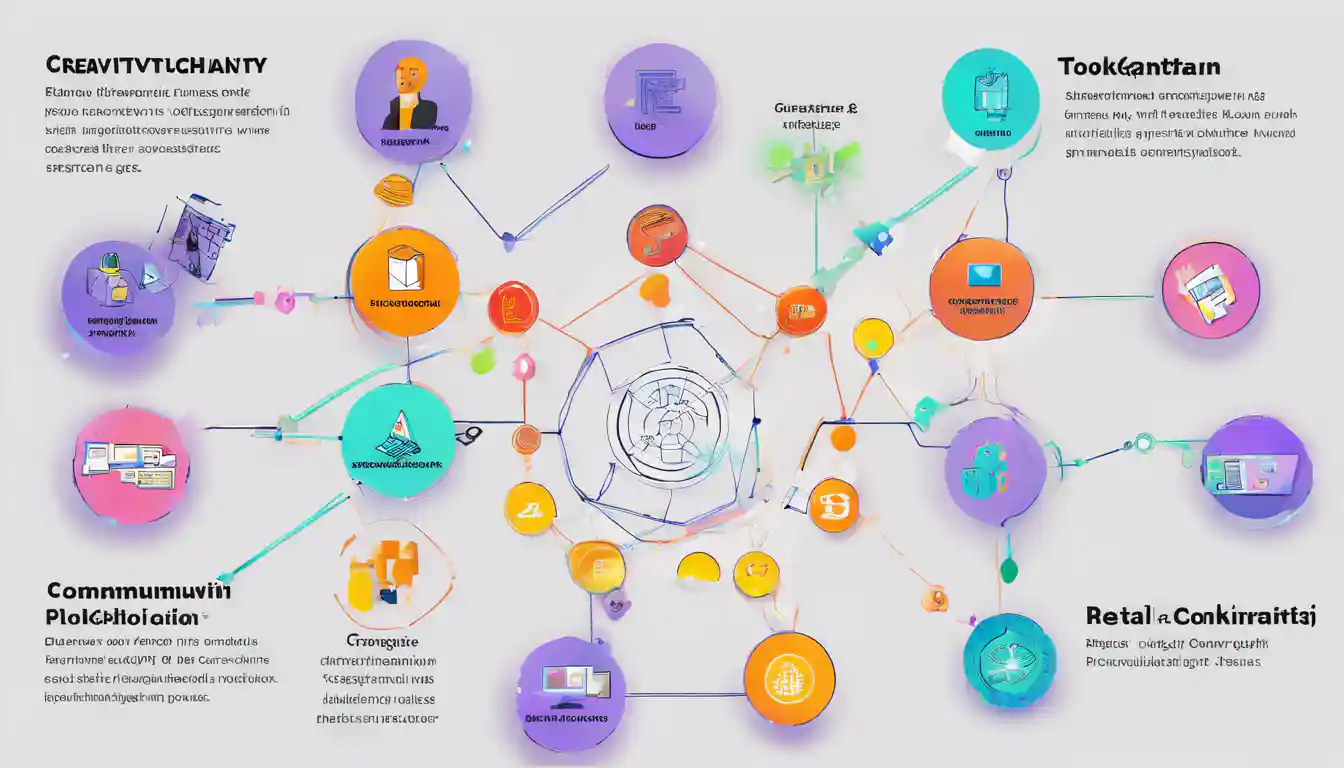
Creativity in blockchain refers to the innovative ways that this technology can enhance artistic expression and the creation of digital content. At its core, blockchain technology provides a decentralized, transparent, and immutable ledger system that can support various creative applications.
For example, through the use of Non-Fungible Tokens (NFTs), artists can tokenize their work, ensuring provenance and ownership. This capability allows creators to monetize their work directly, circumventing traditional distribution channels that often exploit them.
Technically, blockchain operates via smart contracts, which are self-executing contracts with the agreement directly written into code. These contracts can automate processes such as royalties for artists every time their work is resold, ensuring that creators can continuously benefit from their creations.
The importance of creativity in blockchain is underscored by real-world applications across various sectors, particularly in the arts. The film industry, for example, has faced challenges with opaque accounting practices that often leave creators under-compensated.
A study highlights that using Bitcoin's transparent ledger can eliminate fraudulent accounting practices, establishing trust among creators and investors alike.
Another notable example is the rise of community-driven art projects that leverage blockchain technology. These projects empower local artists and provide them with resources to promote cultural expression. For instance, in Buenos Aires, local artists have harnessed blockchain to fund urban art initiatives, fostering a sense of community while challenging colonial narratives in urban planning.
In the context of Web3, creativity in blockchain is not just about art but also about building decentralized applications (dApps) that can enhance user experience. For instance, artists can create immersive experiences using augmented reality (AR) or virtual reality (VR) integrated into their NFTs, making them more interactive and engaging.
Furthermore, the use of decentralized finance (DeFi) can enable artists to access funding directly from their communities, bypassing conventional financial institutions.
According to recent studies, the creative economy is being reshaped by such technologies, with creators now able to reach global audiences and engage in direct funding mechanisms such as crowdfunding on platforms like Patreon and Kickstarter. This shift is redefining the relationship between creators and their audiences, fostering a more sustainable ecosystem for creative expression.
Research indicates that the global NFT market is expected to surpass $13 billion by 2027, demonstrating the growing importance of blockchain in the creative sectors.
Additionally, a report found that artists leveraging blockchain technology have seen a 30% increase in revenue compared to those relying solely on traditional methods.
By embracing creativity in blockchain, artists and creators not only protect their work but also cultivate a more equitable, transparent, and innovative creative environment.
Non-fungible tokens (NFTs) represent a revolutionary shift in the way we think about ownership and value in the digital realm, particularly for art. Unlike cryptocurrencies such as Bitcoin, which are fungible and can be exchanged for one another, NFTs are unique digital assets stored on a blockchain, typically the Ethereum network. Each NFT contains distinct metadata and a unique identifier that verifies its authenticity and ownership, making it impossible to replicate or forge.
Technically, NFTs are created through a process known as minting, where digital files—be it images, videos, music, or even tweets—are linked to a smart contract on the blockchain. This contract governs the ownership and transferability of the digital asset, ensuring that the original creator retains certain rights and can receive royalties on future sales. The transparency of blockchain technology eliminates the need for intermediaries, allowing creators to engage directly with their audience and monetize their work.
The significance of NFT art extends beyond mere ownership; it represents a paradigm shift in how artists interact with their audience and how art is valued. For instance, digital artist Beeple made headlines when his NFT artwork sold for $69 million at a Christie’s auction, demonstrating the potential for digital art to command prices akin to traditional masterpieces.
This sale not only validated the NFT market but also provided a new revenue stream for artists who previously struggled to monetize their digital creations.
Additionally, platforms like OpenSea and Rarible empower artists worldwide to sell their works directly to collectors, bypassing traditional galleries and auction houses. This democratization of the art market fosters community engagement and encourages creativity by allowing diverse voices to flourish.
Moreover, NFTs have found applications beyond art, including virtual real estate in the metaverse and collectibles in gaming, showcasing their versatility and potential impact on various industries.
NFT art is closely tied to the evolution of Web3, which envisions a decentralized internet where users have greater control over their data and digital assets. The use of smart contracts in NFTs exemplifies this shift, as they facilitate transactions without reliance on centralized authorities.
Furthermore, the integration of NFTs into the metaverse presents exciting possibilities for artists to create immersive experiences, blurring the lines between digital and physical art forms.
Additionally, the transparency of blockchain technology addresses issues of provenance and copyright, empowering creators to protect their intellectual property. According to the Nasdaq, the NFT market generated over $2.5 billion in sales in the first quarter of 2021 alone, highlighting the rapid adoption and potential for growth in this sector.
As the technology matures, it promises to reshape not just the art world but also how we engage with culture and creativity.
In this exploration of "Digital Art in the Blockchain Era," we have uncovered the transformative impact of blockchain technology on the creative landscape. Key takeaways include the emergence of digital art forms facilitated by tools like NFTs, which revolutionize the way artists monetize and maintain ownership of their work.
We discussed the critical role that digital art plays in community building and activism, as seen through collaborative projects that engage audiences and foster dialogue. Furthermore, we highlighted the substantial revenue potential of digital assets, underscoring the shift in how art is created, shared, and valued in a rapidly evolving market.
Looking ahead, the implications of these advancements are profound. The integration of blockchain technology in the art world promises not just enhanced transparency and security but also a democratization of the creative economy. As artists leverage NFTs and decentralized platforms, we may witness a more equitable distribution of resources and opportunities, allowing diverse voices to thrive. Additionally, as the metaverse expands, the intersection of art and technology will likely yield innovative experiences that further blur the lines between the digital and physical realms.
As we stand at the precipice of this digital revolution, consider your role as a creator or consumer. How can you engage with and support the growing community of digital artists? Take action—explore NFT platforms, participate in online art forums, or even create your own digital artwork.
The future of art is being reshaped before our eyes, and your involvement can help steer its direction. Embrace the possibilities and be part of this exciting journey into the blockchain era of creativity!
- Ostrom’s Razor: Using Bitcoin to Cut Fraud in Hollywood Accounting
- Aesthetic Resistances to Urban Coloniality in Buenos Aires. New Forms of Decoloniality?
Get notified about new articles, coffee tips, and Web3 insights.
This site participates in affiliate programs and may earn a commission when a link is clicked and a purchase is made. The site is not responsible for any issues or troubles related to the products or services purchased through the use of this site.
DO&COFFEE loves coffee and technology, exploring the potential of NFTs and blockchain. Learn more →
DO&COFFEE loves coffee and technology, exploring the potential of NFTs and blockchain. Learn more →