art
2024/08/14
Welcome to a new era of creativity and commerce, where the boundaries between art and technology blur in the ever-expanding Metaverse. In our blog post, "Unlocking Value in the Metaverse: How Digital Art is Transforming Profits in Web3", we delve into the fascinating world of digital art and its pivotal role within the Web3 ecosystem. As artists and collectors navigate this digital frontier, a transformative opportunity emerges: the decentralization of art marketplaces.
At the heart of this evolution lies blockchain technology, which empowers artists to retain a larger share of their profits and gain control over their intellectual property. By minting their artwork as non-fungible tokens (NFTs), creators can ensure authenticity and provenance—two critical factors in an arena where digital reproductions abound. Furthermore, smart contracts allow for innovative royalty structures, enabling artists to benefit from secondary sales, thus transforming their creative endeavors into sustainable income streams.
We will explore how digital art is created, marketed, and monetized in this decentralized landscape, highlighting successful case studies that exemplify the potential of this new paradigm. As we unravel the complexities of business models within the Metaverse, we'll also discuss the future of investment in Metaverse art, underscoring the importance of community governance and collaboration in shaping this vibrant ecosystem.
Join us as we unlock the value in the Metaverse, revealing how digital art not only enriches our cultural fabric but also offers unprecedented opportunities for profit and engagement in the world of Web3.
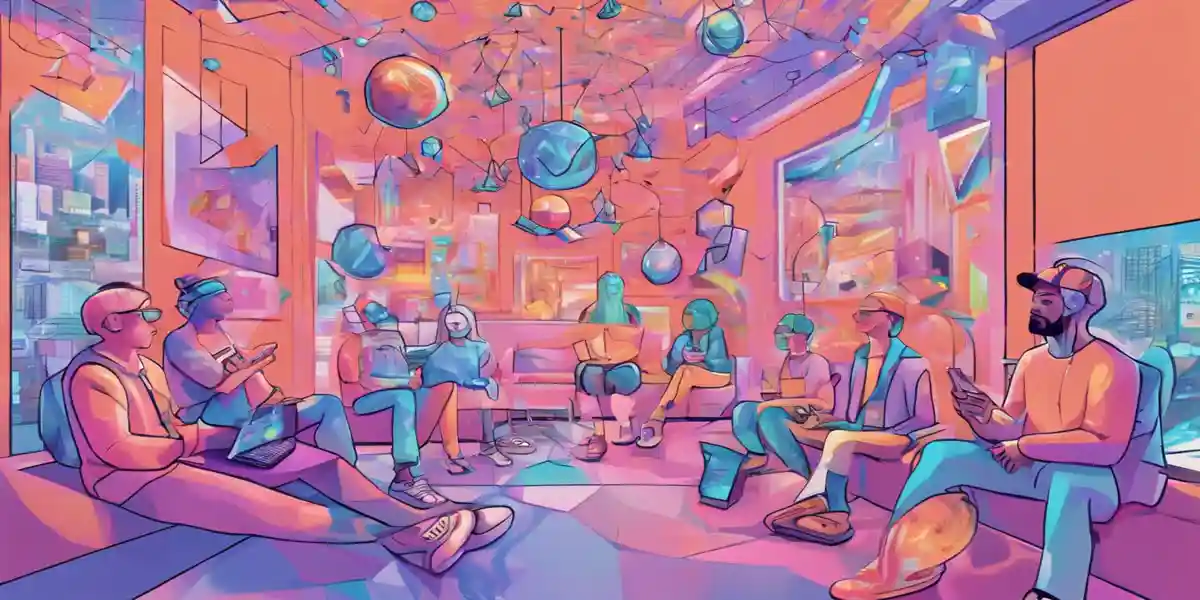
The Metaverse represents a convergence of the digital and physical worlds, an expansive virtual environment where users can interact, create, and transact. It is not just a place but a dynamic ecosystem fueled by technology, social interaction, and creativity. In this realm, the lines between reality and digital experiences blur, paving the way for immersive social experiences, commerce, and art.
Web3 is the next iteration of the internet, characterized by decentralization, user control, and blockchain technology. Unlike its predecessor, Web2, which centralized data and power in the hands of a few corporations, Web3 empowers individual users. This is particularly significant in the context of the Metaverse, where ownership and provenance are critical, especially for digital assets like art.
In the evolving landscape of digital art, decentralized art marketplaces are at the forefront, enabling a direct connection between artists and audiences. These platforms leverage blockchain technology to facilitate peer-to-peer transactions without traditional intermediaries, ensuring that artists retain a larger share of their profits and maintain control over their intellectual property.
At the heart of these marketplaces is the concept of non-fungible tokens (NFTs). NFTs are unique cryptographic tokens that represent ownership of a specific digital asset, providing a mechanism for artists to mint their work securely. Each NFT is stored on the blockchain, ensuring its provenance and authenticity—essential features in a digital landscape where copying art is trivial.
Smart contracts play a pivotal role in the functionality of NFT marketplaces. These self-executing contracts with the terms of the agreement directly written into code allow artists to set royalty structures that automatically compensate them on secondary sales. This capability not only creates a sustainable income stream but also aligns the interests of artists and collectors.
Decentralized platforms often incorporate community governance, enabling both artists and collectors to participate in decision-making processes. This democratization fosters a sense of ownership and investment among users, which is often lacking in traditional art markets. For example, platforms like Foundation and SuperRare allow artists to influence platform policies and the promotion of artworks, thereby creating a collaborative environment.
The global nature of decentralized platforms breaks down geographical barriers, allowing artists from diverse backgrounds to reach wider audiences. This not only diversifies the art scene but also enriches the cultural tapestry of digital art. A street artist from Brazil can now showcase their work to collectors in Japan, creating a vibrant exchange of ideas and aesthetics.
While the opportunities in the Metaverse and Web3 are vast, challenges remain. Issues such as digital ownership, low-quality NFTs, scams, and money laundering risks pose significant hurdles. According to recent studies, fostering supportive NFT communities can help address these challenges by providing newcomers with the resources and networks they need to thrive.
The rapid evolution of Web3 is fundamentally redefining how digital art is created, shared, and monetized. This shift is not just a technological upgrade; it represents a paradigm change in ownership, community engagement, and economic models in the digital realm.
At the heart of this evolution lies the concept of decentralized art marketplaces. These platforms utilize blockchain technology to facilitate direct transactions between artists and collectors, eliminating the need for traditional intermediaries. For instance, platforms like OpenSea and Foundation allow artists to mint their artwork as non-fungible tokens (NFTs). This not only ensures authenticity and provenance—two critical factors in an age where digital art can be easily replicated—but also empowers artists to retain a larger share of their profits.
One of the most significant advancements in Web3 is the implementation of smart contracts. These self-executing contracts with the terms of the agreement directly written into code provide a transparent and tamper-proof mechanism for transactions. Artists can set up royalty structures that automatically compensate them on secondary sales of their NFTs. This creates a continuous income stream for creators, a stark contrast to traditional art sales where artists often receive no compensation once their work is sold.
Decentralized platforms also introduce community governance, allowing both artists and collectors to participate in decision-making processes regarding platform policies and artwork promotion. This model fosters a sense of ownership and investment among users, which contrasts sharply with the often opaque decision-making processes seen in traditional art markets. For example, platforms like Audius leverage community input to shape their ecosystems, illustrating how user engagement can lead to a more vibrant and responsive marketplace.
The global nature of decentralized platforms breaks down geographical barriers that have historically limited artists' exposure. Artists from diverse backgrounds can now reach a worldwide audience, enriching the cultural tapestry of digital art. For example, initiatives like Nifty Gateway have made it easier for artists from underrepresented communities to showcase their work and connect with collectors globally. This diversification not only enhances the art scene but also promotes inclusivity within the digital art community.
While the potential of Web3 is vast, it is not without challenges. Research indicates that NFT creators face significant hurdles, including issues of digital ownership, the prevalence of low-quality NFTs, and concerns regarding scams and money laundering. A study involving qualitative interviews with NFT creators highlighted the necessity for supportive communities to foster learning and collaboration. Addressing these challenges is crucial for ensuring the long-term sustainability of the decentralized art ecosystem.
As the NFT market matures, understanding the factors that influence pricing and investor behavior becomes increasingly important. Recent studies propose frameworks to analyze NFT price formation, emphasizing the need for more robust financial and econometric models. By comprehensively addressing these aspects, stakeholders can better navigate the evolving landscape of digital art and its implications within the broader Web3 ecosystem.
The rise of Web3 is redefining the digital art landscape, providing artists with new avenues to monetize their work and engage directly with their audiences. A key innovation in this space is the development of decentralized art marketplaces, which utilize blockchain technology to facilitate direct transactions between artists and collectors without the need for traditional intermediaries.
Decentralized art marketplaces empower artists by allowing them to retain a larger share of their profits and maintain control over their intellectual property. By minting their artwork as non-fungible tokens (NFTs), artists can ensure the provenance and authenticity of their work. This is crucial in an age where digital art can be replicated indefinitely, leading to concerns about ownership and value.
For example, platforms like OpenSea and Rarible enable creators to list their NFTs for sale, with ownership secured by blockchain technology. Smart contracts play a pivotal role here, allowing artists to set up royalty structures that automatically compensate them on secondary sales. This means that every time an artwork is resold, the original artist receives a percentage of the sale, creating a sustainable income stream and a direct incentive for the continued growth of their work.
The integration of community governance in decentralized marketplaces enhances their appeal by fostering a sense of ownership among artists and collectors. Users can participate in decision-making processes that influence platform policies and the types of artworks promoted. This democratization of the art market is often absent in traditional structures, where decisions are made by a select few.
For instance, platforms like Foundation and Nifty Gateway allow their users to have a say in which artists are featured or what functionalities are introduced next. This kind of engagement cultivates a vibrant community where all participants feel invested in the platform's success, ultimately leading to a more dynamic and diverse art scene.
Decentralized platforms break down geographical barriers, enabling artists from diverse backgrounds to access a global audience. This is particularly transformative for creators in underrepresented regions, who can now showcase their work to collectors worldwide, thereby diversifying the art scene and enriching the cultural tapestry of digital art.
Take the case of artists from regions with limited exposure to traditional art markets; platforms like Zora allow them to reach potential buyers across the globe, creating opportunities that were previously unavailable. This equal access is a significant shift towards a more inclusive art ecosystem, encouraging a broader range of artistic expressions and cultural narratives.
While the potential of decentralized art marketplaces is immense, creators also face significant challenges. A study examining the experiences of 15 NFT creators across nine countries highlighted issues such as digital ownership disputes, low-quality NFTs, and even scams, which can undermine trust in the ecosystem. Participants expressed enthusiasm for the empowering potential of NFTs but also acknowledged the complexities tied to decentralization.
Furthermore, the environmental impact of NFTs has sparked debates regarding sustainability in digital art. This concern emphasizes the need for platforms to adopt eco-friendly practices and for the community to push for designs that minimize environmental footprints.
To navigate the complexities of the NFT market, supportive communities are essential. The paper on creator experiences underscores the importance of collaboration and learning among artists, suggesting that platforms should focus on improving accessibility for newcomers. By providing educational resources and fostering networks for sharing knowledge, decentralized art marketplaces can help mitigate the challenges faced by creators and enhance their overall experience in the Web3 space.
As the digital art landscape continues to evolve, the integration of supportive community frameworks and innovative technologies will be vital in shaping a sustainable and equitable future for all participants in the decentralized art marketplace.
Digital art is not just a trend; it’s a revolution in how we perceive ownership, creativity, and value in the metaverse. The advent of Web3 has enabled artists to create, sell, and distribute their work in ways that were previously unthinkable, thanks to decentralized art marketplaces and non-fungible tokens (NFTs).
The process of creating and selling digital art in the metaverse is multifaceted and deeply intertwined with blockchain technology. First, let’s unpack the creation aspect.
Digital artists use various software tools—such as Adobe Creative Suite, Procreate, and Blender—to craft their artworks. These tools allow for a wide range of artistic expressions, from 2D illustrations to immersive 3D environments. Once the artwork is finalized, artists can mint their creations as NFTs, which are unique digital assets stored on a blockchain.
Minting is the process of converting digital files into NFTs. This involves uploading the digital artwork to a blockchain platform, where it is tokenized, making it unique and verifiable. The most commonly used blockchain for NFTs is Ethereum, thanks to its robust smart contract capabilities. Artists can choose from various token standards, such as ERC-721 or ERC-1155, which dictate how the NFTs operate and interact within the ecosystem.
Once minted, artists can sell their NFTs on decentralized marketplaces like OpenSea, Rarible, or Foundation. These platforms facilitate peer-to-peer transactions, allowing artists to connect directly with collectors without intermediaries, thus retaining a larger share of the profits. For example, an artist may list an NFT for auction, and collectors can bid on it, creating a dynamic pricing environment that reflects the artwork's perceived value.
One of the most groundbreaking features of NFTs is the use of smart contracts. Smart contracts are self-executing contracts with the terms of the agreement directly written into code. Artists can incorporate royalty structures into their NFTs, ensuring that they receive a percentage of sales every time the artwork is resold on the secondary market. This feature not only provides ongoing revenue for artists but also establishes a sustainable income model, which is often absent in traditional art sales.
A notable example of this shift is the artist Beeple, whose NFT artwork "Everydays: The First 5000 Days" sold for a staggering $69 million at Christie’s auction house. This sale exemplifies the potential for digital art to achieve unprecedented financial success in the metaverse, driven largely by the mechanics of NFTs and decentralized marketplaces. Additionally, platforms like Art Blocks allow artists to create generative art, where algorithms produce unique pieces that are then sold as NFTs, further expanding the possibilities for creativity and commerce.
While the opportunities are vast, challenges persist. Issues around digital ownership, the prevalence of low-quality NFTs, and the risk of scams are concerns that artists must navigate. The importance of supportive communities cannot be overstated; they provide platforms for learning, collaboration, and the sharing of best practices. For instance, initiatives like Creative Commons and platforms dedicated to educating artists about the NFT space are vital in addressing these complexities.
This section highlights notable digital artists who have harnessed the power of Web3 and decentralized art marketplaces to achieve remarkable success, showcasing the transformative nature of NFTs in their careers.
Beeple, a digital artist known for his innovative approach to art and technology, made headlines in March 2021 when his NFT artwork "Everydays: The First 5000 Days" sold for a staggering $69 million at a Christie’s auction. This sale marked a significant moment in the digital art world, as it legitimized NFTs and brought mainstream attention to the concept of digital ownership.
Beeple's success can be attributed to his consistent engagement with his audience through social media platforms and his commitment to producing art daily for over 13 years. Each piece was minted as an NFT, allowing him to retain control over his work and ensure provenance. Furthermore, through smart contracts, he established a royalty structure, earning a percentage from subsequent sales of his pieces, thus creating a sustainable revenue stream.
Pak, another influential figure in the NFT space, is known for pushing the boundaries of digital art and engaging his audience through interactive experiences. His project “The Merge,” released on Nifty Gateway in December 2021, generated approximately $91.8 million, making it one of the most successful NFT art sales to date.
Pak's approach emphasizes the importance of community governance, allowing collectors to own and participate in the evolution of the artwork. Each buyer could combine their purchased pieces into a larger whole, creating a unique and collective art experience. This innovative model not only empowered collectors but also reinforced the idea that art can be a collaborative endeavor.
XCOPY is renowned for his distinctive style of animated GIFs that explore themes of death, dystopia, and the digital landscape. His work has gained significant traction within the NFT community, leading to sales that often reach six figures. One of his pieces, “Right-click and Save As Guy,” sold for $7.09 million on SuperRare, highlighting the growing recognition and valuation of digital art.
By leveraging decentralized marketplaces, XCOPY has built a loyal following while maintaining ownership and control over his creations. His ability to embed narratives within his art has resonated with audiences, showcasing how digital art can transcend traditional boundaries and connect with viewers on a deeper level.
Grimes, the musician and visual artist, ventured into the NFT space in March 2021, releasing a collection of digital artworks that included animations and music. Her collection grossed over $6 million, demonstrating the intersection of art and music in the digital realm. Grimes embraced the decentralized nature of NFTs to engage directly with her fanbase, offering exclusive content and experiences through her digital art.
This strategy not only increased her reach but also enhanced her revenue potential by eliminating intermediaries. Grimes' foray into NFTs exemplifies how artists from various disciplines can leverage Web3 to create unique and valuable art experiences that resonate with their audiences.
Fewocious, a 19-year-old artist, has quickly made a name for himself in the NFT space with his vibrant and emotive artwork. Through platforms like Nifty Gateway, he has achieved sales totaling over $18 million, showcasing the potential for young artists in the decentralized art marketplace. His work often reflects personal experiences and emotions, resonating with a wide audience.
Fewocious has utilized the community aspect of NFTs, engaging with collectors and fans to share his journey, thereby fostering a sense of belonging and investment among his supporters. His success illustrates how the democratization of art through Web3 can empower emerging artists and create diverse opportunities in the digital art landscape.
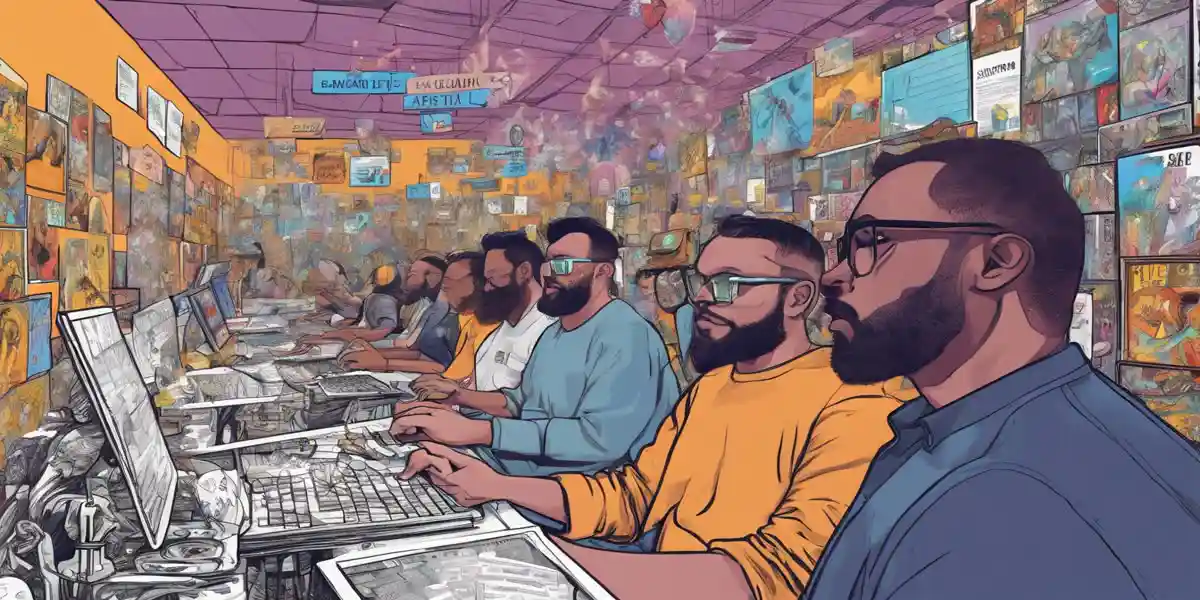
The rise of digital art in the context of Web3 presents a unique opportunity to transform how artists monetize their creations and engage with their audiences. At the heart of this transformation is the concept of decentralized art marketplaces, which leverage blockchain technology to facilitate direct, peer-to-peer transactions without the need for traditional intermediaries.
Decentralized art marketplaces empower artists by enabling them to retain a larger share of their profits and maintain greater control over their intellectual property. One of the most significant innovations in this space is the ability to mint artwork as non-fungible tokens (NFTs). NFTs serve as unique digital assets that ensure the provenance and authenticity of the artwork. For example, platforms like OpenSea and Rarible allow artists to easily create and sell their NFTs, ensuring that their work cannot be easily replicated or stolen. This is particularly important in a digital landscape where copying is effortless.
Another key feature of decentralized marketplaces is the use of smart contracts. These self-executing contracts are coded directly onto the blockchain, allowing artists to set specific terms for their work, including royalty structures. For instance, an artist can specify that they receive a percentage of sales every time their NFT is resold in the secondary market. This automatic compensation mechanism creates a sustainable income stream for artists, which contrasts sharply with traditional art sales where artists often see no benefit from the increased value of their work over time.
The integration of community governance within these marketplaces further enhances their appeal. Unlike traditional platforms where decisions are made by a small group of executives, decentralized marketplaces allow artists and collectors to actively participate in decision-making processes. This could involve voting on platform policies, determining which artworks to promote, or even deciding on fees. Such democratization fosters a sense of ownership and investment among users, which is often lacking in traditional art markets.
Decentralized platforms also break down geographical barriers, enabling artists from diverse backgrounds to access a broader audience. This global reach not only diversifies the digital art scene but also enriches the cultural tapestry of digital art. For example, an artist from a remote village can showcase their work to potential buyers worldwide, something that would have been nearly impossible in traditional art markets. This increased accessibility is crucial, especially for underrepresented artists who have historically faced significant barriers to entry.
While the potential for decentralized art marketplaces is significant, challenges remain. Issues such as digital ownership, low-quality NFTs, scams, and the risk of money laundering have been highlighted by artists within the community. A study involving qualitative interviews with NFT creators revealed that while there is enthusiasm for the empowering potential of these technologies, there is also a pressing need for supportive NFT communities that can facilitate learning and collaboration. Addressing these challenges is essential to ensure that newcomers feel welcomed and equipped to navigate the complexities of the NFT space.
The dynamics of the NFT market are complex and continually evolving. Research has delved into the pricing determinants and investor perceptions surrounding NFTs, emphasizing the importance of understanding factors that influence price formation. For example, market demand, artist reputation, and unique artistic qualities all play a role in determining the value of an NFT. The development of financial models to predict NFT pricing can assist both creators and buyers in making informed decisions, ultimately enhancing trust in the market.
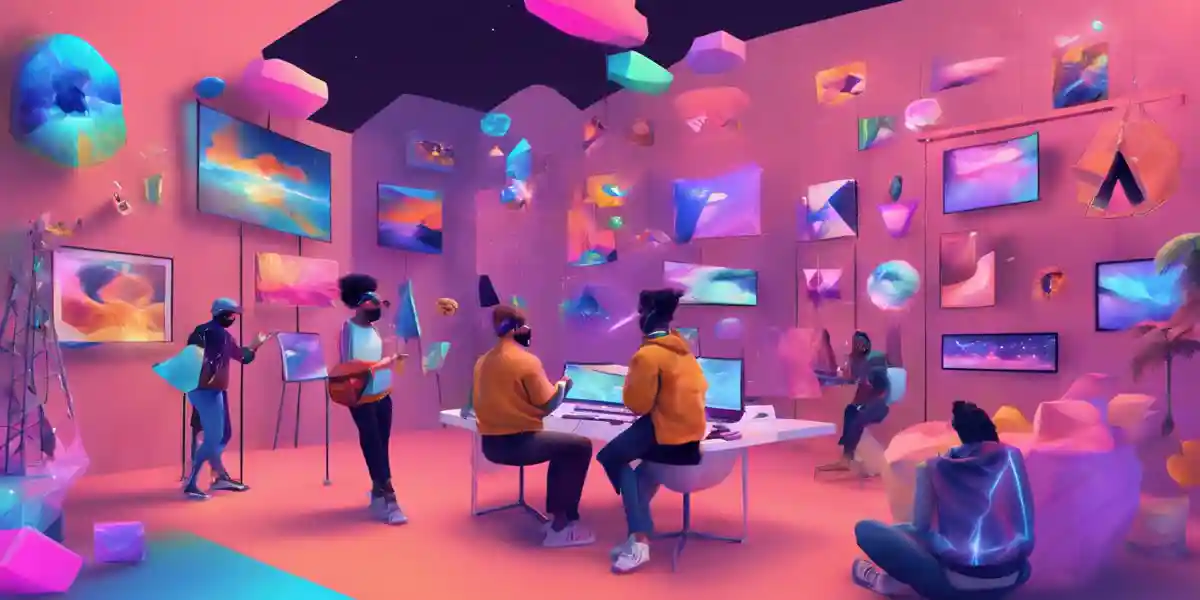
The monetization of digital art in the Metaverse is experiencing a seismic shift, driven largely by the advent of decentralized art marketplaces and the integration of non-fungible tokens (NFTs). This transformation not only enables artists to retain a larger share of their profits but also redefines the entire economic landscape of digital creation.
At the core of this transformation is the concept of NFTs—unique digital assets that serve as proof of ownership and authenticity for digital artworks. By minting their art as NFTs, creators can leverage blockchain technology to secure their intellectual property, ensuring that their work is distinct and verifiable. This is particularly important in a world where digital art can be easily replicated. Platforms like OpenSea, Rarible, and Foundation have emerged as vital ecosystems where artists can list, sell, and auction their NFTs.
A major advantage of NFTs is the ability to implement smart contracts, which automatically enforce royalty agreements. For instance, an artist might set a royalty of 10% for each subsequent sale of their NFT. This means that every time the artwork is resold, the artist receives a percentage of the sale, creating a continuous revenue stream. According to a recent study, the NFT market has seen an explosion in trading volume, with total sales reaching over $10 billion in 2021 alone, underscoring the lucrative potential for artists who embrace this model.
The emergence of decentralized art marketplaces fosters an environment where artists can bypass traditional gatekeepers, like galleries and auction houses, allowing them to engage directly with their audience. This shift not only enhances profit margins for creators but also democratizes access to art for collectors. For example, platforms like Art Blocks and KnownOrigin have prioritized community governance, enabling users to vote on platform policies and the types of artworks promoted. This participatory approach cultivates a sense of ownership among users, which is often absent in conventional art markets.
Decentralized platforms also break down geographical barriers, allowing artists from diverse backgrounds and regions to showcase their work to a global audience. This inclusivity enriches the cultural landscape of the Metaverse, promoting a wider variety of artistic expressions. For instance, artists from underrepresented communities can gain visibility and financial success through these platforms, where traditional art markets may have previously overlooked them.
Despite the promising prospects, the NFT ecosystem is not without its challenges. Issues such as digital ownership disputes, low-quality NFTs, and concerns about scams can undermine the integrity of the market. A qualitative study involving NFT creators revealed that while many are enthusiastic about the potential of NFTs, they also highlight the need for supportive communities that foster learning and collaboration. These communities can play a crucial role in helping newcomers navigate the complexities of digital ownership and the nuances of selling art in the Metaverse.
In summary, monetizing digital art in the Metaverse through decentralized platforms and NFTs represents a groundbreaking shift in how artists can profit from their work. As this landscape continues to evolve, the balance between opportunity and challenge will shape the future of digital art and its economic viability.
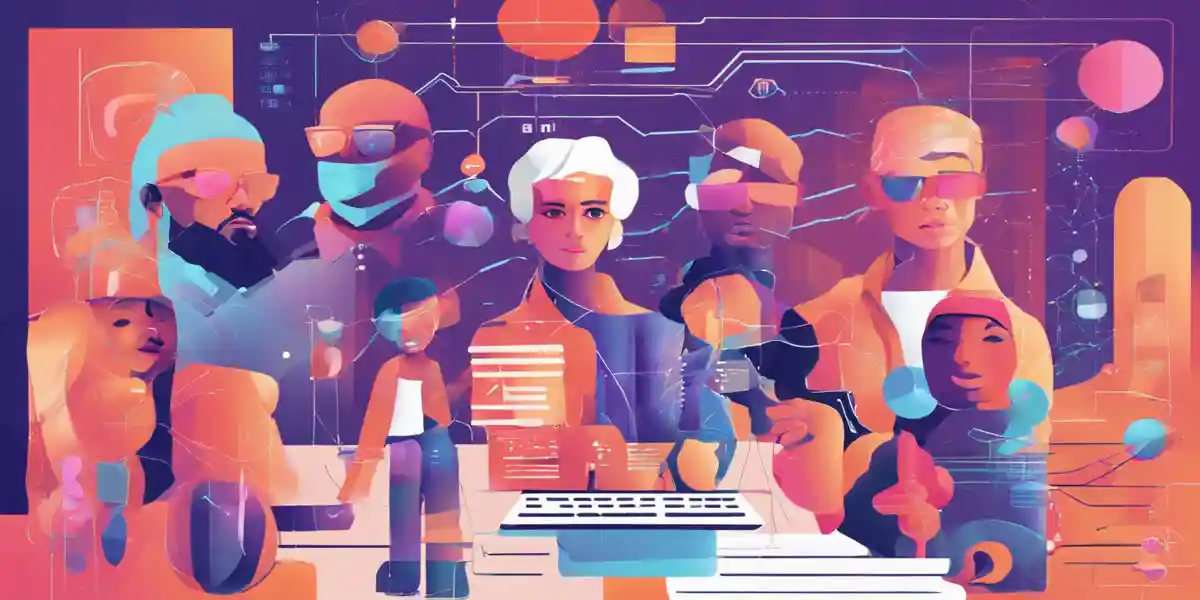
The future of investment in metaverse art is not just bright; it’s dazzlingly innovative. As the landscape of digital art continues to evolve within the Web3 framework, the integration of blockchain technology and decentralized marketplaces is fundamentally reshaping how art is valued and traded. This evolution opens up new avenues for investment, democratizing access to art ownership and appreciation.
Decentralized art marketplaces are at the forefront of this transformation. These platforms utilize blockchain technology to facilitate peer-to-peer transactions without the need for traditional intermediaries, such as galleries or auction houses. This allows artists to retain a more significant share of their profits and to have greater control over their intellectual property. For instance, platforms like OpenSea and Rarible enable artists to mint their works as non-fungible tokens (NFTs), ensuring that each piece is unique and traceable. This is critical in an era where digital art can be easily replicated, as it offers verifiable provenance and authenticity.
One of the most innovative aspects of NFTs is the use of smart contracts. These self-executing contracts allow artists to set up royalty structures that automatically compensate them on secondary sales. For example, if an NFT is sold for the second time, the original artist can receive a percentage of that sale, creating a sustainable income stream that traditional art markets often fail to provide. This system not only incentivizes creativity but also ensures that artists are rewarded for the appreciation of their work over time.
The democratization of art markets is further enhanced by community governance models that many decentralized platforms are adopting. Artists and collectors can participate in decision-making processes—such as which artworks to promote or what platform policies to implement—creating a sense of ownership and engagement among users. This participatory approach contrasts sharply with traditional art markets, where decisions are often made by a select few. For example, platforms like Foundation allow community members to vote on which creators to support, fostering a more inclusive environment.
The global reach of decentralized platforms plays a crucial role in expanding the art market. Artists from various backgrounds, regardless of their geographical location, can showcase their works to a wider audience, breaking down barriers that have historically limited exposure. This not only diversifies the art scene but also enriches the cultural tapestry of digital art. For instance, artists from underrepresented regions can now gain visibility and support, leading to a more vibrant and varied artistic landscape.
While the future of investment in metaverse art is promising, it is not without challenges. Issues surrounding digital ownership, the prevalence of low-quality NFTs, scams, and the risk of money laundering pose significant hurdles. Research indicates that supportive NFT communities are vital for learning and collaboration, helping to mitigate these risks. Investors must navigate these complexities carefully, ensuring they engage with reputable platforms and creators.
Understanding the value of NFTs is crucial for investors. Recent studies propose a framework for NFT price formation, which highlights various factors affecting value, including market demand, the artist's reputation, and the uniqueness of the artwork. Financial and econometric models are being developed to predict pricing trends, providing investors with insights that can guide their purchasing decisions in this nascent market.
The landscape of metaverse art is rapidly evolving, with potential applications extending beyond traditional art forms into areas like gaming, education, and healthcare. As the technology matures, investors will likely see new opportunities emerge, driven by innovations in NFT standards and applications. For instance, the integration of augmented reality (AR) and virtual reality (VR) in digital art experiences could create immersive environments, further enhancing the value and appeal of metaverse art.
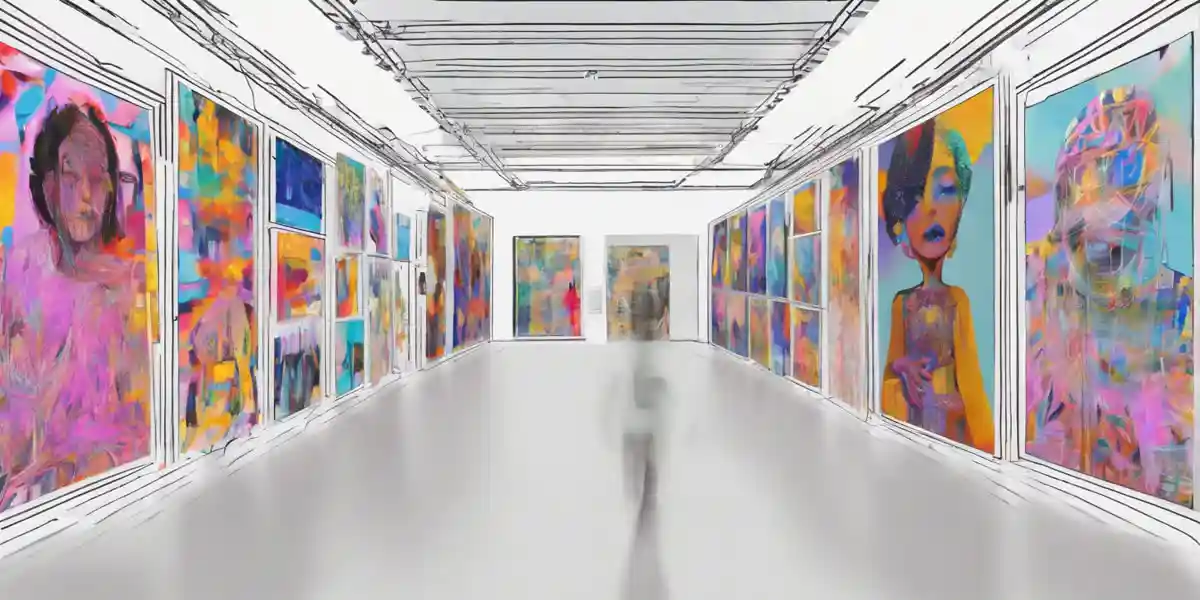
The rise of Web3 has ushered in a new era for digital art, fundamentally transforming how artists engage with audiences and monetize their creations. Central to this transformation are decentralized art marketplaces, which utilize blockchain technology to enable peer-to-peer transactions without the need for traditional intermediaries.
Decentralized marketplaces empower artists by allowing them to retain a greater portion of their earnings and maintain control over their intellectual property. By minting their artwork as non-fungible tokens (NFTs), artists can ensure the provenance and authenticity of their work. This is particularly vital in a digital landscape where art can be easily duplicated. For example, platforms like OpenSea and Rarible allow artists to create NFTs that are verifiable on the blockchain, thus providing an immutable record of ownership and authenticity that is critical for collectors.
One of the standout features of decentralized art marketplaces is the use of smart contracts. These self-executing contracts automatically enforce the terms of an agreement, including royalty structures that benefit artists from secondary sales. For instance, an artist might set a 10% royalty on any future sales of their NFT. This means that if the NFT is resold, the original artist automatically receives a percentage of that sale, creating a sustainable income stream. This innovative approach to royalties not only incentivizes creators but also aligns the interests of artists and collectors.
Decentralization also extends to community governance within these marketplaces. Artists and collectors often have a say in platform policies and the types of artworks that receive promotion. This democratic process fosters a sense of ownership and investment, which is often absent in traditional art markets. Projects like Foundation and ArtBlocks exemplify this model, where community voting can influence the direction of the platform and the visibility of artists.
Decentralized platforms break down geographical barriers, allowing artists from various backgrounds to reach a global audience. This inclusivity not only diversifies the art scene but also enriches the cultural fabric of digital art. For example, an artist based in a remote area can showcase their work to collectors worldwide, leveling the playing field and providing exposure that was previously hard to achieve. Moreover, the accessibility of these platforms often encourages collaboration and experimentation, leading to innovative forms of digital art that might not have gained traction in traditional settings.
Despite the advantages, the decentralized art marketplace is not without its challenges. Issues such as digital ownership, low-quality NFTs, scams, and the potential for money laundering are significant concerns that need addressing. Qualitative studies, such as one involving interviews with NFT creators across nine countries, reveal that while there is enthusiasm for the potential of NFTs, there is also a call for stronger community support and educational resources to navigate these complexities effectively.
As the NFT market continues to evolve, understanding the factors that influence pricing and value will be crucial. Research has proposed frameworks to explore NFT price formation, emphasizing the role of community perception and market dynamics. For instance, as highlighted in recent studies, the predictive performance of financial models can provide insights into investor behavior and the economic sustainability of digital art marketplaces. This ongoing research will be pivotal in shaping the future of decentralized art and ensuring that it remains a viable and lucrative avenue for artists and collectors alike.
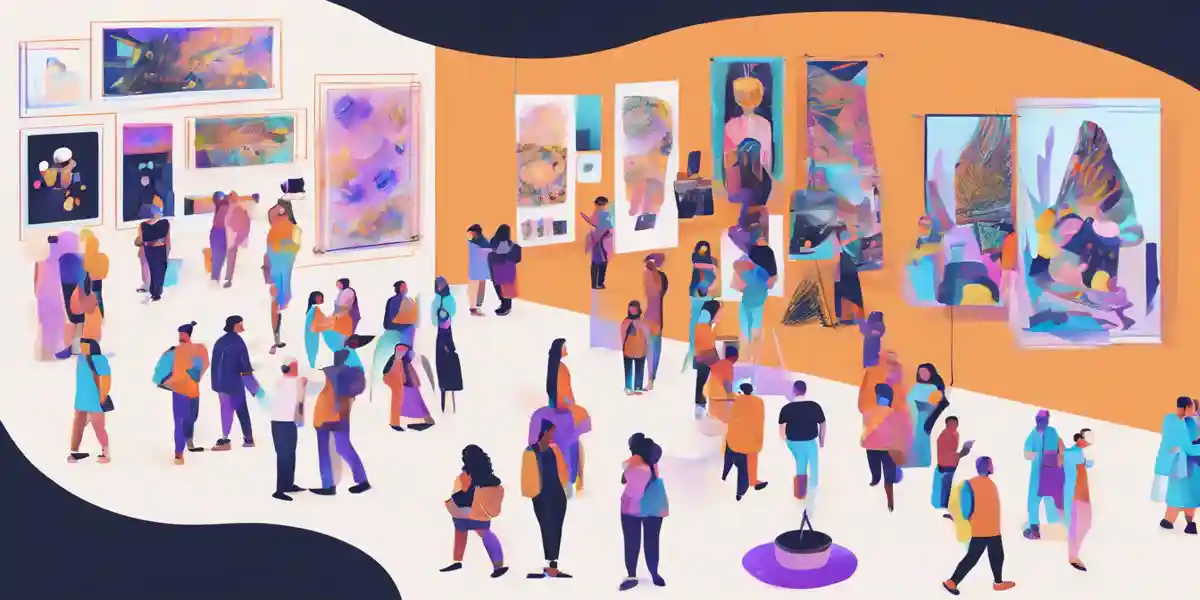
The emergence of Web3 is a pivotal moment for digital art, offering new avenues for artists to connect with audiences and monetize their creations. At the heart of this transformation are decentralized art marketplaces, which harness blockchain technology to facilitate direct transactions between artists and collectors, eliminating the need for traditional intermediaries.
Decentralized marketplaces empower artists in several ways. By minting their artwork as non-fungible tokens (NFTs), artists can ensure the provenance and authenticity of their pieces. This is crucial in a digital landscape where copying is effortless. For example, platforms like OpenSea and Rarible allow artists to create NFTs that are unique and verifiable on the blockchain, thus protecting their intellectual property.
Moreover, smart contracts play a significant role in this ecosystem. These self-executing contracts automatically enforce terms between parties without the need for intermediaries. Artists can set up royalty structures within these contracts, guaranteeing they receive a percentage of sales every time their work is resold. This creates a sustainable income stream that was previously unattainable in traditional art markets. As noted in recent studies, such as the one reviewing NFT market pricing determinants, the ability to define these financial structures is a game changer for artists.
The integration of community governance in decentralized art marketplaces also enhances their appeal. Artists and collectors are given a voice in decision-making processes about platform policies and the promotion of artworks. This not only democratizes the art market but also fosters a sense of ownership and investment among users—something often absent in traditional settings. For instance, platforms like Foundation utilize a community-based approach where participants can vote on which new artists to feature, thus ensuring a diverse representation of digital art.
Decentralized platforms break down geographical barriers, allowing artists from various backgrounds to reach a global audience. This results in a richer and more diverse cultural tapestry within the digital art scene. Artists from emerging markets, who may have previously struggled to gain visibility, can now showcase their work to an international audience. The qualitative research highlighted in recent studies emphasizes how crucial supportive communities are for these artists, allowing them to collaborate and learn from one another in a decentralized environment.
Furthermore, the global nature of Web3 allows for the exploration of varied artistic expressions that reflect different cultural narratives. As artists from around the world gain access to these marketplaces, they contribute to a dynamic ecosystem that challenges conventional art narratives and promotes inclusivity.
Despite the promising landscape, several challenges persist within the decentralized art market. Issues such as digital ownership, scams, and the proliferation of low-quality NFTs can undermine the integrity of the marketplace. As highlighted in the qualitative study involving NFT creators, the importance of strong, supportive communities cannot be overstated. These communities not only facilitate learning and collaboration but also help navigate the complexities of decentralization.
To further improve accessibility, platforms must address these challenges head-on. Design implications from recent research suggest that enhancing educational resources and creating user-friendly interfaces can significantly benefit newcomers to the NFT space, ensuring that the barriers to entry are minimized.
In conclusion, the intersection of digital art and the Metaverse is a transformative force that is redefining how artists create, distribute, and profit from their work in the era of Web3. The emergence of decentralized art marketplaces has not only empowered artists by allowing them to retain a larger share of their profits but has also democratized access to art, making it possible for creators from diverse backgrounds to reach global audiences.
By leveraging technologies such as non-fungible tokens (NFTs) and smart contracts, artists can establish verifiable ownership and sustainable income models, ensuring that they are
compensated for their work even in secondary markets. Case studies of successful digital artists highlight the vast potential that exists within this innovative ecosystem, revealing how personal branding, community engagement, and the unique characteristics of digital art can drive financial success.
However, with great opportunity comes significant challenges. Issues related to digital ownership, market integrity, and the prevalence of low-quality NFTs must be addressed to foster a more robust and trustworthy environment for creators and collectors alike. The call for supportive communities and educational resources is critical in navigating these complexities, particularly for newcomers entering the space.
As we look to the future, the possibilities within the Metaverse and the digital art landscape are limitless. The convergence of technology and creativity presents an unprecedented opportunity for artists to redefine their careers and for investors to explore new avenues of engagement and value creation. Are you ready to embrace the revolution and unlock the potential of digital art in the Metaverse?
Get notified about new articles, coffee tips, and Web3 insights.
This site participates in affiliate programs and may earn a commission when a link is clicked and a purchase is made. The site is not responsible for any issues or troubles related to the products or services purchased through the use of this site.
DO&COFFEE loves coffee and technology, exploring the potential of NFTs and blockchain. Learn more →
DO&COFFEE loves coffee and technology, exploring the potential of NFTs and blockchain. Learn more →