coffee
2024/08/07
In an increasingly digital world, the concept of community is being redefined. "Sips & Circles" refers to the unique intersection where specialty drinks—crafted beverages that showcase artistry and flavor—and virtual community connections come together. Specialty drinks, including artisanal coffees, craft cocktails, and creative non-alcoholic beverages, are not just about taste;
they represent an experience that can be shared, even from afar. On the other hand, virtual community connections are relationships and interactions that occur in digital environments, facilitated by technology such as social media, video conferencing, and immersive platforms like Virtual Reality (VR).
The importance of this topic is underscored by real-world examples, particularly during the COVID-19 pandemic. As physical gatherings became limited, many local coffee shops and bars transitioned to virtual tastings and happy hours, allowing people to connect over their favorite drinks. For instance, a study of caregivers for Alzheimer’s patients demonstrated that a virtual community led to the exchange of nearly 2,000 messages, enhancing social connectivity and knowledge sharing despite the challenges of caregiving. This highlights how specialty drinks can serve as a catalyst for deeper connections within virtual spaces.
This blog post will explore the interconnectedness between specialty drinks and virtual community connections, discussing how they enhance social interaction, provide emotional support, and foster a sense of belonging. We’ll dive into actionable strategies for creating virtual meet-ups centered around specialty drinks and examine the role of technology in facilitating these connections.
Notably, research has shown that structured social interactions can significantly improve mental health; for example, during the pandemic, adolescents engaged in virtual learning environments reported varying mental health symptoms, indicating the potential benefits of thoughtful virtual engagement.
As we navigate the complexities of modern life, understanding how to cultivate community through shared experiences, like enjoying a specialty drink together, becomes essential. Join us as we explore how "Sips & Circles" can enrich our social fabric in profound and lasting ways.
A virtual community is an online platform where individuals come together to share interests, experiences, and resources. These communities can exist in various forms, such as forums, social media groups, and chat applications. Technically, virtual communities leverage the Internet and various technologies like Web3, which employs decentralized protocols to enhance user interaction and data ownership. This enables members to communicate in real-time, share content, and partake in collaborative projects, often transcending geographical boundaries.
For example, platforms like Discord and Slack create spaces for discussion and collaboration, while decentralized platforms like IPFS (InterPlanetary File System) allow users to share and store files without a central server. Furthermore, the integration of Virtual Reality (VR) technologies, as seen in recent studies, enhances user engagement by providing immersive experiences, allowing members to interact in a three-dimensional space, reminiscent of physical gatherings.
The significance of virtual communities has never been more apparent than during the COVID-19 pandemic, where physical social interactions were limited. For instance, research on virtual communities for Alzheimer’s caregivers showed that participants exchanged over 1,925 messages, enhancing their knowledge and social connectivity despite the challenges posed by caregiving. This highlights how virtual communities can provide essential support and information, fostering both practical knowledge and emotional well-being.
Additionally, initiatives like Project ECHO have successfully utilized virtual communities to improve healthcare delivery, connecting healthcare professionals across various regions to share best practices and resources. This model has proven effective in addressing healthcare disparities, as evidenced by the comprehensive analysis of its implementation success factors across different contexts.
Incorporating technologies like blockchain into virtual communities can enhance trust and transparency. For instance, using smart contracts can facilitate secure transactions within the community, allowing members to exchange services or goods with confidence. This is particularly relevant in Web3 environments, where ownership and control of digital assets are paramount.
Moreover, the use of VR can significantly elevate the virtual community experience. Research has shown that immersive environments can lead to heightened emotional experiences and engagement, as seen in Heider and Simmel’s study, which demonstrated our innate ability to assign narratives to visual stimuli. By bringing this into virtual spaces, communities can create rich, engaging interactions that mimic real-world connectivity.
Evidence supports the effectiveness of virtual communities in enhancing mental health and social connection. A study involving 510 adolescents during the pandemic revealed that those engaged in virtual learning environments reported varying mental health symptoms, suggesting that the quality of virtual interactions can significantly impact well-being.
Additionally, the aforementioned caregiver study underscores the vital role of knowledge sharing in virtual environments, which can directly affect the quality of care provided.
As we navigate an increasingly digital world, fostering a sense of community through virtual platforms becomes essential. Specialty drinks, when shared virtually, can serve as a catalyst for deeper connections, enriching our social fabric in ways we've only begun to explore.
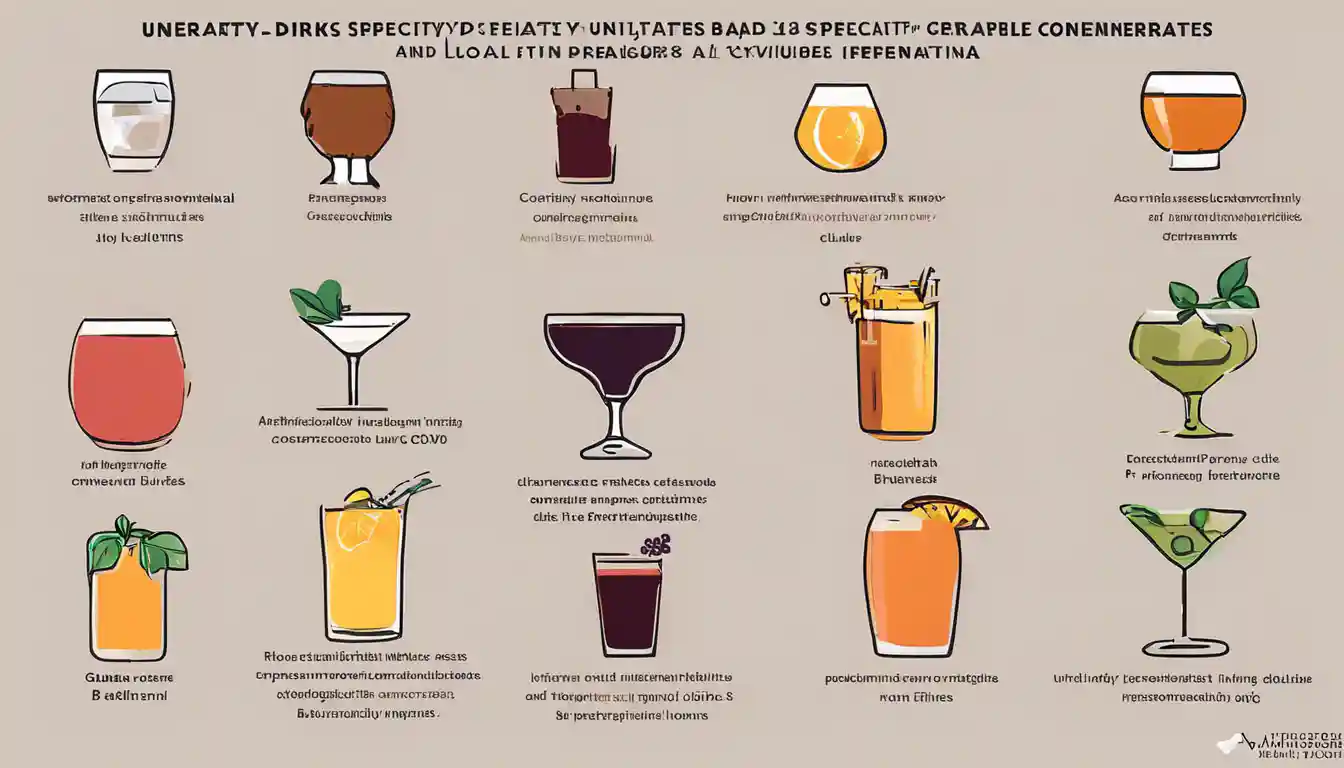
Specialty drinks refer to unique, often artisanal beverages that go beyond traditional offerings. These can include craft cocktails, gourmet coffees, and innovative non-alcoholic beverages. Technically, specialty drinks are crafted with a focus on high-quality ingredients, precise techniques, and creativity.
For example, a craft cocktail may involve house-infused spirits, homemade syrups, and fresh, seasonal garnishes, while a gourmet coffee might feature single-origin beans brewed using methods like pour-over or siphon brewing. The emphasis is not just on taste, but also on presentation and the overall sensory experience, making each sip an integral part of a larger narrative.
Specialty drinks play a significant role in fostering community connections and creating memorable experiences. For instance, during the COVID-19 pandemic, many local coffee shops pivoted to offer virtual coffee tasting events. This not only kept their businesses afloat but also allowed customers to engage with each other and their favorite baristas from the comfort of their homes.
An example can be seen in the rise of virtual happy hours where participants share their favorite craft cocktails over video calls, creating a sense of belonging and shared enjoyment despite physical distance.
In the context of advanced technologies like Web3, specialty drinks can be integrated into virtual experiences through immersive platforms. For instance, virtual reality (VR) environments could host cocktail classes where users learn to mix drinks while socializing with others in a digital space. This idea is rooted in the findings of Heider and Simmel's 1944 experiment, which highlights how people attribute social narratives to basic interactions. In a VR setting, users could engage with avatars representing friends, enhancing the social aspect of learning about specialty drinks.
Research indicates that shared experiences, such as those formed around food and beverages, can significantly improve mental health. A study conducted during the pandemic reported that structured social interactions, even virtually, helped mitigate feelings of isolation among participants. Furthermore, the Project ECHO model demonstrates how virtual communities can effectively share knowledge, suggesting that similar approaches could be utilized in specialty drink contexts to enhance community learning and connection.
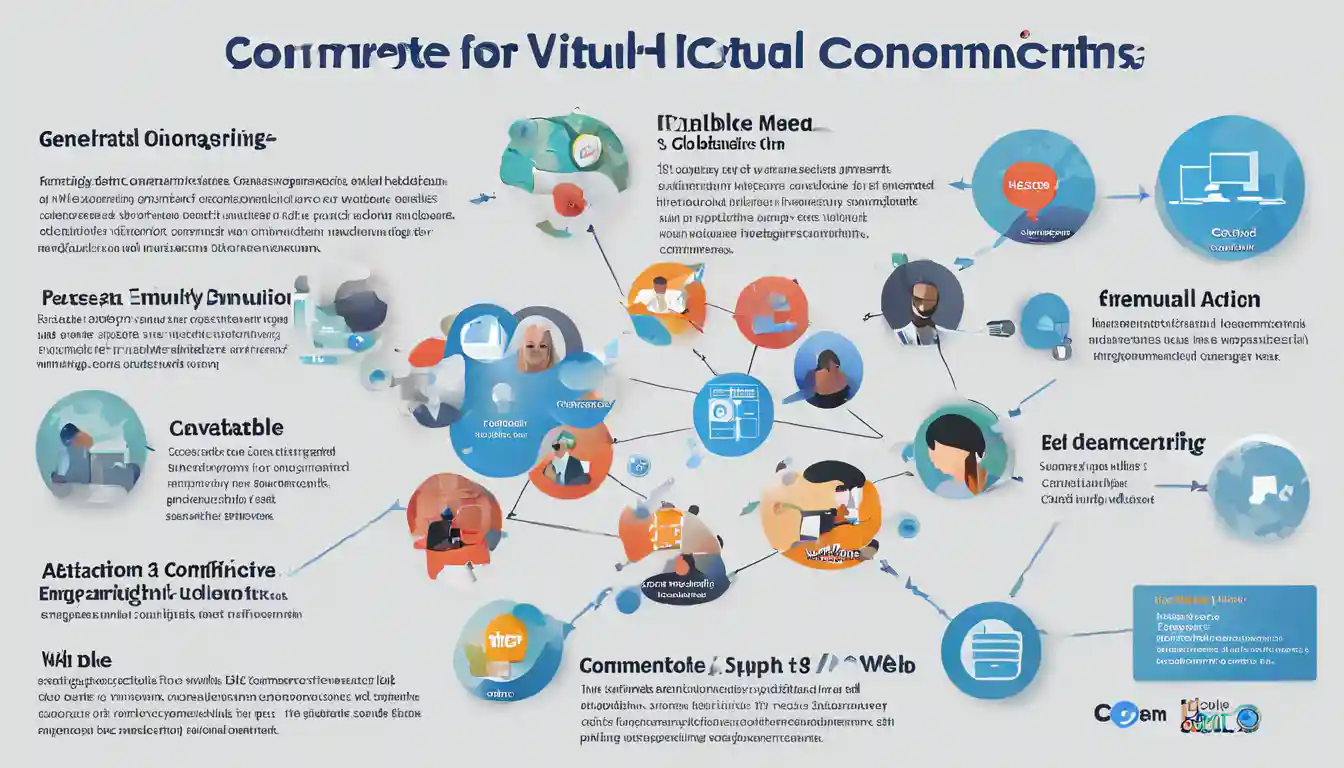
Virtual connections refer to the relationships and interactions that occur in digital environments, enabling individuals to communicate and collaborate regardless of geographic distance. In technical terms, these connections are facilitated through various technologies such as the internet, social media platforms, video conferencing tools, and more recently, decentralized networks associated with Web3 technologies.
For instance, blockchain technology allows for secure, peer-to-peer interactions without the need for traditional intermediaries, fostering a sense of community and trust among users. Moreover, the use of virtual reality (VR) can enhance these connections by providing immersive experiences that replicate real-world interactions, as evidenced by the recent research building on Heider and Simmel's 1944 experiment, which shows how people interpret social cues even in abstract settings.
The significance of virtual connections has become increasingly evident, particularly during the COVID-19 pandemic. For example, many educational institutions transitioned to hybrid learning models, which, while providing necessary continuity, also highlighted disparities in mental health outcomes among students from different backgrounds. A study indicated that Latino respondents reported significantly higher levels of depressive symptoms compared to their white peers, underscoring the importance of accessible virtual support networks during challenging times.
Additionally, virtual communities have proven invaluable for caregivers of Alzheimer’s patients. A dedicated mobile app facilitated knowledge-sharing among caregivers, resulting in nearly 2,000 messages exchanged, thus fostering both social interaction and the dissemination of crucial caregiving information. Such examples illustrate how virtual connections can enhance support systems and promote well-being.
Virtual connections can be significantly enhanced through Web3 technologies, which offer decentralized, user-controlled environments. For instance, integrating Non-Fungible Tokens (NFTs) into virtual events can allow participants to collect unique digital memorabilia tied to their experiences. Furthermore, platforms like Project ECHO employ virtual community models to improve healthcare delivery by connecting providers across various sectors, thereby enhancing knowledge exchange and collaborative practice.
Research supports the effectiveness of virtual connections in improving social interactions and mental health. For example, a study conducted during the pandemic found that telemedicine provided critical support to vulnerable populations, highlighting its role in maintaining mental health services. Furthermore, the immersive nature of virtual environments has been shown to facilitate emotional engagement, contributing to more meaningful interactions among users.
In this exploration of how specialty drinks foster virtual community connections, we highlighted the essence of virtual communities, the role of specialty drinks in creating shared experiences, and actionable strategies for enhancing these connections.
We saw that virtual settings have become vital for maintaining social ties, especially during the pandemic, where platforms like Zoom and Discord facilitated real-time interactions over shared drinks. Specialty drinks serve not just as beverages but as catalysts for conversation, connection, and community building.
Looking ahead, the intersection of technology and community engagement is poised for growth. As virtual reality (VR) and Web3 technologies evolve, we can anticipate even more immersive experiences that transcend geographical limitations. Imagine a world where virtual drink tastings allow participants to mingle in a digital tavern, sharing stories and laughter as if they were together in person. Such developments promise to further enrich our social landscapes.
As you reflect on the power of community, consider this: What connections can you cultivate through your next virtual gathering? Whether it’s a casual drink with friends or a themed virtual event, embrace the opportunity to share experiences and foster deeper relationships. The next sip could be the start of something beautiful.
- Revisiting the Heider and Simmel experiment for social meaning attribution in virtual reality
- Knowledge sharing in virtual communities of practice of family caregivers of people with Alzheimer’s
- Virtual resonance: analyzing IPA usage intensity under COVID-19's isolating canopy
- Social Interaction With Agents and Avatars in Immersive Virtual Environments: A Survey
- The Paradox of Social Interaction: Shared Intentionality, We-Reasoning, and Virtual Bargaining
- Realistic Motion Avatars are the Future for Social Interaction in Virtual Reality
- Using virtual reality to induce gratitude through virtual social interaction
Get notified about new articles, coffee tips, and Web3 insights.
This site participates in affiliate programs and may earn a commission when a link is clicked and a purchase is made. The site is not responsible for any issues or troubles related to the products or services purchased through the use of this site.

DO&COFFEE loves coffee and technology, exploring the potential of NFTs and blockchain. Learn more →
DO&COFFEE loves coffee and technology, exploring the potential of NFTs and blockchain. Learn more →