coffee
2025/10/09

Have you ever wondered where your morning espresso really comes from? As you savor that rich aroma and bold flavor, the journey from bean to cup becomes a mystery tangled in layers of supply chains and market prices. But what if we could lift the veil on this process, ensuring that every sip you take is not only delicious but also ethically sourced and true to its origins? Welcome to the intersection of coffee culture and cutting-edge technology, where espresso meets blockchain.
In this blog post, we’ll explore how blockchain technology is revolutionizing the world of coffee, bringing transparency and trust to the forefront of café culture. From enhancing traceability in the coffee supply chain to promoting quality assurance in espresso sourcing, we'll dive into the transformative potential of this digital innovation. We’ll also examine the exciting possibilities for the future of café experiences, where consumers are empowered to make informed choices. Join us on this journey as we uncover the ways espresso and blockchain are brewing connections like never before.
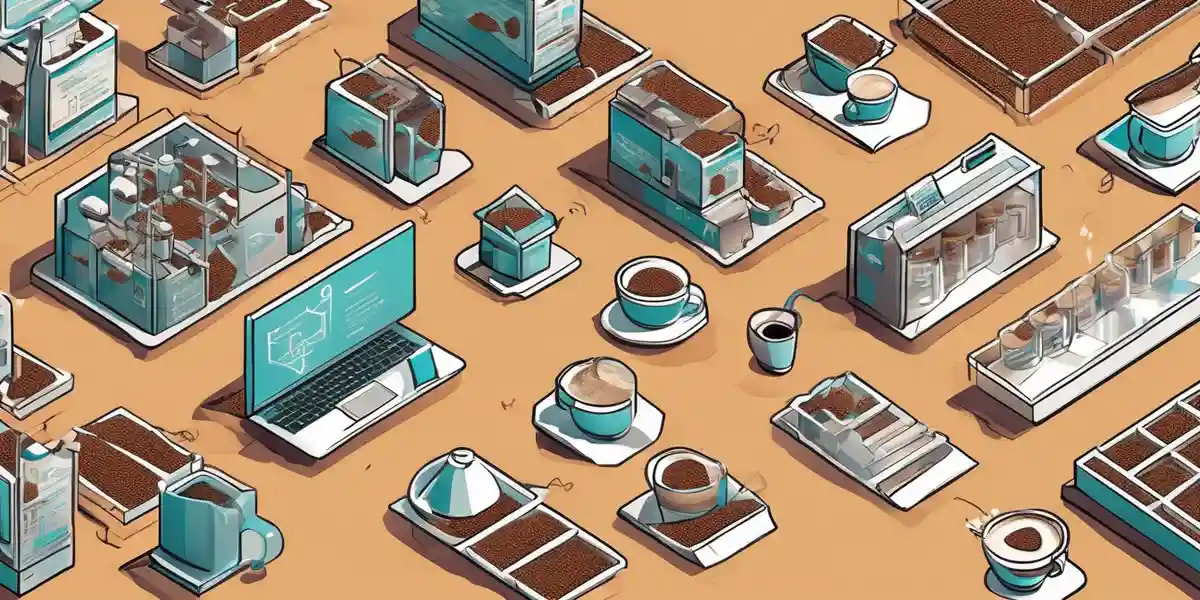
In the complex world of coffee production, transparency is often an elusive quality. Consumers frequently find themselves puzzled over the relationship between a coffee's price and its quality. They want to know where their coffee beans come from, how they’ve been grown, and what practices were used to bring them to their cup. This lack of clarity poses significant challenges, particularly for ethical consumers who care about sustainability and fair trade. Blockchain technology, a digital ledger system that enables secure tracking and recording of transactions, offers a solution to these challenges by providing an unchangeable record of the coffee supply chain, from farmers to retailers.
The research paper titled "Blockchain traceability model in the coffee industry" explores how blockchain can improve the transparency of the coffee supply chain. By implementing blockchain, stakeholders can track coffee beans at every stage of their journey. This means that when a consumer buys a bag of coffee, they can easily access information about the bean's origin, the farmers involved, and the methods used in cultivation. Such transparency helps consumers make informed choices and supports farmers by legitimizing their practices, ensuring they’re fairly compensated for their high-quality, sustainable products.
Several companies have already started to apply blockchain technology to their coffee supply chains, showcasing its potential. For example, a coffee startup implemented a blockchain system that allowed customers to scan a QR code on their coffee packaging. This code links to a complete history of the coffee's journey, from the farm in Colombia to the roasting facility, and finally to the retail shelf. This not only fosters trust but also connects consumers directly to the growers, creating a more profound appreciation for the coffee they enjoy.
Similarly, another case study highlighted in the research paper "Blockchain is not a silver bullet for agro-food supply chain sustainability: Insights from a coffee case study" illustrates how blending blockchain with existing systems can cultivate sustainability in coffee production. While blockchain alone may not solve all issues related to sustainability, it enhances traceability, which is crucial for ensuring that sustainable practices are followed throughout the supply chain.
As both consumers and producers increasingly demand transparency, blockchain stands poised to revolutionize how coffee is sourced and sold. This transformation not only benefits consumers, who can feel confident in the quality and ethics of their purchases, but also reinforces the café culture that thrives on shared values and community relationships. By marrying the love of coffee with advanced technology, the industry can ensure a brighter, more sustainable future—one cup at a time.
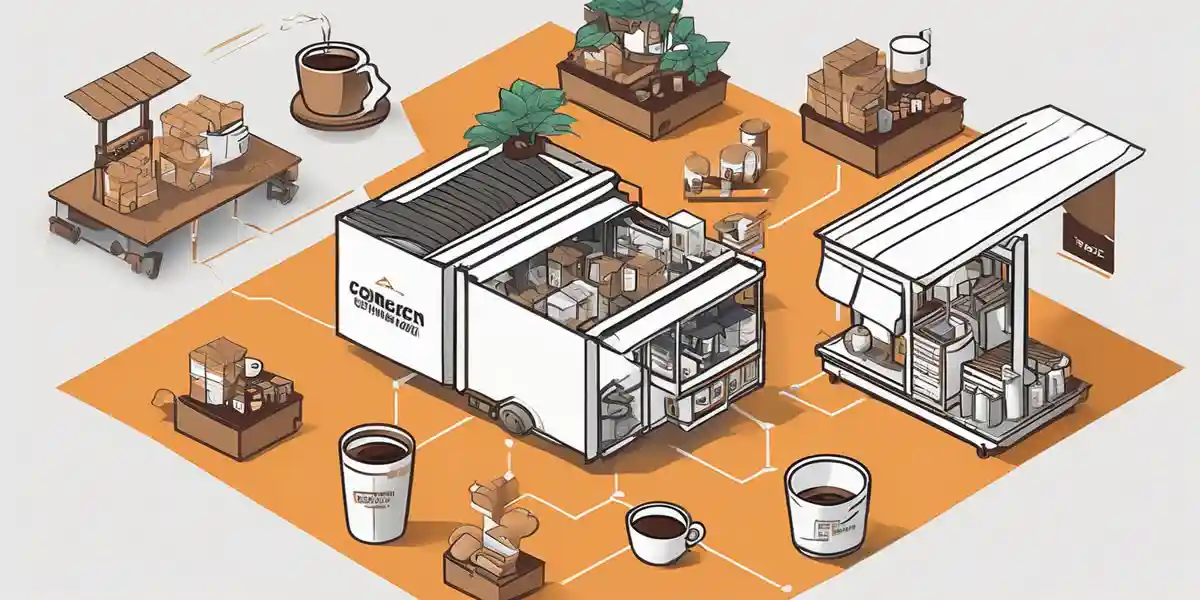
In the world of coffee, especially when it comes to high-quality espresso, transparency and trust play crucial roles. Coffee lovers often find themselves questioning the source of their beans: Are they truly of the highest quality? Where do they come from? Unfortunately, the traditional coffee supply chain is rife with challenges, making it difficult for consumers to verify whether they are getting a fair price for quality coffee. This is where blockchain technology can make a significant impact.
Blockchain, a digital ledger system, offers a way to securely track coffee beans from the farms in Colombia all the way to the cafés that brew them. By implementing a blockchain traceability model in the coffee industry, key stakeholders—from farmers to retailers—can share verified information about the coffee's journey. According to the research paper 'Blockchain traceability model in the coffee industry', this technology can greatly enhance the transparency of the coffee supply chain, allowing consumers to know not just where their coffee comes from, but also the conditions under which it was grown and processed.
Consider a Colombian coffee farmer who is part of a cooperative that uses blockchain technology. Each time a batch of coffee beans is harvested, information about the farming practices, the harvest date, and the conditions under which the beans were processed can be entered onto the blockchain. This data is then accessible to consumers and retailers alike. Resulting from this practice, consumers build trust—not merely because they have access to data but because they can also see the journey of their coffee. Such practices not only improve the perceived value of the coffee sold but also empower farmers by providing them with a fairer price for their high-quality beans.
The implications of blockchain in enhancing traceability are profound. When consumers can verify the origins and quality of their espresso, they are more likely to form a connection with the product, fostering a deeper appreciation for the coffee culture. Moreover, this technology helps small-scale Colombian farmers establish their presence in the global market. By connecting directly with consumers through verified data, they can demonstrate their commitment to sustainable practices, ultimately enhancing their product’s reputation. In turn, consumers are more inclined to pay premium prices for coffee that meets their values and expectations.
While blockchain presents an exciting opportunity to enhance quality and trust in espresso sourcing, it is essential to acknowledge that it is not a comprehensive solution for all challenges faced by the coffee industry. According to the paper 'Blockchain is not a silver bullet for agro-food supply chain sustainability', while blockchain can improve transparency and traceability, there are still underlying issues related to sustainability that must be addressed. Combining blockchain technology with other sustainable practices is key to ensuring a holistic approach to coffee sourcing and production.
In summary, the use of blockchain in Colombian coffee sourcing not only enhances quality assurance and the trustworthiness of espresso but also strengthens the relationship between farmers and consumers. As we move towards a future that embraces both technology and café culture, the Colombian connection illustrates the powerful role blockchain can play in enriching our coffee experiences.
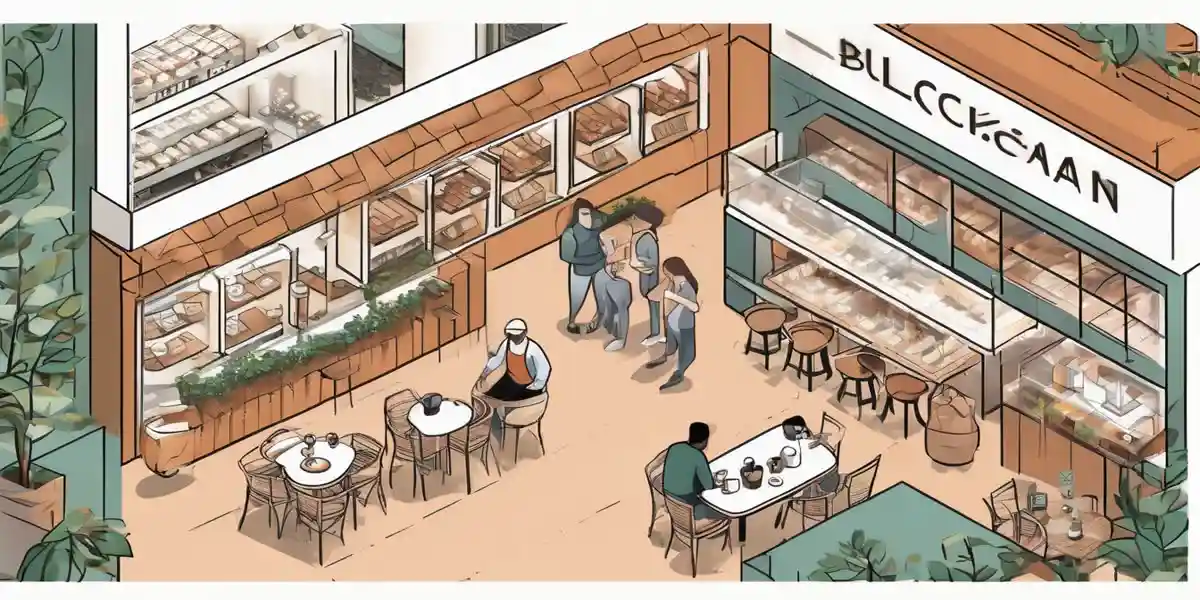
As café culture continues to evolve, blockchain technology is paving the way for a more transparent consumer experience. At its core, blockchain is a digital ledger system that allows for the secure tracking of transactions, providing an immutable record of the journey that coffee beans take from farm to cup. A prominent research paper titled 'Blockchain traceability model in the coffee industry' discusses the ongoing struggles consumers face in verifying the quality of coffee relative to its price. The authors propose that by implementing blockchain, cafés can create a direct line of sight to the origin of their beans. This transparency builds trust between consumers and coffee producers, as people can now see exactly where their coffee is sourced and the conditions under which it was produced.
With blockchain technology, cafés can offer a richer narrative around their products, enhancing the overall consumer experience. Imagine being able to scan a QR code on your coffee cup, which then takes you to a digital journey tracing your espresso back to the specific farm, the farmer who grew it, and the methods used in its cultivation. This connection not only enriches the enjoyment of the beverage but also empowers consumers to make informed choices based on ethical sourcing practices and sustainability—issues that are increasingly important to modern coffee drinkers.
Without transparency, consumers often struggle to judge whether a higher price tag genuinely reflects better quality. In the study 'Blockchain is not a silver bullet for agro-food supply chain sustainability: Insights from a coffee case study,' researchers explored how, while blockchain enhances traceability and facilitates informed purchasing decisions, it is not a standalone solution to sustainability issues. This insight highlights the importance of narratives behind coffee prices. With blockchain, cafés can back up their pricing with information that reassures consumers of the quality they are paying for, elevating the connection between value and quality.
This newfound trust and transparency can foster a sense of community around cafes. As patrons share stories about where their coffee comes from, it prompts discussions about sustainability and ethical practices. Blockchain can facilitate interactive platforms where consumers engage with producers, share experiences, and learn more about coffee cultivation. This thriving community aspect not only boosts customer loyalty but also aligns cafés with a growing movement towards conscious consumption. The interplay of technology and culture can bridge gaps and help build a narrative that resonates well with the values of today’s consumers.
In conclusion, as blockchain technology integrates into cafe culture, it promises to elevate the consumer experience. By enhancing transparency, empowering consumers, and fostering community connections, cafés can navigate the future of coffee in a way that honors the journey from bean to cup while meeting the evolving expectations of their clientele.
As we've explored throughout this blog, the intertwining of espresso and blockchain technology is brewing a revolution in cafe culture. From enhancing transparency in the coffee supply chain to fostering trust in sourcing quality espresso, blockchain is not just a trend—it's a transformative force. The stories of Colombian coffee farmers engaging directly with consumers through the assurance of traceability highlight a fundamental shift towards authenticity and quality. Moreover, envisioning a future where blockchain enhances the consumer experience signifies a new era in cafe interaction, making each cup of coffee not just a beverage, but a connection to a broader community of growers and connoisseurs.
Key takeaways from our exploration include the potential for blockchain to provide unprecedented traceability, ensuring that consumers can know the origins of their coffee while supporting ethical sourcing practices. Additionally, we have seen how such transparency can bolster consumer trust and loyalty, redefining what it means to enjoy a cup of espresso. As cafe culture continues to evolve, the blending of these two powerful elements invites us to rethink our relationship with coffee itself.
As we move forward, consider how your own coffee choices reflect a commitment to quality and transparency. Whether you're a cafe owner, a barista, or a coffee enthusiast, embrace this exciting intersection of technology and tradition. Let's support and celebrate the journey of every bean, and in doing so, brew lasting connections that extend beyond our cups. Cheers to a brighter future for coffee culture, one sip at a time!
Get notified about new articles, coffee tips, and Web3 insights.
This site participates in affiliate programs and may earn a commission when a link is clicked and a purchase is made. The site is not responsible for any issues or troubles related to the products or services purchased through the use of this site.
DO&COFFEE loves coffee and technology, exploring the potential of NFTs and blockchain. Learn more →
DO&COFFEE loves coffee and technology, exploring the potential of NFTs and blockchain. Learn more →