crypto
2025/10/10

Have you ever wondered where your morning cup of coffee truly comes from? The journey from bean to brew is often complex and opaque, leading many consumers to question the origins and ethics behind their favorite beverage. As coffee lovers increasingly seek transparency and quality, innovative technologies are stepping in to bridge the gap—most notably, Web3 technology. This groundbreaking approach is not just about enhancing the digital landscape; it's revolutionizing how we understand and engage with the coffee supply chain.
In this blog post, we'll explore how Web3 technology is changing the future of coffee through projects like Highvalue.Coffee, which utilize blockchain for enhanced traceability in supply chains. We will discuss the importance of ethical sourcing, focusing on how blockchain can elevate transparency, especially in regions like Colombia, where the complexities of coffee production are deeply rooted in local economies. Finally, we’ll dive into the promise and pitfalls of Web3, featuring insights from industry operators and investors who are shaping the future of coffee innovation. Join us as we unravel the intricacies of coffee's digital transformation and what it means for consumers, producers, and the planet.
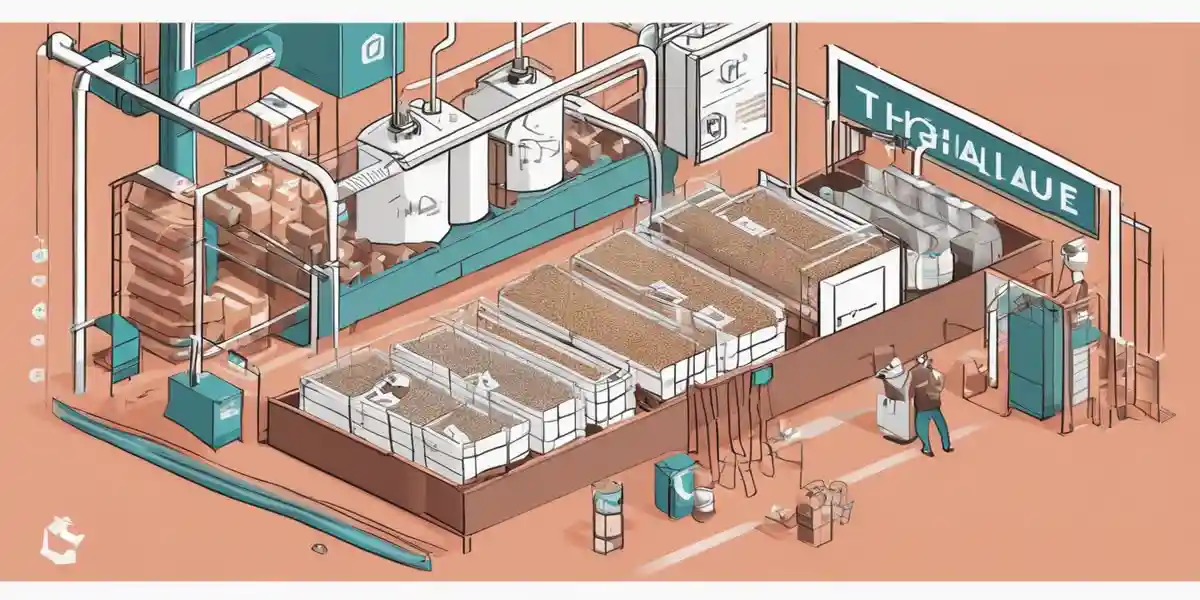
In the coffee industry, traceability refers to the ability to track the journey of coffee beans from their origin to the final cup served to consumers. It is a critical aspect of the supply chain that not only assures consumers about the quality and origin of their coffee but also empowers producers and retailers by adding value to their products. A recent study titled “Highvalue.Coffee Project” and the Growing Importance of Coffee Traceability highlights the benefits of traceability, such as enhancing consumer assurance, improving the power of the value chain, facilitating quality monitoring, and providing marketing advantages. With the advent of Web3 technology, these benefits are significantly magnified, making traceability more reliable and accessible than ever before.
The Highvalue.Coffee Project illustrates how modern technology can revolutionize traditional systems. By implementing a robust traceability service model, it connects not only the genetic characteristics of coffee but also establishes a direct relationship between producers and consumers. Through this model, consumers can trace the history of their coffee, ensuring they are making informed choices that often align with their values, such as ethical sourcing and environmental sustainability. This transparency fosters trust and a stronger connection between consumers and coffee producers, enhancing the overall market experience.
Blockchain technology, known for its secure and transparent digital ledger system, plays a vital role in achieving traceability in the coffee supply chain. A study titled Colombian Origin Coffee Supply Chain Traceability by a Blockchain Implementation discusses a proof of concept that utilizes Hyperledger Fabric to enhance traceability. The implementation of blockchain allows for secure tracking of coffee from Colombian farms to consumers, ensuring that every transaction and movement of the product is recorded immutably. This not only mitigates fraud but also provides consumers with verifiable proof of the coffee's journey and authenticity. Additionally, the transparency that blockchain provides helps to tackle common challenges within the industry, such as discrepancies in quality and price.
The integration of blockchain is not without its challenges, as discussed in the paper titled Blockchain traceability model in the coffee industry. Factors such as technological adoption, infrastructure readiness, and data privacy concerns must be addressed for successful implementation. However, the benefits underscore its potential to revolutionize transparency in the coffee supply chain. With blockchain, producers can better monitor quality and provenance, while retailers gain a competitive edge by marketing their products with verified claims of origin. Ultimately, the use of this technology aligns perfectly with the ethos of Web3—giving power back to the users, enhancing their control over what they consume, and ensuring ethical practices in the industries they support.
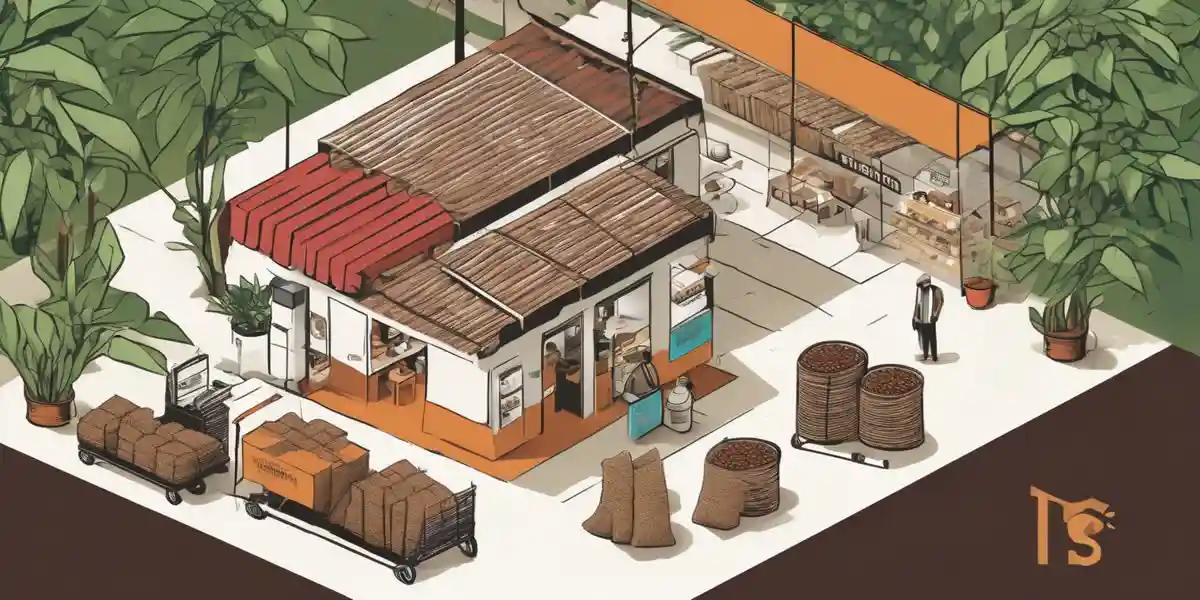
As coffee lovers become increasingly conscious of where their coffee comes from, transparency in sourcing has become a vital concern. Consumers want assurance that their favorite brew is not only delicious but also ethically sourced. In Colombia, a country renowned for its high-quality coffee, traditional supply chain practices often obscure vital information about the journey of coffee from farm to cup. This lack of clarity can lead to issues related to fair trade and the economic well-being of farmers. Here, blockchain technology emerges as a game-changer, offering a new degree of transparency that benefits both consumers and producers.
Blockchain, a digital ledger system that allows for secure and transparent record-keeping, can fundamentally change how coffee is sourced and sold. By providing a tamper-proof method to document each step of the coffee supply chain—from cultivation, processing, and packaging to distribution—blockchain enables all parties to verify the origins and authenticity of the coffee. This makes it easier for consumers to know exactly which farm their coffee comes from, ensuring ethical sourcing practices. For example, the research paper on coffee traceability emphasizes the importance of this technology in enhancing consumer assurance and monitoring quality throughout the supply chain.
One notable implementation of blockchain in coffee sourcing takes place in Colombia, highlighted in the study "Colombian Origin Coffee Supply Chain Traceability by a Blockchain Implementation." This research presents a proof of concept using Hyperledger Fabric to create a more transparent supply chain. By overlaying traditional supply chain models with blockchain technology, stakeholders can trace the product's origin effectively. Farmers can share detailed information about their practices and the quality of their beans, while consumers can easily access this data, fostering trust and accountability.
The benefits of enhanced traceability through blockchain go beyond ethics; they offer substantial marketing advantages as well. A study titled “Highvalue.Coffee Project” discusses how traceability can enhance the power of value chains. When customers are informed about the specific origins and quality controls in place, they are often willing to pay a premium. This heightened awareness not only boosts the marketability of Colombian coffee but also reinforces ethical sourcing. Farmers benefit economically and are incentivized to maintain high-quality practices, leading to overall improvement in the industry.
While blockchain technology brings remarkable opportunities, its implementation is not without challenges. Issues related to technological accessibility and the initial costs of setting up blockchain infrastructure can be barriers for small farmers. However, as more entities invest in these technologies and as educational resources become more readily available, the landscape is likely to evolve. The research “Blockchain traceability model in the coffee industry” discusses how resolving these challenges can greatly enhance transparency and trust in the coffee supply chain.
Through the marriage of blockchain technology and ethical sourcing in Colombian coffee, we are not just brewing innovation; we are also paving the way for a more sustainable and accountable future in the coffee industry. Such advancements align with the broader theme of how Web3 technology is transforming our relationship with coffee, allowing consumers to enjoy their daily brew while actively participating in a movement toward ethical consumption.
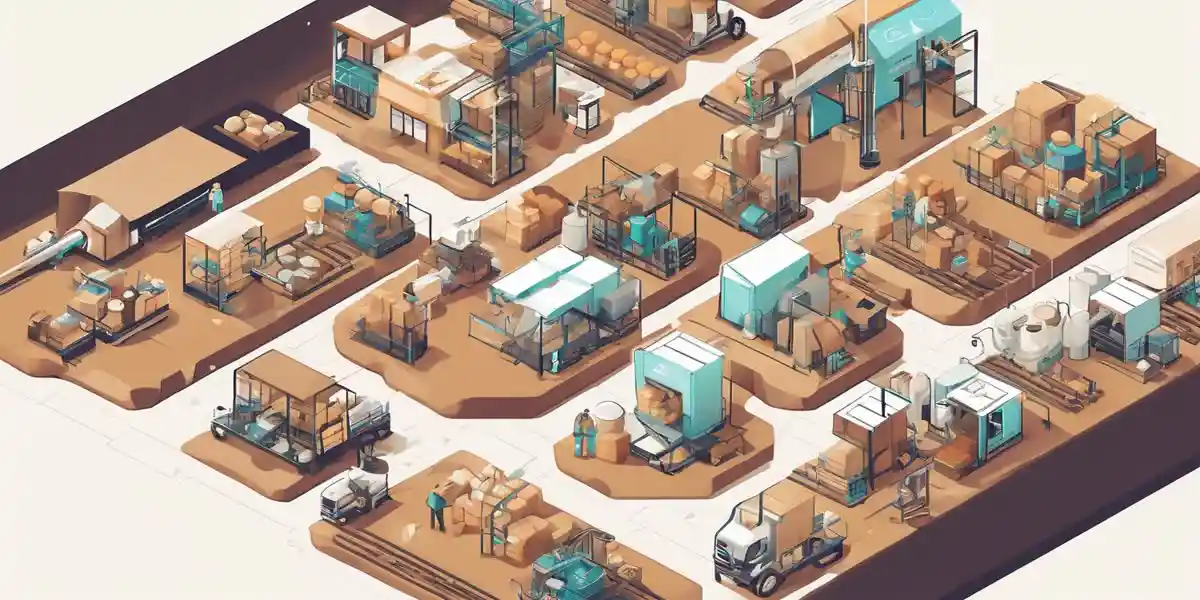
One of the most exciting prospects of Web3 technology in the coffee industry is the ability to enhance traceability through blockchain. Blockchain is a digital ledger system that allows for the secure and transparent tracking of products from their origin to their final destination. This capability is especially critical in the coffee industry, where consumers are increasingly concerned about the ethical sourcing of their beverages. According to the paper “Highvalue.Coffee Project” and the Growing Importance of Coffee Traceability, improved traceability provides not only consumer assurance but also enhances the value chain power, quality monitoring, and marketing advantages for businesses. This means that coffee roasters and retailers can better demonstrate the origins and quality of their products, fostering trust with consumers who value ethically sourced coffee.
Web3 also facilitates a direct connection between coffee producers and consumers via decentralized platforms. This could revolutionize how coffee is marketed and sold, allowing producers to tell their stories and share their practices directly with consumers. For instance, a Colombian coffee farmer could use blockchain to provide consumers with a digital link that shows the farm’s location, cultivation practices, and even the genetic characteristics of the coffee beans they are selling. The paper on Colombian Origin Coffee Supply Chain Traceability by a Blockchain Implementation illustrates how such implementations not only build consumer confidence but also elevate farmers’ market positions by giving them a voice that is often overshadowed by larger brands.
From an investment perspective, those in the coffee industry are optimistic about the potential returns that Web3 technology can bring. Industry operators and investors agree on the transformative power of blockchain to streamline operations and enhance product offerings. However, they also recognize the challenges posed by this technology. For example, the study discussing the “Blockchain traceability model in the coffee industry” highlights that despite the promise of increased transparency and quality, there are significant logistical hurdles in implementation. These include the need for robust infrastructure, accurate data management, and consensus among various stakeholders in the supply chain.
Ultimately, while the promise of Web3 in the coffee sector is substantial—in terms of enhanced traceability, consumer engagement, and transparency—there are also pitfalls that industry operators and investors need to navigate. Practical challenges surrounding technology adoption, data integrity, and user education play crucial roles in determining how effectively these innovations can be harnessed. It's not merely about integrating technology but ensuring that it is user-friendly and accessible to all participants in the coffee supply chain, from farmers to consumers. As the coffee industry embraces Web3, striking this balance will be essential for paving the way for a sustainable and innovative future.
As we explored throughout this blog post, Web3 technology is not just a buzzword; it is a catalyst for transformative change in the coffee industry. Through projects like Highvalue.Coffee, we learned how blockchain technology enhances traceability in the supply chain, ensuring that consumers can connect directly with the source of their coffee. The ethical sourcing of Colombian coffee exemplifies how increased transparency can elevate sustainability and empower local farmers. Additionally, industry insights shed light on both the exciting potential and the challenges of integrating Web3 solutions, reminding us that innovation requires balance and careful navigation.
Key takeaways include the growing demand for transparent supply chains, the empowerment of small farmers through direct trade facilitated by blockchain, and the recognition that embracing Web3 technology is an ongoing journey filled with opportunities and challenges. Together, these insights illustrate a promising path forward for the coffee industry, where ethical practices and technological advancements go hand in hand.
As we continue to witness the unfolding revolution in coffee driven by Web3, we encourage everyone—from consumers to coffee industry professionals—to stay engaged, explore these innovations, and advocate for sustainable practices. Let’s embrace this brewing innovation and shape a future where every cup of coffee tells a story of transparency, fairness, and extraordinary flavor.

Get notified about new articles, coffee tips, and Web3 insights.
This site participates in affiliate programs and may earn a commission when a link is clicked and a purchase is made. The site is not responsible for any issues or troubles related to the products or services purchased through the use of this site.
DO&COFFEE loves coffee and technology, exploring the potential of NFTs and blockchain. Learn more →
DO&COFFEE loves coffee and technology, exploring the potential of NFTs and blockchain. Learn more →