coffee
2025/11/30
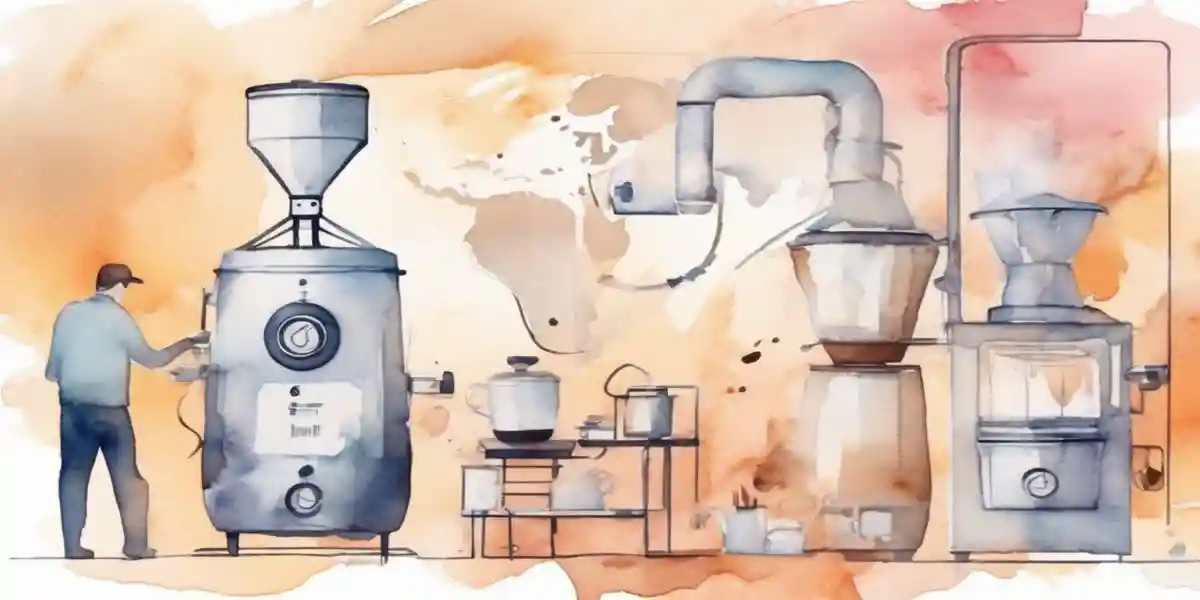
Have you ever wondered what makes a cup of coffee truly exceptional? Beyond the rich aroma and delightful flavor lies a world of technology that's transforming the way we enjoy our daily brew. As coffee roasters strive to stay ahead in a competitive market, many are turning to innovative solutions powered by the Internet of Things (IoT). This digital revolution not only enhances the quality of the coffee but also addresses some of the significant challenges in the coffee supply chain, such as the lack of transparency and authenticity.
In this blog post, we will explore how IoT is revolutionizing coffee roasting techniques, ensuring that each bean is roasted to perfection while also promoting ethical sourcing. We'll delve into the integration of blockchain with IoT for transparent supply chains, enabling consumers to trace their coffee's journey from farm to cup. Lastly, we’ll discuss the potential of smart technology to enhance flavor profiles through advanced roasting intelligence. Join us as we uncover the exciting innovations brewing in the coffee industry and their implications for both roasters and coffee lovers alike.
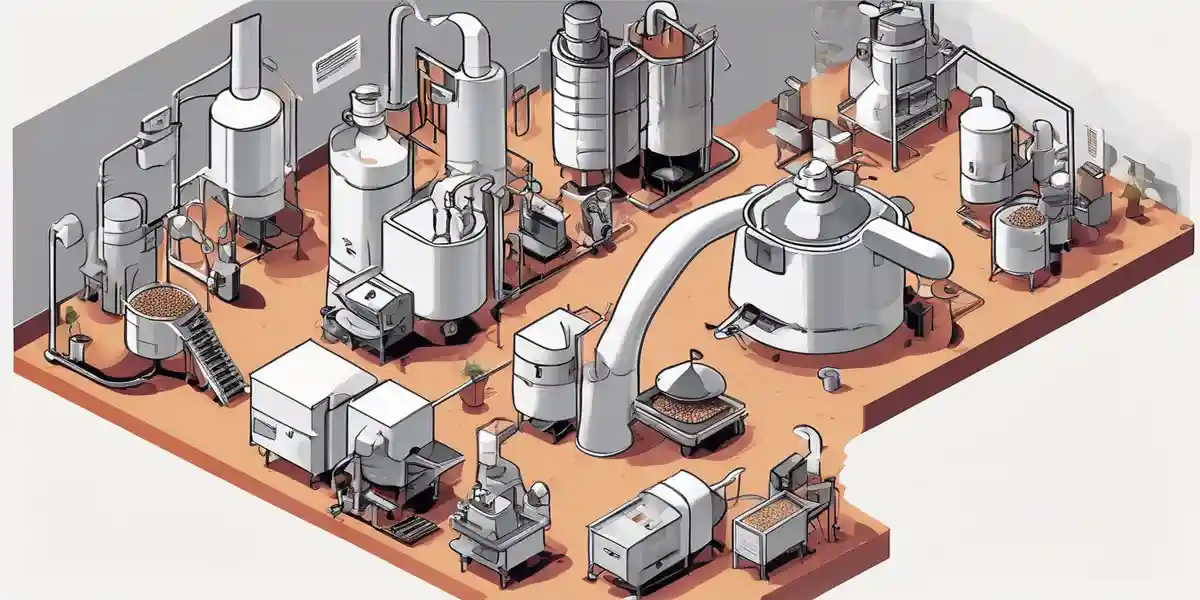
Consistency in coffee roasting is critical to delivering high-quality flavors that consumers expect. However, roasting coffee beans involves complex variables that can change with every batch. Traditionally, baristas relied on their subjective judgment to assess the degree of roasting, which can lead to inconsistency in flavor. With the advent of IoT solutions, this process is now being transformed. For instance, the Coffee Roast Intelligence application utilizes machine learning to classify the degree of roasting of coffee beans accurately. This tool helps roasters maintain consistent quality by removing much of the subjective decision-making involved in the roasting process. As coffee roasters embrace these digital tools, they are not just improving their product; they are enhancing the overall coffee experience for consumers.
One of the most promising aspects of IoT technology in coffee roasting is the capability for real-time monitoring and control of the roasting environment. Smart sensors provide data on various parameters such as temperature and humidity throughout the roasting process. This stream of information enables roasters to make immediate adjustments, ensuring optimal roasting conditions. For example, if a sensor detects that the temperature is fluctuating outside the desired range, the roaster can automatically adjust the heat input, helping to maintain the perfect roast profile. This level of control not only enhances the quality of the coffee but also reduces waste and energy consumption, supporting sustainable practices in the industry.
Incorporating IoT solutions into coffee roasting also allows for the collection and analysis of data over time. By examining this data, roasters can identify trends and patterns that may be impacting their coffee quality. This can lead to more informed decisions about product development and sourcing strategies. For instance, by analyzing the roasting profiles of successful batches, roasters can replicate the conditions that led to superior flavor outcomes. This data-driven approach fosters innovation, enabling roasters to experiment with different bean types or roasting techniques with a higher degree of confidence.
The integration of IoT with blockchain technology further enhances the coffee roasting process by providing a level of transparency previously unattainable. IoT devices can track the journey of coffee beans from farm to roaster, ensuring that every batch can be verified for its authenticity. This not only builds consumer trust but also helps roasters in selecting high-quality beans and maintaining ethical sourcing practices. For example, RFID and GPS sensors can log the provenance of coffee beans, ensuring that consumers receive products that are not only great in flavor but also responsibly sourced. This level of traceability is essential in a market where consumers are increasingly concerned about sustainability and ethical practices.
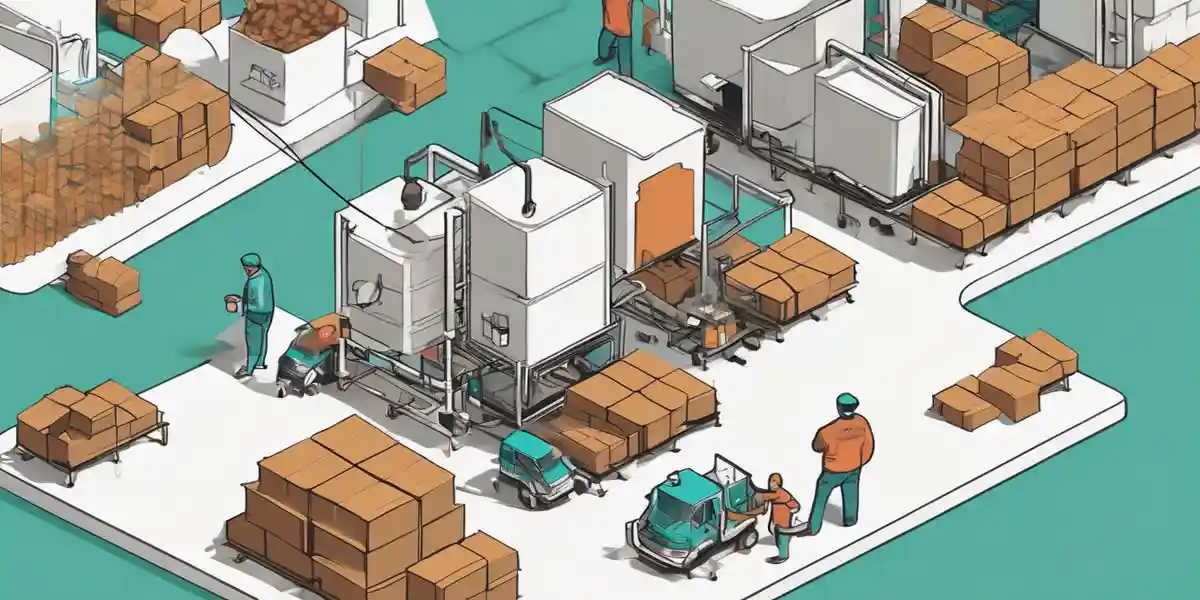
In an era where consumers are increasingly concerned about ethical sourcing and sustainability, the coffee supply chain faces significant challenges. Issues like fragmented records and unverifiable origin claims hinder transparency. Coffee enthusiasts want assurance that their beans are sourced ethically, and this is where technology like blockchain and the Internet of Things (IoT) comes into play. By integrating these technologies, coffee roasters can create a more transparent supply chain, providing consumers with critical information about the origin, quality, and journey of their coffee.
Blockchain, a digital ledger system that securely records transactions across many computers, ensures that data cannot be altered retroactively. This aspect of blockchain is crucial for coffee supply chains, where it is essential to verify the source of coffee beans. For instance, a coffee roaster can use blockchain to record every transaction in the supply chain, from the farmer who grows the beans to the roaster who processes them. This creates an immutable history that consumers can access, ensuring transparency and fostering trust.
According to the research paper titled A Blockchain and IoT-Enabled Framework for Ethical and Secure Coffee Supply Chains, a proposed system combines IoT sensor data—with things like RFID (Radio-Frequency Identification) tags for tracking movement and GPS for location data—with Ethereum smart contracts for enhanced security. This dual approach not only streamlines operations but also improves the traceability of coffee products, making it easier for consumers to verify the authenticity of their purchases.
IoT devices play a crucial role in gathering data along the coffee supply chain. These smart sensors can monitor various parameters such as temperature, humidity, and soil health during the growing phase, and then track the beans throughout the logistics process. For example, a coffee farmer may deploy IoT sensors to monitor the health of coffee plants, which can ultimately ensure better yield and quality. This data can also inform the roaster about the optimal conditions for different batches of coffee, enhancing roasting precision.
While tracing the coffee beans' journey, these IoT devices also enhance sustainability practices. By analyzing the collected data, roasters can identify inefficiencies in their supply chain and make environmentally friendly choices, such as optimizing shipping routes or reducing waste during production.
Several coffee brands have already begun leveraging these technologies to promote transparency. For instance, a well-known roaster partnered with farmers to implement blockchain technology to track its beans. The company provides consumers with a QR code on its packaging that links to a blockchain record, revealing when and where the beans were grown, harvested, and processed. This not only builds customer trust but also empowers farmers by ensuring they receive fair compensation for their product.
In another example, a tech-savvy coffee startup integrates IoT technology to monitor coffee quality at every roasting stage. By using sensors that provide real-time data about bean temperature and humidity, the roaster can maintain consistent quality, enhancing the flavor profile that customers expect. In addition, the data gathered helps the startup refine its sourcing practices, ensuring that every cup of coffee aligns with ethical and sustainable standards.
By leveraging blockchain and IoT technologies, coffee roasters are not merely improving their operational efficiency; they are also fostering ethical practices and ensuring consumers are informed about the story behind their brews. This transformation aligns with the broader narrative of digital innovation, solidifying the connection between technology, sustainability, and consumer trust in the coffee industry.
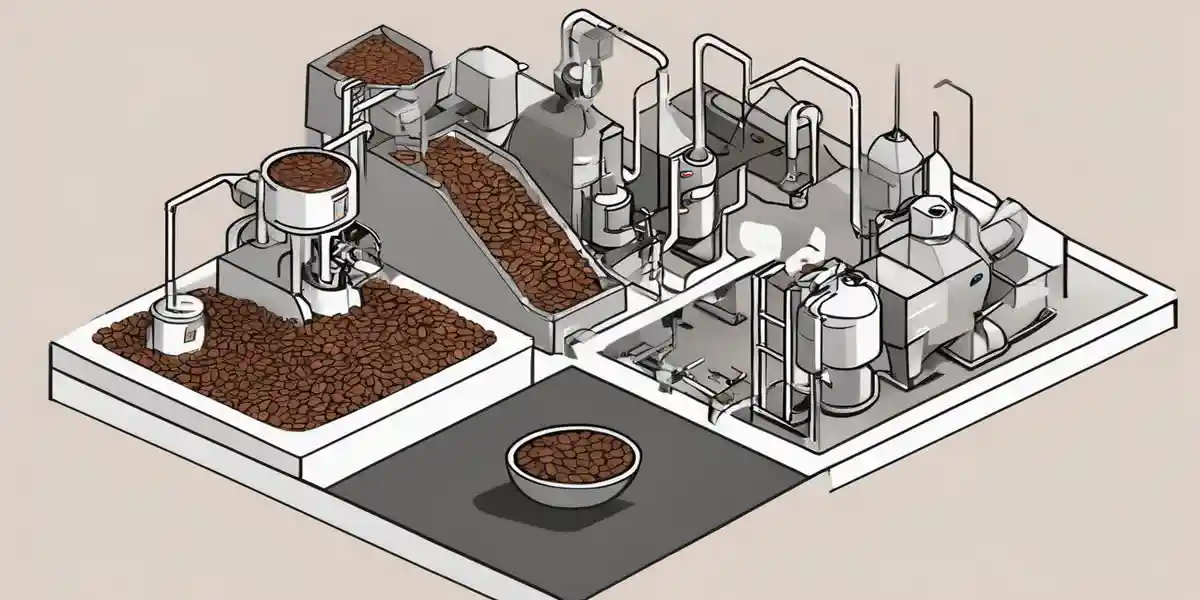
As coffee roasters strive to create the perfect cup, maintaining consistent flavor becomes a significant challenge. The roast level of coffee beans—ranging from light to dark—dramatically affects the taste and aroma. To help roasters and baristas navigate this complex process, innovations like Coffee Roast Intelligence have emerged. This machine learning-based tool can accurately classify the degree of roasting of coffee beans, reducing reliance on subjective judgments. By utilizing this technology, roasters can ensure their products maintain the desired quality, in turn enhancing customer satisfaction.
Integrating IoT solutions with Coffee Roast Intelligence allows roasters to monitor roasting parameters such as temperature and time in real time. For instance, sensors mounted on roasting machines collect data during the roasting process, feeding this information back to a central system where machine learning algorithms analyze the data. By correlating these real-time metrics with the resultant flavor profiles, roasters can fine-tune their processes to achieve consistent results. This level of precision not only fosters an improved product but also establishes a level of reproducibility that is essential in today’s competitive market.
Imagine a coffee roaster that is able to utilize IoT-enabled smart sensors to continuously monitor the heat transferred to each batch of coffee being roasted. Through the Coffee Roast Intelligence application, this roaster can adjust parameters on the fly, responding immediately to variations in bean size, moisture content, and ambient temperature. In practice, this means that a slight change in the roast profile can be instantly compensated for, ensuring that every batch produced meets the high standards expected by consumers. Such innovations not only improve flavor consistency but also allow roasters to experiment with new profiles confidently, pushing the boundaries of coffee flavor.
Furthermore, the integration of IoT solutions within the coffee supply chain can significantly enhance transparency. The paper titled "A Blockchain and IoT-Enabled Framework for Ethical and Secure Coffee Supply Chains" highlights how merging IoT data with blockchain technology can create a more secure and verifiable system for tracking coffee from farm to cup. This combination allows roasters to access precise data on the origin, processing, and handling of their coffee beans, enabling them to make informed decisions about sourcing and quality assurance. With consumers increasingly prioritizing transparency, this integration of IoT enhances the overall flavor experience by ensuring that the beans sourced are not only high quality but also ethically produced.
The future of coffee roasting is undeniably linked to the technological innovations brought by IoT solutions. As roasters harness tools like Coffee Roast Intelligence, they not only enhance their operational efficiencies but also enrich the flavor profiles of their offerings, paving the way for an exciting evolution in the coffee industry.
As we've explored throughout this blog post, the infusion of IoT solutions into coffee roasting is not merely a technological upgrade; it represents a fundamental shift in how roasters operate, ensuring every cup of coffee is not just crafted but finely tuned. From transforming roasting techniques to ensure consistency and quality, to employing blockchain for transparency in sourcing, and leveraging roast intelligence for flavor enhancement—each aspect of this digital transformation is brewing a new era for coffee roasters.
Key takeaways from our discussion include the ability for roasters to precisely monitor and control the roasting process, leading to a notable increase in product quality and customer satisfaction. Additionally, by embracing blockchain and IoT technologies, coffee roasters can create transparent supply chains that build trust with consumers—demonstrating a commitment to ethical sourcing practices.
The future of coffee roasting is bright, driven by innovation and a commitment to quality. As the industry continues to evolve, coffee roasters have an incredible opportunity to adapt and thrive through these IoT solutions. So, whether you’re a small local roaster or a larger enterprise, consider how you can leverage these technologies to elevate your offerings and connect with your customers on a deeper level. Embrace the journey of brewing innovation, and let your coffee roasting business be part of this exciting digital transformation!

Get notified about new articles, coffee tips, and Web3 insights.
This site participates in affiliate programs and may earn a commission when a link is clicked and a purchase is made. The site is not responsible for any issues or troubles related to the products or services purchased through the use of this site.
DO&COFFEE loves coffee and technology, exploring the potential of NFTs and blockchain. Learn more →
DO&COFFEE loves coffee and technology, exploring the potential of NFTs and blockchain. Learn more →