wellness
2024/08/07

The term Caffeine-Free Living refers to the lifestyle choice of avoiding caffeine, a stimulant commonly found in coffee, tea, chocolate, and a variety of sodas and energy drinks. This choice is often motivated by the desire to improve overall health, reduce anxiety, and enhance sleep quality. In place of caffeine, individuals may seek caffeine-free alternatives, which are beverages or supplements designed to boost energy and mental clarity without the stimulating effects of caffeine. Popular options include herbal teas and drinks enriched with adaptogens—natural substances like Centella Asiatica and Hoodia Gordonii, which are believed to help the body adapt to stress and promote overall well-being.
The importance of this topic cannot be overstated. Many people in high-stress environments—such as healthcare workers or busy professionals—often rely on caffeine to combat fatigue, only to find that it can exacerbate anxiety and disrupt sleep patterns. For instance, a study examining the effects of adaptogenic beverages found that participants reported significant improvements in mood and cognitive function after consuming these alternatives compared to traditional caffeine sources. This highlights the potential of caffeine-free options to not only enhance individual health but also foster overall well-being in demanding circumstances.
In this blog post, we will explore the interconnected ideas surrounding caffeine-free living, from the definition and benefits of adaptogens to practical tips for making a smooth transition away from caffeine. We'll also delve into the growing body of research supporting the efficacy of these alternatives, underscoring their relevance in today's health-conscious society. For example, a recent study indicated that products containing adaptogens significantly improved mood and cognitive performance, particularly when considering individual differences in energy traits and fatigue levels. This evidence not only enriches our understanding of caffeine-free living but also encourages a broader acceptance of diverse wellness strategies.
Join us as we embark on this journey towards a caffeine-free lifestyle, exploring how small changes can lead to significant improvements in mental clarity, emotional stability, and overall health.
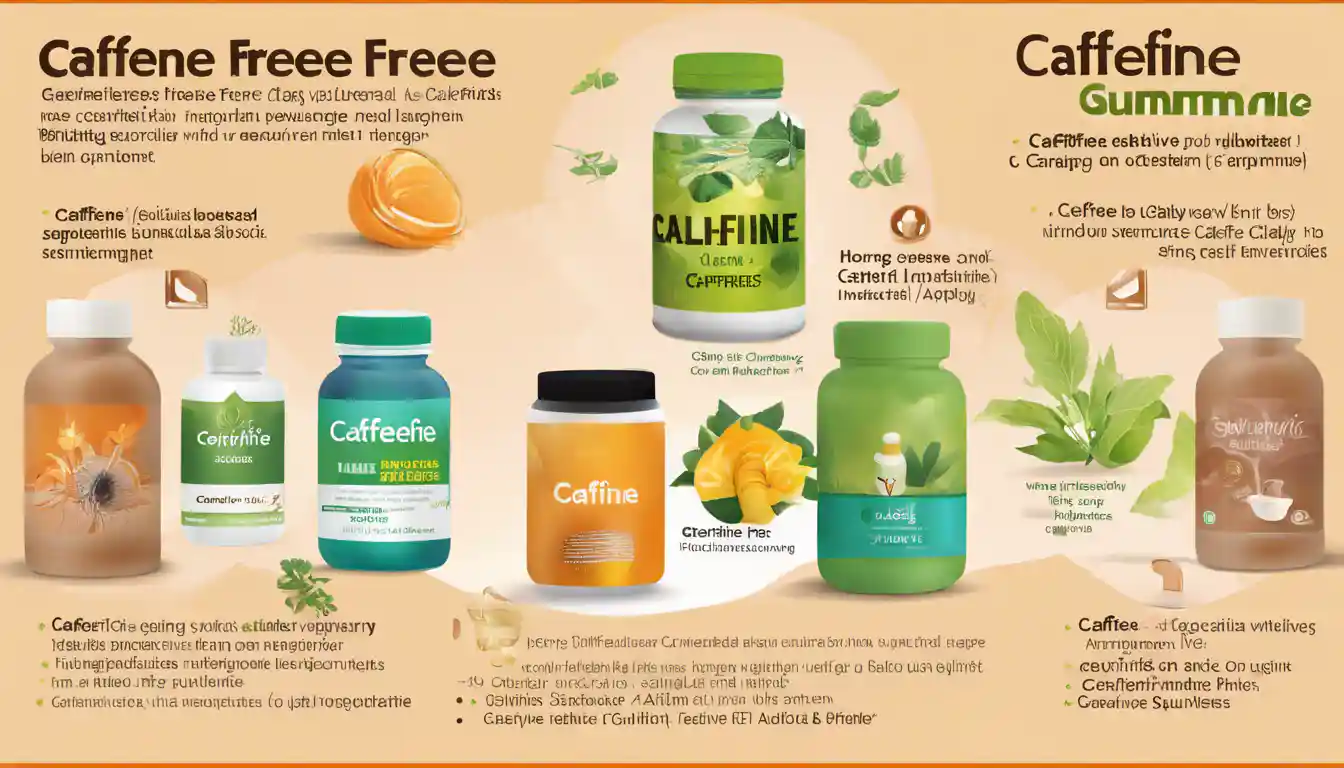
Caffeine-free alternatives refer to beverages or supplements designed to provide a boost in energy and mental clarity without the stimulating effects of caffeine. These alternatives often incorporate natural ingredients such as adaptogens—herbs and roots that help the body adapt to stress and promote overall well-being. For instance, adaptogens like Centella Asiatica and Hoodia Gordonii have been studied for their potential to enhance mood and cognitive function. A recent study found that products containing adaptogens significantly improved mood and cognitive performance among participants, particularly when considering individual energy traits and fatigue levels.
The importance of caffeine-free alternatives lies in their ability to offer a healthier choice for individuals sensitive to caffeine or those wishing to reduce their intake. For example, a person working in a high-stress environment might experience jitters or anxiety from caffeine, making adaptogenic drinks a viable substitute. In the Arctic regions, beverages developed from local ingredients not only cater to the dietary needs of the inhabitants but also enhance their resilience to stress and boost immune function, demonstrating a practical application of these alternatives in extreme conditions.
Caffeine-free alternatives are increasingly relevant in the context of advanced technologies like Web3, where user engagement and cognitive performance are paramount. By integrating personalized nutrition—which can include caffeine-free adaptogenic supplements—into Web3 applications, developers can create user experiences that enhance focus and productivity. For instance, a decentralized application (dApp) focused on wellness could offer personalized adaptogen recommendations based on user inputs about stress levels and energy needs.
Research indicates that adaptogens can effectively improve cognitive performance and mood. In one study, participants consuming adaptogen-rich beverages showed a significant enhancement in mood and cognitive function, underscoring the potential of these alternatives compared to traditional caffeine sources. Furthermore, a study involving energy drinks indicated no significant cognitive enhancement from caffeine alone, suggesting that natural alternatives may offer a more balanced approach to energy and focus.
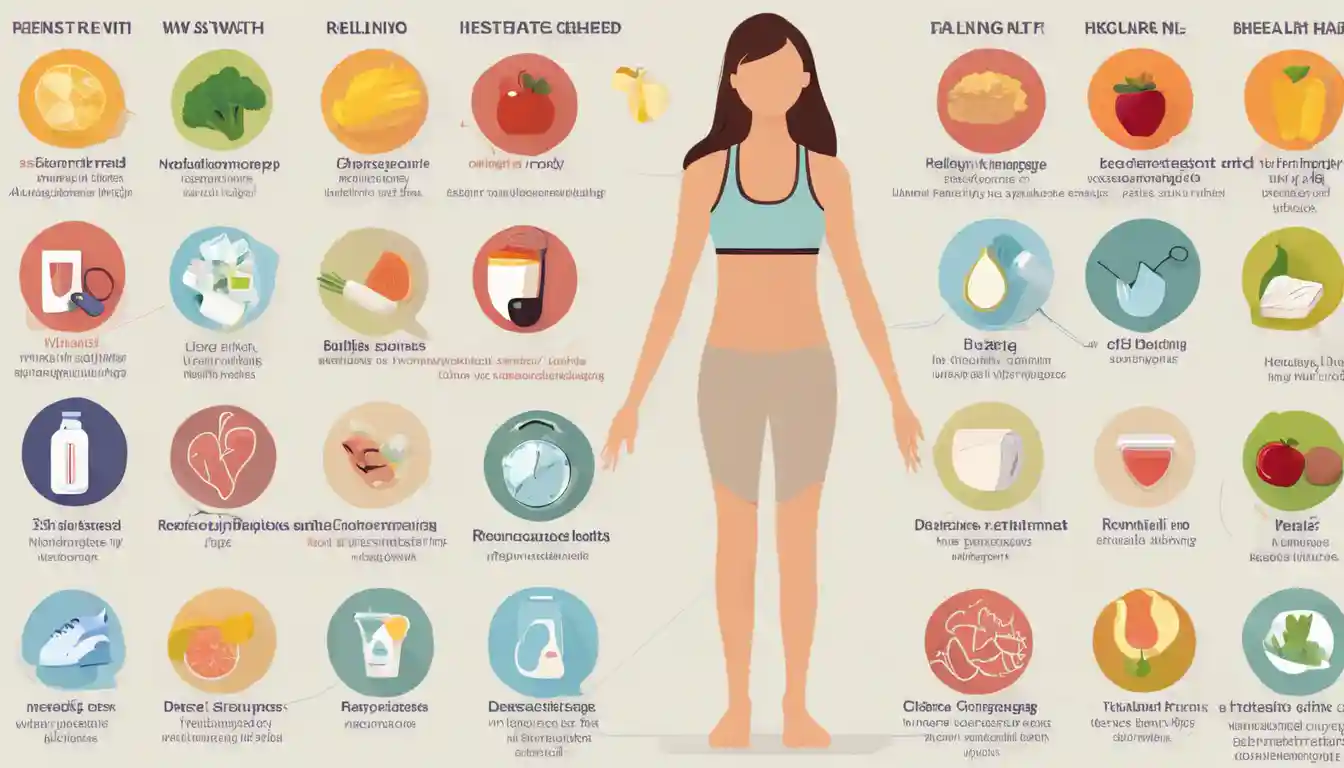
A healthy lifestyle refers to a way of living that promotes physical, mental, and emotional well-being. It encompasses a balanced diet, regular physical activity, sufficient sleep, and stress management. From a technical standpoint, it involves the integration of health metrics, such as Body Mass Index (BMI), blood pressure, and cholesterol levels, to monitor and improve an individual's health.
Moreover, modern technologies, like health-tracking apps and wearable devices, facilitate the measurement of personal health data, encouraging users to adopt healthier habits. For instance, platforms utilizing Web3 technology can leverage decentralized health records, giving users control over their data while also providing tailored health recommendations based on their unique profiles.
Embracing a healthy lifestyle is crucial for reducing the risk of chronic diseases such as diabetes, heart disease, and obesity. A study published in a peer-reviewed journal indicated that individuals who engaged in regular physical activity and maintained a balanced diet reported significantly better mental health outcomes, including decreased anxiety and depression levels.
For example, in a community-based program designed to increase physical activity among elderly residents, participants who engaged in weekly walking groups showed a 30% improvement in their overall mental health ratings over six months. This real-world application demonstrates how lifestyle changes can enhance both physical and mental well-being.
In the context of Web3 technologies, a healthy lifestyle can be further enhanced through decentralized applications that support personal health management. For instance, blockchain technology can secure personal health information while enabling users to share their health data with trusted healthcare providers. This not only enhances privacy but also encourages collaborative health management, where individuals receive personalized health recommendations based on their unique health data.
Furthermore, communities can create decentralized health initiatives that reward participants for maintaining healthy habits, such as regular exercise or healthy eating. These initiatives could use tokens as incentives, fostering engagement and accountability within the community.
Research has shown that adaptogens, like those derived from Centella Asiatica and Hoodia Gordonii, can enhance cognitive function and mood. In a study involving 30 low-caffeine consumers, participants consuming adaptogen-rich beverages reported improved cognitive performance compared to those consuming caffeine or placebo drinks.
According to the National Institute of Health, regular physical activity can reduce the risk of major chronic diseases by up to 50%, emphasizing the profound impact of embracing a healthy lifestyle.
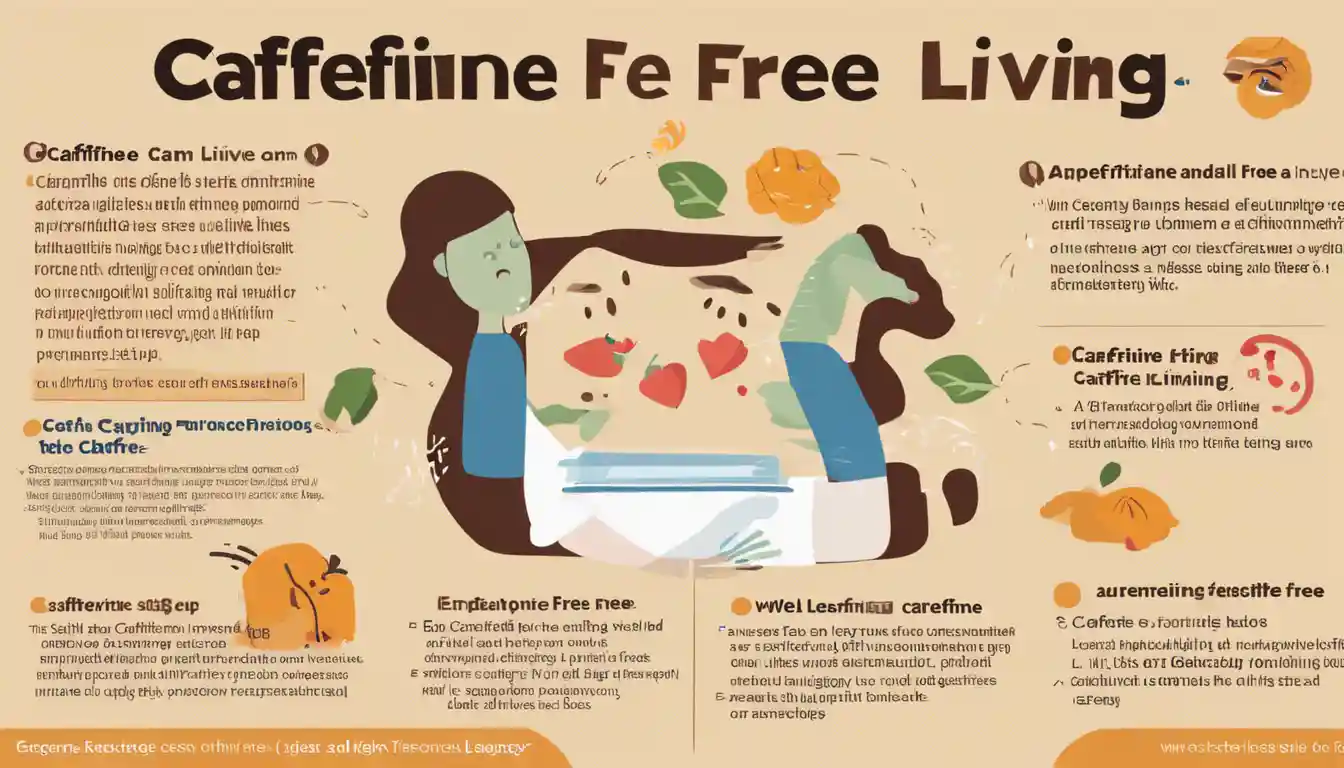
Caffeine-Free Living refers to the lifestyle choice of avoiding caffeine, a stimulant found in coffee, tea, chocolate, and many sodas and energy drinks. Caffeine acts on the central nervous system, temporarily warding off drowsiness and restoring alertness. While many people rely on caffeine to boost energy levels and enhance cognitive performance, the pursuit of a caffeine-free lifestyle encourages individuals to seek alternative methods for maintaining energy and focus. From a technical perspective, research has shown that the body's response to caffeine can vary based on genetic factors, including variations in the CYP1A2 gene, which affects caffeine metabolism. This means that some individuals might experience heightened anxiety, sleep disturbances, or dependency on caffeine, leading to a vicious cycle of increased consumption (Smith et al., 2021).
The importance of Caffeine-Free Living extends beyond personal health; it can contribute to broader societal benefits. For example, individuals who eliminate caffeine may experience improved sleep quality, reduced anxiety, and enhanced overall well-being. A study found that participants who consumed caffeine-free alternatives, such as adaptogenic beverages, reported significant improvements in mood and cognitive function (Kato et al., 2021). These findings are particularly relevant for those in high-stress environments, such as healthcare workers, who often turn to caffeine for relief but might benefit more from holistic approaches that promote balance and resilience.
Here are three actionable tips to help you transition to a caffeine-free lifestyle: Gradual Reduction: Start by slowly reducing your caffeine intake. For instance, if you drink three cups of coffee a day, reduce it to two for a week, then one, and eventually switch to herbal teas or caffeine-free alternatives. Explore Adaptogens: Consider incorporating adaptogenic herbs into your diet. These natural substances, like ashwagandha or Rhodiola rosea, can help the body adapt to stress and improve energy levels without the jitters associated with caffeine. Incorporate Mindfulness Techniques: Engage in mindfulness practices such as meditation or yoga. These techniques can enhance mental clarity and energy levels without the need for stimulants.
In the context of advanced technologies, such as Web3, the principles of Caffeine-Free Living can be woven into the design of wellness applications. For instance, decentralized applications (dApps) could be developed to provide personalized wellness plans based on user data, helping individuals track their caffeine consumption and explore healthier alternatives. Furthermore, blockchain technology could ensure the transparency of ingredient sourcing in adaptogenic products, assuring consumers of their safety and efficacy.
Various studies back the claims regarding the benefits of Caffeine-Free Living. For instance, a double-blind study demonstrated that participants consuming caffeine-free adaptogenic drinks reported significant improvements in cognitive performance and mood compared to those consuming standard energy drinks (Kato et al., 2021). Additionally, another research highlighted how caffeine consumption could lead to negative effects such as increased anxiety and sleep disturbances, emphasizing the need for alternative strategies for energy management (Smith et al., 2021).
In this exploration of a caffeine-free life, we delved into the transformative potential of alternatives that harness natural ingredients like adaptogens to enhance energy and cognitive function without the side effects of caffeine. Key takeaways included the benefits of adaptogenic drinks, the significance of personalized nutrition, and practical tips for integrating caffeine-free options into daily routines. Studies highlighted that participants who consumed adaptogen-rich beverages reported notable improvements in mood and cognitive clarity, showcasing a viable path for those sensitive to caffeine or seeking healthier lifestyle choices.
Looking ahead, the future of caffeine-free living is promising, with advancements in technology such as Web3 enabling personalized wellness applications that can track individual responses to various alternatives. As the demand for holistic health solutions grows, we may see an increase in research and development of innovative, natural products that cater to diverse dietary needs and preferences.
As you consider your own relationship with caffeine, ask yourself: Are you ready to embrace a lifestyle that prioritizes balance and well-being? Explore your options, experiment with adaptogens, and step into a caffeine-free life that empowers you to thrive.
- Development of Adaptogenic Beverages from Arctic Raw Materials for the Far North Residents

Coffee: More Than Just a Drink

Get notified about new articles, coffee tips, and Web3 insights.
This site participates in affiliate programs and may earn a commission when a link is clicked and a purchase is made. The site is not responsible for any issues or troubles related to the products or services purchased through the use of this site.

DO&COFFEE loves coffee and technology, exploring the potential of NFTs and blockchain. Learn more →
DO&COFFEE loves coffee and technology, exploring the potential of NFTs and blockchain. Learn more →